Last updated: July 7, 2026 · Guidance checked against ENERGY STAR, EPA, CDC, and NOAA/NWS moisture-control references.
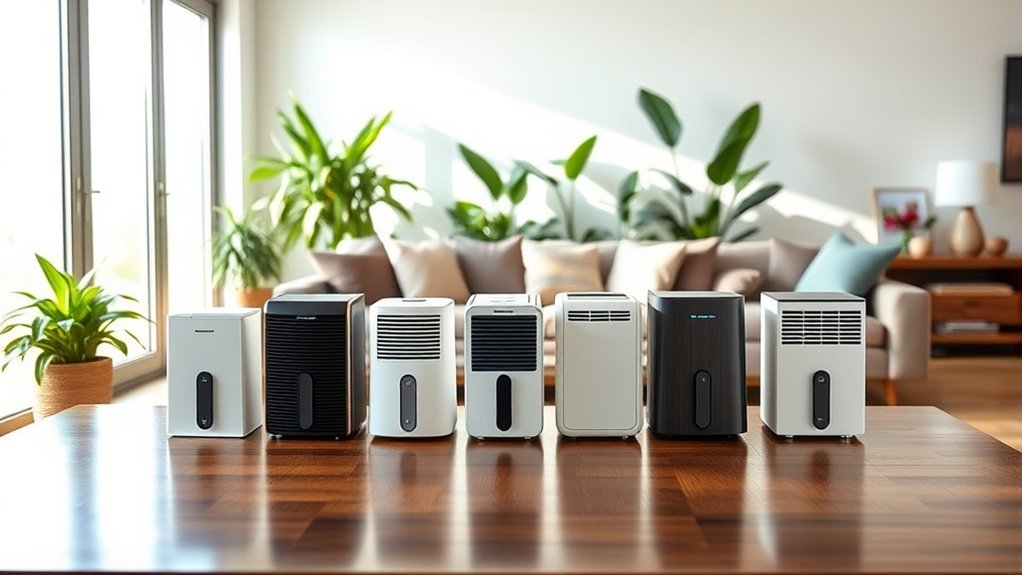
Yes, you should keep windows closed when you use a dehumidifier. Closed windows help the unit remove indoor moisture from a controlled space instead of pulling in damp outdoor air. That means faster drying, steadier comfort, lower energy use, and less condensation on cool surfaces. Open windows only for short, targeted ventilation when the outdoor air is truly drier or when you need to clear steam after cooking or showering.
Quick Answer
Keep windows and exterior doors closed while a dehumidifier runs. An enclosed room lets the unit lower indoor humidity more efficiently. Open windows briefly only when you need fresh air, after a steamy activity, or when the outdoor dew point is lower than the indoor dew point.
Key Takeaways
- Close windows and exterior doors while the dehumidifier is running so it can dry the same indoor air repeatedly.
- Aim for 30% to 50% relative humidity in most homes, or about 30% to 40% in colder winter climates if window condensation is a problem.
- Use exhaust fans or brief ventilation after cooking, showering, or drying laundry, then close the room again.
- Check outdoor dew point, not just outdoor relative humidity, before deciding that outside air is drier.
At a Glance
| Time Required | 5 to 10 minutes to set up; 5 to 30 minutes for brief ventilation when needed. |
| Difficulty | Easy. |
| Tools Needed | Dehumidifier, built-in humidistat or separate hygrometer, exhaust fan if available, and optional drain hose. |
| Cost | $0 if your unit shows humidity; about $10 to $50 for a basic humidity meter, according to EPA guidance. |
Closed vs. Ventilate Decision Guide
| Situation | Best Move |
|---|---|
| The dehumidifier is actively lowering room humidity. | Keep exterior windows and doors closed. |
| A shower, boiling pot, or damp laundry has just added steam. | Use an exhaust fan first; open a window briefly only if it helps clear steam faster. |
| Outdoor dew point is lower than indoor dew point. | Ventilate for a short burst, then close the window and restart humidity control. |
| Outdoor air is muggy, rainy, foggy, or warmer and humid. | Keep windows closed and let the dehumidifier run in a controlled space. |
Should You Close Windows When Using a Dehumidifier?
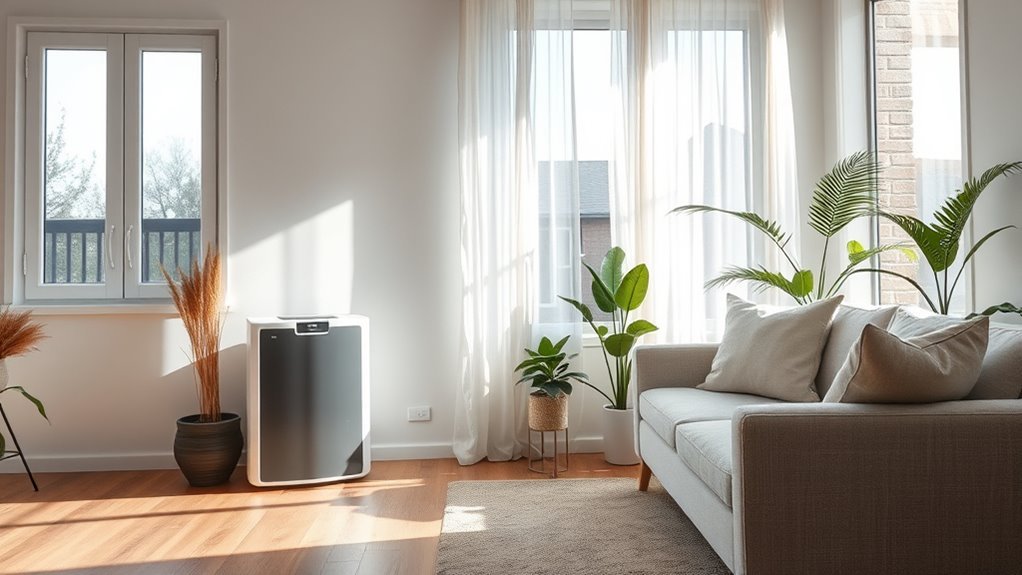
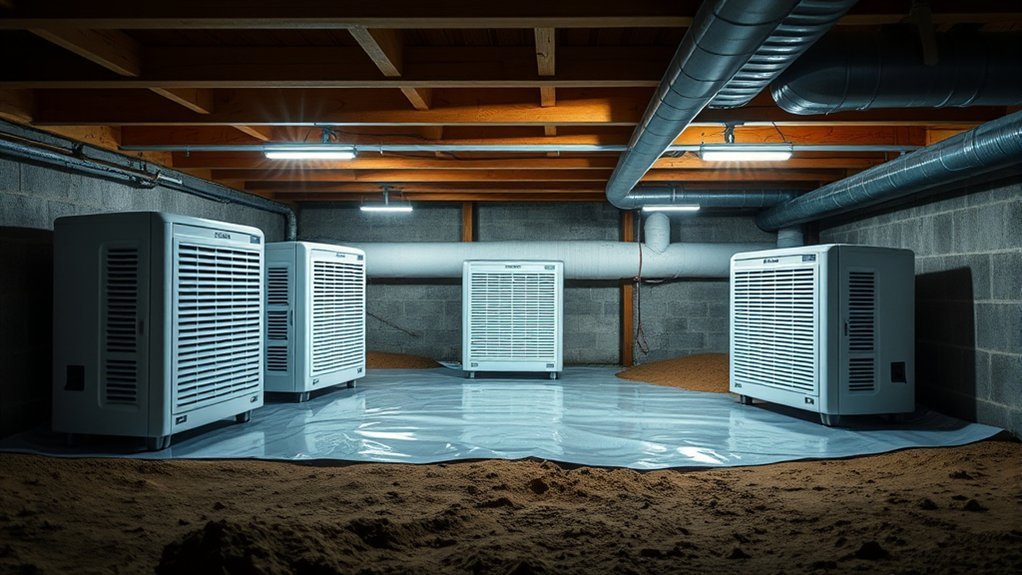
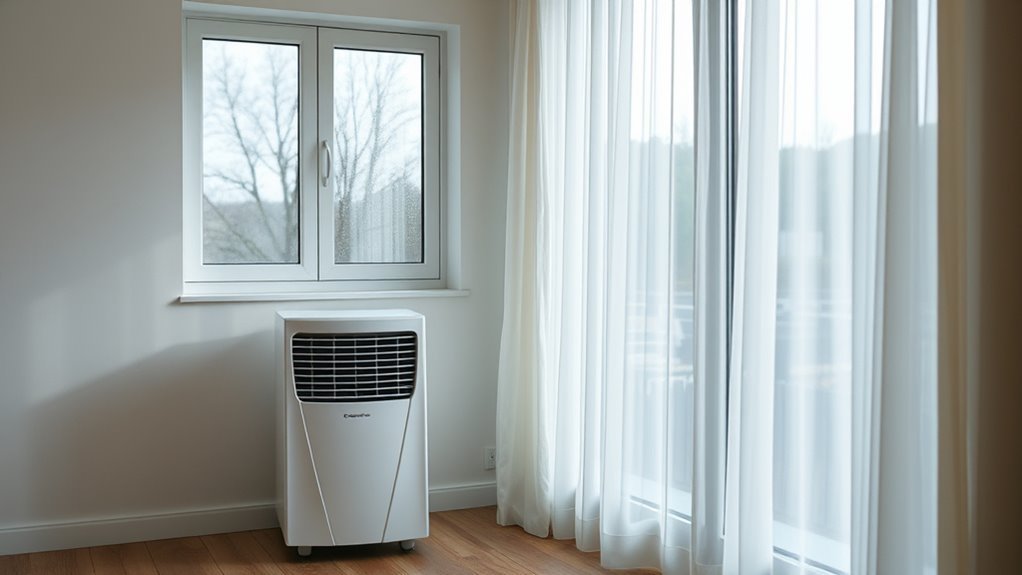
Yes. If you are using a dehumidifier, keep windows and exterior doors closed while the unit runs. ENERGY STAR recommends closing doors and windows in the space being dehumidified because it helps the unit work as efficiently as possible.
A dehumidifier works by pulling moist air across cold coils or a moisture-absorbing system, collecting water, and sending drier air back into the room. If a window stays open, humid outdoor air keeps replacing the air you just dried. The unit then runs longer, uses more power, and may struggle to reach your target humidity.
For most homes, aim for 30% to 50% relative humidity. The U.S. Environmental Protection Agency says indoor humidity should stay below 60% and ideally between 30% and 50% to help control moisture and mold risk. A small hygrometer gives you a simple way to confirm whether the room is actually improving.
Pro Tip: Keep exterior windows closed, but decide on interior doors based on your goal. Close the room door for one-room drying. Leave interior doors open only if you want one dehumidifier to help a larger connected area.
Why Open Windows Hurt Dehumidifier Performance
Open windows hurt dehumidifier performance because they add a constant moisture load. Instead of lowering humidity in one controlled room, the unit has to dry new air again and again. That wastes energy and slows the result you actually want.
| What Happens | Why It Matters |
|---|---|
| Humid outdoor air enters | Indoor humidity rises or drops very slowly. |
| The dehumidifier runs longer | Energy use and operating cost increase. |
| Moisture stays elevated | Condensation, musty odors, and mold risk can continue. |
| Windows and exterior doors stay closed | The unit can dry the room more predictably. |
Keeping windows closed gives you faster drying, steadier comfort, and fewer moisture problems. It also reduces strain on the machine because the dehumidifier is treating the same indoor air instead of fighting an endless supply of outdoor water vapor.
Best Indoor Conditions for a Dehumidifier
For best results, run the dehumidifier in a closed space with steady temperature, good airflow, and a clear humidity target. Start with these basics:
- Place the dehumidifier near the damp area or in a central spot if you are treating the whole room.
- Keep air intake and discharge areas clear of walls, curtains, and furniture.
- Close exterior windows and doors while the unit runs.
- Set the humidistat to a realistic target, usually 40% to 50% in normal conditions.
- Check the room with a hygrometer instead of guessing by feel.
- Empty the tank, clean the filter, and make sure any drain hose is not kinked.
ENERGY STAR notes that portable dehumidifiers need free air circulation around the unit unless the model has a top-mounted discharge that allows wall placement. It also warns users to follow electrical safety guidance and keep drainage away from electrical circuits or devices.
Warning: Do not run a drain hose across walkways or near electrical outlets. Water and electricity are a serious hazard, and a long loose hose can also create a tripping risk.
When Should You Open Windows Instead?
You can open windows briefly when ventilation will remove moisture faster than the dehumidifier alone. Good times include right after a hot shower, while cooking creates steam, after mopping floors, or when a room smells stale and outdoor air is drier.
Do not rely only on outdoor relative humidity. Relative humidity changes with temperature, so 70% humidity outdoors on a cold day can contain less moisture than 55% humidity indoors on a warm day. A better check is dew point. The National Weather Service defines dew point as a measure of atmospheric moisture, with a higher dew point meaning more moisture in the air.
Use this simple rule: open windows only when outdoor air is drier for your goal, pause the dehumidifier during the open-window burst, then close the window again. If the outdoor dew point is high, keep windows closed and use the dehumidifier with exhaust fans instead.
Will a Dehumidifier Clear Window Condensation?
Yes, a dehumidifier can help clear window condensation when the condensation is caused by high indoor humidity. By lowering indoor moisture, the unit reduces the amount of water vapor that can collect on cold glass.
- Place the dehumidifier in the room with the worst condensation, not behind furniture or curtains.
- Keep windows closed while the unit runs.
- Target 30% to 50% relative humidity, or 30% to 40% in cold winter weather if condensation keeps forming.
- Wipe standing moisture from glass and sills so it does not soak into wood, paint, or drywall.
- Use kitchen and bathroom exhaust fans to remove steam at the source.
If condensation continues even when indoor humidity is in range, the problem may be cold glass, poor insulation, thermal bridging, or limited air movement near the window. In that case, a dehumidifier helps, but you may also need better ventilation, window insulation, or a repair to stop cold surfaces from staying below the dew point.
Recommended Products
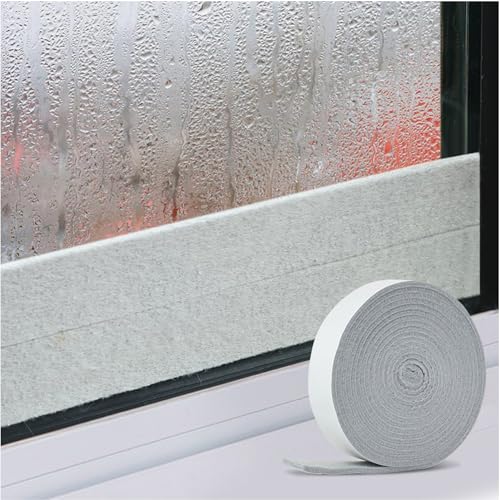
[No More Daily Wiping] Tired of nonstop window condensation, sill water pools, or dripping AC—hour after hour? Our absorbent strips fix it fast! Stick them (add more rows for heavier condensation) on windows, AC vents, RV and more. Keep sills dry all day.

Renew and Reuse:- Quickly and efficiently eliminates moisture and humidity as well as musty odors. Simply put the dehumidifier in the microwave for 6 minutes and it is ready for reuse. Don’t have a microwave? Place bag on a radiator or in direct sunlight until the indicator turns bright blue

CANCEL CONDENSATION: Escape the nuisance of clouded, unclear windows and excess moisture with ZARPAX's vehicle dehumidifier bags. The innovative ZARPAX Car Dehumidifier battles this problem valiantly, attracting excess moisture like a magnet, and effectively absorbing it. Our dehumidifier bags eliminates excess moisture, ensuring the comfort and safety of starting your daily commute with a clear windshield. Safeguard yourself and your valuables with our expert dehumidifier bags!
Best Winter Settings for a Dehumidifier
In winter, keep windows and exterior doors closed while your dehumidifier runs. A good target is usually 30% to 40% relative humidity in colder climates, especially if you are trying to prevent window condensation. In milder conditions, 40% to 50% may feel more comfortable.
Avoid over-drying the room. If the air drops below about 30%, you may notice dry skin, irritated eyes, static electricity, or dry nasal passages. Use the humidistat or a separate hygrometer so you can stop the unit once the space reaches the target range.
Temperature matters too. ENERGY STAR notes that frost can form on a dehumidifier’s condensing coils if the air temperature drops below 65°F, which can hurt performance. If you use a dehumidifier in a cold basement, garage, or utility room, choose a model rated for lower temperatures or let the unit defrost if frost appears.
Recommended Products
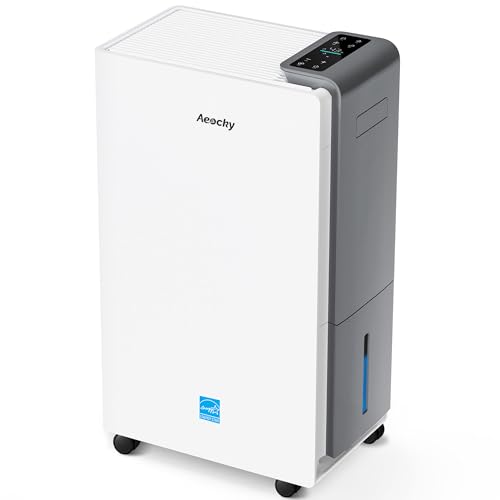
【ENERGY STAR 25 ≠ ENERGY STAR Most Efficient 2025】Don't fall for competitors' word games. With only 2.6% of ENERGY STAR models earning "Most Efficient 2025" title, these options are exceptionally rare on the market. RHEA-001 is one of the few to truly hold this top-tier certification. Many brands use misleading phrases like "Energy Star Efficient 25" or "Energy Star 25" to imply a standard they haven't met. Choosing them is a risk.With AEOCKY, you get verified performance and the peace of mind of authentic, top-tier efficiency.

Semiconductor dehumidifiers use thermoelectric cooling to remove moisture from the air. They create a drier, more comfortable environment by reducing humidity and improving air quality.
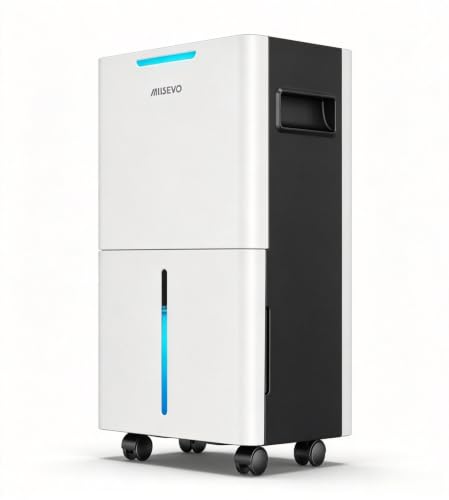
High Efficient Dehumidifier — Equipped with a high-performance compressor, Whether it’s your basement, bedroom, bathroom, living room, bathroom, crawlspace, or even an RV, this dehumidifier effectively keeps your environment dry, comfortable, and healthy.
How Can You Ventilate Without Raising Humidity?
To ventilate without driving up humidity, use short, controlled airflow instead of leaving windows open for hours. The goal is to remove moisture at the source without turning the room into a supply path for damp outdoor air.
- Run bathroom fans during showers and for a short time afterward.
- Use a range hood or kitchen exhaust fan when boiling water or cooking with steam.
- Vent clothes dryers outdoors, not into the room.
- Open a window briefly only when outdoor dew point is lower or steam needs a fast escape route.
- Close the window again and let the dehumidifier bring the room back to the target range.
This balance gives you fresher air without sacrificing moisture control. The CDC also recommends keeping home humidity no higher than 50% all day and using exhaust fans in kitchens and bathrooms to help prevent mold growth.
Note: If a room stays humid with windows closed, look for hidden moisture sources such as leaks, wet crawl spaces, blocked dryer vents, damp laundry, or poor bathroom ventilation.
How Do You Keep Humidity Between 30% and 50%?
Keeping indoor humidity between 30% and 50% helps reduce condensation, musty smells, dust mite comfort, and mold risk. Use a hygrometer or the dehumidifier’s built-in humidistat to check the room instead of guessing.
For steady control:
- Close exterior windows and doors while the dehumidifier runs.
- Set the target humidity before the room feels damp.
- Empty the tank before it fills, or use a safe continuous drain setup.
- Clean the air filter as your manual recommends.
- Keep furniture away from exterior walls so air can move.
- Repair leaks and direct water away from the home’s foundation.
- Use fans to move air across damp corners, closets, and window areas.
If humidity still will not drop, the dehumidifier may be too small, the room may be too cold, the filter may be clogged, or outdoor moisture may be entering through leaks, open windows, or poor sealing. Persistent dampness deserves a closer inspection because mold control depends on controlling the moisture source, not only drying the air.
The most efficient setup is simple: close exterior openings, remove moisture at the source, measure humidity, and let the dehumidifier cycle in a stable room.
Recommended Products

Face Icon Comfort Indicator: Humidity temperature gauge features face icons to indicate DRY/COMFORT/WET air conditions, quickly informs you how to adjust your humidifier or dehumidifier to achieve optimal comfort.

1-【Widely Application】The digital LCD monitor can be used in home, office, garage, schools, hotels, laboratories, kindergartens, aquaculture, instrument workshop, warehouse, reptile tank terrarium, aquarium, hermit crab habitat, and other places where temperature/humidity measurement is required.

Maintain the Right Room Temperature and Humidity Levels: This wireless indoor thermometer/hygrometer combination is perfect to pair with humidifiers or dehumidifiers
Frequently Asked Questions
Is it okay to run a dehumidifier with the windows open?
No, not for normal drying. Open windows let outdoor moisture enter, so the dehumidifier has to work harder and may never reach the set humidity. Keep windows closed while it runs, except for brief ventilation when outdoor air is drier or when you need to clear steam.
What should you not do with a dehumidifier?
Do not run it with exterior windows open, block the intake or exhaust, ignore a full tank, use a dirty filter, place a drain hose near electrical outlets, or expect it to fix leaks. A dehumidifier controls air moisture, but it does not repair the source of water.
Should you use a dehumidifier if you have COPD?
A dehumidifier may help if your home is damp or above 50% relative humidity, because dampness and mold can irritate the lungs. It is not COPD treatment or medical advice. If you have COPD, asthma, allergies, or worsening breathing symptoms, ask your clinician what indoor humidity range is safest for you.
Do I need to close the window to use a dehumidifier?
Yes. Close the window if you want the dehumidifier to work efficiently. The unit needs a controlled space so it can remove indoor moisture instead of drying a constant stream of outdoor air.
Can I open windows after a shower while using a dehumidifier?
Yes, but keep it brief. Open a window or run an exhaust fan for 5 to 30 minutes to clear steam, then close the window and let the dehumidifier finish lowering the room humidity.
What humidity setting should I use in winter?
In cold winter weather, start around 30% to 40% relative humidity if window condensation is a problem. In milder weather, 40% to 50% may feel comfortable. Use a hygrometer so you do not over-dry the room.
Conclusion
So, should you close windows when using a dehumidifier? Yes. Keep exterior windows and doors shut so the unit can remove moisture from indoor air efficiently. Open windows only for short ventilation when outdoor air is truly drier or when you need to clear steam. For most homes, aim for 30% to 50% relative humidity, use a hygrometer, and fix moisture sources such as leaks, poor ventilation, or damp laundry so the dehumidifier is not doing all the work alone.
Sources
- ENERGY STAR — Dehumidifiers — supports closed-window operation, humidity targets, sizing, airflow, drainage safety, and low-temperature guidance.
- U.S. EPA — A Brief Guide to Mold, Moisture and Your Home — supports 30% to 50% indoor humidity, condensation guidance, ventilation, and moisture control.
- CDC — Mold — supports keeping humidity no higher than 50%, using dehumidifiers or air conditioning, and improving airflow.
- American Lung Association — Mold — supports respiratory cautions around dampness, mold, and excess indoor moisture.
- NOAA National Weather Service — Dew Point Glossary — supports using dew point as a moisture measure when judging outdoor air.