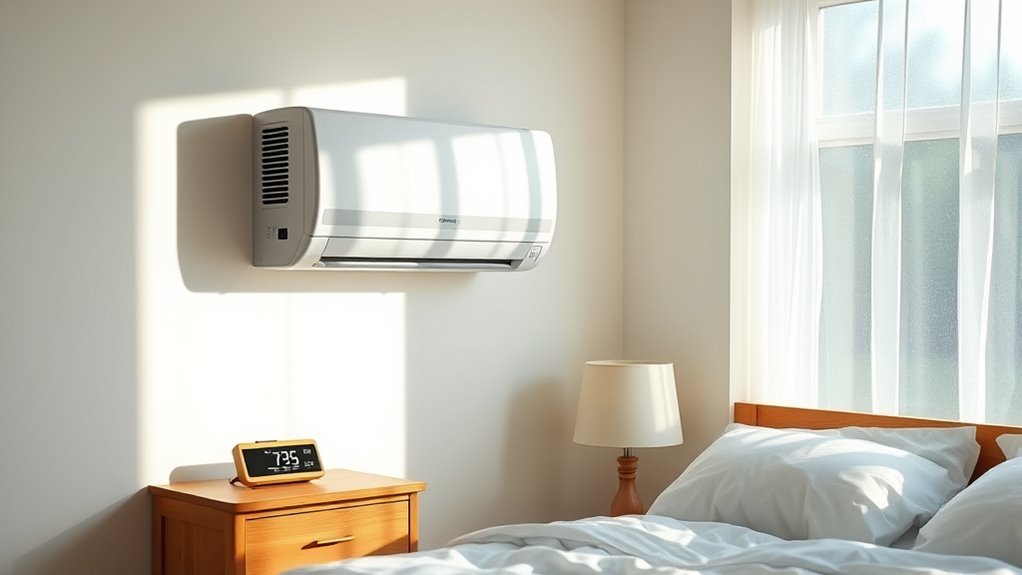
Yes, mini splits dehumidify while they cool. Humid room air passes over the cold indoor coil, water vapor condenses on it, and the water drains away. Dry mode can improve moisture removal on some models, but it is not a replacement for a properly sized dehumidifier in every home.
How well it works depends on cooling demand, equipment size, outdoor conditions, drainage, and how much moisture enters the room. Confirm results with a hygrometer rather than guessing.
Quick Answer
- A mini split removes moisture only while its indoor coil is cold enough to condense water.
- Dry mode is a model-specific program. It may adjust compressor output, fan speed, and cycle timing.
- An oversized unit can cool the room fast and shut down before it removes much moisture.
- A dedicated dehumidifier is usually better for basements, mild humid weather, persistent dampness, and precise humidity control.
What Is a Mini Split?
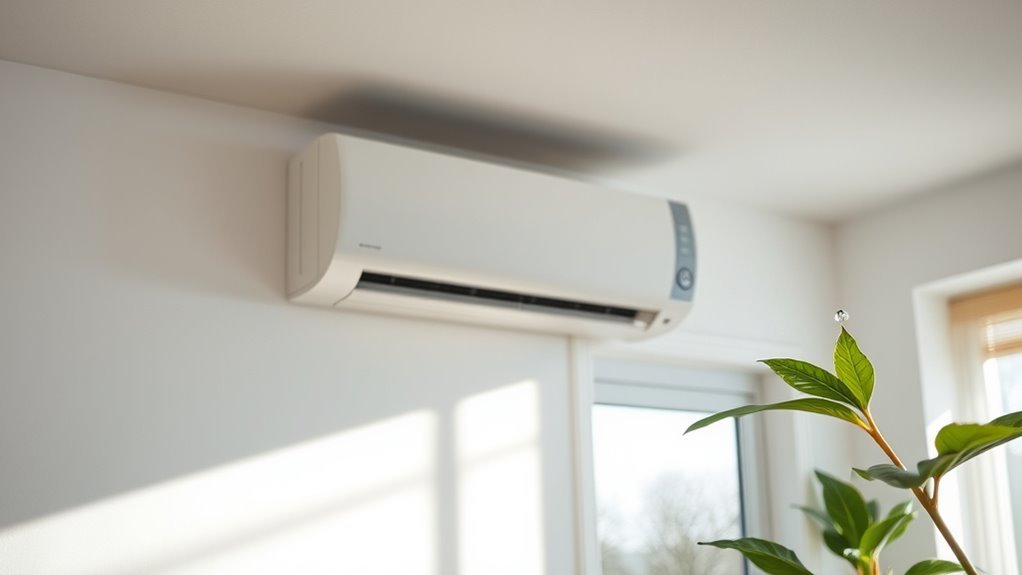
A mini split is a heating and cooling system with an outdoor compressor connected to one or more indoor air-handling units by refrigerant tubing, wiring, and a condensate drain. Most residential systems deliver conditioned air directly to a room or zone without ducts.
They are common in additions, older homes without ductwork, garages, and apartments. Some are cooling only, and others are heat pumps that heat and cool. A standard mini split recirculates room air and does not bring in fresh outdoor air.
Do Mini Splits Dehumidify?
Yes. When room air crosses the cold indoor heat exchanger and the coil surface is below the air’s dew point, water vapor condenses into liquid. The condensate collects in a drain pan and leaves through a gravity drain line or a condensate pump.
Moisture removal is not constant. It drops when the compressor slows or stops, the coil warms, airflow is restricted, or the room reaches its temperature setting quickly. LG’s support guidance explains that inverter slowdown and fan-only periods reduce condensation and can let water left on the coil evaporate back into the room.
In short, a mini split can lower relative humidity, but temperature control is its main job. A dehumidifier responds directly to humidity.
Tip: Place a digital hygrometer in the occupied part of the room, away from the supply air and exterior walls. Compare readings before running the system and after several compressor cycles.
How Does Mini-Split Dry Mode Work?
Dry mode is an operating program meant to favor moisture removal while limiting how much the room cools. The manufacturer controls the details. Depending on the model, the system may change compressor output, indoor fan speed, temperature targets, or cycle timing.
Labels such as dry, dehumidify, or moisture removal do not guarantee identical behavior across brands, and some models do not let you choose a fan speed in dry mode. Follow the owner’s manual for your units.
Dry mode still cools
Dry mode uses the same refrigeration cycle, so it normally produces some cooling. A mini split sends absorbed indoor heat outdoors. A portable dehumidifier usually returns slightly warmer, drier air to the room instead.
Dry mode is most useful when the room feels humid and can use a little cooling. It can be less effective in cool, rainy weather, when there is plenty of moisture but little need for cooling.
How the coil removes moisture
Warm room air passes over the evaporator coil. Refrigerant inside absorbs heat, so the air and coil surface cool. Moisture condenses on the coil, runs into the drain pan, and exits through the condensate line.
If the compressor stops while the fan keeps moving air over a wet, warming coil, some of the remaining water can evaporate back into the room. Some units also run an automatic coil-drying cycle after cooling, which can briefly raise the room’s RH reading.
There is no universal removal rate
Removal depends on indoor temperature, starting RH, coil temperature, airflow, compressor capacity, outdoor conditions, and moisture entering through leaks, showers, cooking, laundry, or an unconditioned basement or crawl space. There is no dependable pints-per-hour figure that applies to every mini split.
Cooling Mode vs. Dry Mode
| Feature | Cooling mode | Dry mode |
|---|---|---|
| Control goal | Reach and hold the temperature setting | Favor moisture removal using a manufacturer-defined sequence |
| Fan control | Often user-selectable or automatic | Often automatic or restricted, depending on the model |
| Temperature effect | Cools to the setpoint | Still cools, though control logic may limit the drop |
| Best use | Warm rooms that need normal cooling | Muggy conditions with some cooling demand |
Neither mode wins everywhere. Some equipment removes more moisture in normal cooling mode because the compressor runs longer and steadier. Try each approved mode while watching room temperature and RH, then use whichever performs better in your space.
How to Tell if a Mini Split Is Dehumidifying
- Check RH: Record it before starting the system and again after several normal cycles.
- Watch the trend: A gradual decrease means more than a single reading, since RH shifts when temperature changes.
- Look at the drain: In humid cooling conditions, water should normally leave through the drain line or pump.
- Notice runtime: Very short cycles may cool the air without giving the coil time to condense much water.
- Check room temperature: If the room gets too cold before RH reaches the target, a separate dehumidifier is the more practical tool.
The EPA recommends keeping indoor humidity between 30% and 50%. Comfort, climate, and condensation risk also matter, so avoid forcing the air unnecessarily dry.
When Mini-Split Dry Mode Falls Short
| Condition | Likely effect | Practical response |
|---|---|---|
| Oversized equipment | Room cools fast and the compressor slows or stops before enough moisture is removed | Have sizing and settings reviewed by a qualified HVAC contractor |
| Cool, humid weather | Little cooling demand, so the coil may not stay cold | Use a dedicated dehumidifier instead of forcing the room colder |
| Open windows or air leaks | Outdoor moisture keeps replacing what is removed | Close openings and reduce infiltration |
| High indoor moisture | Showers, cooking, laundry, leaks, or damp materials overwhelm removal | Use exhaust fans and fix the moisture source |
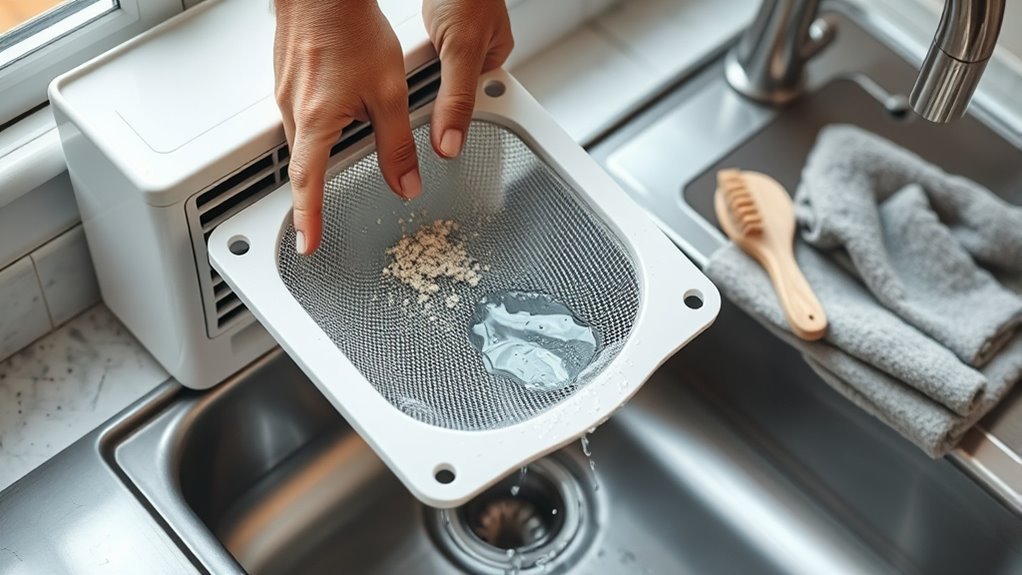
| Dirty filter or coil | Restricted airflow can hurt performance | Clean the filter; book coil service if needed |
| Blocked or poorly installed drain | Water can back up, leak, or support microbial growth | Stop the unit if water leaks and have the drain inspected |
| Fan-only or coil-drying period | Water on the coil can re-enter the room | Check the manual before changing fan or self-clean settings |
Mini Split vs. Dehumidifier
Both condense water on a cold coil, but they are controlled for different jobs. A mini split responds mainly to room temperature. A dehumidifier responds to a humidistat and keeps removing moisture even when no cooling is needed.
| Factor | Mini split | Dedicated dehumidifier |
|---|---|---|
| Main purpose | Heating and cooling | Humidity control |
| Primary control | Temperature and manufacturer algorithms | Relative-humidity setpoint |
| Effect on room heat | Moves indoor heat outdoors while cooling | Usually releases slightly warmer, drier air into the room |
| Low cooling load | May slow or stop before reaching the desired RH | Keeps responding to humidity |
| Best fit | Normal cooling with moderate moisture removal | Basements, persistent dampness, mild weather, precise RH |
Neither is the universal efficiency winner. Actual energy use depends on equipment efficiency, runtime, setpoints, climate, and moisture load.
Recommended Products

【The Undisputed Champion — Industry-Leading Dehumidifier Brand】Choose AEOCKY, getting double market validation. According to data independently verified by Stackline, a leading third-party data analytics company, AEOCKY was an industry‑leading dehumidifier brand on Amazon U.S. in 2025. Meanwhile, it stands as a technology-leading rotary desiccant dehumidifier brand on Amazon. This isn’t just an appliance—it’s a complete humidity-control solution for small spaces. Skip low-performance alternatives and trust a brand recognized by the market.

Use to control Humidifiers and Dehumidifiers
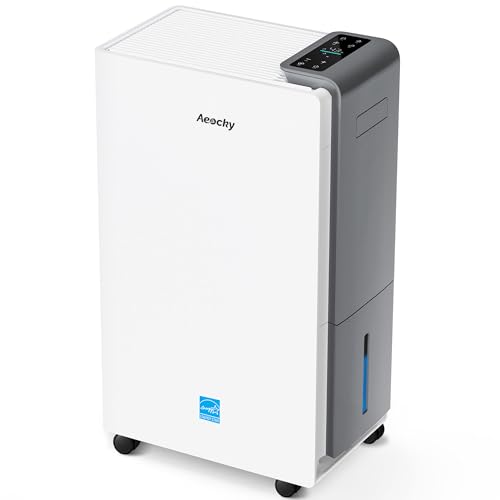
【ENERGY STAR 25 ≠ ENERGY STAR Most Efficient 2025】Don't fall for competitors' word games. With only 2.6% of ENERGY STAR models earning "Most Efficient 2025" title, these options are exceptionally rare on the market. RHEA-001 is one of the few to truly hold this top-tier certification. Many brands use misleading phrases like "Energy Star Efficient 25" or "Energy Star 25" to imply a standard they haven't met. Choosing them is a risk.With AEOCKY, you get verified performance and the peace of mind of authentic, top-tier efficiency.
How to Pair a Mini Split With a Dehumidifier
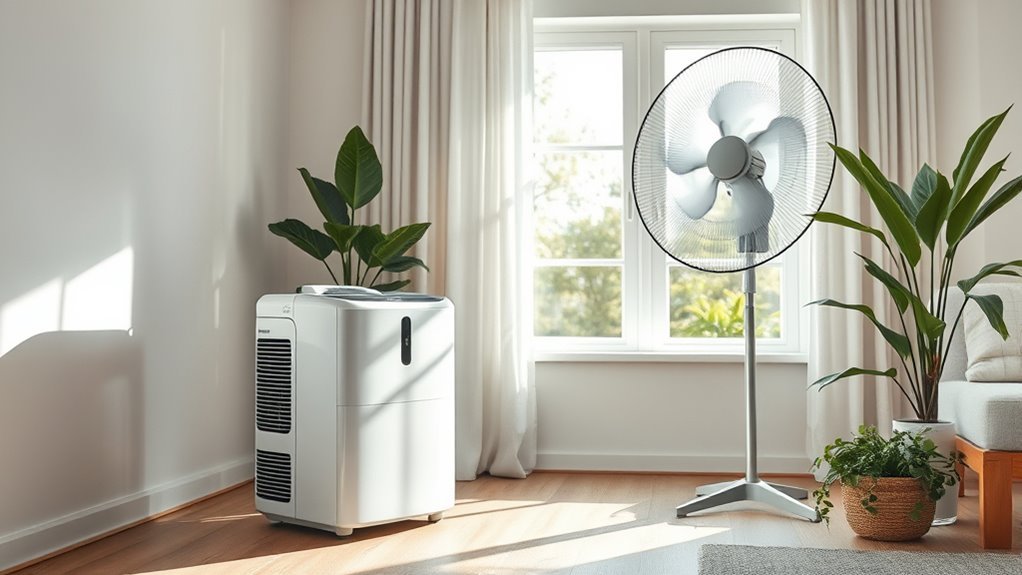
The two can share a space without manual scheduling. Let the mini split hold temperature and let the dehumidifier follow its RH setting. A starting setpoint around 45% to 50% works for many homes if it does not cause discomfort or condensation elsewhere.
Keep windows and exterior doors closed, use bath and kitchen exhaust fans, and repair leaks. Appliances cannot efficiently overcome a building water problem.
Choosing the right dehumidifier
Capacity is rated in pints removed per 24 hours. ENERGY STAR’s sizing guidance for portable units suggests roughly:
- 20 to 30 pints/day for a space under 2,000 sq ft that is slightly to moderately damp (about 50% to 75% RH).
- 25 to 40 pints/day for a very damp space of that size (about 75% to 90% RH).
- 30 to 50 pints/day for a wet space with sweating surfaces or seepage (about 90% to 100% RH).
- Higher capacities for spaces over 2,000 sq ft.
A portable unit suits a room or local area. A ducted whole-home unit can serve several rooms but should be sized and installed by a professional. Check drainage options, minimum operating temperature, noise, and filter access.
Setup steps
- Set the mini split for comfort. Use cooling or dry mode as the manual allows and as your RH readings support.
- Set the dehumidifier by RH. Start near 45% to 50% and adjust.
- Give each device clear airflow. Do not put the hygrometer or dehumidifier intake directly in the mini split’s supply air.
- Track trends for several days. Compare morning, afternoon, and overnight readings.
- Fix moisture sources. Plumbing leaks, groundwater entry, and wet materials need repair, not just drier air.
There is usually no need to alternate the two devices every 20 or 30 minutes. Automatic temperature and humidity controls do that job better than a fixed schedule.
Mini-Split Humidity Troubleshooting
- Confirm the reading. Compare your hygrometer with a second meter and move it away from supply air, windows, and exterior walls.
- Close windows and doors while testing.
- Clean the filter on the manufacturer’s schedule and reinstall it correctly.
- Check the condensate outlet for normal drainage and any leakage.
- Compare cooling and dry modes and see which lowers RH without overcooling.
- Look for short cycling. Frequent starts and stops may point to sizing, sensor, or control issues.
- Cut moisture at the source. Run exhaust fans, vent dryers outdoors, and fix leaks.
When to Call a Professional
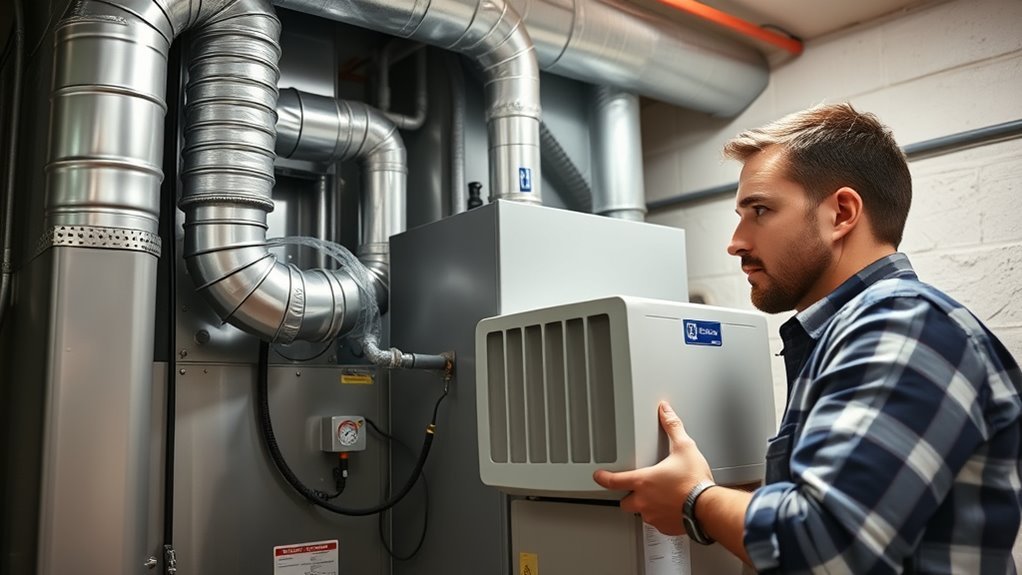
Call a qualified HVAC technician if the coil ices over, water leaks indoors, the drain keeps clogging, error codes appear, cooling is weak, or the compressor sounds or behaves abnormally. Do not open the refrigerant circuit, bypass condensate safety controls, or attempt internal electrical repairs unless you are trained and authorized.
When a Ventilating Dehumidifier Makes Sense
A ventilating dehumidifier is a specialized ducted system that brings in a controlled amount of outdoor air and removes moisture from it. It can make sense in a tightly sealed home that needs both planned ventilation and humidity control. Not every whole-home dehumidifier has an outdoor-air function, and the design needs a professional.
It also differs from an energy recovery or heat recovery ventilator, which swaps stale indoor air for outdoor air and recovers part of the energy. A ventilating dehumidifier removes moisture directly with a refrigeration system.
Recommended Products

160 Pints/Day Upgraded Energy-Efficient Dehumidification: Built with an upgraded high-efficiency system, the Moiswell WD160 removes up to 160 pints of moisture per day (65 PPD @DOE) with lower energy consumption(2.25 L/wKh). It maintains optimal humidity levels across large living spaces, helping prevent structural damage such as wood rot and musty odors, while promoting a healthier indoor environment.

【The Undisputed Champion — Industry-Leading Dehumidifier Brand】When you choose AEOCKY, you get double market validation. According to data independently verified by Stackline, a leading third-party data analytics company, AEOCKY was an industry‑leading dehumidifier brand on Amazon U.S. in 2025. This means you’re not just choosing a flagship product from a market leader, but a top-performing brand backed by independent market data and trusted by millions of real users, delivering the ultimate combination of performance, quality and trust.

158 Pint Crawl Space Dehumidifier – Designed for crawl spaces, basements, and large areas up to 6,500 sq. ft., this unit removes up to 158 pints of moisture per day (95°F, 90% RH). A 206 CFM airflow and brushless motor help dry spaces faster with 10%–90% RH adjustable humidity
Related Guides
- Do heat pumps dehumidify?
- Do air conditioners dehumidify?
- Why an oversized AC unit fails to dehumidify
- How to add a dehumidifier to your HVAC system
- How to dehumidify a basement
Frequently Asked Questions
Are mini splits good at removing humidity?
They can remove useful moisture while cooling, especially when correctly sized and running long, steady cycles. Performance can be limited in cool, humid weather, in oversized installations, or when the moisture load is high. Use a hygrometer to judge the result in your room.
Can a mini split replace a dehumidifier?
Not always. A mini split responds mainly to temperature, so it may stop removing moisture once the room is cool enough. A dehumidifier follows a humidity setpoint and is usually the better tool for basements, mild weather, and persistent dampness.
How long should you run a mini split in dry mode?
There is no universal 20- or 30-minute rule, so follow the owner’s manual. Keep it running while RH is dropping and the room is not overcooling. If humidity stays high, look for moisture sources or add a dehumidifier.
Why does humidity rise after the mini split stops cooling?
The fan or an automatic coil-drying feature may keep moving air over a wet coil after the compressor slows or stops. Some of the remaining condensate can then evaporate back into the room. Oversizing and frequent fan-only periods make this more noticeable.
What indoor humidity should I target?
The EPA recommends keeping indoor humidity between 30% and 50%. Avoid forcing it unnecessarily low. Pick a level that controls condensation and dampness while staying comfortable, and ask a clinician if someone in the home has a lung condition.
What are the disadvantages of a mini split?
Common drawbacks include professional installation cost, visible indoor units, regular filter and drain maintenance, and no fresh-air ventilation on standard systems. Poor sizing or placement can also cause short cycling, uneven temperatures, or weak humidity control.
Conclusion
A mini split lowers humidity whenever its cold coil is condensing and draining water. Dry mode may help, but it is a model-specific program and not a guaranteed substitute for a dehumidifier. Measure RH, check drainage, and fix moisture sources.
If the room hits its temperature setting before humidity falls, gets too cold in dry mode, or stays humid in mild weather, add a properly sized dedicated dehumidifier. Leaks, mold, and standing water should be fixed at the source.
Sources
- LG: Why humidity may not drop in dehumidification mode
- U.S. EPA: Improving Your Indoor Environment
- ENERGY STAR: Dehumidifiers
- U.S. DOE: Moisture control of variable-capacity heat pumps in low-load homes