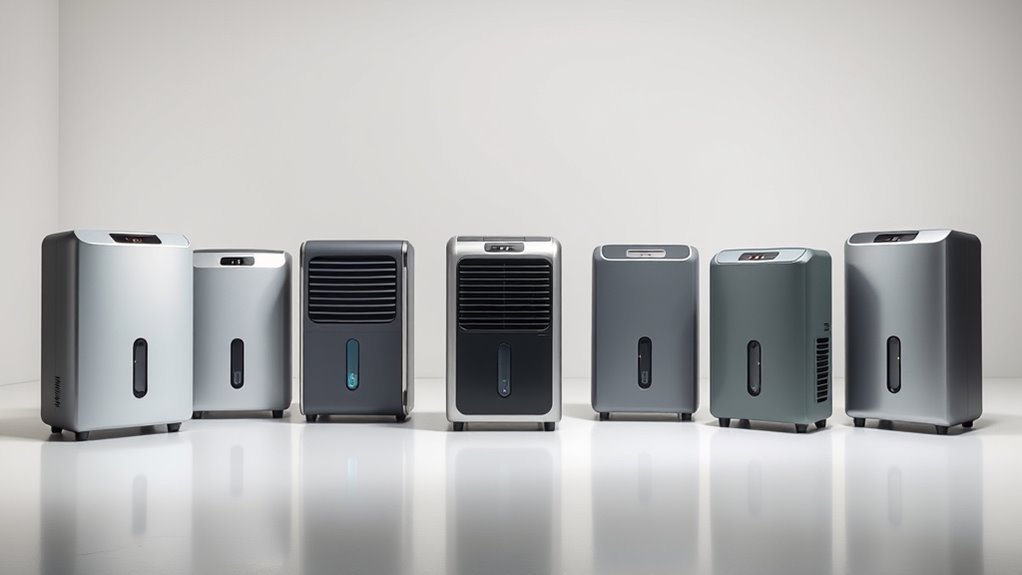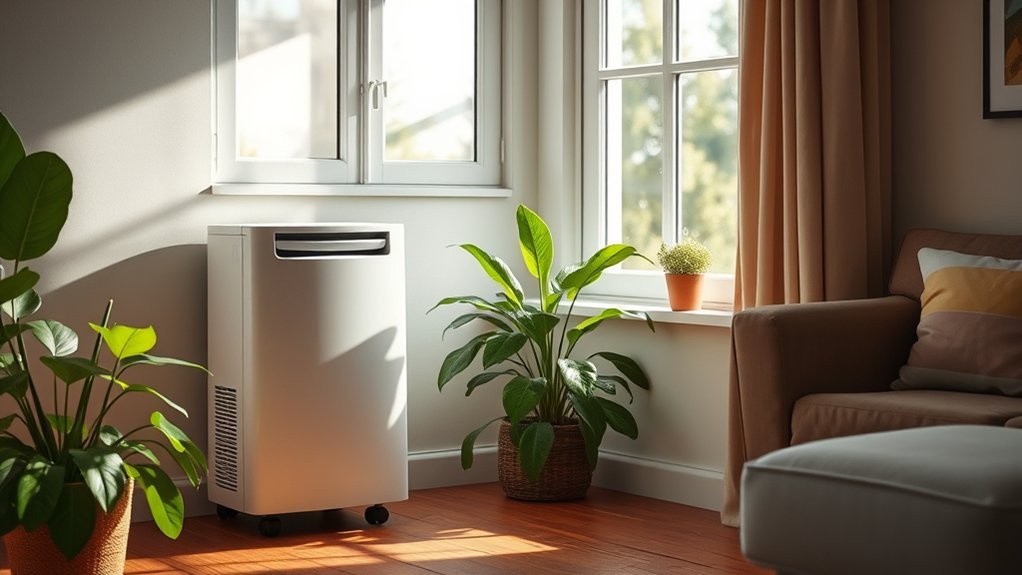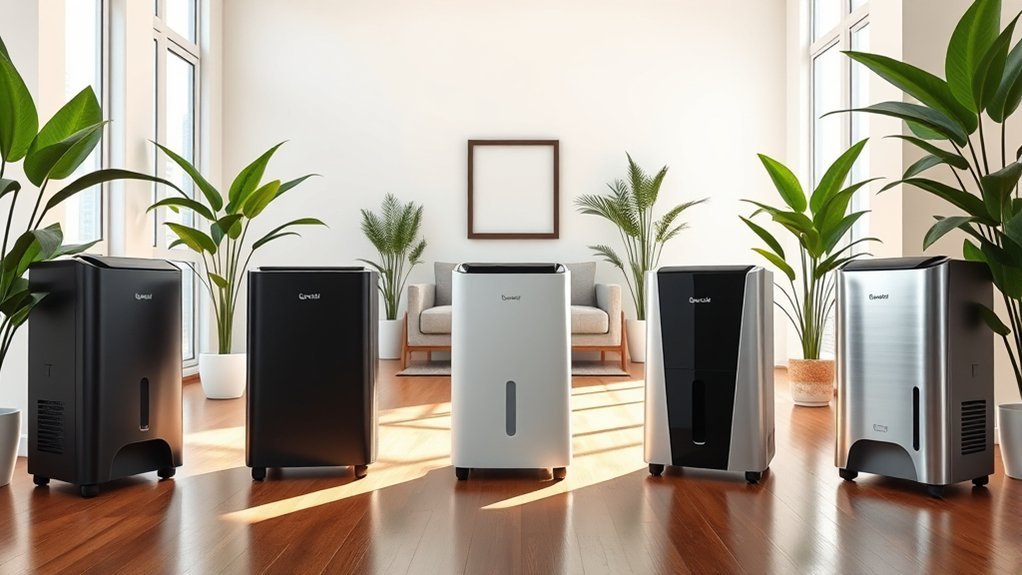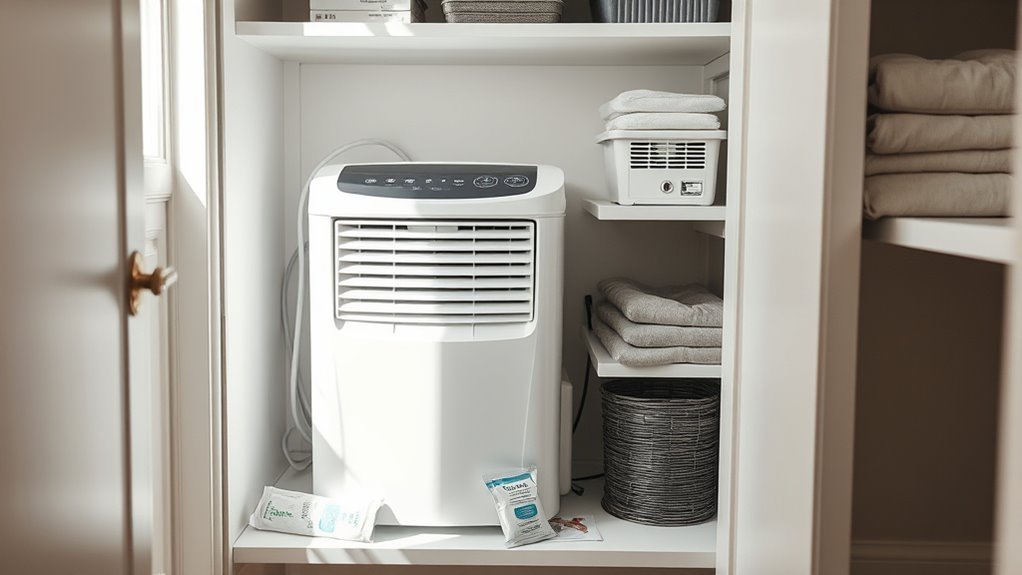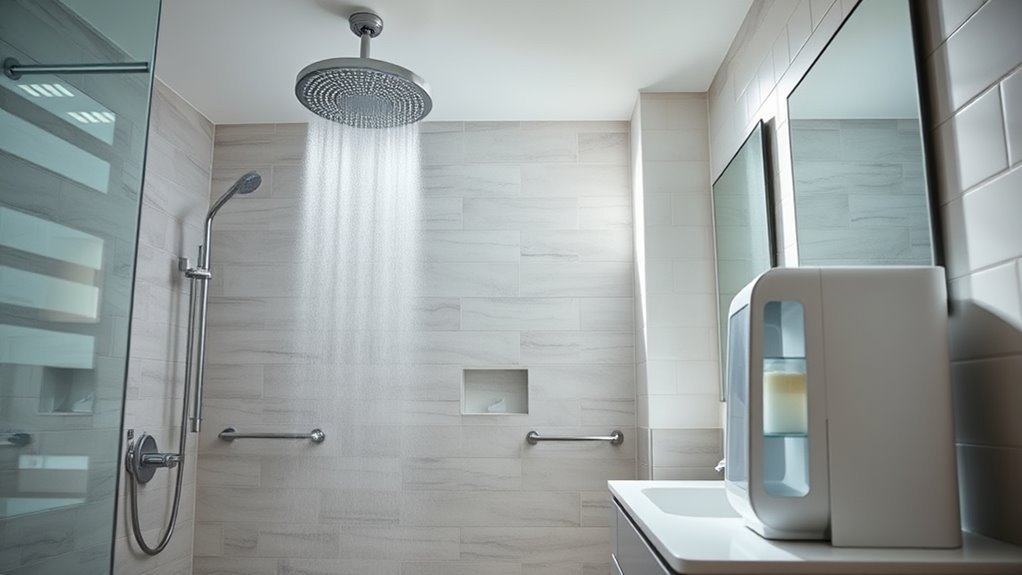
A bathroom fan is not a dehumidifier, even though both can help a steamy bathroom dry out. The fan removes humid air by exhausting it outdoors, while a dehumidifier pulls moisture from the air and collects it as water. The best choice depends on whether you need quick ventilation after a shower, steady humidity control, or both.
Quick Answer
A bathroom fan is not a dehumidifier. A fan vents moist air outdoors quickly during and after showers, while a dehumidifier condenses water from indoor air over time. Use the fan first for steam and odors; add a dehumidifier if humidity stays high after proper ventilation.
Key Takeaways
- A bathroom fan removes humid air from the room; a dehumidifier removes water vapor from the air and stores or drains the water.
- For showers and baths, the fan is usually the first tool to use because it clears peak moisture fast.
- A dehumidifier helps when the bathroom still feels damp, smells musty, or stays above the recommended humidity range after the fan runs.
- For mold prevention, the EPA recommends keeping indoor humidity below 60%, ideally 30% to 50%.
- Never place a portable dehumidifier where it can be splashed, and use only a safe, GFCI-protected setup that follows the manufacturer’s instructions.
At a Glance
| Time Required | 5–10 minutes to check humidity and airflow; run the fan during bathing and about 20 minutes after use. |
| Difficulty | Easy for daily use; moderate to professional if fan ducting, wiring, or outlet safety needs correction. |
| Tools Needed | Bathroom exhaust fan, hygrometer, timer switch if available, clean fan grille, and a bathroom-safe dehumidifier only when needed. |
| Cost | A basic humidity meter is often inexpensive; fan repairs, new ducting, and larger ENERGY STAR dehumidifiers cost more but solve different problems. |
Bathroom Fan vs. Dehumidifier for Bathrooms
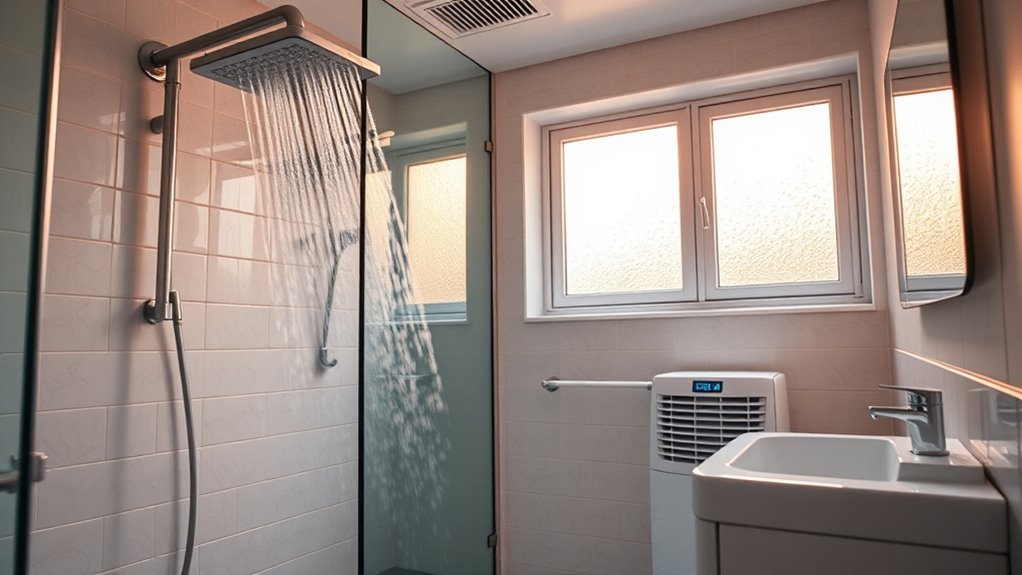
A bathroom fan and a dehumidifier both help with bathroom moisture, but they do not work the same way. A bathroom fan is a ventilation device. It pulls humid air, odors, and airborne moisture out of the bathroom and sends that air outdoors through a duct. A dehumidifier is a moisture-removal appliance. It draws room air across cold coils or a moisture-absorbing system, condenses water from the air, and returns drier air to the room.
| Feature | Bathroom Fan | Dehumidifier |
| Main job | Exhausts humid bathroom air outdoors. | Removes water vapor from indoor air. |
| Best for | Steam, odors, and quick moisture spikes from showers and baths. | Ongoing dampness after ventilation has already run. |
| Needs outdoor venting? | Yes, for a proper exhaust fan. | No, but it needs safe placement, airflow, power, and water collection or drainage. |
| Speed | Fast during peak moisture events. | Slower, but steadier over time. |
| Can it replace the other? | It may reduce the need for a dehumidifier if sized and used correctly. | Usually no. It removes moisture but does not provide required fresh-air exhaust. |
For most bathrooms, the fan should be the first line of defense. It handles the sudden humidity spike from hot water before that moisture settles on mirrors, walls, ceilings, grout, and paint. A dehumidifier is a backup or supplemental tool when the room stays damp after normal ventilation.
The EPA recommends keeping indoor humidity below 60% and ideally between 30% and 50% relative humidity to help control moisture and mold risk.
Recommended Products
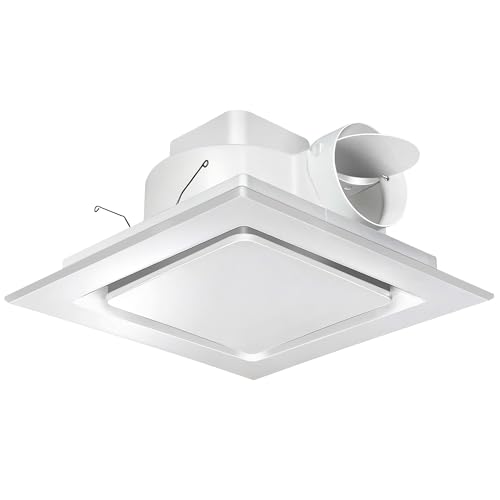
【Banish Bathroom Moisture & Odors for Good】Tired of foggy mirrors, musty smells, and damp walls? Whether you call it a bathroom exhaust fan, a bathroom vent fan, or even a fart fan for bathroom, our model quickly removes steam, humidity, and unpleasant odors—leaving your bathroom fresh, dry, and comfortable.

Installation Support: Designed for 4-inch duct. If your existing ductwork is 3 inches, reach out to Amico for a free 4" to 3" duct reducer for quick, trouble-free installation.
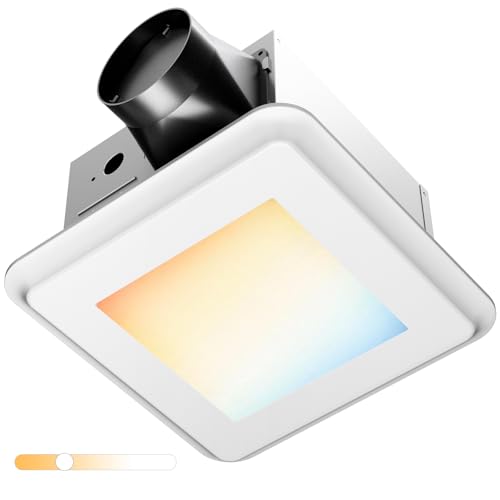
[Installation Support] Designed for 4-inch duct. If your existing ductwork is 3 inches, reach out to Amico for a free 4" to 3" duct reducer for quick, trouble-free installation.
What a Bathroom Fan Does
When you switch on a bathroom fan, it creates exhaust airflow. That airflow pulls steamy indoor air out of the bathroom and replaces it with drier makeup air from nearby rooms or openings. The Home Ventilating Institute recommends running the bathroom fan for 20 minutes after bathroom use, and a timer switch makes that easier.
A bathroom exhaust fan helps with:
- Clearing steam after showers and baths.
- Reducing condensation on mirrors, walls, ceilings, and windows.
- Removing odors and stale air.
- Lowering the chance that damp surfaces stay wet long enough for mold or mildew to grow.
- Protecting paint, drywall, trim, and cabinetry from repeated moisture exposure.
Fan size matters. For bathrooms up to 100 square feet, HVI recommends about 1 CFM per square foot. For larger bathrooms, HVI recommends sizing by fixture: 50 CFM for a toilet, shower, or bathtub, and 100 CFM for a jetted tub. A fan that is too small, clogged, poorly ducted, or vented into an attic instead of outdoors will not control humidity well.
Pro Tip: Use a timer or humidity-sensing switch if people forget to run the fan after showers. The fan should run during bathing and for about 20 minutes afterward, not just while the mirror is fogged.
How a Dehumidifier Works
Unlike a bathroom fan, a dehumidifier actively removes moisture from indoor air. Most portable refrigerant dehumidifiers pull humid air across cold coils. Water vapor condenses on the coils, drips into a tank or drain line, and drier air blows back into the room. Desiccant dehumidifiers use moisture-absorbing material instead, and some work better in cooler spaces.
Dehumidifier performance is usually described by capacity. ENERGY STAR explains that dehumidifier capacity is measured as pints of water removed per 24 hours under test conditions. That means a “small” bathroom dehumidifier may remove only a modest amount of water, while a larger portable unit may be rated for 20, 30, 40, or 50+ pints per day depending on the model and room conditions.
- Many units include a humidistat so you can set a target humidity level.
- Most portable units have a tank shutoff so the unit stops when the bucket is full.
- Some models allow continuous drainage through a hose if a safe drain is available.
- ENERGY STAR certified dehumidifiers use about 20% less energy than similarly sized conventional models.
A dehumidifier is useful when dampness is not limited to the few minutes after a shower. It can help if your bathroom has no window, weak ventilation, cold exterior walls, musty odors, damp towels that never dry, or humidity readings that stay high long after the fan runs.
Note: A dehumidifier does not fix leaks, failed grout, missing caulk, blocked ducts, or a fan that vents into the attic. Fix the moisture source first, then use the appliance to manage leftover humidity.
Recommended Products

SMALL & COMPACT: Our lightweight and portable dehumidifier for home is capable of removing up to 9 ounces of water per day with a 16-ounce water tank capacity. Ideal size bathroom dehumidifier for rooms of 1200-2200 cubic feet (215 sq ft).

Effective Moisture Control for Home Use: OWAAE dehumidifier is designed to reduce excess moisture and help maintain comfortable humidity levels in everyday living spaces. It works best in moderate-to-high humidity environments, improve overall air comfort at home

🍃Advanced Small Dehumidifier for Home: Designed for lasting home use, our bathroom dehumidifier works gently and steadily to maintain a balanced humidity level. The large 44 OZ (1.3L) water tank minimizes emptying frequency. Suitable for dorm room, camper, apartment, room, office and living room. No more dampness-just fresh, comfortable air everywhere
Can You Use a Dehumidifier in a Bathroom?
Yes, you can use a dehumidifier in or near a bathroom, but only if you can place it safely. Bathrooms combine water, steam, wet floors, and electricity, so the setup matters more than it would in a bedroom or basement.
Warning: Do not put a portable dehumidifier where shower spray, tub splashes, or wet hands can reach it. Use a GFCI-protected outlet, plug the unit directly into the wall, avoid extension cords, and follow the manufacturer’s bathroom-use instructions. The U.S. Consumer Product Safety Commission and Electrical Safety Foundation International both emphasize GFCI protection where electricity may be near water.
For safer bathroom use:
- Place the dehumidifier outside the splash zone, not beside the tub or shower.
- Leave space around the intake and exhaust vents so air can move freely.
- Set the unit just outside the bathroom door if the room is too small or wet for safe placement.
- Empty and rinse the tank often so collected water does not become dirty or musty.
- Clean the filter on the schedule in the owner’s manual.
- Use a hygrometer instead of guessing. Aim for a practical indoor range of about 30% to 50% RH when possible.
Running the fan and dehumidifier together can work well: the fan removes the steamy air burst, and the dehumidifier lowers lingering humidity after the room has already ventilated. This combination is especially helpful in bathrooms with cold surfaces, limited airflow, or towels and bathmats that stay damp.
Which Is Better for Bathroom Humidity?
For normal shower steam, a bathroom fan is usually better because it removes humid air at the source and sends it outdoors. A dehumidifier is better for persistent humidity that remains after the fan has done its job. The best setup is not always either-or; many damp bathrooms need both.
Recommended Products

Retrofit Bathroom Vent Fan with Humidity Control: This fan features a condensation sensor that helps control bathroom condensation and remove humidity; Automatic sensor turns fan on when humidity is detected

Energy Star qualified with innovative brushless DC motor technology
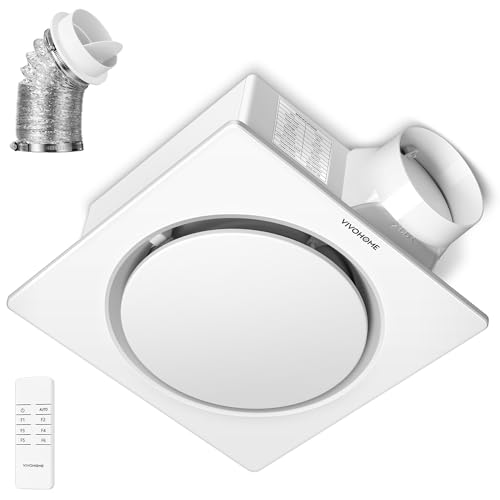
ENERGY-SAVING & LONG-LASTING: The VIVOHOME bathroom exhaust fan with a brushless EC motor delivers 110 CFM at only 12.5W, saving 50% energy over AC motors; Built for a long 30,000-hour life, it allows for easy, tool-free installation with terminal blocks
Use the Bathroom Fan When
- You are showering or bathing.
- The mirror fogs quickly but clears after the fan runs.
- The room needs odor removal as well as moisture removal.
- You need code-compliant mechanical exhaust or better fresh-air exchange.
- The fan is correctly sized, clean, and ducted outdoors.
Use a Dehumidifier When
- A hygrometer shows humidity staying above 50% to 60% after the fan runs.
- The bathroom smells musty even when it looks clean.
- Towels, rugs, walls, or grout lines stay damp for hours.
- The room has no good window or has poor air movement.
- You need ongoing control during humid seasons.
Use Both When
- The fan clears steam but humidity comes back.
- The bathroom is large, enclosed, or attached to a damp closet.
- You live in a humid climate and the whole home often feels damp.
- You are trying to protect paint, drywall, wood trim, or stored linens from moisture.
Can a Dehumidifier Replace a Bathroom Fan?
In most homes, no. A portable dehumidifier can remove water from air, but it does not exhaust odors, chemicals, or stale air outdoors. It also does not provide the same local exhaust function that a bathroom fan provides. If a bathroom is required to have mechanical ventilation, a dehumidifier is not a simple substitute.
Think of the fan as the tool for air exchange and the dehumidifier as the tool for humidity balancing. The fan handles the wet air surge from the shower. The dehumidifier handles leftover dampness that remains in the room or nearby spaces.
How to Tell If Your Bathroom Fan Is Not Enough
A fan can be installed and still perform poorly. Before blaming the bathroom itself, check for signs that the fan is undersized, clogged, blocked, or used for too short a time.
- The mirror stays fogged long after a shower.
- Water beads on walls, windows, or ceilings.
- The ceiling paint bubbles, peels, or stains.
- Grout and caulk darken quickly after cleaning.
- The fan is loud but does not seem to pull air.
- A tissue or single sheet of toilet paper will not hold against the grille when the fan is on.
- The bathroom smells musty even after cleaning.
Start with the simple fixes: clean dust from the fan cover, run the fan longer, leave the door slightly open after showering, and check humidity with a meter. If the fan is old, weak, incorrectly sized, or vented into an attic, a qualified contractor can inspect the ducting and recommend a better fan.
Maintenance for Better Moisture Control
Both devices lose performance when they are ignored. A clean fan moves more air, and a clean dehumidifier removes moisture more efficiently.
Bathroom Fan Maintenance
- Clean the grille when dust builds up.
- Vacuum dust from the fan housing after turning off power at the breaker.
- Make sure the exterior vent flap opens freely.
- Listen for grinding, rattling, or sudden noise changes.
- Replace an old fan if it is too weak, too loud, or not sized for the room.
Dehumidifier Maintenance
- Empty the tank before it overfills or develops odor.
- Wash or replace the filter as the manual directs.
- Keep the intake and exhaust clear.
- Clean the tank to prevent slime, odor, and mineral buildup.
- Defrost or shut off the unit if frost forms on the coils.
When to Call a Professional
Call a professional if you see recurring mold, water stains, damaged drywall, electrical issues, or a fan that vents into an attic or wall cavity. The EPA says moisture control is the key to mold control, and wet materials should be dried quickly after leaks or spills. A dehumidifier can help manage air moisture, but it cannot repair a leak, unsafe outlet, or bad duct run.
You should also get help if mold covers a large area, if anyone in the home has asthma, COPD, immune compromise, or other chronic lung disease, or if the bathroom needs new wiring. The CDC notes that damp buildings are associated with respiratory symptoms and other health problems, so persistent dampness is worth fixing rather than masking.
Frequently Asked Questions
Does a bathroom fan act as a dehumidifier?
No. A bathroom fan may lower humidity quickly by exhausting moist air outdoors, but it does not condense water from the air or store it in a tank. A dehumidifier removes water vapor from indoor air and collects or drains that water.
Should you use a dehumidifier if you have COPD?
A dehumidifier may help if your home is damp or humid, because dampness and mold can irritate the lungs. It is not automatically right for every person with COPD, though. Monitor humidity, avoid making the air too dry, keep the unit clean, and ask your healthcare professional what range is best for your symptoms.
Does a dehumidifier help with roaches?
It can help as part of a broader pest-control plan. The National Pesticide Information Center notes that limiting moisture can deter German cockroaches, and extension guidance says German cockroaches prefer warm, high-humidity areas near food and water. A dehumidifier will not eliminate an infestation by itself; you still need sanitation, sealing, leak repair, and pest control when needed.
What naturally soaks up moisture?
Silica gel, activated charcoal, clay desiccants, baking soda, and some moisture-absorbing crystals can help in small enclosed spaces such as drawers, cabinets, and closets. They are not strong enough to replace a bathroom fan or dehumidifier after hot showers.
How long should you run a bathroom fan after a shower?
Run it during the shower and for about 20 minutes afterward. That gives the fan time to clear humid air and helps surfaces dry before condensation turns into a mold or mildew problem.
What humidity should a bathroom be?
A bathroom may spike above the ideal range during a shower, but it should drop afterward. For general indoor moisture control, aim for below 60% relative humidity and ideally about 30% to 50% when possible. Use a hygrometer instead of guessing.
Conclusion
A bathroom fan is not a dehumidifier. The fan exhausts humid air outside, which makes it the better first choice for shower steam, odors, and quick condensation control. A dehumidifier removes moisture from the air over time, making it useful when the bathroom stays damp even after proper ventilation.
For the best results, run a correctly sized fan during bathing and for about 20 minutes afterward, measure humidity with a hygrometer, and add a safely placed dehumidifier only when moisture lingers. If you see recurring mold, peeling paint, water stains, or unsafe electrical conditions, fix the source of the moisture rather than relying on appliances alone.
Sources
- U.S. Environmental Protection Agency — A Brief Guide to Mold, Moisture and Your Home — humidity targets, condensation, and mold-prevention guidance.
- Home Ventilating Institute — Bathroom Ventilation — bathroom fan sizing, fixture CFM guidance, and recommended 20-minute post-use runtime.
- ENERGY STAR — Dehumidifier Testing and Capacity — dehumidifier capacity ratings, pints-per-day testing, and efficiency metrics.
- ENERGY STAR — Dehumidifiers — ENERGY STAR dehumidifier efficiency, buying guidance, and capacity considerations.
- U.S. Consumer Product Safety Commission — GFCI Fact Sheet — electrical safety and ground-fault protection near water.
- CDC/NIOSH — Mold Health Problems — respiratory concerns linked with damp indoor environments.