
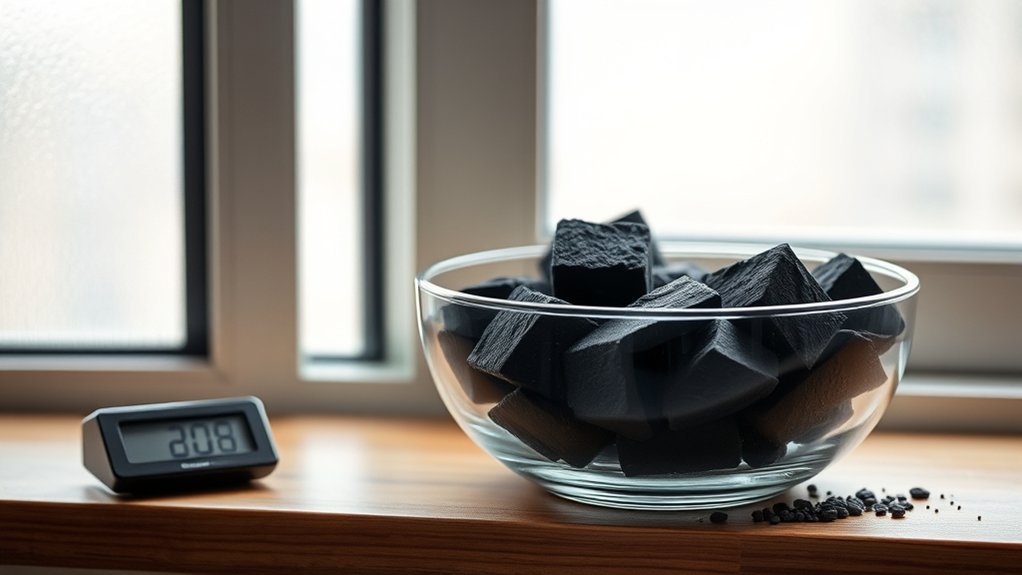
How Does Charcoal Dehumidify?
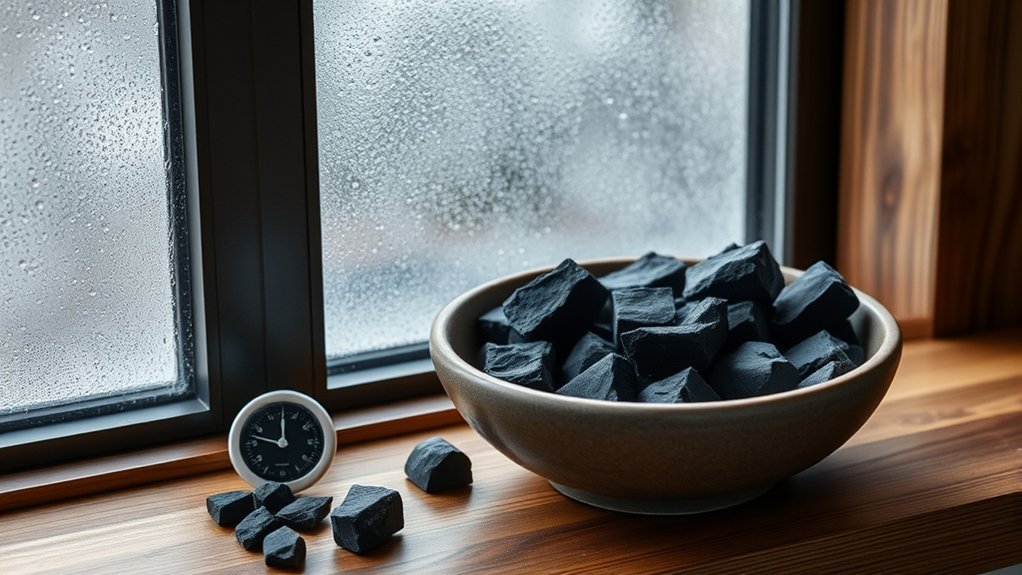
Quick Answer
Charcoal can absorb a small amount of moisture in enclosed spaces, but it is not a true room dehumidifier. Use activated charcoal or bamboo charcoal bags for closets, drawers, cabinets, shoe bins, and storage totes where odor control also matters. For a damp basement, bathroom, or room that stays above 50–60% relative humidity, use ventilation, leak repair, and an electric dehumidifier instead.
Charcoal helps with moisture through adsorption, which means water vapor and odor molecules cling to the surface of its pores. Activated charcoal has more pore area than ordinary charcoal, so it works better for small-space moisture and odor control. Still, it does not pull liters of water from the air like an electric dehumidifier.
The best way to treat charcoal is as a passive moisture buffer. It can slightly dry stagnant air in a confined space, reduce musty smells, and slow odor buildup. It cannot fix leaks, condensation, mold growth, or high indoor humidity across an open room.
Key Takeaways
- Use charcoal in small enclosed zones, not as a whole-room humidity solution.
- Choose activated charcoal or bamboo charcoal bags instead of cooking briquettes.
- Check results with a hygrometer because charcoal does not show when it is saturated.
- Keep indoor humidity below 60% when possible; 30–50% is a common target range for mold prevention.
- Use an electric dehumidifier when humidity stays high, condensation appears, or musty odor returns quickly.
Charcoal vs. Other Moisture Control Options
This comparison helps you choose the right tool before you waste time on a passive absorber that cannot handle the moisture load.
| Option | Best for | Main limitation | What to check |
|---|---|---|---|
| Activated charcoal or bamboo charcoal bag | Closets, drawers, shoe bins, cabinets, storage totes, mild musty odors | Limited moisture capacity; no visible saturation signal | Weigh the bag or monitor humidity with a hygrometer |
| Silica gel or reusable desiccant pack | Small sealed containers, toolboxes, camera cases, electronics storage | Needs drying or replacement after saturation | Look for color indicators or follow recharge instructions |
| Calcium chloride moisture absorber | Closets, boats, RVs, and damp storage areas | Collects brine that can spill and irritate surfaces | Check the water reservoir and keep it upright |
| Electric dehumidifier | Bathrooms, basements, laundry areas, and rooms with persistent dampness | Needs electricity, drainage, and filter maintenance | Use a humidistat and size the unit by pints per day |
How Much Moisture Can Charcoal Absorb?
Charcoal can hold some water vapor, but the exact amount depends on the charcoal type, activation level, humidity, temperature, airflow, and how long it has been exposed. That is why fixed claims such as “one bag removes a specific number of liters” are risky unless the manufacturer publishes tested capacity for that exact product.
For home use, measure performance instead of trusting broad claims. Put the charcoal bag in the target space, record the relative humidity with a hygrometer, and check whether the reading drops after 24–48 hours with the door or lid closed. If the reading stays above your target range, charcoal is not enough for that space.
| Space | Expected charcoal performance | Better next step if humidity stays high |
|---|---|---|
| Drawer, shoe bin, small cabinet | Useful for mild moisture and odor control | Add a silica gel pack or refresh charcoal more often |
| Closet or pantry | May help if the door stays closed and moisture load is light | Improve airflow, remove damp items, or use a stronger desiccant |
| Bathroom, basement, laundry room | Usually too weak as the main solution | Use exhaust ventilation, fix leaks, and run a dehumidifier |
| Open bedroom or living room | Minimal effect because fresh humid air keeps mixing in | Use HVAC control, ventilation, or a correctly sized dehumidifier |
Why Charcoal Works Best in Enclosed Spaces
Charcoal works best when the air volume is small and mostly contained. In a drawer, cabinet, or storage tote, the same air keeps contacting the charcoal pores. That gives the material time to adsorb moisture and odor molecules.
Open rooms work differently. People move around, doors open, HVAC systems cycle, and outdoor humidity seeps in. That constant air exchange brings in more moisture than a small charcoal pouch can manage. In that setting, charcoal may reduce odor near the pouch, but it will not lower room humidity in a meaningful, measurable way.
Best enclosed-space uses
Use charcoal where you need low-maintenance odor and moisture buffering, such as a closet, drawer, gym bag, shoe cabinet, under-sink cabinet, pantry, or storage bin. Leave space around the pouch so air can reach it. Do not bury it under clothing or place it inside a plastic wrapper.
Open-air limits
Charcoal is a poor main choice for open rooms because adsorption slows once the nearby air changes. If the room feels clammy, shows condensation, or smells musty again soon after cleaning, treat the moisture source instead of adding more charcoal. The problem is usually ventilation, leaks, wet materials, or high outdoor humidity.
Do Charcoal Dehumidifiers Work in Real Life?
Yes, but only in the limited way a passive adsorbent works. A charcoal bag can help a small enclosed area smell fresher and feel less stale. It may also slow moisture buildup in a storage container or closet when the moisture source is minor.
It does not work like a powered dehumidifier. ENERGY STAR explains that dehumidifier capacity is measured in pints per 24 hours, and sizing depends on room size and dampness level. That is a completely different scale from a passive charcoal pouch. If you need measurable water removal from a room, choose a dehumidifier sized for the space.
Bamboo Charcoal vs. Briquettes
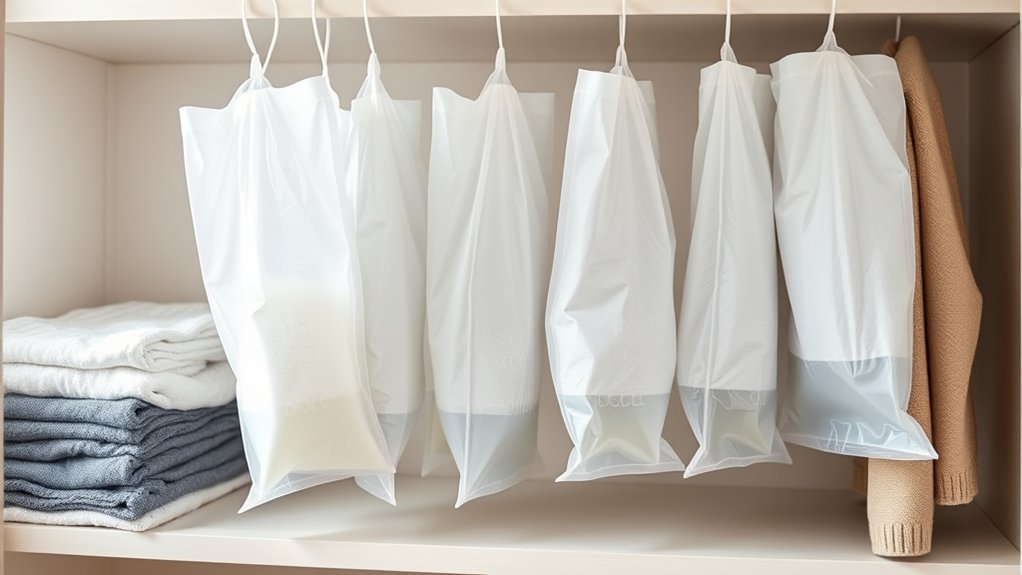
Choose bamboo charcoal bags or activated charcoal packs for indoor moisture and odor control. They are made for passive adsorption, usually come in breathable fabric, and are easier to place in closets or drawers.
Do not use cooking briquettes as an indoor moisture product. Briquettes are designed as fuel, not as a clean household adsorbent. They may create dust, contain binders or additives, and become a mess in storage areas. Never burn charcoal indoors for drying or heating. CPSC warns that carbon monoxide is a colorless, odorless poisonous gas, and combustion products should stay outside living spaces.
| Material | Use indoors? | Best use |
|---|---|---|
| Bamboo charcoal bag | Yes | Closets, drawers, shoe storage, cars, cabinets |
| Activated charcoal pack | Yes | Odor control and light moisture buffering |
| Cooking briquettes | No | Outdoor grilling only, as directed by the product label |
Recommended Products

CHARCOAL DEODORIZER BAGS WITH HOOKS. Our 3.5oz bamboo charcoal bag musty smell eliminators are the perfect size to place wherever you have a bad smell: closet, car, shoes, gym bag, basement, pet areas.
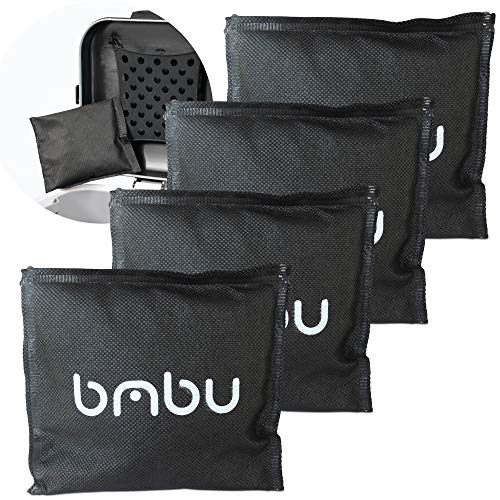
Activated Bamboo Charcoal - 4 Pack of 80 Gram bamboo charcoal deodorizer bags sized to fit litter disposal bins, diaper pails, garbages, storage, and more!

POWERFUL SHOE ODOR ABSORBERS. Our 1.76oz activated charcoal bags utilize adsorption, where millions of micropores physically bind odor molecules to the surface. These charcoal bags for shoes are scientifically effective charcoal shoe inserts for footwear.
Is Charcoal Better Than Silica Gel?
Charcoal is usually better when odor control matters. Silica gel is usually better when dryness matters. Silica gel is a purpose-made desiccant, and many packs include color indicators that show when they need recharging or replacement.
For cameras, tools, documents, seeds, electronics, and sealed boxes, silica gel or a reusable desiccant pack is usually the stronger choice. For shoes, closets, gym bags, and mild musty odors, charcoal can be more practical because it handles odor and moisture together.
Recommended Products

Nonwoven Paper Packaging Material-The silica gel desiccant packets are three-side sealing constructed with high quality Verna non-woven fabric material. This packaging material has good breath-ability, dust-proof functionality, strong strength and seal strength;

GOOD ADSORPTION CAPACITY: Silica gel desiccant is a highly active adsorption material, has good thermal properties and chemical stability, and does not react with other substances.

FAMILY-FRIENDLY MOISTURE CONTROL: Keep your snacks crispy and medications potent by keeping ambient moisture at bay; Crafted with premium, odorless silica gel and non-toxic fabric, Vbeijll Desiccants offer gentle yet effective protection for your home [Note: Packs ≤ 5g feature food safe wrapping for direct contact with food & medicine; Packs > 5g are recommended for placement alongside items rather than direct mixing, without affecting absorption]
When Charcoal Helps With Odors and Mold
Charcoal can help reduce musty odor in a small enclosed space, but it does not kill mold or remove the moisture source that lets mold grow. That distinction matters. If you smell mold, see spots, or notice recurring condensation, you need to dry the area, clean the mold safely, and fix the water problem.
EPA says the key to mold control is moisture control and recommends keeping indoor humidity below 60% where possible, ideally between 30% and 50%. CDC also advises keeping home humidity no higher than 50% all day long for mold prevention. Charcoal can support that plan in a closet, but it cannot replace source control.
How to Use Charcoal as a Dehumidifier
Use charcoal as a small-space humidity helper, not as the only tool. The steps below help you test whether it is actually working in your home.
- Choose the right form. Use bamboo charcoal bags or activated charcoal packs made for indoor use.
- Place it where air can reach it. Put the bag on a shelf, in a drawer, or near a damp corner without covering it.
- Close the space if practical. Closets, cabinets, drawers, and storage totes give charcoal a better chance to work.
- Measure humidity. Use a hygrometer before and after 24–48 hours instead of judging by feel.
- Refresh or replace it. Follow the product label. Many bamboo charcoal bags are refreshed in direct sun, but timing varies by brand.
- Escalate when readings stay high. Add ventilation, remove damp materials, fix leaks, or use a dehumidifier.
Best Placement Spots
The best placement spots are small, enclosed, and lightly damp: closets, drawers, shoe cabinets, laundry hampers, wardrobes, under-sink cabinets, cars, storage totes, and gym bags. Avoid placing charcoal directly on wet surfaces. If an area is wet enough to soak the pouch, the area needs drying and repair first.
Refreshing Charcoal Packs
Charcoal packs eventually saturate with moisture and odor compounds. Some bamboo charcoal bags can be refreshed in sunlight, while others need replacement. Follow the product label and use a simple check: if odor returns quickly or humidity readings stop improving, refresh or replace the pack.
Combining Moisture Controls
Charcoal works better when you also reduce the moisture source. Run bathroom and kitchen exhaust fans, keep damp laundry out of closets, repair plumbing leaks, improve drainage near foundations, and keep exterior doors and windows closed when running a dehumidifier. ENERGY STAR also recommends closing doors and windows while a dehumidifier runs so the space dries efficiently.
When to Choose an Electric Dehumidifier
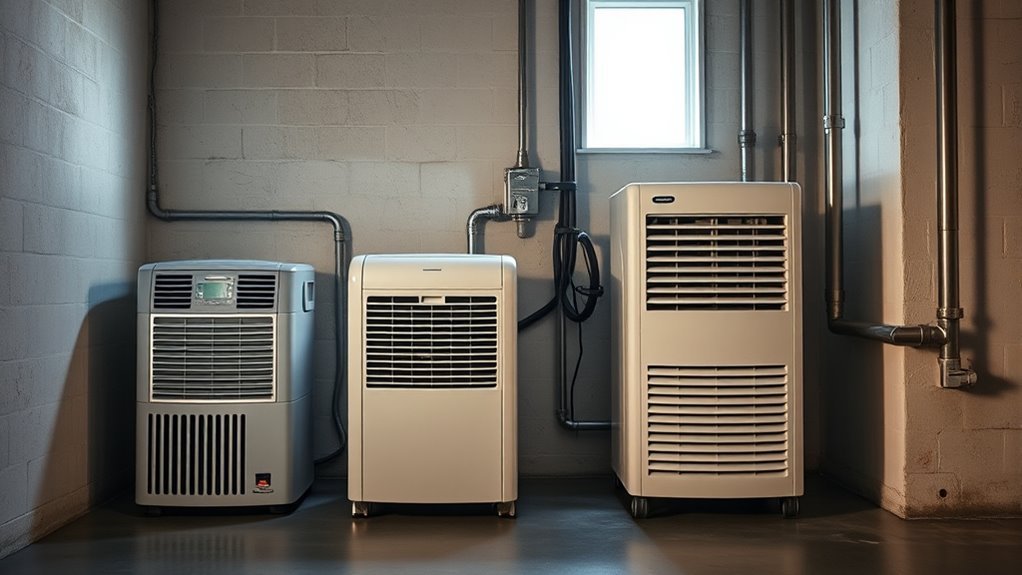
Choose an electric dehumidifier when humidity is persistent, measurable, and room-scale. Charcoal is not enough if you see condensation on windows or pipes, smell recurring mustiness, find mold, store items in a damp basement, or measure indoor relative humidity above 50–60% for long periods.
Look for a unit with a built-in humidistat, a capacity suited to the room, and a drainage option that matches how often you can empty it. ENERGY STAR notes that portable dehumidifier capacity is measured in pints per 24 hours, with larger or wetter spaces requiring higher capacity. That sizing method gives you a measurable plan instead of guessing with passive absorbers.
Recommended Products

Semiconductor dehumidifiers use thermoelectric cooling to remove moisture from the air. They create a drier, more comfortable environment by reducing humidity and improving air quality.

OUR FASTEST ACTING MOISTURE ABSORBER: DampRid Reusable Moisture Absorber with 4 Drop-In Tablets is designed to go to work immediately, attracting and trapping excess moisture, eliminating musty odors, and creating cleaner, fresher air.

Quiet & High-Efficiency Dehumidifier: Featuring next-generation semiconductor cooling technology, this quiet dehumidifier delivers efficient moisture removal while running at ultra-low noise (≤40dB). Stable humidity levels are maintained, making your home environment more comfortable and pleasantly dry.
Related Guides
Frequently Asked Questions
Can Charcoal Work as a Dehumidifier?
Charcoal can work as a light moisture absorber in small enclosed spaces, but it should not be treated as a room dehumidifier. It helps most in closets, drawers, cabinets, and storage bins where the air volume is small.
Does Charcoal Remove Mold?
No. Charcoal may reduce musty odor, but it does not remove mold or fix the moisture problem behind mold growth. Clean visible mold safely, dry the area, and fix leaks or ventilation problems.
Is Bamboo Charcoal Better Than Regular Charcoal for Moisture?
Bamboo charcoal bags are usually better for indoor use because they are packaged as breathable, low-mess odor and moisture absorbers. Cooking charcoal and briquettes are not good substitutes for indoor humidity control.
How Long Do Charcoal Dehumidifier Bags Last?
It depends on the product, humidity level, and room conditions. Follow the label. If the bag stops reducing odor or humidity readings do not improve, refresh or replace it.
What Works Better Than Charcoal for High Humidity?
For small sealed storage, silica gel or a reusable desiccant pack usually works better. For a damp room, basement, or bathroom, an electric dehumidifier with a humidistat is the better choice.
Sources and Methodology
This article was updated by comparing the original claims against current moisture-control guidance from EPA, CDC, ENERGY STAR, and CPSC. The update removed unverified fixed-capacity claims for generic charcoal and kept only guidance that can be applied safely in a home.
- EPA: A Brief Guide to Mold, Moisture and Your Home
- CDC: Mold prevention guidance
- ENERGY STAR: Dehumidifier buying guidance and humidity tips
- CPSC: Carbon monoxide safety
Conclusion
Charcoal can help with mild moisture and odor in small enclosed spaces, but it is not strong enough to dehumidify an open room. Use it in closets, drawers, cabinets, shoes, and storage bins where passive adsorption makes sense.
For real humidity control, measure relative humidity with a hygrometer and aim for a safe indoor range. If the space stays damp, smells musty, or shows condensation, skip the charcoal-only fix and use ventilation, moisture-source repair, and a properly sized electric dehumidifier.

[…] standing water before relying on silica gel, charcoal bags, or a plug-in […]