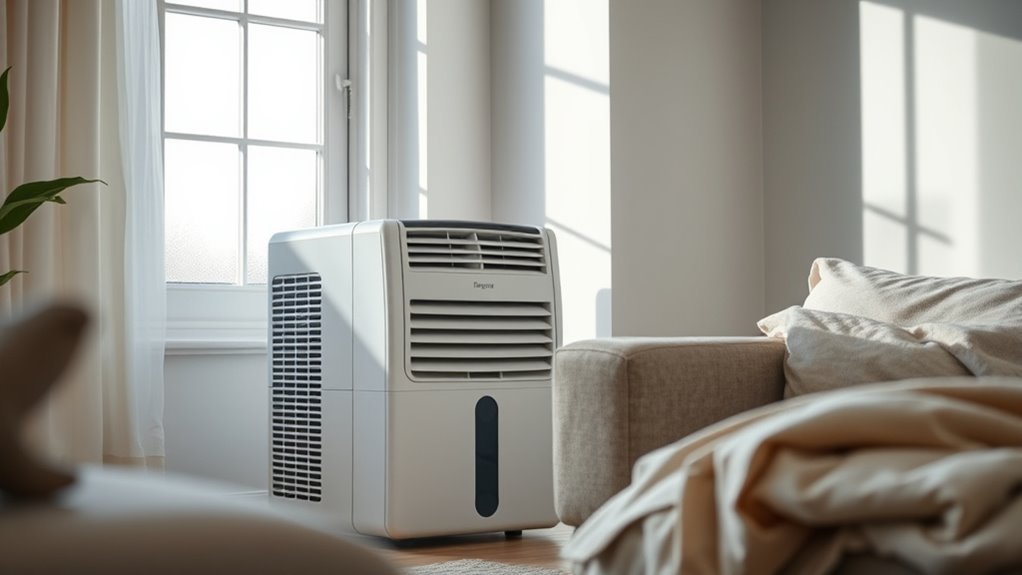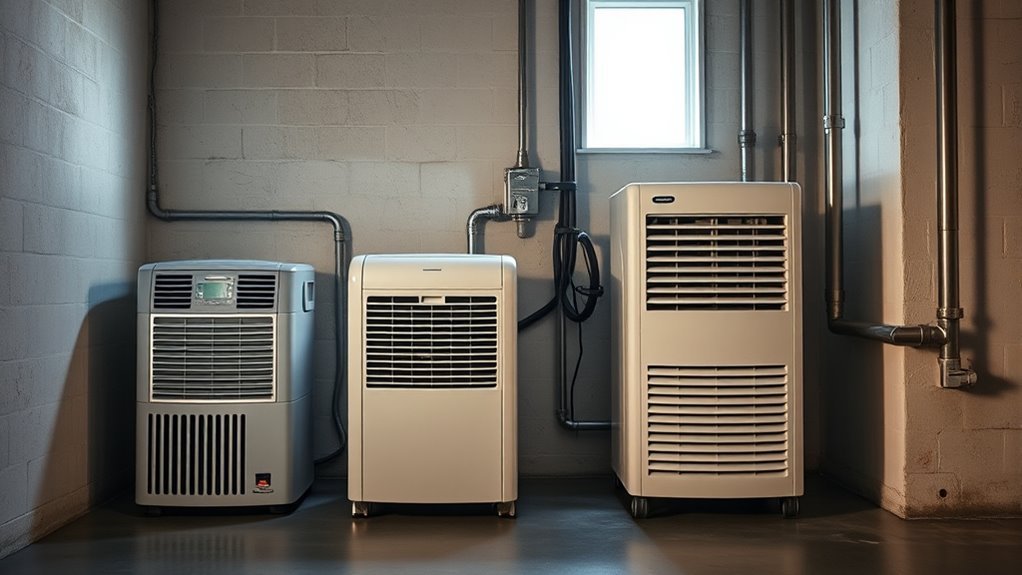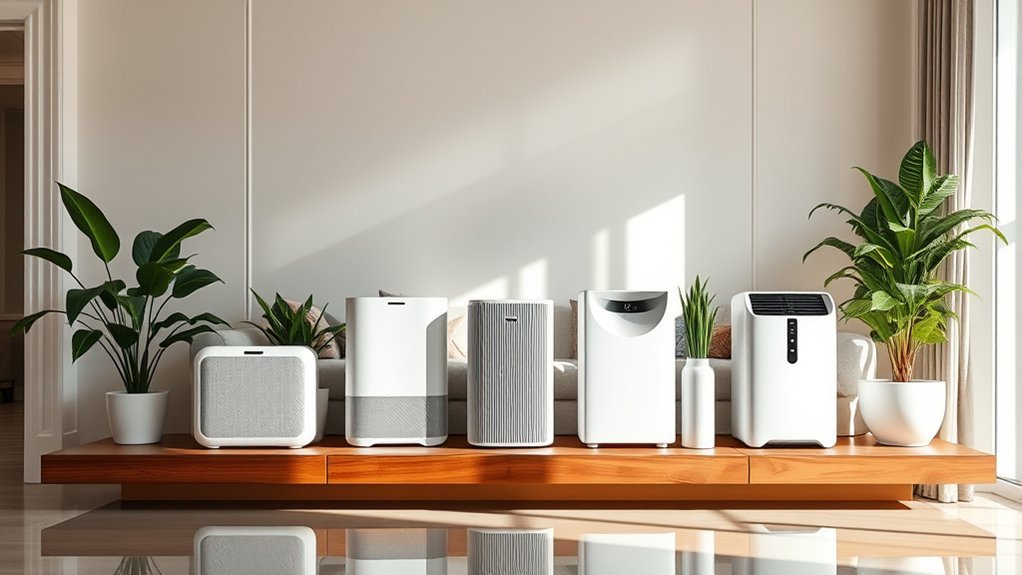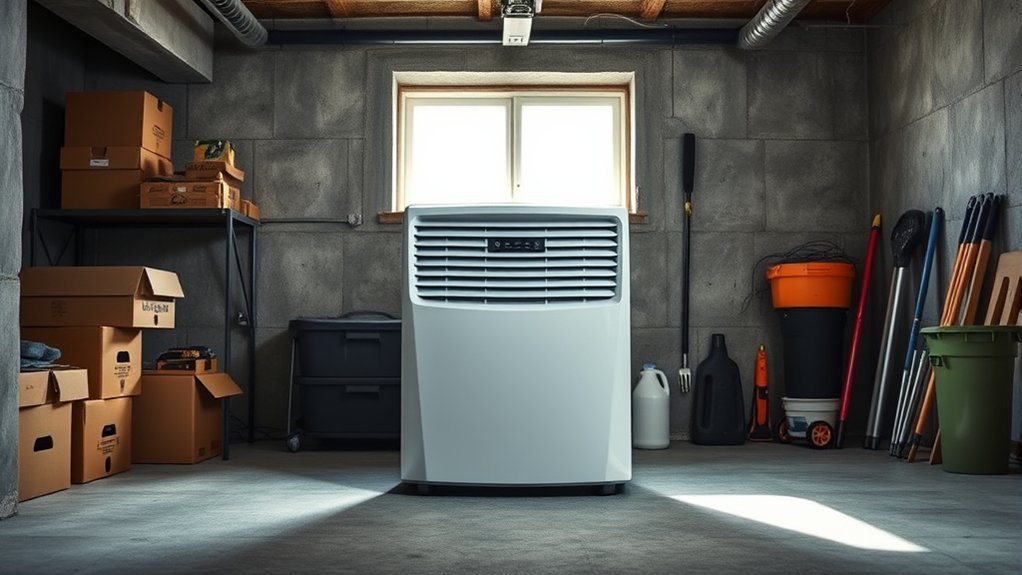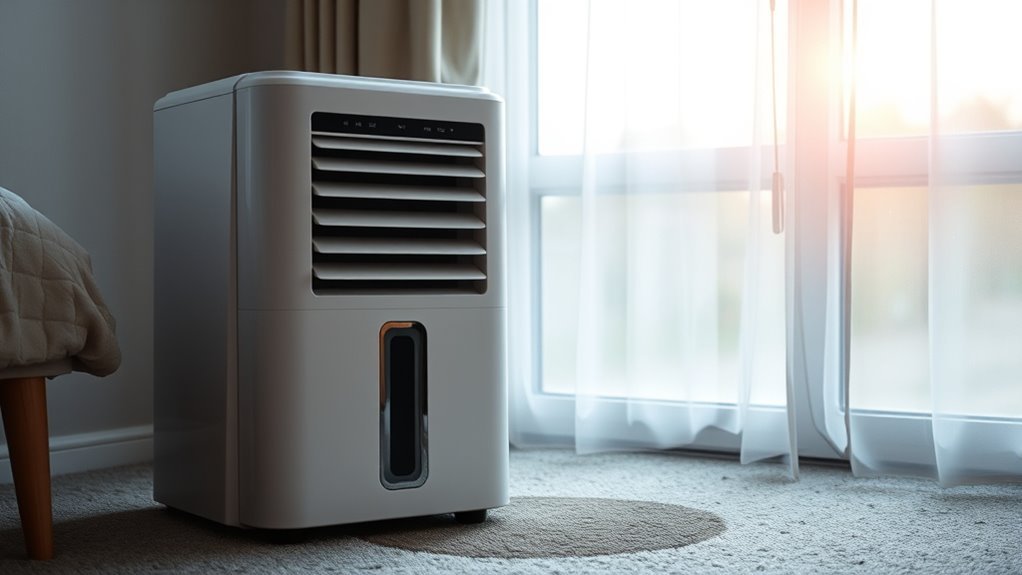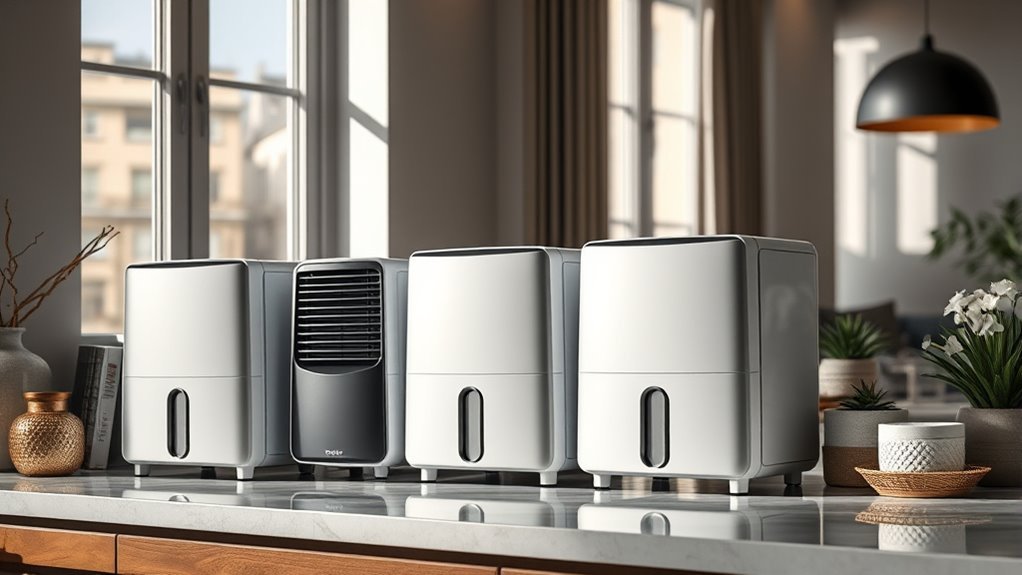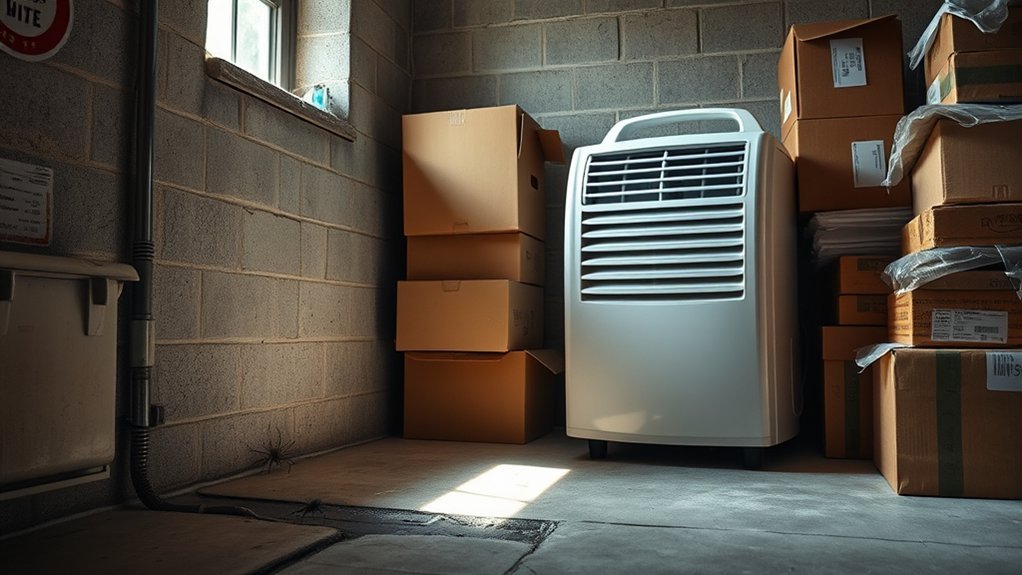
A dehumidifier for bugs can help, but only against moisture-loving pests such as silverfish, booklice, and some cockroaches. It lowers the humidity they need rather than killing them, so it will not clear an active infestation on its own. Keep indoor humidity at 30% to 50%, fix the moisture source, and add pest control if bugs persist.
Key Takeaways
- Keep indoor relative humidity near 30% to 50%; below 50% is especially helpful for discouraging mold and dust mites.
- Dehumidifiers work best in damp basements, bathrooms, laundry rooms, crawl spaces, closets, and areas near leaks or condensation.
- Moisture control can reduce pest pressure, but it should be paired with sealing gaps, fixing leaks, cleaning, food storage, and traps or professional pest control when needed.
- A dehumidifier will not solve bed bugs, pantry pests, most ant problems, or a heavy cockroach infestation on its own.
At a Glance
| Time Required | 15 minutes to set up; several days to weeks to see lower pest activity |
| Difficulty | Easy for basic use; moderate if leaks, crawl spaces, or drainage problems are involved |
| Tools Needed | Dehumidifier, hygrometer, drain hose if available, sticky traps, caulk, cleaning supplies |
| Cost | Usually low to moderate: a humidity meter, electricity, and a correctly sized dehumidifier if you do not already own one |
How Does a Dehumidifier Help With Bugs?
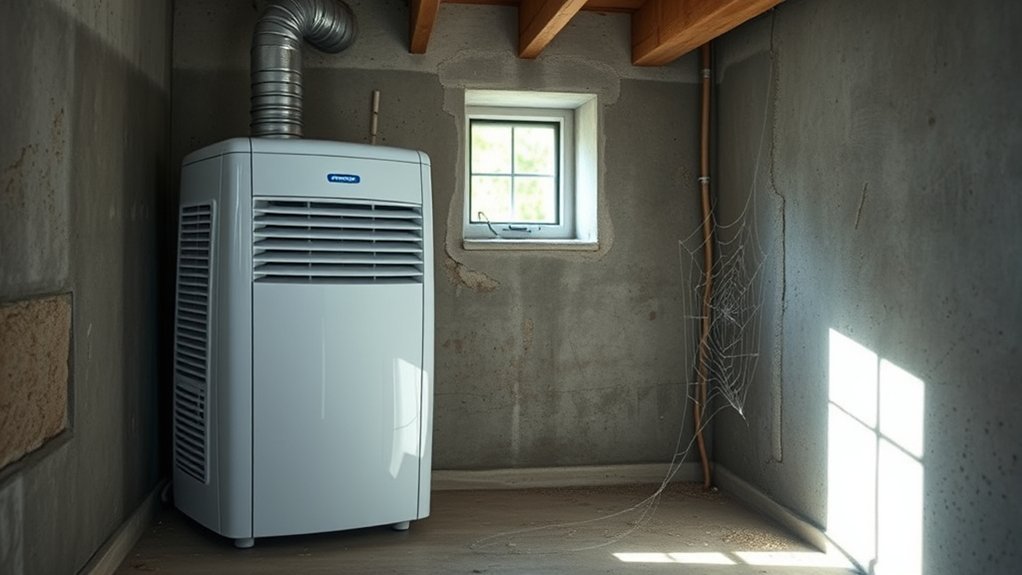
A dehumidifier helps with bugs by removing excess moisture from the air. That matters because damp rooms give many pests the moisture they need to hide, feed, molt, and reproduce. The U.S. Environmental Protection Agency recommends keeping indoor relative humidity below 60% and ideally between 30% and 50% when possible; the EPA also notes that lower humidity may discourage pests such as cockroaches and dust mites.
When you lower indoor humidity, you make a damp room less comfortable for pests that rely on moist air or wet hiding spots. A dehumidifier can also reduce condensation on walls, floors, windows, pipes, and stored items. That helps limit mold growth, musty odors, and other moisture problems that attract or support pests.
The important limit is this: a dehumidifier is a prevention and pressure-reduction tool. It does not seal entry points, kill hidden eggs, remove food crumbs, or treat a nest inside a wall. For best results, use it with cleaning, leak repair, sealing, and pest-specific control methods.
Pro Tip: Do not guess at humidity. Put a small hygrometer in the damp room and check it at different times of day. Humidity can rise after showers, laundry, rain, cooking, or when outdoor air is very humid.
Which Pests Thrive in Humid Rooms?
You’ll often find cockroaches, silverfish, booklice, centipedes, earwigs, springtails, and dust mites in humid rooms because moisture supports their survival or the mold, debris, and prey they depend on. Mosquitoes are different: they need standing water for breeding, so a dehumidifier may help dry damp air, but you still need to remove water from buckets, drains, trays, and other containers.
Common Humidity-Loving Pests
These pests are the most likely to be affected when you dry out a room:
| Pest | Why Moisture Matters | Where to Check |
|---|---|---|
| Silverfish | UC IPM says they prefer damp, warm places and need relative humidity above 75% at higher temperatures. It notes a dehumidifier in an enclosed space can help discourage them. | Bathrooms, laundry rooms, basements, bookshelves, cardboard storage |
| Cockroaches | They need water and often cluster near damp food, trash, plumbing leaks, and cracks. | Kitchens, utility rooms, under sinks, floor drains, wall gaps |
| Booklice | They feed on mold and fungi and often indicate high humidity or moisture. | Books, paper files, closets, window frames, damp cabinets |
| Centipedes | They seek damp shelter and prey on other small insects. | Basements, crawl spaces, drains, storage areas |
| Earwigs and springtails | They are strongly associated with damp organic matter and wet cracks. | Door thresholds, foundation edges, bathrooms, plant areas |
| Dust mites | NIEHS lists dust mites as a common indoor allergen source, and the EPA notes that low humidity may discourage them. | Bedrooms, mattresses, carpets, upholstered furniture, curtains |
Pests a Dehumidifier Will Not Solve Alone
A dehumidifier is less useful for pests that are driven mainly by food, blood meals, outdoor entry, or a hidden nest. It may make the room less comfortable, but it will not reliably eliminate:
- Bed bugs, which hide in seams, cracks, furniture, and bedding and usually need targeted treatment.
- Pantry pests, which come from infested dry foods and require disposal and storage fixes.
- Most ant trails, which usually require sealing, food cleanup, and baiting.
- Termites, which require a professional inspection if suspected.
- Heavy cockroach infestations, which often need baiting, sanitation, exclusion, and sometimes professional control.
Rooms That Attract Bugs
Bathrooms, basements, crawl spaces, laundry rooms, and kitchens attract bugs because they combine moisture, warmth, food residue, cracks, drains, and hiding places. Watch for:
- Steam-fogged mirrors and damp bathroom walls
- Condensation on windows, pipes, or concrete
- Musty basement corners or wet cardboard boxes
- Dripping supply lines, P-traps, or floor drains
- Debris, pet food, or crumbs near baseboards
- Dark crawl spaces with poor airflow
Signs of Pest Activity
High humidity does not always mean you have pests, but moisture plus repeated sightings is a warning sign. Look for:
- Live insects near sinks, tubs, drains, or basement walls
- Small droppings, shed skins, egg cases, or pepper-like specks
- Yellow stains, scraped paper, or irregular holes in books and cardboard
- Musty odors, mold spots, or damp materials
- Sticky trap activity in the same area for several days
What Humidity Level Keeps Pests Down?
For most homes, the practical target is 30% to 50% relative humidity. That range is dry enough to discourage many humidity-loving pests while still avoiding air that feels overly dry. The CDC recommends keeping home humidity no higher than 50% all day to help prevent mold growth, and the EPA’s ideal indoor range is also 30% to 50% when possible.
For damp basements and crawl spaces, aim for about 45% to 50% first. That is usually low enough to reduce condensation and pest-friendly moisture without pushing the air into an uncomfortable dry range. If a room stays above 55% to 60%, pests, mold, and dust mites have a stronger chance of persisting.
Note: Do not set the dehumidifier extremely low just to fight bugs. Air below about 30% relative humidity can feel irritating to skin, eyes, throat, and airways, and it may dry out wood or some household materials.
Why Do Damp Basements Attract Bugs?
Damp basements attract bugs because they often provide three things pests need: moisture, shelter, and quiet hiding places. Concrete walls and floors can stay cool, which encourages condensation. Foundation cracks, floor drains, sump pits, stored cardboard, and low airflow can make the problem worse.
Moisture control works best when you remove the water source first. A dehumidifier helps dry the air, but leaks, seepage, and standing water must still be fixed.
Common basement moisture sources include:
- Leaking or sweating pipes
- Rainwater entering near foundation cracks
- Clogged gutters or downspouts draining toward the house
- Unsealed sump pits or floor drains
- Wet laundry, damp storage, or poor ventilation
- Bare-earth crawl spaces or missing vapor barriers
If you only spray visible bugs but leave the basement damp, pests can return because the habitat is still there. Drying the space makes pest control more effective and reduces the chance of another moisture-driven outbreak.
Where Do Dehumidifiers Work Best?
Dehumidifiers work best in enclosed or semi-enclosed spaces where moisture builds up faster than it can escape. The best locations are:
- Basements: especially finished basements, storage zones, and areas with a musty smell.
- Bathrooms: especially bathrooms without strong exhaust fans or windows.
- Laundry rooms: especially when drying clothes indoors or after frequent washing.
- Crawl spaces: only when the unit is rated for that use and drainage is safe (see how to dehumidify a crawl space).
- Closets and storage rooms: especially where books, paper, cardboard, or fabric smell damp.
- Areas near plumbing: under sinks, near water heaters, or around condensation-prone pipes.
Place the unit where air can move freely. Do not push it tightly against a wall, furniture, curtains, boxes, or stored items. Most portable units need space around the intake and exhaust to work properly.
How to Use a Dehumidifier for Bugs
Use the dehumidifier as part of a simple moisture-control plan. The steps below give you a practical way to reduce pest-friendly humidity without guessing.
Step 1: Measure the Humidity First
Put a hygrometer in the problem room for at least 24 hours. Check it in the morning, after showers or laundry, and after rain. If the room regularly stays above 50%, a dehumidifier can help. If it stays below 45% and you still see bugs, humidity is probably not the main cause.
Step 2: Choose the Right Size Unit
Dehumidifier capacity is usually measured in pints of water removed per 24 hours. ENERGY STAR explains that the capacity you need depends on the size of the space and how damp it is. A slightly damp small room needs less capacity than a wet basement with a musty odor and damp spots.
As a rule, do not undersize the unit for a basement or very damp room. An undersized dehumidifier may run constantly without reaching the target humidity. For larger or very damp areas, look for continuous drain options, auto-restart, washable filters, and ENERGY STAR certification.
Step 3: Place It in the Dampest Bug Zone
Start where you see the strongest signs of moisture and pests. Good locations include a basement center area, near a damp wall but not touching it, outside a bathroom after showers, or in a laundry room with airflow around the machine.
Avoid placing the unit:
- Directly against walls or boxes
- In standing water
- Beside dusty debris that can clog the filter
- Where children or pets can tip it over
- On an overloaded extension cord
Warning: Do not run a dehumidifier in standing water or with a wet plug, outlet, or cord. If a basement has flooding, seepage, or electrical hazards, dry the area safely and call a qualified professional before using electrical equipment.
Step 4: Set the Humidistat to 45% to 50%
Set the dehumidifier around 45% to 50% relative humidity. This target is low enough to reduce moisture pressure but not so low that the air becomes uncomfortably dry. If the unit does not have a built-in humidistat, use your hygrometer to check progress.
Step 5: Use Continuous Drainage if Possible
If the room is very damp, the tank may fill quickly. A drain hose to a floor drain, utility sink, condensate pump, or sump system can keep the unit running without frequent emptying. Make sure the hose slopes correctly and does not kink.
Step 6: Clean and Maintain the Unit
A dirty dehumidifier can blow dust, smell musty, or work poorly. Empty and rinse the bucket often, clean the filter according to the manual, and wipe the intake area if dust builds up. If the machine smells moldy, unplug it and clean it before running it again.
Step 7: Track Pest Activity
Use sticky traps along baseboards, near drains, behind appliances, and in damp corners. Check them weekly. If humidity drops but traps still catch pests, you may have another issue such as food access, entry gaps, stored cardboard, or a hidden infestation.
Pair With Prevention Measures
A dehumidifier works much better when you remove the things pests use to survive. Pair moisture control with these steps:
- Fix leaky pipes, dripping faucets, roof leaks, and foundation seepage.
- Run bathroom and kitchen exhaust fans to the outdoors.
- Seal cracks around pipes, baseboards, windows, and doors.
- Store dry food, pet food, and pantry goods in tight containers.
- Remove damp cardboard, old newspapers, and clutter from basements and closets.
- Keep trash sealed and clean food residue from counters and floors.
- Move mulch, leaf piles, and damp debris away from the foundation.
- Empty containers that hold water at least weekly to reduce mosquito breeding sites, as recommended by the CDC.
Can a Dehumidifier Help With Mold and Dust Mites?
Yes, a dehumidifier can help reduce the conditions that support mold and dust mites. It does not remove existing mold, but it can make new growth less likely when you also fix the moisture source. The CDC recommends keeping indoor humidity no higher than 50% all day, using an air conditioner or dehumidifier when needed, and checking humidity with a meter.
| Indicator | What It May Mean | What to Do |
|---|---|---|
| Musty odor | Hidden dampness or mold | Find and fix the moisture source, then dry the area |
| Humidity above 50% | Favorable conditions for mold and dust mites | Run the dehumidifier and improve ventilation |
| Visible mold spots | Existing mold growth | Clean safely and fix the water problem |
| Allergy flares in damp rooms | Possible mold, dust mites, or other irritants | Reduce humidity, clean dust, wash bedding, and consider medical advice |
Warning: A dehumidifier does not make mold disappear. If you clean mold, follow product directions, wear protection, and never mix bleach with ammonia or other household cleaners. If mold covers a large area or keeps returning, get professional help.
Troubleshooting If Bugs or Humidity Continue
If the dehumidifier is running but the room still feels damp or pests keep appearing, use this checklist:
| Problem | Likely Cause | Fix |
|---|---|---|
| Humidity will not drop below 55% | Unit is undersized, airflow is blocked, or moisture source is active | Clear airflow, close windows, fix leaks, or use a larger unit |
| Tank fills very quickly | Room is very wet or leak is ongoing | Use continuous drainage and inspect for leaks or seepage |
| Musty smell remains | Moldy materials or hidden dampness remain | Clean or remove damp materials and inspect walls, carpet, boxes, and drains |
| Bugs persist after humidity improves | Food, entry gaps, nest sites, or eggs remain | Seal gaps, clean, use pest-specific traps or baits, or call a professional |
| Unit freezes or runs poorly | Room may be too cold for that model or filter may be dirty | Clean the filter, check the manual, and use a model suited to cooler spaces if needed |
Downsides of Using a Dehumidifier for Bugs
A dehumidifier can help, but it has limits and tradeoffs:
- It uses electricity. ENERGY STAR certified models are designed to remove moisture more efficiently than comparable conventional units.
- It needs maintenance. Dirty filters and buckets can create odors and reduce performance.
- It can be noisy. This matters in bedrooms, offices, and living areas.
- It can over-dry the air. Overly dry air may irritate some people and affect wood or delicate materials.
- It does not replace pest treatment. If pests are nesting, breeding, or entering from outside, you still need pest-specific control.
- It does not fix leaks. If water keeps entering the room, the dehumidifier is only treating a symptom.
Note: If someone in the home has COPD, asthma, severe allergies, or another respiratory condition, use a hygrometer and avoid humidity extremes. The National Heart, Lung, and Blood Institute recommends managing indoor irritants and pollutants because poor indoor air quality can affect people living with COPD.
Recommended Products

【Compact Size, Big Efficiency】 The upgraded 2025 Waykar dehumidifier features cutting-edge rotary compressor technology. It’s more compact but still powerful, capable of removing up to 34 pints of moisture per day (at 95℉, 90% RH), ideal for spaces up to 2,000 sq. ft. such as living rooms, basements, bedrooms, and offices. The adjustable humidity range from 30% to 80% helps you easily maintain the ideal indoor humidity

Efficient 30 Pint Dehumidifier for 2,500 Sq. Ft. - The dehumidifier for home is engineered to lower humidity to 30% RH, ensuring a more comfortable and healthier environment compared to models that only reach 40%. Removes up to 30 pints per day, making it ideal for homes, basements, bedrooms and medium-sized spaces. Tested at 95°F, 90% RH

【Ideal for Large Homes & Basements (Up to 5,000 Sq. Ft)】The Waykar 80 pint dehumidifier efficiently removes up to 80 pints of moisture per day in high-humidity conditions (95°F, 90% RH). In warmer, damp spaces like basements (86°F, 80% RH), it removes 62 pints/day. This dehumidifier for basement is perfect for large areas such as basements, bathrooms, bedrooms, and living rooms. Customize your space by adjusting the humidity level from 30% to 80%, creating a drier and healthier environment
When Moisture Control Needs Pest Control
Moisture control is one part of pest management. It is time to add pest control when:
- You still see cockroaches, silverfish, or other pests after two to four weeks of lower humidity.
- Sticky traps catch pests repeatedly in the same area.
- You see egg cases, droppings, shed skins, or damage to paper, food, or fabric.
- You suspect termites, bed bugs, rodents, or a large cockroach infestation.
- There is a hidden wall, drain, crawl space, or foundation issue you cannot inspect safely.
- Pests return soon after DIY sprays or traps.
A pest control professional can identify the pest, find entry points, locate moisture or nesting areas, and recommend a treatment plan. That is especially important for cockroaches, termites, bed bugs, and recurring infestations.
When to Call Pest Control?
Call pest control if your dehumidifier lowers humidity but the infestation keeps returning. Persistent cockroaches, silverfish, or other pests usually mean there is still food, water, shelter, an entry gap, or a hidden breeding site. A professional can inspect walls, drains, crawl spaces, baseboards, appliances, and exterior entry points to find the cause.
You should also call quickly if you see termites, bed bugs, widespread cockroach activity, biting insects you cannot identify, or moisture damage that may involve structural materials. In those cases, waiting can make the problem more expensive.
Frequently Asked Questions
Will a dehumidifier make bugs go away?
A dehumidifier can reduce moisture-loving bugs, but it may not make them disappear completely. It works best for pests that depend on damp conditions, such as silverfish, booklice, dust mites, and some cockroach pressure. For an active infestation, combine it with cleaning, sealing, traps, baits, or professional treatment.
What humidity level is best for keeping bugs down?
Aim for 30% to 50% relative humidity. For damp basements, a practical target is often 45% to 50%. Staying below 50% helps discourage mold and dust mites, while avoiding the discomfort that can come from overly dry indoor air.
Which bugs are most affected by dehumidifiers?
Silverfish, booklice, springtails, earwigs, centipedes, dust mites, and some cockroach activity are most likely to drop when humidity is controlled. Mosquitoes require standing water, so you must remove water sources as well. Bed bugs, termites, ants, and pantry pests usually need other treatments.
Can a dehumidifier kill silverfish?
A dehumidifier may make a room less hospitable to silverfish, but it is a control aid rather than a guaranteed killer. Remove damp paper, cardboard, dust, and hiding places for better results.
What are the downsides of using a dehumidifier?
The main downsides are electricity use, noise, maintenance, tank emptying, and the risk of over-drying the air. A dehumidifier also will not fix leaks, seal pest entry points, or eliminate an established infestation by itself.
Should you use a dehumidifier if you have COPD?
A dehumidifier may help if your home is too humid, but COPD needs individualized medical guidance. Use a hygrometer, avoid humidity extremes, keep the unit clean, and ask your healthcare provider what indoor conditions are safest for you.
Conclusion
A dehumidifier can help reduce bugs and pests by removing the damp conditions many of them need to survive. The best target for most homes is 30% to 50% relative humidity, with basements often doing well around 45% to 50%. That range can make rooms less attractive to silverfish, cockroaches, booklice, centipedes, dust mites, and other moisture-loving pests.
For the best results, do not rely on the dehumidifier alone. Measure humidity, place the unit in the dampest room, fix leaks, remove standing water, seal gaps, clean up food and clutter, and use pest-specific control when needed. If pests keep coming back after the room is dry, call a pest control professional to find the source.
Sources
- U.S. Environmental Protection Agency — Mold Course Chapter 2 — indoor humidity targets, mold risk, and lower humidity discouraging pests and dust mites
- Centers for Disease Control and Prevention — You Can Control Mold — keeping humidity no higher than 50%, using a dehumidifier, and mold-cleanup safety
- UC Statewide Integrated Pest Management Program — Silverfish and Firebrats — silverfish moisture needs, damage, prevention, and dehumidifier use
- National Institute of Environmental Health Sciences — Dust Mites and Cockroaches — dust mites and cockroaches as indoor allergen sources
- ENERGY STAR — Dehumidifiers — dehumidifier capacity, energy efficiency, and buying guidance
- CDC — Mosquito Control at Home — removing standing water where mosquitoes lay eggs