By [VERIFY: confirm CMS author/byline] · Last updated August 19, 2026 · [VERIFY: identify the real reviewer if “Reviewed for accuracy” is retained]
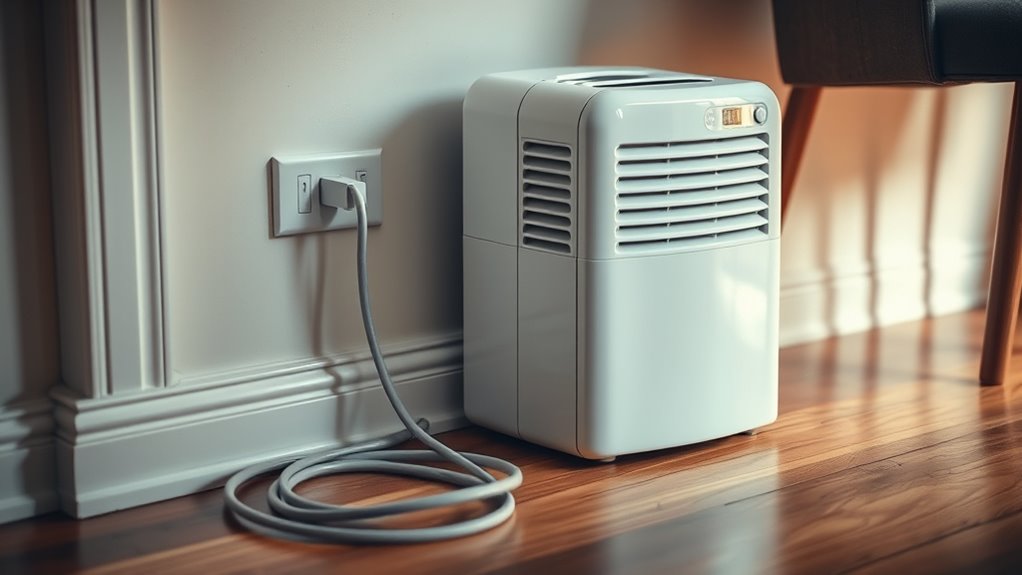
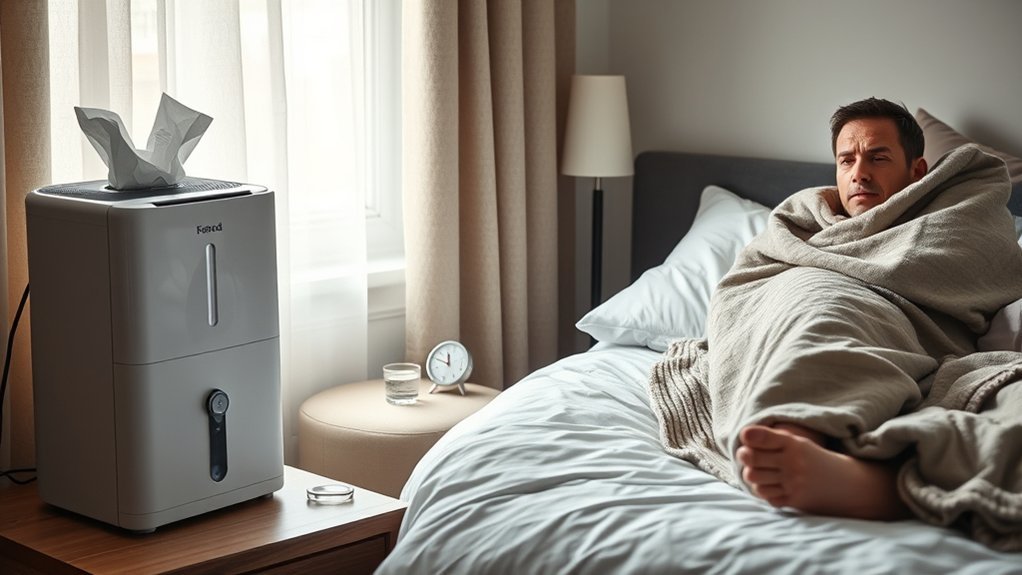
Does a dehumidifier help with colds? Not directly. A dehumidifier does not treat the virus causing a cold or shorten the illness. It can be useful when the room itself is too damp because lowering excess humidity can reduce condensation and conditions that support mold and dust mites. If the room is dry, removing more moisture may irritate your nose and throat. Check relative humidity with a hygrometer before using either a dehumidifier or humidifier.
Quick Answer
A dehumidifier does not treat a cold. Use one only when your room has excess moisture, persistent dampness, condensation, or high relative humidity. If your air is dry, a clean cool-mist humidifier may be more helpful for dry-air stuffiness and irritation. For most homes, aim for roughly 30% to 50% relative humidity and avoid using either device without checking the room first.
Key Takeaways
- A dehumidifier controls excess indoor moisture; it does not cure, shorten, or directly treat a common cold.
- EPA recommends keeping indoor humidity below 60% and ideally between 30% and 50%.
- If humidity is below 30%, do not dry the room further. Low humidity can irritate the nose and throat.
- If humidity remains high or the room has condensation, dampness, or musty odors, dehumidification may help control the indoor environment.
- Humidity control is separate from respiratory-virus prevention. Cleaner air, hygiene, appropriate medical care, and staying away from others when sick still matter.
Does a Dehumidifier Help With Colds?
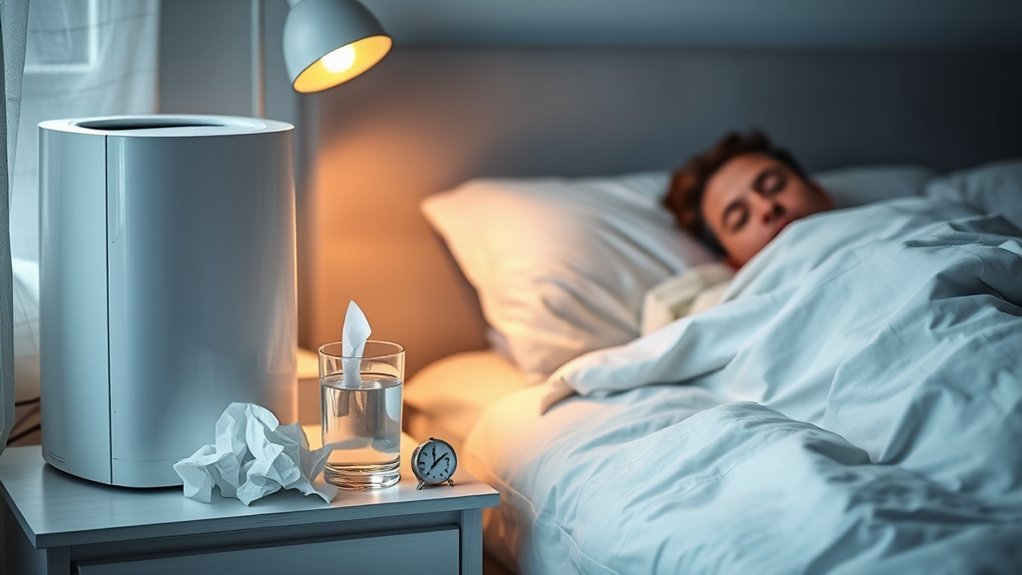
A dehumidifier can help with the condition of a damp room, but it is not a treatment for the viral illness itself. If excess moisture is contributing to condensation, musty odors, mold, dust mites, or other indoor irritants, lowering that moisture may make the space more comfortable. That is different from relieving congestion simply because you have a cold.
The CDC explains that common cold symptoms usually improve on their own. Supportive care can include rest, fluids, saline nasal spray or drops, and a clean humidifier or cool-mist vaporizer when appropriate. Mayo Clinic also notes that a cool-mist humidifier can help a stuffy nose when dry indoor air is part of the problem.
The practical rule is to measure the room first. If the room is persistently damp, moisture control may be appropriate. If it is dry, avoid removing more moisture. If the humidity is already comfortable, neither appliance is likely to be the main answer to your cold symptoms.
At a Glance
| Below 30% RH | Do not use a dehumidifier. Dry air can irritate the nose and throat. A clean cool-mist humidifier may be useful if dry-air symptoms are bothering you. |
| 30% to 50% RH | Usually maintain the room as it is. Focus on ordinary cold care instead of changing humidity unnecessarily. |
| Persistently above 50% RH or visibly damp | Look for condensation, leaks, musty odors, or other moisture sources. A dehumidifier may help bring a damp room back toward a normal range. |
| What treats the cold? | A dehumidifier does not cure the infection. Use supportive care and seek medical attention when symptoms are severe, prolonged, or concerning. |
Check Humidity Before You Run a Dehumidifier
A dehumidifier is useful only when the room has excess moisture. Use a hygrometer to measure relative humidity instead of judging by cold symptoms alone. The EPA recommends keeping indoor humidity below 60% and ideally between 30% and 50%.
Do not treat 50% as a cliff where a dehumidifier automatically becomes necessary. A room at 51% for a short period is different from a room that remains humid, smells musty, has wet windows, or develops condensation on walls and pipes. Look at both the hygrometer and the physical signs of excess moisture.
When Is a Dehumidifier Useful While You Have a Cold?
If you have a cold and your room is also damp, lowering excess humidity may reduce dampness-related irritants that are making you less comfortable. This is an environmental benefit, not evidence that the dehumidifier is treating the viral infection.
A dehumidifier may be reasonable when:
- Your hygrometer repeatedly shows elevated relative humidity and the room also feels damp or develops condensation.
- The room smells musty or has a known moisture problem.
- You see condensation on windows, walls, or pipes.
- Damp bedding, rugs, walls, or other materials are slow to dry.
- You are also sensitive to mold, dust mites, or other dampness-related indoor irritants.
If your congestion, coughing, or irritation becomes noticeably worse only in one musty room, do not automatically assume the cold itself is changing. The room may have a separate air-quality or moisture problem worth investigating.
The EPA identifies mold, dust mites, pollen, pests, bacteria, and viruses as biological indoor contaminants. Its guidance treats source control, moisture control, ventilation, and filtration as different tools for different indoor-air problems.
Recommended Products

🍃Advanced Small Dehumidifier for Home: Designed for lasting home use, our bathroom dehumidifier works gently and steadily to maintain a balanced humidity level. The large 44 OZ (1.3L) water tank minimizes emptying frequency. Suitable for dorm room, camper, apartment, room, office and living room. No more dampness-just fresh, comfortable air everywhere

UPGRADED HIGH EFFICIENT DEHUMIDIFICATION:Say goodbye to sticky air. This dehumidifier uses semiconductor condensation technology to quietly and efficiently pull moisture from your bedroom, bathroom, or basement. It extracts up to 23 oz (650 ml) of moisture per day under test conditions of 86°F and 60% RH, which helps you enjoy a fresher, more comfortable living space

Effective Moisture Control for Home Use: OWAAE dehumidifier is designed to reduce excess moisture and help maintain comfortable humidity levels in everyday living spaces. It works best in moderate-to-high humidity environments, improve overall air comfort at home
When Can a Dehumidifier Make You Feel Worse?
A dehumidifier can make the room less comfortable if the air is already dry. Low humidity can irritate the inside of the nose and throat, so further drying may make a scratchy throat, dry nose, or irritating cough feel worse.
Warning: Do not run a dehumidifier just because you have a cold. Check the humidity first. If the room is already below 30% relative humidity, avoid drying it further.
Dry indoor air is common during heating season. Mayo Clinic notes that dry indoor air can irritate the nose and throat and that a cool-mist humidifier may ease a stuffy nose during a cold. Humidifiers also need proper cleaning because dirty tanks and filters can grow bacteria or mold.
Dehumidifier vs. Humidifier for Colds
A dehumidifier removes moisture, while a humidifier adds it. Neither cures a cold. The correct device depends on the room rather than on the diagnosis alone.
| Situation | Better Option | Why |
| Room is persistently damp, musty, or has condensation | Dehumidifier or other moisture control | Reduces excess moisture and helps control conditions that support mold, dust mites, and condensation. |
| Room is dry or below 30% RH | Clean cool-mist humidifier may help | Adding moisture may make dry nasal passages and dry-air stuffiness more comfortable. |
| Room is already 30% to 50% RH | Usually neither | Humidity is already in a reasonable range. Focus on rest, fluids, saline, and other appropriate symptom care. |
If you use a humidifier, follow its cleaning instructions and continue checking room humidity. Excessive humidification can encourage condensation, bacteria, dust mites, and mold, so the goal is balance rather than making the room as humid as possible.
Recommended Products

Moisturize All Day: With a 0.5-gallon water capacity, enjoy up to 10 hours of hydration at low, 8 hours at medium, and 6 hours at high settings. Combat dry skin, wrinkles, insomnia, and sore throat to create a fully moisturized day.

[3-in-1 Humidifier Meets All You Expect] Cool Mist Humidifier+Aromatherapy+Mood Light, purchase for once to satisfy all you expect! Let Homvana H101 be the best companion in your bedroom.

𝙀𝙛𝙛𝙤𝙧𝙩𝙡𝙚𝙨𝙨 𝙍𝙚𝙡𝙞𝙚𝙛 𝙁𝙧𝙤𝙢 𝘿𝙧𝙮 𝘼𝙞𝙧: Designed for ultimate comfort, this humidifier effectively covers rooms up to 505 ft² with a powerful 300 mL/h mist output. Its 6 L tank allows up to 60 hours of quiet, continuous humidification
What Indoor Humidity Is Best When You Have a Cold?
For most homes, a practical target is 30% to 50% relative humidity. EPA recommends keeping indoor RH below 60% and ideally in the 30% to 50% range. Mayo Clinic also describes 30% to 50% as the ideal household range.
This range is an indoor-air target, not a proven way to shorten a cold. Adjust humidity only when the room is clearly too dry or too damp.
- Too dry: the inside of your nose or throat may feel irritated.
- Balanced: the room feels comfortable without excessive dryness, dampness, or condensation.
- Too damp: condensation, musty odors, or moisture problems may appear, and damp conditions can support mold and dust mites.
Research about humidity and respiratory viruses provides useful context but should not be treated as proof that a household dehumidifier prevents colds. A 2013 influenza experiment used simulated coughing in a controlled examination-room setup and found reduced influenza aerosol infectivity at higher relative humidity. It studied influenza under laboratory conditions, not ordinary common-cold viruses in real homes.
A dehumidifier is useful when it corrects excess moisture. Making already-comfortable air drier does not make it a better cold remedy.
Humidity Control Does Not Replace Cleaner Air
Managing humidity and reducing exposure to respiratory viruses are separate jobs. A dehumidifier changes moisture levels; it is not an air-disinfection device and should not be treated as a substitute for ventilation or filtration.
The CDC recommends cleaner-air measures such as bringing in outdoor air when appropriate, using exhaust ventilation, maintaining HVAC filtration, and using a portable HEPA air cleaner where useful. CDC also recommends staying home and away from others when sick and practicing good hygiene.
This distinction is important when operating a dehumidifier. Closing windows can help a unit control humidity when outdoor air is humid, but keeping a sick person in a poorly ventilated closed room is not an infection-prevention strategy. Balance moisture control with appropriate cleaner-air measures for the situation.
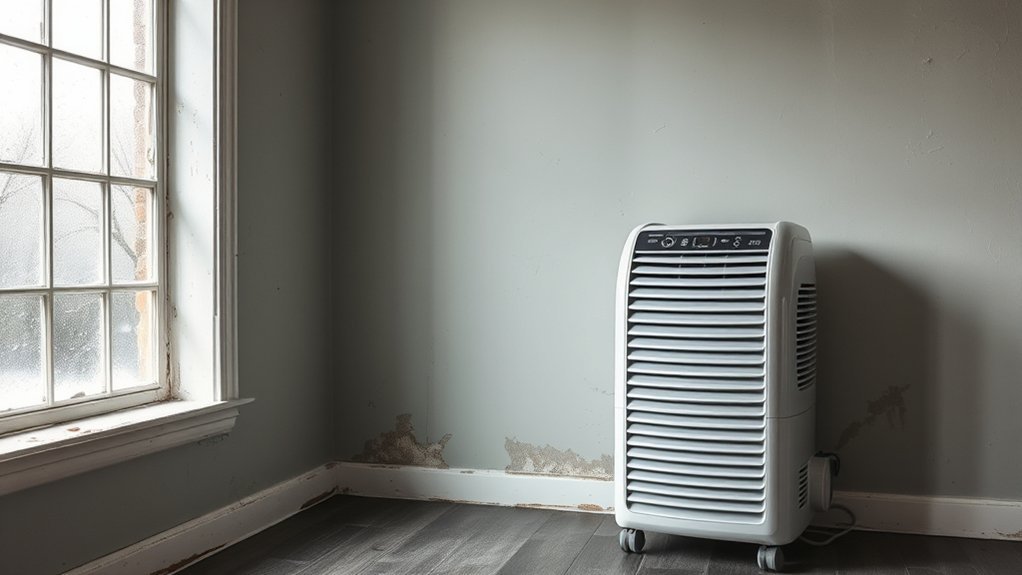
Signs Your Room Is Too Damp
If your room is too damp, a dehumidifier may help control the environment. Look for moisture clues instead of assuming every respiratory symptom is caused by the room.
Musty Odors
A persistent musty smell can indicate moisture, poor ventilation, or microbial growth. If the smell is strongest after rain, near a basement wall, around a bathroom, or beside windows, inspect the area for leaks, condensation, and damp materials.
Mold and Pests
Mold spots, water stains, peeling paint, condensation, or pests that favor damp environments can point to a moisture problem. NIOSH notes that high relative humidity can contribute to excessive dampness. It also notes that moisture allows mold to grow and can attract cockroaches, rodents, and dust mites.
Common warning signs include:
- Musty odors or visible mold spots
- Condensation on windows, walls, or pipes
- Water stains, warped trim, or peeling paint
- Clammy bedding, rugs, or stored fabric
- Pests that prefer damp spaces
Note: A dehumidifier can reduce moisture in the air, but it cannot repair a leak, remove established mold, or solve hidden water damage by itself. Correct the moisture source as part of the solution.
How to Use a Dehumidifier Safely
Use a dehumidifier as a controlled moisture-management tool rather than as cold treatment. The goal is to correct excessive humidity without making the room unnecessarily dry.
- Measure first. Place a hygrometer in the room and allow the reading to stabilize.
- Use a reasonable target. A setting around 40% to 50% RH is a practical starting range when dehumidification is actually needed.
- Place it correctly. Put the dehumidifier on a stable surface and follow the manufacturer’s clearance instructions so the intake and outlet remain unobstructed.
- Consider outdoor conditions. Keep windows closed while actively dehumidifying if outdoor air is humid, but use appropriate ventilation or cleaner-air measures separately when someone is sick.
- Empty the tank as needed. Do not let collected water sit longer than necessary.
- Clean the filter and bucket. Follow the manufacturer’s maintenance instructions so dust, residue, or odors do not build up.
- Stop if the room becomes too dry. If humidity drops below 30%, reduce the setting or stop the unit.
Pro Tip: Put a separate hygrometer away from the dehumidifier’s outlet. A reading directly in the discharge airflow may not represent conditions across the rest of the room.
Recommended Products

Wellness Indicator: This humidity meter with humidity level icon indicates air conditions - DRY/COMFORT/WET, allowing this humidity sensor to ensure you’re always aware of changes to your home/household with just a quick glance

Face Icon Comfort Indicator: Humidity temperature gauge features face icons to indicate DRY/COMFORT/WET air conditions, quickly informs you how to adjust your humidifier or dehumidifier to achieve optimal comfort.

Smart Features: The Govee Wireless Thermometer Hygrometer supports all basic functions as well as smart functions such as remote monitoring and temp humidity graphs. Our humidity meters are reliable and easy to use for homes, greenhouses and more.(Only supports 164ft Bluetooth connection)
Side Effects of Overusing a Dehumidifier
Running a dehumidifier when it is not needed can make indoor air excessively dry. Mayo Clinic notes that low humidity can bother the inside of the nose and throat. Dry conditions may therefore make an already-irritated nose, throat, or cough feel less comfortable.
Watch for these signs that the room may be getting too dry:
- Humidity below 30%
- Increasing dryness inside the nose
- Scratchy or dry throat
- Dry skin or lips
- More static electricity than usual
If the room falls below the target range, turn the dehumidifier down or off and recheck the humidity later.
What Else Helps Cold Symptoms?
A dehumidifier may correct a damp room, but ordinary cold care is separate. The CDC recommends measures such as rest, fluids, saline nasal spray or drops, and a clean humidifier or cool-mist vaporizer when helpful. Steam from a shower may also provide temporary comfort.
Helpful options include:
- Rest: Give your body time to recover.
- Fluids: Drink enough fluids to stay hydrated.
- Saline spray or drops: These can moisten nasal passages and help manage mucus.
- Warm drinks: Tea, broth, or warm water may soothe an irritated throat. Honey may help cough in adults and children at least 1 year old.
- OTC medicines: Pain relievers, fever reducers, and some other medicines may temporarily reduce symptoms. Follow the label and ask a clinician or pharmacist if you take other medicines or are unsure what is appropriate.
For children, follow age-specific precautions. The CDC says OTC cough and cold medicines are not recommended for children younger than 6 years old. Honey should not be given to babies younger than 1 year old, and lozenges should not be given to children younger than 4 years old.
When to Call a Healthcare Provider
Most common-cold symptoms improve with time, but some symptoms need medical attention. The CDC advises seeking care for trouble breathing or fast breathing, dehydration, fever lasting longer than 4 days, symptoms lasting more than 10 days without improvement, symptoms that improve and then return or worsen, or a chronic medical condition that gets worse.
If flu or COVID-19 may be causing the symptoms, especially if you are at higher risk for severe illness, contact a healthcare provider promptly. Early antiviral treatment may be available and works best when started soon after symptoms begin.
This list is not exhaustive. Seek medical care for any symptom that is severe, unusual, or concerning.
Frequently Asked Questions
Should I use a dehumidifier if I have a cold?
Use one only if the room actually needs dehumidification. A dehumidifier does not treat the cold itself. If the room is persistently damp, has condensation, or has excessive humidity, lowering moisture may improve the indoor environment. If the room is dry, do not remove more moisture.
Would a dehumidifier help with a stuffy nose?
Not usually because of the cold itself. A dehumidifier may help only if dampness-related irritants are also bothering you. If dry air is contributing to the stuffiness, a clean cool-mist humidifier may be more appropriate.
What is better when sick: a humidifier or a dehumidifier?
It depends on the room. A clean humidifier may help when indoor air is dry. A dehumidifier is appropriate when excess moisture, condensation, or dampness needs to be controlled. If humidity is already around 30% to 50%, usually neither device needs to run just because you are sick.
Can a dehumidifier dry your throat out?
It can if it makes the room too dry. Low humidity can irritate the inside of the nose and throat. Monitor the room with a hygrometer and avoid driving humidity below about 30%.
Can a dehumidifier prevent colds?
No. A dehumidifier is a moisture-control appliance, not a proven cold-prevention device. Respiratory-virus prevention depends on measures such as hygiene, cleaner air, staying away from others when sick, and other current health guidance.
Can I sleep with a dehumidifier on when I have a cold?
It can be reasonable to run one overnight if the room genuinely needs dehumidification, the appliance is being used according to its instructions, and humidity is monitored. Avoid unnecessary overnight drying if the room is already within a comfortable humidity range.
Conclusion
A dehumidifier does not treat a common cold. Its role is to correct excess indoor moisture. If your room is damp, has condensation, smells musty, or remains too humid, dehumidification may improve the environment. If the air is dry, a clean cool-mist humidifier may be more appropriate for dry-air discomfort.
Check humidity with a hygrometer and aim for a balanced indoor range, generally around 30% to 50% RH. Then treat humidity control, cleaner air, and cold care as separate jobs: manage moisture when needed, use appropriate ventilation or filtration, rest, stay hydrated, and seek medical care when symptoms are severe, prolonged, or worsening.
Sources
- CDC: Manage Common Cold — supports cold-care guidance, child age precautions, supportive care, antiviral context, and when to seek medical care.
- EPA: A Brief Guide to Mold, Moisture and Your Home — supports keeping indoor humidity below 60%, ideally 30% to 50%, plus moisture-source and condensation guidance.
- EPA: Biological Contaminants and Indoor Air Quality — supports moisture control, biological contaminant, ventilation, source-control, and filtration guidance.
- CDC/NIOSH: Mold in the Workplace — supports statements about dampness, mold growth, dust mites, pests, and respiratory-health concerns in damp buildings.
- Mayo Clinic: Humidifiers: Ease Skin, Breathing Symptoms — supports the 30% to 50% household humidity range, dry-air irritation, cool-mist humidifier guidance, dehumidification for excessive moisture, and appliance-cleaning cautions.
- Noti et al., PLOS One/PubMed: High Humidity Leads to Loss of Infectious Influenza Virus from Simulated Coughs — provides laboratory context on humidity and aerosolized influenza and is not used as evidence that a dehumidifier prevents common colds.
- CDC: Taking Steps for Cleaner Air for Respiratory Virus Prevention — supports separating humidity control from ventilation, filtration, and other cleaner-air strategies.