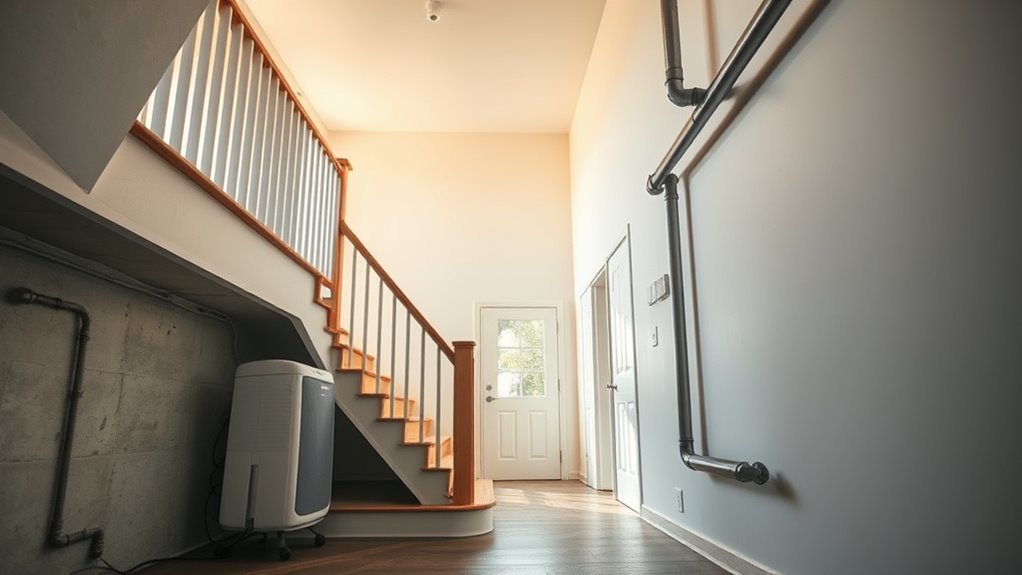
Winter does not automatically make every basement dry. The right choice depends on your measured relative humidity, basement temperature, and signs of water entry or condensation. Instead of switching a basement dehumidifier off on a certain date, use a hygrometer and let the conditions in the room guide you.
Quick Answer
You can turn off a basement dehumidifier in winter when relative humidity stays below your chosen setpoint, usually about 45% to 50%, and there is no condensation, musty odor, dampness, or water intrusion. Keep monitoring the space. If the basement falls below 65°F, confirm that the unit is rated for low-temperature operation.
Key Takeaways
- Do not use the calendar alone. Check relative humidity with a separate hygrometer.
- A practical basement target is about 40% to 50% RH, with a lower setting sometimes needed to stop cold-surface condensation.
- Keep the unit running or powered in automatic mode if humidity rises above 50%, odors return, or surfaces stay damp.
- Cold basements can cause coil frost and poor performance, especially with units not designed for temperatures below 65°F.
- Fix leaks, drainage, dryer venting, and insulation problems because a dehumidifier cannot correct an active water source.
Should You Turn Off Your Basement Dehumidifier in Winter?

You may be able to turn it off, but only after checking the room rather than assuming winter air has solved the moisture problem. The U.S. Environmental Protection Agency recommends keeping indoor relative humidity between 30% and 50%. For many basements, setting the humidistat near 45% to 50% provides a useful balance between moisture control and energy use.
If the basement remains dry and the hygrometer stays below the setpoint for several days, the compressor does not need to keep removing moisture. You can switch the unit off or leave an automatic model powered so it cycles only when humidity rises. Continue checking after heavy rain, snowmelt, plumbing work, laundry, or sudden temperature changes.
At a Glance
| Time Required | 10 to 15 minutes for a winter moisture check |
| Difficulty | Easy |
| Tools Needed | Hygrometer, flashlight, and an optional room thermometer |
| Cost | Usually none if you already own a hygrometer |
Why Basement Humidity Can Still Build Up in Winter
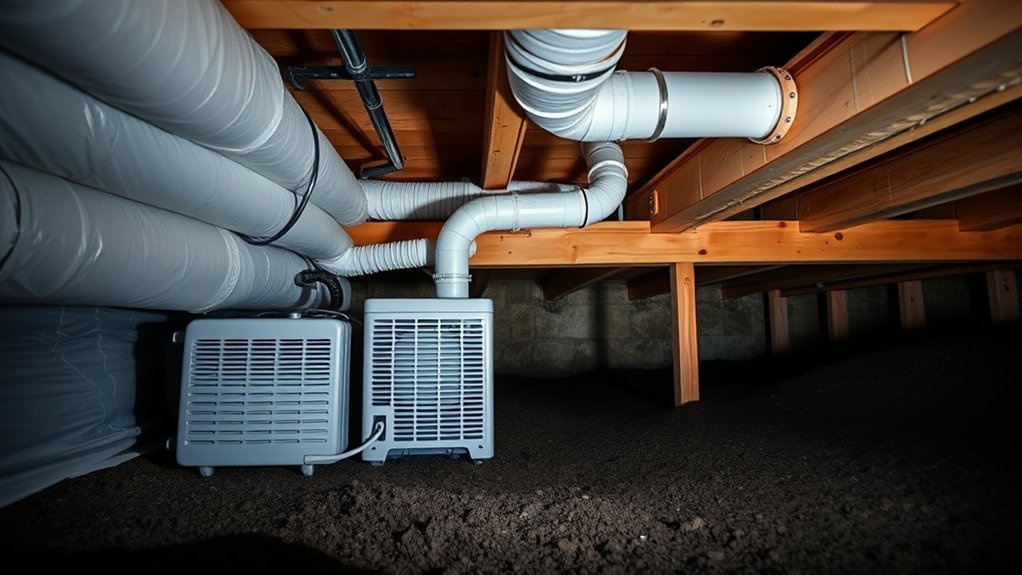
Outdoor air is often drier during cold weather, but a basement can still develop damp conditions. Moisture may enter through foundation cracks, porous masonry, plumbing leaks, floor drains, or poorly managed roof runoff. Cooking, showers, and an unvented clothes dryer can also add water vapor to the house.
Warm Air Meets Cold Surfaces
Condensation forms when moisture in the air reaches a surface cold enough for water vapor to turn into liquid. Basement windows, rim joists, foundation walls, and exposed pipes are common cold spots. Heating the air does not create moisture by itself, but indoor activities and water entry can supply enough vapor for condensation to appear on those colder surfaces.
Insulation and air sealing can reduce cold spots, but they must be planned carefully so hidden moisture is not trapped inside walls. Insulating cold-water pipes can also reduce surface condensation.
Common Basement Moisture Sources
- Foundation seepage: Water can enter through cracks, joints, porous walls, or the floor.
- Poor exterior drainage: Clogged gutters, short downspouts, and soil that slopes toward the house can keep the foundation wet.
- Plumbing or appliance leaks: Small leaks near a water heater, washer, sink, or pipe may go unnoticed.
- Indoor activities: Showers, cooking, and drying clothes indoors add water vapor.
- Unvented dryer exhaust: A clothes dryer that does not vent outdoors releases large amounts of moisture.
- Snowmelt and seasonal groundwater: Winter thaws and early spring melt can raise moisture around the foundation.
Condensation and Dampness Are Not the Same Problem
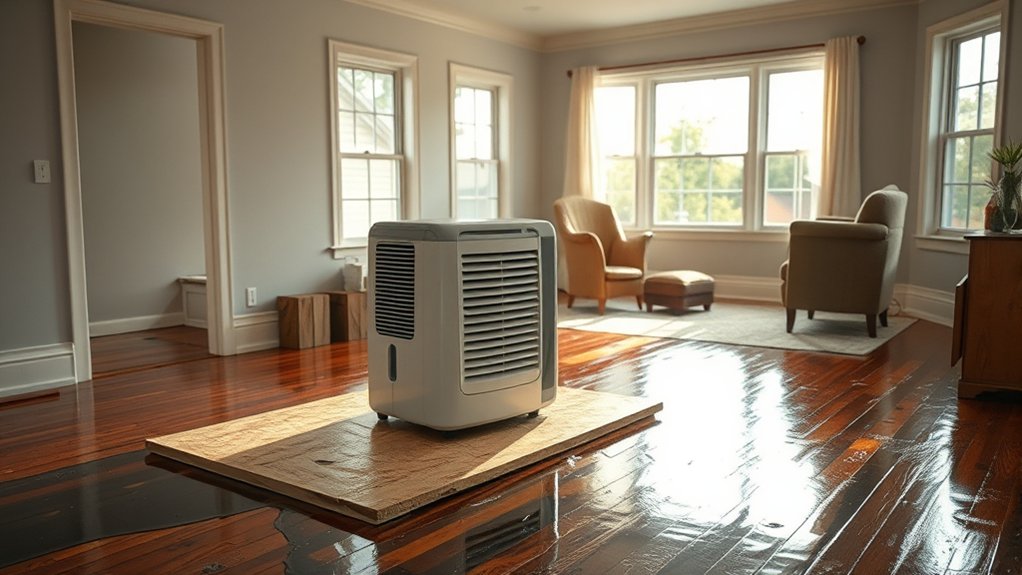
Condensation is moisture from the air collecting on a cold surface. Seepage is liquid water entering through the structure. A dehumidifier can reduce airborne moisture and help with condensation, but it cannot stop a leaking pipe, foundation crack, overflowing gutter, or groundwater problem. Find and correct the source first.
Note: A musty smell without visible mold may point to hidden damp materials. Check behind stored boxes, furniture, wall coverings, and insulation rather than covering the odor with fragrance.
When Can You Turn Off Your Dehumidifier?
Use a simple measurement-based decision. Place a hygrometer in the open air, away from the dehumidifier discharge, exterior doors, windows, and wet walls. Check it at different times for several days because relative humidity changes with temperature and household activity.
| Basement condition | Best action |
|---|---|
| RH stays below 45% to 50%, with no odor, dampness, or condensation | Turn the unit off or leave it in automatic mode, then keep monitoring. |
| RH repeatedly rises above 50% | Run the dehumidifier and inspect for moisture sources. |
| Condensation appears even below 50% RH | Lower the setpoint slightly and address cold surfaces, insulation, or air leaks. |
| Basement temperature is below the unit’s rated minimum | Stop the unit if it frosts, let it defrost, and use a low-temperature-rated model if dehumidification is still needed. |
| Water is entering through a leak or foundation | Correct the water source. Use the dehumidifier only to help dry residual moisture. |
The best shutdown date is not a month on the calendar. It is the point when measured humidity stays controlled and the basement shows no signs of moisture.
What Signs Mean Your Dehumidifier Should Stay On?
Keep the dehumidifier operating, or restart it, when measurements or visible conditions show that moisture is returning.
Persistent Condensation
Condensation on windows, pipes, foundation walls, or metal equipment means moisture is reaching cold surfaces. The EPA advises acting quickly when condensation appears by drying the surface and reducing the moisture source.
| Sign | What it may mean | Action |
|---|---|---|
| Window fog or wet glass | High RH, a very cold surface, or both | Run the unit and check insulation or air leakage. |
| Water beads on pipes | Cold-surface condensation | Lower RH and insulate the pipe. |
| Damp cardboard, fabrics, or wood | Moisture is lingering in stored materials | Improve airflow, remove wet items, and continue dehumidification. |
| Visible mold | An active or previous moisture problem | Fix the moisture source and clean or remediate the mold safely. |
Musty Odors
A musty odor often signals damp materials or mold growth. Do not rely on the dehumidifier alone. Inspect joists, wall edges, carpet, cardboard, stored clothing, and areas around plumbing. If visible mold covers more than about 10 square feet, the EPA recommends considering professional help.
Other Warning Signs
- A hygrometer repeatedly reads above 50% RH.
- Paint bubbles, wood swells, or metal begins to rust.
- The unit collects a noticeable amount of water each day after a period of little activity.
- Humidity jumps after rain, snowmelt, laundry, or showering.
- The basement feels clammy even though the upper floors feel dry.
Can a Dehumidifier Run in a Cold Basement?
It depends on the model. ENERGY STAR notes that frost can form on dehumidifier coils when room temperature falls below 65°F, reducing moisture removal and causing repeated compressor cycling. Some models include automatic defrost controls or are specifically rated for lower temperatures.
Warning: If ice forms on the coils, switch the unit off and let it defrost. Follow the manufacturer’s minimum operating temperature. Use a properly grounded outlet, keep drain water away from cords and electrical connections, and do not use a damaged plug or cord.
Check for these cold-weather performance problems:
- Ice or frost on the coil or grille
- The compressor starts and stops repeatedly without collecting water
- The fan runs, but the room humidity does not fall
- The drain hose freezes or backs up
- The unit displays a low-temperature or defrost code
How Can You Run It Efficiently in Winter?
- Use the humidistat: Start near 45% to 50% RH. Lower it only if condensation remains.
- Confirm the reading: Compare the built-in display with a separate hygrometer placed several feet away.
- Keep doors and windows closed: This prevents the unit from trying to condition a constant flow of outside air.
- Allow airflow: Follow the manual’s clearance requirements and keep the intake and discharge unobstructed.
- Clean the filter: Dust reduces airflow and efficiency. Use the maintenance interval in the owner’s manual.
- Check the drain: Make sure the hose slopes correctly, is not kinked, and cannot freeze.
- Use automatic mode: A functioning humidistat lets the compressor cycle off after the target is reached.
- Reduce the moisture load: Vent dryers, kitchens, and bathrooms outdoors and repair water leaks promptly.
Pro Tip: Place a second hygrometer at the dampest end of a large basement. One reading beside the dehumidifier may look dry while a closed corner or storage area remains humid.
Recommended Products

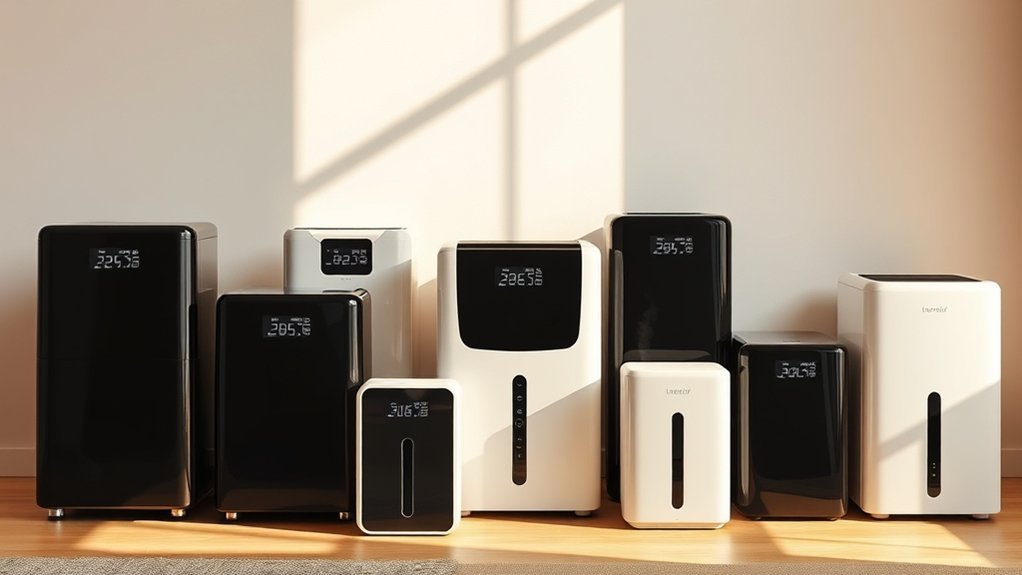
Semiconductor dehumidifiers use thermoelectric cooling to remove moisture from the air. They create a drier, more comfortable environment by reducing humidity and improving air quality.

34 Pint Powerful Moisture Removal for Spaces up to 2,500 Sq. Ft: Designed for large rooms and damp spaces, the TEANEWS compressor dehumidifier removes up to 34 pints of moisture per day at 95°F, 90% RH. It helps control excess humidity in areas up to 2500 sq. ft, making it a great choice for basements, bedrooms, bathrooms, laundry rooms, garages, offices, kitchens, storage areas, crawl spaces and RVs. Simply set your desired humidity level between 30% and 70%, and enjoy a drier, fresher and more comfortable home environment
What Else Helps Reduce Basement Moisture?
Source control lowers humidity more reliably than asking a dehumidifier to handle every problem. Start outside the house, then work inward.
| Action | Benefit | Priority |
|---|---|---|
| Repair plumbing and foundation leaks | Stops liquid water at the source | High |
| Clean gutters and extend downspouts | Moves roof runoff away from the foundation | High |
| Correct soil grading | Reduces pooling beside the house | High |
| Vent the clothes dryer outdoors | Prevents a major indoor moisture source | High |
| Insulate cold pipes and problem surfaces | Reduces condensation | Medium |
| Use a sump pump where groundwater is a known risk | Removes collected water before it spreads | Site dependent |
| Run a dehumidifier as needed | Controls residual airborne moisture | Medium |
Ventilation can help when outdoor air is truly drier and weather conditions are safe, but opening a basement window is not a universal winter fix. Exhaust fans that vent outdoors are more dependable for kitchens, bathrooms, and laundry areas.
Winter Dehumidifier Troubleshooting
Recommended Products

【The Undisputed Champion — Industry‑Leading Dehumidifier Brand】When you choose AEOCKY, you get double market validation. In 2025, AEOCKY was an industry‑leading dehumidifier brand on Amazon US. This means you’re not just choosing a flagship from a market leader, but the top choice proven by millions of real users—representing the ultimate combination of performance, quality, and trust.
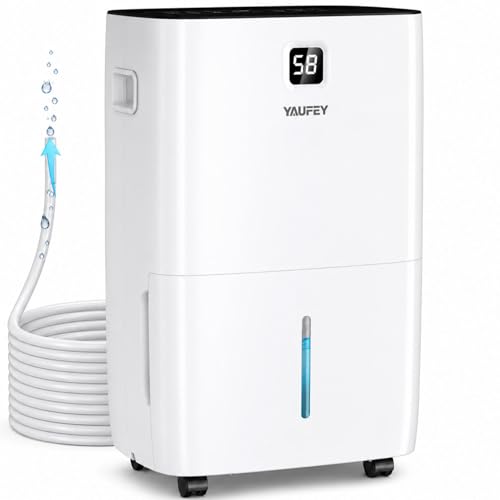
Dehumidifier for Basement: This dehumidifier for home removes up to 150 pints (95℉, 90% RH) of moisture per day and with a maximum dehumidification area of 8500 square feet. This dehumidifier with drain hose has a dehumidification range of 30% to 80%, increasing or decreasing by 5% at a time, which you can adjust to your preferred humidity level. In addition, this basement dehumidifier has 3 modes for you to choose from - Living Area (50% RH), Basement (45% RH) and Continuous (CO).

HIGH CAPACITY PERFORMANCE: Removes up to 90 pints of moisture per day with a high-efficiency compressor, covering large spaces up to 5000 sq. ft., including basements, garages, and living rooms.
The Unit Runs, but Humidity Stays High
Check the filter, airflow clearance, room size, open doors or windows, hidden leaks, and the drain system. Compare the built-in humidistat with a separate hygrometer. If the basement is cold, the unit may be spending more time defrosting than removing water.
The Unit Collects Little or No Water
This can be normal when the air is already dry. It can also mean the room is too cold, the coil is frosted, the filter is blocked, or the compressor is not operating. Check the room RH before assuming the machine has failed.
Humidity Rises After the Unit Is Turned Off
Restart the unit and look for the cause. Rain, snowmelt, a new leak, indoor laundry, or changing temperatures may have increased the moisture load. A recurring rise points to a building or drainage problem that deserves attention.
Frequently Asked Questions
Can I turn off the basement dehumidifier in winter?
Yes. Turn it off when the basement stays below your target humidity for several days and there is no condensation, musty odor, damp material, or water entry. Keep a hygrometer in the room and recheck after rain, snowmelt, or major household moisture events.
Should you use a dehumidifier if you have COPD?
A dehumidifier may help control dampness and mold, but it does not treat COPD. The CDC warns that people with COPD can have trouble breathing around mold and should not take part in mold cleanup. Keep indoor humidity moderate and ask your healthcare professional about symptoms or home-air concerns.
What month should I turn off the dehumidifier?
There is no correct month for every home. Turn it off when measured humidity remains controlled and moisture signs are absent. In some homes that happens during winter; in others, spring snowmelt or groundwater keeps the basement damp.
Should I leave the basement dehumidifier on all the time?
You do not need the compressor running continuously. A model with a humidistat can remain powered in automatic mode and cycle on only when humidity rises. Make sure the drain is safe, the filter is clean, and the unit is rated for the basement temperature.
What humidity should a basement be in winter?
Aim for about 40% to 50% RH in many basements. Colder climates may require a setting closer to 30% to 40% if condensation forms on windows or other cold surfaces. Avoid driving humidity below 30% unless a qualified professional recommends it for a specific building problem.
Why does my dehumidifier ice up in winter?
The coil can frost when the surrounding air is too cold for the model. Turn the unit off, let it defrost, clean the filter, and confirm the minimum operating temperature in the manual. A low-temperature-rated model may be needed.
Conclusion
Do not shut down a basement dehumidifier just because winter has arrived. Measure relative humidity, inspect for condensation and dampness, and check the unit’s temperature rating. When the basement stays below about 45% to 50% RH with no moisture signs, you can turn the unit off or let automatic mode handle occasional changes. If humidity rises again, restart it and look for the source rather than treating the dehumidifier as the only defense.
Sources
- U.S. EPA: Care for Your Air — supports the 30% to 50% indoor humidity range and hygrometer use.
- ENERGY STAR: Dehumidifiers — supports cold-temperature, frost, placement, drainage, efficiency, and humidistat guidance.
- U.S. EPA: A Brief Guide to Mold, Moisture and Your Home — supports moisture-source control, condensation response, drainage, and mold cleanup guidance.
- CDC: About Mold — supports the health discussion and the need to control moisture and mold.
- CDC: Mold Cleanup Guidelines — supports the warning for people with COPD and other chronic respiratory conditions.