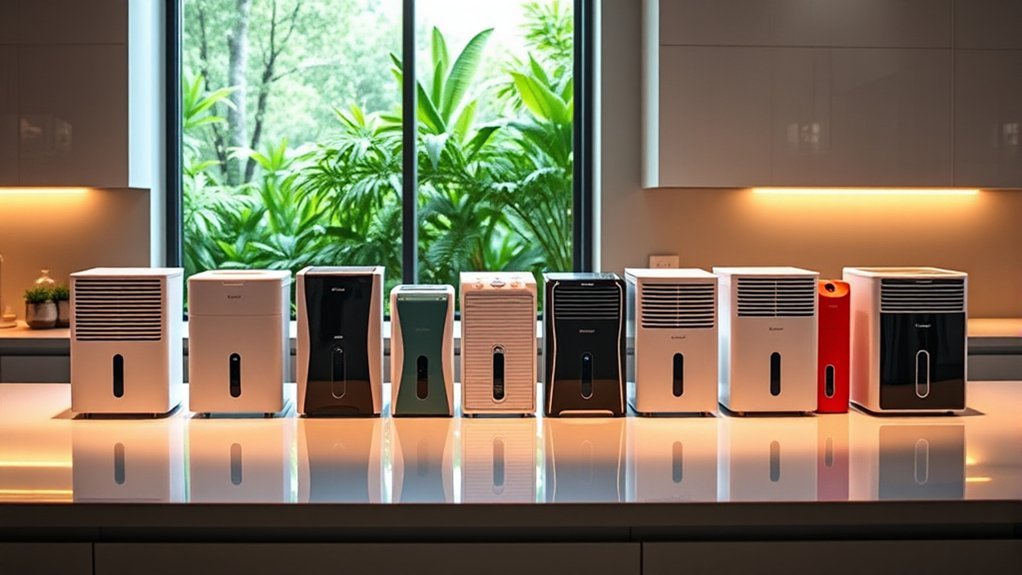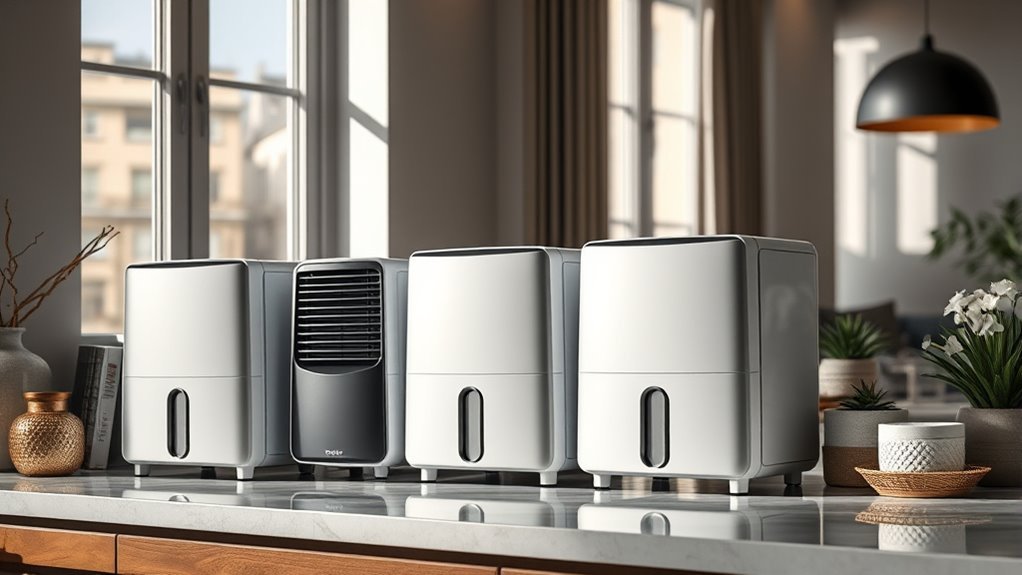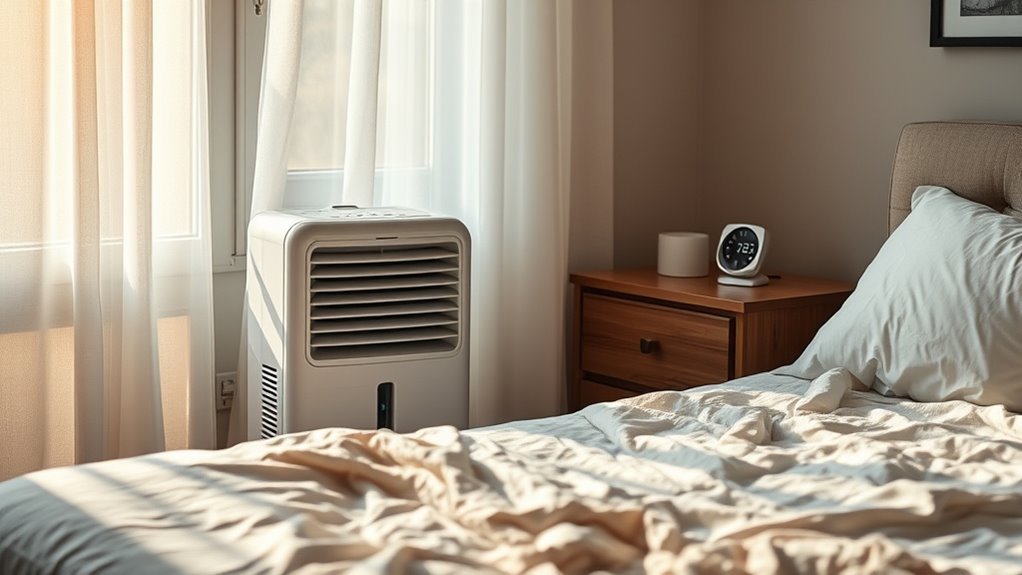
Last updated: July 7, 2026
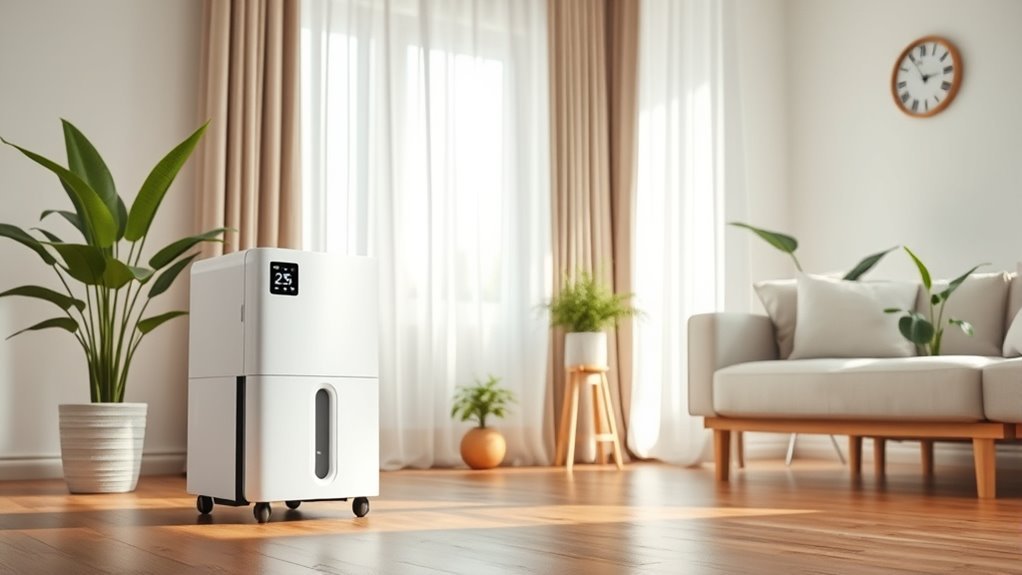
Yes, a dehumidifier can make a room feel a little warmer, but it is not designed to work like a space heater. A compressor model cools humid air to condense water, then sends drier air back across warmer components. Because the machine stays inside the room, its fan, compressor, condenser coil, and condensation process release mild heat indoors. The comfort benefit usually comes from lowering damp, sticky air rather than from meaningful heating.
Quick Answer
A dehumidifier usually adds a small amount of heat while it runs because the electricity it uses and the heat released during condensation stay in the room. The warming is normally slight, but it can feel stronger in a small, closed, damp, or poorly ventilated space. Warm exhaust air is normal; burning smells, extreme heat, or poor water collection are not.
Key Takeaways
- A dehumidifier can slightly warm the air around it, but heating is a side effect, not its main purpose.
- Small rooms feel warmer faster because the heat has less space to spread out.
- Aim for indoor humidity around 30% to 50% relative humidity for comfort and mold control.
- Use the right size unit, keep airflow clear, clean filters, and use a humidistat to reduce unnecessary heat buildup.
| What You Notice | Likely Meaning | What To Do |
|---|---|---|
| Mild warm air near the exhaust | Normal operation | Let the unit cycle by humidistat. |
| Small room feels warmer after hours of use | Heat is building up in limited air volume | Open interior airflow if practical and raise the RH target. |
| Runs nonstop but collects little water | Blocked airflow, low temperature, wrong size, or a fault | Clean the filter, check room temperature, and inspect placement. |
| Burning smell, sparks, leaks near cords, or hot casing | Possible safety problem | Unplug it and stop using it until it is checked. |
Does a Dehumidifier Heat a Room?
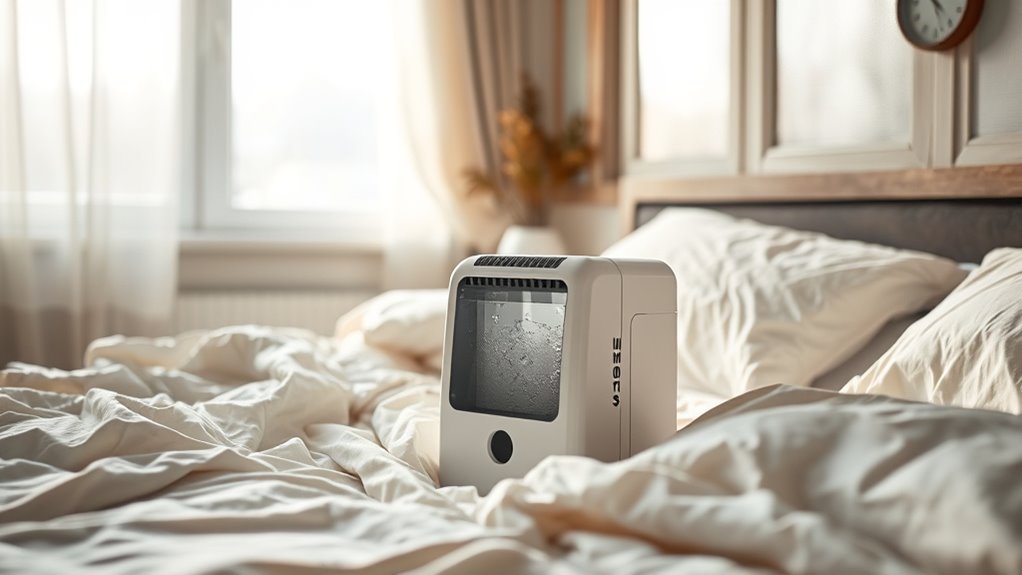
Yes, your dehumidifier can slightly heat a room while it runs. ENERGY STAR notes that the air temperature directly around a dehumidifier may be warmer than the surrounding air because the unit removes moisture and slightly warms the nearby space.
That does not mean the unit is broken. A refrigeration-style dehumidifier pulls humid air across a cold coil, condenses water into a bucket or drain, then passes the air over a warmer coil before sending it back into the room. Since the machine is inside the room, the heat from the motor, fan, compressor, and condensation process stays indoors.
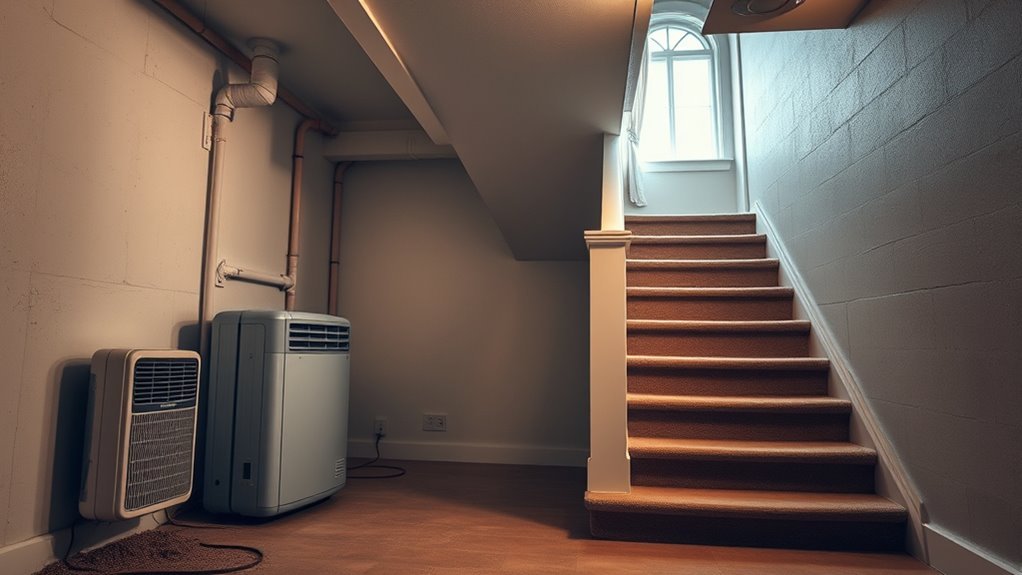
In a large room with good air movement, the warmth usually blends into the background. In a small bedroom, bathroom, laundry room, basement corner, or closet-like space, you may notice it more quickly. The room can still feel better overall because lower humidity makes the air less sticky and less musty.
Note: A dehumidifier is not a replacement for a heater. Use it to control moisture, musty smells, condensation, and dampness. Treat the added warmth as a normal side effect unless the unit becomes unusually hot, smells burnt, or stops removing water.
Why Do Dehumidifiers Add Heat?
Dehumidifiers add heat because they use electricity to move air, run a compressor or drying system, and remove water vapor from the air. In a portable in-room unit, that energy does not leave the room. It becomes heat, while the removed water collects in the bucket or drains away.
| Heat Source | What Happens | What You Notice |
|---|---|---|
| Compressor | Pressurizes refrigerant and gives off heat during operation. | Warm air near the exhaust side. |
| Fan and motor | Use electricity to pull room air through the unit. | A small heat gain during longer cycles. |
| Condensation | Water vapor condenses on the cold coil and releases latent heat. | Dryer air that may feel slightly warmer. |
| Room size | Small spaces trap heat faster than open spaces. | More noticeable warmth in tight rooms. |
The key point is simple: a dehumidifier removes moisture, not heat. An air conditioner sends heat outdoors. A portable dehumidifier releases most of its heat back into the same indoor space.
How Much Heat Should You Expect?
You should expect a small temperature rise, especially near the unit. In many normal rooms, this may feel like a mild change rather than real heating. The exact amount depends on the dehumidifier type, capacity, run time, room size, starting humidity, and airflow.
Typical Temperature Rise
A properly sized dehumidifier should not make the whole room feel hot under normal use. You may feel warmer air blowing from the exhaust, and the space around the machine may be slightly warmer than the rest of the room. That is normal.
Be careful with claims that compare dehumidifiers to heaters. The better way to judge dehumidifier efficiency is by integrated energy factor, which ENERGY STAR defines as liters of water removed per kilowatt-hour of electricity used. A higher number means the unit removes more water for the same energy.
Compressor vs Desiccant Heat
The type of dehumidifier changes how the warmth feels. Compressor models are common in heated rooms and basements. They usually add mild warmth while condensing moisture on cold coils. Desiccant models use a moisture-absorbing material and a heater to dry that material, so their outlet air can feel warmer. Always check the manual for the rated operating temperature, especially in garages, crawl spaces, and other cool areas.
| Type | Where It Fits Best | Heat Expectation |
|---|---|---|
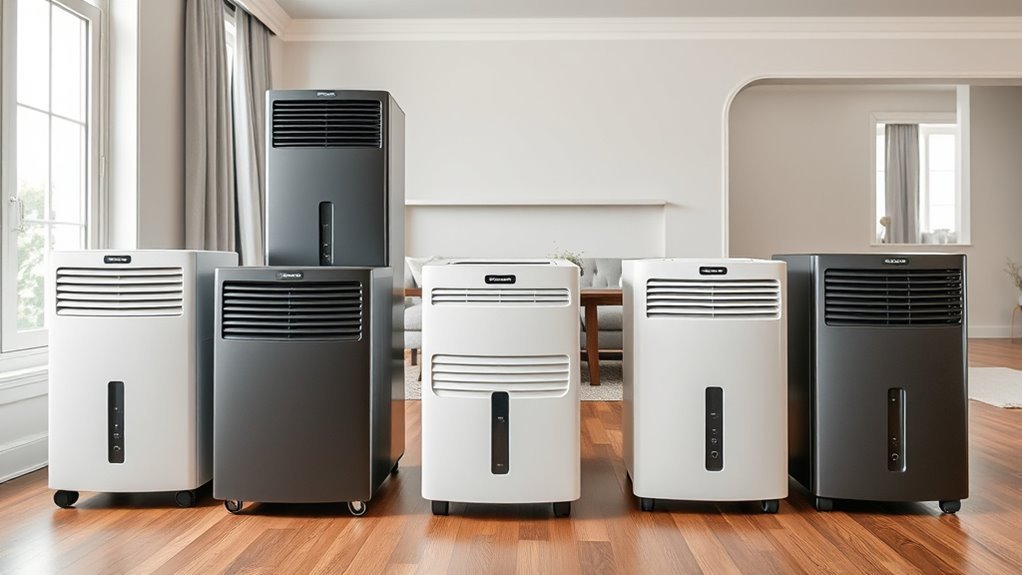
| Compressor / refrigerant | Heated rooms, basements, laundry rooms, and larger damp areas. | Usually mild warmth near the exhaust. |
| Desiccant | Cooler rooms where compressor models may struggle. | Often more noticeable warm air. |
| Thermoelectric / Peltier | Very small enclosed spaces with light moisture. | Low heat output, but limited drying power. |
Room Size and Airflow
Room size changes how much warmth you notice. In a small enclosed room, the heat has less air volume to spread through, so the temperature can rise faster. In a larger room, hallway, or basement with open airflow, the same heat output usually feels weaker.
Airflow also matters. If curtains, furniture, walls, or stored boxes block the intake or exhaust, the unit may run longer and feel hotter. Place the dehumidifier where air can move freely around it, especially if the discharge is not top-mounted.
When Heat Becomes Noticeable
Dehumidifier heat becomes more noticeable when the unit runs continuously, the room is already warm, the humidity is very high, or the unit is undersized for the space. If the bucket fills quickly or the humidistat never reaches its target, the machine may be working too hard.
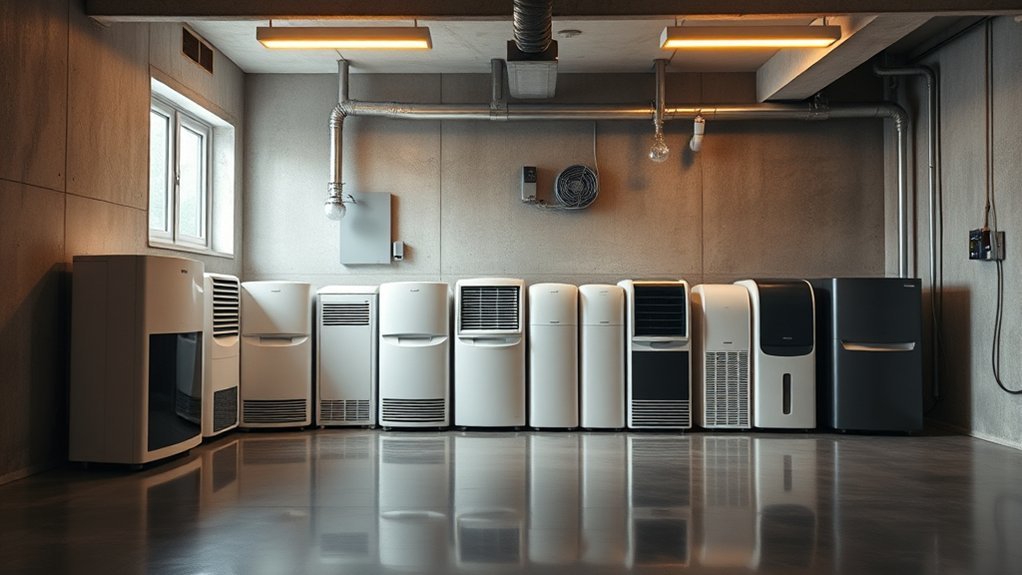
Capacity matters here. ENERGY STAR explains that dehumidifier capacity is usually measured in pints per 24 hours, and the right capacity depends on the size of the space and how damp it is. A room that feels musty and damp needs less capacity than one with damp spots on walls or floors.
A little warm air from a dehumidifier is normal. Constant heat, poor water removal, burning smells, or stressed compressor noise are not normal.
Why Does the Room Feel Warmer Even When Humidity Drops?
A room can feel warmer for two different reasons: the dehumidifier adds some actual heat, and the humidity change alters how your body feels the air. In hot weather, lower humidity often makes a room feel less sticky because sweat can evaporate more easily. In cool, damp spaces, lower humidity can make the air feel less clammy even if the thermometer barely changes.
Humidity’s Comfort Effect
High humidity makes a room feel heavy because moisture in the air slows evaporation from your skin. That can make the space feel hotter than the thermostat says. When a dehumidifier lowers humidity, the room may feel more comfortable even if the air temperature rises slightly.
For most homes, a good target is around 30% to 50% relative humidity. EPA recommends keeping indoor humidity below 60% and ideally between 30% and 50% to help control moisture and mold. CDC also recommends keeping home humidity no higher than 50% to help prevent mold growth.
Heat From Operation
Heat from operation is the direct warmth you feel from the dehumidifier itself. The compressor, fan motor, and condenser coil all add warmth while the unit removes water from the air. The effect is usually mild, but it becomes easier to notice when the room is small or the machine runs for hours.
Small Room Heat Buildup
Small rooms make the heat easier to feel. A laundry room, bathroom, closet, or small bedroom has less air volume to absorb the warmth. If the door is closed and there is little circulation, the unit may dry the air well but leave the room warmer than you expected.
- Small enclosed room: heat feels stronger and faster.
- Large open room: heat spreads out and feels milder.
- Blocked airflow: the unit may run longer and feel hotter.
- Correct humidity setting: the unit cycles off sooner and adds less heat.
How Can You Reduce Dehumidifier Heat?
You can reduce dehumidifier heat by making the unit run less often and work more efficiently. The goal is not to force the room bone-dry. The goal is to keep moisture controlled without wasting energy.
Recommended Products

Wellness Indicator: This humidity meter with humidity level icon indicates air conditions - DRY/COMFORT/WET, allowing this humidity sensor to ensure you’re always aware of changes to your home/household with just a quick glance

Face Icon Comfort Indicator: Humidity temperature gauge features face icons to indicate DRY/COMFORT/WET air conditions, quickly informs you how to adjust your humidifier or dehumidifier to achieve optimal comfort.

2-in-1 Thermometer & Hygrometer Meter: Equipped with a high-precision sensor, this temperature and humidity meter provides accurate readings, making it ideal for monitoring indoor environments like homes, offices, or greenhouses
Set the Right Humidity Target
Use the built-in humidistat if your dehumidifier has one. A target around 45% to 50% works well for many homes. In colder weather, a slightly lower setting may help reduce window condensation, but avoid over-drying the air unless you have a specific moisture problem.
If your unit does not show relative humidity, use a separate hygrometer near the room you are treating. ENERGY STAR recommends using a hygrometer when the dehumidifier does not display RH levels.
Choose the Right Size Unit
An undersized unit may run nonstop and add more heat over time. An oversized unit may cost more than needed and may short-cycle. Match the dehumidifier capacity to the room size and dampness level. For example, a slightly damp room needs less capacity than a very damp basement with wall or floor moisture.
Improve Airflow and Placement
Keep the intake and exhaust clear. Do not push the unit tightly against furniture, curtains, storage bins, or walls unless the manual allows wall placement with top discharge. Better airflow helps the dehumidifier remove moisture faster, which can reduce run time and heat buildup.
Pro Tip: If one room always feels damp, fix moisture sources first. Vent the dryer outdoors, run bathroom and kitchen exhaust fans, repair leaks, clear gutters, and slope water away from the foundation. A dehumidifier works best after the moisture source is under control.
Clean Filters, Coils, and Drains
Dust blocks airflow and makes the unit work harder. Clean or replace the filter according to the manual. Keep coils and grills free from lint, pet hair, and dust. If you use a drain hose, make sure it slopes properly and does not kink.
Warning: Follow the manufacturer’s electrical instructions. Use a properly grounded outlet, keep drain hoses away from cords and outlets, and do not run a dehumidifier that smells burnt, sparks, leaks near wiring, or becomes unusually hot.
When Does Dehumidifier Heat Signal a Problem?
Some warmth is normal. Excess heat is different. If your dehumidifier runs nonstop, feels hot to the touch, stops collecting water, smells like hot dust or burning plastic, or makes louder compressor noises than usual, check it right away.
- Blocked airflow: move the unit away from walls and furniture, then clean the filter.
- Dirty coils or grills: dust buildup can reduce heat transfer and make the compressor work harder.
- Wrong size: an undersized unit may never reach the target humidity.
- Cold-room operation: frost can form on coils in cooler rooms and reduce performance.
- Mechanical fault: a failing fan, compressor, or sensor can cause heat and poor water removal.
If the unit is very hot, unplug it and let it cool before inspecting it. If the problem returns after cleaning and better placement, stop using it until the manufacturer, a qualified appliance technician, or the retailer can help.
Recommended Products
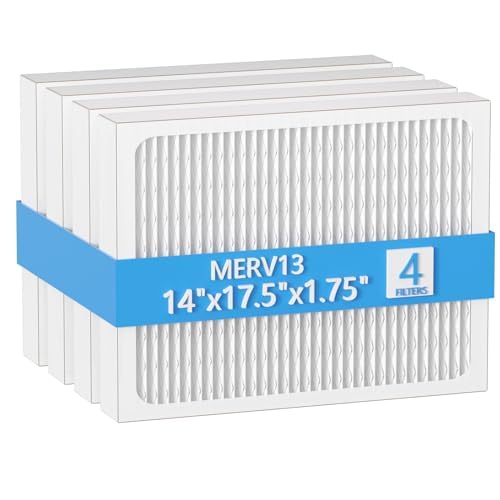
【Compatibility】 Our 14 x 17.5 x1.75 MERV 13 Replacement Dehumidifier Filter Media is Compatible with Honeywell DR90 & DR120 dehumidifier models.
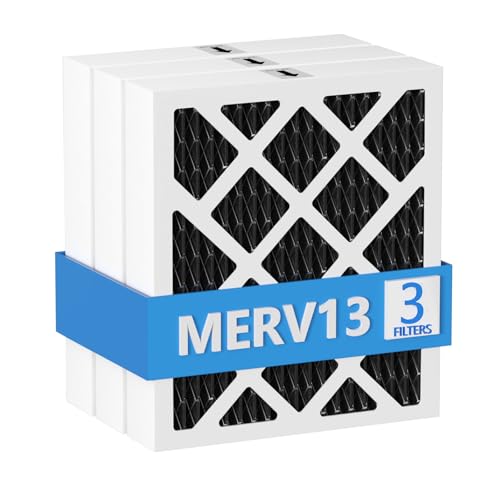
【Compatibility】 Our MERV 13 PN07126 Replacement Carbon Dehumidifier Filter Media is Compatible with Sanidry Sedona Dehumidifier PN07126 Replacement Filter.

COMPATIBILITY: Our DH02 HEPA filter compatible with Afloia (AQ8/Q8)/ Honati/ Hysure Q7/ Tenergy Sorbi 2-in-1 Air Purifier/Dehumidifier(1000ML) or please double check before order
Can You Use a Dehumidifier in Winter or With AC?
You can use a dehumidifier in winter if your indoor air is damp, musty, or causing condensation. It may add a little warmth, but it should not be your main heat source. In colder rooms, compressor dehumidifiers may lose efficiency, and ENERGY STAR notes that frost can form on condensing coils below 65°F, which can hurt performance.
You can also use a dehumidifier with air conditioning if humidity remains high. The air conditioner handles temperature, while the dehumidifier handles moisture. This can help in basements, bathrooms, laundry rooms, and humid climates, but it also adds electricity use. Use a humidistat so the dehumidifier cycles off after the room reaches the target RH.
Dehumidifier vs Heater vs Air Conditioner
| Appliance | Main Job | What It Does to Heat |
|---|---|---|
| Dehumidifier | Removes moisture from indoor air. | Adds slight warmth as a side effect. |
| Space heater | Raises room temperature. | Directly adds heat on purpose. |
| Air conditioner | Removes heat from indoor air. | Moves heat outdoors while also removing some moisture. |
Recommended Products

🍃Advanced Small Dehumidifier for Home: Designed for lasting home use, our bathroom dehumidifier works gently and steadily to maintain a balanced humidity level. The large 44 OZ (1.3L) water tank minimizes emptying frequency. Suitable for dorm room, camper, apartment, room, office and living room. No more dampness-just fresh, comfortable air everywhere

Effective Moisture Control for Home Use: OWAAE dehumidifier is designed to reduce excess moisture and help maintain comfortable humidity levels in everyday living spaces. It works best in moderate-to-high humidity environments, improve overall air comfort at home

Semiconductor dehumidifiers use thermoelectric cooling to remove moisture from the air. They create a drier, more comfortable environment by reducing humidity and improving air quality.
Frequently Asked Questions
Does a dehumidifier make your room hot?
Not usually. A dehumidifier can make the air near the unit warmer and may slightly raise room temperature during long cycles, but it should not make a normal room hot. If the room becomes uncomfortably warm, check the size, airflow, humidity setting, and run time.
Does a dehumidifier cool a room?
No. A dehumidifier does not cool a room like an air conditioner because it does not move heat outdoors. It can make humid air feel more comfortable by removing moisture, but the unit itself may add slight warmth while it runs.
Can a dehumidifier heat a room in winter?
It can add mild warmth in winter, but it should not be used as a heater. Use it when the room is damp, musty, or showing condensation. If the room is cold, check your manual because some compressor models perform poorly when temperatures drop too low.
Would a dehumidifier help with COPD?
A dehumidifier may help control dampness, musty odors, and mold-friendly humidity, but it is not a COPD treatment. If you have COPD or another chronic lung condition, ask a healthcare professional what indoor humidity range is safest for your symptoms and home.
What are the downsides of using a dehumidifier?
The main downsides are electricity use, noise, maintenance, bucket emptying, slight heat, and the risk of over-drying the air if the setting is too low. You can reduce those issues by using a humidistat, cleaning the filter, choosing the right size, and fixing moisture sources.
Is warm air blowing from a dehumidifier normal?
Yes. Warm exhaust air is normal because the unit reheats air after moisture condenses and because the motor and compressor give off heat. It becomes a concern if the air is extremely hot, the unit smells burnt, or the dehumidifier stops collecting water.
What humidity should I set my dehumidifier to?
For many homes, set it around 45% to 50% RH. EPA and ENERGY STAR guidance supports keeping indoor humidity around 30% to 50% for comfort and mold control. If you still see condensation, musty smells, or damp spots, check for leaks and ventilation problems.
Why does my dehumidifier make a small room warmer?
A small room has less air volume, so the heat from the dehumidifier builds up faster. The effect is stronger if the door is closed, airflow is blocked, humidity is high, or the unit runs continuously.
Conclusion
A dehumidifier does heat a room slightly, but only as a byproduct of removing moisture. The fan, compressor, condenser coil, and condensation process release warmth while the unit dries the air. In most spaces, that warmth is mild and manageable. If the room gets too warm, start with the simple fixes: set a reasonable humidity target, clear airflow, clean the filter, choose the right capacity, and fix moisture sources. If the unit becomes unusually hot or stops removing water, treat it as a maintenance or safety problem.
Sources
- ENERGY STAR: Dehumidifiers — supports slight warming, capacity, integrated energy factor, placement, humidistats, and safety guidance.
- U.S. EPA: A Brief Guide to Mold, Moisture and Your Home — supports moisture control, mold prevention, and indoor humidity guidance.
- CDC: Mold — supports health effects of damp and moldy environments and prevention guidance.
- American Lung Association: Mold — supports respiratory impact, moisture sources, and keeping indoor humidity below 50%.