Affiliate disclosure: As an Amazon Associate I earn from qualifying purchases. This article contains affiliate links to Amazon, so we may earn a commission if you buy through them, at no extra cost to you.
For 2026, the best workout equipment is simple, durable, and easy to use often. The LuxFit Extra Firm Foam Roller gives deep tissue relief and includes an instructional video for recovery routines. The TriggerPoint Grid Foam Roller offers targeted muscle work with a multi-density design. The Gaiam Reversible Yoga Mat adds comfort, grip, and cushioning for yoga or floor workouts. Each option supports consistency, and a closer look reveals which one fits different goals best.
LuxFit Extra Firm Foam Roller with Instructional Video
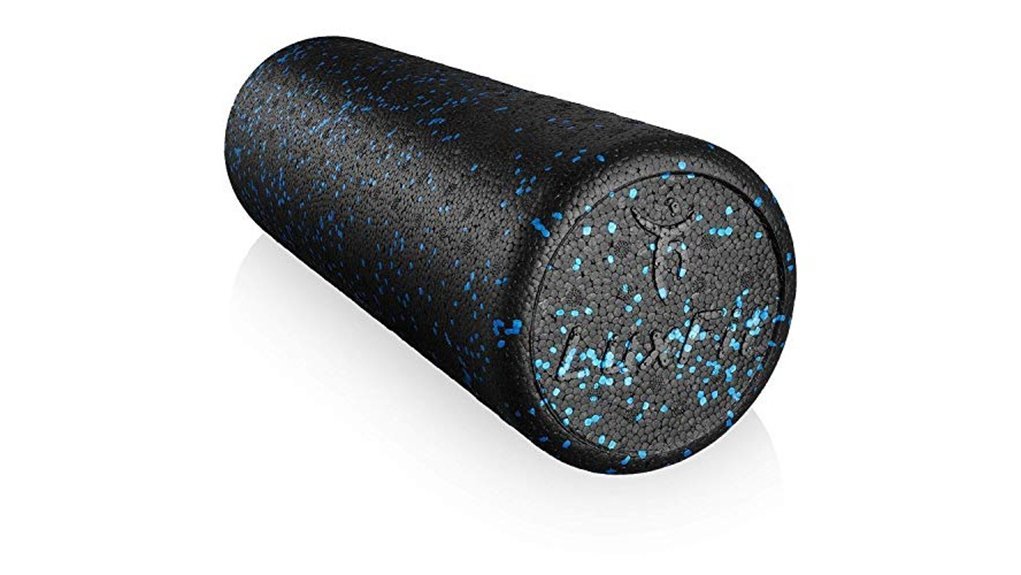
The LuxFit Extra Firm Speckled Foam Roller is a strong choice for athletes, physical therapy patients, and anyone needing deep tissue muscle relief. Made in the USA, the 18-inch blue roller uses molded polypropylene foam with a density of 2 pounds per cubic foot, giving it a firm, durable feel. Its smooth surface resists liquids and keeps its shape after heavy use. It supports stretching, massage therapy, yoga, balance, posture work, and spinal stabilization. A free instructional video helps users apply body weight for myofascial release. LuxFit backs it with a 10-year limited warranty.
Best For: Athletes, physical therapy patients, and anyone looking for an extra-firm foam roller for deep tissue relief, stretching, and posture support.
Pros:
- Extra-firm, high-density foam provides effective deep tissue massage and muscle relief.
- Durable molded polypropylene construction resists liquids and holds its shape after heavy use.
- Includes a free instructional video and is backed by a 10-year limited warranty.
Cons:
- The firm density may feel too intense for beginners or sensitive users.
- 18-inch size may be less versatile than longer rollers for full-back exercises.
- Limited color and size in this specific listing may not suit all preferences.
TriggerPoint Performance Therapy Grid Foam Roller (13-inch)
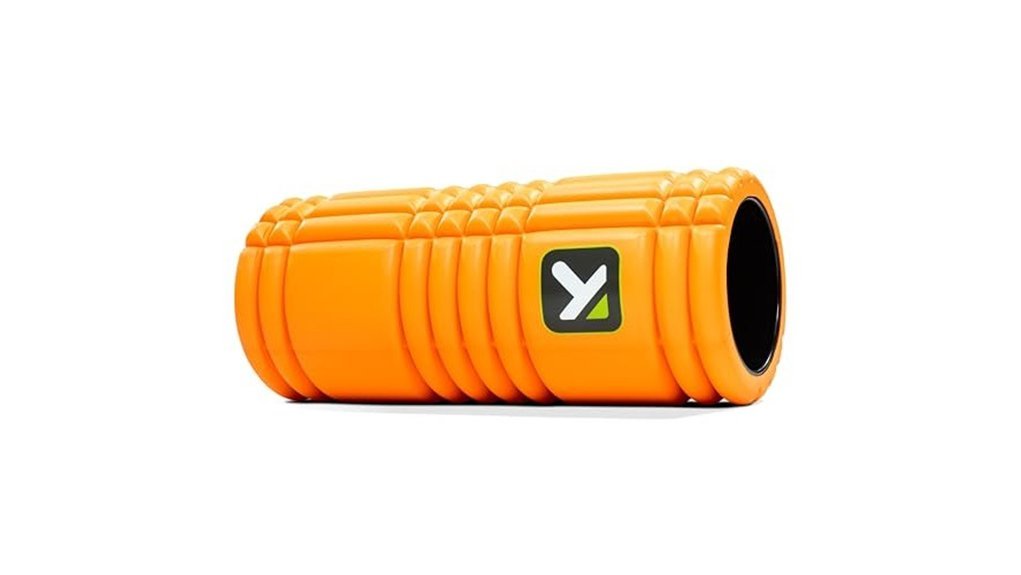
Built for athletes and recovery-focused users, the 13-inch TriggerPoint Grid Foam Roller delivers targeted muscle relief. Its patented, multi-density exterior rests on a rigid hollow core, creating a firm yet responsive surface for deep tissue work. Durable construction helps it resist breakdown and maintain shape through repeated sessions. Trusted by physical therapists, trainers, coaches, and athletes, it supports recovery and pain relief after training. The orange, one-size design suits broad use, while free online instructional videos guide proper foam rolling technique and help users get more from each session with confidence and control.
Best For: Athletes, trainers, and recovery-focused users who want a durable foam roller for targeted muscle relief, deep tissue work, and guided self-care.
Pros:
- Patented multi-density design provides a firm yet responsive feel for effective muscle release.
- Durable construction resists breakdown and helps maintain shape through repeated use.
- Free online instructional videos make it easier to learn proper foam rolling technique.
Cons:
- The firm, deep-tissue feel may be uncomfortable for beginners or those sensitive to pressure.
- The 13-inch size may be less suitable for users wanting a longer roller for full-back coverage.
- Best results may require consistent technique and regular use, which not everyone will maintain.
Gaiam Reversible Yoga Mat, 6mm Thick Print Mat (Jade Salutation)
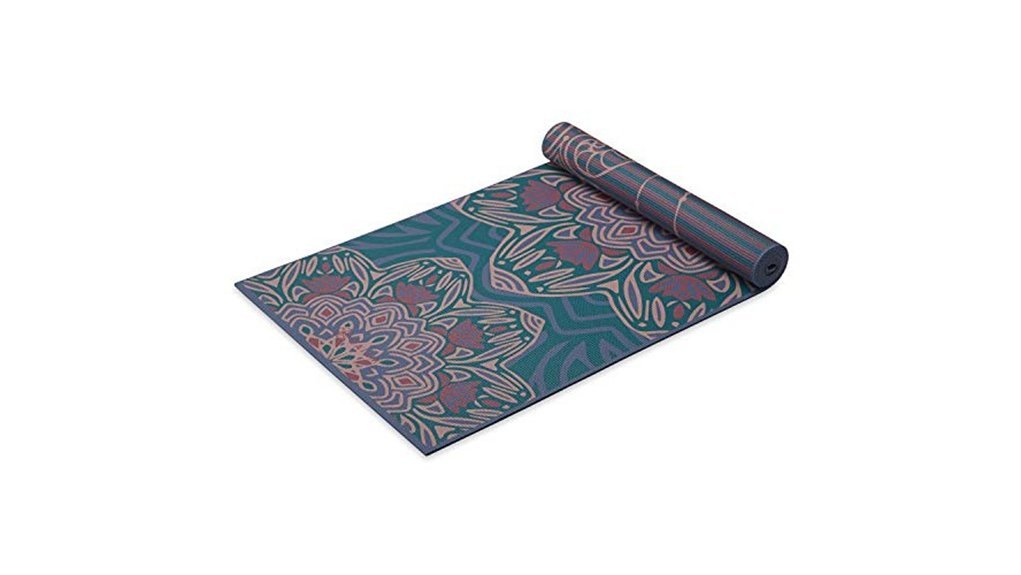
Gaiam’s Jade Salutation mat suits yoga users wanting extra cushioning and reliable grip. The 6mm thickness adds comfort for floor work, while the textured, reversible surface supports stable footing through poses and fitness routines. Made by Fit For Life for Gaiam, this 68-by-24-inch mat uses non-toxic, 6P free PVC and excludes DEHP, DBP, BBP, DINP, DIDP, and DNOP. That makes it a cleaner option for users and the planet. It is lightweight, easy to carry, and includes a free downloadable yoga workout. Users should air it out for 2-3 days before use.
Best For: Yoga and fitness enthusiasts who want a lightweight, reversible mat with extra cushioning and reliable grip for home or studio workouts.
Pros:
- 6mm thickness provides added comfort and cushioning for floor exercises.
- Reversible, textured surface offers good traction and two design options.
- Made with non-toxic, 6P free PVC and includes a free downloadable workout.
Cons:
- PVC material may not appeal to buyers seeking a natural-fiber mat.
- Must be aired out for 2–3 days before first use to reduce odor.
- At 68 x 24 inches, it may feel narrow for some users.
Factors to Consider When Choosing How to Pick Workout Equipment You’ll Actually Use: Useful Products and Buying Tips
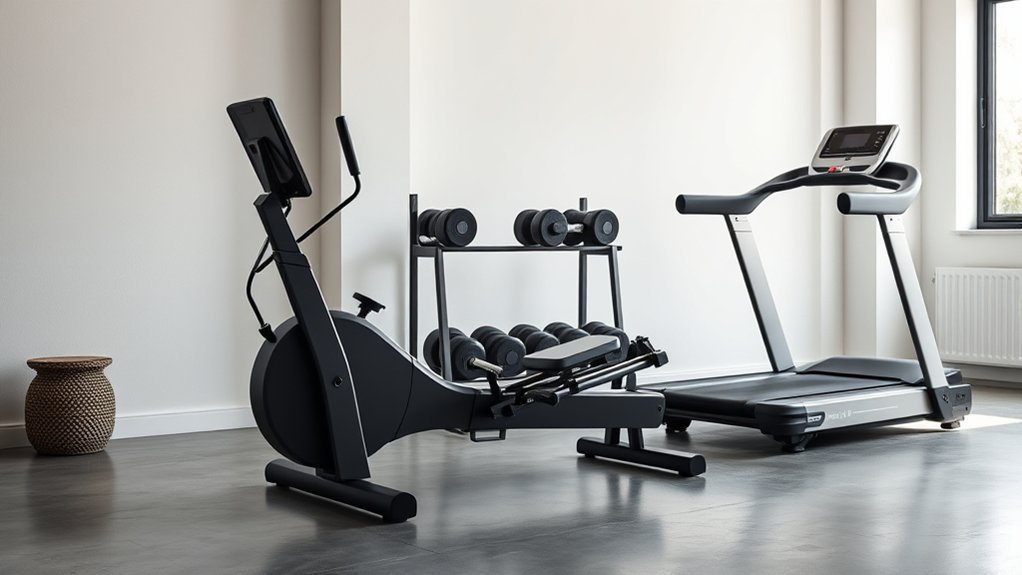
Choosing workout equipment starts with clear fitness goals, since the right gear should support the kind of training someone plans to do. It also helps to match equipment to the routine, favor comfort and fit, and look for durable materials that can handle regular use. Practical storage space matters too, because the best product is often the one that fits both the workout and the home.
Define Your Fitness Goals
Before buying workout equipment, it helps to define the goal it is meant to support. Clear aims make selection more effective, whether the priority is flexibility, strength, or recovery. Measurable targets, such as running a set distance or completing weekly yoga sessions, give equipment choices a practical direction. The activities someone enjoys also matter, because preferences for yoga, weight training, or physical therapy narrow the field quickly. Current fitness level should be considered, along with injuries or limitations that may affect suitability. A piece of gear should fit present abilities without creating unnecessary strain. Goals should not remain fixed forever; progress and changing needs deserve regular review so equipment continues to match evolving fitness priorities.
Match Gear To Routine
Once fitness goals are clear, the next step is matching equipment to the routines it will actually support. Gear should fit the activities a person does most, whether that means yoga, physical therapy, or muscle recovery, because relevant tools are more likely to be used regularly. Products that address a specific need, such as tension relief or injury prevention, can make sessions more effective and useful. Size matters as well; compact or portable items are easier to store, travel with, and integrate into different spaces. Instructional videos or guides add value by showing proper use and helping techniques become routine. Durable materials and solid construction also matter, since equipment must endure repeated sessions while continuing to provide dependable support over time.
Prioritize Comfort And Fit
Comfort and fit are central to whether workout equipment gets used consistently, because items that feel good and match a person’s body and ability are easier to keep in a routine. Equipment that is too heavy, awkward, or bulky often causes fatigue and discourages repeat use, so manageable designs tend to support better habits. Size and shape also matter: a foam roller should provide firm pressure without becoming painful, while a yoga mat should offer enough cushioning and grip to reduce slipping and improve stability. When gear fits the user’s level and movement style, workouts feel smoother and more effective. Comfortable equipment lowers resistance before each session and makes it more likely that exercise becomes a regular practice rather than an occasional effort.
Choose Durable Materials
Durable materials are the backbone of workout equipment that lasts, because solid construction helps gear keep its shape, support, and performance through repeated use. Equipment built from high-quality components is less likely to break down, sag, or lose function after frequent training. High-density foam rollers, for instance, can resist wear while keeping their form, which supports consistent muscle recovery and pain relief. Solid construction, including molded technology, can also improve stability and provide dependable support during workouts. Materials that resist liquids and wipe clean easily simplify maintenance and help keep gear hygienic over time. Non-toxic options add another benefit, reducing exposure to harmful chemicals while offering a more environmentally responsible choice. Durable gear ultimately delivers better value and more reliable use.
Consider Storage Space
After durability, storage space becomes another practical filter when choosing workout equipment. A buyer should measure the area where items will live and confirm that each piece fits without creating clutter or blocking movement. In compact homes, vertical storage can matter just as much as floor space; taller equipment that stores upright may be more efficient. Foldable or disassemblable designs often suit smaller rooms because they can be put away quickly after use. Multi-functional equipment also helps, since one item can replace several single-purpose pieces and reduce storage demands. It is equally useful to check whether the equipment can be kept in a closet, corner, or under furniture. Organized storage supports regular use and keeps the workout area functional, tidy, and easy to maintain.
Check Instructional Support
Instructional support is another useful factor to check before buying workout equipment, especially for anyone who wants clear guidance from the start. Equipment that includes videos, online libraries, or downloadable guides can make proper technique easier to understand and help users get more from each session. For beginners, this support can reduce confusion and lower injury risk by showing correct form and safe practice. It also benefits experienced users who want sharper execution or new training ideas. Because many products offer resources suited to different skill levels, the same item can remain useful as ability improves. Instructional materials often strengthen consistency too, since clearer direction can make workouts feel more manageable and encourage regular use over time.
Start With Versatile Basics
Starting with versatile basics can make a workout setup more practical and sustainable, since items like yoga mats and foam rollers support strength training, flexibility, recovery, and injury prevention. These pieces serve multiple purposes, allowing one product to cover warm-ups, floor exercises, stretching, and post-workout relief. A foam roller, for example, can help with muscle release while supporting injury prevention across different body areas. Durable construction matters as well, because equipment should keep its shape through repeated use. Compact, portable designs are easier to store at home and take to classes, which can encourage consistency. Products that include instructional videos or other guidance can also improve technique and help users get the most from each session.
Frequently Asked Questions
How Often Should I Replace My Workout Equipment?
He should replace workout equipment when it shows wear, damage, instability, or reduced performance. Most items last several years with proper care, though high-use gear may need earlier replacement. Safety and comfort should guide timing.
Can I Clean Foam Rollers and Yoga Mats Easily?
Yes—both clean easily. About 80% of gym users sanitize mats weekly, yet many overlook rollers. A damp cloth with mild soap usually suffices for mats, while foam rollers need gentle wiping and air-drying.
What Equipment Works Best for Small Apartments?
For small apartments, foldable benches, resistance bands, adjustable dumbbells, and compact kettlebells work best. They store easily, support varied workouts, and avoid clutter. A yoga mat and doorframe pull-up bar add versatility without sacrificing space.
Are Budget Options Durable Enough for Daily Use?
Budget options can be durable enough for daily use when materials and stitching are solid, but some wear faster than premium gear. Heavier, simpler equipment often lasts longer than flashy, low-cost alternatives.
How Do I Store Workout Gear to Save Space?
Workout gear is best stored vertically in wall-mounted racks, under-bed bins, and labeled baskets, with foldable items collapsed first. Heavier equipment should stay low, while rarely used pieces go into closets or overhead shelving.
Conclusion
The right workout gear feels like a promise kept, not a chore waiting to happen. A LuxFit roller offers simple relief, while the TriggerPoint Grid adds precision, and the Gaiam mat invites steady movement with calm confidence. Flashy gadgets may gather dust, but these essentials earn their place through daily use. In a world of abandoned resolutions, they stand apart: practical, durable, and quietly motivating, turning intention into habit one session at a time.