Affiliate disclosure: As an Amazon Associate I earn from qualifying purchases. This article contains affiliate links to Amazon, so we may earn a commission if you buy through them, at no extra cost to you.
For 2026, three strong pocket chainsaw picks are the Chainmate 48-Inch Survival Pocket Chain Saw With Pouch, the DEWALT Saw Pole Cordless 20V 15FT DCPS620B, and Carhartt Men’s Work Flex Cold Weather Gloves for safer handling in cold conditions. Chainmate offers portability and glove-friendly straps. DEWALT brings cordless reach and power. Carhartt adds grip, comfort, and winter protection. The best choice depends on safety, cutting needs, and storage habits, and more details follow below.
Carhartt Men’s Work Flex Cold Weather Gloves
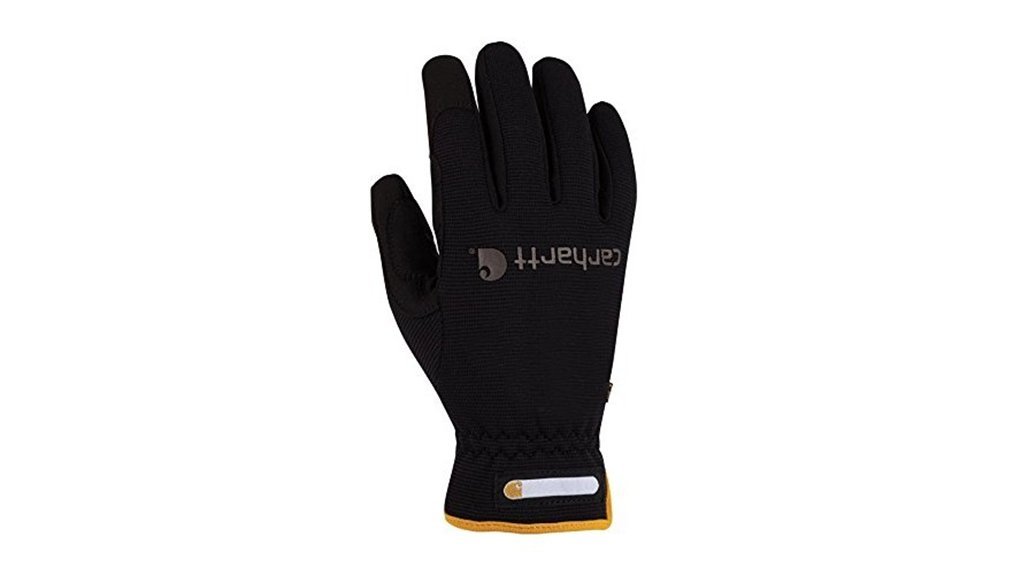
Carhartt Men’s Work Flex Cold Weather Gloves are best suited for users who need a durable, easy-on winter work glove with solid grip and breathability, thanks to the textured spandex shell, water-repellent synthetic palm, and reinforced thumb and finger saddle. The ventilated cuff and breathable construction help reduce heat buildup during demanding tasks. A wrist pull makes removal and fitting simpler, while the large, black A547-BLK-L model is sold as a single pack. Care remains straightforward: spot wash by hand in lukewarm water with mild detergent, then hang dry; hot water and dryers should be avoided.
Best For: These gloves are best for men who need a durable, breathable cold-weather work glove with easy on-and-off convenience and reliable grip for demanding tasks.
Pros:
- Textured spandex shell offers breathability and comfort during active work.
- Water-repellent synthetic palm and reinforced thumb/finger saddle improve grip and durability.
- Wrist pull and ventilated cuff make them easier to put on and help reduce heat buildup.
Cons:
- Hand wash only, which is less convenient than machine-washable gloves.
- Not ideal for extreme wet conditions since the palm is water-repellent rather than fully waterproof.
- Sold as a single pack, so you must buy another if you need a backup pair.
Dewalt Saw Pole Cordless 20V 15FT DCPS620B
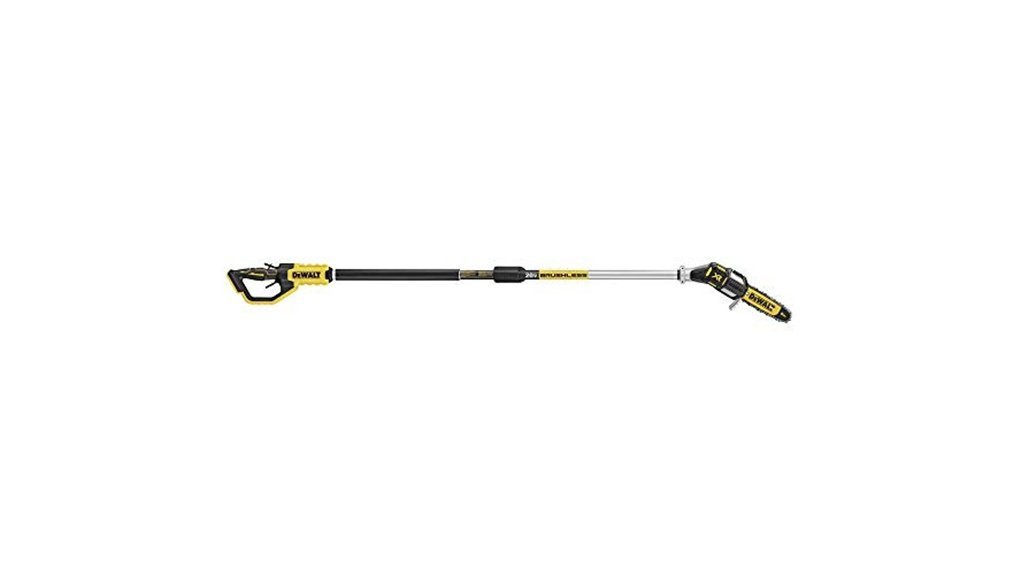
The DEWALT DCPS620B suits users needing a cordless pole saw with extended reach. Powered by a 20V battery, it provides mobile cutting performance without a cord limiting movement. Its 15-foot reach makes it practical for trimming branches and tree limbs from the ground. The yellow and black tool belongs to DEWALT’s power tool lineup, known for durability and performance. It fits both professional and DIY use, offering a straightforward solution for outdoor maintenance. As a battery-powered tool, it emphasizes convenience, portability, and efficient access to elevated cuts where ladder use may be reduced.
Best For: Homeowners, landscapers, and DIY users who need a cordless pole saw for trimming branches and tree limbs from the ground.
Pros:
- Cordless 20V battery power offers greater mobility and convenience.
- 15-foot reach helps access elevated branches without a ladder.
- DEWALT build quality is known for durability and reliable performance.
Cons:
- Battery and charger may need to be purchased separately.
- Limited by battery runtime compared with corded or gas-powered options.
- May be less suitable for heavy-duty professional tree cutting.
Chainmate 48-Inch Survival Pocket Chain Saw With Pouch
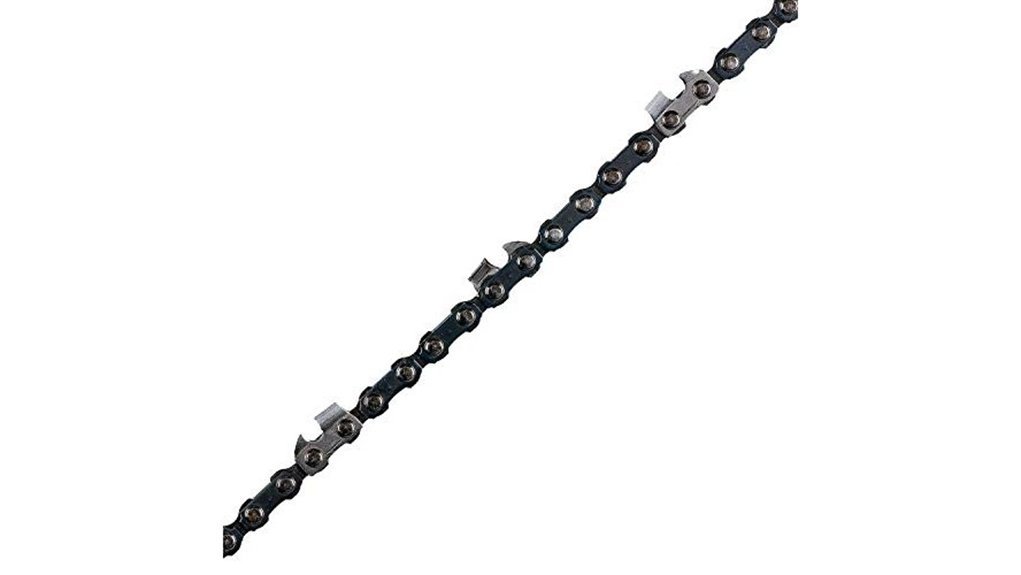
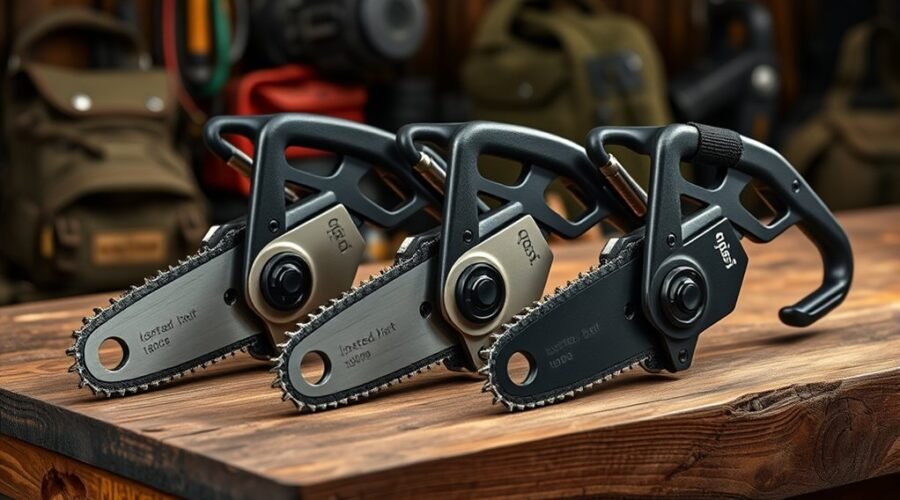
Chainmate’s 48-inch pocket chain saw suits users who need a lightweight, glove-friendly cutting tool. The Green Mountain Products CM-48SSP is part of the Chainmate line offered in CM 26, CM 36, and CM 48 sizes, with this version aimed at cutting limbs and branches at ground level. Oversized strap handles accept winter gloves, mittens, or stick handles, improving control in cold conditions. Carbon steel teeth support efficient cutting, while the included nylon pouch adds belt-loop carry convenience. Made in the USA, it is built for durable, portable survival use.
Best For: Outdoor users, campers, and survivalists who need a lightweight, glove-friendly hand saw for cutting limbs and branches at ground level.
Pros:
- Oversized strap handles work well with winter gloves, mittens, or stick handles.
- Carbon steel teeth help provide efficient cutting performance.
- Includes a durable nylon pouch with belt loop for easy carry.
Cons:
- Manual cutting can be slower and more tiring than powered tools.
- Best suited for ground-level limbs and branches, not larger tree work.
- Pocket saw design may not be ideal for frequent heavy-duty use.
Factors to Consider When Choosing Is This Pocket Chainsaw a Good Buy or Will It Land You in the Hospital?: Useful Products and Buying Tips
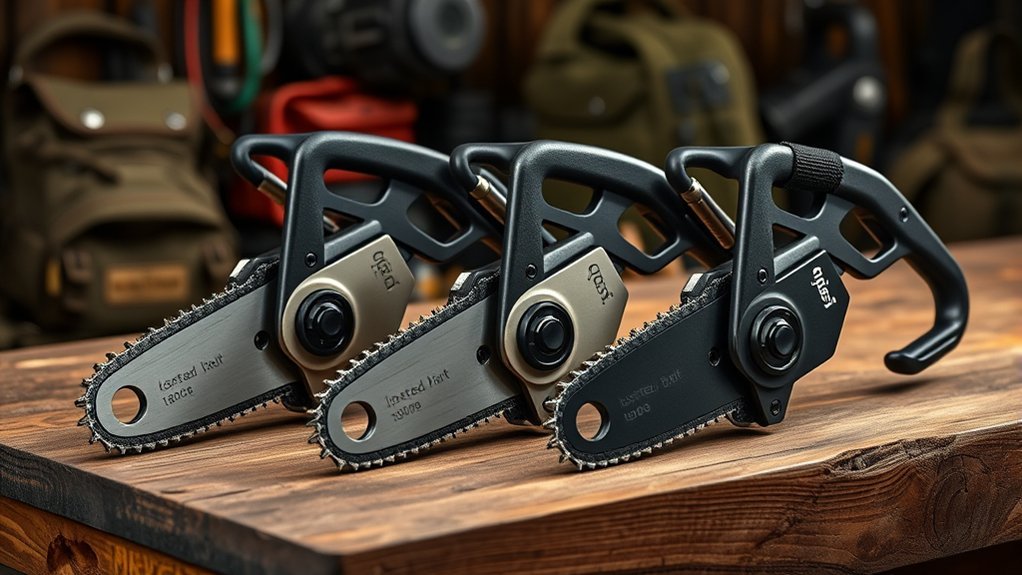
A pocket chainsaw should be judged first by its safety features, including secure teeth, reliable stops, and a design that helps reduce accidental slips. Its cutting efficiency, blade durability, handle grip, and portability also determine whether it is practical in the field or frustrating to use. A well-balanced model should feel easy to carry, stay controlled in hand, and hold up under repeated cuts without turning a simple job into a risky one.
Safety Features
Safety should be the first filter when choosing a pocket chainsaw, since the best tools balance cutting power with protection. Buyers should look for safety guards or blade shields that reduce accidental contact during use and transport. Ergonomic handles matter as well, because a secure grip helps prevent slips when hands are wet, cold, or fatigued. Blade locks and safety switches add another layer of defense by limiting unintended activation in a pack or pocket. Lightweight construction also supports safer handling, since less fatigue usually means steadier control. Durable materials, such as carbon steel teeth, are worth checking because they help the tool withstand tough jobs without compromising safety standards. A well-designed model should feel controlled, protected, and easy to carry.
Cutting Efficiency
Once safety basics are covered, cutting efficiency becomes the next practical test of a pocket chainsaw’s value. Blade quality is central, and carbon steel teeth generally deliver sharper cutting action and better durability than weaker materials. Handle design also matters; oversized heavy-duty strap handles can improve grip and control, particularly when gloves are worn. Length affects performance as well. Longer models reach higher branches and expand cutting access without a ladder, though they should still remain manageable. Weight influences how long the tool can be used effectively, since lighter chainsaws are easier to maneuver and reduce fatigue during extended sawing. A straightforward design that deploys quickly can further support efficient cutting, especially when work must begin without delay in remote or awkward locations.
Portability
Portability is a major advantage of a pocket chainsaw, especially when it needs to be carried deep into the field or kept ready for emergencies. A lightweight build makes transport easier, allowing the tool to fit in a backpack or clip to a belt without creating unnecessary burden. Compact dimensions also matter, since they let the saw tuck into a small pack, glove box, or storage bin and remain close at hand. A pouch or carrying case adds protection and helps keep the tool organized during travel. Some models use strap-style handles that remain usable with winter gloves or mittens, which supports cold-weather readiness. For buyers, portability is not a minor detail; it directly affects whether the saw stays accessible, protected, and practical in real use.
Handle Grip
Handle grip shapes how securely a pocket chainsaw can be controlled once it is in use, making it just as important as how easily the tool can be carried. A comfortable grip helps reduce hand fatigue during longer cutting sessions and supports steadier handling. Ergonomic shapes can improve safety by limiting slipping and lowering the chance of accidental injury. Textured or non-slip materials are especially useful in wet conditions, where control can quickly become compromised. Handle size also matters: a grip that is too small may cause cramping, while one that is too large can limit dexterity. Oversized strap handles are worth considering for users who wear winter gloves, since they can improve comfort and security in cold weather.
Blade Durability
Blade durability depends first on the blade material, with carbon steel often valued for its strength and ability to hold an edge over time. Blade thickness also matters, since a thicker blade usually resists bending and breaking better during hard cutting. Heat treatment is another key factor; proper hardening can improve wear resistance and reduce damage from repeated use. Even a well-made blade needs care. Regular sharpening preserves cutting efficiency, while cleaning removes sap, dirt, and other residues that can speed wear. Storage conditions matter as well. Moisture and corrosive exposure can shorten blade life, so keeping the chainsaw dry helps protect it. A durable pocket chainsaw should combine strong material, smart construction, and basic maintenance.
Frequently Asked Questions
How Do I Sharpen a Pocket Chainsaw Blade?
He sharpens it with a small round file, matching each tooth’s angle and depth. Then he checks for burrs, cleans the chain, and tests cutting performance carefully before using it again.
What Chain Length Works Best for Backpacking?
Like a scalpel in the wild, a 24 to 36 inch pocket chainsaw chain usually suits backpacking best, balancing cutting ability, weight, and packability. Longer chains add reach, but also bulk and fatigue.
Are Pocket Chainsaws Allowed on Airplanes?
No, pocket chainsaws are generally prohibited in carry-on luggage and may be confiscated. They might be allowed in checked baggage if securely packed, but travelers should verify airline and security rules before flying.
How Should I Store a Pocket Chainsaw Safely?
Store it clean, dry, and fully folded or coiled in a protective pouch or case; ideally hang it out of reach. Locking it away, separating teeth from skin, prevents rust, accidents, and restless worry.
Can Pocket Chainsaws Cut Frozen or Wet Wood?
Yes, pocket chainsaws can cut wet or lightly frozen wood, though performance drops noticeably. Wet wood binds the chain, and frozen wood increases resistance, so sharper teeth, steady tension, and patience matter most.
Conclusion
In the end, the best pocket chainsaw is the one that cuts cleanly, fits the pack, and does not turn a simple weekend job into a full-blown survival drama. The Carhartt gloves, the DEWALT pole saw, and the Chainmate all bring their own strengths, but the smart buyer weighs safety, reach, and convenience with cool-headed caution. Choose well, and the brush disappears. Choose poorly, and the hospital may suddenly feel far too close for comfort.