Affiliate disclosure: As an Amazon Associate I earn from qualifying purchases. This article contains affiliate links to Amazon, so we may earn a commission if you buy through them, at no extra cost to you.
The best winter skin issues to protect against in 2026 are dryness, itching, and minor irritation. Aquaphor Advanced Therapy Healing Ointment helps seal in moisture and repair cracked skin. Cortizone-10 Maximum Strength Anti-Itch Ointment can calm inflammation and stubborn itching. Boiron Calendula Ointment offers gentle relief for minor burns, cuts, and chapped skin. Choosing the right product depends on severity, skin sensitivity, and ingredient safety. More details can help narrow the best option.
Aquaphor Advanced Therapy Healing Ointment Skin Protectant, 14 OZ
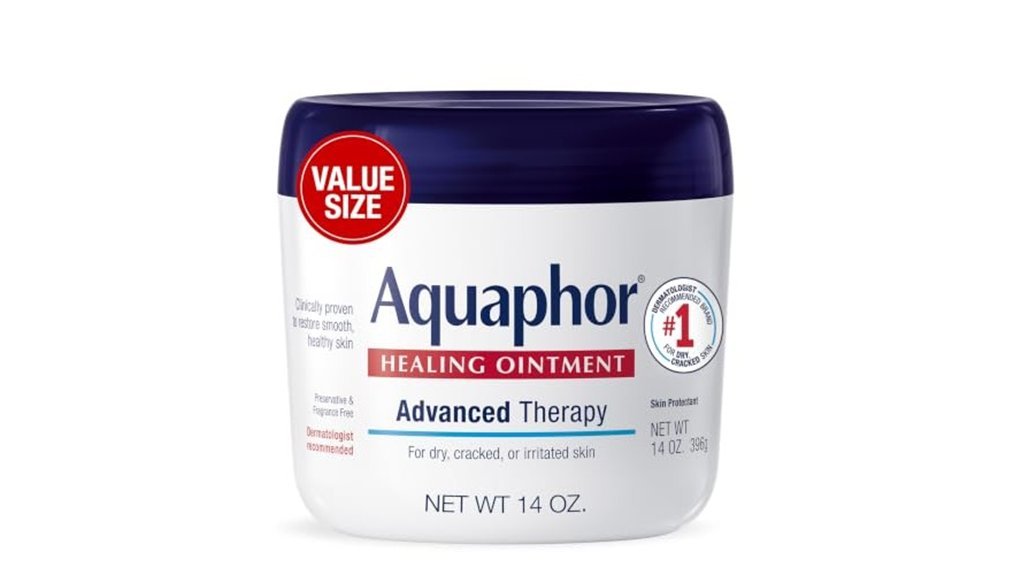
Aquaphor Advanced Therapy Healing Ointment Skin Protectant is a strong option for people dealing with dry, cracked winter skin, since its 41% petrolatum formula helps create a protective barrier while still supporting skin healing. The ointment also suits minor cuts, burns, and chapped lips, making it useful beyond seasonal dryness. Panthenol, glycerin, and bisabolol add moisturizing and calming support, while the fragrance-free, preservative-free formula remains appropriate for sensitive skin. Packaged in a 14-ounce jar, it offers a practical supply for repeated use throughout cold, harsh weather.
Best For: People with dry, cracked, or sensitive skin who want a fragrance-free healing ointment for winter dryness, minor cuts, burns, and chapped lips.
Pros:
- 41% petrolatum helps form a protective barrier that supports skin healing.
- Contains panthenol, glycerin, and bisabolol to moisturize and soothe.
- Fragrance-free and preservative-free, making it suitable for sensitive skin.
Cons:
- The thick ointment texture may feel greasy or heavy on the skin.
- Comes in a jar, which may be less convenient or hygienic than a tube.
- 14 oz size may be more product than needed for occasional users.
Cortizone-10 Maximum Strength Anti-Itch Ointment (2 oz.)
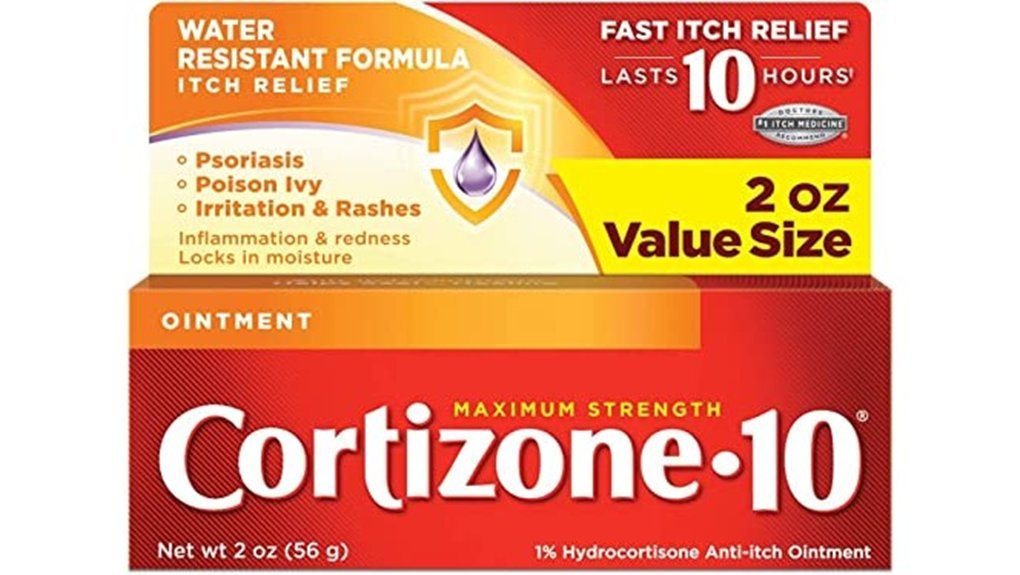
Cortizone-10 Maximum Strength Anti-Itch Ointment suits people needing fast relief from winter itching and irritation. This 2 oz. water-resistant ointment from Chattem Inc. uses 1% hydrocortisone to calm minor rashes and skin discomfort quickly, with effects that last for hours. It is commonly recommended for itch relief and can help with irritation from dryness, insect bites, psoriasis, or poison ivy. The formula helps lock in moisture while keeping the area clean. Applied as directed, it offers a practical option for targeted winter skin care in an old packaging version.
Best For: People seeking fast, targeted relief from minor itching, winter dryness, and irritation from rashes, insect bites, psoriasis, or poison ivy.
Pros:
- Contains 1% hydrocortisone for maximum-strength itch relief.
- Water-resistant formula helps lock in moisture and keep the area clean.
- Provides relief that lasts for hours and is easy to apply as directed.
Cons:
- Only suitable for minor skin irritations and not severe skin conditions.
- May not be ideal for those who prefer non-steroid itch relief options.
- Comes in old packaging, which may be less appealing to some buyers.
Boiron Calendula Ointment for Minor Burns Relief
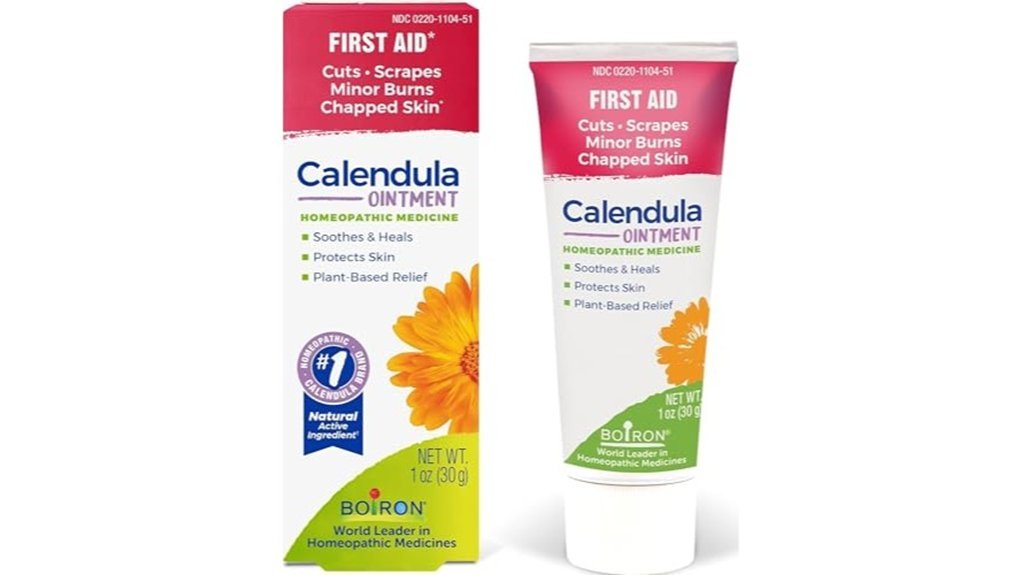
Boiron Calendula Ointment suits people seeking gentle relief for minor winter skin damage. This 1 oz, fragrance-free, water-resistant ointment uses plant-based calendula actives from Calendula officinalis, with hand-picked French countryside flowers grown without pesticides or fertilizers. It is designed to ease minor burns, cuts, scrapes, chafed, chapped, or cracked skin and lips. The formula helps promote healing while forming a protective barrier that keeps contact with the affected area. Free of lidocaine, benzocaine, parabens, dyes, and fragrances, it is an over-the-counter homeopathic medicine and FSA- and HSA-eligible.
Best For: People looking for a gentle, fragrance-free ointment to help soothe and protect minor burns, cuts, scrapes, and dry or chapped skin and lips.
Pros:
- Uses plant-based calendula actives from Calendula officinalis for a natural, homeopathic option.
- Fragrance-free and free of lidocaine, benzocaine, parabens, and dyes.
- Water-resistant and FSA/HSA eligible.
Cons:
- Only intended for minor skin issues, not serious burns or wounds.
- Homeopathic formula may not appeal to those wanting conventional medicine.
- Ointment texture may feel greasy or heavy for some users.
Factors to Consider When Choosing The Winter Skin Issue You Need to Protect Yourself From

Choosing the right winter skin issue to protect against depends on skin sensitivity, the severity of the concern, and the type of ingredients used. Moisture-locking support also matters, especially in dry conditions that worsen irritation. The application area should be considered as well, since different parts of the body may need different care.
Skin Sensitivity
Skin sensitivity often worsens in winter as cold air and low humidity strip moisture from the skin, leaving it dry, irritated, and more reactive. During colder months, sensitive skin may respond with redness, itching, and inflammation when exposed to harsh weather. Clothing can also contribute, since wool and synthetic fibers may irritate already vulnerable skin. To reduce discomfort, gentle, fragrance-free moisturizers are often recommended because they help restore the skin barrier and lock in moisture. Regular moisturizing supports overall skin health and helps limit winter-related flare-ups. Protective barriers, such as emollient creams and layered clothing that minimizes direct contact with irritants, can further reduce exposure. Consistent care is essential for keeping sensitivity under control throughout the season.
Severity Level
Severity level plays a key role in deciding which winter skin issue needs the most attention, since common concerns like chapped lips and dry patches usually call for simple moisturizing care, while minor cuts and scrapes may benefit from ointments that both protect and support healing. More serious dryness can progress into cracking and painful fissures, making stronger barrier support important for recovery. Chronic conditions such as eczema or psoriasis may also worsen in winter, often demanding medicated care to control flare-ups and reduce discomfort. In emergency situations, including severe burns or deep cuts, prompt medical evaluation becomes necessary because specialized treatment helps prevent infection and further damage. Matching care to severity allows winter skin problems to be addressed efficiently and appropriately.
Ingredient Type
Ingredient type can strongly influence how well a product manages winter skin problems, since barrier-supporting ingredients like petrolatum help lock in moisture, while hydrating agents such as glycerin and panthenol draw water into the skin. For dry, wind-stressed skin, petrolatum is often valued because it forms a protective layer and supports healing. When irritation or minor cracking appears, calendula may offer a calming plant-based option with soothing benefits. Hydrocortisone can be useful when itching and inflammation become pronounced, especially during harsh cold spells. Sensitive skin often responds better to fragrance-free and preservative-free formulas, which reduce the chance of added irritation. Choosing ingredients that match the specific symptom can make winter skin care more effective, targeted, and tolerable overall without unnecessary additives.
Moisture Lock
When winter air turns cold and indoor heating pulls moisture from the skin, moisture lock becomes a key factor in preventing dryness and related irritation. Products that form a protective barrier, especially those with petrolatum or similar occlusive ingredients, help keep water in the skin and support recovery from winter stress. Formulas with glycerin and panthenol add humectant support, drawing and holding moisture to preserve softness and flexibility. Regular use of moisture-locking ointments can reduce chapped lips, cracked patches, and minor irritations that often appear in colder months. For sensitive skin, fragrance-free and preservative-free choices are preferable because they limit the chance of added irritation while maintaining hydration. Effective moisture lock helps skin stay comfortable, resilient, and better protected throughout winter conditions.
Application Area
The area of application should guide the choice of winter skin care, since different parts of the body respond best to different treatments. Hands, lips, and feet often face the harshest winter dryness, so they may need formulas made for heavy hydration and protection. Thicker skin in some regions can limit absorption, while thinner or more delicate areas may respond better to lighter, targeted products. Sensitive zones benefit from options that avoid unnecessary irritation and match the needs of that specific area. It also helps to distinguish dryness caused by cold weather from concerns linked to an underlying condition, because the application approach may differ. Selecting products by body region improves precision and supports more effective relief in winter.
Formula Safety
Formula safety plays a key role in winter skin care, especially for people with sensitive or easily irritated skin. Products should be free from fragrances, preservatives, parabens, dyes, and other synthetic additives that may trigger irritation or weaken skin comfort in cold weather. Formulas with natural ingredients, including plant extracts, can offer soothing support without relying on harsh chemicals. Water-resistant options are often preferable because they help preserve moisture and shield skin from environmental exposure during winter activities. For irritated areas, ointments with healing agents such as hydrocortisone may provide faster relief from itching and inflammation. A careful review of ingredient lists helps reduce adverse reactions and supports better protection, particularly when skin is already stressed by dryness, wind, and low temperatures.
Frequently Asked Questions
How Often Should Winter Skin Treatments Be Reapplied Outdoors?
Winter skin treatments should be reapplied outdoors every two hours, and sooner after sweating, wiping, or heavy snowfall exposure. Frequency depends on product type, but regular reapplication helps maintain protection and moisture effectively.
Can These Products Be Used on Children Safely?
Their use on children depends on the specific product and ingredients. A pediatrician or pharmacist should review labels first, since some winter skin treatments are too strong, fragranced, or irritating for young skin.
Do Any of These Ointments Work for Facial Skin?
Yes, some ointments can work on facial skin, but only if labeled for that use; otherwise, irritation may occur. One can imagine a winter cheek stinging less after a thin, protective layer is applied.
Are There Ingredients That May Trigger Allergic Reactions?
Yes, certain ingredients can trigger allergic reactions, including fragrances, lanolin, preservatives, and some botanical extracts. A cautious approach suggests patch testing first, especially on facial skin, where irritation may appear quickly and intensely.
How Should Products Be Stored in Freezing Temperatures?
Products should be stored in a cool, dry place above freezing, tightly sealed, and kept away from windows or cars. If freezing occurs, stability may change, so inspection before use is recommended.
Conclusion
Winter skin issues can quickly turn uncomfortable, but the right treatments help restore comfort and protection. Aquaphor Advanced Therapy Healing Ointment, Cortizone-10 Maximum Strength Anti-Itch Ointment, and Boiron Calendula Ointment each address different seasonal concerns, from dryness to irritation and minor burns. With nearly 60% of adults reporting dry skin during colder months, choosing the right product matters. A thoughtful winter skincare routine can make the season far more manageable and comfortable.