
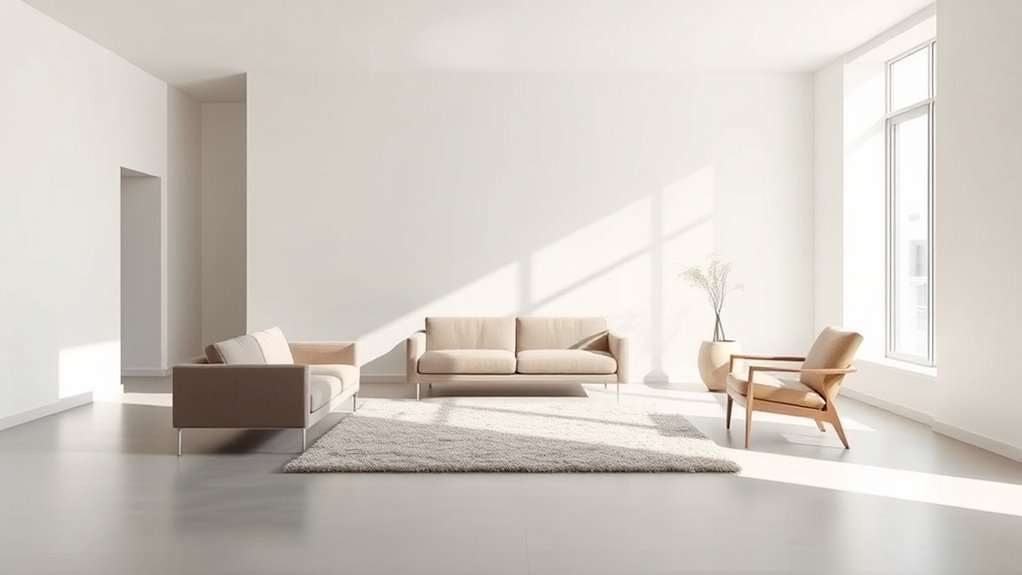
Immediate Solutions for Managing Echo in Open Spaces
What’s in This Article
- Immediate Solutions for Managing Echo in Open Spaces
- Understanding Key Reflective Surfaces
- Simple Furniture Adjustments to Dampen Sound
- Choosing the Right Textiles: Best Rugs and Curtains for Echo Reduction
- Use Plants and Decor to Enhance Acoustics
- Should You Use Acoustic Panels or Call in the Pros?
- Regular Echo Management: Evaluate and Adapt Your Space
- Frequently Asked Questions
An open-concept living room can make every footstep, voice, and TV sound bounce around the space. Hard floors, bare walls, tall ceilings, and large windows often make echo worse. You can reduce noise with soft furnishings, smart furniture placement, thick textiles, plants, and targeted acoustic treatments.
Quick Answer
To reduce echo in an open-concept living room, add soft materials that absorb sound and break up hard surfaces that reflect it. Start with upholstered seating, thick rugs, heavy curtains, textured decor, and large leafy plants. If echo remains strong, add acoustic wall art or fabric-wrapped acoustic panels at first-reflection points.
Key Takeaways
- Add soft furnishings first because fabric absorbs sound better than hard, smooth surfaces.
- Cover large floor areas with thick rugs to reduce footfall noise and sound reflection.
- Use heavy curtains, fabric blinds, and wall textiles to soften windows and bare walls.
- Place plants and furniture to break up sound paths across the open room.
- Use acoustic panels when decor changes don’t reduce echo enough.
Immediate Solutions for Managing Echo in Open Spaces
When you walk into an open-concept living room, you want it to feel warm, not hollow. Start by adding soft furnishings. Upholstered sofas and chairs absorb sound and make the room feel more relaxed.
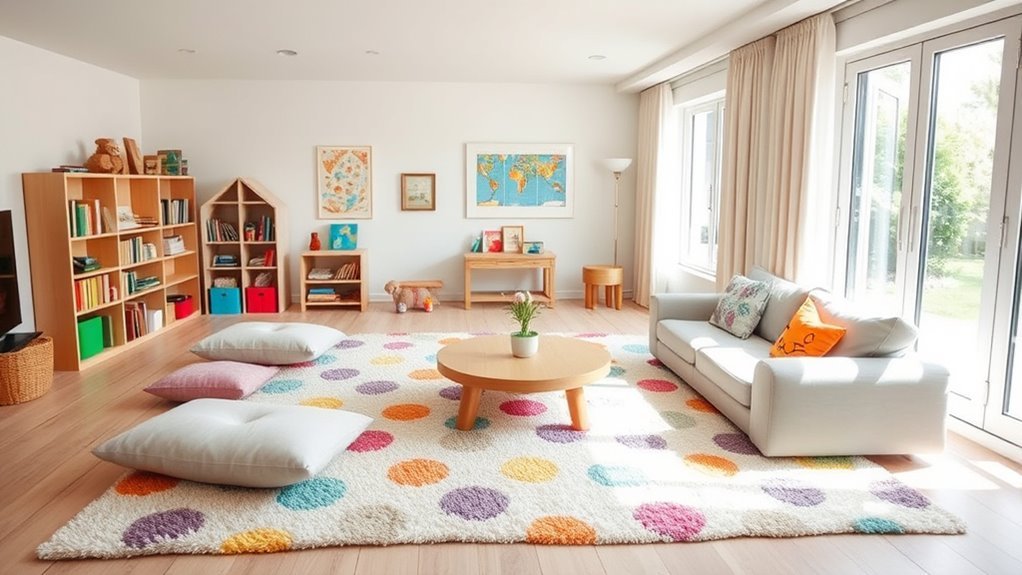
Next, place dense area rugs on hard floors. Rugs help dampen footfall noise and reduce sound reflections. Choose thick rugs that cover the main seating area and walkways.
Use heavy window treatments, such as lined drapes or fabric blinds, to reduce sound that bounces off glass. Add large leafy plants in corners and near reflective walls to help scatter sound. You can also use the mirror method to find first-reflection points for targeted treatment.
Understanding Key Reflective Surfaces
In an open-concept living room, reflective surfaces play a major role in echo and noise. Hard surfaces like hardwood floors and tile reflect sound instead of absorbing it. High ceilings can also let sound travel farther across the room.
Furniture materials matter too. Leather, glass, metal, and polished wood often reflect more sound than fabric. Minimalist rooms can feel louder because they use fewer soft items that absorb noise.
Look for first-reflection points, which are spots where sound first bounces back toward your ears. Treating these areas helps you improve sound absorption without covering every wall.
Simple Furniture Adjustments to Dampen Sound
To create a quieter living room, start with seating that absorbs sound better than hard surfaces. Layer in plush area rugs to cushion footfalls and interrupt noise. Add throw pillows and blankets to improve comfort and reduce echo.
Recommended Products

✔Interlocking Floor Mat Set with 20 Puzzle Pieces: Package includes 20 pcs interlocking mats, each mat measuring 11.8" L x 11.8" W x 0.4" thick. These puzzle floor mats match perfectly and can be assembled to create a customized area with a maximum of 17 sq ft covering.

Premium 4x6 Area Rug: Memory foam rug is made of Shu cotton pile, which is very soft and has good warmth retention;Inside the indoor rug is a memory foam pad that has good cushioning;Walking on this bedroom rug can give you comfort and peace of mind

【SPECIFICATION】: Dimensions: 11'' x 11'' x 0.4'', pack of 16; Material: 100% polyester fiber felt; High Density: 150kg/m3 (9.4lb/ft3); Weight: 0.22 lbs per panel
Soft Upholstered Seating
Soft upholstered seating helps turn your open-concept living room into a cozy, quieter space. Fabric-covered furniture absorbs more sound than leather, metal, or glass. Use these steps to improve your layout:
- Choose fabric-covered pieces: Pick sofas and armchairs with woven or plush upholstery.
- Add plush cushions: Use cushions and throw blankets to add more sound-absorbing surfaces.
- Select larger upholstered items: Choose dense pieces that cover more surface area.
- Arrange seating strategically: Angle furniture to interrupt straight sound paths across the room.
These changes help create a more balanced room and reduce harsh sound reflections.
Area Rugs Placement
Upholstered seating sets the tone, but area rugs can improve sound management even more. Large, dense rugs made from wool, cotton blends, or polyester blends can absorb sound and soften hard floors. Aim to cover the main seating zone and other high-traffic areas.
For stronger echo control, layer a plush rug over a flat-weave rug. Place rugs under coffee tables, sofas, and chairs to reduce footfall noise. Clean rugs regularly so dust and flattened fibers don’t reduce their texture and comfort.
Textiles and Accessories Usage
The right textiles and accessories can make your open-concept living room feel calmer. Choose fabric textures that absorb sound and make the room feel more inviting. Focus on these four changes:
- Add plush sofas and fabric-covered chairs: These pieces disrupt sound paths and absorb echo.
- Hang thick drapes or fabric blinds: These reduce reflections from windows and glass doors.
- Use throw pillows and blankets: These soft layers add comfort and sound absorption.
- Place large leafy plants: These plants help scatter sound waves and soften the room.
Together, these choices help create a quieter living area without major renovation.
Choosing the Right Textiles: Best Rugs and Curtains for Echo Reduction
To create a cozy atmosphere in your open-concept living room, choose textiles that add weight and texture. Start with larger, thicker area rugs made from wool or other dense fibers. Covering the main open floor area helps reduce bounce from hard flooring.
For curtains, choose heavy drapes in velvet, thick cotton, or lined fabric. These materials help dampen sound that reflects from windows. Honeycomb blinds can also add texture and mild sound control while keeping a clean look.
Pro tip: For the best result, combine floor textiles, window textiles, and upholstered seating instead of relying on one fix.
Layering rugs or pairing rugs with carpet runners can further break up sound paths. Look for fabrics labeled for acoustic use when you want stronger sound control. These choices help your room feel calmer while keeping the design warm and lived in.
Recommended Products

3 LAYERS - Package includes 2 panels total width 104 inch. 1 layer in front (grey), 1 layer in back(grey) & 1 detachable felt fabric lining in the middle. No Toxic & formaldehyde.
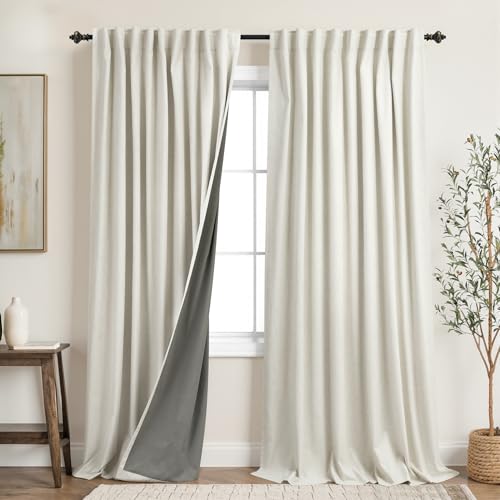
100% BLACKOUT: These linen textured curtain panels block out 100% complete sunlight and UV rays,turning day into night.Help on you and your kids sleeping.
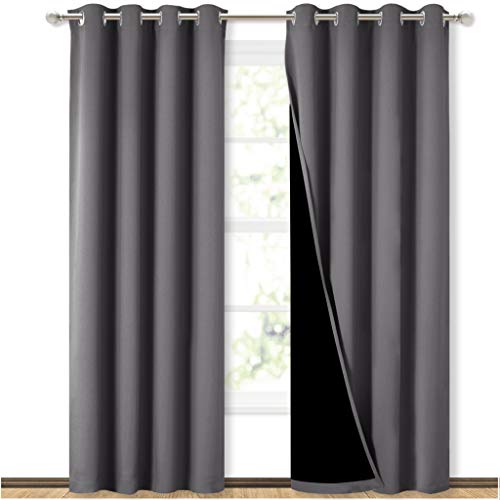
Complete blackout curtains block light and reduce noise for better sleep - 2 layer construction with blackout lining
Use Plants and Decor to Enhance Acoustics
Plants and decor can help soften sound while improving the look of your room. Use large leafy plants as natural sound diffusers. Pair them with textured decor, fabric wall art, woven baskets, and soft accessories.
Incorporate Large Leafy Plants
Large leafy plants can improve the feel and sound of your open-concept living room. Their leaves and branches help break up sound waves. Use these placement ideas:
- Fill corners: Place taller plants, such as fiddle leaf figs or rubber trees, in reflective corners.
- Soften window areas: Place plants near windows to reduce the harsh feel of glass.
- Mix plant types: Combine plants like pothos, monstera, and palms for varied texture.
- Layer heights: Use short and tall plants together to create more sound disruption.
Greenery works best as part of a broader plan with rugs, curtains, and soft furniture.
Use Textured Decor Items
Textured decor items improve both style and acoustics. Add woven wall hangings, textured cushions, soft baskets, and fabric decor to reduce bare reflective surfaces. These pieces also make the room feel warmer.
Large leafy plants act as natural sound diffusers, while macrame wall art and woven baskets disrupt reflections. Place decor across broad empty walls and open corners. A mix of texture, height, and fabric creates a more balanced sound.
Install Acoustic Wall Art
Acoustic wall art can reduce echo while adding color and texture to your living room. Choose options that fit your decor and target the loudest reflection points. Try these ideas:
- Select fabric-wrapped panels: These panels absorb sound and come in many finishes.
- Consider decorative PET felt: Felt panels add texture while reducing echo.
- Add soft wall decor: Fabric art, tapestries, and padded pieces help cover bare walls.
- Place panels at reflection points: Use the mirror method to find the most useful spots.
These elements work together to create a more comfortable room for conversation, TV, and music.
Should You Use Acoustic Panels or Call in the Pros?
You can often improve echo with DIY acoustic solutions, such as fabric-wrapped panels. They cost less than a full professional treatment and can blend with your decor. Place them where sound first reflects from walls or ceilings.
Call a professional if your room still sounds harsh after you add textiles, rugs, and panels. You may also want expert help for home theaters, music rooms, or large rooms with tall ceilings. A specialist can balance absorption, diffusion, and bass control for your exact layout.
Note: Acoustic panels reduce echo inside a room, but they do not fully block sound from entering or leaving it.
Recommended Products

Easy Installation with Self-Adhesive Backing: Our sound proof foam panels for walls come with a self-adhesive backing, making them easy to install without the need for tape or additional adhesives. Save time and hassle with our innovative design.

REDUCE NOISE: Struggling with poor acoustics in your recording/rehearsal space? AudioSilk panels give you professional, studio grade sound treatment. High density material with NRC of up to 0.91 effectively reduces flutter echo, reverb and distortion. You can hear every detail.

High-Density Design: Featuring a high-density design of 168 kg/m³, these acoustic panels measure 44″ x 21.6″ x 0.35″ (112 x 55 x 0.9 cm) each and boast an impressive NRC rating of up to 0.9. They efficiently absorb wall noise, significantly reducing reverberation and echo to easily enhance your room’s acoustic environment
Regular Echo Management: Evaluate and Adapt Your Space
Even a well-designed open living room can start to sound louder after furniture changes. Review your layout when you move rugs, replace curtains, or remove soft decor. Use these steps to keep sound under control:
- Assess hard surfaces: Identify tile, hardwood, glass, and bare walls that reflect sound.
- Adjust the layout: Use furniture, shelving, or room dividers to interrupt sound paths.
- Add soft furnishings: Bring in upholstered chairs, cushions, throws, or fabric wall decor.
- Use the mirror method: Find first-reflection points and treat them with soft materials.
Small changes can make a big difference when you make them in the right spots.
Frequently Asked Questions
How do you reduce echo in an open-concept house?
Start with rugs, upholstered furniture, heavy curtains, and soft decor. Then place acoustic panels or fabric wall art at first-reflection points. These changes reduce sound bounce and make the room feel more comfortable.
How do you soundproof a doorless room?
You can reduce sound in a doorless room with thick curtains, rugs, upholstered furniture, and soft wall decor. A heavy curtain across the opening can add privacy and reduce some noise transfer. For stronger sound blocking, you may need a door or a more complete soundproofing plan.
What steps help stop echo and reverberation in a large room?
Use sound absorption first, such as thick rugs, fabric furniture, curtains, and acoustic panels. Then break up open sound paths with shelves, plants, and furniture placement. Treat the largest hard surfaces before adding smaller decor pieces.
How do you acoustically treat an open room?
Acoustically treat an open room by combining absorption, diffusion, and smart layout choices. Add rugs, drapes, upholstered seating, plants, and acoustic wall panels. Place the strongest treatments near first-reflection points and large bare surfaces.
Do plants really help reduce echo?
Plants can help scatter sound, especially when they have large leaves and dense growth. They work best with other soft materials, such as rugs and curtains. Use plants as a supporting tool, not the only sound treatment.
Conclusion
The best way to reduce echo in an open-concept living room is to add soft, dense, and textured materials where sound bounces most. Start with rugs, upholstered seating, curtains, plants, and wall textiles. If the room still sounds too live, add acoustic panels at first-reflection points. With a few focused changes, your open living space can feel calmer, warmer, and easier to enjoy.





Wish you happiness
[…] For broader room acoustics, see our guide to managing echo and noise in an open-concept living room. […]