
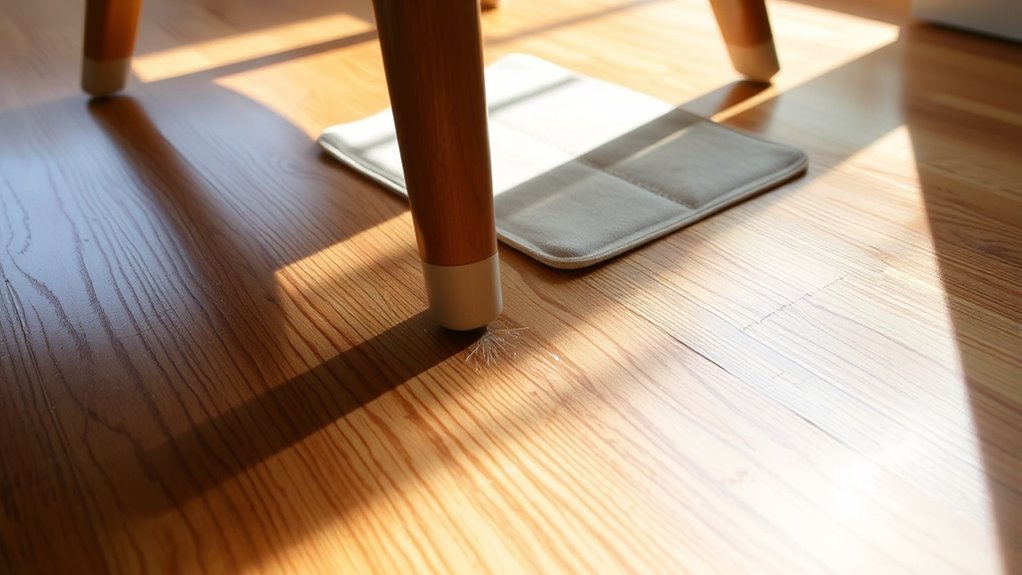
Hardwood floors stay beautiful longest when you clean them gently, control moisture, and stop grit before it scratches the finish. The safest routine is simple: dry-clean often, damp-mop only when needed, use a cleaner made for your floor finish, wipe spills fast, and protect the floor from furniture, shoes, pets, sunlight, and humidity swings.
Quick Answer
To clean and protect hardwood floors, dust mop or vacuum regularly, clean spills immediately, and damp-mop with a microfiber mop and a cleaner made for your floor finish. Avoid steam mops, soaking-wet mops, vinegar, bleach, ammonia, abrasive pads, and waxy products unless your floor manufacturer specifically recommends them.
Key Takeaways
- Dry-clean first. Grit acts like sandpaper, so sweep, dust mop, or vacuum before any wet cleaning.
- Use as little liquid as possible. A microfiber mop should be damp, never dripping, and the floor should dry within a few minutes.
- Choose a cleaner made for your exact finish, not a random all-purpose, disinfecting, or “natural” cleaner.
- Prevent damage with doormats, breathable rugs, felt pads, trimmed pet nails, quick spill cleanup, and stable indoor humidity.
- Call a flooring professional for cupping, buckling, black stains, exposed raw wood, recurring pet odor, or water damage that does not dry quickly.
At a Glance
| Time Required | 5–10 minutes for daily care; 20–45 minutes for deep cleaning one room |
| Difficulty | Easy for sealed floors; more cautious for waxed, oiled, unfinished, engineered, or damaged floors |
| Tools Needed | Microfiber dust mop, bare-floor vacuum or soft broom, microfiber damp mop, clean cloths, floor-finish-safe cleaner, felt pads |
| Cost | Often $10–$40 for basic cleaning supplies; more if you need rugs, pads, humidity control, recoating, or professional repair |
Warning: Never use a steam mop, soaking-wet mop, or standing water on hardwood floors. Even sealed floors can have small gaps where heat and moisture can reach the wood and cause swelling, cupping, discoloration, or finish damage.
Before You Clean: Identify Your Hardwood Floor Finish
Before using any cleaner or mop, figure out what type of finish you have. Most modern hardwood floors have a sealed polyurethane or factory finish, which can usually handle careful damp mopping. Waxed, oiled, shellacked, damaged, unfinished, or older floors need more caution and may require a product made specifically for that finish.
When in doubt, check the flooring or finish manufacturer’s care guide. If you do not know the product brand, test any cleaner in a hidden spot, such as inside a closet or behind a door. Wait until it dries, then check for dullness, stickiness, whitening, swelling, or color change.
Note: A cleaner that is safe for sealed hardwood may not be safe for waxed, oiled, unfinished, damaged, or engineered wood floors. Manufacturer approval matters more than a front-label claim.
| Floor or Finish Type | Safest Cleaning Approach |
| Sealed polyurethane or factory-finished hardwood | Dry-clean often and damp-mop lightly with a cleaner made for sealed wood floors. |
| Waxed or oiled hardwood | Use only products recommended for wax or oil finishes. Avoid generic wet mopping, polish, and polyurethane-floor cleaners unless approved. |
| Unfinished, worn, cracked, or damaged hardwood | Avoid wet cleaning. Dry-clean only and ask a flooring professional about repair, sealing, or refinishing. |
| Engineered wood flooring | Follow the manufacturer’s guide. Many engineered floors tolerate light damp cleaning, but thin wear layers and bevels can be more moisture-sensitive. |
| Unknown finish | Dry-clean first, test in a hidden area, and avoid wax, polish, vinegar, steam, or strong chemicals until you confirm the finish. |
Hardwood Floor Cleaning Schedule
A consistent schedule prevents most hardwood-floor problems before they start. High-traffic homes, pets, kids, and outdoor dirt may require more frequent cleaning, while low-traffic rooms can go longer between damp cleanings. The National Wood Flooring Association recommends routine sweeping, dust mopping, or vacuuming on the bare-floor setting, plus immediate spill cleanup with a dry or slightly damp cloth.
| Daily or Every Few Days | Dust mop, sweep with a soft broom, or vacuum high-traffic paths to remove grit. |
| Weekly | Vacuum corners, edges, and under furniture with a bare-floor setting or soft brush attachment. |
| As Needed | Spot-clean spills, sticky footprints, pet accidents, water drips, and food messes right away. |
| Monthly or Seasonally | Damp-mop sealed floors lightly, inspect felt pads and rug pads, and check for scratches, dull areas, gaps, cupping, or moisture issues. |
Essential Tools for Cleaning Hardwood Floors
The right tools clean without scratching or soaking the wood. Keep these basics on hand:
- Microfiber dust mop: Traps fine dust and grit better than a dry cotton mop.
- Bare-floor vacuum: Use a soft-brush attachment or hard-floor setting. Turn off the rotating beater bar.
- Microfiber damp mop or spray mop: Helps control moisture and avoids the excess water of string mops.
- Cleaner made for your floor finish: Choose a cleaner approved for your finish, especially if the floor is waxed, oiled, engineered, or newly refinished.
- Soft microfiber cloths: Use for spills, buffing, and drying damp areas.
- Plastic scraper or old credit card: Safer than a metal putty knife for stuck-on grime, gum, or wax.
- Felt furniture pads: Place under chair legs, tables, sofas, and anything that moves.
- Humidity gauge: Helps you spot dry winter air or humid summer conditions before the floor reacts.
Pro Tip: Keep one microfiber pad for dry dusting and a separate pad for damp mopping. A dirty damp pad can smear residue and drag grit across the finish.
Recommended Products

Microfiber Dust Mop for Deep Cleaning:The microfiber mop designed to excel as a floor mop for deep cleaning. The ultra-dense chenille make it highly effective at capturing dust, dirt, and pet hair. Unlike traditional cotton mops that merely push debris around, this mop for hardwood floors offers a more thorough clean, especially for homes with dog ,cat or other pets.

Ultra-Soft Coral Chenille & Microfiber Material: These Mop Slippers Shoes Crafted from plush Chenille fibre and high-absorption microfiber, these adorable coral-shaped mop slippers lift dirt, dust, and spills effortlessly. Gentle on all surfaces—floors, cars, windows, and furniture—without scratching!
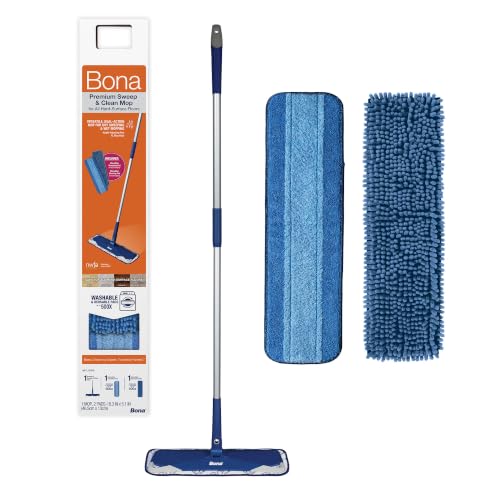
Versatile 3-in-1 floor cleaning tool: Experience a complete cleaning system that sweeps, cleans, and polishes with one durable tool; specifically engineered to replace the need for multiple bulky brooms and disposable mop systems
Effective Dusting and Sweeping Techniques
Dusting is not just cosmetic. Dirt, sand, and tiny stones can scratch the finish each time someone walks across the floor. For the safest routine, dry-clean before you damp-mop.
Best Practices for Dusting
Use a microfiber dust mop and move with the direction of the boards when possible. Shake or wash the pad regularly so it does not push dirt around. In high-traffic areas, dust mop daily or every few days. In quieter rooms, once or twice a week may be enough.
Vacuuming Without Scratching
Use a vacuum with a bare-floor setting, felt wheels, and a soft-brush attachment. Avoid carpet settings that lower the beater bar. A rotating brush designed for carpet can dull or scratch hardwood over time.
Cleaning Under Furniture
Dust and grit often collect under sofas, tables, beds, and entryway benches. Move light furniture carefully, lift instead of dragging, and vacuum edges where dust mops cannot reach.
Choosing the Right Cleaner for Your Wood Floors
For most sealed hardwood floors, the safest cleaner is one made for hardwood floors and used exactly as directed. This helps reduce residue, dullness, and finish damage. Avoid assuming that “natural,” “all-purpose,” “disinfecting,” or “multi-surface” means hardwood-safe.
Many flooring professionals recommend cleaners made specifically for the finish on the floor. For moisture control in the home, the U.S. Environmental Protection Agency recommends keeping indoor humidity below 60% and ideally between 30% and 50% to reduce moisture problems. For hardwood movement specifically, the National Wood Flooring Association says wood can swell in humid environments, shrink in dry environments, and is best protected by keeping the home between 60–80°F and 30–50% humidity year-round.
Recommended Products

Streak-Free - Specifically formulated to clean finished hardwood floors without streaking or dulling

Spray Mop for Effortless Cleaning: This spray mop has both wet and dry functions and is designed for housewives

Residue-free, fast drying solution that removes dust, dirt and grime to reveal the floor's natural shine
Cleaners to Avoid
- Vinegar: It is acidic and can dull some finishes over time.
- Bleach or ammonia: These can discolor wood or damage protective coatings. Never mix bleach with ammonia or other cleaners.
- Oil soaps: They may leave residue that attracts dirt and causes haze.
- Wax or polish products: Use only if your floor finish specifically calls for them. On polyurethane floors, wax buildup can create a slippery, cloudy surface and can interfere with future recoating.
- Abrasive powders or scrub pads: These can scratch the finish.
- Steam cleaners: Heat and moisture can enter seams and damage wood.
Can You Disinfect Hardwood Floors?
You can clean hardwood safely more often than you can disinfect it. If you need to clean after illness, raw food spills, or pet accidents, first remove the mess with a dry cloth, then clean the spot with a product approved for your floor finish. Do not use bleach, ammonia, steam, alcohol, hydrogen peroxide, or disinfecting wipes on hardwood unless the flooring or finish manufacturer specifically says they are safe.
For pet urine, vomit, or contaminated water, blot first and avoid spreading the liquid into seams. If odor, dark staining, swelling, or raised grain remains after gentle cleaning, the liquid may have reached the wood below the finish and professional repair may be needed.
How to Damp-Mop Hardwood Floors Without Damage
Damp mopping works best when the floor is already free of grit. If you skip dusting or vacuuming first, the mop can drag debris across the finish.
- Dry-clean first. Dust mop, sweep, or vacuum the whole area.
- Lightly mist the floor or mop pad. Do not pour cleaner directly onto the floor unless the product instructions say to.
- Use a damp microfiber mop. The pad should feel barely damp, not wet enough to drip.
- Mop with the grain. This helps reduce streaking and makes missed spots easier to see.
- Work in small sections. Clean a few feet at a time so moisture does not sit on the floor.
- Dry any damp areas. If the floor is still visibly wet after a few minutes, wipe it with a clean microfiber cloth.
Warning: Do not use a string mop full of bucket water on hardwood. Excess water can seep between boards, cloud the finish, swell edges, and cause cupping or warping.
Deep Cleaning Hardwood Floors: Step-by-Step
Deep cleaning removes buildup that routine dusting cannot handle. For sealed hardwood, a careful deep clean every few months is usually enough, but kitchens, entryways, and pet areas may need more frequent spot cleaning.
- Clear the room. Move lightweight furniture and rugs. Lift furniture instead of dragging it.
- Inspect the floor. Look for loose boards, worn finish, white water marks, pet stains, gaps, or exposed raw wood. Avoid wet cleaning areas where bare wood is exposed.
- Dust and vacuum thoroughly. Pay attention to corners, baseboards, and under furniture.
- Prepare your cleaner. Use a ready-to-use hardwood cleaner or dilute concentrate exactly as directed.
- Damp-mop in sections. Use a microfiber mop and avoid oversaturating the pad.
- Detail sticky spots. Use a microfiber cloth with a small amount of cleaner. For stuck-on material, use a plastic scraper held low and flat.
- Dry and buff. Wipe any remaining moisture with a clean cloth and let the floor dry fully before replacing rugs or furniture.
Moisture control is the heart of hardwood-floor care: use less liquid, clean spills fast, and keep indoor humidity steady.
What to Do After a Large Spill, Leak, or Water Exposure
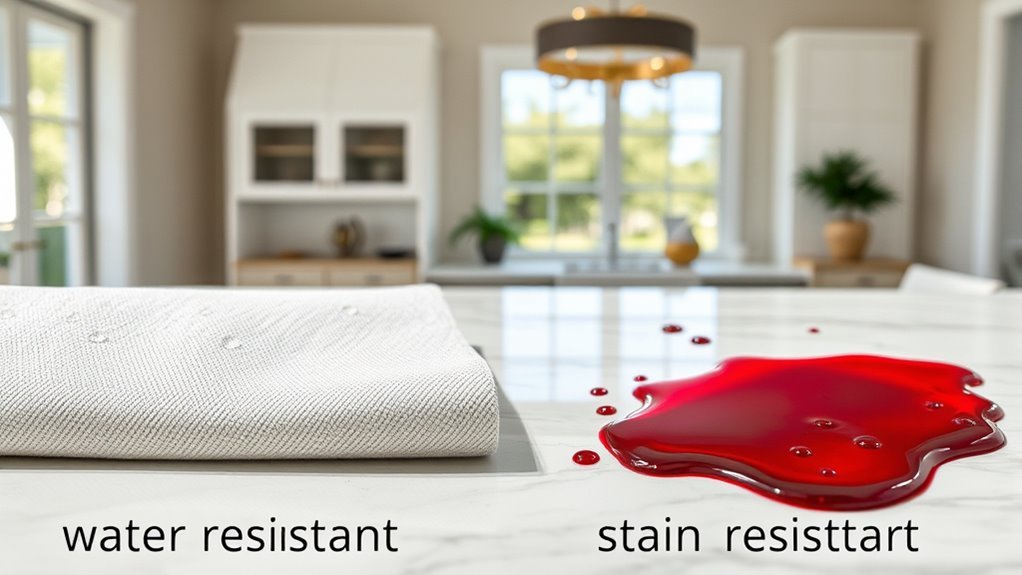
Small spills are usually manageable if you wipe them up immediately. Large spills, appliance leaks, overflowing plant saucers, pet-bowl leaks, wet rugs, or storm water need faster action because moisture can move into seams, under boards, and into the subfloor.
- Blot, do not spread. Use dry towels to absorb as much liquid as possible.
- Remove wet rugs and pads. Let both the rug and floor dry fully before putting them back.
- Dry the area with airflow. Use fans, air conditioning, or a dehumidifier as needed. Do not aim heat directly at the floor.
- Check seams and edges. Look for cupping, raised edges, whitening, dark stains, or lingering odor.
- Call a professional if damage remains. If the floor stays wet, smells musty, cups, buckles, or shows black staining, cleaning will not fix the underlying moisture problem.
The EPA’s moisture guidance recommends acting quickly after indoor leaks or spills and drying wet areas within 24–48 hours when possible to help prevent mold growth.
Recommended Products
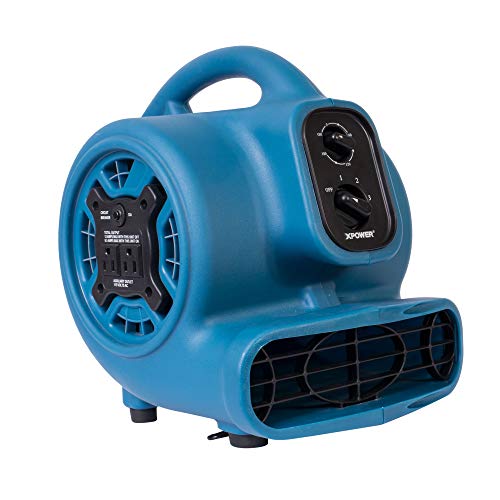
FASTER SURFACE DRYING–Speed-dry carpets, floors, furniture, windows, and walls with acentrifugal air mover! By producing a powerful, focused air current, the P-230AT is optimalfor drying flat surfaces and tight areas.

【Dry Wet Carpets & Floors Faster】Designed for water damage restoration, flooded rooms, and wet carpet drying, this 950 CFM air mover helps speed up airflow and moisture evaporation for faster cleanup after leaks or spills

TRUE 1/2 HP ALL-COPPER MOTOR: Built with a durable all-copper motor for dependable power and long service life. A true 1/2 HP design delivers professional-grade performance you can count on for demanding drying jobs.
How to Handle Common Hardwood Floor Problems
Sticky Residue or Hazy Film
Residue usually comes from too much cleaner, the wrong cleaner, oil soap, wax buildup, polish, or a dirty mop pad. Re-clean the area with a lightly damp microfiber pad and a cleaner approved for your floor finish. If haze remains, contact the floor or finish manufacturer before using stronger products.
Streaks After Mopping
Streaks often mean the mop was too wet, the pad was dirty, or too much cleaner was used. Use less solution, rinse or replace the pad, and buff dry with a clean microfiber cloth.
Water Spots or White Marks
White marks can mean moisture is trapped in or on the finish. Dry the area first. If the mark remains, avoid scrubbing with abrasive pads. A flooring professional may need to evaluate the finish.
Pet Accidents
Blot urine or vomit immediately with a dry cloth, then clean with a hardwood-safe cleaner. Do not soak the area. Lingering odor, dark staining, or raised grain may mean the liquid reached the wood and needs professional repair.
Grease or Food Spills
Wipe up the spill, then clean the spot with a microfiber cloth and hardwood-safe cleaner. Avoid degreasers unless they are approved for your floor finish.
Gum, Candle Wax, or Stuck-On Grime
Harden the material with a sealed bag of ice, then lift it gently with a plastic scraper or old credit card. Do not use a sharp metal blade on the floor finish.
Top Strategies to Prevent Scratches on Hardwood Floors
Prevention is easier than repair. Protecting the finish keeps dirt, moisture, and stains from reaching the wood underneath.
- Use doormats at entrances. Place one outside and one inside to catch grit and moisture.
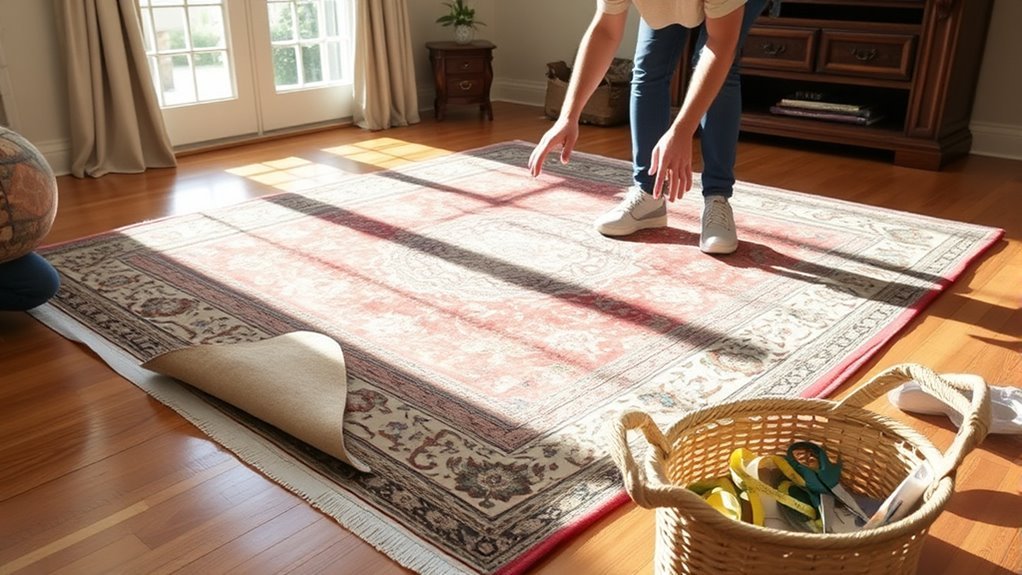
- Add breathable rugs in high-traffic zones. Use rug pads labeled safe for hardwood. Avoid rubber or latex pads unless the manufacturer confirms compatibility.
- Install felt pads under furniture. Replace pads when they collect grit or flatten out.
- Lift furniture when moving it. Dragging furniture can gouge the finish.
- Trim pet nails regularly. Long nails can leave scuffs and scratches.
- Remove shoes indoors. High heels, cleats, and gritty soles can dent or scratch wood.
- Control sunlight. Use curtains, blinds, or UV-filtering window film to reduce uneven fading.
- Check under rugs. Dirt trapped under rugs can scratch the floor when the rug shifts.
Seasonal Care: How to Maintain Hardwood Floors Year-Round
Wood naturally expands and contracts as humidity changes. Follow your flooring manufacturer’s humidity range whenever available. As a general indoor moisture guideline, the EPA recommends keeping humidity below 60% and ideally between 30% and 50%; for wood-floor performance, the NWFA commonly recommends keeping the home between 60–80°F and 30–50% humidity year-round.
Winter Care
Winter air can be dry, which may cause small gaps between boards. Use a humidifier if the home becomes too dry, but do not let mist fall directly on the floor. Wipe up melted snow, salt, and slush immediately.
Spring and Summer Care
Warm, humid weather can make wood swell. Use air conditioning or a dehumidifier if indoor humidity stays high. Check entryways, kitchens, bathrooms, and areas near exterior doors for moisture, and keep rugs dry underneath.
Fall Care
As outdoor debris increases, clean doormats and vacuum entry areas more often. Replace worn felt pads before holiday furniture movement and gatherings.
Long-Term Maintenance for Lasting Beauty
Regular cleaning protects the finish, but all hardwood floors eventually show wear. The right long-term step depends on whether the damage is in the finish layer, the wood itself, or the structure below the boards. The National Wood Flooring Association explains that dull floors may be renewed with a maintenance coat, while deep scratches, dents, exposed bare wood, or other flooring damage may require sanding and refinishing.
| Maintenance Task | When to Consider It | Why It Helps |
| Screen and recoat or maintenance coat | When the finish is dull, lightly scratched, or worn but the wood is not deeply damaged | Adds a fresh protective layer without full sanding |
| Full sanding and refinishing | When scratches, dents, stains, gray wear, or exposed wood go beyond the surface finish | Sands and renews the floor, when the wood or wear layer is thick enough |
| Board repair or replacement | When boards are cupped, buckled, black-stained, loose, cracked, or water-damaged | Fixes structural or moisture damage that cleaning cannot solve |
When to Call a Professional
Stop DIY cleaning and contact a flooring professional if you see cupping, buckling, black stains, exposed raw wood, widespread white haze, deep scratches, loose boards, recurring pet odor, or water damage that does not dry quickly. Cleaning products cannot fix moisture damage under the finish or structural movement in the boards.
Frequently Asked Questions
How do you clean and protect hardwood floors?
Dust mop or vacuum regularly, clean spills immediately, and damp-mop only when needed with a microfiber mop and a cleaner made for your floor finish. Protect the finish with doormats, felt furniture pads, breathable rugs, trimmed pet nails, stable humidity, and quick spill cleanup.
How often should hardwood floors be mopped?
High-traffic sealed hardwood may need light damp mopping weekly or monthly, while low-traffic rooms may need it only seasonally. Dry-clean more often than you wet-clean. If the floor still looks wet a few minutes after mopping, you used too much liquid.
What is the best cleaner for hardwood floors?
The best cleaner is one approved for your specific finish. For many sealed polyurethane floors, that means a ready-to-use hardwood-floor cleaner. Waxed, oiled, unfinished, engineered, or newly refinished floors may need a different product, so check the manufacturer’s care guide first.
Can you use vinegar on hardwood floors?
Vinegar is not the safest regular cleaner for hardwood because its acidity can dull or damage some finishes over time. Use a cleaner made for hardwood floors unless your floor or finish manufacturer specifically recommends a diluted vinegar solution.
Are steam mops safe for hardwood floors?
Steam mops are risky for hardwood floors. Heat and moisture can enter seams, gaps, worn finish, or damaged areas and cause swelling, cupping, whitening, or finish failure. Use a lightly damp microfiber mop instead.
Why do my hardwood floors look hazy after cleaning?
Haze usually comes from too much cleaner, the wrong cleaner, dirty mop pads, oil soap, wax, polish buildup, or moisture trapped in the finish. Try a clean, barely damp microfiber pad and an approved cleaner. If haze remains, contact the floor or finish manufacturer before using stronger products.
How often should hardwood floors be sealed or recoated?
There is no single schedule for every floor. Some high-traffic floors may need a maintenance coat every few years, while others last longer. Recoat when the finish looks dull, lightly scratched, or worn but before bare wood is exposed. Ask a flooring professional if the floor has deep scratches, gray wear, stains, or water damage.
What is the best mop for hardwood floors?
A microfiber flat mop or spray mop is usually the safest choice because it uses less water and has a soft, non-abrasive pad. Avoid soaking string mops and avoid steam mops on hardwood.
Conclusion
The best way to keep hardwood floors clean and protected is to stay gentle and consistent. Remove grit often, use the least moisture possible, choose cleaners made for your finish, and prevent scratches before they happen. With doormats, felt pads, quick spill cleanup, careful damp mopping, and stable humidity, your hardwood floors can keep their color, shine, and smooth finish for years.
Sources
- U.S. Environmental Protection Agency: A Brief Guide to Mold, Moisture and Your Home — supports indoor humidity, moisture-control, and leak/spill drying guidance.
- National Wood Flooring Association: Maintenance — supports sweeping, dust mopping, bare-floor vacuuming, immediate spill cleanup, avoiding wet/steam mops, and using cleaners made for the floor finish.
- National Wood Flooring Association: Problem Prevention — supports humidity, temperature, cupping, gapping, scratch prevention, furniture pads, and shoe guidance.
- National Wood Flooring Association: Refinishing Your Floors — supports maintenance coats, sanding/refinishing, and professional repair guidance.

[…] How to Clean & Protect Hardwood Floors in Living Areas: Step-by-Step Guide […]