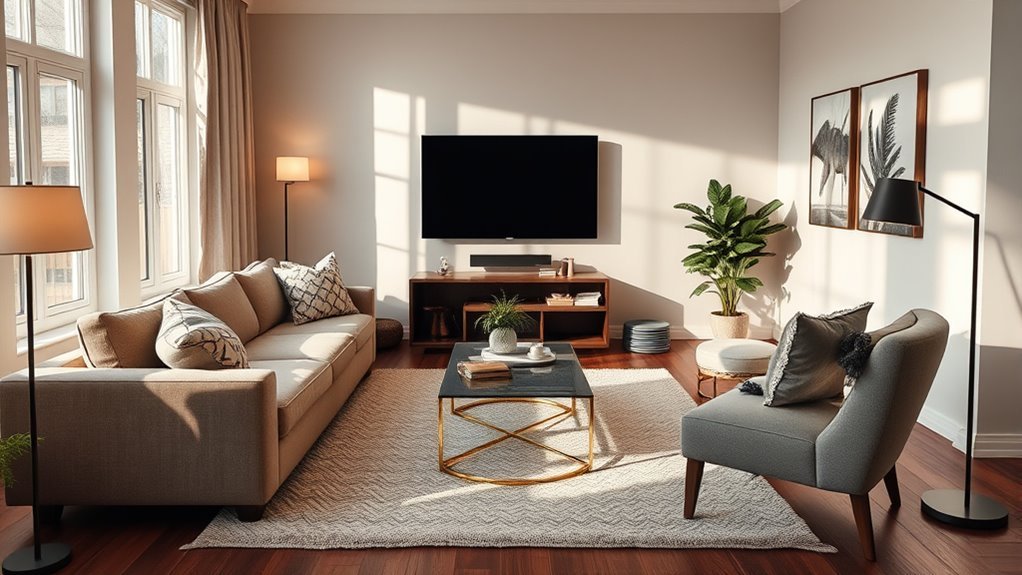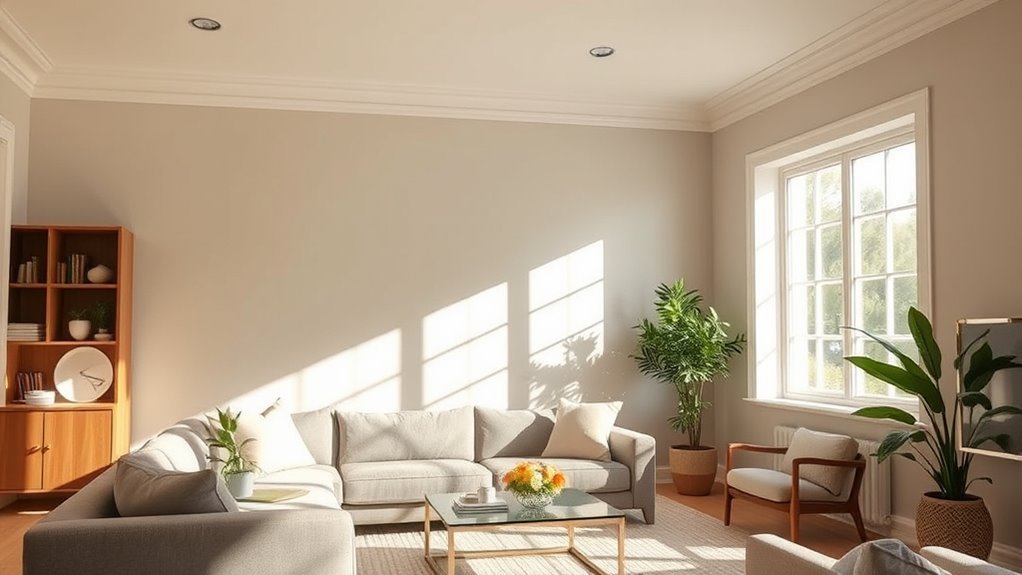
Choosing the right paint sheen for living room walls and trim is about more than shine. The finish affects how color looks in daylight, how well small wall flaws disappear, how easy fingerprints are to clean, and how polished your trim and doors feel. For most living rooms, the safest pairing is eggshell on the walls with satin or semi-gloss on the trim and doors.
Quick Answer
Use eggshell paint for most living room walls because it gives a soft, low-sheen look while hiding minor imperfections better than satin or semi-gloss. Use satin or semi-gloss on trim and doors for easier cleaning, stronger contrast, and better resistance to fingerprints, scuffs, and everyday contact.
Key Takeaways
- Best overall wall sheen: eggshell for most living rooms.
- Best high-traffic wall sheen: satin if you have kids, pets, frequent guests, or walls that need regular wipe-downs.
- Best trim and door sheen: satin for a softer look or semi-gloss for the most classic, durable trim finish.
- Best flaw-hiding option: flat or matte, but only if cleaning needs are low or the product is labeled washable.
- Always test first: sheen can look different in morning light, evening light, and lamp light.
At a Glance
| Time Required | 30–60 minutes to compare sheens; 24–48 hours to view samples in changing light |
| Difficulty | Easy decision if walls are smooth; moderate if walls are damaged, dark, or heavily used |
| Tools Needed | Paint samples, foam board or wall swatches, painter’s tape, brush, roller, cloth, mild cleaner, patching compound, primer if needed |
| Cost | Usually low for samples; final cost depends on paint line, room size, primer, and trim detail |
What Is Paint Sheen and Why It Matters?

Paint sheen is the amount of light a painted surface reflects once it dries. A flatter finish absorbs more light and hides more surface flaws. A glossier finish reflects more light, looks brighter, and is usually easier to wipe clean. That trade-off is the heart of choosing the right finish for a living room.
Most interior paint sheens fall into this basic order, from least shiny to most shiny:
| Sheen | Best Use | Main Trade-Off |
|---|---|---|
| Flat / Matte | Ceilings, low-traffic rooms, imperfect walls | Hides flaws well but is usually harder to clean |
| Eggshell | Most living room walls | Soft look with moderate wipeability |
| Satin | Busy living rooms, hallways, family spaces | More washable but shows more wall texture |
| Semi-Gloss | Trim, doors, baseboards, moldings | Durable and bright but highlights imperfections |
| Gloss / High-Gloss | Statement trim, furniture, cabinetry | Very reflective and unforgiving |
Note: Sheen names are not perfectly standardized. One brand’s eggshell may look closer to another brand’s satin, so compare samples from the exact paint line you plan to use.
Choosing the Right Sheen for Living Room Walls
For most living rooms, eggshell is the best wall sheen. It gives walls a gentle glow without making every patch, nail pop, or roller mark obvious. It is also easier to clean than traditional flat paint, which makes it practical for a room where people gather, relax, watch TV, and entertain.
That said, eggshell is not the only good answer. The best sheen depends on how your living room is used.
| Living Room Situation | Best Wall Sheen | Why It Works |
|---|---|---|
| Average living room with normal use | Eggshell | Soft, balanced, and forgiving |
| Kids, pets, parties, or frequent fingerprints | Satin | More durable and easier to wipe down |
| Older plaster or visibly imperfect drywall | Flat, matte, or low-sheen eggshell | Lower shine hides bumps, seams, and patching better |
| Dark, dramatic wall color | Eggshell or low-luster | Keeps darker colors from looking too shiny |
| Bright room with strong direct sunlight | Eggshell or matte | Reduces glare and visible wall texture |
Avoid semi-gloss or high-gloss on broad living room walls unless you are intentionally creating a lacquered, designer-style effect on very smooth walls. Glossy finishes can look stunning, but they make dents, drywall seams, and uneven paint application much easier to see.
Eggshell vs. Satin for Living Room Walls
The biggest living room sheen decision is usually eggshell vs. satin. Both can work, but they create different results.
| Feature | Eggshell | Satin |
|---|---|---|
| Look | Soft, subtle, low-luster | Smoother, brighter, slightly more reflective |
| Flaw hiding | Better | Moderate |
| Cleanability | Good for normal use | Better for frequent cleaning |
| Best for | Formal living rooms, average family rooms, darker colors | Busy family rooms, hallways connected to living spaces, lighter colors |
Choose eggshell if you want the most balanced finish. Choose satin if your living room takes more abuse and you value wipeability over flaw-hiding.
Recommended Products

ALL-IN-ONE PAINT AND PRIMER: Saves time and effort by priming, sealing, and finishing in one step for smooth, efficient coverage
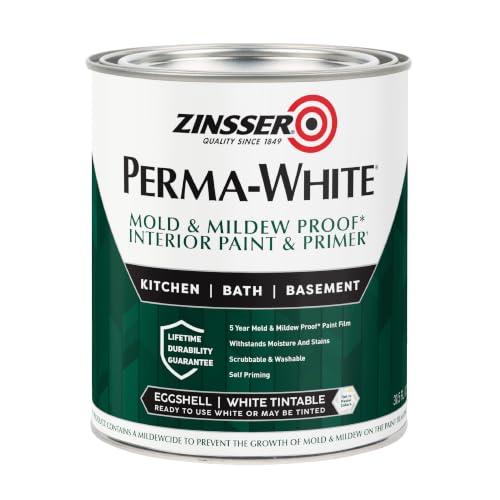
Self-Priming formula - requires no sanding
ALL-IN-ONE PAINT AND PRIMER: Saves time and effort by priming, sealing, and finishing in one step for smooth, efficient coverage
Selecting Trim Sheen for Maximum Impact
Living room trim usually looks best one step glossier than the walls. This small contrast gives baseboards, doors, window casing, crown molding, and built-ins a crisp, finished look. It also makes practical sense because trim gets touched, kicked, bumped, and cleaned more often than walls.
Recommended Products

Use for a variety of indoor and outdoor project surfaces including wood, metal, plaster, masonry or unglazed ceramic

Use for a variety of indoor and outdoor project surfaces including wood, metal, plaster, masonry or unglazed ceramic

CABINET TRANSFORMATION: Refresh outdated cabinets, vanities, furniture and trim with rich Pure White color and a smooth semi-gloss finish
Trim Sheen Options Explained
- Satin trim: Best for a softer, modern look. It works well when you do not want trim to appear too shiny.
- Semi-gloss trim: The classic choice for baseboards, doors, and molding. It is durable, bright, and easy to wipe clean.
- High-gloss trim: A bold designer choice for very smooth, carefully prepared trim. It looks dramatic but shows flaws quickly.
If your walls are eggshell, satin or semi-gloss trim will usually look balanced. If your walls are satin, semi-gloss trim gives enough contrast to feel intentional. If your walls are matte, satin trim may be enough unless you want a crisp traditional look.
Impact on Room Ambiance
Trim sheen changes how finished the room feels. A satin finish blends quietly into the design, while semi-gloss catches light and makes architectural details stand out. In a living room with crown molding, paneled walls, tall baseboards, or painted built-ins, a slightly higher trim sheen can make those details feel sharper and more custom.
Practicality and Durability Considerations
Trim and doors need more durability than walls because they handle more contact. Semi-gloss is especially useful on baseboards, door frames, and interior doors because smudges and fingerprints are easier to wipe away. For a calmer look, satin still provides more cleanability than eggshell while keeping shine under control.
Pro Tip: If you are painting walls and trim the same color, vary the sheen instead of the color. Eggshell walls with satin or semi-gloss trim create subtle depth without adding another paint color.
Benefits of Eggshell Finish for Living Rooms

Eggshell is popular for living rooms because it sits in the middle: not too flat, not too shiny. It gives color more depth than flat paint while still keeping the wall surface soft and calm. That makes it especially useful in rooms with artwork, lamps, windows, and furniture competing for attention.
The main benefits of eggshell paint for living rooms are:
- Soft light reflection: It brightens walls gently without harsh glare.
- Minor flaw concealment: It hides small imperfections better than satin or semi-gloss.
- Moderate wipeability: It handles light cleaning better than traditional flat paint.
- Design flexibility: It works with modern, traditional, cottage, transitional, and minimalist interiors.
- Balanced color depth: It keeps paint colors from looking chalky while avoiding a shiny wall effect.
Eggshell is not the best choice for every surface, though. It can scuff on baseboards, doors, and cabinets because those areas receive more direct contact. Use it mainly on walls, then move up to satin or semi-gloss for the trim.
Why Is Semi-Gloss Ideal for Trim and Doors?
Semi-gloss paint is a strong choice for trim and doors because it creates a smoother, more washable surface than lower-sheen wall paints. It also reflects light, which helps outline architectural details and gives the room a cleaner edge.
Recommended Products

Use for a variety of indoor and outdoor project surfaces including wood, metal, plaster, masonry or unglazed ceramic

Ready to use, pre-mixed door and trim paint offers a fresh new look on interior or exterior metal, wood and fiberglass

PAINT & PRIMER IN ONE – Pure White Semi Gloss acrylic paint combines paint and primer in one formula, delivering strong adhesion, smooth finish and easy application while reducing project time.
Enhanced Durability Against Scratches and Scuffs
Trim paint must stand up to vacuum bumps, shoes, pet brushes, chair legs, fingerprints, and door-handle smudges. A semi-gloss trim paint or enamel is often formulated for these high-contact areas. It is not scratch-proof, but it is usually easier to clean and more resistant to visible wear than eggshell wall paint.
- Use semi-gloss on baseboards that get dusty or kicked.
- Use semi-gloss on doors and door frames that collect fingerprints.
- Use semi-gloss on painted molding when you want crisp definition.
Easy Cleaning and Maintenance
Semi-gloss trim can usually be cleaned with a soft cloth, mild soap, and water once the paint has fully cured. This matters in living rooms because trim often collects dust along baseboards and fingerprints near doorways. Always follow the paint label for cure time before scrubbing; paint may feel dry long before it reaches full hardness.
Common Mistakes in Selecting Paint Sheen
The wrong sheen can make a good color look disappointing. Avoid these common mistakes before you commit to gallons of paint:
- Using semi-gloss on imperfect walls: Glossy wall paint can highlight dents, patch marks, drywall seams, and roller texture.
- Choosing flat paint in a busy family room: Traditional flat paint can be harder to clean, especially around light switches and seating areas.
- Skipping samples: A sheen that looks subtle in the store can look shiny in direct sun or under lamps.
- Using the same sheen everywhere: Walls, trim, and doors have different cleaning needs. They usually should not all be flat or all be glossy.
- Ignoring color depth: Dark colors often look shinier than light colors in the same sheen.
- Mixing brands without testing: “Eggshell” and “satin” can vary from one manufacturer or product line to another.
Testing Paint Sheen at Home
Testing paint sheen at home is the easiest way to avoid regret. Do not rely only on a tiny store chip. Sheen changes with wall texture, paint color, window direction, and artificial lighting.
- Choose two likely sheens. For living room walls, test eggshell and satin. For trim, test satin and semi-gloss.
- Paint sample boards or wall sections. Use foam board if you do not want to mark the wall yet.
- Apply the recommended number of coats. Many paints need two coats for accurate color and sheen, but follow the product label.
- Move samples around the room. Check near windows, behind lamps, beside trim, and across from the TV.
- View them morning, afternoon, and night. Natural and artificial light can change the way sheen reads.
- Do a gentle wipe test after curing. Once the sample has cured according to the label, lightly clean it to compare wipeability.
Note: Dry time and cure time are not the same. Paint may be dry to the touch within hours, but it can take much longer to become washable. Check the label before cleaning or taping over fresh paint.
Prep Tips Before Painting Walls and Trim
Even the best sheen will look bad over a poorly prepared surface. Higher-sheen finishes make prep even more important because they reflect more light.
- Clean first: Remove dust, cobwebs, fingerprints, and oily marks before painting.
- Patch dents and nail holes: Let patching compound dry fully, then sand smooth.
- Prime when needed: Use primer over patched areas, stains, glossy old paint, raw wood, or major color changes.
- Caulk trim gaps: Caulk small gaps where trim meets the wall for a cleaner finished line.
- Sand glossy trim: Light sanding helps new trim paint bond to older shiny finishes.
- Use painter’s tape carefully: Remove tape before paint fully hardens to reduce peeling.
Warning: If your home was built before 1978, do not sand, scrape, or disturb old paint until you understand lead-safe practices. Also ventilate when painting, follow the product label, and keep children and pets away from wet paint and open containers.
Tips for Maintaining Paint Sheen Longevity
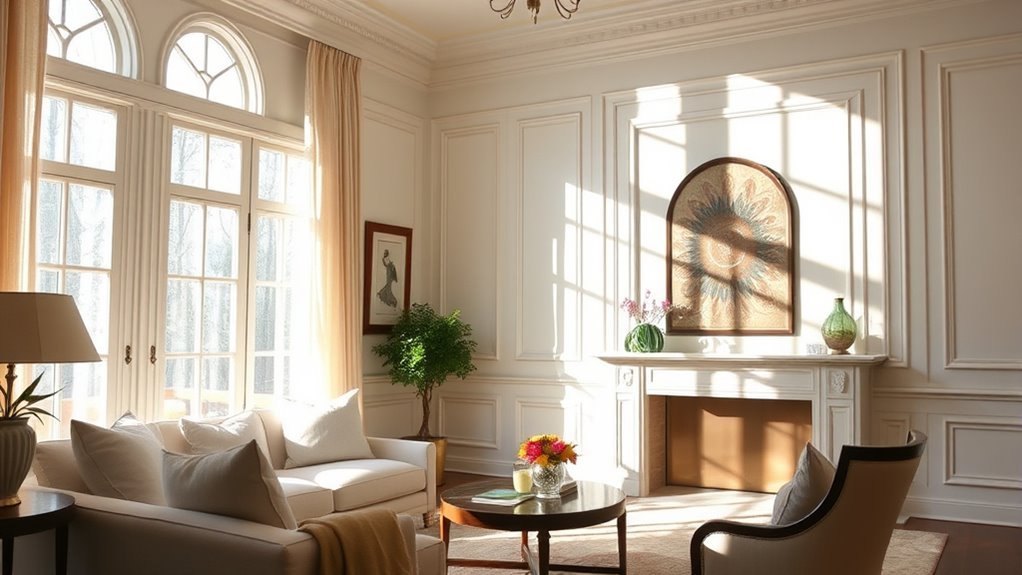
Paint sheen lasts longer when you clean gently and avoid harsh scrubbing. The goal is to remove dust and marks without polishing, dulling, or damaging the finish.
- Dust walls and trim regularly. A microfiber cloth or soft duster prevents buildup.
- Use mild soap for marks. Start with water, then use a small amount of gentle soap if needed.
- Avoid abrasive pads. They can burnish flat paint or dull glossy trim.
- Touch up carefully. Lower sheens usually touch up better than glossy finishes, but always use the same paint, sheen, and batch if possible.
- Control moisture. Fix leaks and humidity problems that can cause peeling or dullness.
- Give paint time to cure. Wait until the label says the paint is washable before cleaning freshly painted walls.
For eggshell walls, use a light hand when cleaning. For satin walls, you can usually wipe a little more confidently. For semi-gloss trim, gentle cleaning is easier, but abrasive scrubbing can still leave dull spots.
Frequently Asked Questions
What sheen of paint is best for living room walls?
Eggshell is best for most living room walls because it balances a soft appearance, minor flaw hiding, and moderate cleanability. Choose satin instead if your living room gets heavy traffic, frequent fingerprints, pets, or children.
Should living room walls be flat or satin?
Use flat or matte if the walls are imperfect and the room is low traffic. Use satin if the room is busy and needs regular cleaning. For most homes, eggshell is the better middle ground between flat and satin.
What sheen should I choose for living room walls with Sherwin-Williams paint?
For most Sherwin-Williams living room paints, start by comparing the brand’s eggshell, low-luster, or satin options in the exact product line you want. Choose eggshell or low-luster for a softer wall look, and choose satin for more wipeability. Always sample first because sheen can vary by product line.
Is eggshell or satin better for a living room?
Eggshell is better for a balanced, elegant living room with normal use. Satin is better for a high-traffic living room where walls need more frequent cleaning. If your walls have visible flaws, eggshell will usually be more forgiving than satin.
What sheen is best for living room trim and doors?
Semi-gloss is the classic choice for living room trim and doors because it is durable, wipeable, and crisp-looking. Satin is also a good option if you want a softer, less reflective finish.
Should walls and trim be the same sheen?
Usually, no. Trim should often be one step glossier than the walls. A common pairing is eggshell walls with satin or semi-gloss trim. This gives the room contrast and makes high-touch trim easier to clean.
Does paint sheen change how a color looks?
Yes. Higher-sheen finishes reflect more light, which can make colors look brighter, deeper, or shinier. Dark colors can look especially reflective in satin, semi-gloss, or gloss finishes, so testing is important.
Conclusion
The best paint sheen for living room walls is usually eggshell, especially if you want a soft finish that hides minor flaws and still offers some wipeability. For busier homes, satin can be worth the extra durability. For trim and doors, choose satin for a subtle look or semi-gloss for a crisp, classic, easy-clean finish. Test your wall and trim samples in the actual room before painting, because light, wall texture, and color depth can change how every sheen looks.
Sources
- U.S. Environmental Protection Agency: Volatile Organic Compounds’ Impact on Indoor Air Quality — supports VOC, ventilation, and label-precaution guidance.
- U.S. Environmental Protection Agency: Lead — supports lead-safety caution for older painted surfaces.
- Architectural Digest: Interior Paint Buying Guide — supports finish selection, color perception, and sheen variation guidance.
- Architectural Digest: Painting Secrets to Keep Walls in Shape — supports satin and semi-gloss washability guidance for busy areas, trim, and doors.
- Better Homes & Gardens: Guide to Paint Finishes and Surfaces — supports finish hierarchy, durability, and surface-use recommendations.