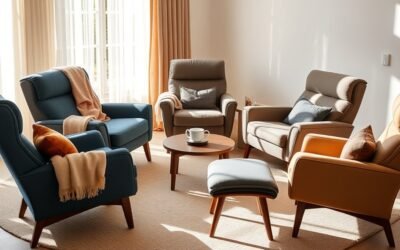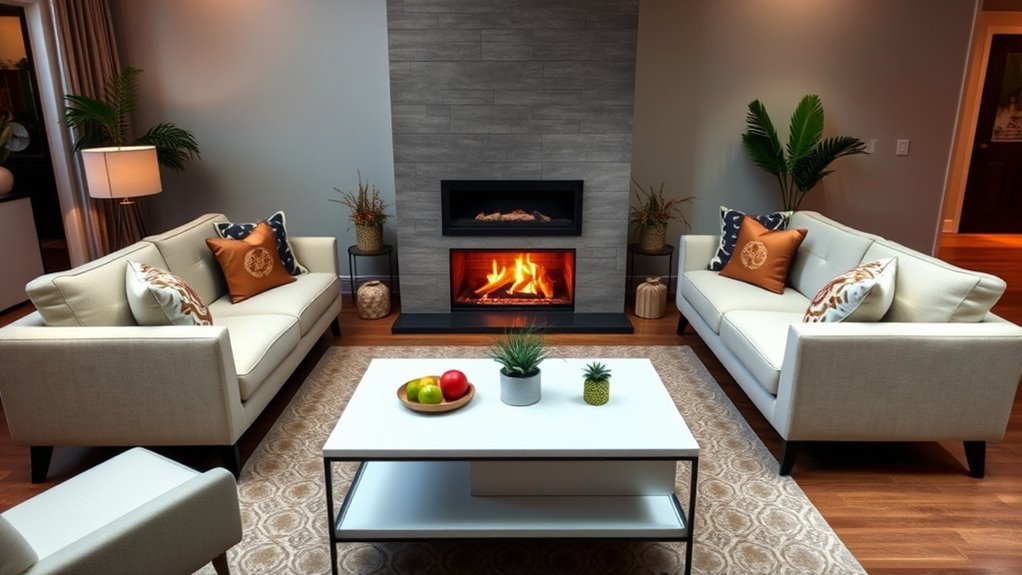
Choosing between a fireplace and a TV as your living room’s focal point comes down to how you actually use the room. A fireplace creates warmth, atmosphere, and architectural charm, while a TV supports movie nights, sports, gaming, and everyday entertainment. The best living rooms do not force one feature to fight the other; they give each one a clear role so the space feels comfortable, practical, and visually balanced.
Quick Answer
Make the fireplace the focal point if you want a cozy, conversation-first room. Make the TV the focal point if the room is mainly for entertainment. Choose a combined layout only when the TV can sit at a comfortable viewing height, stay protected from heat, and look intentional rather than squeezed in.
Key Takeaways
- A fireplace works best as the focal point in rooms designed for relaxing, reading, hosting, or conversation.
- A TV should lead the layout when the living room is your main entertainment zone.
- Mounting a TV above a fireplace can work, but only if heat, height, wiring, and viewing comfort are handled correctly.
- The most balanced option is often a side-by-side or adjacent-wall layout, especially in older homes or rooms with wood-burning fireplaces.
Which Should Be the Focal Point: Fireplace or TV?
The right focal point is the one that supports the room’s main purpose. If your living room is where people gather, talk, read, or unwind, the fireplace can be the natural anchor. If the room is where your family watches movies, follows live sports, or plays video games, the TV deserves a more practical position.
| Choose the fireplace if… | You value ambiance, conversation, architectural character, and a quieter room that does not revolve around screens. |
| Choose the TV if… | The room is mainly used for streaming, gaming, sports, family movie nights, or daily media viewing. |
| Combine both if… | You can keep the TV comfortable to watch, protect it from heat, hide wiring neatly, and make the wall look deliberately designed. |
Why People Love Fireplaces: The Cozy Factor
When you gather around a fireplace, it is not just about heat. A fireplace gives the room a sense of pause. The glow, texture, mantel, stone, tile, or surround can make the living room feel more grounded and inviting.
A fireplace also encourages face-to-face seating. Instead of every chair pointing toward a screen, the furniture can support conversation, reading, or quiet evenings. This is why fireplaces often work beautifully in formal living rooms, sitting rooms, cabins, traditional homes, and spaces where comfort matters more than entertainment.
There is one important caveat: fireplaces are not maintenance-free. Wood-burning fireplaces can create smoke and fine particles, and any active fireplace needs proper ventilation, clearances, and regular upkeep. The EPA notes that wood smoke contains fine particles and toxic air pollutants, so safety and indoor air quality should be part of the design conversation.
Why a TV Is the Go-To Choice for Entertainment
As you settle into your living room, the appeal of a TV is obvious. Streaming, live sports, movies, gaming, fitness classes, and family photo slideshows all make the screen a practical part of daily life. Modern flat-screen TVs also take up far less floor space than older entertainment centers, so they can be integrated into the wall, a media console, built-ins, or a gallery-style arrangement.
| Entertainment Type | Benefit | Best Room Setup |
|---|---|---|
| Movies | Immersive viewing | Sofa centered on screen |
| Live Sports | Group viewing | Sectional or multiple seats with clear sightlines |
| Video Games | Interactive use | Lower screen height and flexible seating |
A TV should not feel like an afterthought. If it is the feature your household uses most, give it a comfortable height, a clean console or built-in, proper viewing distance, and lighting that reduces glare.
Aesthetic Appeal: Balancing Fireplace and TV Styles
In many living rooms, the fireplace and TV compete because they are both visually strong. The fireplace has texture, depth, and warmth. The TV is a large dark rectangle when it is off. The goal is not to pretend the TV is invisible, but to make the two elements feel planned.
For design cohesion, repeat materials and shapes. A black firebox can visually connect with a black TV screen. Wood shelves can soften both. A stone, plaster, or tile surround can make the whole wall feel more architectural. Frame-style TVs, sliding panels, and gallery walls can also help the TV blend into the decor.
Pro Tip: Before mounting anything, tape the TV size on the wall with painter’s tape. Sit in your normal seat and check height, glare, balance with the fireplace, and whether the screen feels too dominant.
Heat Safety: Risks of Placing a TV Above a Fireplace
Placing a TV above a fireplace can save space, but heat and smoke are real concerns. The safest answer is not a universal temperature number; it is your specific fireplace, your specific TV model, and the temperature at the wall where the TV will hang.
Warning: Do not mount a TV above an active fireplace until you have checked the TV manual, tested the wall temperature while the fireplace runs, confirmed proper clearances, and planned safe wiring. For wood-burning fireplaces, also consider smoke, soot, and annual chimney maintenance.
Use these safety checks before choosing a TV-over-fireplace layout:
- Check the TV manual. Every model has its own operating temperature, ventilation, and mounting requirements.
- Run a heat test. Tape a thermometer where the bottom and center of the TV would sit, run the fireplace as you normally would, and confirm the wall stays within the TV’s allowed range.
- Use a mantel or heat deflector when appropriate. A mantel can help redirect rising heat, but it is not a guarantee. Follow fireplace and TV manufacturer clearances.
- Protect ventilation. Leave space around the TV so heat can dissipate. Do not bury the TV tightly in a niche unless the installation is designed for airflow.
- Plan wiring safely. Avoid dangling cords near heat. If you need a new outlet, hire a qualified electrician.
- Maintain the fireplace. The U.S. Fire Administration recommends keeping anything that can burn at least 3 feet from heat sources and having heating equipment and chimneys cleaned and inspected yearly.
How TV Height Affects Viewing Comfort
TV height has a major effect on comfort. Mounting a screen too high, especially over a tall mantel, can force you to tilt your head back for long periods. That can lead to neck and shoulder discomfort.
For the most comfortable setup, the center of the TV should be close to seated eye level when possible. Sony’s wall-mounting guidance says the TV’s horizontal and vertical center lines should generally be at viewers’ eye level. For general screen ergonomics, OSHA notes that screens placed too high can create awkward neck postures and fatigue.
Optimal Eye-Level Placement
Instead of relying on one fixed number, measure your room. Sit where you normally watch TV. Measure from the floor to your eye level. Then compare that point to the center of the TV, not the bottom edge.
If the TV must sit higher than ideal, use a tilting or pull-down mount to reduce the viewing angle. This is especially helpful when the fireplace mantel pushes the screen above a comfortable height.
Impact on Neck Strain
A TV above a fireplace often looks balanced in photos because the wall is symmetrical, but it may feel uncomfortable in real life. If you recline while watching, a slightly higher TV may be tolerable. If you sit upright on a sofa, the same height may feel too high after 20 minutes.
The best test is simple: tape a paper outline of the TV on the wall and watch that spot from your sofa for several minutes. If your chin lifts or your neck tightens, the TV is too high for everyday viewing.
Viewing Distance Consideration
Viewing distance depends on screen size, resolution, content, and personal comfort. Sony recommends about 1.5 times the vertical screen size for 4K TVs and about three times the vertical screen size for HD TVs. In everyday design terms, larger screens can feel overwhelming in small rooms if the seating is too close.
For mixed-use living rooms, choose a TV size that feels comfortable from the main sofa, then arrange secondary chairs so they can still enjoy the fireplace without blocking the screen.
Maximizing Space: Combining a Fireplace and TV
While many homeowners view a fireplace and a TV as competing focal points, combining them can work when the layout is intentional. The best arrangement depends on the room’s shape, fireplace type, and how often you use each feature.
Recommended Products

MOTORIZED FIREPLACE TV MOUNT: The MOUNT-IT! Motorized Fireplace TV Mount isn’t just any fireplace TV mount pull down; it's a sleek, modern solution to elevate your viewing experience. With its whisper-quiet motor, it effortlessly lowers and raises your TV to the perfect viewing height, blending seamlessly with your living space aesthetics. Ideal for those seeking a harmonious balance of style and functionality, especially above the fireplace.

Watch the videos in the Image Gallery to See the MM340 In Action. Enhance your home entertainment experience with a TV mount that offers full-range motion plus vertical travel.

【Designed to Complement Your Fireplace – Full Motion & Smooth Height Adjustment】Specifically crafted as a fireplace tv mount, this mantel mount offers smooth, effortless height adjustment to lower your TV to an ideal viewing level. It integrates beautifully with your fireplace aesthetics. With 18.7 inches of vertical travel, 30° left-right swivel, and 19 inches of extension from the wall, this pull down tv mount provides complete flexibility. It also delivers up to 18 inches of clearance for deep mantels, ensuring a seamless fit above any fireplace.
Layout Option 1: TV Above the Fireplace
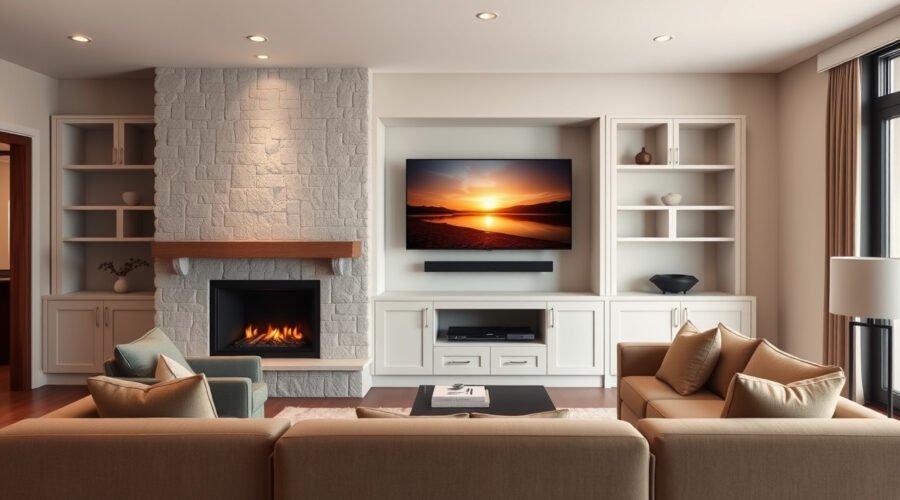
This works best with a low linear fireplace, an electric fireplace, or a newer gas fireplace wall designed for TV integration. It is usually less ideal above a tall traditional mantel or a wood-burning fireplace because heat, smoke, and height become harder to control.
Layout Option 2: TV Beside the Fireplace
A side-by-side layout is often the most comfortable compromise. The fireplace keeps its charm, while the TV can sit lower on a media console or built-in. Use matching shelves, cabinets, or art to balance the wall so one side does not feel heavier than the other.
Layout Option 3: TV on an Adjacent Wall
If your room has enough width, place the TV on a wall next to the fireplace and float the seating so people can enjoy both. An L-shaped sofa or two swivel chairs can make this layout flexible for entertaining and watching.
Layout Option 4: TV Hidden or Disguised
If the fireplace should remain the visual star, consider a TV in a cabinet, behind sliding panels, in a built-in, or styled as part of a gallery wall. This works well in formal living rooms where the TV is used occasionally but should not dominate the space.
Fireplace Type Matters
Not all fireplaces create the same design or safety challenge. Before deciding where the TV goes, identify what kind of fireplace you have.
- Wood-burning fireplace: Most demanding. Consider smoke, soot, sparks, chimney maintenance, and heat rising above the mantel.
- Gas fireplace: Cleaner than wood, but still produces heat. Follow the fireplace manual and required clearances.
- Electric fireplace: Often easier to pair with a TV, especially when heat vents are positioned away from the screen.
- Decorative or nonworking fireplace: Usually the easiest for TV placement because heat is not a concern, though height and wiring still matter.
Note: If your fireplace is active, the fireplace manual and local building requirements matter more than any general design rule. When in doubt, ask a qualified fireplace professional or installer before mounting a TV nearby.
Recommended Products

Upgrade: This Fireplace Hood comes with a 47 inch long fire-resistant insulation cotton. Installing insulation cotton on the back of the Fireplace Hood can provide good fire-resistant and insulation effects, extending the service life of the Fireplace Hood.

Fireplace&Mantel Heat Protection: Shield your mantle or decorations placed above the fireplace from heat damage with this fireplace heat shield, specifically designed to deflect temperatures and keep your home safe

Patent applied Easy Installation: Effortlessly install this black fireplace hood on your 28-48 inch fireplace.
Personal Preferences: How Lifestyle Influences Your Choice
Your lifestyle should guide the focal point more than trends. A family that watches sports every weekend will need a different layout than someone who uses the living room for quiet reading and hosting.
- Gathering spaces: If you cherish cozy evenings with loved ones, let the fireplace lead and arrange seating for conversation.
- Entertainment needs: If movie nights, gaming, or sports are central to the room, prioritize the TV’s height, distance, and sightlines.
- Family practicality: Homes with children or pets may prefer wall mounting, closed storage, rounded furniture edges, and durable materials.
- Room size: Small rooms often need one clear focal point. Larger rooms can handle zones, such as a fireplace seating area and a separate TV area.
Smart Design Ideas for Integrating a TV With Your Fireplace
When integrating a TV with your fireplace, focus on comfort first and style second. A beautiful layout will not work if the screen is too high, the room has glare, or the wall feels cluttered.
Recommended Products

360° SWIVELING DESIGN: The swivel accent chair comes with a sturdy metal base, providing 360-degree smooth rotation, which can be conveniently turned to any direction without getting up. This feature adds to the convenience and comfort of this swivel chair.

Rustic and Modern Design: Elevate your home with the timeless appeal of this swivel barrel chair. Featuring a natural rattan frame paired with luxurious brown leather, this rattan accent chair strikes the perfect balance between rustic charm and modern sophistication, offering an organic yet polished look for any space

360-Degree Swivel: This 360° swivel accent chairs set of 2 offers a stylish and contemporary touch to your space. With its compact size, this multi-functional chair is perfect for bedroom, living room, small spaces for reading corner, entrance, balcony or vanity chair, footstool, making it a versatile choice for any room
Optimizing Viewing Angles
Place the main sofa where the TV and fireplace can both be enjoyed without twisting your neck. If the TV is above or beside the fireplace, swivel chairs are useful because they can turn toward the screen or toward conversation.
Use design ideas such as layered lighting, warm lamps, dimmers, and shaded windows to reduce glare and make both focal points feel inviting at night.
Creative Layout Solutions
Double-sided sofas, L-shaped sectionals, and pairs of swivel chairs can help a room face two features without feeling awkward. A credenza on a side wall can keep the TV lower, while the fireplace remains the architectural anchor. Built-ins on both sides of the fireplace can also make the wall feel symmetrical and finished.
If the TV must be above the fireplace, choose a low-profile mantel, a mount with tilt or pull-down adjustment, and a clean cable plan. If the fireplace is tall, ornate, or wood-burning, a separate TV wall will often be more comfortable and safer.
Common Mistakes to Avoid
- Mounting the TV too high: A beautiful wall is not worth daily neck strain.
- Ignoring heat: Always test the wall temperature and follow the TV and fireplace manuals.
- Letting wires show: Visible cords can make even an expensive design look unfinished.
- Creating too many focal points: If the TV, fireplace, windows, shelving, and art all compete, simplify the wall.
- Buying furniture before planning sightlines: Measure the room, screen size, seating distance, and traffic paths first.
- Forgetting lighting: Glare from windows and overhead lights can make TV viewing uncomfortable.
Frequently Asked Questions
Should a fireplace be a focal point?
Yes, a fireplace can be an excellent focal point, especially in a room designed for conversation, warmth, reading, or relaxing. It adds texture and architectural character. If your household uses the TV more often, however, the fireplace can still remain an important design feature without being the only focal point.
What are the disadvantages of having a fireplace?
A fireplace can require cleaning, inspections, fuel, ventilation, and safety planning. Wood-burning fireplaces can create smoke and fine particles, while gas fireplaces still need proper installation and maintenance. Fireplaces can also limit furniture placement, especially when the TV, windows, and traffic paths are all competing for attention.
Is a TV over the fireplace out of style?
Not automatically. A TV over the fireplace can still look current in a room designed for it, especially with a low fireplace, hidden wiring, proper heat control, and comfortable viewing height. It feels dated or awkward when the TV is too high, exposed to heat, surrounded by messy cords, or forced above a fireplace that should stand on its own.
How do I protect a TV mounted above a fireplace?
Check the TV manual, test the wall temperature while the fireplace runs, follow fireplace clearances, use a mantel or heat deflector when appropriate, keep ventilation open, and plan wiring safely. For wood-burning fireplaces, also consider smoke and soot. If the wall gets too warm or the screen sits too high, choose a different TV location.
What is the best layout if I want both a fireplace and a TV?
The best layout is usually the one that keeps the TV at a comfortable height while allowing the fireplace to remain visually important. Try a side-by-side media wall, an adjacent TV wall with swivel chairs, or a TV above a low linear fireplace. Avoid placing the TV above a tall mantel unless a pull-down mount and heat testing make it comfortable and safe.
Conclusion
Ultimately, choosing between a fireplace and a TV as your living room’s focal point depends on how you live. A fireplace brings warmth, character, and a natural place to gather. A TV brings entertainment, convenience, and daily function. The strongest choice is not always one or the other; it is the layout that gives your room comfort, safety, and balance.
If your goal is a calm, cozy space, let the fireplace lead. If your living room is the household media hub, prioritize the TV. If you want both, design the wall carefully, check heat and height first, and make every piece feel intentional.
Sources
- U.S. Environmental Protection Agency — Wood Smoke and Your Health — supports wood smoke and indoor air quality guidance.
- U.S. Fire Administration — Heating Fire Safety — supports fireplace clearance, chimney inspection, and heating safety notes.
- Occupational Safety and Health Administration — Monitor Ergonomics — supports screen-height and neck-strain guidance.
- Sony USA — Recommended Height When Mounting a TV — supports eye-level TV mounting guidance.
- Sony USA — Recommended Viewing Distance for Watching TV — supports viewing-distance guidance by TV type.
- Better Homes & Gardens — Can You Hang a TV Above a Fireplace? — supports temperature testing and TV-over-fireplace planning considerations.