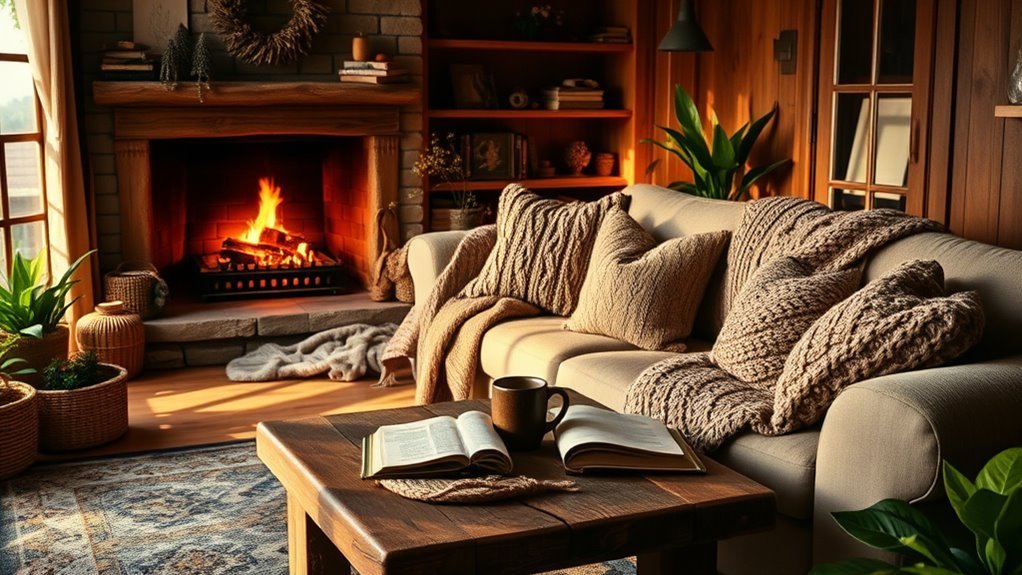
Creating a hygge living room is about more than making a space look cozy. Hygge, often pronounced “hoo-gah,” is a Danish idea centered on warmth, ease, simple pleasures, and relaxed time with yourself or the people you care about. In a living room, that feeling comes from soft light, comfortable seating, natural textures, meaningful décor, and a layout that makes it easy to slow down.
Quick Answer
A hygge living room feels warm, calm, and welcoming. Use soft layered lighting, cozy blankets, natural materials, a soothing color palette, personal décor, and comfortable seating arranged for conversation or quiet rest. Keep the space simple, safe, and uncluttered so it supports relaxation rather than visual noise.
Key Takeaways
- Start with warm, layered lighting instead of one harsh overhead fixture.
- Layer soft textiles, but keep the room uncluttered and easy to use.
- Choose natural materials such as wood, wool, cotton, linen, stone, ceramic, and plants.
- Create a small hygge nook for reading, coffee, conversation, or screen-free rest.
- Use personal items sparingly so the room feels meaningful, not crowded.
At a Glance
| Time Required | 1 weekend for a simple refresh; 2–4 weeks if buying furniture, lighting, or rugs |
| Difficulty | Easy to moderate |
| Tools Needed | Measuring tape, lamp bulbs, baskets, throw blankets, pillows, rug pad, basic cleaning supplies |
| Cost | $0–$150 for rearranging and accessories; $300+ if adding a rug, lamps, or seating |
Understanding Hygge: The Key to a Cozy Living Room
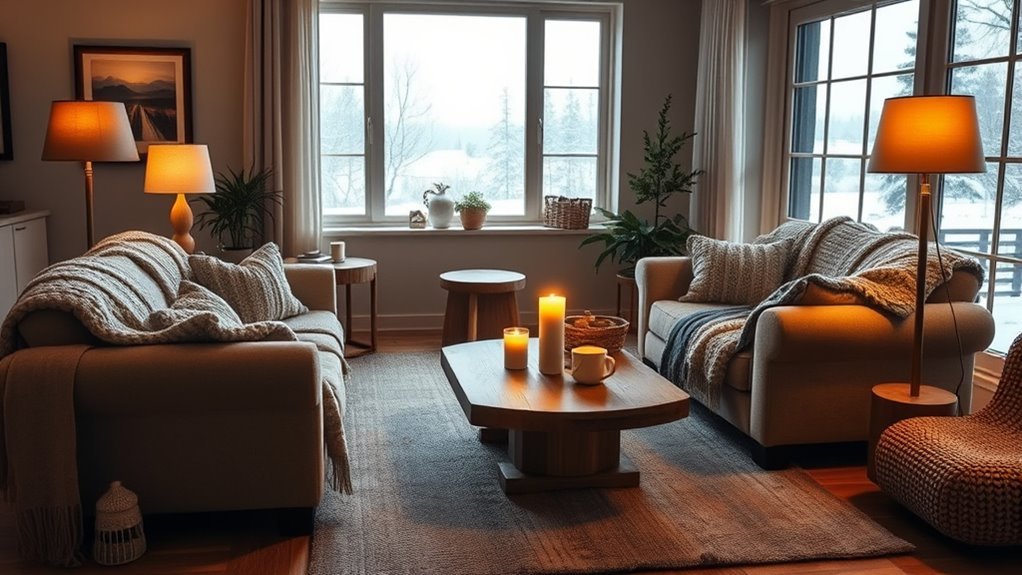
According to Denmark.dk, hygge is about stepping away from the daily rush to relax and enjoy life’s quieter pleasures, either alone or with people you care about. That makes the living room one of the easiest places to practice it: it is where you read, talk, rest, share snacks, watch a film, or sip coffee on a slow morning.
A hygge living room should feel safe, warm, and unforced. Instead of decorating every surface, focus on comfort you can actually use: a lamp beside the sofa, a blanket within reach, a side table for a mug, a soft rug underfoot, and enough open space to breathe.
Hygge is not a shopping list. It is the feeling your living room creates when light, comfort, simplicity, and connection work together.
Key Elements to Achieve Hygge in Your Living Room
A hygge-inspired living room works best when every choice supports ease. Use these core elements as your foundation:
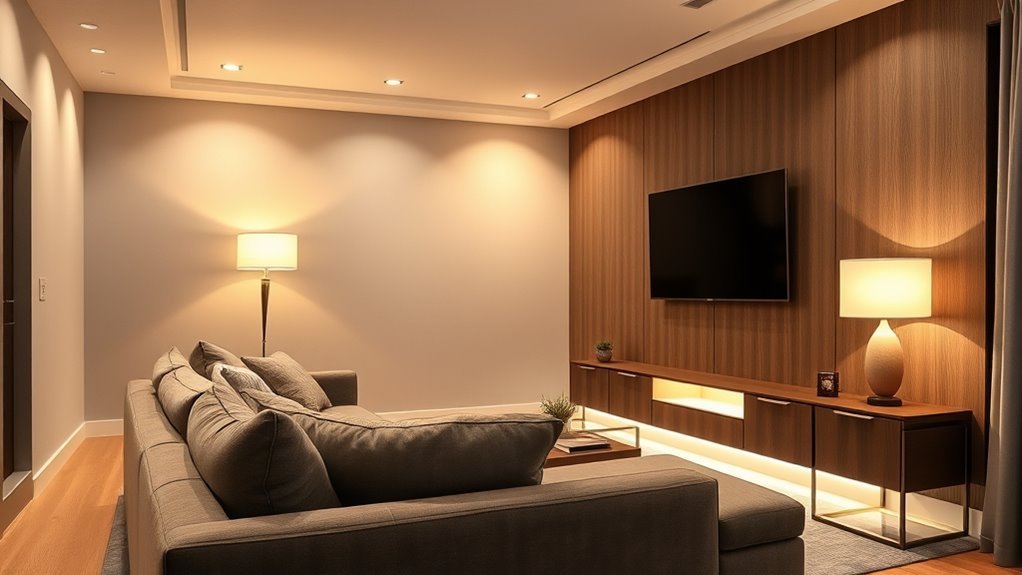
- Warm lighting: Choose lamps, sconces, dimmers, and warm LED bulbs instead of relying only on bright overhead light.
- Soft textures: Add throw blankets, cushions, rugs, curtains, and upholstery that feel pleasant to touch.
- Natural materials: Bring in wood, wool, cotton, linen, stone, ceramic, rattan, or handmade pieces.
- A calm palette: Start with warm whites, creams, taupe, soft gray, oatmeal, clay, muted green, or gentle brown.
- Personal meaning: Display a few items with a story, such as a family photo, travel keepsake, inherited quilt, favorite book, or handmade bowl.
- Social ease: Arrange seating so conversation feels natural and no one has to shout across the room.
Note: Hygge does not require a large budget. Start by decluttering, moving a lamp, folding a favorite blanket over the sofa, and creating one comfortable corner you will actually use.
Recommended Products

【Charming Design】: Features a 3D cartoon-style Cloud or Teddy Bear that adds a playful and decorative touch to any room.

Creating Cozy Atmospheres With Lighting and Textiles
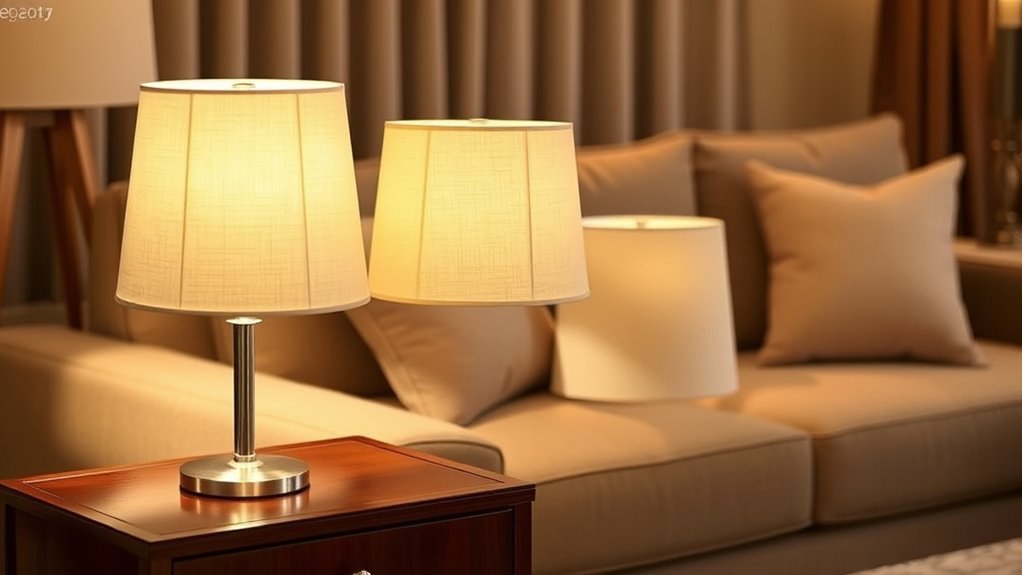
Lighting is one of the fastest ways to change the mood of a living room. The U.S. Department of Energy explains that lower color temperatures, such as 2700–3000K, are considered warm, while higher Kelvin temperatures feel cooler and more task-oriented. For a hygge living room, use warm light for general comfort and brighter task lighting only where you need it, such as beside a reading chair.
Try layering three types of light:
- Ambient light: A ceiling fixture, shaded lamp, or wall sconce for gentle overall glow.
- Task light: A focused lamp near a reading chair, desk, or knitting basket.
- Accent light: A small lamp, picture light, string lights, or candles to create depth and softness.
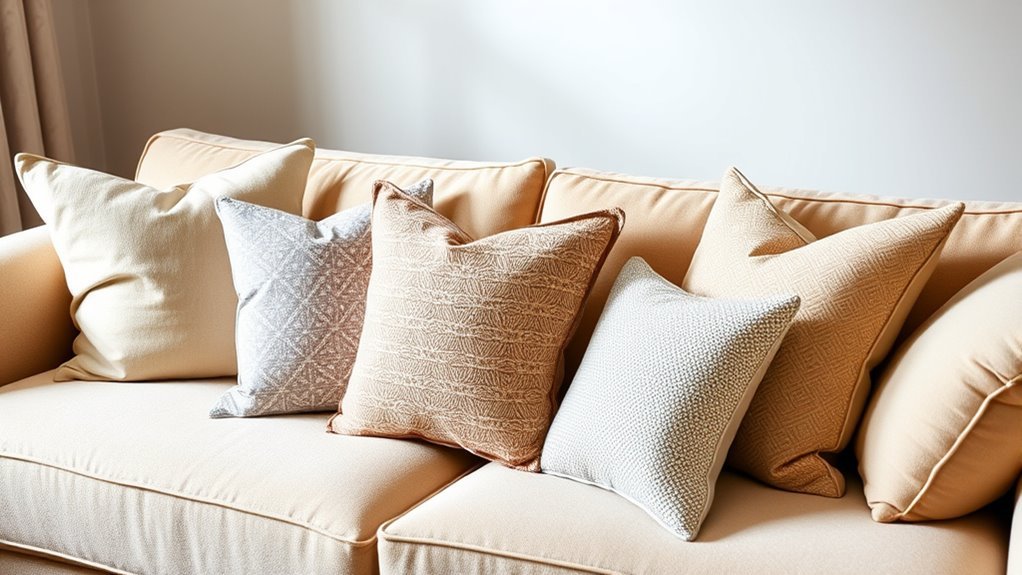
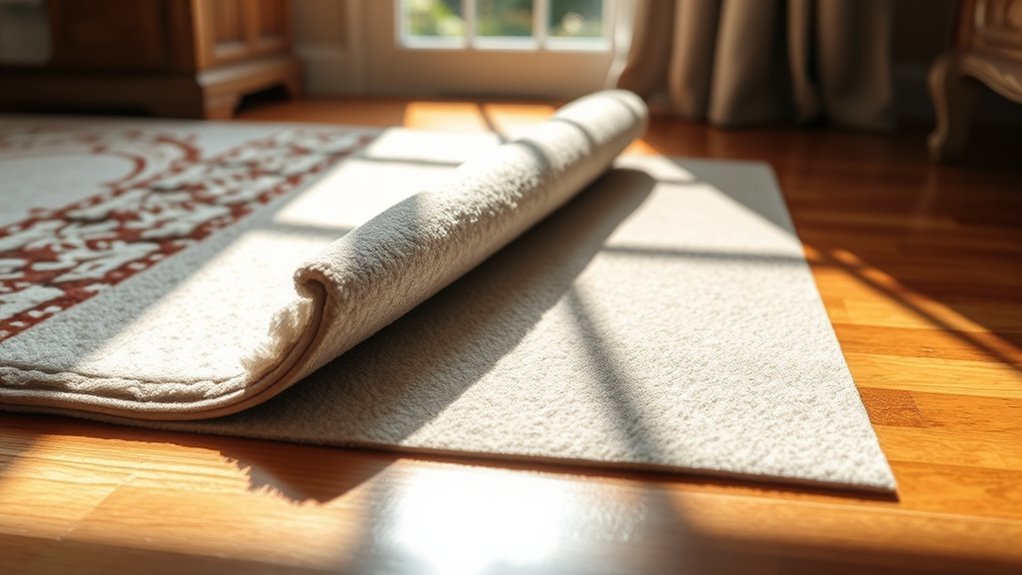
Textiles complete the atmosphere. Add one soft rug to anchor the seating area, two or three pillows in different textures, and a throw blanket that is easy to wash and comfortable enough for daily use. Mix textures instead of patterns: chunky knit, linen, velvet, boucle, cotton, wool, or faux sheepskin can all work if the palette stays calm.
Warning: Candles can create a beautiful hygge glow, but never leave burning candles unattended, place them near curtains, or use them where pets or children can knock them over. Flameless LED candles are a safer option for everyday use.
Recommended Products

LED Floor Lamp for Living Rooms: This standing lamp is equipped with high - quality LED lamp beads that reach a brightness level of 1050 lumens. The light power is 14.5W while the light is strong enough for reading and illuminating the entire room.

Bright RGB+IC Ambient Lighting – No Dark Corners:This tall lamp fills your room with rich, dynamic color using advanced RGB+IC technology. 16 million colors create a sunset lamp glow or cinema-like immersion, delivering vibrant floor-to-ceiling radiance without a single dull spot.
Incorporating Natural Elements for a Hygge Vibe
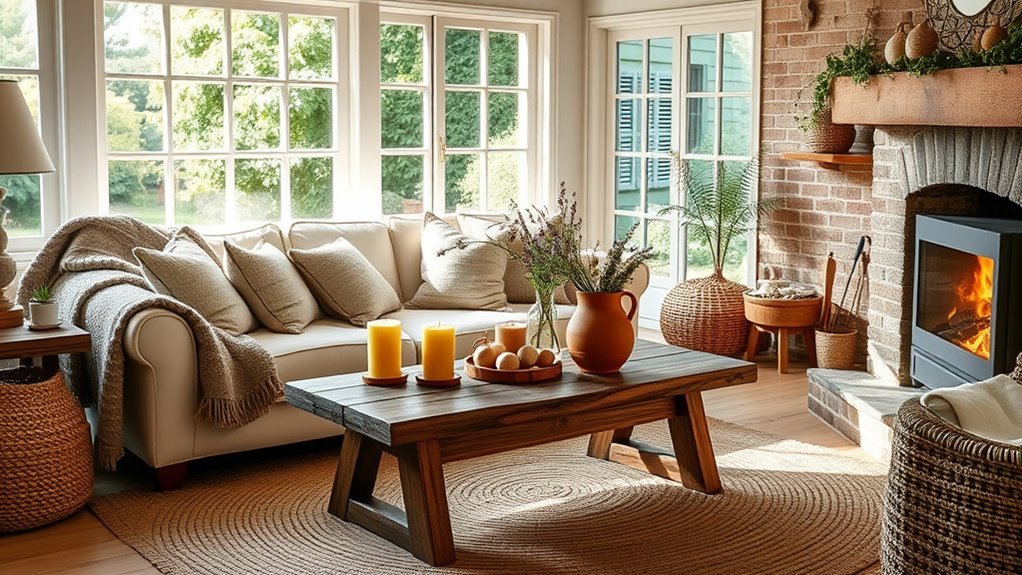
Natural elements help a hygge living room feel grounded instead of overly styled. Use a wooden coffee table, woven basket, linen curtains, ceramic lamp, stone tray, wool rug, or cotton throw to add quiet texture. These pieces do not need to match perfectly. In fact, hygge often feels better when the room looks collected over time.
Indoor plants can also soften the room and bring in a gentle connection to nature. Research on indoor plants and human wellbeing is still mixed, but a 2022 systematic review found that many studies reported positive effects across some physiological and cognitive measures, while the strongest synthesized results were more limited. In practical terms, use plants because they make the room feel alive, calm, and cared for, not because they are a cure-all.
Good low-maintenance choices for a cozy living room include pothos, snake plant, ZZ plant, rubber plant, parlor palm, and philodendron. Choose pet-safe plants if you have animals, and match the plant to your light conditions before buying.
How to Design a Hygge Living Room Step by Step
Recommended Products

【Charming Design】: Features a 3D cartoon-style Cloud or Teddy Bear that adds a playful and decorative touch to any room.


Step 1: Clear Visual Clutter First
Before buying anything, remove what makes the room feel busy. Clear the coffee table, thin out extra pillows, hide loose cords, recycle old magazines, and store remote controls in a tray or basket. Hygge does not mean empty or minimal in a cold way; it means each visible item should help the room feel calmer, warmer, or more personal.
Step 2: Create a Comfortable Seating Zone
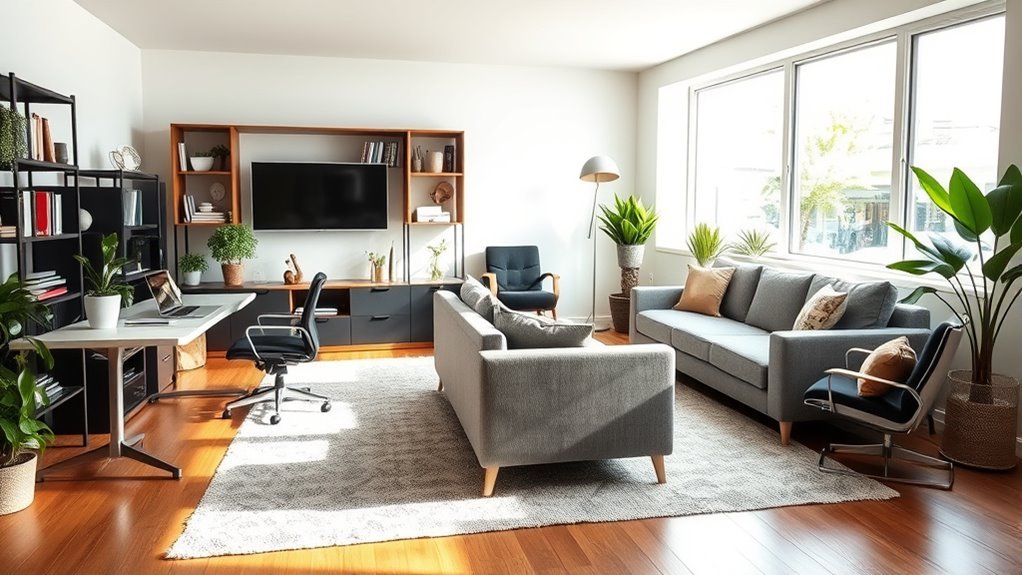
Arrange your sofa and chairs so people can talk without twisting their bodies. If the room is small, pull seating slightly inward and use a rug to define the conversation area. Add a side table within reach of every main seat so mugs, books, and lamps have a natural place to land.
Step 3: Build a Hygge Nook
A hygge nook can be as simple as a chair, soft throw, small table, lamp, and basket of books. Place it near a window if you love daylight, or in a quiet corner if you prefer privacy. This small zone gives the room a purpose beyond decoration: it becomes a place to pause.
Pro Tip: Use the “one reach” rule. From your favorite seat, you should be able to reach a lamp switch, blanket, drink surface, and book or remote without getting up.
Step 4: Layer Comfort With Restraint
Layering is essential, but too much can make the room feel crowded. A good starting formula is one large rug, one throw per main seat, two to five pillows depending on sofa size, and one basket for extras. If the sofa looks like it cannot be sat on without moving ten things, simplify.
Step 5: Add Meaningful Decor
Choose décor that sparks memory, comfort, or beauty. A framed family photo, a favorite landscape print, a hand-thrown mug, a stack of well-loved books, or a small bowl from a trip will feel more hygge than generic filler. Leave some negative space so each object can breathe.
Social Connections: Enhancing Your Hygge Experience
Hygge often grows through low-pressure connection. The CDC notes that social connections are important to mental and physical health and can help people manage stress, anxiety, and depression. In the living room, that does not mean hosting formal parties. It can mean tea with a friend, a board game night, a shared dessert, or a quiet evening where everyone feels welcome to relax.
Make gatherings easier by keeping a few simple comforts ready: extra blankets, coasters, a warm lamp, a clear coffee table, a basket for shoes, and snacks that do not require you to stay in the kitchen. If physical affection is part of your home culture, keep it safe and welcomed. A hug can feel comforting for some people, but hygge should never depend on touch that someone does not want.
How to Keep the Hygge Vibe Going All Year
Hygge is often associated with winter, but it does not belong to one season. The goal is to adjust the room so it always supports comfort, presence, and simple pleasure.
Seasonal Decor Changes
In fall, bring in wool throws, amber glass, dried grasses, cinnamon tones, and deeper neutrals. In winter, use heavier blankets, warm LED candles, soft lamps, and a basket of books or puzzles. In spring, lighten the room with linen pillow covers, fresh flowers, and more open surfaces. In summer, keep the palette airy with cotton throws, woven trays, leafy plants, and windows open when weather allows.
Year-Round Cozy Activities
Keep the hygge feeling alive through small rituals. Try Sunday morning coffee in your favorite chair, a weekly phone-free reading hour, a casual soup night, summer lemonade on the sofa after sunset, or a movie evening with blankets and popcorn. The activity does not need to be elaborate. It only needs to invite you to slow down.
Hygge Living Room Ideas for Small Spaces
A small living room can feel especially hygge because it already has a sense of closeness. The key is to make it cozy without making it cramped.
- Use fewer, better pieces: Choose one comfortable sofa or loveseat instead of too many chairs.
- Float furniture when possible: Even a few inches of space behind a sofa can make the layout feel more intentional.
- Add hidden storage: Use baskets, storage ottomans, lidded boxes, or a coffee table with drawers.
- Go vertical: Wall shelves, sconces, and tall curtains can free up floor space.
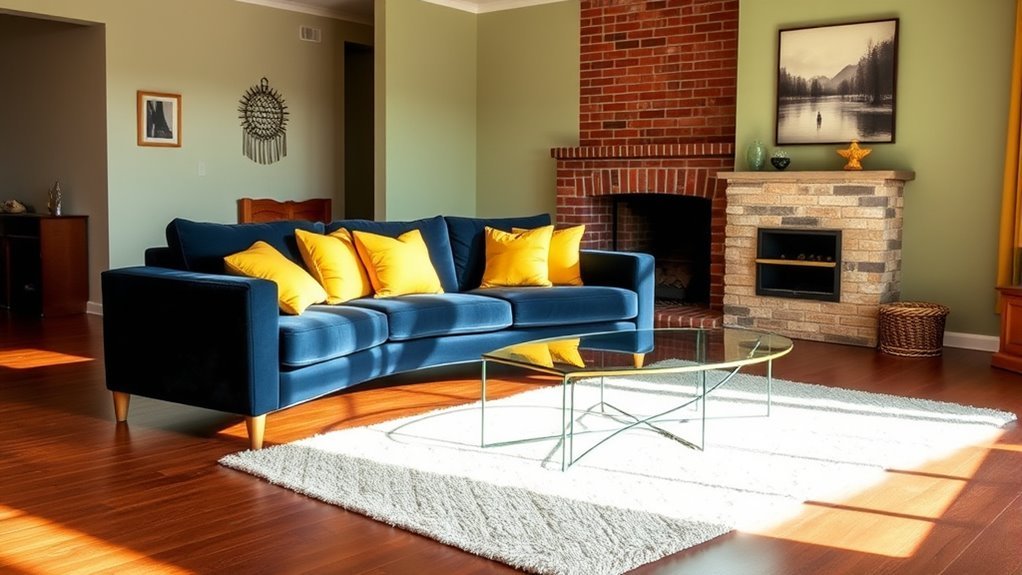
- Choose soft contrast: Warm neutrals with one deeper accent color feel cozy without closing in the room.
- Use mirrors carefully: A mirror opposite a window can reflect light and make the space feel brighter.
Common Hygge Living Room Mistakes to Avoid
- Using only overhead lighting: One bright ceiling light can flatten the room and make it feel harsh.
- Buying too many themed items: Hygge is a feeling, not a shelf full of signs that say “cozy.”
- Overloading the sofa: Pillows and blankets should support comfort, not block seating.
- Ignoring scent sensitivity: Strong candles or diffusers can overwhelm guests. Keep fragrance light or optional.
- Forgetting function: A beautiful room is not hygge if there is nowhere to set a mug or turn on a lamp.
- Letting clutter build up: Too many visible objects can make the room feel restless instead of restful.
Designing Your Ideal Hygge Living Room Space
Your ideal hygge living room should match the way you actually live. A family room might need washable covers, toy baskets, sturdy tables, and flexible seating. A quiet apartment might need one reading chair, a soft rug, and a lamp with a dimmer. A home built for hosting might need a larger coffee table, poufs, and seating that faces inward.
Cozy Textures and Materials
Cozy textures and materials are the heart of a hygge-inspired living room. Think of the room in layers: a soft rug underfoot, a supportive sofa, a warm throw, breathable curtains, and natural accents that invite touch. Wool, cotton, linen, wood, clay, stone, rattan, and ceramic all add warmth without feeling fussy.
Choose textures that suit your routine. If you have pets or children, skip delicate fabrics and choose washable cotton, performance linen, flatweave rugs, and baskets that can handle daily use. If the room is mostly for adults, you might add velvet, boucle, or a thicker wool rug for extra softness.
Warm Lighting Solutions
For the most welcoming glow, use warm bulbs, shaded lamps, and dimmers where possible. Brightness is measured in lumens, not watts, so look for the amount of light you need and then choose efficient bulbs that use less energy. ENERGY STAR explains that light output is measured in lumens, and the U.S. Department of Energy notes that LEDs use far less energy than traditional incandescent bulbs.
A simple hygge lighting plan might include a warm floor lamp near the sofa, a small table lamp beside a chair, and dimmable accent lighting on a shelf. If you love the look of candles, mix real candles for supervised moments with flameless LED candles for everyday glow.
Meaningful Decor Elements
Meaningful décor gives the room soul. Instead of filling every corner, choose a few items that create warmth, memory, or usefulness.
| Element | Purpose | Emotional Impact |
|---|---|---|
| Cozy Blankets | Add warmth and tactile comfort | Ease, softness, and a sense of shelter |
| Soft Textures | Make seating and floors more inviting | Relaxation and physical comfort |
| Indoor Plants | Bring in natural color and life | Freshness, calm, and a cared-for feeling |
| Personal Items | Add memory and story | Belonging, nostalgia, and joy |
| Warm Lighting | Create glow and depth | Calm, intimacy, and evening comfort |
Frequently Asked Questions
What exactly is hygge?
Hygge is a Danish concept centered on comfort, warmth, simple pleasures, and relaxed togetherness. In a living room, hygge means creating a space where you can slow down, feel at ease, and enjoy quiet moments alone or with people you care about.
What is the difference between hygge and cozy?
Cozy usually describes physical comfort, such as a soft blanket or warm room. Hygge includes coziness, but it also includes mood, presence, gratitude, simplicity, and connection. A cozy room can look nice; a hygge room should help you feel calm, welcome, and unhurried.
How do Danes pronounce hygge?
Hygge is commonly pronounced “hoo-gah” or “hooga” in English guides. The sound is soft and rounded, which suits the meaning: comfort, warmth, and the pleasure of slowing down.
What are the ten rules of hygge?
The ten hygge principles often shared in hygge guides are atmosphere, presence, pleasure, equality, gratitude, harmony, comfort, truce, togetherness, and shelter. For a living room, that means warm light, simple comfort, no pressure to impress, and a space where people can relax as they are.
Can a modern living room still feel hygge?
Yes. A modern living room can feel hygge if it has warmth, texture, soft lighting, comfortable seating, and personal details. Keep clean lines if you love them, but soften the room with natural materials, warm bulbs, textiles, plants, and a layout that supports rest.
What colors are best for a hygge living room?
Warm neutrals work best for most hygge living rooms: cream, ivory, oatmeal, taupe, soft gray, warm beige, clay, muted green, and gentle brown. You can add deeper colors such as rust, charcoal, forest green, or navy in small accents for depth.
Conclusion
Embracing hygge in your living room is like wrapping the whole space in a soft, steady sense of ease. Start with warm lighting, then layer in cozy textiles, natural materials, meaningful décor, and seating that invites real rest or relaxed conversation. The best hygge living room is not the most perfect one. It is the room that makes everyday moments feel calmer, warmer, and more connected.
Sources
- Denmark.dk — What do we mean by “hygge”? — supports the definition, pronunciation, and cultural context of hygge.
- U.S. Department of Energy — Lighting Principles and Terms — supports warm color temperature and lighting terminology.
- ENERGY STAR — Learn About Brightness — supports lumens-based bulb selection.
- U.S. Department of Energy — Lighting Choices to Save You Money — supports LED energy-efficiency guidance.
- CDC — Social Connection — supports the importance of supportive social connection for health and stress management.
- International Journal of Environmental Research and Public Health — Effects of Indoor Plants on Human Functions — supports cautious, research-based wording around indoor plants and wellbeing.