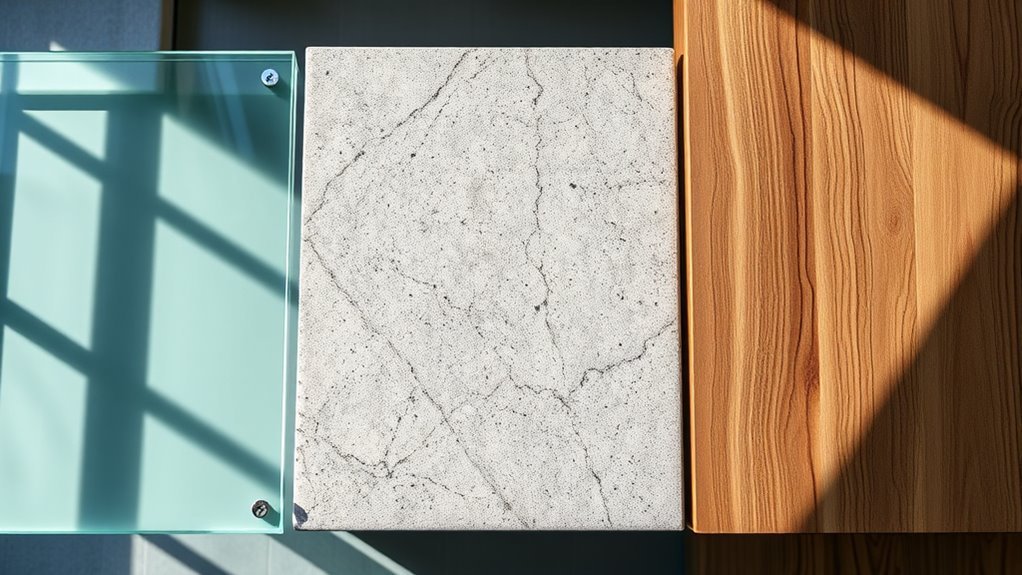
Choosing between glass, stone, and wood tabletops comes down to how you live with your table every day. Glass feels light and modern, stone brings strength and polish, and wood adds warmth that ages with character. The best choice is not the most expensive material; it is the surface that fits your cleaning habits, household traffic, room style, and long-term expectations.
Quick Answer
Glass is best for small or modern rooms, stone is best for a durable statement surface, and wood is best for warmth, repairability, and timeless character. For the lowest maintenance, consider granite, quartzite, or porcelain/sintered stone; for the easiest refinishing over time, solid wood is hard to beat.
Key Takeaways
- Glass makes a room feel open and bright, but it shows fingerprints, dust, and smudges quickly.
- Stone offers excellent durability, but marble can etch, many stones need careful cleaning, and heavy slabs need proper support.
- Wood brings the most warmth and can often be repaired or refinished, but it needs protection from moisture, heat, and sharp objects.
- No tabletop is completely maintenance-free. Use coasters, placemats, trivets, and the cleaner recommended for the exact material and finish.
Key Considerations for Choosing the Right Material
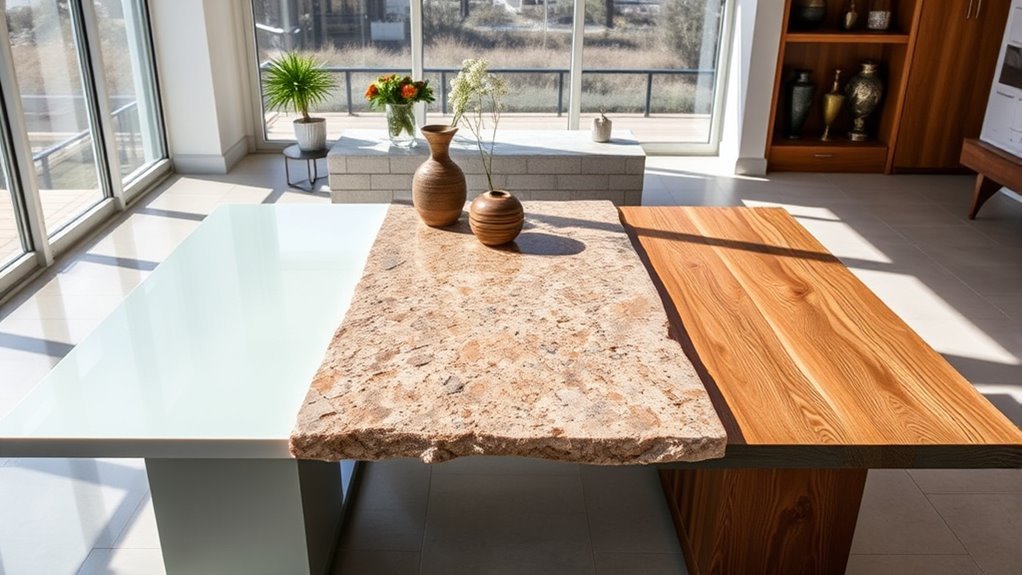
Before comparing glass, stone, and wood tabletops, think about four practical questions: how often the table is used, who uses it, how much cleaning you are willing to do, and whether the table needs to move or stay in one place. A formal dining table used on weekends can handle a more delicate surface than a breakfast table used by children, pets, laptops, school projects, and hot dishes.
| Priority | Best Match | Why It Works |
|---|---|---|
| Small room or open visual flow | Glass | Transparent surfaces keep the room feeling lighter and less crowded. |
| High durability and a premium look | Granite, quartzite, porcelain, or sintered stone | These surfaces are generally strong choices for busy homes, though installation and edge protection still matter. |
| Warmth, character, and repairability | Solid wood | Wood can develop a patina and can often be sanded, refinished, or repaired. |
| Lowest daily cleaning effort | Porcelain/sintered stone or sealed granite | These tend to hide smudges better than glass and need less finish care than wood. |
Comparing the Benefits of Glass, Stone, and Wood Tabletops
Each material has a clear personality. Glass is visually light, stone feels substantial and refined, and wood creates a softer, more natural atmosphere. The right choice depends on where the table sits and how it will be used.
Recommended Products

[Stone Grey Frame]: Suitable for 5x7" photo. 2.2 thickness vertical frame for stably placed.
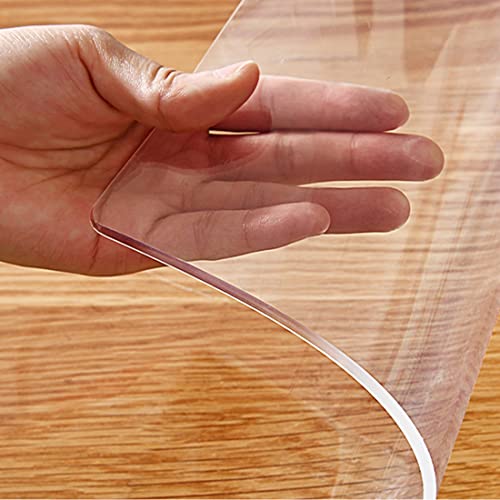
A.Application & Bpa-free Pvc table pad,furniture top protector,clear plastic vinyl tablecloth cover , use as table runner or placemats top cover mat. To better protect your table, desk, tablecloth and furniture tops against scratches, scuffs, stains, spillage etc. Great for dining table, wooden table, glass, marble, stainless steel top, office desk, writing desktops, coffee & end table, Tv bench, dresser and chest table, night stand, countertop, office chair mat, hard floor

[Stone Brown Frame]: Suitable for 4x6" photo. 2.2 thickness vertical frame for stably placed.
Durability And Maintenance Needs
Durability is not just about whether a surface is hard. It also includes how it handles impact, moisture, heat, stains, scratches, and everyday cleaning.
- Glass tabletops resist stains and are easy to wipe, but they show fingerprints and can scratch or chip at the edges.
- Natural stone tabletops can be very durable, but marble and limestone are more vulnerable to acid etching than granite or quartzite.
- Porcelain and sintered stone tabletops are engineered mineral surfaces, not engineered wood. They are popular for low-maintenance performance, but edges can still chip from hard impact.
- Wood tabletops can last for decades, especially when solid wood is protected from standing water, direct heat, and deep scratches.
Warning: Do not cut, grind, drill, or polish stone slabs as a DIY project. Natural and engineered stone fabrication can release respirable crystalline silica dust. Hire a qualified fabricator who uses proper dust controls, wet methods, ventilation, and protective equipment.
Aesthetic Appeal And Style
Choosing the right tabletop material also affects how the whole room feels. Glass visually disappears, stone becomes a focal point, and wood adds texture and warmth.
| Material | Aesthetic Appeal | Best Style Fit |
|---|---|---|
| Glass | Airy, clean, reflective | Modern, minimalist, compact rooms |
| Marble | Luxurious, veined, elegant | Formal dining, classic interiors, statement pieces |
| Granite or quartzite | Natural, strong, varied | Busy kitchens, dining areas, transitional homes |
| Wood | Warm, textured, characterful | Rustic, Scandinavian, farmhouse, traditional, organic modern |
What Are the Unique Features of Glass Tabletops?
Glass tabletops are popular when you want the table base, chairs, rug, or flooring to stay visible. They can make a dining area feel larger, but they require more frequent wiping than most opaque surfaces.
Recommended Products

PROFESSIONAL GRADE: Our 24" inch diameter round glass tabletop is constructed of premium quality, fully inspected tempered glass that is designed to be shatter resistant and durable. Produly designed, assembled, and inspected in the USA.

Ideal Size: with a generous size of 16 x 24 inches, and a thickness of 3/8 inch, this tempered glass table top offers ample space for multiple uses; Whether applied for dining, workspace or decorative purposes, it provides room for your items without compromising style; This large size maximizes your table functionality and enhances the aesthetic qualities of your room

ULTIMATE DESK PROTECTION: This crystal-clear desk protector shields your surface from scratches, spills, and everyday wear and tear. Perfect for wood, glass, or any desk type.
Elegant Aesthetic Appeal
Glass has a clean, reflective quality that works especially well in smaller rooms. A clear glass top lets light pass through and keeps the visual weight low. Frosted or tinted glass gives a softer look while still feeling more open than a heavy stone or dark wood top.
- Works well with sculptural metal, wood, or stone table bases.
- Fits modern, contemporary, industrial, and minimalist interiors.
- Helps a small dining nook feel less crowded.
- Can highlight a rug or flooring underneath the table.
Easy Maintenance Requirements
Glass does not absorb spills, so cleanup is simple. The tradeoff is visibility: fingerprints, dust, water spots, and streaks show faster on glass than on wood or textured stone. A microfiber cloth and a non-abrasive glass cleaner usually keep the surface clear.
Note: For dining or coffee tables, ask whether the glass is tempered and whether the edge is polished or beveled. Tempered glass is designed for safer breakage than ordinary annealed glass, but chipped edges and hard impacts can still be a problem.
Versatile Design Options
Glass tabletops come in clear, frosted, tinted, textured, round, oval, square, and rectangular options. They are also useful when you want to protect a wood tabletop while still showing the grain below. For family homes, thicker tempered glass with rounded or polished edges is usually more practical than thin glass with sharp corners.
The Benefits of Stone Tabletops
Stone tabletops bring weight, permanence, and natural variation. Marble, granite, quartzite, soapstone, slate, porcelain, and sintered stone all behave differently, so the exact stone matters more than the broad category. The Natural Stone Institute recommends neutral cleaners, prompt spill cleanup, and appropriate protection such as coasters and trivets for natural stone.
| Stone Type | Strengths | Watchouts |
|---|---|---|
| Marble | Elegant veining, cool surface, luxury look | Can etch from acidic spills such as lemon, vinegar, or wine; may need sealing. |
| Granite | Strong, varied, generally good for busy use | Porosity varies; some slabs need sealing; very heavy. |
| Quartzite | Hard, natural, often highly durable | Must be properly identified; can be costly and heavy. |
| Porcelain or sintered stone | Low maintenance, stain-resistant, modern designs | Edges can chip; professional fabrication is important. |
Stone is an excellent choice when you want a tabletop that feels substantial and polished. It is less ideal if you need a lightweight table, plan to move often, or have a base that cannot support the slab weight.
Recommended Products

Premium Sintered Stone Tabletop: The modern dining table boasts a sintered stone tabletop, which is known for its heat-resistant and easy-to-clean properties. Unlike traditional materials, sintered stone can withstand daily scratches for extended lifespan.

Modern Statement Piece – Bold faux marble design with veining adds luxury to any dining space.

Modern Minimalist Aesthetic - Natural looking marble pattern finish keep it looking stylish and elegant in most types of interiors,can be paired well with a variety of dining chair styles,Marble Dining Table blends elegant marble top and minimalist style to produce an eye-pleasing place to dine,Whether you're decking out a dining room or creating a cosy eat-in kitchen, or coffee shop,this compact dining table is an ideal option for you
Why Wood Tabletops Remain a Popular Choice
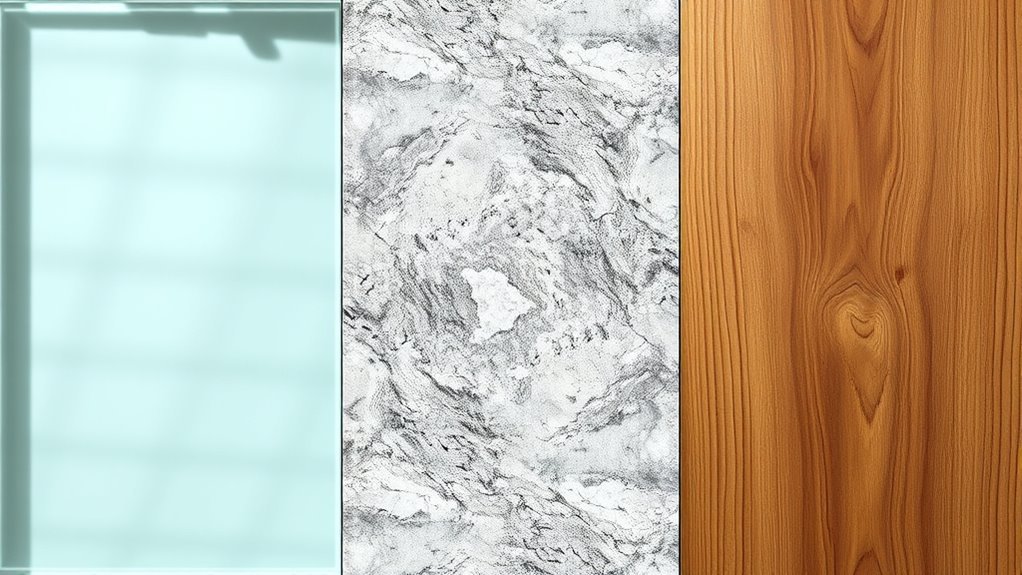
Wood tabletops remain popular because they feel inviting. A wood table can look casual, refined, rustic, or modern depending on the species, stain, edge profile, and base. Oak, walnut, ash, maple, teak, and acacia all bring different grain patterns and tones.
- Aesthetics: Wood adds warmth and natural movement that synthetic surfaces often try to imitate.
- Repairability: Solid wood can often be sanded and refinished, unlike many thin veneers or printed surfaces.
- Comfort: Wood feels warmer and quieter than glass or stone.
- Longevity: A well-built solid wood table can last for generations with sensible care.
Wood’s main weakness is moisture movement. The USDA Forest Products Laboratory explains that wood exchanges moisture with surrounding air, which affects performance. In daily use, that means spills should be wiped quickly, hot dishes should sit on trivets, and indoor humidity should stay reasonably stable.
Pro Tip: Match the care routine to the finish. Oiled wood, waxed wood, lacquered wood, varnished wood, and polyurethane-coated wood do not all need the same products. When in doubt, use a soft damp cloth, dry immediately, and avoid harsh cleaners.
Comparing Durability: Glass vs. Stone vs. Wood
Durability depends on the type, thickness, finish, edge detail, and support structure. A thick tempered glass top can outperform a thin, poorly supported stone slab in some situations, while a solid wood top may be the easiest to restore after years of use.
| Material | Durability Level | Main Vulnerabilities | Repair Potential |
|---|---|---|---|
| Glass | Moderate to high, depending on thickness and tempering | Fingerprints, scratches, chips, breakage from hard impact | Low; deep scratches or chips usually need professional help or replacement. |
| Stone | High, especially granite, quartzite, porcelain, and sintered stone | Etching, staining, chipping, heavy weight, sealing needs for some stones | Moderate; chips, stains, and etching may require a stone professional. |
| Wood | High when solid and well finished | Water rings, dents, scratches, heat marks, humidity movement | High for solid wood; lower for thin veneer or laminate-style tops. |
Which Material Needs the Most Care?
Solid wood and marble usually need the most thoughtful care, but for different reasons. Wood reacts to moisture and can dent or scratch. Marble can stain and etch, especially when acidic spills are left on the surface. Glass is easy to sanitize but needs frequent cosmetic cleaning because smudges are highly visible.
For the lowest daily maintenance, look at porcelain, sintered stone, quartzite, or a dense sealed granite. For the easiest long-term restoration, choose solid wood. For the lightest visual look, choose glass and accept the extra wiping.
How to Match Tabletops With Your Home Decor
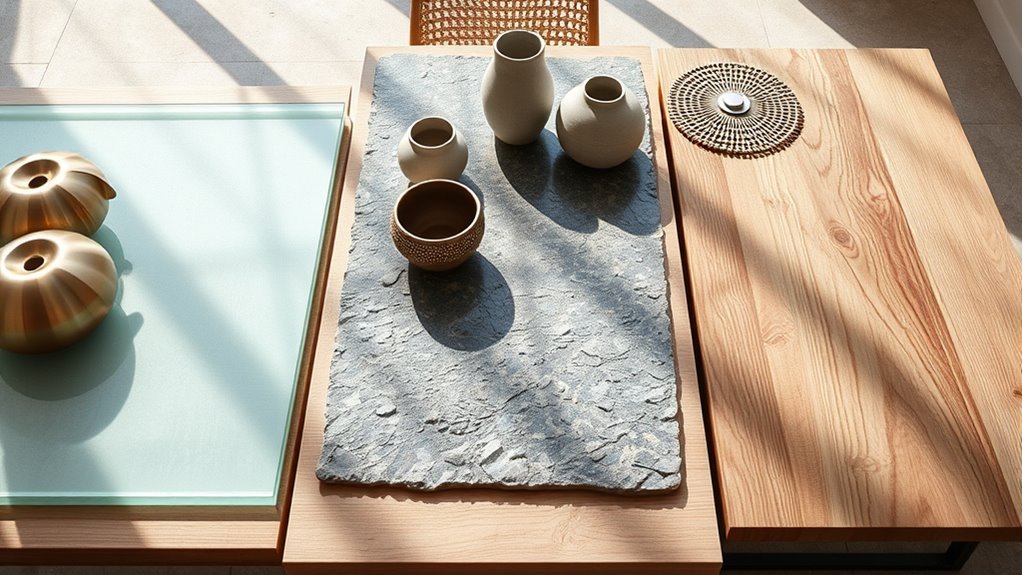
The tabletop should feel connected to the rest of the room. A heavy marble top may look out of place in a very casual breakfast nook, while a rustic plank table may soften a sleek modern space in the right setting. Balance the tabletop with the chairs, lighting, flooring, and table base.
| Decor Style | Best Tabletop Choice | Design Tip |
|---|---|---|
| Modern minimalist | Glass, porcelain, or pale stone | Keep the base simple and let negative space do the work. |
| Rustic or farmhouse | Oak, pine, walnut, or reclaimed wood | Choose visible grain and a finish that can handle everyday use. |
| Classic or formal | Marble, dark wood, or polished stone | Pair with upholstered chairs, warm lighting, and a substantial base. |
| Organic modern | Wood, travertine-look porcelain, or honed stone | Use matte finishes and natural textures for a softer look. |
Budget, Weight, and Installation Factors
Looks matter, but the practical details often decide whether a tabletop works long-term.
- Weight: Stone is the heaviest option and may require a stronger base, careful delivery, and professional installation.
- Cost: Glass and wood vary widely by size and quality. Natural stone, porcelain, and sintered stone can become expensive because of fabrication and transport.
- Edges: Rounded, beveled, or eased edges are usually more forgiving than sharp corners, especially for glass and stone.
- Base support: A heavy or brittle top needs even support. Do not place a large stone or glass top on a weak or unstable base.
- Moving: Renters and frequent movers may prefer wood or smaller glass tops over heavy stone slabs.
Cleaning and Protection Tips by Material
The safest care routine is the one recommended by the manufacturer or fabricator, but these general habits help most tabletops last longer.
- Glass: Use a microfiber cloth and non-abrasive glass cleaner. Avoid dragging ceramic, metal, or gritty objects across the surface.
- Marble and limestone: Use pH-neutral cleaner. Avoid vinegar, lemon, acidic sprays, abrasive powders, and harsh scrubbing pads.
- Granite and quartzite: Wipe spills promptly, use mild soap or stone cleaner, and ask the supplier whether sealing is needed.
- Porcelain and sintered stone: Clean with mild soap and water unless the maker recommends otherwise. Protect edges from hard knocks.
- Wood: Dust regularly, wipe spills quickly, use coasters and trivets, and refresh the finish only with products suited to that finish.
Making Your Final Decision: Choosing the Right Tabletop for You
Choose the tabletop that matches your real routine, not just your dream room photo. A beautiful surface can become frustrating if it fights your habits every day.
- Choose glass if you want a bright, modern, space-saving look and do not mind frequent wiping.
- Choose marble if you love natural veining and are comfortable with patina, sealing, and careful cleaning.
- Choose granite or quartzite if you want a natural stone look with stronger everyday durability.
- Choose porcelain or sintered stone if you want a sleek, low-maintenance surface and are willing to invest in professional fabrication.
- Choose solid wood if you want warmth, repairability, and a table that can age beautifully with use.
Frequently Asked Questions
Which is better, a glass or wood dining table?
Choose glass if you want a lighter, more modern look and easy spill cleanup. Choose wood if you want warmth, less visible smudging, and better long-term repairability. For family dining, solid wood is usually more forgiving; for small apartments, glass can make the room feel larger.
Which material is best for a tabletop?
The best tabletop material depends on your priorities. Glass is best for visual openness, stone is best for a durable statement surface, porcelain or sintered stone is best for low-maintenance performance, and solid wood is best for warmth and repairability.
What is the most durable surface for a dining table?
Granite, quartzite, porcelain, and sintered stone are among the strongest low-maintenance choices for dining tables. Solid wood is also durable, especially because it can often be repaired or refinished. Marble is beautiful but less forgiving because it can etch from acidic spills.
Is it a good idea to put a glass top on a wood table?
Yes, a glass top can protect a wood table from spills, scratches, and heat marks while still showing the grain. Use felt, rubber, or clear protective pads between the glass and wood so trapped grit does not scratch the finish and air can circulate.
Is marble a practical tabletop material?
Marble is practical for people who love its look and accept natural patina. It is not the easiest choice for heavy everyday use because acidic foods and drinks can etch the surface. Coasters, placemats, pH-neutral cleaners, and prompt spill cleanup are essential.
What tabletop material is easiest to maintain?
Porcelain, sintered stone, and sealed granite are usually among the easiest tabletop materials to maintain. Glass is easy to clean but shows smudges quickly. Wood is easy to live with when protected, but it needs more care around moisture and heat.
Conclusion
The right tabletop material should support the way you live. Glass is sleek and space-enhancing, stone is durable and refined, and wood is warm, repairable, and timeless. For a busy household, prioritize low-maintenance stone, porcelain, sintered stone, or a well-finished solid wood table. For a formal dining room, marble, glass, or richly grained wood can make a stronger design statement. Whatever you choose, protect the surface with coasters, trivets, and the right cleaner so your table stays beautiful for years.
Sources
- Natural Stone Institute — Care & Cleaning of Natural Stone — supports stone cleaning, acidic-spill cautions, trivets, and sealing limitations.
- USDA Forest Products Laboratory — Wood Handbook, Chapter 3 — supports wood moisture movement, shrinkage, and performance considerations.
- eCFR — 16 CFR Part 1201, Safety Standard for Architectural Glazing Materials — provides safety-glazing context for broken-glass risk in architectural products.
- OSHA/NIOSH Hazard Alert — Worker Exposure to Silica during Countertop Manufacturing, Finishing, and Installation — supports the safety warning about cutting, grinding, and installing stone surfaces.