How to Control Humidity to Protect Living Room Furniture
To protect living room furniture from humidity, keep the room near 30% to 50% relative humidity, measure it with a hygrometer, and correct persistent dampness or dryness before wood, veneer, fabric, and leather react. If RH repeatedly rises above 50%, reduce moisture sources and improve ventilation first; use a dehumidifier if the room remains damp, with readings above 60% needing prompt attention. If RH falls below 30%, add moisture gradually with a clean humidifier and keep mist off furniture. Stable conditions matter more than chasing one exact number every hour.
Quick Answer
To control humidity and protect living room furniture, keep indoor relative humidity near 30% to 50%, measure it with a hygrometer, remove moisture at the source, and use a dehumidifier if the room stays damp after ventilation improvements. If indoor air drops below about 30%, add moisture gradually with a clean humidifier and keep mist away from furniture.
Key Takeaways
- Keep living room humidity steady, ideally around 30% to 50% RH, to reduce wood movement and mold risk.
- Use a hygrometer instead of guessing; check readings during wet weather, winter heating, and summer cooling.
- Use dehumidifiers for damp rooms, humidifiers for very dry rooms, and ventilation to remove moisture at the source.
- Inspect wood, veneer, upholstery, and leather monthly for early signs of swelling, cracking, mildew, or finish problems.
At a Glance
| Time Required | About 10 minutes to set up monitoring; correction time depends on the moisture source, room conditions, and equipment |
| Difficulty | Easy for routine control; moderate if moisture comes from leaks, basements, or poor ventilation |
| Tools Needed | Hygrometer, dehumidifier or humidifier, exhaust fans, microfiber cloth, furniture-safe wax or finish care product if compatible |
| Cost | Low for a hygrometer; moderate for a portable dehumidifier; higher for whole-home humidity control |
Humidity Decision Map for Living Room Furniture
Use this quick map after you have watched the room for at least a few hours. A single reading can mislead you, but repeated readings outside the target range tell you what to do next.
| Hygrometer Reading | Furniture Risk | Best Next Step |
|---|---|---|
| Below 30% RH | Drying, shrinking, cracking, loose joints, dry leather | Use a clean humidifier gradually and keep mist away from furniture. |
| 30% to 50% RH | Lowest practical risk for most living rooms | Maintain airflow, monitor weekly, and avoid sudden changes. |
| 50% to 60% RH | Watch zone for mustiness, condensation, and swelling | Improve ventilation and remove moisture sources first. |
| Above 60% RH | Higher mold, mildew, sticky drawer, and veneer risk | Run a dehumidifier, check for leaks, and keep furniture off damp walls. |
Why Does Humidity Damage Living Room Furniture?
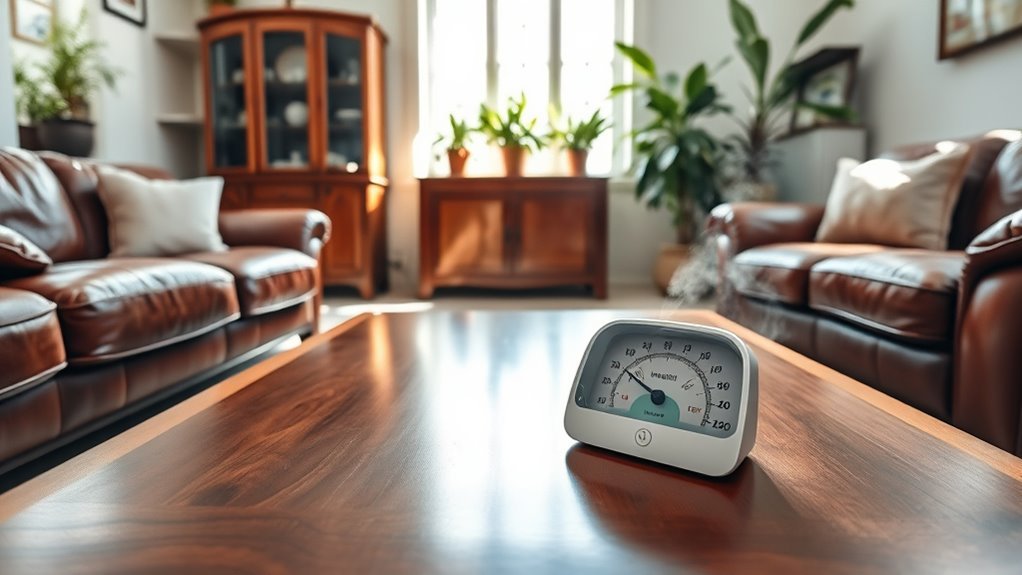
Humidity matters because many furniture materials respond to moisture in the air. Solid wood is hygroscopic, which means it gains and loses moisture as the surrounding air changes. When the air is damp, wood can swell. When the air is too dry, wood can shrink. Over time, these changes may lead to cracks, loose joints, sticking drawers, warped panels, lifted veneer, or damaged finishes.
Upholstered furniture also needs balanced humidity. Too much moisture can encourage musty odors and mildew, while very dry air can make some natural fibers and leather more vulnerable to drying and embrittlement. The goal is not to hold the room at one perfect number every hour. Avoid long periods of excess dampness, extreme dryness, and rapid swings.
Note: A single humidity reading is only a snapshot. Check the room at different times of day, especially after rain, cooking, showers, winter heating, and summer air conditioning.
What Humidity Level Is Best for Wooden Furniture?
For most living rooms, a practical household target is 30% to 50% relative humidity. The U.S. Environmental Protection Agency recommends keeping indoor humidity below 60% and ideally between 30% and 50% to help control mold. The CDC gives stricter mold-prevention advice: keep home humidity no higher than 50% all day long. This is general home moisture-control guidance, not a conservation prescription for every antique or mixed-material object. For valuable wood, veneer, leather, or antique pieces, prioritize stable conditions and ask a conservator about material-specific targets.
For furniture, consistency matters as much as the exact number. The Canadian Conservation Institute notes that wood absorbs moisture and swells as humidity rises, then gives off moisture and shrinks as the air dries. Repeated or abrupt changes can contribute to splitting, cracking, and finish damage, so correct the room gradually rather than forcing fast swings.
What Relative Humidity Range Should You Use?
Use these ranges as a practical guide:
- Below 30% RH: Air is very dry. Wood may shrink, joints may loosen, and leather or natural fibers may feel dry.
- 30% to 50% RH: Best target range for most living rooms and most furniture.
- 50% to 60% RH: Watch closely. This may be acceptable for short periods, but improve airflow and look for moisture sources.
- Above 60% RH: Higher risk zone for condensation, musty odors, mildew, and moisture damage, especially if readings stay high.
The safest humidity plan for furniture is steady control: avoid long damp periods, avoid extremely dry air, and prevent sudden swings.
What Happens When Humidity Is Too High or Too Low?
When humidity falls outside the ideal range for too long, furniture can show visible and structural changes:
- Drying and cracking: Low humidity can shrink wood and open small cracks or gaps.
- Loose joints: Repeated shrinking and swelling can stress glue joints and fasteners.
- Swelling and warping: High humidity can make drawers stick, tabletops cup, or panels expand.
- Veneer and finish problems: Moisture movement can lift veneer edges or stress clear coats.
- Mildew and odors: Damp upholstery, rugs, and hidden corners can develop musty smells.
How Can You Control Humidity in a Living Room?
The best humidity-control plan combines measurement, ventilation, moisture removal, and seasonal adjustments. Start with the easiest fixes first, then add equipment only if readings stay outside the target range.
Recommended Products

Face Icon Comfort Indicator: Humidity temperature gauge features face icons to indicate DRY/COMFORT/WET air conditions, quickly informs you how to adjust your humidifier or dehumidifier to achieve optimal comfort.

Wellness Indicator: This humidity meter with humidity level icon indicates air conditions - DRY/COMFORT/WET, allowing this humidity sensor to ensure you’re always aware of changes to your home/household with just a quick glance

Smart Features: The Govee Wireless Thermometer Hygrometer supports all basic functions as well as smart functions such as remote monitoring and temp humidity graphs. Our humidity meters are reliable and easy to use for homes, greenhouses and more.(Only supports 164ft Bluetooth connection)
How Should You Monitor Humidity?
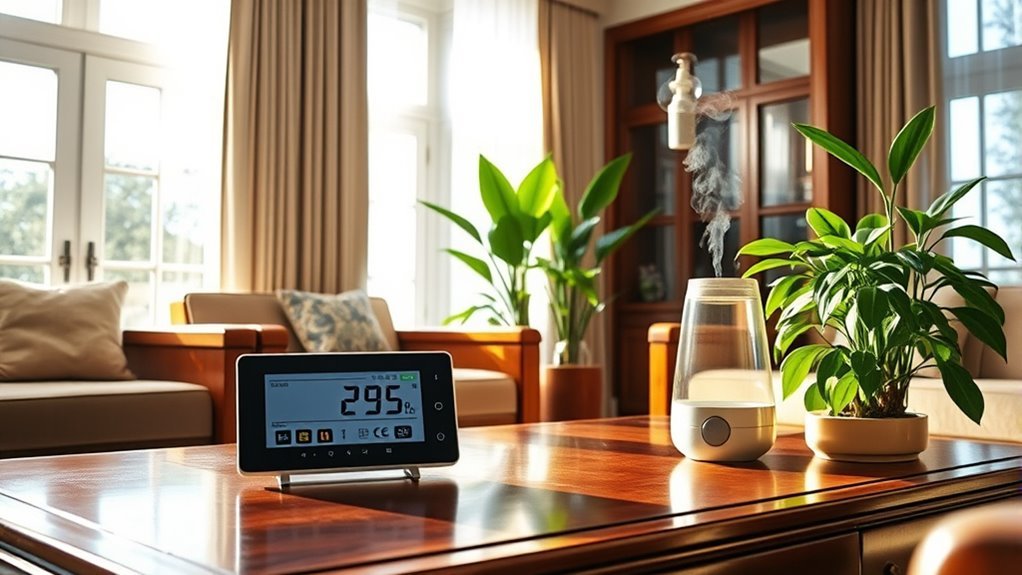
Place a digital hygrometer in the living room, away from windows, radiators, fireplaces, humidifiers, dehumidifiers, and direct sunlight. Let the sensor acclimate according to its instructions before you use the reading to make changes.
- Check the reading in the morning and evening for one week.
- Write down the highest and lowest readings.
- Compare the readings with the target range of 30% to 50% RH.
- Recheck after major weather changes, HVAC changes, or furniture moves.
How Should You Use a Dehumidifier?
If humidity repeatedly rises above 50%, first reduce moisture sources and improve ventilation. If the room still stays damp, a dehumidifier can help; readings above 60% deserve prompt action because EPA guidance recommends keeping indoor RH below that level. Choose the unit based on room size, dampness level, tank capacity, drainage options, noise, and operating temperature. ENERGY STAR explains that dehumidifier capacity is measured in pints of water removed per 24 hours, and the right size depends on both the space and how damp it is.
Sizing reference: ENERGY STAR’s current guide lists about 20 to 30 pints per day for a slightly to moderately damp space under 2,000 sq. ft., 25 to 40 pints per day for a very damp space, and 30 to 50 pints per day for a wet space. Use those as starting ranges and follow the appliance manufacturer’s sizing and operating instructions.
- Set the humidistat around 45% to 50% for most living rooms.
- Keep the air intake and outlet clear so the unit can circulate air.
- Empty the tank often or use a properly installed drain hose.
- Clean the filter according to the manufacturer’s instructions.
- Use continuous drainage only when the hose slopes safely to a drain.
- Do not aim hot exhaust air directly at wood furniture.
Warning: Stop using a dehumidifier if the cord is damaged, the plug feels hot, the unit smells like burning, or the model has been recalled. Check the U.S. Consumer Product Safety Commission dehumidifier recall page if you are using an older unit.
How Can Ventilation Lower Humidity?
Ventilation removes moisture before it spreads into the living room. This is especially important if the living room connects to a kitchen, bathroom, laundry area, basement, or enclosed sunroom.
- Run bathroom and kitchen exhaust fans during and after showers or cooking.
- Make sure the clothes dryer vents outdoors, not into the home.
- Open windows briefly on dry days when outdoor humidity is lower than indoor humidity.
- Use ceiling fans or room fans to reduce stagnant air around walls and furniture.
- Repair leaks quickly, including roof, window, plumbing, and basement moisture problems.
How Should You Add Moisture in Dry Seasons?
In winter, heating systems can make indoor air too dry. If humidity drops below 30%, use a clean humidifier to bring the room back into range. Keep mist away from wood, veneer, books, artwork, rugs, and upholstery. Too much localized mist can leave water spots or raise the grain of wood.
Pro Tip: Place a hygrometer near valuable furniture for a week, then move it to the opposite side of the room. If the two locations show a consistent difference, improve airflow and check for a nearby moisture or heat source before buying more equipment.
How Do You Measure Humidity at Home?
A hygrometer is the easiest tool for measuring indoor relative humidity. Digital models are affordable, easy to read, and useful for spotting daily swings. For the most helpful readings, place one hygrometer in the living room and another in a damp-prone area such as a basement or hallway near a bathroom.
Look for patterns, not just numbers. Condensation on windows, musty odors, soft cardboard, damp rugs, or swelling wood can mean the room has a moisture problem even if one reading looks acceptable. Creaking wood, gaps in joints, and dry leather can point to air that is too dry.
When Do You Need a Dehumidifier for Furniture?
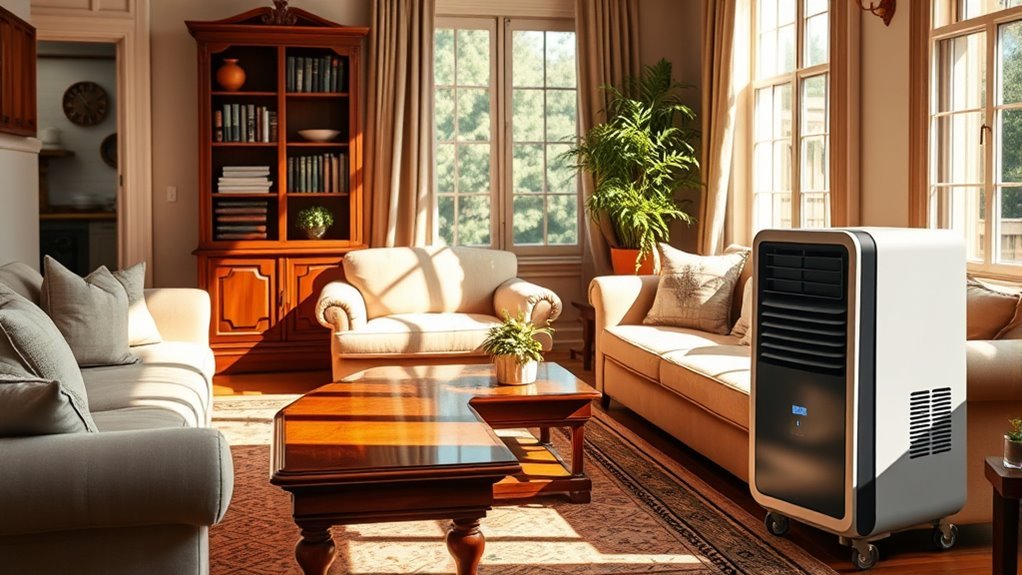
You need a dehumidifier when the room stays damp even after basic ventilation fixes. It is especially useful in humid climates, rainy seasons, basement-level living rooms, and homes with poor airflow.
A dehumidifier helps by:
- Reducing excess moisture: It pulls water vapor from the air before furniture absorbs it.
- Lowering mold and mildew risk: Keeping humidity under control makes upholstered pieces less likely to smell musty.
- Stabilizing wood movement: A steady room environment reduces swelling, shrinking, and sticking drawers.
- Improving comfort: Lower humidity can make a warm room feel less heavy and clammy.
If the living room is the only damp area, a properly sized portable unit may be enough. If several rooms stay humid, investigate whole-home moisture sources and consider a whole-house dehumidifier or HVAC inspection. For safe placement and airflow, see our dehumidifier-on-carpet setup guide.
Recommended Products

Semiconductor dehumidifiers use thermoelectric cooling to remove moisture from the air. They create a drier, more comfortable environment by reducing humidity and improving air quality.

✔ EASY TO USE: This mini dehumidifier is spill and mess free. Just hang and go! Non-toxic, child and pet safe! Your small rooms will be dry and odor free. Works for areas up to 333 cubic feet.

🍃Advanced Small Dehumidifier for Home: Designed for lasting home use, our bathroom dehumidifier works gently and steadily to maintain a balanced humidity level. The large 44 OZ (1.3L) water tank minimizes emptying frequency. Suitable for dorm room, camper, apartment, room, office and living room. No more dampness-just fresh, comfortable air everywhere
How Do You Protect Wooden Furniture From Humidity Damage?
Wooden furniture needs steady conditions, gentle cleaning, and protection from direct moisture. Do not place wood furniture against damp exterior walls or directly below leaking windows. Leave enough space between furniture and the wall for air to move behind it, especially along cold exterior walls where condensation can develop.
Use coasters, trays, and felt pads to prevent water rings and trapped moisture. Dust with a soft cloth so grit does not scratch the finish. For finished wood, a compatible paste wax can add a protective barrier, but only when the finish type allows it. The National Park Service notes that paste wax can protect clear finishes from dust abrasion and accidental splashing, but it can also change sheen, so test carefully and avoid over-application. For finish-specific cleaning steps, see our wood furniture cleaning guide.
Recommended Products

🌿 100% Natural & Eco-Safe Formula : Crafted from plant-based oils, carnauba wax, and beeswax, this non-toxic wood wax protects furniture, floors, and decor without harsh chemicals.Safe for the environment.

Citrus shield paste wax cleans with the power of real Orange oil, and protects with a strong, hard protective coating of carnauba wax

WOOD PASTE – Minwax Paste Finishing Wax protects & adds hand rubbed luster to any finished wood surface. It’s recommended for furniture, antiques, woodwork, cabinets, doors, paneling and accessories that don’t need a hard protective coat of polyurethane.
Furniture Materials and Humidity Risks
| Solid wood | Can shrink, swell, crack, cup, or loosen at joints when RH swings quickly. |
| Veneer and inlay | Edges may lift or bubble if moisture reaches glue layers or the base material expands. |
| MDF and particleboard | More vulnerable to swelling when water or damp air reaches unfinished edges. |
| Upholstery | Can hold moisture, odors, dust, and mildew when airflow is poor. |
| Leather | May dry out in very low humidity or develop mildew in damp, stagnant air. |
What Monthly Maintenance Prevents Humidity Damage?
Regular maintenance catches humidity problems before they become expensive repairs. Once a month, inspect furniture in good light and check hidden areas where air does not move well.
- Check humidity: Keep a hygrometer in the room and note readings outside 30% to 50% RH.
- Look for early damage: Watch for sticky drawers, raised veneer, mildew odor, cracks, swelling, or loose joints.
- Clean gently: Dust with a soft microfiber cloth and avoid over-wetting wood surfaces.
- Protect surfaces: Use coasters, mats, and trays under plants, drinks, and humidifiers.
- Improve airflow: Pull furniture slightly away from cold, damp, or exterior walls.
- Use finish care carefully: Wax or polish only when it is compatible with the existing finish.
What Should You Do After a Spill, Leak, or Damp Event?
If water reaches the living room, act before moisture soaks into wood, fabric, rugs, or wall cavities. Dry wet surfaces immediately, move furniture away from damp walls or rugs, increase airflow, and use a dehumidifier until the room returns to its normal range. EPA guidance says wet or damp materials should be dried within 24 to 48 hours after a leak or spill to help prevent mold growth.
- Blot water from finished wood and upholstery; do not rub soaked fabric hard.
- Move furniture a few inches away from walls, windows, and damp rugs.
- Run exhaust fans, room fans, or a dehumidifier until readings stabilize.
- Check hidden areas behind cabinets, under cushions, and near baseboards.
- Call a restoration or furniture repair professional for soaked veneer, swollen panels, or visible mold.
How Should Humidity Control Change by Season?
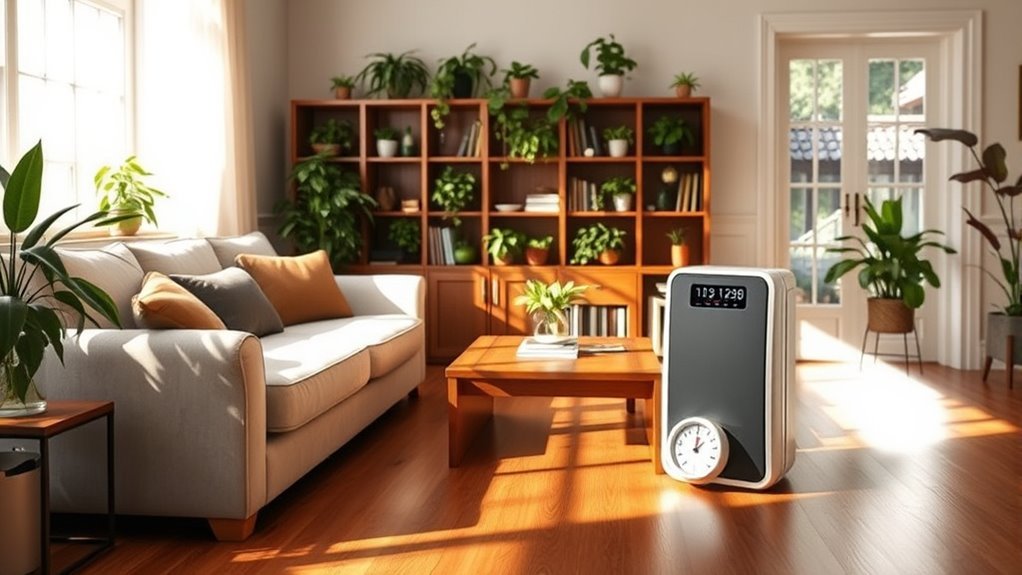
Humidity control should follow the room conditions rather than the calendar alone. Warm, rainy weather often calls for moisture removal, while heated winter air may need cautious humidification. In every season, use the hygrometer reading, visible condensation, and known moisture sources to decide what to change.
| Action | Purpose |
|---|---|
| Warm, humid, or rainy weather | Use exhaust fans, air conditioning, or a dehumidifier as needed; keep windows closed when outdoor air is more humid than indoor air. |
| Cold weather with indoor heating | If RH falls below 30%, add moisture gradually. Reduce humidifier output if windows or cold surfaces start collecting condensation. |
| Basement or ground-level living rooms | Check RH more often because damp walls, seepage, or poor airflow can keep these rooms humid even when the rest of the home feels dry. |
| After cooking, showers, or laundry | Run exhaust fans and remove moisture at the source before it spreads into the living room. |
| Antique, veneer, and leather pieces | Favor stable conditions and slow corrections; use material-specific conservation advice for valuable or fragile pieces. |
How Do You Troubleshoot Humidity Damage?
Use this quick guide to match common furniture symptoms with likely humidity problems.
| Symptom | Likely Cause | What to Do |
|---|---|---|
| Sticky drawers or doors | Wood swelling from high humidity | Lower RH gradually with ventilation or a dehumidifier. |
| Small cracks or gaps | Air too dry or fast seasonal drop | Raise humidity slowly toward 30% to 40% and avoid direct heat. |
| Musty upholstery smell | Excess moisture and poor airflow | Dry the room, inspect fabric and hidden surfaces for mold before vacuuming, and follow EPA cleanup guidance; seek professional help for extensive growth. |
| Condensation on windows | Humidity too high for surface temperature | Reduce moisture sources, run exhaust fans, and lower indoor RH. |
| Lifted veneer or bubbles | Moisture movement or glue failure | Stabilize humidity and consult a furniture repair professional before pressing or gluing. |
Frequently Asked Questions
How do you protect furniture from humidity?
Keep indoor humidity around 30% to 50%, measure it with a hygrometer, improve ventilation, use a dehumidifier during damp periods, keep furniture away from wet walls and direct mist, and inspect wood, upholstery, and leather monthly for early signs of damage.
How do you quickly reduce humidity in a room?
Run a properly sized dehumidifier, turn on exhaust fans, close windows if outdoor air is humid, remove wet items, improve air circulation, and check for leaks or damp rugs. If humidity stays high, the room may need better ventilation or whole-home moisture control.
How do you keep a room at 50% humidity?
Use a hygrometer and set a dehumidifier or humidifier to a target near 45% to 50%. Keep doors open for airflow when controlling a shared space, run exhaust fans after moisture-producing activities, and avoid placing humidifiers where mist lands on furniture.
Will mold grow at 60% humidity?
Mold risk increases when indoor humidity stays high, especially near or above 60%, or when surfaces are damp. EPA guidance recommends keeping indoor humidity below 60% and ideally between 30% and 50%, while CDC mold-prevention guidance recommends no higher than 50% all day.
Can a humidifier damage wooden furniture?
Yes, if it raises humidity too far or sprays mist directly onto furniture. Position it so no mist lands on wood, veneer, upholstery, books, or artwork, follow the manufacturer’s clearance instructions, monitor the room with a hygrometer, and reduce output once the room returns to the target range.
What humidity is best for antique or veneer furniture?
Antique, veneer, inlaid, and mixed-material furniture benefits from stable conditions more than aggressive correction. A 30% to 50% RH range is practical general-home guidance, but valuable or fragile objects can need material-specific targets. Avoid sudden changes, keep pieces away from damp walls and direct heat, and ask a conservator before repairing lifted veneer or old finishes.
What Should You Do Next?
Start with measurement, then correct the cause before you rely on equipment. Use this four-step routine:
- Measure: Track morning and evening RH for one week.
- Control moisture: Aim for roughly 30% to 50% RH in a typical living room, fix leaks, and use exhaust ventilation first.
- Correct persistent extremes: Use a dehumidifier if the room stays damp, especially above 60%, or add moisture gradually if RH falls below 30%.
- Inspect furniture: Check wood, veneer, upholstery, and leather for swelling, cracks, musty odors, or finish changes and address problems early.
Sources
Sources last checked August 19, 2026.
- U.S. Environmental Protection Agency — A Brief Guide to Mold, Moisture and Your Home — supports indoor humidity and mold-control guidance.
- CDC — You Can Control Mold — supports keeping home humidity no higher than 50% for mold prevention.
- USDA Forest Service — Moisture Relations and Physical Properties of Wood — supports the explanation that wood is hygroscopic and responds to humidity.
- ENERGY STAR — Dehumidifiers — supports dehumidifier capacity and selection guidance.
- Canadian Conservation Institute — Basic Care: Furniture and Objects Made of Wood — supports wood furniture preservation and damage-prevention advice.
- National Park Service — Waxing Furniture and Wooden Objects — supports careful use of paste wax on compatible clear finishes.
- Canadian Conservation Institute — Care of Alum, Vegetable and Mineral-tanned Leather — supports avoiding extreme or fluctuating RH around leather and notes embrittlement in very dry conditions.
- U.S. Consumer Product Safety Commission — Dehumidifiers — supports checking older dehumidifiers for recalls and fire hazards.