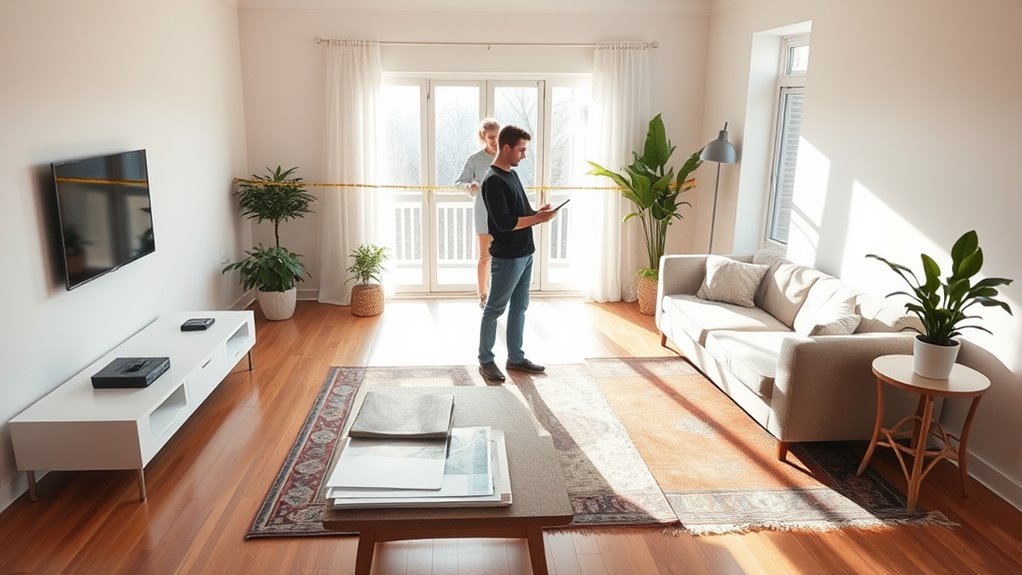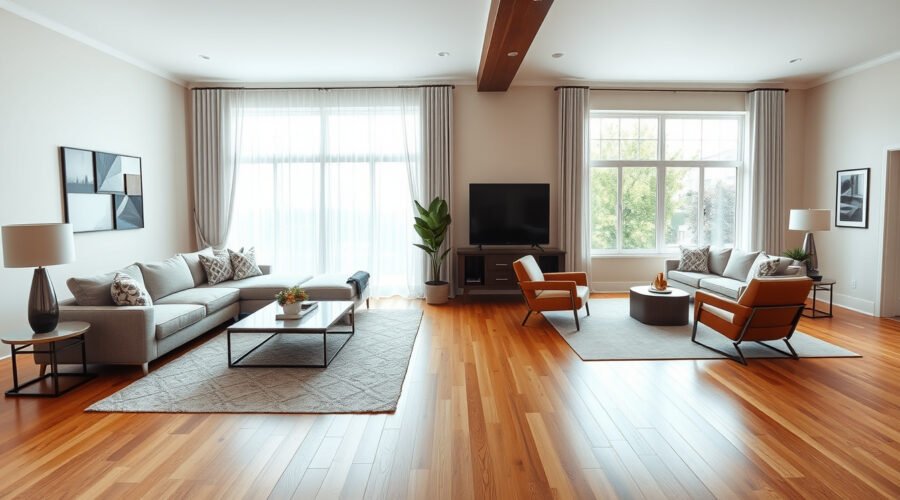
Choosing a sectional vs. sofa-and-chairs layout comes down to how your living room handles traffic, how many people lounge at once, and how often your furniture needs to adapt. A sectional anchors medium and large rooms with one continuous lounge zone, typically needing at least a 13-by-16-foot floor plan. A sofa paired with two accent chairs keeps sightlines open, preserves 30-to-36-inch walkways, and fits smaller or narrower rooms under 12 by 14 feet.
Quick Answer
Choose a sectional if your living room is at least 13 by 16 feet and your priority is shared lounging, movie nights, or zoning an open floor plan. Choose a sofa-and-chairs layout if your room is under 12 by 14 feet, has multiple doorways, or needs flexible conversation seating and clear walkways.
At a Glance
| Time Required | 20–40 minutes to measure the room, tape out footprints, and test walkways |
| Difficulty | Easy when you measure room dimensions and delivery paths before shopping |
| Tools Needed | 25-foot tape measure, painter’s tape, notepad, phone camera, and an optional floor-plan app |
| Cost | Free to plan; final furniture cost varies by frame size, upholstery grade, modularity, and delivery |
Sectional vs. Sofa-and-Chairs Layout: The Main Difference
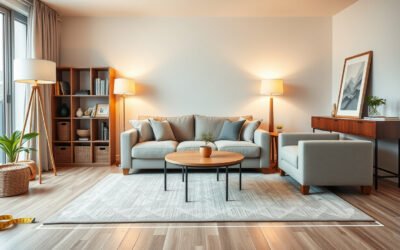
The core difference between a sectional and a sofa-and-chairs arrangement is continuous lounging versus independent seating. A sectional combines seating into one L-shaped, U-shaped, or chaise unit that maximizes sprawl space in a fixed footprint. A sofa-and-chairs setup separates a standard 78-to-90-inch couch from one or two individual chairs, giving guests personal armrests and letting you redirect traffic or angles anytime.
A sectional can include a reversible chaise, corner wedge, recliner module, storage console, or armless middle seats. Because the pieces lock together, it creates one unified hub where four to7 people can stretch out, watch TV, or nap. However, the corner seat often creates awkward legroom overlap when unrelated guests sit together.
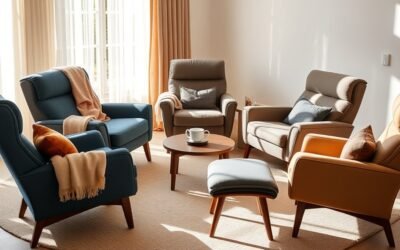
A sofa-and-chairs layout uses a primary sofa paired with accent chairs, club chairs, swivel chairs, or recliners. You can angle the chairs at 15 to 45 degrees for face-to-face conversation, pull them closer for guests, or move a chair into a bedroom when hosting a crowd.
| Feature | Sectional Layout | Sofa-and-Chairs Layout |
|---|---|---|
| Ideal Minimum Room Size | 13 × 16 ft for a chaise or L-shape; 14 × 18 ft for a U-shape | 10 × 12 ft to 12 × 14 ft (adapts easily to larger rooms) |
| Typical Footprint | 90–140 in wide × 60–110 in deep (120–160 in wide for U-shape) | 78–90 in wide × 34–40 in deep sofa, plus 30–36 in wide chairs |
| Real Adult Seating | 4–7 people (corner seat works best for lounging, not upright guests) | 4–5 distinct seats with individual armrests and personal space |
| Conversation & Sightlines | Faces a focal point like a TV; less natural for face-to-face groups | Excellent face-to-face eye contact when chairs sit opposite or angled |
| Traffic Flow & Moving | Fixed return can block doors; non-modular L-shapes rarely fit new rooms | Open gaps between pieces create natural 30–36 in paths; easy to relocate |
| Visual Weight | Heavy, continuous upholstery block that grounds large or open rooms | Lighter and airier, with visible floor space and mixed textures |
Measure Before You Choose a Layout
Accurate room and clearance measurements prevent the most common furniture mistake: buying a piece that fits against the wall but chokes the walkways. Before comparing styles, record your room’s length and width, doorway swings, window sill heights, fireplace hearths, floor vents, radiators, electrical outlets, and built-in cabinet doors. Next, measure your delivery path—including the front door width, hallway turns, stairwells, and elevator depth—and compare them against each piece’s diagonal depth and boxed length.
Use these standard interior clearance rules to keep the room comfortable:
- Primary walkways: Leave 30 to 36 inches of open floor around the seating perimeter so people never have to turn sideways. Around a projecting sectional chaise, aim for 36 to 42 inches if the path connects two rooms.
- Coffee table distance: Leave 14 to 18 inches between the front edge of the sofa or sectional and the coffee table. Closer than 14 inches cramps your knees; farther than 18 inches forces you to lean forward to set down a glass.
- Chair-to-chair spacing: Leave 18 to 24 inches between two side-by-side accent chairs for a shared drink table and elbow room.
- Conversation distance: Keep opposite seats 4 to 10 feet apart so guests can talk comfortably without raising their voices.
- Sleeper sofa clearance: Allow at least 42 inches of clear space in front of an unfolded sleeper mattress.
For households where wheelchair or walker accessibility matters, the U.S. Access Board notes that accessible routes require a minimum of 36 inches of continuous clear width, reducing to 32 inches only at pinch points like doorways for a maximum distance of 24 inches, alongside a 60-by-60-inch clear turning space.
Pro Tip: Tape the exact footprint of the sectional, sofa, chairs, and coffee table on the floor before you buy, including the full reclined length of any recliner or swivel radius. Live with the tape for 24 hours—if you step on the corners during normal routines, scale down the layout.
When a Sectional Is the Better Choice
A sectional is the better choice when your living room measures at least 13 by 16 feet and your household prioritizes stretching out, watching movies together, or anchoring an open floor plan. Because one connected frame replaces multiple pieces, it maximizes lounging area along two or three walls without wasting space on extra armrests.
Choose a sectional when you want:
- Full-body lounging space: A 60-to-72-inch chaise or long L-return lets one or two adults put their feet up without needing separate ottomans.
- A unified family hub: L-shaped (typically 95 to 120 inches per side) and U-shaped (120 to 160 inches wide) sectionals pull family members, kids, and pets into one cozy zone.
- Direct media-wall viewing: A sectional gives more people a straight-on or slightly angled view of the TV than chairs placed facing away from the screen.
- Open-concept room division: Floating the back of an L-sectional between a living area and a kitchen or dining table defines the boundary without building a wall.
- Integrated functionality: Many sectionals house hidden storage chaises, pull-out sleeper beds, power recliners, or modular armless chairs you can rearrange.
The main tradeoff is visual bulk and fixed orientation. A deep 40-inch sectional can swallow a compact room, and a fixed chaise on the wrong side can cut off a patio door or fireplace. In addition, a large U-shaped sectional often leaves zero wall space for end tables or floor lamps.
Warning: Confirm whether a sectional is Left-Arm Facing (LAF) or Right-Arm Facing (RAF) before ordering. Furniture brands always determine left and right as you stand facing the front of the sofa—not while sitting on it. Ordering the reverse orientation can block a doorway, heating register, or main walkway.
Recommended Products
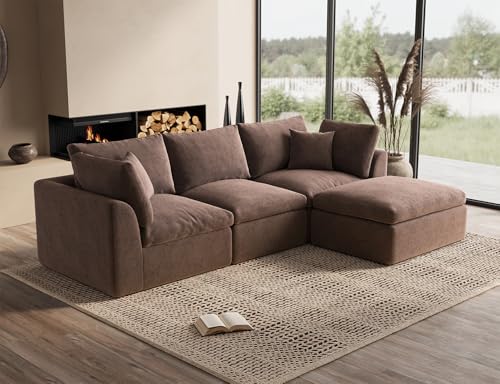
【NO ASSEMBLY REQUIRED】Be ready in 1 step! Setting up this cloud couch with ottoman is incredibly easy. Simply unbox the cushions, place them together, and let them naturally expand over 48-72 hours. No extra tools or complicated assembly steps are needed. It’s ready to use this cloud sofas for living room with minimal effort.

〈Dimensions Guide & L Shaped Sofa Style〉:This couch cushion covers for sectional sofa is made up of 3 pieces (including 2 individual cushion covers and 1 chaise lounge cover).Suitable size - each individual cushion cover fits up to 21-24 inch width, 22-28 inch depth, 2-10 inch thickness while the chaise cover fits up to 36-39 inch width, 54-68 inch depth, 2-10 inch thickness. Please measure your sofa before buying to ensure that our cushion covers matches your sofa.
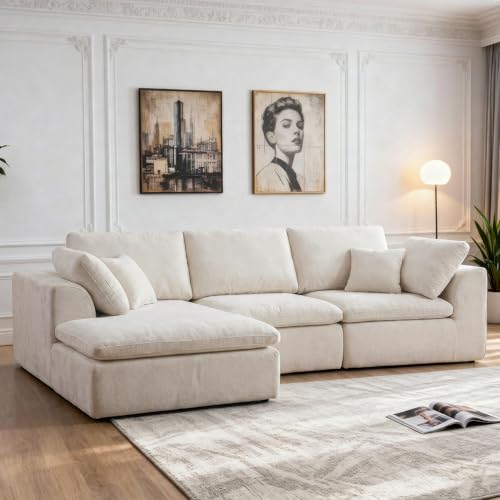
【110" Deep L-Shaped Chaise Lounge】 Designed for ultimate relaxation, this 110-inch boneless sectional features a dedicated chaise configuration (Right/Left facing) that creates a cohesive L-shaped look. Unlike floating pieces, this layout anchors your living room, providing a spacious deep seat lounge area to fully stretch out your legs. Ideally suited for corner placement, offering the immersive comfort of a cloud couch with a structured, high-end aesthetic.
When Sofa-and-Chairs Are the Better Choice
A sofa-and-chairs arrangement is the better choice when you need flexible walkways, balanced proportions, and comfortable seating for guests who prefer personal space. It excels in rooms under 12 by 14 feet, narrow rectangular rooms, apartments, rentals, and multi-purpose spaces where one rigid block of upholstery would block traffic.
Choose a sofa-and-chairs layout when you want:
- Customizable traffic paths: You can angle or separate two 32-inch accent chairs to route foot traffic smoothly around doors, stairs, or hallways.
- Better hosting and conversation: Guests generally prefer having their own chair and armrest rather than squeezing three-across onto a sofa or sharing a sectional corner.
- Multi-directional seating: Pairing a standard sofa with 360-degree swivel chairs lets people face the fireplace or sofa during conversation and turn toward the TV for movie night.
- Layered design and texture: You can pair an 84-inch performance-fabric sofa with leather club chairs or open-frame wood armchairs so the room looks curated rather than matchy.
- Lighter visual weight: Exposed legs and open floor gaps between furniture pieces let natural light travel through the room, making small spaces feel larger.
The tradeoff is reduced horizontal sprawling space—only one person can lie flat on the sofa unless you add ottomans. Buying a high-quality sofa plus two well-built armchairs can also cost 15% to 30% more than a single mid-range sectional, and you will need extra side tables so every chair has a surface within 14 to 18 inches.
Recommended Products

Sectional Sofa Covers Set: the sofa cover set include 1 three seater sofa cover, 1 loveseat cover, and 1 arm chair cover; the size of three seater sofa cover is about 68 inches/ 173 cm to 90 inches/ 229 cm in length, the size of loveseat cover is about 48.03 inches/ 122 cm to 67.72 inches/ 172 cmand the size of 1 seater sofa cover is about 31.89 inches/ 81 cm to 47.64 inches/ 121 cm; Please refer to the measurements before purchasing

𝐕𝐄𝐑𝐒𝐀𝐓𝐈𝐋𝐄 𝐋-𝐒𝐇𝐀𝐏𝐄𝐃 𝐒𝐄𝐂𝐓𝐈𝐎𝐍𝐀𝐋 – This 4-piece convertible sofa set includes 2 Set of 35" accent chairs, 80" 3-seater sofa, and a reversible storage ottoman. The modular design lets you fit any corner, divide an open space, or create a cozy nook — ideal for maximizing every square foot. Perfect for apartments, living rooms, and home offices — adapts to any space in minutes.

Superior Comfort: Our L shaped couch features high-density sponge seat cushions that provides excellent support and resilience, you'll never have to worry about sinking over time, ensuring a cozy experience for you and your family whether you're sitting or lying down
Best Layout by Room Type
Your room’s architecture—not showroom styling—dictates which seating footprint will function smoothly. Matching your furniture scale to your wall lengths and entry points keeps the room usable every day.
Small Apartments
In a small apartment (typically 10 by 12 feet to 12 by 13 feet), a 72-to-80-inch apartment sofa paired with one or two compact accent chairs usually beats a standard sectional. Open-frame chairs with visible legs preserve floor sightlines and can tuck into corners when you need floor space.
If you strongly prefer a sectional in a studio or one-bedroom apartment, choose an apartment-scale model (80 to 90 inches wide) with a **reversible chaise** and 5-to-7-inch raised legs. Avoid 42-inch-deep cushions, wide rolled arms, and fixed U-shapes, and swap bulky coffee tables for nesting tables or a storage ottoman.
Open-Concept Living Rooms
In an open-concept great room, an L-shaped sectional acts as a clean architectural divider between the kitchen, dining table, and living area. Anchor the sectional on an 8-by-10-foot or 9-by-12-foot area rug (keeping at least the front legs of every piece on the rug), and place a narrow 12-to-15-inch-deep console table behind the exposed back.
A sofa-and-chairs layout works equally well in open spaces when you want unobstructed walk-through lanes from the kitchen to the patio. Float the sofa facing the focal wall and place two low-profile swivel chairs across from it so the backs of the chairs do not block sightlines across the room.
Narrow or Awkward Rooms
In a narrow living room (10 to 11 feet wide) or a room with corner fireplaces and multiple doors, a sofa-and-chairs setup is far easier to place. Position a 34-to-36-inch-deep sofa along the longest uninterrupted wall, then place one or two armless or slim-profile chairs perpendicular to the sofa to preserve a 36-inch walkway.
A standard L-sectional with a 90-inch return often cuts a narrow room in half. If you want a lounge spot in a tight room, choose a compact sofa with a 60-inch chaise placed on the dead-end wall away from doorways.
Family TV Rooms
In a dedicated family media room or basement den, a sectional is hard to beat. A deep-seated L- or U-shaped sectional (23-to-25-inch inside seat depth) lets everyone recline toward the screen and pair with a large padded ottoman for feet, trays, and board games.
If the same room handles homework, reading, gaming, and adult entertaining, combine a three-seat sofa with two wide swivel gliders or a small chaise sectional plus one accent chair. That hybrid layout delivers lounge comfort for movie nights while keeping one independent seat angled for conversation.
Comfort, Materials, and Maintenance
True seating comfort depends on inside seat dimensions, foam density, fabric abrasion ratings, and cleaning codes rather than whether the frame is a sectional or a sofa. Before buying, measure the usable seat depth (from the front edge of the seat cushion to the front of the back cushion, not the outer frame depth) and the seat height from the floor:
- 19 to 21 inches seat depth: Best for people under 5’4″ or formal upright conversation so feet rest flat on the floor.
- 21 to 23 inches seat depth: The most versatile all-around depth for users 5’5″ to 5’10”, balancing upright support and casual lounging.
- 23 to 25+ inches seat depth: Ideal for users 5’11” and taller or for curling up with legs on the cushion; shorter guests will need a lumbar pillow.
- 17 to 18.5 inches seat height: Standard ergonomic height. Choose 18 to 20 inches if anyone in the home has knee, hip, or back stiffness, as lower 15-to-16-inch lounge seats require more leg strength to stand up from.
| Upholstery Material | Best Household Fit | Typical Cleaning Code | Target Abrasion & Maintenance Notes |
|---|---|---|---|
| Solution-Dyed Performance Fabric | Kids, pets, frequent spills, sunny rooms | W or WS | 30,000+ Wyzenbeek double rubs; resists fading and water-based stains |
| Top-Grain or Protected Leather | Allergy sufferers, dog owners, high-use family rooms | Wipe damp / leather conditioner | Does not trap dander; unprotected aniline leather scratches more easily |
| Tight-Weave Microfiber / Velvet | Cat owners, everyday lounging | W or WS (synthetic); S (silk/rayon velvet) | 15,000–30,000+ double rubs; lack of open loops helps deter claw snags |
| Washable Slipcovered Cotton/Poly | Casual homes, coastal styles, messy households | W (machine or hand wash per tag) | 15,000+ double rubs; put covers back on slightly damp to prevent shrinkage |
| Textured Bouclé, Tweed, or Linen | Adult living rooms, formal sitting areas | S or X | 15,000+ double rubs; looped yarns trap crumbs and snag on pet claws |
When comparing fabric spec sheets, check the Association for Contract Textiles (ACT) abrasion guidelines, which set a baseline of 15,000 Wyzenbeek double rubs (or 20,000 Martindale cycles) for general residential seating and 30,000 Wyzenbeek double rubs for high-traffic spaces. ACT notes that ratings above 30,000 do not guarantee a longer lifespan because most real-world wear comes from improper cleaning, snags, and soil buildup.
Always verify the standardized four-letter care code on the manufacturer tag under the seat cushion before applying any cleaner:
- W (Water-based): Safe to spot-clean with a mild water-based upholstery shampoo or foam; blot with a clean white cloth without soaking the foam core.
- S (Solvent-only): Requires water-free dry-cleaning solvent. Water will leave permanent rings or shrink the weave.
- WS (Water or Solvent): Accepts mild water-based cleaners, steam extraction, or solvent cleaners—the easiest code for busy households.
- X (Vacuum only): Do not use any liquid or foam cleaner; brush lightly, vacuum, or hire a professional upholstery cleaner.
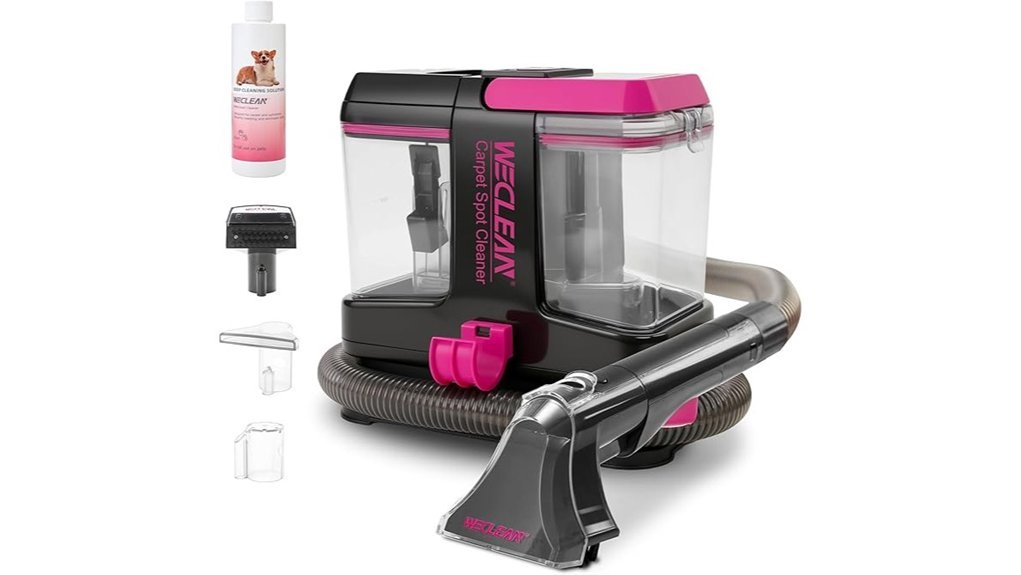
When uncrating new furniture or using upholstery cleaners, ventilate the room well. The U.S. Environmental Protection Agency notes that indoor concentrations of volatile organic compounds (VOCs) average 2 to 5 times higher than outdoor air, with new furnishings, adhesives, and cleaners acting as common sources. To reduce chemical off-gassing inside the home, look for cushions made with CertiPUR-US certified polyurethane foam (tested for VOC emissions below 0.5 parts per million and made without formaldehyde or prohibited phthalates) and select cleaners verified by the EPA Safer Choice program.
Recommended Products

Quality Material: Our convertible sleeper sofa bed is made for tactile luxury with premium corduroy fabric, woven for velvety softness. Paired with high-density sponge cushioning, this sofa offers cloud-like support that retains its shape through years of lounging, naps, and playtime

Spacious Deep Seat & Cloud-Like Comfort: Designed with an ultra-deep 25-inch seating area and thick double-layer foam cushions, this U-shaped sectional sofa delivers cloud-like softness and full body wrapping support. Matching fluffy back pillows perfectly fit your body curve, allowing you to relax, lounge, nap or chat freely after long workdays, bringing effortless leisure comfort for daily family use.

Premium Material: The sofa slipcover is made of high-quality chenille fabric, feels soft and comfortable, durable. Triple encryption of selected textured chenille fabric, fine yarn manufacturing, edge stitching tight and neat, beautiful color, high gram weight fabric soft skin-friendly, double-sided available, four seasons.The sofa cover blanket is not only for the sofa to put on a delicate coat to but also protect the sofa daily wear and tear and pet scratching
Buying Mistakes to Avoid
Most expensive furniture regrets happen when buyers fall in love with a silhouette online without checking how the frame interacts with doors, lighting, and daily posture. Avoid these five layout errors before placing your order:
- Skipping diagonal delivery measurements: Measure the width and height of every doorway, stairwell turn, and elevator, and compare them against the shipping box and unpacked frame dimensions. Modular sectionals and separate chairs navigate tight 30-inch apartment doors much more easily than a single 96-inch sofa frame.
- Adding module widths improperly: When calculating an L-sectional’s wall length, confirm whether the corner wedge is included in both side measurements so you do not miscalculate by 36 to 40 inches.
- Forgetting the “corner seat trap”: On an L- or U-sectional, two adults sitting next to the corner share the same foot space. Count the corner as lounging space rather than an independent seat for dinner guests.
- Leaving seats without a table or light: Every seat should sit within 14 to 18 inches of a coffee table, end table, or C-table and have access to reading or ambient light.
- Buying only for your current lease: Renters and frequent movers get far more longevity from a 3-seat sofa plus two accent chairs—or a modular sectional with detachable latches—than from a fixed L-sectional.
Note: When buying new indoor upholstered seating in the United States, check beneath the cushion or frame for the permanent federal flammability certification label. Under U.S. Consumer Product Safety Commission rule 16 CFR Part 1640 (enforced since June 25, 2022), covered furniture must meet California TB 117-2013 smolder-resistance standards and display the permanent statement: “Complies with U.S. CPSC requirements for upholstered furniture flammability.”
How to Decide in Six Steps
Follow this six-step floor test to see whether a sectional or a sofa-and-chairs arrangement fits your room before spending a dollar:
- Map the room and delivery route: Measure wall lengths, window heights, door swings, vents, outlets, and hallway turns with a tape measure.
- Rank your primary daily activity: Decide whether the room serves 80% family TV lounging (favors a sectional) or mixed conversation, hosting, and reading (favors a sofa and chairs).
- Count everyday users, not once-a-year parties: Size your primary seating for the two to five people who use the room every week; keep lightweight poufs or dining chairs for holiday crowds.
- Tape both layouts on the floor: Mark the exact width and depth of the sectional (including the 60-to-72-inch chaise) and compare it with a sofa-and-two-chairs footprint plus the coffee table.
- Measure the walkways and reach zones: Verify that main paths keep 30 to 36 inches of clearance and every seat sits 14 to 18 inches from a table surface.
- Pick the layout that keeps the room frictionless: Choose the sectional if the room still breathes and lounging wins; choose the sofa-and-chairs layout if the chaise crowds a doorway or sightline.
The best living room layout is not the one that squeezes in the most cushions—it is the one that lets people sit, talk, stretch out, and walk through the room without friction.
Key Takeaways
- Room size cutoff: L-shaped and chaise sectionals work best in rooms at least 13 by 16 feet, while a sofa-and-chairs layout fits rooms under 12 by 14 feet without blocking doors or windows.
- Clearance benchmarks: Maintain 30 to 36 inches for primary walkways (36 inches minimum for wheelchair-accessible routes) and 14 to 18 inches between seating and the coffee table.
- Ergonomic fit: Choose a 19-to-22-inch inside seat depth for upright conversation or shorter users, and a 23-to-25-inch depth for tall users and full-body lounging.
- Fabric durability: Look for a W or WS cleaning code, at least 15,000 to 30,000 Wyzenbeek double rubs, and CertiPUR-US foam for busy family and pet homes.
Frequently Asked Questions
Are sectionals suitable for small apartments?
Yes, a sectional can fit a small apartment if you choose an apartment-sized frame (80 to 90 inches wide) with slim track arms, 5-to-7-inch exposed legs, and a reversible chaise. If the chaise reduces your main walkway below 30 inches or blocks a door swing, a 72-to-80-inch sofa with one or two accent chairs is the better choice.
How do I clean and maintain a sectional?
Vacuum the upholstery weekly using a soft brush attachment, rotate reversible cushions every two weeks, and blot liquid spills immediately with a dry white cloth. Always check the care code tag first: use mild water-based cleaners on W or WS fabrics, dry-cleaning solvents on S fabrics, and vacuum-only or professional care on X-coded fabrics.
Can I mix a sectional with other furniture styles?
Yes, pairing a sectional with one contrasting accent chair, a wood coffee table, or a leather ottoman keeps the room from looking like a matching showroom set. Repeat at least one unifying element—such as wood tone, metal leg finish, or pillow color palette—and leave 30 to 36 inches for the walkway between pieces.
What materials are best for sofa-and-chairs arrangements?
For busy family homes, choose solution-dyed performance fabric, top-grain leather, tight-weave microfiber, or washable slipcovers rated for 15,000 to 30,000+ Wyzenbeek double rubs with a W or WS cleaning code. For low-traffic formal rooms, linen blends, velvet, or bouclé add rich texture if you are comfortable with S- or X-code maintenance.
How do I choose colors for my layout?
Anchor the room by choosing a versatile neutral—such as warm oatmeal, taupe, charcoal, or cognac leather—for the largest piece, especially a sectional. Bring in accent colors and patterns through separate armchairs, throw pillows, and an 8-by-10-foot or 9-by-12-foot rug so you can refresh the palette later without replacing your main sofa.
Which layout is better for conversation?
A sofa-and-chairs layout is better for conversation because separate chairs can sit 4 to 10 feet opposite or angled toward the sofa for natural eye contact and individual armrests. An L-shaped sectional can also support conversation if you choose a supportive 21-to-22-inch seat depth and add a swivel chair across from the corner.
Which layout is better if I move often?
A sofa-and-chairs layout is much easier if you move often because individual 30-to-36-inch chairs and a standard sofa fit through tight stairwells and adapt to different wall layouts. If you prefer a sectional as a renter, buy a modular sectional or a reversible-chaise model that switches between left- and right-facing setups.
Is a sectional or sofa-and-chairs layout better for pets and kids?
Both layouts work well when upholstered in a tight-weave, W- or WS-coded performance fabric rated for 30,000+ double rubs. A sectional gives families more continuous room to cuddle and fewer floor gaps for toys to roll under, while a sofa-and-chairs setup lets you clean, reupholster, or replace a single damaged chair independently.
Conclusion
Both a sectional and a sofa-and-chairs layout can anchor a comfortable, well-proportioned living room when matched to your floor plan. Choose a sectional if your room is at least 13 by 16 feet and your household prioritizes movie-night lounging, shared seating, and open-plan zoning. Choose a sofa-and-chairs arrangement if your space is compact, narrow, or multi-purpose and you value clear 30-to-36-inch walkways, easy conversation, and future flexibility.
Before ordering, grab a roll of painter’s tape and mark your top two layouts directly on the living room floor. Walk through the room for a full day, verify your 14-to-18-inch coffee table reach and doorway clearances, and order the configuration that lets your room flow effortlessly.
Sources
- U.S. Access Board: Chapter 4 Accessible Routes: Supports 36-inch continuous clear width, 32-inch doorway pinch-point, and 60-by-60-inch turning clearance benchmarks.
- Association for Contract Textiles (ACT): Abrasion Disclaimer & Guidelines: Supports 15,000 and 30,000 Wyzenbeek double-rub residential and high-traffic upholstery benchmarks.
- U.S. EPA: Volatile Organic Compounds’ Impact on Indoor Air Quality: Supports indoor-versus-outdoor VOC concentration ratios and ventilation guidance for furnishings and cleaners.
- CertiPUR-US: About Certified Foam: Supports low-VOC polyurethane cushion foam testing standards (under 0.5 ppm) and restricted chemical criteria.
- U.S. EPA Safer Choice: Supports identifying household and upholstery cleaning products formulated with safer chemical ingredients.
- U.S. Consumer Product Safety Commission: Upholstered Furniture FAQ: Supports 16 CFR Part 1640 / California TB 117-2013 flammability compliance and permanent labeling rules.