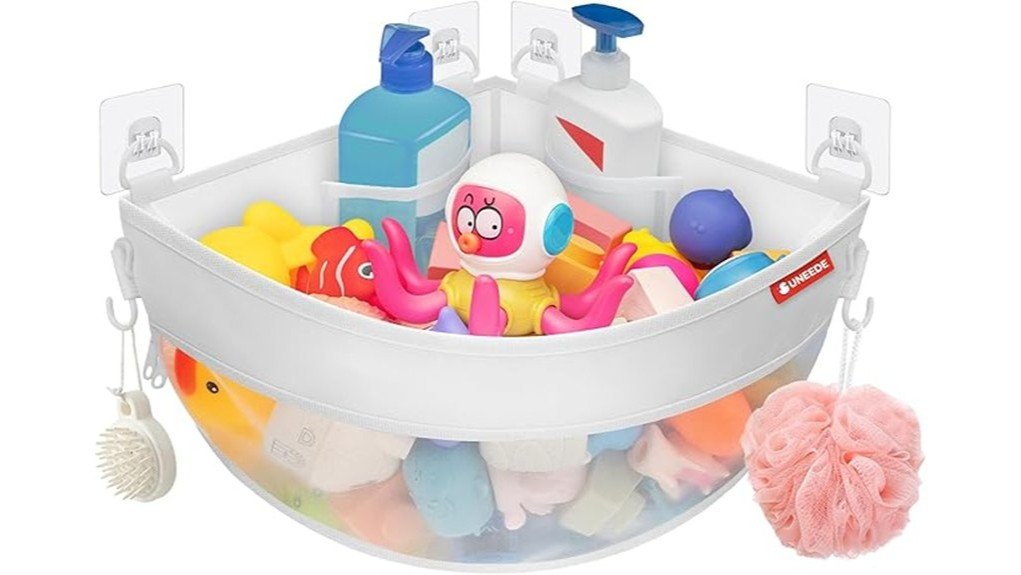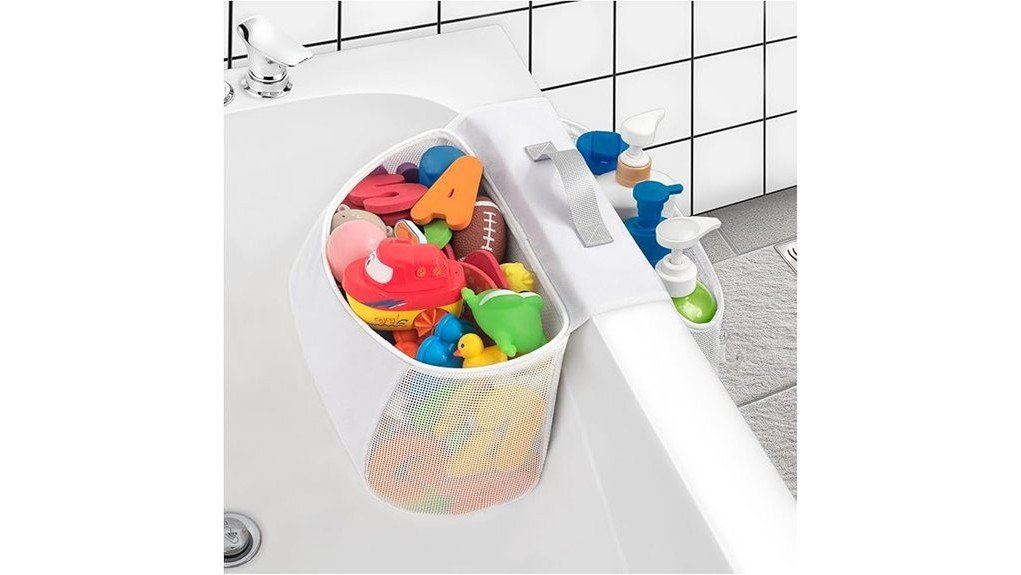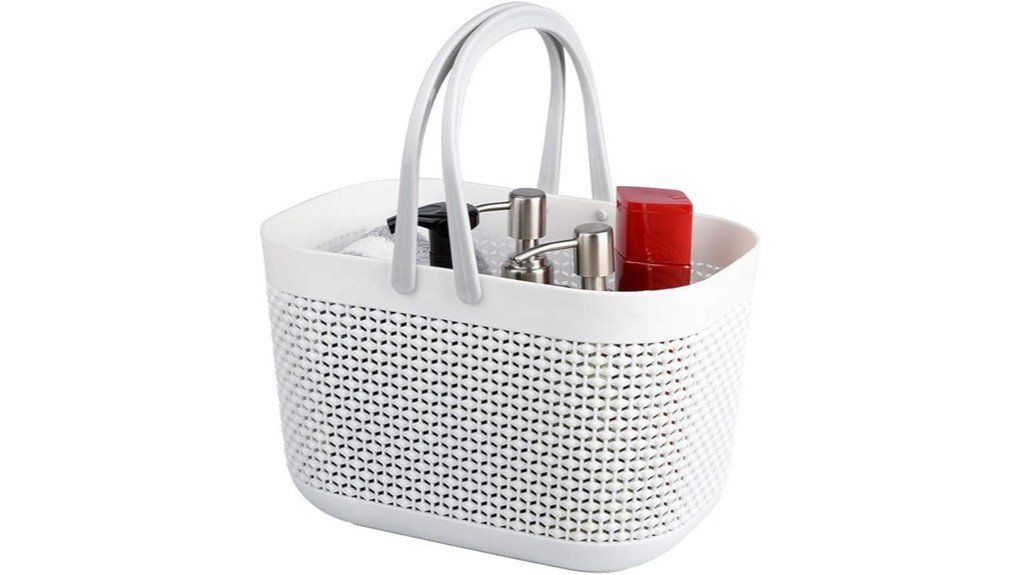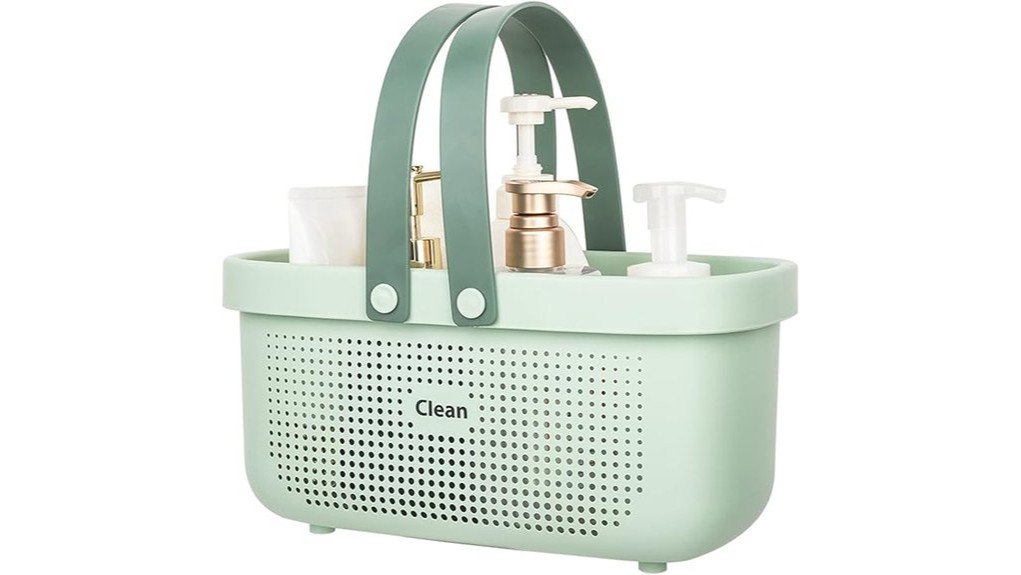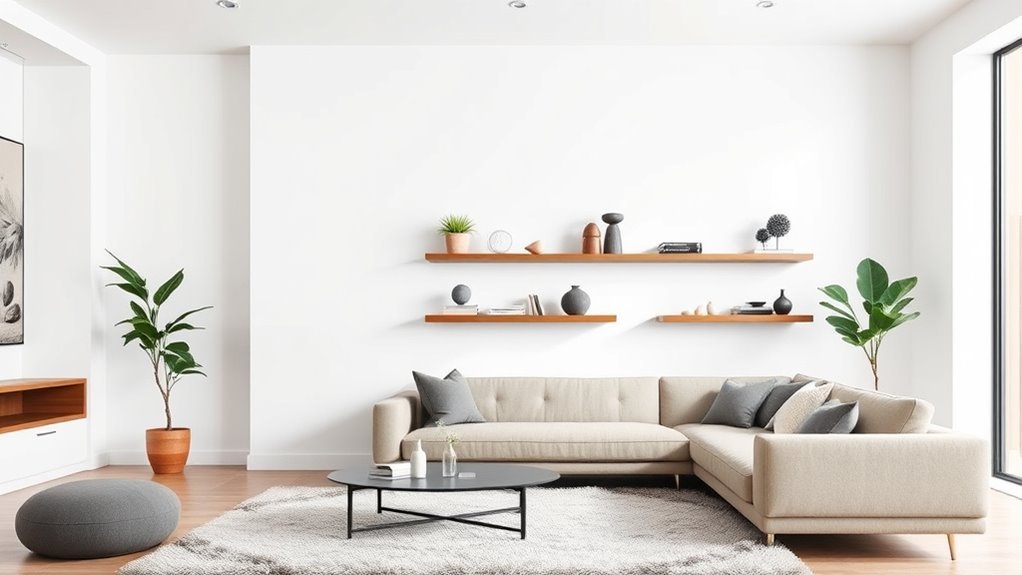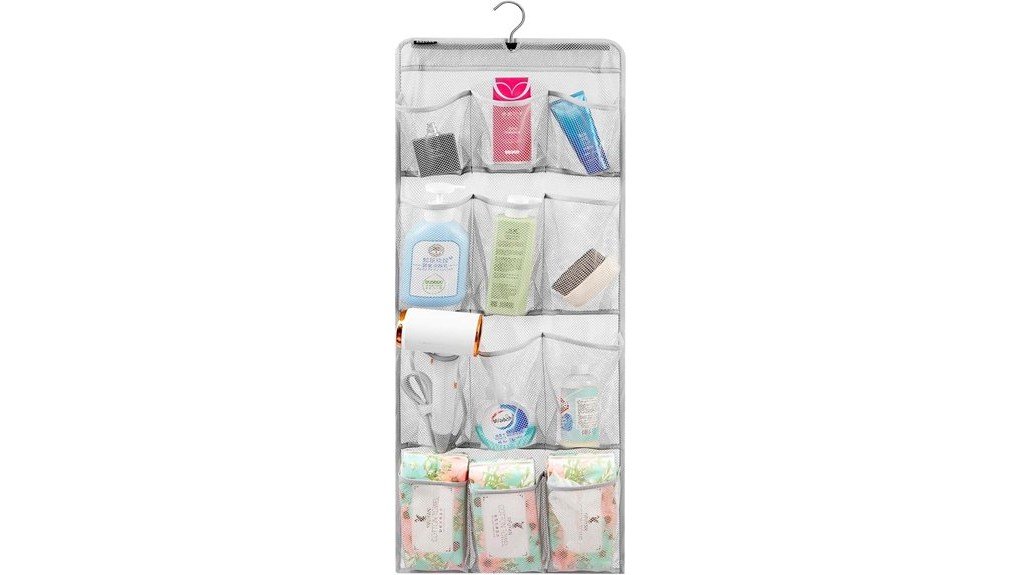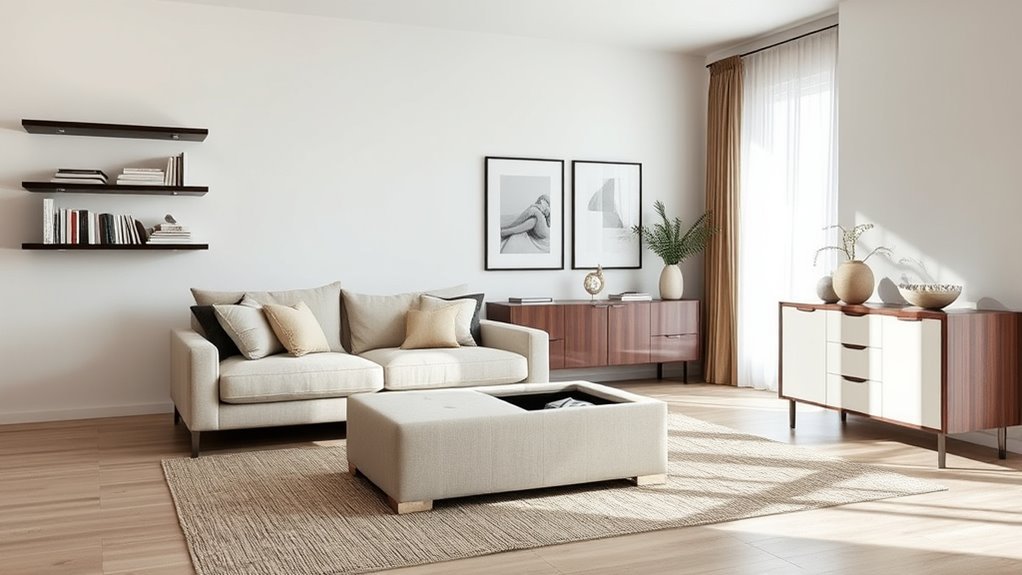
To add storage to your living room without clutter, begin with what the room actually needs to hold: daily items, shared-family items, occasional entertainment pieces, and seasonal extras. The best living room storage ideas do not simply hide more stuff. They reduce what you keep, give every item a home, and use furniture, walls, baskets, and hidden spaces in a way that still leaves the room calm and easy to use.
Quick Answer
Add storage to a living room without clutter by decluttering first, measuring your available space, grouping items by how often you use them, and choosing storage that blends into the room. Use multi-functional furniture, vertical shelves, labeled baskets, cord control, and a simple reset routine so storage stays useful instead of becoming hidden clutter.
Key Takeaways
- Declutter before buying storage so you do not spend money storing things you no longer use.
- Use the easiest-access spots for daily items and harder-to-reach areas for seasonal or occasional items.
- Choose storage furniture that fits the scale of your room, such as lift-top coffee tables, storage ottomans, media cabinets, and slim console tables.
- Use wall storage carefully: shelves and tall furniture should be installed securely and used within their weight limits.
- Maintain the system with a quick daily reset and a seasonal review so clutter does not creep back in.
At a Glance
| Time Required | 30 minutes for a quick reset; 2–4 hours for a full living room storage overhaul |
| Difficulty | Easy to moderate, depending on whether you install shelves or anchor furniture |
| Tools Needed | Tape measure, donation box, labels, baskets or bins, cord ties, and installation tools if mounting shelves or anchoring furniture |
| Cost | $0 if you reorganize what you own; $20–$150 for baskets, bins, and cord control; more for new storage furniture |
Assessing Your Living Room Storage Needs
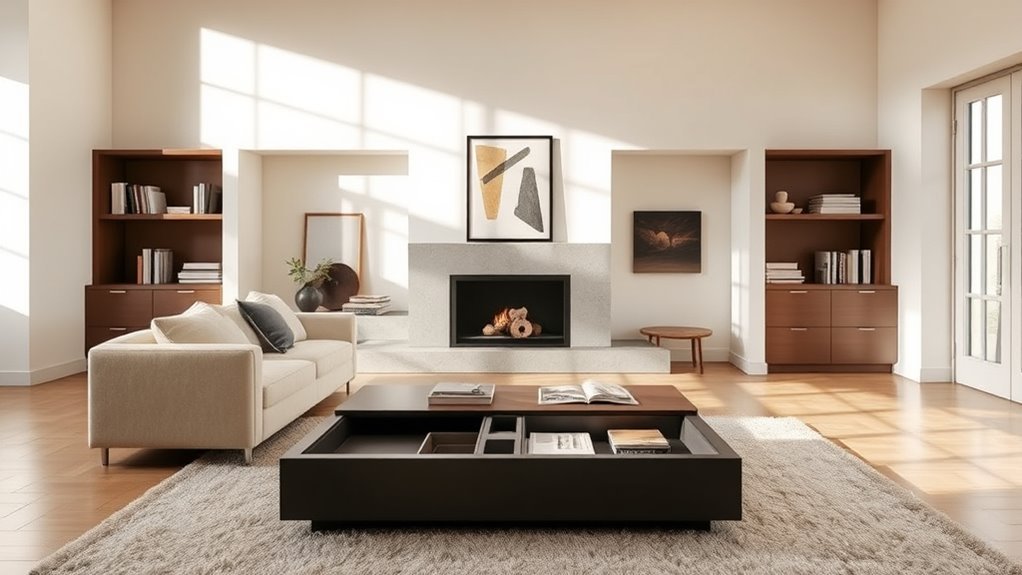
Before adding shelves, baskets, or cabinets, remove the items that do not belong in the living room. Clear coffee tables, side tables, the TV stand, the floor, and any piles behind chairs or near the sofa. This gives you a realistic picture of what you actually need to store.
Sort everything into four groups:
- Daily-use items: remotes, chargers, reading glasses, current books, coasters, and blankets.
- Shared items: board games, toys, gaming controllers, craft supplies, and pet items.
- Occasional items: extra throws, seasonal decor, party supplies, and guest items.
- Items that belong elsewhere: paperwork, clothing, dishes, tools, and anything that migrated into the room by accident.
Once the room is sorted, measure the spots that could hold storage: the wall above a sofa, the space under a console, the inside of a media cabinet, the gap behind a couch, and the corners that feel underused. Write down height, width, and depth before buying anything. A beautiful basket or cabinet becomes clutter if it blocks a walkway, crowds the sofa, or makes the room harder to clean.
Note: Storage works best when the easiest spaces hold the things you use most. Put daily items within arm’s reach, weekly items in cabinets or baskets, and seasonal items higher up or farther away.
Common Clutter Issues in Living Rooms and Their Solutions
Living room clutter usually comes from repeat problems, not from one messy day. Fix the pattern and the room becomes easier to maintain.
- Tangled cords: Use cord clips, fabric cord sleeves, labeled cable ties, or a cable box near the media console. Label chargers so they do not become mystery cords.
- Too many remotes and controllers: Store them in one tray, drawer, or lidded box beside the main seat.
- Books, magazines, and mail: Keep only current reading material in the room. Recycle old catalogs and move paperwork to a desk or command center.
- Toys and blankets: Use soft baskets that are easy for children or guests to use. One basket per category is clearer than one giant mixed bin.
- Flat-surface clutter: Limit coffee-table decor to one tray. Anything that does not fit on the tray should return to its home.
Effective Decluttering Strategies for Your Living Room
Decluttering your living room does not have to mean emptying the whole house or becoming a minimalist. The goal is to keep what supports the way you use the room now.
Use this five-step method:
- Clear one zone at a time. Start with the coffee table, media cabinet, toy corner, or bookshelf. A smaller zone prevents the project from becoming overwhelming.
- Group like items together. Put all remotes together, all games together, all blankets together, and all decor together. Duplicates become obvious when they are grouped.
- Choose what earns space. Keep useful, loved, or regularly used items. Donate, sell, recycle, or discard the rest based on condition.
- Assign a home. Every item that stays should have one clear destination.
- Reset the zone. Put items back in a way that is easy to repeat, not just pretty for one day.
For usable items you no longer need, consider donation or reuse before disposal. The U.S. Environmental Protection Agency notes that reducing and reusing can save resources, reduce waste, and keep usable goods out of landfills.
A clutter-free living room is not created by hiding everything. It is created by keeping fewer, better-organized items in places that match how you live.
How to Choose Furniture That Doubles as Storage
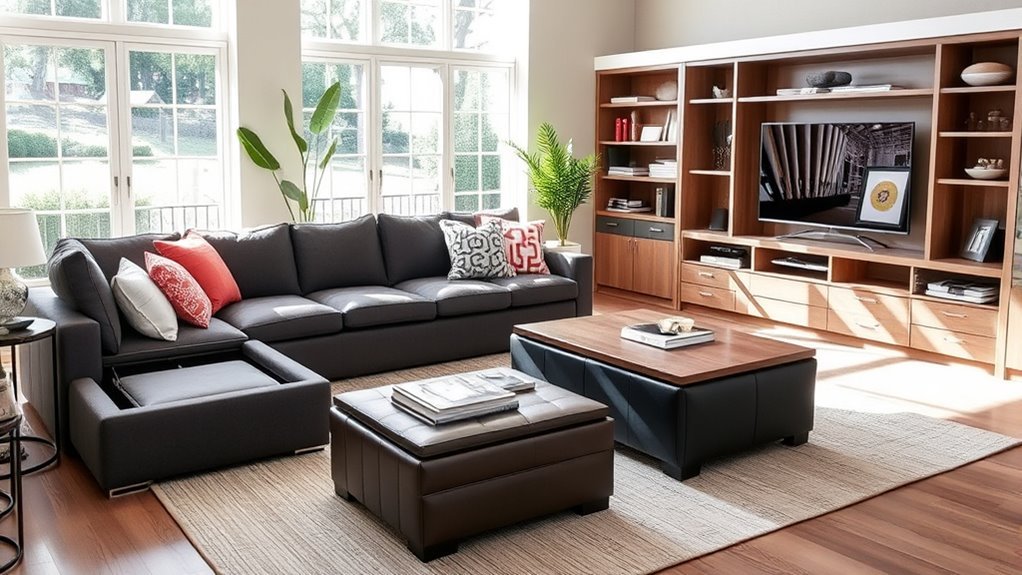
Furniture with built-in storage is one of the easiest ways to add storage without making a living room look crowded. The key is to choose pieces that solve a real problem instead of adding another bulky object.
Recommended Products

【QUICK ASSEMBLY, EASY FOLDAWAY】This storage ottoman from the SONGMICS MAZIE Collection has a foldable design that allows quick setup in seconds by simply inserting the bottom panel. Easily fold and store it under the bed or in a closet when not in use

Spacious Hidden Storage: This square coffee table comes from our LIRY Collection—cleverly conceals a 56-gallon storage compartment underneath to neatly stow away your blankets, pillows, and books, promoting your living room tidy and organized

【3-in-1 Square Ottoman Coffee Table with Storage】- This versatile ottoman coffee table combines a footrest, storage chest and coffee table in one sleek square design. Standing 15” high, this ottoman table fits easily under furniture or in corners to save space while adding convenience. The minimalist square ottoman coffee table complements modern decor and works perfectly in small apartments, living rooms and home offices as a multi-functional storage ottoman coffee table.
Multi-Functional Furniture Options
Start with pieces that work hard without changing the flow of the room:
- Lift-top coffee tables: Good for remotes, coasters, laptops, current books, and small games.
- Storage ottomans: Useful for blankets, toys, pet supplies, or extra pillows. They can also act as seating or a footrest.
- Media cabinets with doors: Better than open TV stands if you want to hide cords, gaming gear, DVDs, or tech accessories.
- Side tables with drawers: Ideal for small items that usually collect on tabletops.
- Benches with hidden storage: Useful under a window, behind a sofa, or near an entry that opens into the living room.
Assessing Space Constraints
Measure before you buy. Leave enough walking space around the sofa, coffee table, and media area so the room still feels comfortable. In a small living room, a narrow cabinet, nesting tables, or a slim console may be better than a large storage coffee table.
Also check the direction doors and drawers open. Storage is only useful if you can access it without moving furniture every time.
Warning: Anchor tall bookcases, cabinets, shelving units, and media furniture according to the manufacturer’s instructions, especially in homes with children or pets. The U.S. Consumer Product Safety Commission’s Anchor It campaign recommends securing furniture with drawers, doors, and shelves to help prevent tip-over injuries and deaths.
Stylish Storage Solutions
The best storage furniture should look intentional. Match the style of the room, but prioritize function first. A cabinet with doors may be better for visual calm, while open shelving may be better if you have attractive books, baskets, or display pieces.
Use closed storage for visual clutter, such as cords, toys, papers, and mismatched accessories. Use open storage for pieces that make the room feel finished, such as books, ceramics, framed photos, or plants.
Creative Wall Storage Ideas
Walls are valuable storage space, especially in small living rooms. The trick is to use vertical storage without making the room feel busy.
Recommended Products

Centerpiece of Room Decoration - These shelves boast a distinctive design and an elegant shape, making them a focal point that elevates the style of any room. Ideal for the living room, bedroom, study, bathroom, laundry room, children's room, or office, they reflect the owner's sophisticated taste and blend seamlessly with various decor themes.

Centerpiece of Room Decoration - These shelves boast a distinctive design and an elegant shape, making them a focal point that elevates the style of any room. Ideal for the living room, bedroom, study, bathroom, laundry room, children's room, or office, they reflect the owner's sophisticated taste and blend seamlessly with various decor themes.
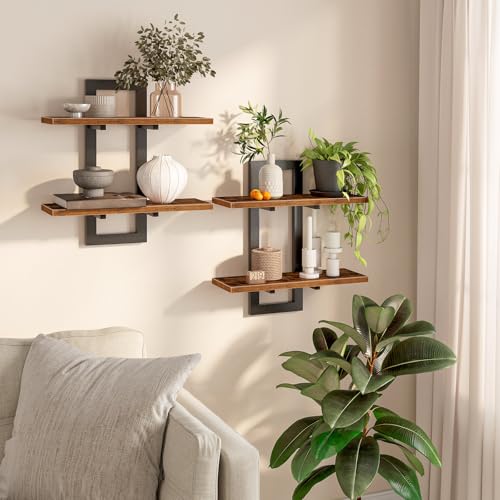
Double-Layer Storage: Measuring 15.0"L x 5.3"W x 15.7"H, the floating wall shelves features a double-layer design, and don't take up much space when mounted on the wall, the 2-tier wall shelf providing more storage space to place additional items, book or decorations while making full use of wall space, creating a neat and cozy home environment
Floating Shelves Benefits
Floating shelves can hold books, small plants, framed photos, candles, and lightweight decor while keeping the floor clear. Install them where they will not be bumped by people sitting down or walking through the room.
For a clean look, group shelf items in odd numbers, vary height, and leave empty space. A shelf that is packed end to end quickly starts to look like clutter.
Wall-Mounted Baskets Options
Wall-mounted baskets can work well near a reading chair, play area, or media zone. They can hold magazines, small toys, remotes, or charging cords. Choose wire baskets for a modern look, wicker for warmth, or fabric pockets for a softer family-friendly option.
If you rent, consider freestanding ladder shelves, over-the-door organizers, or furniture-based storage instead of drilling into walls. Always check lease rules before mounting anything permanent.
Artful Storage Solutions
Storage can also become part of the room’s design. Try a peg rail for headphones and small bags, a picture ledge for rotating books and art, or shadow boxes for keepsakes that would otherwise sit in piles.
Keep artful storage edited. If every wall becomes storage, the room can feel crowded even when the floor is clear.
Tips for Category-Based Organizing
Category-based organizing means storing similar things together so everyone knows where to find them and where to put them back. It is especially helpful in shared living rooms where toys, tech, books, blankets, and pet items all compete for space.
Use categories such as:
- Entertainment: games, controllers, remotes, headphones, and streaming accessories.
- Comfort: blankets, pillows, reading glasses, and footrests.
- Kids or pets: toys, leashes, treats, and grooming supplies.
- Reading: current books, magazines, bookmarks, and journals.
- Decor: candles, seasonal accents, vases, and photo frames.
After grouping categories, choose containers that match the amount you want to keep. Do not buy a bigger basket just to avoid making decisions. The container should create a limit.
Stylish Storage Solutions: Baskets and Bins
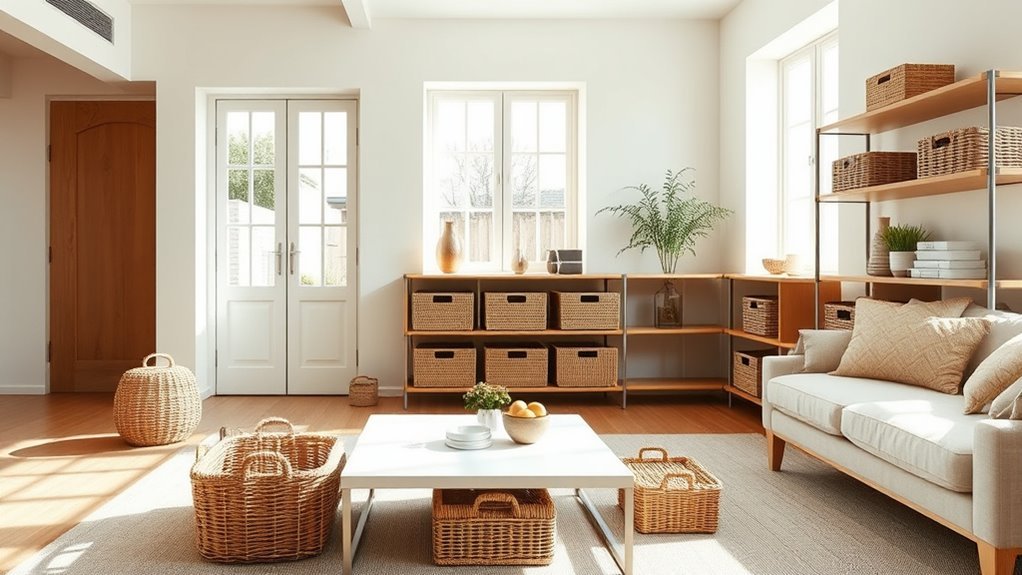
Baskets and bins are simple, flexible, and easy to move. They work best when each one has a clear job.
- Decorative baskets: Use woven, felt, or fabric baskets for blankets, toys, or throw pillows.
- Lidded bins: Use them for items that look messy, such as cords, gaming accessories, or seasonal decor.
- Stackable bins: Use them inside cabinets to make better use of vertical space.
- Clear bins: Use them inside closed cabinets when visibility matters more than appearance.
- Labels: Add simple labels so children, guests, and other household members can maintain the system.
Pro Tip: Keep one attractive “reset basket” in the living room. At the end of the day, place anything that belongs elsewhere in the basket, then empty it before bed or the next morning.
Recommended Products

Hand-woven Storage Boxes Made of Natural Seagrass: The raw materials are made from 100% natural seagrass, which is sturdy and durable, as well as healthy and environmentally friendly. Each strand of seagrass is different, and each storage box is hand-woven by workers. This makes every product you receive unique. They are not only practical tools but also exquisite handicrafts.

Practical Storage, But Make It Stylish: ZICOTO’s decorative storage boxes with lids keep your essentials neatly organized and add a sophisticated touch to any space. Perfect for storing jewelry, keepsakes, power cords, office supplies & more - all within easy reach

【🌻LARGE CAPACITY STORAGE】 - Size for one box is 16.5"x11.8"x12.6"(40L). The large and delicate storage basket can hold no matter whatever you want,clothes,bedding,wipes,books,magazines,files,snacks,art & craft supplies,gadgets,sundries,etc. Fit for home, office, and car boot. You can store the whole world!
Utilizing Hidden Storage Behind Furniture
Hidden storage is useful when it stays accessible. The space behind a sofa, under a console, or beneath a window bench can hold items without taking over the room.
Try these ideas:
- Behind the sofa: Add a slim console table with baskets underneath for blankets, books, or board games.
- Under side tables: Tuck in one basket for reading material or pet toys.
- Inside a media cabinet: Use small bins for cords, batteries, remotes, and gaming accessories.
- Under benches: Store occasional items such as guest blankets or seasonal pillow covers.
- Behind cabinet doors: Add adhesive hooks or small organizers for lightweight items.
Avoid hidden storage for things you use every day if retrieving them is awkward. Hard-to-access storage is best for occasional or seasonal items.
How to Keep Your Living Room Organized Long-Term
A living room stays organized when the reset is easy. Aim for a system that can be restored in 10 minutes, even on a busy day.
Use this maintenance rhythm:
- Daily: Return remotes, blankets, toys, dishes, and chargers to their homes.
- Weekly: Clear the coffee table, recycle old papers, and empty the reset basket.
- Monthly: Check baskets and drawers for overflow. If a container is too full, remove something before adding more.
- Seasonally: Rotate decor, donate unused items, and adjust storage for changing routines.
Clutter can also affect how restorative a home feels. In one small study published in Personality and Social Psychology Bulletin, home descriptions that reflected clutter and unfinished space were associated with less favorable cortisol and mood patterns in the study sample. Your living room does not need to be perfect, but reducing visual overload can make the space feel easier to relax in.
Adapting Your Organization System as Needs Change
Your living room storage should change as your household changes. A system that worked before a new pet, a new baby, a remote-work setup, or a hobby shift may stop working later.
| Action | Purpose |
|---|---|
| Evaluate current storage | Find what is overflowing, unused, or hard to reach |
| Measure before buying | Avoid furniture and containers that crowd the room |
| Track clutter hot spots | Identify the items that need a clearer home |
| Involve household members | Make the system easy for everyone to follow |
| Schedule seasonal reviews | Keep storage aligned with your current lifestyle |
Troubleshooting Living Room Storage Problems
If your living room becomes messy again after a few weeks, the system may be too complicated or the room may still hold too much.
- If baskets overflow: Reduce the category or split it into two clearer groups.
- If items never get put away: Move their storage closer to where you use them.
- If shelves look cluttered: Remove one-third of the items and leave more open space.
- If toys take over: Keep only a small rotation in the living room and store the rest elsewhere.
- If cords keep tangling: Label each cable and give chargers a dedicated charging station.
- If the room feels crowded: Choose vertical or hidden storage instead of adding more floor furniture.
Frequently Asked Questions
What is the 5-5-5 rule for decluttering?
The 5-5-5 rule is a simple decluttering exercise: choose five items to keep, five to donate or discard, and five to move back to their proper homes. It works well when you feel stuck because it gives you a small, clear target instead of asking you to organize the whole room at once.
How do I add more storage to a living room without making it look crowded?
Declutter first, then use storage that fits naturally into the room. Choose furniture with hidden storage, add baskets under consoles, use closed cabinets for visual clutter, and add wall shelves only where they will not overwhelm the space. Keep daily items easy to reach and seasonal items out of the way.
What is the 10-10-10 rule for decluttering?
The 10-10-10 rule is another quick decision tool. Pick 10 items to keep, 10 to remove, and 10 to put away. It is useful for a fast living room reset, especially when clutter is spread across surfaces, shelves, and the floor.
What is the 12-12-12 rule for decluttering?
The 12-12-12 rule asks you to find 12 items to throw away, 12 items to donate, and 12 items to return to their proper places. It is best for a deeper reset when the living room has collected too many items from other areas of the home.
What storage is best for a small living room?
The best storage for a small living room is narrow, vertical, or multi-functional. Try a storage ottoman, lift-top coffee table, wall-mounted shelves, slim media cabinet, nesting tables, or baskets under a console. Avoid deep furniture that blocks walkways or makes the room harder to use.
How often should I reorganize my living room storage?
Do a quick reset daily, a surface clear-out weekly, and a deeper review once each season. Seasonal reviews help you remove unused items, rotate decor, and adjust storage for changes in routines, hobbies, children, pets, or work-from-home needs.
Conclusion
Adding storage to your living room without clutter is less about buying more containers and more about making better decisions. Start by removing what does not belong, group items by use, measure your space, and choose storage that supports the way you actually live. Multi-functional furniture, wall storage, baskets, hidden spaces, and a simple reset routine can turn a crowded room into a calm, practical space that is easy to enjoy every day.
Sources
- U.S. Consumer Product Safety Commission, Anchor It — supports furniture anchoring and tip-over safety guidance.
- U.S. Environmental Protection Agency, Reducing and Reusing Basics — supports donation, reuse, and waste-reduction recommendations.
- Saxbe & Repetti, “No Place Like Home: Home Tours Correlate With Daily Patterns of Mood and Cortisol” — supports the carefully worded note that cluttered or unfinished home environments may affect how restorative a home feels.