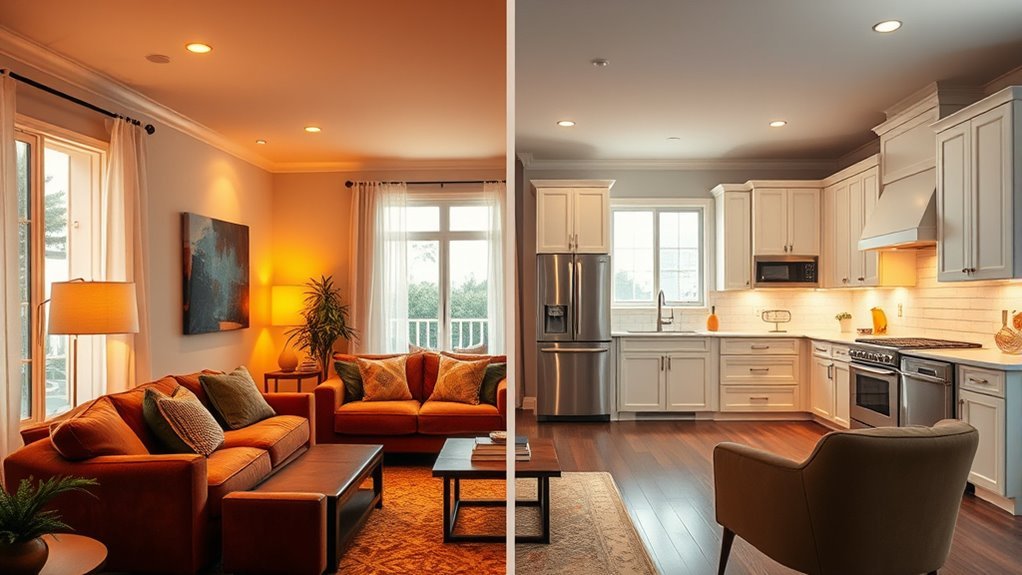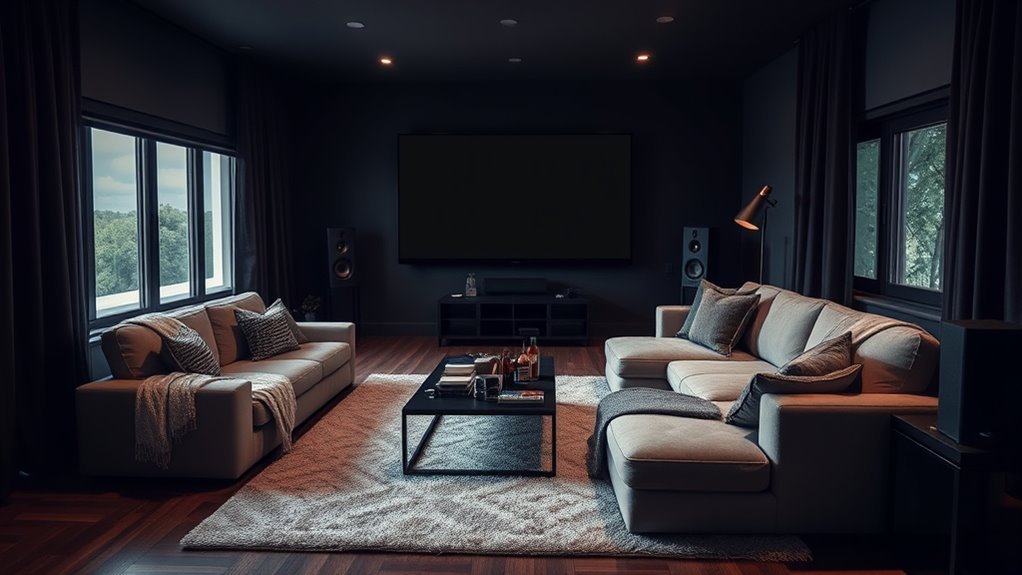
Your living room can feel cold and uninviting for two different reasons: the room may actually be losing heat, or it may simply look and feel chilly because of harsh lighting, cool colors, bare windows, sparse furniture, and too few soft textures. The best fix is to check the physical comfort first, then layer in warmer lighting, textiles, color, and furniture placement.
Quick Answer
A living room usually feels cold because of cool-toned lighting, gray or icy color schemes, bare windows, hard surfaces, undersized furniture, drafts, poor insulation, or blocked heat flow. Start by checking for actual cold air, then add warm 2700K–3000K lighting, rugs, curtains, fuller seating, and soft textures.
Key Takeaways
- Fix real cold first: check drafts, window gaps, vent or radiator blockage, and insulation before buying more decor.
- Swap harsh white bulbs for warm white bulbs around 2700K–3000K and use several lamps instead of one bright overhead light.
- Balance cool paint colors with warm wood, earthy accents, brass, woven textures, and soft fabrics.
- Use rugs, curtains, throws, cushions, and properly scaled furniture to make the room feel softer, quieter, and more welcoming.
At a Glance
| Time Required | 30 minutes for a quick audit; one weekend for the main cozy upgrades |
| Difficulty | Easy for decor and lighting; moderate if sealing drafts or upgrading window treatments |
| Tools Needed | Room thermometer, incense stick or damp hand for draft checks, tape measure, warm bulbs, lamps, rug, curtains, cushions, and throws |
| Cost | Free for layout changes; low to moderate for bulbs, textiles, draft sealing, and curtains; higher for insulation or window upgrades |
First, Decide If the Room Is Actually Cold or Just Feels Cold
Before you change the decor, check whether the living room is physically colder than the rest of the house. Place a room thermometer in the living room and another in a nearby room for 30 minutes. If the living room is several degrees colder, you may be dealing with drafts, poor insulation, heat loss through windows, or blocked airflow.
If the temperature is similar but the room still feels unwelcoming, the problem is probably visual and tactile. Cool bulbs, gray walls, bare floors, empty corners, hard surfaces, and thin window treatments can make a room feel chilly even when the thermostat is fine.
Warning: Do not solve a truly cold room with decor alone. If you feel moving air around windows, doors, outlets, baseboards, attic hatches, or fireplace dampers, seal the drafts first. The U.S. Department of Energy notes that air sealing can reduce drafts and cold spots, improving comfort.
How Lighting Changes the Warmth of a Living Room
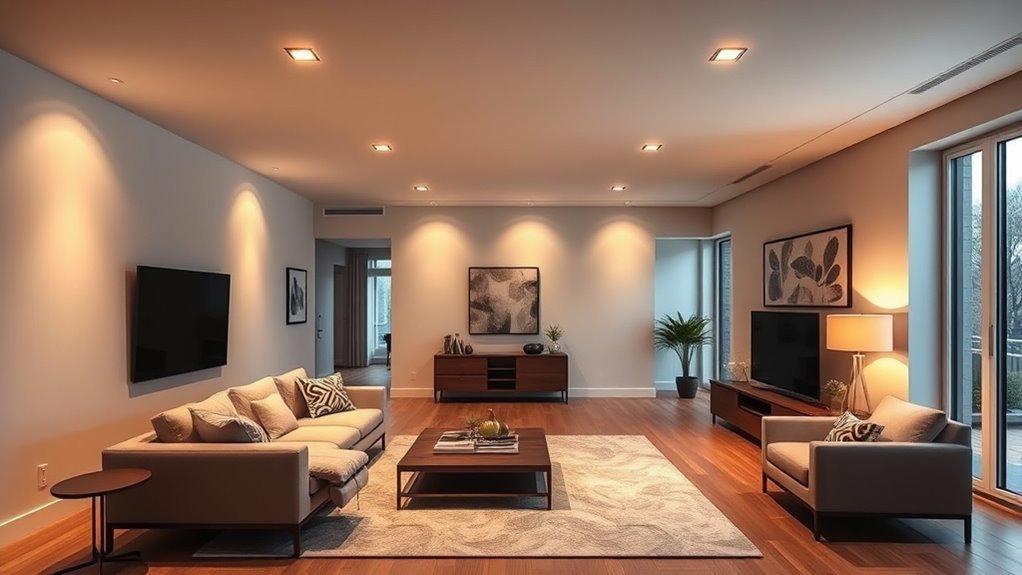
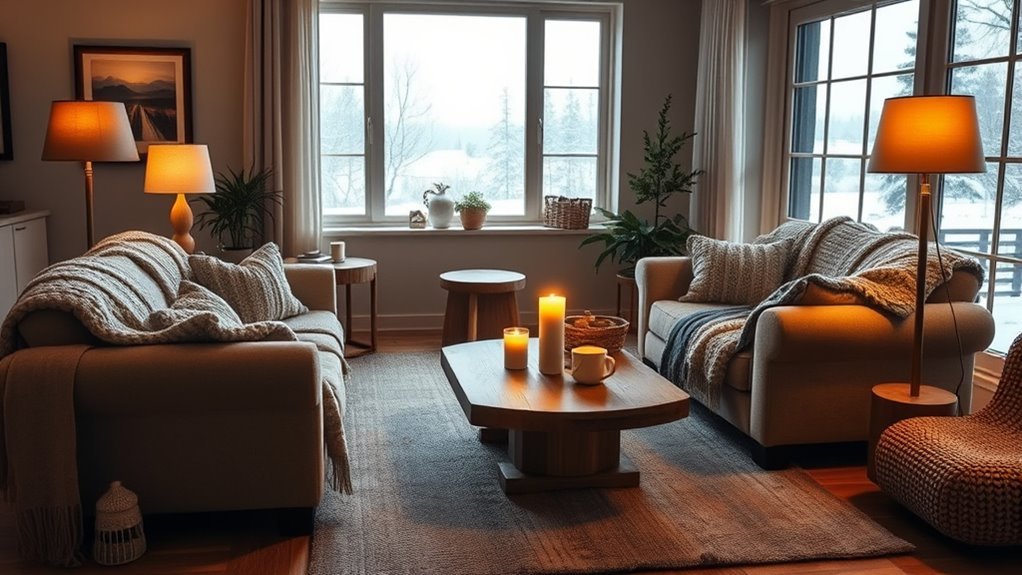
Lighting is one of the fastest ways to change how warm your living room feels. Harsh overhead lighting, daylight bulbs, exposed bulbs, and cool white light can make walls and furniture look flat or stark. For a softer evening feel, use warm white bulbs around 2700K to 3000K in lamps, sconces, and shaded fixtures.
A peer-reviewed study on illumination and perceived temperature found that warm and cool illuminated rooms can change how people sense coolness and warmth, even when the physical room temperature is controlled. That does not mean lighting replaces heating, but it does show why light temperature matters for comfort. You can read the study here: Effect of illumination on perceived temperature.
Use Layers Instead of One Bright Ceiling Light
A single ceiling fixture often creates glare in the center of the room and dark corners at the edges. Instead, layer three kinds of light:
- Ambient light: a shaded ceiling fixture, wall lights, or floor lamps for general glow.
- Task light: reading lamps near chairs, sofas, or side tables.
- Accent light: a picture light, bookshelf lamp, or small table lamp to brighten dark corners.
Keep lamps at different heights. A floor lamp, a table lamp, and a low accent lamp will feel softer than one bright overhead light. Add dimmers or smart bulbs if you want the room to shift from daytime brightness to evening calm.
Pro Tip: If your room has gray walls or cool upholstery, warm bulbs are especially important. Cool bulbs can make gray, white, and blue tones look sharper, while warm bulbs help soften the same palette.
Why Cool Colors Can Make a Living Room Feel Cold
Cool colors like pale gray, icy white, blue-gray, and blue-green can look calm and modern, but they may feel chilly when the room also has cool lighting, bare floors, metal finishes, and little texture. The fix is not always repainting. Often, you only need to balance the palette.
Balance Cool Walls With Warmer Undertones
If your walls are cool gray or white, bring in colors that add visual warmth:
- Warm ivory instead of stark white
- Camel, tobacco brown, cognac, rust, ochre, or terracotta accents
- Natural wood tones in tables, frames, shelves, or chair legs
- Brass, aged bronze, or warm black metal instead of shiny chrome
- Cream, oatmeal, taupe, or warm beige textiles
You do not need to cover the room in orange or yellow. A few warm undertones can make a cool scheme feel intentional instead of sterile.
Use Cool Colors With Texture
Dusky blue, slate, sage, and blue-green can still feel cozy when they are paired with warm materials. Try a blue-gray wall with a jute rug, linen curtains, walnut wood, cream cushions, and a warm lamp. The color stays calm, but the room gains softness and depth.
How Furniture Scale Affects Living Room Comfort
Furniture that is too small for the room can make the space feel empty and exposed. A tiny sofa, narrow rug, and small coffee table may work in a compact apartment, but they can look lost in a larger living room. The room then feels cold because there is too much open space and not enough visual weight.
Choose furniture that fits the room’s scale. A larger sofa, two comfortable chairs, a full-size coffee table, and a rug big enough to sit under the front legs of the seating will make the living room feel more grounded.
Arrange Seating for Conversation
A cozy living room usually has a clear conversation zone. Pull furniture away from the walls when possible and group seating around a central table or ottoman. Chairs should face the sofa or angle toward it, not sit randomly along the edges of the room.
Do Not Block Heat Sources
If your living room has floor vents, wall registers, baseboard heaters, or radiators, make sure furniture, rugs, and curtains are not blocking them. A sofa in front of a radiator or a rug over a floor vent can prevent warm air from circulating, leaving the room feeling colder than it should.
Note: If the room never warms up even with clear vents and closed windows, the issue may be insulation, duct balance, window performance, or the heating system. In that case, a home energy assessment may be more useful than another decor purchase.
Why Skipping Rugs and Textiles Hurts Comfort
Rugs, curtains, throws, cushions, and upholstery add more than decoration. They create tactile warmth, soften echo, add color, and make a room feel lived in. Without them, hard floors, bare windows, and empty walls can make even a heated room feel stark.
Recommended Products

Soft & Durable: This 8x10 area rug low-pile combines soft faux wool fibers with a 0.25-inch height for comfort. Tight weaving reduces shedding and edge fraying, making it perfect for high-traffic areas like living rooms, bedrooms, and entryways

Machine Washable Area Rugs: Our living room rug, one of the 8x10 area rugs, surfaces is resistant to stains and dirt, and can be easily cleaned with a rag or vacuum cleaner; for deep cleaning, use a washing machine

Machine Washable: The short pile design of this washable rug is easy to maintain using a robot vacuum or a low-powered vacuum cleaner. The area rug is also machine-washable for fast and hassle-free cleaning. After washing, a low-temperature iron can help to keep the living room carpet's surface flat and smooth
Start With the Rug
A rug anchors the seating area and gives your feet a warmer surface. Choose a rug large enough that at least the front legs of the sofa and chairs sit on it. If the rug floats like a small island in the middle of the floor, the room can still feel disconnected.
For extra softness, layer a patterned wool, cotton, or synthetic rug over a thick rug pad. In a neutral room, a rug with warm beige, rust, olive, brown, or muted gold can change the whole temperature of the space.
Add Fabric at Different Levels
Use textiles from floor to eye level:
- A rug under the main seating area
- Cushions in varied sizes and textures
- A throw over the sofa or armchair
- Curtains or drapes at the windows
- Fabric lampshades for softer light
- Upholstered seating instead of only leather, metal, or wood
Texture matters as much as color. Linen, boucle, wool, velvet, chenille, cotton, jute, and woven baskets all help break up cold surfaces.
How Bare Windows Make a Living Room Feel Exposed
Bare windows can make a living room feel unfinished, exposed, and physically cooler. Glass is usually one of the weakest comfort points in a room, especially at night or in winter. The U.S. Department of Energy says about 30% of a home’s heating energy is lost through windows, and window coverings can help improve comfort, regulate temperatures, and reduce cold drafts near windows. See the DOE guide here: Energy Efficient Window Coverings.
Recommended Products

100% Total Blackout & UV Blocking: Achieve perfect darkness with these blackout curtains! The dedicated liner blocks 100% sunlight and UV rays, ideal for any bedroom or living room. This blackout curtain protects furniture from fading and helps regulate room temperature year-round.

100% Blackout Curtains for Ultimate Privacy & Serenity: Our blackout curtains ensure your room completely dark, achieving 100% light blockage. Perfect for bedrooms, living rooms, or nurseries, they effectively block all distracting light, creating a dark, comfortable, and tranquil space for sleep and relaxation. Say goodbye to intrusive morning light and enjoy uninterrupted sleep until dawn.

100% Blackout Curtains: A full blackout white coating is attached to the back of our linen curtains, blocking 100% of sunlight and UV rays. Provide you a complete private and personal space for a sweet sleep or rest. Good choice for bedrooms, nursery, living rooms, offices, patio door. Also perfect for babies, night shift workers and people sensitive to light
Layer Window Treatments
For a warmer look and better comfort, layer window treatments instead of relying on bare glass or thin blinds alone. Good combinations include:
- Woven shades with full-length curtains
- Roman shades with lined drapes
- Cellular shades with side panels
- Blinds plus soft linen or velvet curtains
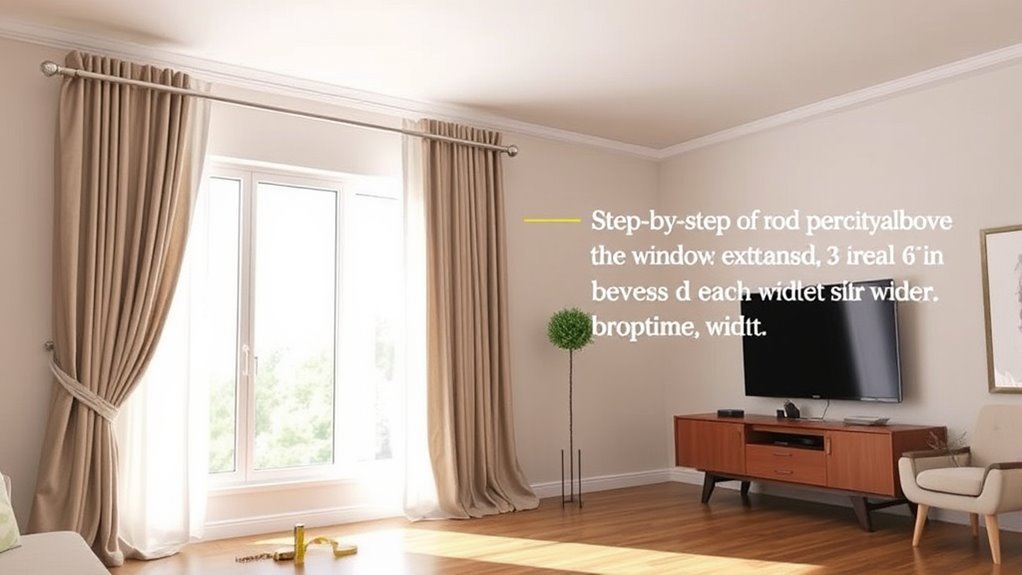
Hang curtains high and wide so the window feels larger and the fabric adds softness. For cold-weather comfort, curtains should hang close to the window, overlap in the middle, and reach the sill or floor. During sunny winter days, open coverings on sun-facing windows to let in warmth; close them after dark to reduce the chill from the glass.
Drafts, Insulation, and Hidden Cold Spots
If your living room is colder than nearby rooms, look for air leaks. Common leak spots include window frames, door frames, baseboards, outlets, switch plates, fireplace dampers, attic hatches, and places where pipes, wires, or vents pass through walls. The DOE recommends checking these areas and sealing leaks with caulk, weatherstripping, foam gaskets, or foam sealant where appropriate. Read more here: Air Sealing Your Home and Detecting Air Leaks.
Simple Draft Checks You Can Do
- Use your hand: On a windy day, move a damp hand around window and door edges. Drafts often feel cool.
- Use incense carefully: Hold an incense stick near common leak spots. If smoke wavers or gets pulled sideways, air may be moving through a gap.
- Look for daylight: If you can see daylight around a door or window frame, air can usually move through it too.
- Check outlets: Exterior-wall outlets and switch plates can leak air in older or poorly sealed homes.
Do Not Forget Insulation
Insulation helps resist heat flow, which improves comfort and reduces heating and cooling costs. If your living room has an exterior wall, a room above a garage, a bay window, a crawlspace below, or an attic above, poor insulation can make the room feel colder than the thermostat suggests. The DOE explains the basics here: Insulation.
What Furniture Choices Make a Living Room Feel Warmer?
Warmth comes from shape, material, and placement. Sharp edges, glass tables, chrome, thin legs, and small-scale pieces can all make a room feel visually lighter and colder. Softer shapes and natural materials feel more relaxed.
Recommended Products
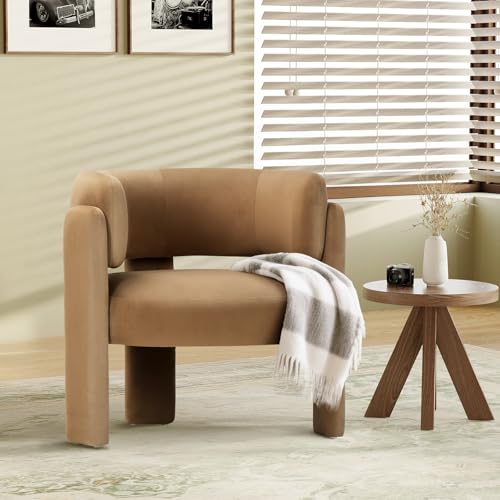
Comfortable Velvet Upholstery: COLAMY velvet accent chairs feature with soft, high-quality velvet fabric that offers smooth and skin-friendly feel, and add warmth and elegance to your space. Ideal for relaxing after a long day, the small chair for bedroom enhances comfort whether you're reading, watching TV, or simply lounging.

PERFECT DINING HEIGHT FOR MOST TABLES:19.7" seat height is designed to fit standard 30" dining tables, allowing the chair to slide in smoothly without arm interference. The compact 23" width makes it ideal for small apartments, breakfast nooks, and space-saving dining setups.

[READY TO USE] NO ASSEMBLY REQUIRED Unbox and enjoy immediately. No tools, no manuals, and no stress. Perfect for instant home styling without the headache of complicated setup
Choose Softer Shapes
Rounded coffee tables, curved armchairs, plump cushions, upholstered ottomans, and sofas with generous arms feel more inviting than thin, angular pieces. You do not need every piece to be rounded, but at least one or two soft shapes will make the room feel less rigid.
Use Natural and Warm Materials
Good warmth-building materials include:
- Wood tables, shelves, picture frames, and sideboards
- Leather or faux leather in camel, cognac, or chocolate tones
- Woven baskets and trays
- Linen, cotton, wool, velvet, boucle, or chenille upholstery
- Ceramic lamps, stoneware vases, books, and art
Personal objects also help. A room with no books, art, photos, plants, lamps, or collected pieces can feel staged rather than lived in.
A Weekend Plan to Make Your Living Room Warmer
If the room feels cold and you do not know where to start, use this order. It keeps you from spending money on decor before solving the real comfort problems.
Step 1: Fix the Free Things First
- Move furniture away from vents, radiators, and baseboard heaters.
- Open curtains during sunny winter hours and close them at dusk.
- Pull seating closer together so the room has a conversation zone.
- Move a lamp into the darkest corner.
- Remove overly cool bulbs from the main living area.
Step 2: Make Small, High-Impact Upgrades
- Buy warm white bulbs around 2700K–3000K.
- Add one floor lamp and one table lamp if the room relies on overhead lighting.
- Add a larger rug or a thicker rug pad.
- Add two to four cushions in warm tones or textured fabrics.
- Add a throw blanket where people actually sit.
- Seal obvious window and door drafts with appropriate caulk or weatherstripping.
Step 3: Add Bigger Comfort Fixes If Needed
- Install lined curtains, cellular shades, or layered window treatments.
- Upgrade old or poorly fitting windows if they leak badly.
- Improve insulation in walls, attic areas, crawlspaces, or rooms above garages.
- Schedule a professional energy assessment if one room is always much colder than the rest of the house.
The coziest living rooms usually combine both kinds of warmth: real thermal comfort from sealed drafts and clear heat flow, plus visual warmth from soft light, texture, color, and furniture that fits the room.
Frequently Asked Questions
How do I make a cold living room more cozy?
Start by checking for drafts, blocked vents, bare windows, and poor insulation. Then add warm white bulbs, layered lamps, a properly sized rug, full curtains, cushions, throws, and warm materials like wood, woven textures, linen, wool, or velvet.
Why is my living room colder than the rest of my house?
Your living room may be colder because of drafty windows or doors, poor insulation, a room over a garage or crawlspace, blocked vents, unbalanced ductwork, large glass areas, or an exterior wall that loses heat quickly. Use a thermometer to compare rooms before assuming the issue is only decor.
What light bulbs make a living room feel warmer?
Warm white bulbs around 2700K to 3000K usually feel best in living rooms. Use them in shaded table lamps, floor lamps, sconces, and accent lights. Avoid relying only on a bright overhead daylight bulb, which can make the room feel stark.
Do curtains really help a cold living room?
Yes, curtains can help both visually and physically. They soften bare glass, add texture, improve privacy, and can reduce heat loss when closed in cold weather. For the best effect, use lined or heavier curtains that hang close to the window and reach the sill or floor.
Can gray walls make a living room feel cold?
Gray walls can feel cold when they have blue undertones, cool lighting, bare floors, and little texture. You can warm them up with 2700K–3000K bulbs, wood furniture, cream textiles, warm metals, earthy accent colors, rugs, curtains, and art.
Conclusion
A cold living room is not always solved by turning up the thermostat. Sometimes the issue is physical: drafts, poor insulation, bare windows, blocked vents, or heat loss. Other times, the room feels cold because the lighting is harsh, the colors are cool, the windows are bare, the furniture is too small, or the surfaces are hard and empty. Check the real temperature first, then layer warm lighting, rugs, curtains, textiles, natural materials, and properly scaled furniture. With a few thoughtful changes, your living room can feel softer, warmer, and much more welcoming.
Sources
- PLOS ONE — Effect of illumination on perceived temperature — supports the connection between illumination and perceived warmth/coolness.
- U.S. Department of Energy — Energy Efficient Window Coverings — supports window heat-loss, drapery, cellular shade, and window-covering comfort guidance.
- U.S. Department of Energy — Air Sealing Your Home — supports draft reduction, caulking, weatherstripping, and cold-spot guidance.
- U.S. Department of Energy — Detecting Air Leaks — supports common air-leak locations and basic draft checks.
- U.S. Department of Energy — Insulation — supports insulation, heat-flow, and comfort guidance.