
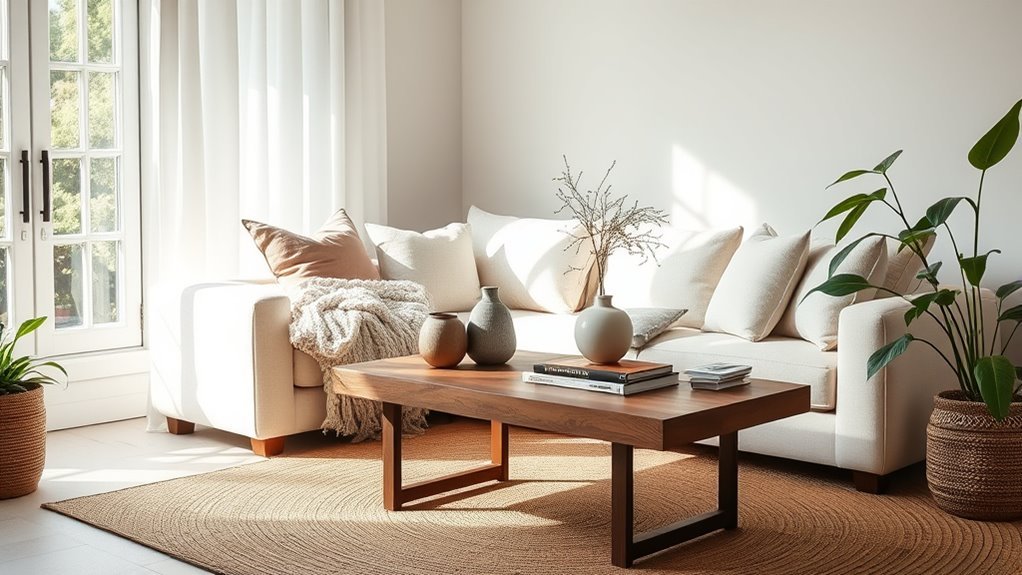
A neutral living room feels calm, warm, and finished when the palette is simple but the textures are layered with intention. Start with a soft base of warm white, cream, beige, taupe, greige, stone, or soft gray, then build depth with rugs, upholstery, wood, woven accents, pillows, throws, lighting, and personal decor. The goal is not to make every item match. The goal is to repeat a few tones and vary the surfaces so the room feels relaxed, comfortable, and lived in.
Quick Answer
To build a neutral living room with layered textures, choose a warm neutral foundation, anchor the seating area with a properly sized rug, select comfortable furniture in durable fabrics, then layer pillows, throws, wood, woven pieces, ceramics, plants, and soft lighting for depth.
Key Takeaways
- Use undertones first: warm neutrals pair best with cream, oak, jute, brass, and tan; cool neutrals pair best with stone, black, nickel, and charcoal.
- A large area rug should connect the main seating pieces so the room feels grounded, not scattered.
- Layer texture through fabric, wood, stone, metal, glass, baskets, plants, and handmade decor instead of relying on color alone.
- Mix pillows and throws in different sizes, but keep the palette tight so the room stays calm.
- Use rug pads, safe furniture placement, and wall anchors for tall storage pieces to keep the space practical as well as beautiful.
At a Glance
| Time Required | 2–4 hours to plan and style; longer if you are buying new furniture or rugs |
| Difficulty | Easy to moderate |
| Tools Needed | Tape measure, painter’s tape, fabric samples, paint chips, rug pad, basic styling accessories |
| Cost | Low if restyling with existing pieces; higher if replacing rugs, seating, lighting, or storage |
Plan Your Neutral Palette Before You Shop
Before choosing rugs or furniture, decide whether your neutral living room will feel warm, cool, or mixed. Warm neutrals include cream, ivory, camel, oatmeal, beige, taupe, oak, rattan, aged brass, and terracotta. Cool neutrals include soft gray, stone, charcoal, black, white oak, polished nickel, glass, and marble. Mixing warm and cool tones can look beautiful, but one side should lead so the room does not feel accidental.
A simple formula is to choose one dominant neutral for the walls or largest furniture, one secondary neutral for the rug or chairs, and one deeper accent for contrast. In a calm living room, that accent might be charcoal, espresso, olive, rust, indigo, or muted blush rather than a bright color.
Note: If you are bringing in new paint, rugs, adhesives, or upholstered furniture, ventilate the room well. The U.S. Environmental Protection Agency notes that volatile organic compounds can come from building materials and furnishings and recommends increasing ventilation when using products that emit VOCs. Learn more from the EPA.
Choose Your Foundation: Flooring and Rugs for a Neutral Living Room
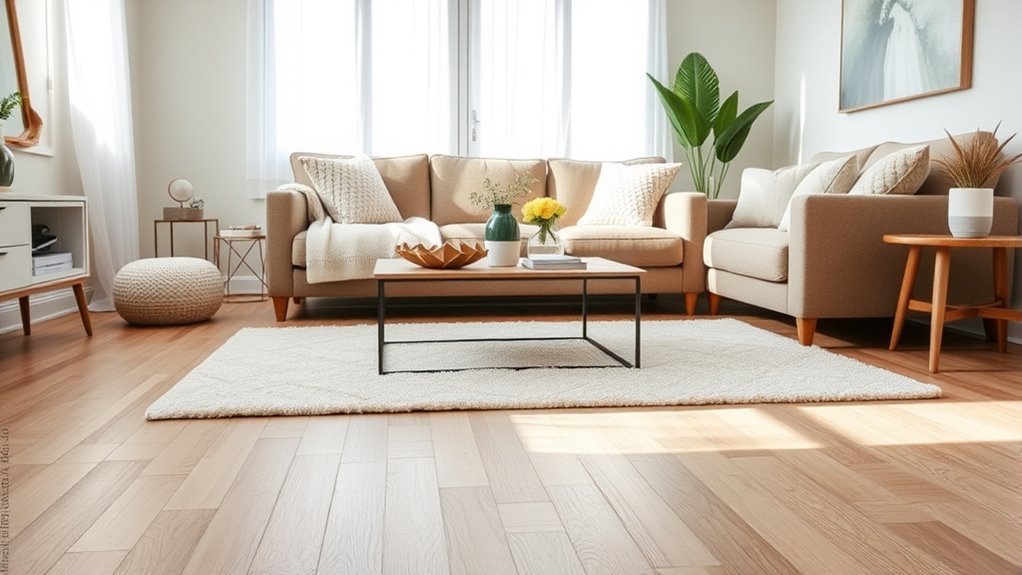
When designing a neutral living room, the foundation you choose sets the mood for the entire space. Start with a hardworking floor surface such as sealed hardwood, laminate, tile, stone, or painted wood. Then use a large neutral area rug to soften the room and connect the main seating pieces.
For most living rooms, the rug should be large enough for at least the front legs of the sofa and chairs to sit on it. This makes the seating area feel connected. A rug that is too small can make the furniture look like it is floating. Better Homes & Gardens also recommends choosing rug size around your room layout and using a rug pad to help protect the rug and add comfort. See the area rug guide.
To add texture, layer a smaller woven, wool, jute, or patterned rug over a larger flat-weave base. Keep the lower rug simple and the top rug more tactile. This gives the room depth without making the palette busy.
Warning: Use the right rug pad for your floor type, keep rug edges flat, and avoid thick rug layers in walkways. A beautiful room should still be safe to move through.
Recommended Products

WASHABLE AREA RUG: Stain resistant surface engineered for modern convenience. Easily toss it into the washing machine with cold water. For sizes 6x9 and up, use a commercial washer. Spills wipe away easily before they have a chance to penetrate. The quick-dry fabric allows the rug to dry quickly. For daily care, vacuum on the lowest setting in one direction to protect fibers. Retains vivid colors and shape wash after wash

Trendy Modern Rug: Our area rug is designed in today's popular minimalist style, featuring adaptable printed patterns that seamlessly blend into a wide range of interior aesthetics. This neutral rug adds understated elegance with a strong feeling of individuality to your living room, bedroom, dining room, nursery or playroom.

Soft Material and Elegant Design: This 8x10 beige area rug offers designed for comfortable everyday use. Crafted from ultra-soft microfiber, it feels plush and gentle underfoot—providing a plush, cloud-like feel—offering a noticeably plush feel underfoot. Perfect living room or high-traffic areas, its central pattern elegantly blends bohemian and vintage styles. Designed to complement any interior decor, it seamlessly integrates with your home furnishings.
Select the Right Furniture for Comfort and Style
To create a comfortable and stylish neutral living room, choose furniture that fits the room first and the style second. Measure the room, doorways, walkways, and wall space before buying a sofa or sectional. Leave enough room to walk around the seating area, open drawers, and reach side tables comfortably.
Start with a versatile sofa in linen, cotton blend, performance fabric, leather, or slipcovered upholstery. A neutral sofa does not have to be plain; texture can come from a slub linen weave, a soft boucle, a pebbled leather, or a subtle herringbone. Add accent chairs in a different material, such as woven rush, wood frame, boucle, cane, or leather, so the room feels layered instead of showroom-matched.
A coffee table with wood, stone, glass, metal, or a dark finish can ground lighter upholstery. If the room feels too soft, add a sharper material such as black metal, smoked glass, or marble. If the room feels too hard, bring in rounded shapes, upholstered ottomans, woven baskets, and warm wood.
Warning: Anchor tall bookcases, cabinets, media units, and storage furniture with drawers, doors, or shelves. The U.S. Consumer Product Safety Commission’s Anchor It campaign recommends securing these pieces to help prevent tip-over injuries. Read the Anchor It guidance.
Recommended Products

【Natural Linen Fabric】 Made of grade natural ramie linen blend. Natural linen fabric makes it soft, comfortable, and breathable—good workmanship, tightly sewn

Package includes 2 identical throw pillow covers with smooth invisible zippers, convenient for inserting and removing pillow inserts. The hidden zipper design ensures a tidy and seamless appearance, enhancing the overall decorative effect for your home.

Material: Made of High quality durable linen blend, comfortable to touch and lay on. Quality fabric, hide your old pillow patterns perfectly. This material does not pilling or shedding, and holding up well after long time of use
Mixing Fabrics for Layered Textures
In a neutral room, texture does the work that bright color might do in a bolder space. The strongest combinations usually mix soft, rough, smooth, natural, and slightly reflective surfaces. For example, pair a linen sofa with velvet pillows, a chunky wool throw, a jute rug, a ceramic lamp, and a wood coffee table.
Choosing Complementary Textures
Begin with one foundational texture, such as a flat-weave rug, linen sofa, or smooth painted wall. Then add contrast. Soft velvet looks richer beside crisp cotton. Boucle feels cozier beside smooth leather. Oak and rattan add warmth beside stone or glass. A little contrast makes each texture easier to notice.
Try to repeat each texture at least twice. A woven shade can echo a basket. A stone coffee table can echo a marble tray. A black metal floor lamp can echo a thin picture frame. Repetition makes the room feel intentional.
Balancing Patterns and Solids
A neutral living room can include pattern, but the pattern should support the calm palette. Pair one larger pattern, such as a striped rug or large-scale pillow, with smaller patterns such as a subtle check, small floral, or woven stripe. Then add solid pillows or throws to give the eye a place to rest.
For pillows, a useful mix is one large square pillow, one medium square pillow, and one smaller lumbar pillow on each main seating area. They do not need to match. They should share a color family, undertone, or material connection.
Layering Fabrics Strategically
Layer from large to small. Start with the rug, sofa, curtains, and chairs. Then add pillows, throws, ottomans, and accessories. This order keeps the room grounded and prevents small decor from doing too much work.
If your large pieces are plain, use pillows and throws for texture. If your sofa or rug already has a strong weave or pattern, keep smaller textiles calmer. The goal is balance, not clutter.
Pro Tip: Before buying new pillows or throws, take a photo of the room and view it in black and white. If everything blends together, add contrast through darker wood, black accents, nubby fabric, or a different rug texture.
Enhancing Your Space With Colorful Pillows and Throws
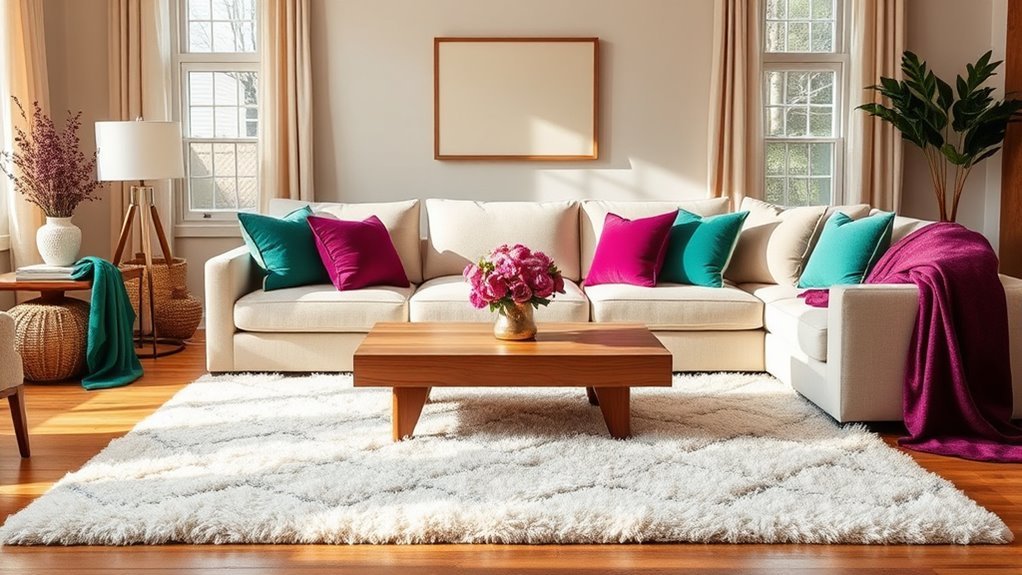
Colorful pillows and throws can brighten a neutral living room without taking over the design. The key is to choose muted, layered colors instead of overly bright ones. Indigo, rust, olive, clay, muted teal, soft blush, ochre, and deep brown all work well with neutral rooms because they feel grounded.
Mixing Patterns And Textures
To make pillows and throws feel collected, not chaotic, use these simple guidelines:
- Vary pillow sizes: Mix large square pillows, medium pillows, and one lumbar pillow for shape contrast.
- Pair patterns carefully: Place a larger pattern beside a smaller one so they do not compete.
- Add solids: Solid linen, velvet, wool, or boucle pillows calm down busy prints.
- Use touchable materials: Faux fur, wool, cotton, linen, velvet, and knit textures make the room feel warmer.
Color Palette Coordination Tips
Choose two or three accent colors and repeat them in small ways. For example, an olive pillow can connect to a plant, a landscape print, or a ceramic vase. A rust throw can connect to a wood bowl or warm leather chair. Repetition keeps colorful accents from looking random.
If you want a softer look, choose tone-on-tone accents such as cream, oatmeal, beige, taupe, and warm gray. If you want more contrast, add black, espresso, charcoal, or deep bronze in small doses.
Layering For Visual Interest
Layering does not mean adding more and more pieces. It means choosing pieces that play different roles. A chunky throw adds softness. A lumbar pillow adds shape. A patterned pillow adds movement. A woven basket adds natural texture. A ceramic vase adds a handmade touch.
Rotate pillows and throws seasonally to keep the room fresh. In warmer months, use cotton, linen, and lighter colors. In cooler months, bring in wool, velvet, boucle, and deeper tones.
Add Lighting That Makes Neutrals Feel Warm
Lighting can make or break a neutral living room. A beige sofa under harsh overhead light can look flat, while the same sofa beside a warm lamp can look soft and inviting. Use at least three types of lighting: overhead lighting for general brightness, table or floor lamps for comfort, and accent lighting for art, shelves, or corners.
Choose lampshades and bulbs that flatter your palette. Warm white light usually works best with cream, beige, taupe, wood, rattan, and brass. Cooler light can work with gray, black, white, chrome, and stone, but avoid anything so cold that the room feels sterile.
Recommended Products

1. 3000K Warm Light - Enjoy soft warm light from the included A15 LED bulb (3000K), creating a cozy ambiance for reading or relaxation. Energy-efficient and flicker-free, this small lamp for bedroom ensures comfortable illumination day or night.

FINIAL and LAMP POLE are SILVER, NOT GOLD. They may appear GOLDEN due to the WARM LIGHT, as shown in the picture. ( BULB IS NOT INCLUDED)

CORDLESS LIGHT WHERE OUTLETS ARE INCONVENIENT – Move this rechargeable table lamp among a nightstand, shelf, desk, dresser, nursery, or guest-room surface without trailing a power cord across the tabletop. The built-in battery is 2000mAh per lamp.
Adding Personal Touches With Meaningful Decor
Personal decor keeps a neutral living room from feeling like a catalog. Add family photos, travel souvenirs, handmade pottery, inherited pieces, framed textiles, collected books, or art that means something to you. These details give the room a story.
Use trays, bowls, baskets, and shelves to group personal items neatly. A tray can hold a candle, small vase, and stack of books. A basket can hide blankets. A shallow bowl can display beads, shells, or small collected objects. These simple containers make personal pieces feel styled instead of scattered.
Fresh flowers or plants add life, shape, and natural color. Choose simple planters in ceramic, stone, terracotta, woven materials, or matte metal so they support the neutral palette.
Tips for Maintaining Balance in Your Living Room
Achieving a harmonious balance in your neutral living room comes down to scale, contrast, repetition, and editing. The room should feel layered, but it should still have breathing room.
- Balance visual weight: If one side has a heavy sofa, balance the other side with chairs, a floor lamp, artwork, or a substantial plant.
- Repeat materials: Use each major material more than once, such as wood on the coffee table and picture frames.
- Vary texture without overloading: Choose two or three main texture families, then add smaller accents.
- Leave open space: Not every surface needs decor. Empty space makes textured pieces stand out.
- Check traffic flow: Keep walkways clear and make sure tables, chairs, and ottomans are easy to use.
Review the room every few months. Remove pieces that no longer serve the space, fluff pillows, rotate throws, clean rugs, and refresh flowers or greenery. A neutral room looks best when it feels cared for.
Frequently Asked Questions
What is the 3-5-7 rule in decorating?
The 3-5-7 rule is a styling guideline that uses odd-numbered groupings, usually three, five, or seven items, to create a more natural and visually interesting arrangement. Use it for coffee table decor, shelves, pillows, artwork, or small accessories, but do not treat it as a strict rule.
What is the 2/3 rule for living rooms?
The 2/3 rule is a flexible proportion guideline. A sofa, rug, coffee table, or artwork often looks best when it relates to the size of the wall, room, or furniture around it instead of matching it exactly. For example, a sofa that is roughly two-thirds the width of a main wall can feel balanced, but room shape and traffic flow matter more than a perfect measurement.
What is the 70 20 10 rule in decorating?
The 70/20/10 rule means using about 70% dominant color, 20% secondary color, and 10% accent color. In a neutral living room, that could mean 70% warm cream and beige, 20% taupe or wood tones, and 10% black, rust, olive, or brass. The similar 60/30/10 rule is also common.
How do you mix textures in a living room?
Mix textures by combining different surfaces that share a related palette. Try linen with velvet, wool with jute, leather with boucle, wood with stone, or ceramic with woven baskets. Keep the colors connected so the texture feels layered instead of busy.
How do you keep a neutral living room from looking boring?
Use contrast, texture, and shape. Add a larger rug, varied pillow sizes, warm wood, woven baskets, ceramic lamps, plants, art, and layered lighting. A neutral room becomes interesting when the materials differ, even if the colors stay quiet.
Conclusion
By layering textures and choosing a thoughtful neutral palette, you can create a living room that feels calm, cozy, and personal. Start with the foundation: flooring, rug, and main furniture. Then build warmth with fabrics, pillows, throws, wood, woven accents, lighting, plants, and meaningful decor. Keep the palette simple, repeat materials, and edit as you go. The result is a neutral living room that feels serene without ever feeling flat.
Sources
- U.S. Environmental Protection Agency: Volatile Organic Compounds’ Impact on Indoor Air Quality — supports the note about VOCs, furnishings, finishes, and ventilation.
- AnchorIt.gov / U.S. Consumer Product Safety Commission — supports the warning about anchoring tall furniture and storage pieces.
- Better Homes & Gardens: How to Choose the Perfect Area Rug for Your Room — supports rug sizing, placement, layering, and rug pad guidance.
- Good Housekeeping: Designers Say You Might Be Mixing Textures in Your Home All Wrong — supports practical texture-mixing guidance.
- Real Simple: Rules for Arranging a Living Room — supports layout, proportion, and furniture-arrangement guidance.


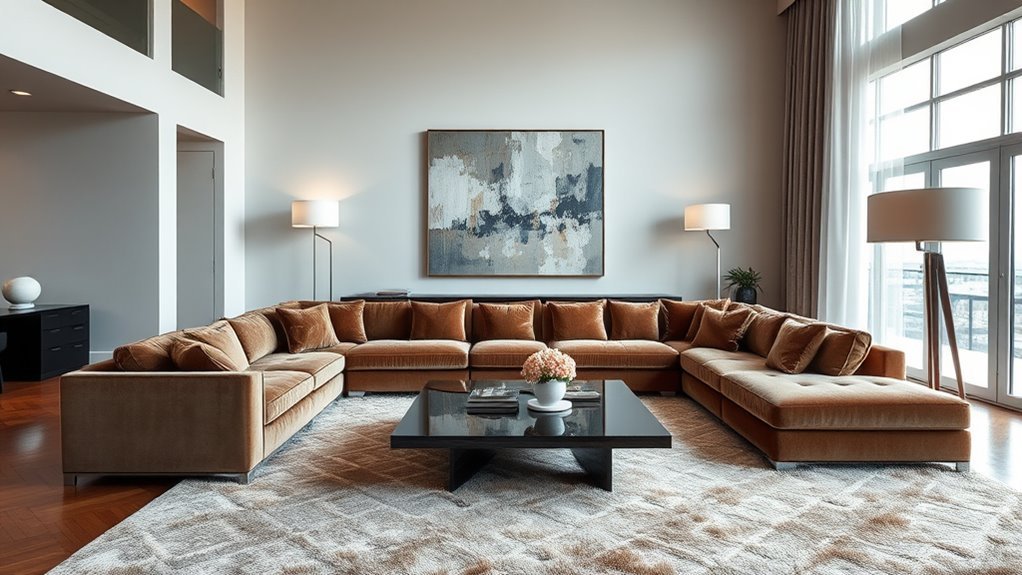

[…] How to Build a Neutral Living Room With Layered Textures: Step-By-Step Guide […]