Clean curtains and drapes look brighter, smell fresher, and collect less dust, but the safest method depends on the fabric, lining, trim, and care label. Start gently: dust or vacuum first, test any cleaner in a hidden spot, wash only if the label allows it, and dry the panels in a way that protects their shape.
Quick Answer
To clean curtains and drapes, check the care label first, then vacuum both sides with a soft brush attachment. Spot treat fresh stains gently, hand wash delicate washable fabrics, machine wash sturdy washable panels on a gentle cycle, and air dry away from harsh heat or direct sun. Dry-clean-only, lined, silk, velvet, blackout, or heavily pleated drapes should usually go to a professional.
Key Takeaways
- Always follow the care label before using water, detergent, bleach, steam, heat, or a dryer.
- Vacuuming with a soft brush attachment is the safest regular maintenance step for most curtains and drapes.
- Fresh stains should be blotted, not rubbed, and treated before heat sets them.
- Washable cotton, polyester, linen, and sheer panels may often be cleaned at home, but lined, structured, silk, velvet, blackout, thermal, or embellished drapes need extra caution.
- Air drying and reshaping while damp help prevent shrinking, stretching, wrinkles, and distorted hems.
At a Glance
| Time Required | 15-30 minutes for vacuuming; 1-3 hours for washing and air-drying setup; longer for thick or lined panels |
| Difficulty | Easy for washable panels; moderate for delicate fabrics; professional level for dry-clean-only or structured drapes |
| Tools Needed | Vacuum with soft brush attachment, lint roller, mild detergent, clean white cloths, basin or bathtub, mesh laundry bag, towels, drying rack or clothesline |
| Cost | Usually $0-$15 for at-home cleaning supplies; professional cleaning varies by fabric, size, lining, and local service rates |
Before You Clean: Check the Care Label and Fabric
The care label is your first decision point. It tells you whether the curtain can be machine washed, hand washed, line dried, ironed, steamed, bleached, or dry cleaned. The Federal Trade Commission explains that care instructions and warnings are meant to prevent substantial harm to textile products, so do not treat the label as a suggestion when the panel is lined, coated, delicate, or expensive.
Warning: Do not wash curtains labeled “dry clean only.” Do not use bleach, hot water, a dryer, steam, or an iron unless the care label allows it. Heat and moisture can shrink fabric, loosen backing, bleed dye, damage trims, or distort pleats.
Before taking anything down, identify what you have. Light unlined cotton, linen, polyester, and many sheer panels are often washable. Silk, velvet, wool blends, lined drapes, thermal curtains, blackout curtains, embroidered panels, heavily pleated drapes, and flame-retardant or coated fabrics usually need professional care or very conservative maintenance.
Curtain Fabric Cleaning Guide
Different fabrics react differently to water, agitation, detergent, and heat. Use this table as a starting point, then follow the care label over any general rule.
| Fabric or Curtain Type | Best Cleaning Approach | Main Caution |
|---|---|---|
| Cotton or cotton blends | Vacuum regularly; hand wash or machine wash on gentle if label allows. | May shrink in hot water or high dryer heat. |
| Polyester | Often machine washable on gentle with cool water. | Heat can set wrinkles or affect finishes. |
| Linen | Hand wash or gentle cycle if washable; reshape carefully while damp. | Wrinkles easily and may shrink if overheated. |
| Sheer curtains | Shake outdoors, vacuum lightly, then wash in a mesh bag if label allows. | Snags, stretching, and over-agitation. |
| Silk, velvet, wool, or antique fabric | Vacuum through a screen or cloth on low suction; use professional cleaning. | Water spots, crushed pile, dye bleeding, and distortion. |
| Blackout, thermal, lined, or coated curtains | Vacuum and spot clean lightly; professional cleaning is safest if label is restrictive. | Backing can crack, peel, bubble, or separate. |
Essential Tools for Cleaning Curtains
You do not need harsh products to clean curtains well. Most panels respond best to gentle tools and patient handling.
Recommended Products

Rich Package: The chaseroad 3PCS Horse Hair Brush shop vac accessories set, which includes 2 durable and scratch-resistant brushes, 1 vacuum adapter (1 1/4″ to 1 3/8″). Our round brush attachment works on a variety of surfaces, making it easy to keep your home clean and as convenient as possible.

HORSEHAIR BRISTLE DUSTING BRUSH FOR DELICATE SURFACES: Crafted with genuine horsehair bristles, this dust cleaning brush glides gently across wood furniture, fragile decor, bookshelves, and electronics. Horsehair bristle lifts and captures fine dust rather than pushing it around, leaving every surface clean and polished without scratches or marks.

🧹Horse Hair Vacuum Dust Brush – 25mm round horsehair head features ultra-soft bristles that lift dust gently without scratching sensitive surfaces.
Necessary Cleaning Supplies
- Vacuum cleaner with a soft brush attachment: Use this for routine dust removal without pulling threads.
- Lint roller or microfiber duster: Helpful for pet hair, pollen, and surface fuzz.
- Mild liquid detergent: Choose a gentle detergent and avoid bleach unless the label clearly allows it.
- Clean white cloths: White cloths reduce the risk of dye transfer while blotting stains.
- Large sink, basin, or bathtub: Best for hand washing delicate washable panels without twisting them.
- Mesh laundry bag: Useful for sheers and small panels that can snag.
- Towels and drying rack: Help remove extra water and support panels as they air dry.
Products to Avoid
Avoid chlorine bleach, strong stain removers, abrasive brushes, high heat, and heavily scented fabric sprays unless the label says they are safe for the fabric. If anyone in your home has asthma, allergies, or fragrance sensitivity, skip fabric fresheners and focus on dust removal, ventilation, and washing washable panels.
How to Clean Curtains Step by Step
Use this method for washable curtains. If the label says “dry clean only,” stop after vacuuming and contact a professional cleaner.
- Read the care label. Look for instructions on washing, drying, ironing, steaming, bleach, and dry cleaning. The American Cleaning Institute recommends reading the product label instead of guessing.
- Remove hardware. Take off hooks, rings, weights, pins, and detachable trim. These can rust, snag fabric, or damage a washer drum.
- Shake or dust first. Take washable panels outdoors and shake them gently, or use a microfiber duster to remove loose dust.
- Vacuum both sides. Use a soft brush attachment and low suction when possible. Work from the top down, including pleats, folds, hems, and the back side.
- Test for colorfastness. Dab a hidden area with a damp white cloth and a tiny amount of diluted detergent. If color transfers, do not wash at home.
- Spot treat stains. Blot fresh stains with a clean white cloth. Apply a small amount of mild soap solution only after testing.
- Wash gently. Hand wash delicate washable panels or machine wash sturdy washable panels on a gentle cycle with cool water.
- Rinse thoroughly. Detergent residue can attract dirt and make fabric feel stiff.
- Remove excess water carefully. Do not wring. Press water out with towels or use the washer’s low-spin setting if the care label allows.
- Air dry and reshape. Hang or lay panels flat with even support. Smooth hems, pleats, and edges while damp.
Pro Tip: Take a quick phone photo before removing complicated drapery hooks or pleats. It makes rehanging much easier and helps the panels fall the same way after cleaning.
How to Clean Fresh Stains From Curtains
Fresh stains are easier to remove than old ones. The American Cleaning Institute’s stain guide recommends treating stains early, following fabric-care instructions, and avoiding the dryer until the stain is gone.
- Blot first: Press a clean white cloth against the stain to absorb liquid. Do not rub, because rubbing can spread the stain or damage fibers.
- Work gently: Use a mild soap solution or fabric-safe stain remover only after testing a hidden area.
- Use cool water first for unknown stains: Hot water can set some stains, especially protein-based marks.
- Keep heat away: Do not iron, steam, or machine dry stained fabric until you are sure the stain is removed.
- Call a professional for risky stains: Grease, ink, dye transfer, mildew, smoke, pet accidents, and stains on silk, velvet, wool, lined, or dry-clean-only drapes are safer in professional hands.
The safest stain rule for curtains is simple: blot early, test first, avoid heat, and never scrub delicate fabric.
Vacuuming: The Key to Dust-Free Drapes
Vacuuming is the easiest way to keep curtains and drapes cleaner between washes. Curtains can collect dust, pollen, pet hair, and dust-mite debris, especially near open windows, vents, kitchens, and high-traffic rooms. The Asthma and Allergy Foundation of America notes that curtains and other fabric surfaces can harbor dust mites, and it recommends reducing dust-collecting fabrics when possible, using HEPA vacuuming, and keeping indoor humidity under control.
Vacuuming Techniques for Drapes
- Start at the top: Dust falls downward, so clean rods, headers, pleats, and upper folds first.
- Use a soft brush: A stiff attachment can pull threads or roughen delicate fabric.
- Support the fabric: Hold the curtain lightly with one hand so the vacuum does not stretch it.
- Clean both sides: Dust and pet hair often collect on the window-facing side too.
- Use low suction for delicate panels: For fragile sheers, silk, or antique textiles, place a clean mesh screen or thin cloth between the vacuum and fabric.
Frequency of Vacuuming Drapes
| Situation | Maintenance Schedule |
|---|---|
| Typical low-dust home | Vacuum every 2 weeks; deep clean every 6 months or as label allows. |
| Pets, kids, open windows, or busy street | Vacuum weekly; deep clean about every 3-4 months if washable. |
| Allergies or asthma in the home | Vacuum weekly with a HEPA-filter vacuum when possible; wash washable curtains more often during high-pollen seasons. |
| Kitchen, bathroom, smoke, or high humidity | Inspect monthly; clean sooner if you notice grease, odor, mildew, or discoloration. |
Cleaning Methods: Hand Washing vs. Machine Washing
Hand washing gives you the most control. Machine washing is faster, but it adds agitation and spin, which can stress seams, hems, lace, lining, and delicate fibers.
Recommended Products
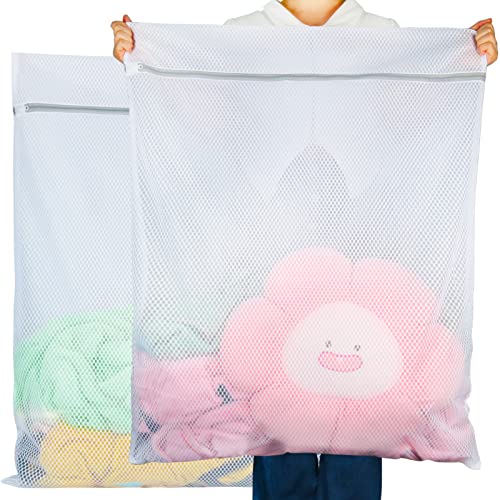
SUPER LARGE CAPACITY - Each extra large travel storage organize bag measures 27" x 35", it’s designed for coats, large plush dolls, curtain, coverlet, blanket, carpet and more

ULTRA LARGE CAPACITY - Each mesh laundry bag measures 43.3''×35.4'' and can hold 3~4 loads of laundry, large enough to line dirty laundry hampers or baskets

This heavy duty Honeycomb mesh laundry bag is specially designed to wash delicate clothes without wear and tear in washing machines and dryers
When to Hand Wash Curtains
Hand wash curtains when the label allows water cleaning but the fabric is thin, sheer, embroidered, loosely woven, or older. Fill a clean basin or bathtub with cool water and a small amount of mild detergent. Submerge one panel at a time, gently press the water through the fabric, then rinse until the water runs clear. Do not twist or wring.
When to Machine Wash Curtains
Machine wash only sturdy panels labeled washable. Remove all hardware, wash one or two panels at a time, use cool water, choose the gentle cycle, and avoid overloading the washer. For sheers or snag-prone fabrics, use a mesh laundry bag. Skip the dryer unless the care label clearly allows tumble drying.
Note: If the curtains are part of a matched set, clean all panels at the same time. Washing only one panel can leave it brighter, shorter, or differently textured than the others.
How to Dry and Reshape Your Curtains After Cleaning
Drying is where many curtain-cleaning mistakes happen. Heat can shrink fabric, set wrinkles, affect backing, or make linings pucker. When in doubt, air dry.
- Press out water with towels: Lay the curtain on a clean towel, roll it gently, and press. Do not wring.
- Hang with even support: Use a sturdy rod, clothesline, or drying rack so the weight is spread across the panel.
- Avoid harsh sunlight: Bright direct sun can fade some fabrics while they dry.
- Reshape while damp: Smooth hems, seams, pleats, and edges with your hands.
- Rehang slightly damp only if safe: Some washable curtains dry nicely on the rod, but heavy wet drapes can stretch or pull hardware loose.
- Steam or iron only if allowed: Use the care-label setting and place a clean pressing cloth between the iron and fabric.
When to Hire Professional Cleaners
Professional cleaning is the safer choice when replacement would be expensive or the fabric has special construction. Hire a professional for:
- Dry-clean-only curtains or drapes
- Silk, velvet, wool, antique, or heirloom fabrics
- Blackout, thermal, lined, interlined, or coated panels
- Heavy pleats, swags, valances, tassels, beads, embroidery, or trims
- Water stains, mildew, smoke odor, pet accidents, grease, ink, or dye transfer
- Commercial, stage, or flame-retardant draperies that may need certified cleaning or retreatment
If you are unsure, vacuum the curtains and ask a cleaner before using water. A short professional consultation is cheaper than shrinking or damaging a full set of drapes.
Recommended Products

Rapid Refresh Technology: Clean, deodorize, and remove wrinkles in hand-wash or dry-clean-only clothing in minutes with the at-home dry cleaning kit. A single dryer-activated cleaning cloth is all it takes to leave clothes clean, refreshed and ready to wear in 20 minutes

Effective Cleaner: Lifts away stains, odors, and wrinkles leaving clothes clean, refreshed, and ready to wear. It takes about 20 minutes to complete in your dryer and costs a fraction of professional dry cleaners.

Safely clean your special care clothes at home
How to Keep Your Curtains Clean Between Washes
Small habits reduce the need for frequent deep cleaning and help curtains last longer.
- Vacuum weekly or biweekly: Focus on pleats, top hems, lower edges, and the window-facing side.
- Dust rods, blinds, and window trim: Dust above the curtain falls onto the fabric.
- Control humidity: Keep rooms ventilated and address condensation near windows to reduce musty odors and mildew risk.
- Use kitchen ventilation: Grease and cooking odors settle into nearby curtains.
- Keep pets from rubbing against panels: Pet hair and oils build up quickly on lower hems.
- Rotate panels if possible: Swapping left and right panels can help wear and sun exposure look more even.
- Spot clean immediately: Blot spills before they spread or set.
Frequently Asked Questions
How do you clean drapes and curtains safely?
Check the care label, remove hardware, vacuum both sides with a soft brush attachment, spot test a hidden area, then wash only if the label allows it. Use cool water, mild detergent, and gentle handling. Air dry and reshape the panels while damp.
Is it better to steam clean or dry clean curtains?
It depends on the label and fabric. Steam can help relax wrinkles on some washable fabrics, but it can damage silk, velvet, coated, lined, or dry-clean-only curtains. Dry cleaning is safer for structured, delicate, embellished, or labeled dry-clean-only drapes.
How often do curtains need to be washed?
Many washable curtains benefit from deep cleaning every 3-6 months, but the timing depends on dust, pets, smoke, cooking grease, pollen, humidity, and allergies. Vacuum every week or two between washes, and clean sooner if you notice odor, stains, pet hair, or visible dust.
Can I put curtains in the washing machine?
Yes, but only if the care label says the curtains are washable. Remove hooks and rings, wash one or two panels at a time, use cool water and the gentle cycle, and place delicate sheers in a mesh bag. Do not machine wash dry-clean-only, lined, silk, velvet, blackout, or heavily embellished drapes unless the label specifically allows it.
How do I remove dust from curtains without taking them down?
Use a vacuum with a soft brush attachment and work from the top down. Hold the fabric lightly so it does not stretch. For delicate fabric, reduce suction or vacuum through a clean mesh screen or thin cloth. A lint roller can help with pet hair on lower hems.
Conclusion
Cleaning curtains is easiest when you start with the care label and choose the gentlest method that will do the job. Vacuum regularly, treat stains early, wash only washable panels, air dry carefully, and call a professional for delicate, lined, coated, pleated, or dry-clean-only drapes. With steady maintenance, your curtains will look cleaner, hang better, and collect less dust between deep cleanings.
Sources
- Federal Trade Commission — Clothes Captioning: Complying with the Care Labeling Rule — supports care-label, washing, drying, ironing, warning, and dry-clean-only guidance.
- American Cleaning Institute — Fabric Care — supports reading fabric labels and using appropriate laundry practices.
- American Cleaning Institute — Stain Removal Guide — supports early stain treatment, fabric-safe laundering, and avoiding dryer heat until stains are removed.
- Asthma and Allergy Foundation of America — Dust Mite Allergy — supports dust-mite, HEPA vacuuming, washable fabric, and humidity-control guidance.