Natural materials can make a living room feel warmer, calmer, and more layered without making it look overdesigned. Wood brings visual warmth, stone adds weight and polish, and linen softens the room with relaxed texture. The key is to mix them with intention: repeat tones, vary textures, choose finishes that suit your lifestyle, and leave enough negative space so each material can breathe.
Quick Answer
To use natural materials in a living room, start with one warm wood anchor, add one stone element for contrast, and layer linen through curtains, pillows, or upholstery. Keep the palette earthy, repeat each material at least twice, and choose low-VOC finishes and easy-care surfaces for a space that feels calm, practical, and inviting.
Key Takeaways
- Use wood as the warmth layer, stone as the grounding layer, and linen as the softness layer.
- Repeat materials in small ways, such as wood frames, a stone tray, and linen pillows, so the room feels intentional.
- Mix textures instead of matching everything: smooth stone, visible wood grain, and relaxed linen create depth.
- Choose finishes that fit your life. Families, pets, and heavy use need washable linens, sealed stone, and durable wood finishes.
- Natural materials support a biophilic look, but good indoor air still depends on source control, ventilation, and careful product choices.
At a Glance
| Time Required | 1 afternoon for styling updates; 1–3 weekends for furniture, curtains, stone accents, or finish changes |
| Difficulty | Easy to moderate, depending on whether you are styling, refinishing, or installing fixed surfaces |
| Tools Needed | Tape measure, paint or fabric swatches, stone or wood samples, microfiber cloths, mild cleaner, and a simple floor plan |
| Cost | Low for pillows, throws, trays, and accessories; medium to high for stone slabs, custom linen drapery, wood flooring, or built-ins |
How Natural Materials Change the Feel of a Living Room
Natural materials work because they give the eye and hand something real to notice: grain, veining, slubs, texture, and slight variation. In biophilic design, materials that reference nature can create a stronger connection to place and may support a more restorative atmosphere when they are combined with daylight, fresh air, views, plants, and comfortable room flow. Terrapin Bright Green’s 14 Patterns of Biophilic Design describes “material connection with nature” as one of the key ways interiors can echo natural systems.
A good living room does not need every natural material at once. It needs balance. Too much wood can feel heavy, too much stone can feel cold, and too much linen can look unfinished. A simple starting point is to choose one dominant material, one supporting material, and one softening material.
- Dominant material: the material you see first, such as wood flooring, a wood media unit, or a large linen sofa.
- Supporting material: a secondary feature, such as a stone fireplace surround, stone side table, or reclaimed wood shelving.
- Softening material: linen curtains, cushions, lampshades, or throws that make hard surfaces feel more relaxed.
How to Use Wood to Create a Cozy Living Room Atmosphere
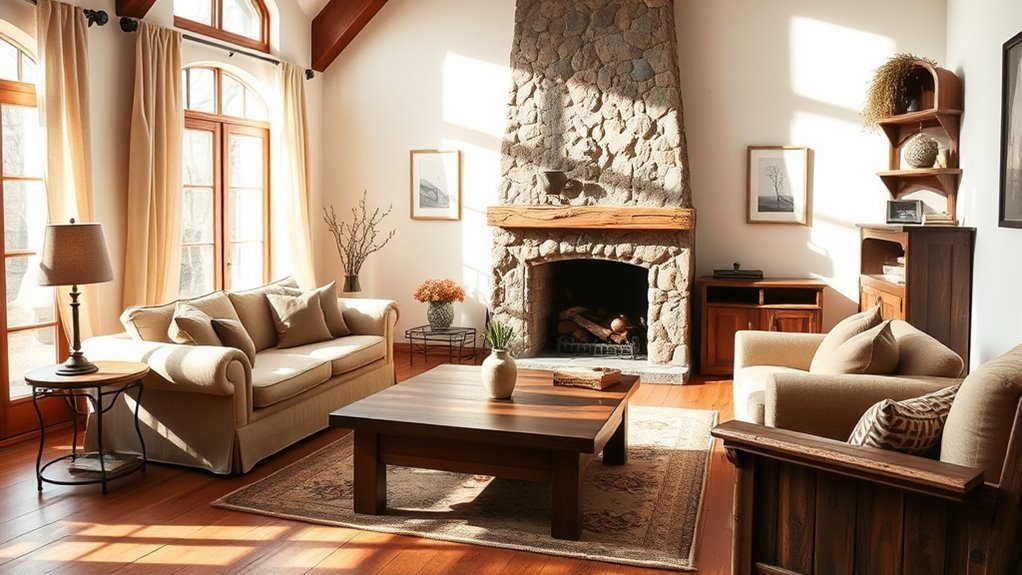
When you incorporate wood into your living room design, you add warmth, grain, and a sense of age that painted or plastic surfaces rarely provide. Choose wooden furniture, such as a reclaimed wood coffee table, oak sideboard, walnut media console, or built-in bookshelves, to create a grounded and cozy atmosphere. If the room already has wood flooring, repeat the tone in smaller accents instead of adding another large wood piece.
Recommended Products

Elevate your living room with LINSY HOME's Farmhouse Coffee Table. Enjoy charming details such as an enhanced base and curved design, while benefiting from the added storage space with open display and drawers.

Recessed Storage Center Design – Style, Storage & Visual Balance: The sunken center tabletop design creates a dedicated display area for plants, decorative stones, crystals, candles, or diffusers. This rustic coffee table with storage keeps items visually organized while adding depth, balance, and character to your living space—beautifully styled, never cluttered.
Where Wood Works Best
- Coffee tables: A reclaimed or solid wood table adds instant warmth in the center of the seating area.
- Shelving and built-ins: Wood shelves make books, ceramics, and framed art feel collected rather than staged.
- Ceiling beams or trim: Larger wooden accents draw the eye upward and can make a plain room feel more architectural.
- Small accessories: Picture frames, trays, bowls, lamp bases, and stools repeat the material without overwhelming the room.
Mix textures by pairing a smooth oak floor with a rustic cedar accent wall, a matte walnut table, or a woven jute rug. The goal is not to match every wood tone exactly. Instead, keep the undertone consistent. Warm woods pair well with cream, terracotta, olive, camel, and brass. Cooler or gray-washed woods work better with slate, soft white, charcoal, and brushed nickel.
Pro Tip: Repeat a wood tone at least three times in the room. For example, use a wood coffee table, a matching picture frame, and a small wood bowl. This makes the material feel intentional instead of accidental.
Wood Finish and Indoor Air Quality Notes
Wood is a natural material, but not every wood product or finish has the same indoor-air profile. Pressed wood products, adhesives, paints, stains, varnishes, and furnishings can release indoor pollutants, including VOCs. The U.S. Environmental Protection Agency notes that VOCs can come from many household products and building materials. For a living room, look for low-emitting finishes, allow new pieces to air out when possible, and ventilate during staining, painting, or refinishing.
Why Stone Is an Elegant Choice for Your Living Room
Wood brings warmth and character, but stone introduces visual weight, cool contrast, and a more polished feeling. As a natural material, stone offers unique veining, color variation, and texture, so no two pieces look exactly alike. A marble fireplace surround, limestone side table, granite hearth, slate floor tile, or travertine tray can all add quiet elegance without making the room feel formal.
Stone works especially well when the living room needs a grounding point. Use it around the fireplace, under a table lamp, on a console, as a side table, or in a small decorative object if you are not ready for a permanent installation. The key is contrast: stone looks best beside softer pieces, such as a linen sofa, a wool rug, or rounded wood furniture.
Recommended Products

Travertine-Style Accent Table: A clean drum silhouette with a recessed pedestal base showcases warm beige tones, soft ivory highlights, and organic travertine-inspired veining for a modern, natural look.

💎SEAMLESS WATER-TRANSFER PATTERN: The detailed water-transfer finish wraps perfectly around every curve, ensuring each circular side table boasts a unique, one-of-a-kind stone pattern.
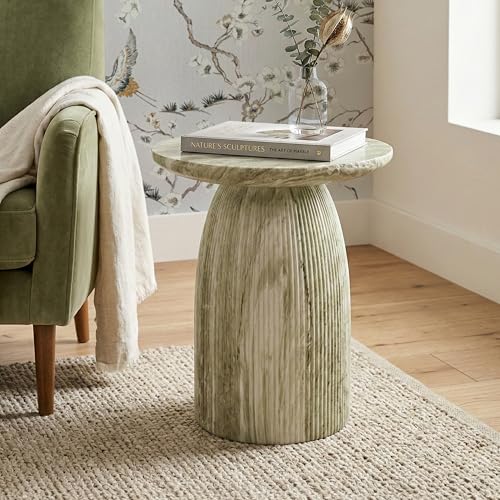
💎SEAMLESS WATER-TRANSFER PATTERN: The detailed water-transfer finish wraps perfectly around every curve, ensuring each circular side table boasts a unique, one-of-a-kind stone pattern.
How to Choose the Right Stone
- Marble: Elegant and classic, but more sensitive to etching and staining, especially from acids.
- Granite: Durable and often better for high-use surfaces, depending on finish and sealing.
- Limestone: Soft, warm, and relaxed, but generally more porous and sensitive than granite.
- Slate: Earthy, darker, and useful when you want a grounded modern or rustic look.
- Travertine: Warm, textured, and ideal for Mediterranean, organic modern, or neutral interiors.
Warning: Do not clean natural stone with vinegar, lemon juice, or harsh acidic cleaners. The Natural Stone Institute recommends mild, non-acidic cleaners for acid-sensitive stones and notes that sealing improves stain resistance but does not make stone stain-proof.
Stone is practical when you choose the right type and care for it properly. Use coasters under drinks, trivets under hot items, felt pads under heavy decor, and a soft cloth for cleaning. If you are installing stone around a fireplace, built-in, or floor, consult a qualified installer so the material is supported and sealed correctly.
How Linen Enhances Comfort and Style in Living Rooms
Linen, with its natural breathability, relaxed texture, and moisture-managing feel, is an excellent choice for softening a living room. Britannica describes linen as a flax-based fabric that is strong, quick-drying, moisture-releasing, and cool to the touch. In a living room, that translates into curtains that move gently, pillows that feel casual, and slipcovers that can make a space look lived-in rather than stiff.
This versatile fabric adds inviting textures and helps create a cozy atmosphere without adding visual clutter. Linen’s natural color variations and subtle sheen complement many styles, from modern minimalism to rustic charm. Use linen through throw pillows, blankets, curtains, lampshades, ottomans, or washable slipcovers.
Recommended Products

WELL MADE: Sold as 2 panels, each panel is W52" x L84", and W104" x L84" in total. Each curtain panel has 2-in-1 top style design: rod pocket and back tab. With 3-inch inner diameter fit most standard rod. Curtains also can be hung with clip rings. 3 ways meet your various needs.

READY MADE: 2 Linen Curtain Panels per package.Each panel measures 52 inches wide by 96 inches long. Top design of Back tab & loop pocket provide 3 hanging options. <1> hanging from the back patch to create an elegant pleated look, <2> from the 3 inch rod pocket for a classic look <3> Hanging with clip rings for easy, slide open and closed (clip rings are not included)

WELL MADE: Sold as 2 panels, each panel is W52" x L84", and W104" x L84" in total. Each curtain panel has 2-in-1 top style design: rod pocket and back tab. With 3-inch inner diameter fit most standard rod. Curtains also can be hung with clip rings. 3 ways meet your various needs.
Best Ways to Use Linen
- Curtains: Linen panels filter light beautifully and soften hard lines around windows.
- Pillows: Mix plain linen with one patterned cushion to keep the sofa relaxed but not flat.
- Throws: A linen throw adds texture without the heaviness of chunky winter fabrics.
- Slipcovers: Washable linen-blend slipcovers are useful for homes with pets, children, or frequent guests.
- Lampshades: Linen shades diffuse light and make evening lighting feel warmer.
Note: Linen wrinkles. That is part of its relaxed character, but if you prefer a crisp look, choose a linen-cotton blend, lined curtains, or structured pillow covers.
Tips for Blending Natural Materials in Your Design
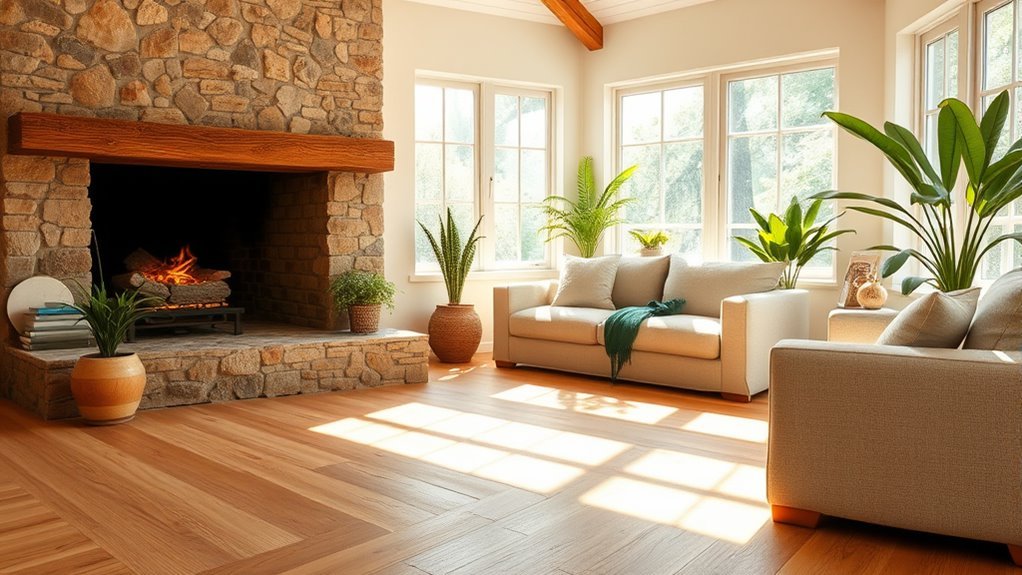
To create a harmonious living room that showcases natural materials, blend different elements thoughtfully. The most successful rooms look collected, not perfectly matched.
- Start with the biggest surface: Look at your floor, sofa, fireplace, or built-in cabinetry first. That dominant feature should guide the rest of the palette.
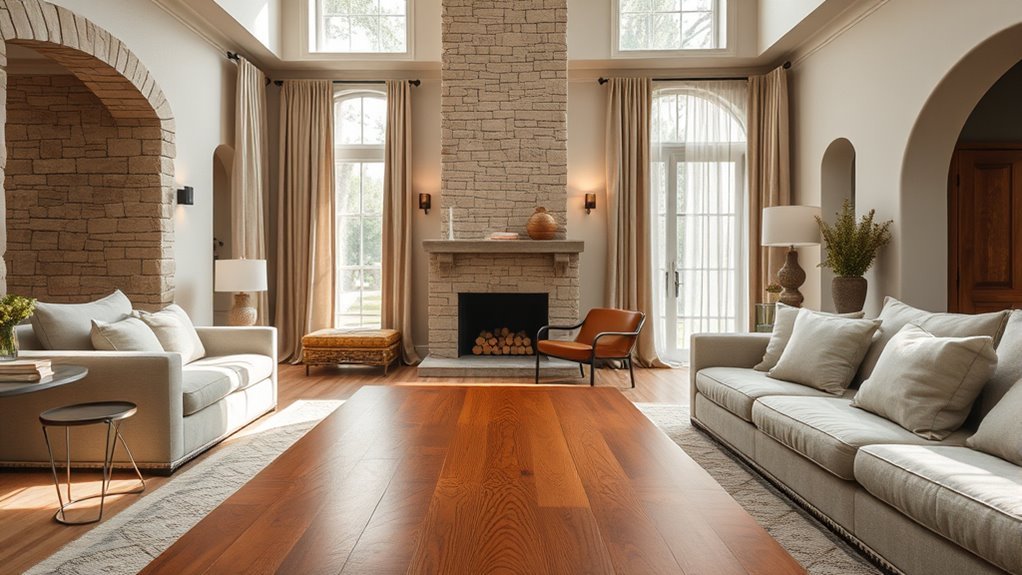
- Combine warm and cool: Pair warm wood accents, like a wooden coffee table or raw wood stool, with cool stone elements such as marble, slate, or granite.
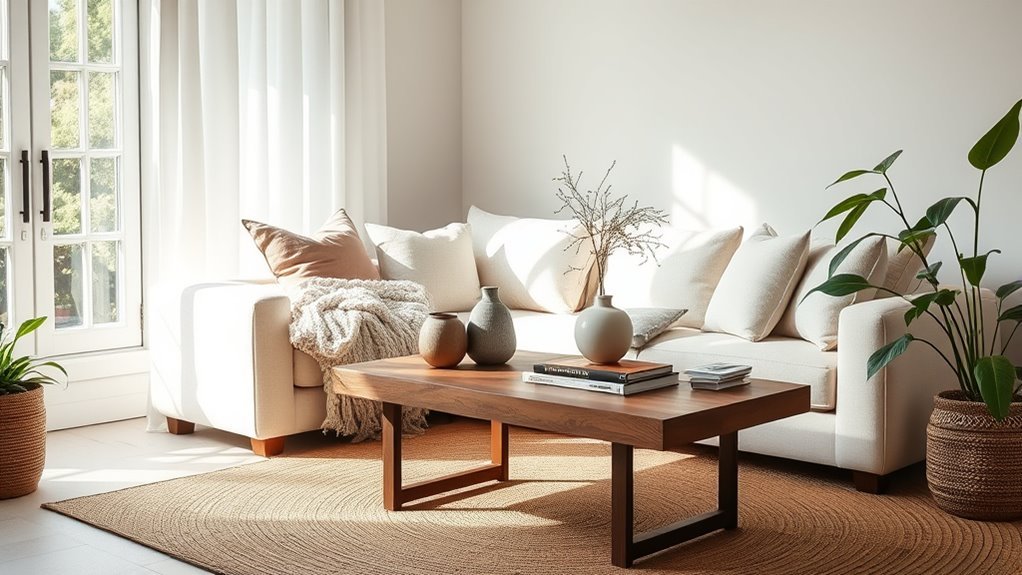
- Layer different textures: Use soft textiles, like natural linen cushions and a jute rug, under or around a reclaimed wood coffee table to add depth and warmth.
- Repeat each material: A single stone object can look random. Repeat stone with a fireplace surround, tray, coaster set, or lamp base.
- Use plants for connection, not as air purifiers: Indoor plants add life and support a biophilic feel, but they should not replace ventilation, cleaning, and source control for indoor air quality.
- Keep the color palette earthy: Cream, sand, clay, olive, mushroom, charcoal, and warm white help natural materials work together.
- Leave breathing room: Natural materials have texture. Avoid crowding every surface with decor, or the room can feel busy instead of calm.
Material Combinations That Work Well
Use this simple guide to choose combinations that match your style and daily life.
| Style Goal | Best Material Mix | Why It Works |
|---|---|---|
| Warm and cozy | Oak, travertine, cream linen, wool rug | Warm tones and soft textures make the room feel relaxed and approachable. |
| Modern organic | Walnut, marble, white linen, black metal accents | Clean contrast keeps natural materials from feeling too rustic. |
| Rustic calm | Reclaimed wood, slate, flax linen, jute | Rougher textures create a grounded, collected look. |
| Light and airy | Pale ash, limestone, sheer linen, woven baskets | Low-contrast tones keep the room bright while adding depth. |
Maintenance, Safety, and Indoor Air Quality
A beautiful natural living room should also be easy to live in. Before buying or installing anything, think about cleaning, sun exposure, pets, spills, and indoor air quality.
- Wood: Dust regularly, use coasters, avoid standing water, and choose finishes suited to your level of wear.
- Stone: Clean with mild, non-acidic products and ask your supplier whether the stone needs an impregnating sealer.
- Linen: Check care labels before buying. Washable covers are best for busy homes.
- Finishes and adhesives: Choose low-emitting products when possible and ventilate during painting, staining, sealing, or refinishing.
- Plants: Use them for beauty, texture, and nature connection, but rely on ventilation and source control for indoor air quality.
Warning: Sanding, staining, sealing, and solvent-based adhesives can create dust or fumes. Work with fresh-air ventilation, follow product labels, and use appropriate protective gear. The EPA identifies source control and ventilation as key parts of healthier indoor air.
The Emotional Benefits of Integrating Natural Materials in Your Home
When you incorporate natural materials into your home, you enhance more than the look of the room. You create a tactile, sensory environment that can feel more grounded and personal. The warmth of wood furniture, the weight of stone, and the softness of linen create calming cues that echo nature without turning the living room into a theme.
These materials also age in a way synthetic surfaces often do not. Wood can develop patina, stone carries natural veining, and linen softens with use. That slight imperfection is part of the appeal. It makes the room feel lived in, layered, and connected to everyday rituals.
| Material | Design Benefit | Example |
|---|---|---|
| Wood | Warmth, comfort, and visual rhythm | Reclaimed wood coffee table |
| Stone | Grounding presence and elegant contrast | Stone fireplace surround or side table |
| Linen | Softness, movement, and relaxed texture | Cushions, drapes, and slipcovers |
The best natural-material rooms are not the ones with the most wood, stone, or linen. They are the ones where every texture has a job: warming, grounding, softening, or connecting the space to nature.
Common Mistakes to Avoid
- Using only one texture: A room with only smooth wood and smooth stone can feel flat. Add linen, wool, jute, or woven baskets.
- Matching every wood tone: Perfect matching can look forced. Coordinate undertones instead.
- Choosing delicate stone for heavy use: Marble and limestone can be beautiful, but they need realistic care expectations.
- Ignoring scale: A tiny stone tray will not balance a large wood wall. Repeat materials in proportion to the room.
- Skipping samples: Wood, stone, and linen all change under different light. View samples in morning, afternoon, and evening light before committing.
- Forgetting maintenance: A material is only practical if you are willing to care for it.
Frequently Asked Questions
What are the 7 elements of interior design?
The seven elements of interior design are space, line, form, light, color, texture, and pattern. Natural materials mainly strengthen texture, color, and form, but they also affect how light moves through a room and how balanced the space feels.
What are the 7 layers of interior design?
A helpful way to think about the seven layers is layout, large furniture, rugs, lighting, window treatments, wall decor, and accessories. Wood, stone, and linen can appear across several of these layers, from flooring and furniture to curtains, lampshades, and decorative objects.
What are 5 examples of natural materials?
Five common natural materials for living rooms are wood, stone, linen, wool, and jute. You can also use clay, rattan, bamboo, cork, cotton, leather, seagrass, and natural ceramics depending on the style and function of the room.
What is the 3-5-7 rule of decorating?
The 3-5-7 rule is a styling guideline that uses odd numbers to create balance and movement. For example, you might style a coffee table with three objects, use five pillows across a sofa and chair, or repeat seven small natural accents around the room.
How much wood, stone, and linen should I use in one living room?
Use one material as the main feature, one as a contrast, and one as a soft layer. A balanced room might have wood furniture, a stone fireplace or side table, and linen curtains or pillows. If everything feels heavy, add more linen. If everything feels too soft, add stone or wood.
Is natural stone practical in a living room?
Yes, natural stone can be practical when you choose the right type and care for it correctly. Granite and slate are often durable choices, while marble and limestone need more protection from acidic spills. Use coasters, wipe spills quickly, and clean with mild non-acidic products.
Do indoor plants improve air quality in a living room?
Indoor plants can make a room feel fresher and more connected to nature, but they should not be treated as a replacement for ventilation, cleaning, filtration, or choosing low-emitting materials. Use plants for mood, texture, and visual softness, not as your main indoor-air-quality strategy.
Conclusion
Incorporating wood, stone, and linen into your living room design can create a space that feels warm, grounded, and naturally inviting. Wood adds coziness, stone adds structure, and linen softens the edges. Instead of relying on unsupported wellness claims, focus on what these materials reliably do well: add texture, connect the room to nature, improve visual comfort, and make everyday living feel more tactile and personal. With the right balance, your living room can become a cozy retreat that is stylish, soothing, and practical to maintain.
Sources
- Terrapin Bright Green — 14 Patterns of Biophilic Design — supports biophilic design principles and material connection with nature.
- USDA Forest Products Laboratory — Wood Handbook: Wood as an Engineering Material — supports wood as a natural material with physical properties affected by moisture, grain, and use.
- U.S. Environmental Protection Agency — Introduction to Indoor Air Quality — supports guidance on pollutant sources, source control, and ventilation.
- U.S. Environmental Protection Agency — Volatile Organic Compounds — supports low-VOC and material-emission cautions.
- Natural Stone Institute — Care & Cleaning of Natural Stone — supports stone maintenance, acid sensitivity, and sealing guidance.
- Encyclopaedia Britannica — Linen — supports linen’s flax origin, strength, quick drying, and moisture-releasing qualities.