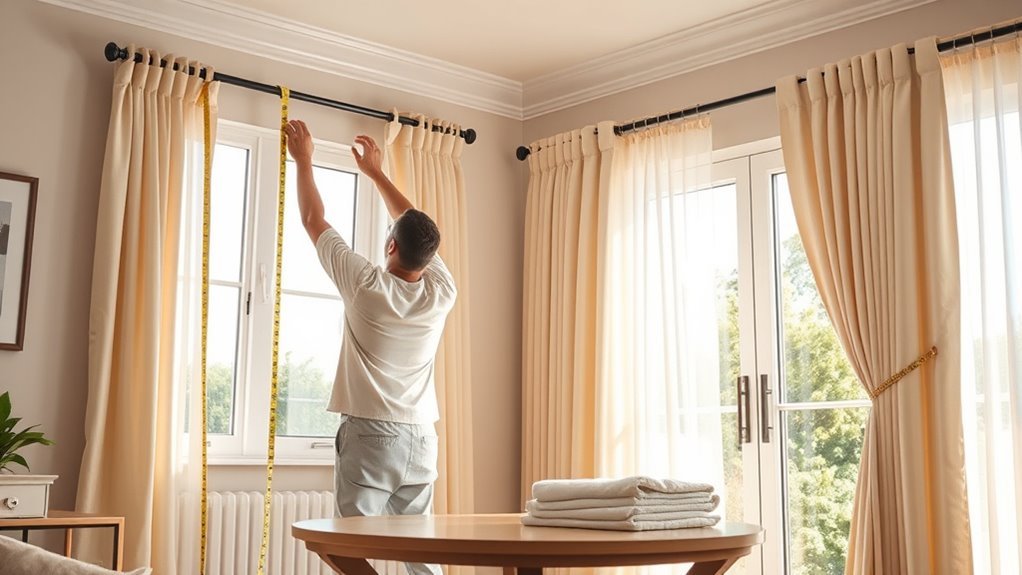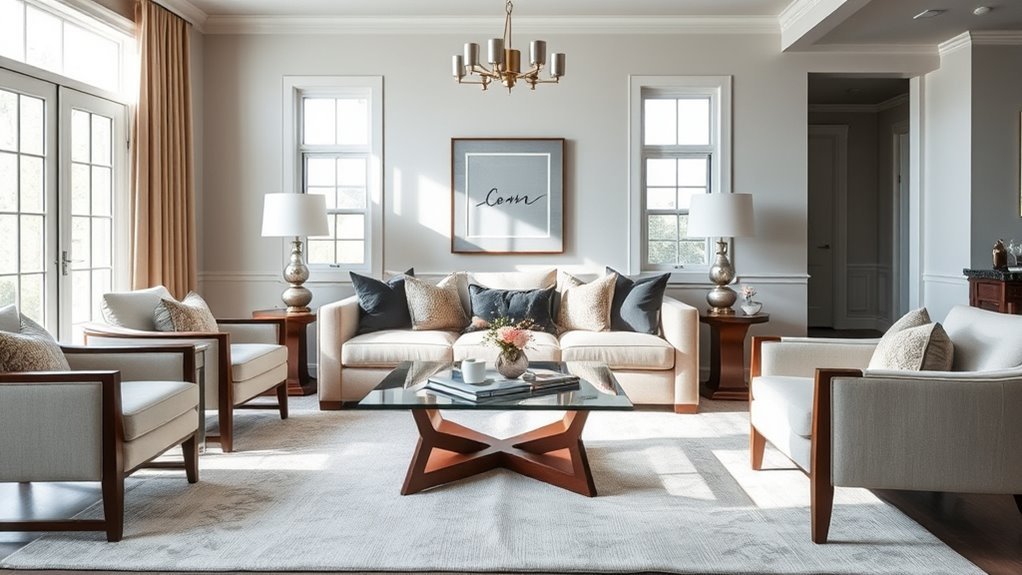
Transitional living room style is the sweet spot between crisp modern design and the warmth of traditional decorating. It works especially well if you want a room that feels polished but not stiff, current but not trendy, and comfortable enough for everyday use. The key is balance: clean-lined furniture, classic details, soft neutral colors, layered textures, practical lighting, and a few personal accents that make the room feel lived in.
Quick Answer
A transitional living room blends modern simplicity with traditional warmth. Use a neutral base, comfortable clean-lined seating, natural textures, a mix of straight and curved shapes, statement lighting, and restrained accessories. The result is a timeless room that feels elegant, cozy, and easy to update.
Key Takeaways
- Transitional style combines modern silhouettes with traditional warmth, so avoid rooms that feel too stark or too ornate.
- Start with warm neutrals such as cream, taupe, greige, mushroom, stone, camel, or soft gray, then add muted accent colors through pillows, art, rugs, or vases.
- Layer texture with wood, linen, velvet, boucle, wool, stone, metal, woven shades, and natural-fiber baskets.
- Use layered lighting: overhead ambient light, table or floor lamps, accent lighting, and one statement fixture.
- Keep accessories edited and personal. A transitional room should feel collected, not cluttered.
At a Glance
| Time Required | 1 weekend for a simple refresh; several weeks if you are buying new furniture, painting, or changing lighting. |
| Difficulty | Easy to moderate. The main challenge is editing pieces so modern and traditional elements feel balanced. |
| Tools Needed | Tape measure, paint samples, fabric swatches, floor plan or phone layout app, painter’s tape, level, and basic hardware tools. |
| Cost | Low for pillows, lamps, art, and paint; moderate to high if replacing sofas, rugs, case goods, window treatments, or hardwired lighting. |
What’s Transitional Living Room Style All About?
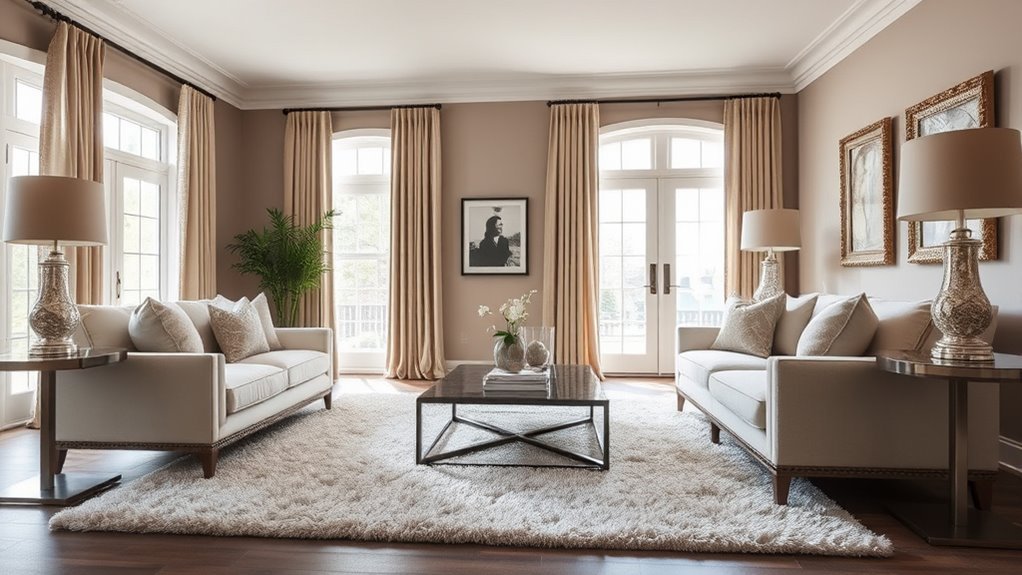
Transitional living room style is all about blending two design languages: the clean simplicity of modern interiors and the character of traditional rooms. Architectural Digest describes transitional design as a mix of traditional and modern style, often using streamlined furniture, neutral palettes, texture, statement lighting, metallic accents, and both curved and straight lines.
In practice, that means a transitional living room might pair a clean-lined sofa with a carved wood side table, a tailored rug with a curved accent chair, or a modern chandelier with classic millwork. The room should feel calm and cohesive, but not flat. Texture, scale, and contrast do most of the work.
The best transitional rooms are also practical. Seating is comfortable, pathways are easy to move through, lighting works for both relaxing and reading, and accessories are chosen with intention. Instead of filling every surface, you let a few pieces stand out: a sculptural lamp, a framed landscape, a ceramic vase, a tray of books, or a plant with strong shape.
A transitional living room should feel edited, warm, and flexible—not like a furniture showroom and not like a museum.
Transitional vs. Modern, Traditional, and Contemporary Style
Transitional style is often confused with modern or contemporary design, but it has its own look. Use this simple breakdown before you start decorating:
- Modern style: Usually cleaner, sleeker, and more minimal. It often uses sharper lines, open space, and fewer decorative details.
- Traditional style: Warmer and more detailed, with classic furniture shapes, symmetry, ornate lighting, antiques, rich woods, and patterned fabrics.
- Contemporary style: Reflects what is current right now, so it changes with trends. The Spruce notes that transitional style is more about balancing periods and finishes than following one current trend.
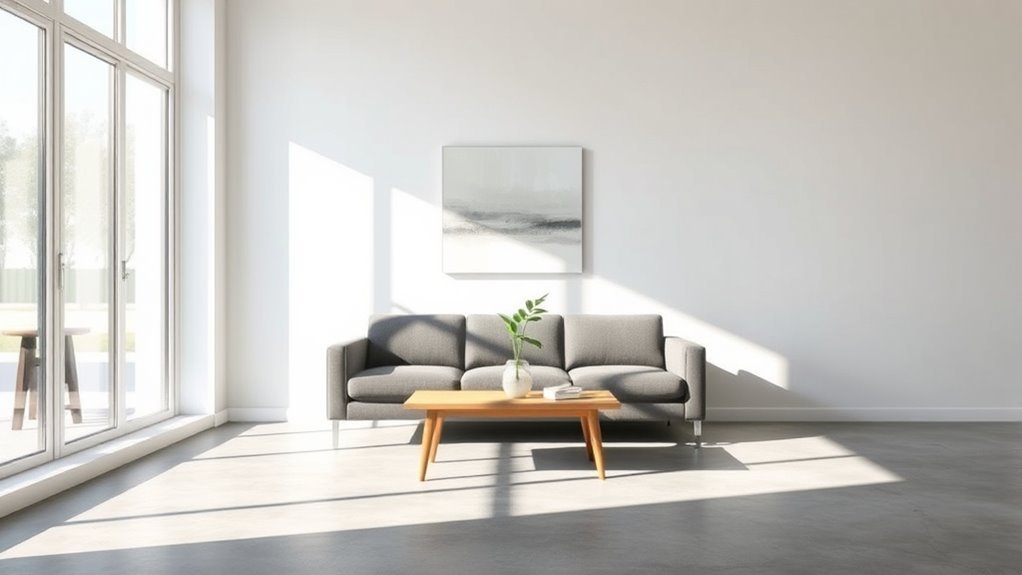
- Transitional style: Combines modern and traditional elements in a softer, timeless way. It uses clean lines, comfortable upholstery, subtle classic details, neutral colors, and layered materials.
- Modern farmhouse: Warmer and more rustic than transitional style, often with shiplap, black hardware, vintage signs, apron-front details, and distressed finishes.
If your room feels too plain, add a traditional element such as a turned-leg table, framed art, woven shade, or classic lamp. If it feels too heavy, add a modern piece with a simple silhouette, smoother fabric, or slimmer metal detail.
Recommended Products

[TABLE LAMP]: SAFAVIEH's Ersta table lamp is a 26.5" bedside lamp for a bedroom, bedside or living room, under a fabric shade.

Product Dimensions: 14-in x 14-in x 23-in

Chinoiserie chic, this Hand-Painted ginger Jar lamp base fits seamlessly with traditional décor
Examples of Transitional Living Room Designs for Inspiration
A transitional living room can lean modern, classic, coastal, urban, or organic, but the mix should still feel intentional. Here are a few combinations that work well:
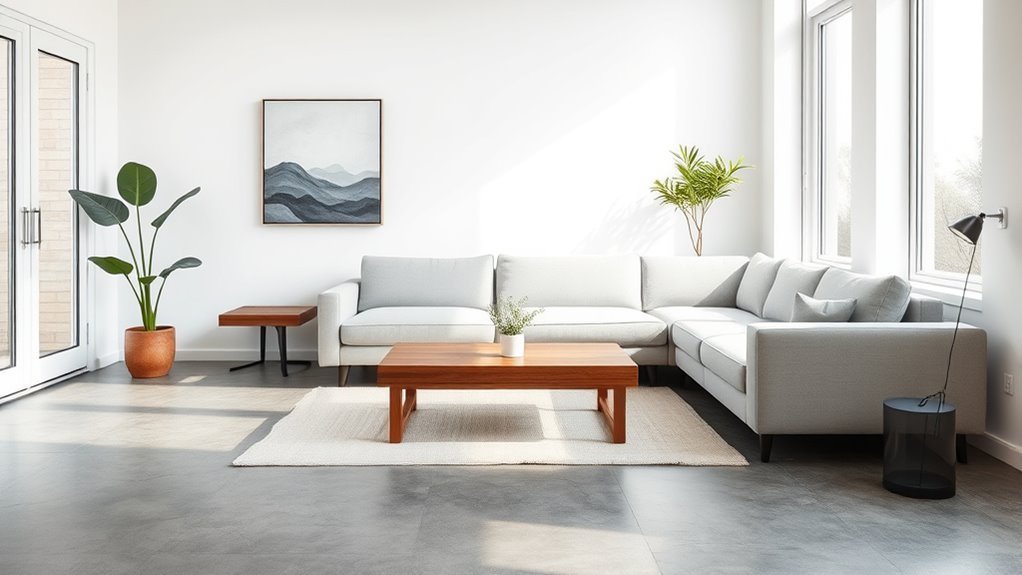
- Soft modern transitional: A cream sofa, round oak coffee table, boucle accent chairs, linen drapes, matte black lamps, and abstract art.
- Classic transitional: A rolled-arm sofa in a plain fabric, clean-lined side tables, a wool rug, brass picture lights, and framed botanical prints.
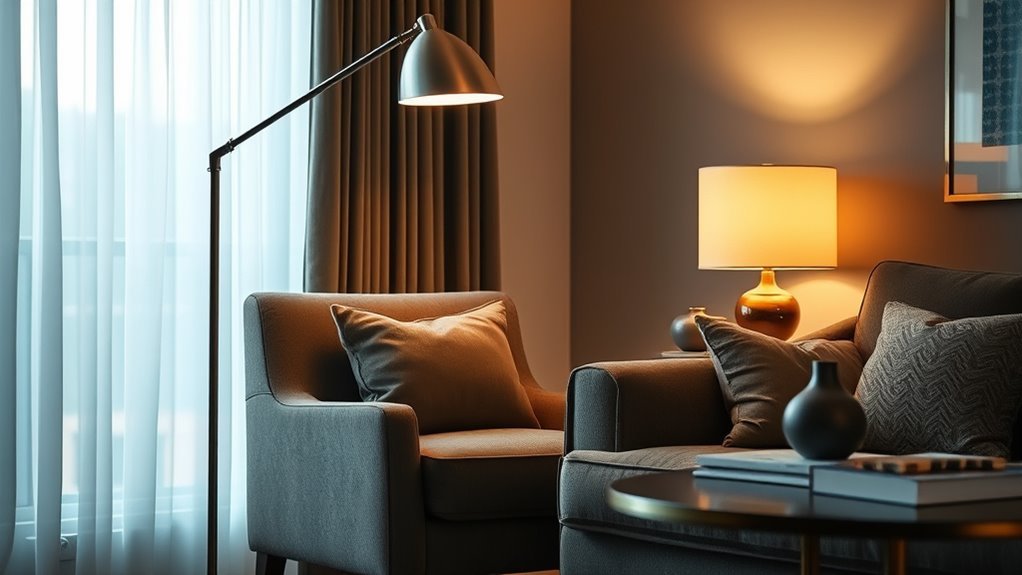
- Moody transitional: Greige walls, chocolate or charcoal accents, a stone coffee table, velvet pillows, warm wood, and a sculptural floor lamp.
- Coastal transitional: Warm white walls, slipcovered seating, woven shades, pale oak, muted blue pillows, and simple ceramic accessories.
- Small-space transitional: A slim sofa, two small swivel chairs, a round coffee table, one large rug, wall-mounted sconces, and minimal accessories.
The common thread is balance. A room with only modern pieces can feel cold. A room with only traditional pieces can feel formal or dated. Transitional design keeps the comfort and character while simplifying the shapes, colors, and styling.
How to Achieve a Transitional Look in Your Living Room
To create a transitional living room, work from the largest choices to the smallest details. This keeps the room cohesive and helps you avoid buying random decor that does not fit the final look.
Recommended Products

Ultra-Soft Low Pile Rug: Gent drizz living room rugs 8x10 made of Upgraded durable low pile faux wool fibers, 0.25'' thick, featuring a soft fuzzy density surface, soft and pliable to the touch, providing great comfort for your bare feet. The low pile makes it easy for your Large area rug to clean and is perfect for homes with kids and pets

DURABLE AND PLUSH: Crafted from 100% Polypropylene, Long lasting and sturdy jute backing (rug pad recommended), 0.31 inch rug thickness, meant for indoor use, perfect for high traffic areas, ideal for homes with children, rug can fit under most doors

Power loomed from synthetic fibers with a high-low 0.25" pile
1. Edit What You Already Own
Before buying anything new, remove items that make the room feel crowded, overly trendy, or visually noisy. Keep pieces with good shape, comfort, quality materials, or sentimental value. Transitional style works well with a few older items, but they need room to breathe.
- Keep: solid wood tables, classic lamps, quality upholstery, simple art frames, textured rugs, neutral curtains, and meaningful accessories.
- Store or donate: overly matched furniture sets, tiny scattered decor, very shiny finishes used everywhere, and pieces that block movement.
- Refresh: change pillow covers, update lampshades, repaint a side table, or swap heavy curtains for linen or woven textures.
2. Choose One or Two Anchor Pieces
Your anchor pieces are usually the sofa, rug, coffee table, media cabinet, or main chairs. In transitional rooms, these pieces should be comfortable and simple enough to live with for years.
Good choices include a track-arm sofa, a slope-arm sofa, a tailored sectional, a round wood coffee table, a stone-top table, a classic wool rug, or a pair of upholstered chairs. Avoid anything too extreme: ultra-low futuristic furniture can look too modern, while very ornate pieces can pull the room too traditional.
3. Build a Warm Neutral Palette
Start with a calm base, then add depth. Reliable transitional colors include warm white, cream, taupe, greige, mushroom, stone, soft gray, camel, oatmeal, and warm beige. Accent colors can include navy, slate blue, olive, sage, charcoal, rust, muted plum, or deep brown.
A simple formula is:
- 60% base color: walls, large sofa, or large rug.
- 30% secondary tone: chairs, drapes, wood finishes, or case goods.
- 10% accent: pillows, art, vases, books, or a small ottoman.
Pro Tip: Test paint and fabric samples in morning, afternoon, and evening light. Warm neutrals can turn yellow, cool grays can turn blue, and greige can shift depending on your flooring and natural light.
4. Layer Texture Before Adding More Color
Texture is what keeps a neutral transitional room from feeling bland. Mix soft, smooth, rough, matte, and reflective surfaces in small doses.
- Soft: linen, cotton, velvet, boucle, wool, chenille, and nubby woven fabrics.
- Natural: oak, walnut, rattan, jute, stone, marble, travertine, leather, and ceramic.
- Reflective: brass, bronze, polished nickel, glass, or mirror used sparingly.
- Grounding: a wool or wool-blend area rug, wood coffee table, or darker accent chair.
For the cleanest result, repeat each finish at least twice. For example, use brass on a lamp and picture frame, oak on a coffee table and side table, and linen on drapes and pillows.
5. Mix Straight Lines With Soft Curves
Transitional design often looks best when straight and curved shapes appear together. Pair a rectangular sofa with a round coffee table, a square ottoman with arched mirrors, or clean bookcases with a curved chair. This mix makes the room feel relaxed instead of rigid.
6. Use Lighting in Layers
Statement lighting matters, but it should not be the only light source. A transitional living room needs layered lighting so the space works during the day, at night, for reading, and for entertaining. Use:
- Ambient lighting: a chandelier, flush mount, recessed lighting, or ceiling fixture.
- Task lighting: table lamps or floor lamps near sofas and reading chairs.
- Accent lighting: picture lights, sconces, cabinet lighting, or small lamps on shelves.
- Decorative lighting: one fixture with enough presence to act like jewelry for the room.
For energy-efficient updates, the U.S. Department of Energy notes that LED lighting uses far less energy than incandescent lighting and can lower household energy costs. Choose warm white bulbs for living rooms unless you need brighter task lighting.
7. Finish With Fewer, Better Accessories
Accessories should add personality without taking over. Try one large piece of art instead of many small pieces, one sculptural vase instead of several tiny objects, or a pair of matching lamps to create calm symmetry. Books, trays, plants, framed photos, and handmade ceramics all work well when they are edited.
Best Colors and Textures for Transitional Living Rooms
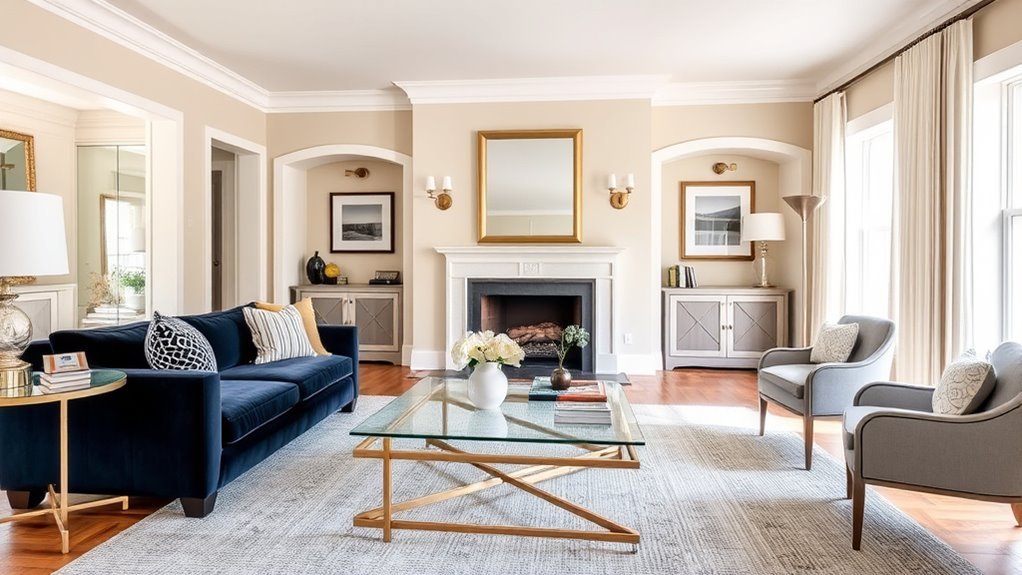
The best transitional living room colors are calm but not lifeless. Taupe, beige, cream, and gray still work, but they look more current when softened with warmer undertones and layered with natural materials.
Reliable Transitional Color Palettes
- Cream, oak, camel, and brass: warm, classic, and easy to live with.
- Greige, charcoal, walnut, and ivory: tailored and slightly more formal.
- Mushroom, stone, olive, and linen: organic, relaxed, and modern.
- Soft gray, navy, white, and warm wood: crisp but still comfortable.
- Oatmeal, chocolate, rust, and black: richer and moodier without feeling trendy.
Texture Pairings That Work
- Velvet + oak: softens clean-lined furniture and adds warmth.
- Linen + brass: creates an elegant but relaxed look.
- Wool + stone: adds depth and quiet luxury.
- Leather + cotton: balances polish with everyday comfort.
- Rattan + matte black: adds contrast without overwhelming the room.
If the room feels flat, add texture before adding more colors. A nubby rug, woven shade, ribbed ceramic lamp, velvet pillow, or wood tray can make a neutral room feel finished without making it busy.
Furniture Layout and Scale Tips
A transitional living room should support real conversation and movement. Start by measuring the room, the main walkway, door swings, windows, fireplace, TV wall, and any built-ins. Then plan the seating before choosing accessories.
- Float furniture when possible: Pulling the sofa or chairs slightly away from the walls can make the room feel more intentional.
- Keep conversation close: Sofas and chairs should be close enough that people can talk without raising their voices.
- Use a large enough rug: At minimum, the front legs of the sofa and chairs should sit on the rug. A too-small rug makes the room feel unfinished.
- Balance symmetry and ease: Matching lamps or chairs can add calm, while mixed tables or pillows keep the room from feeling too formal.
- Leave clear paths: Use the U.S. Access Board 36-inch accessible-route clearance as a helpful planning benchmark where space allows, especially in busy walkways.
Note: Private homes are not always required to follow commercial accessibility standards, but wider, clearer paths make a living room easier for guests, children, pets, and anyone carrying food, laundry, or mobility aids.
Essential Features of Transitional Living Rooms
Most successful transitional living rooms include the same core ingredients, even when the final rooms look different.
- Comfortable seating: Sofas, sectionals, and chairs should look tailored but still feel soft enough for daily use.
- Neutral foundation: Walls, large upholstery, and rugs usually stay quiet so texture and shape can stand out.
- Mixed silhouettes: Combine straight arms, curved backs, round tables, square frames, and soft upholstery.
- Classic-meets-modern lighting: A modern chandelier can work with traditional chairs, or a classic lamp can warm up a sleek sofa.
- Natural materials: Wood, stone, wool, linen, cotton, leather, and ceramic help the room feel timeless.
- Edited accessories: Use fewer pieces, but choose items with meaning, scale, or texture.
- Subtle contrast: Add black, bronze, dark wood, navy, or charcoal to prevent a pale neutral room from looking washed out.
Small Living Room Transitional Style Tips
Transitional style works beautifully in small rooms because it relies on calm colors and clean shapes. The trick is choosing pieces that look substantial without blocking the room.
- Choose a sofa with slim arms or raised legs to create visual breathing room.
- Use two small swivel chairs instead of bulky lounge chairs if the room needs flexible seating.
- Pick a round or oval coffee table to soften tight walkways.
- Use one larger rug instead of several small rugs.
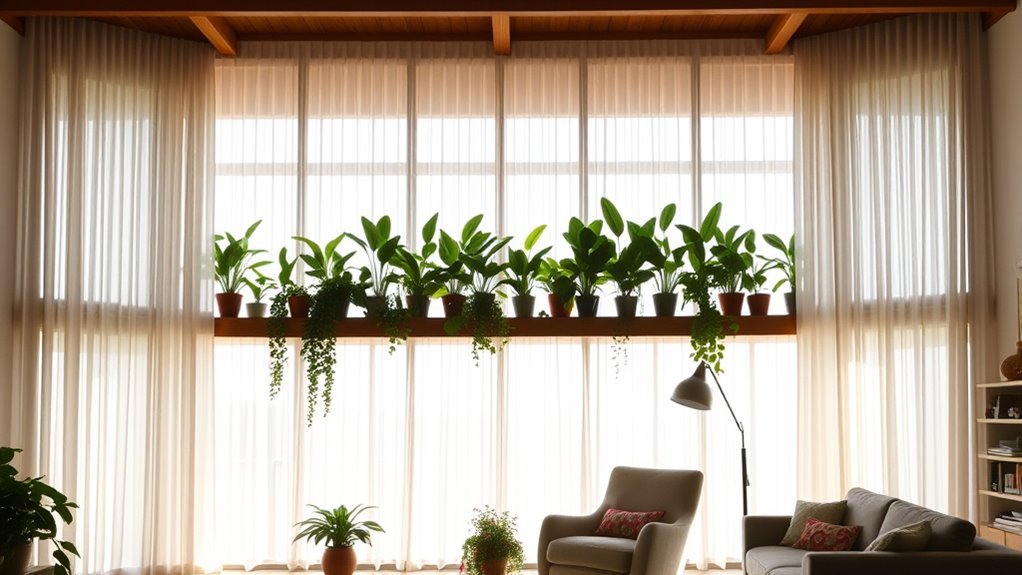
- Hang curtains high and wide to make windows feel larger.
- Choose storage with doors so everyday clutter disappears.
- Use wall sconces or slim floor lamps when side-table space is limited.
In a small space, avoid too many accent colors. A cream, greige, wood, and black palette with one muted accent will usually feel larger and calmer than a room with several competing colors.
Budget-Friendly Ways to Get the Look
You do not need to replace everything to create a transitional living room. Start with the changes that make the biggest visual difference.
- Swap pillow covers: Choose linen, velvet, boucle, or textured cotton in warm neutrals and one accent color.
- Update lampshades: A clean drum shade can modernize a traditional lamp.
- Add one large tray: Use it to organize books, candles, remotes, and small accessories.
- Paint one dated piece: A dark side table can become soft black, warm taupe, or creamy white.
- Change hardware: Simple brass, bronze, or matte black pulls can update a cabinet.
- Use art with scale: One large framed print often looks more polished than many small pieces.
- Bring in texture: Add a woven basket, ceramic vase, wool throw, or natural-fiber rug.
If you only buy one new piece, make it the rug, lighting, or coffee table. These items often set the tone for the whole room.
Recommended Products

Soft Fluffy Rugs for Bedroom: With its plush high-low piles, this 5x7 area rugs delivers an incredibly comfortable and soft sensation, making it suitable for going barefoot. Lay the carpet over your hardwood floor, and it not only infuses warmth but also turns any room into a snuggle-worthy retreat

Soft Comfort & Certified Materials — Made from soft 100% polyester carpet material certified to OEKO-TEX STANDARD 100, this washable rug offers a cozy, comfortable feel underfoot. Available in compact, runner, and room-size options, it adds warmth to entryways, hallways, bedrooms, home offices, living rooms, and dining areas. Inviting for barefoot use and active households, it brings together everyday comfort, versatile style, and trusted material standards.

Modern Area Rug for Living Room and More: The Monty Collection is a neutral and graphic area rug with an inviting high-low texture; beautifully designed by Amber Lewis x Loloi.
Common Transitional Living Room Mistakes to Avoid
- Using only gray: All-gray rooms can feel cold. Add warm whites, wood, camel, cream, taupe, olive, or brown.
- Buying a full matching set: Transitional rooms should feel collected. Mix finishes and eras carefully.
- Choosing furniture that is too formal: If no one wants to sit there, the room is not working.
- Overdecorating shelves: Leave empty space so books, art, and objects can stand out.
- Forgetting scale: Tiny lamps, small rugs, and undersized art can make the room feel unfinished.
- Relying on one overhead light: Add lamps and accent lighting to create a softer evening mood.
- Ignoring safety: Heavy furniture, tall shelves, and large mirrors need secure placement.
Warning: Anchor tall furniture, bookcases, media cabinets, and pieces with drawers or shelves to the wall. The U.S. Consumer Product Safety Commission’s Anchor It campaign emphasizes that anchoring furniture helps prevent tip-over injuries and deaths.
Paint, Fabrics, and Finish Safety Notes
When you update a living room with paint, stains, adhesives, new furniture, or refinished pieces, think beyond appearance. Some household products can affect indoor air quality. The U.S. Environmental Protection Agency notes that paints, varnishes, waxes, cleaners, disinfectants, and similar products can release volatile organic compounds, also called VOCs.
For a healthier refresh, choose low-VOC or no-VOC paints when available, follow product labels, ventilate the room during and after painting, and avoid storing open paint cans or solvent-heavy products in living areas. If you are sensitive to odors, unbox rugs, curtains, or upholstered furniture in a ventilated area before placing them in the room.
Frequently Asked Questions
What does transitional living room style mean?
Transitional living room style means blending modern and traditional design in one balanced space. It usually includes clean-lined comfortable furniture, warm neutral colors, classic details, layered textures, statement lighting, and a restrained mix of accessories.
What does a transitional living room look like?
A transitional living room often has a neutral sofa, textured rug, warm wood or stone accents, a mix of straight and curved furniture, soft fabrics, edited decor, and lighting that feels both classic and current. It should look polished but still comfortable.
What are the best colors for transitional style?
The best transitional colors include cream, taupe, greige, beige, mushroom, stone, soft gray, camel, warm white, and oatmeal. Accent colors such as navy, olive, sage, charcoal, rust, muted blue, and chocolate can add depth without overwhelming the room.
What is the difference between modern and transitional style?
Modern style is usually sleeker, simpler, and more minimal. Transitional style keeps some of that clean modern feeling but adds traditional warmth through softer upholstery, classic shapes, wood, texture, layered lighting, and more comfortable details.
Can transitional style include color?
Yes. Transitional rooms often start with neutrals, but color works well when it is used with restraint. Try navy pillows, olive drapes, muted blue artwork, rust accents, or a deep brown chair against a warm neutral base.
Is transitional living room style still popular?
Yes. Transitional style remains popular because it is flexible, comfortable, and not tied to one short-lived trend. You can update it over time by changing pillows, lighting, art, rugs, and accessories while keeping the main furniture pieces.
Conclusion
Transitional living room style works because it gives you the best of both worlds: modern simplicity and classic comfort. Start with a warm neutral foundation, choose comfortable furniture with clean lines, mix straight and curved shapes, layer natural textures, and use lighting that feels both practical and beautiful. Then edit the accessories until the room feels personal, calm, and complete. With the right balance, your living room can feel timeless without feeling boring, elegant without feeling formal, and cozy without feeling cluttered.
Sources
- Architectural Digest — transitional design definition, key elements, neutral palettes, texture, lighting, and furniture guidance.
- The Spruce — transitional style overview, history, color guidance, comfort, and personal touches.
- U.S. Department of Energy — LED lighting energy-efficiency guidance.
- U.S. Access Board — accessible-route clearance benchmark used as practical circulation guidance.
- Anchor It / U.S. Consumer Product Safety Commission — furniture anchoring and tip-over prevention guidance.
- U.S. Environmental Protection Agency — VOC and ventilation guidance for paints, finishes, and household products.