To clean your couch upholstery safely, start with the fabric care tag, not the stain. The tag tells you whether your sofa can handle water, solvent, both, or vacuum-only care. Once you know the cleaning code, vacuum the couch, test any cleaner in a hidden spot, blot stains gently, use as little moisture as possible, and let the fabric dry fully before anyone sits on it again.
Quick Answer
To clean couch upholstery, vacuum first, check the fabric cleaning code, test your cleaner on a hidden area, then blot stains with the safest method for that code. Use water-based cleaner only on W or WS fabrics, solvent on S fabrics, and vacuum-only care on X fabrics. Let the couch dry completely.
Key Takeaways
- Always check the upholstery tag before using water, soap, vinegar, steam, or solvent.
- Vacuum before spot cleaning so loose grit does not turn into muddy residue.
- Blot stains from the outside edge toward the center; never scrub hard or soak the fabric.
- Dry the couch quickly with airflow, because damp upholstery can develop odor or mold problems.
At a Glance
| Time Required | 20–45 minutes for routine cleaning, plus drying time |
| Difficulty | Easy for W and WS fabrics; moderate to professional-only for S and X fabrics |
| Tools Needed | Vacuum with upholstery attachment, crevice tool, white microfiber cloths, soft brush, spray bottle, bowl, spoon, and fan |
| Cost | Usually $5–$25 for basic supplies if you already own a vacuum |
Warning: Never soak upholstery, mix cleaners, or use bleach on a couch unless the manufacturer specifically allows it. Damp fabric can grow mold if it stays wet, and the EPA recommends drying wet items within 24–48 hours to help prevent mold growth.
How to Identify Your Couch’s Fabric Type
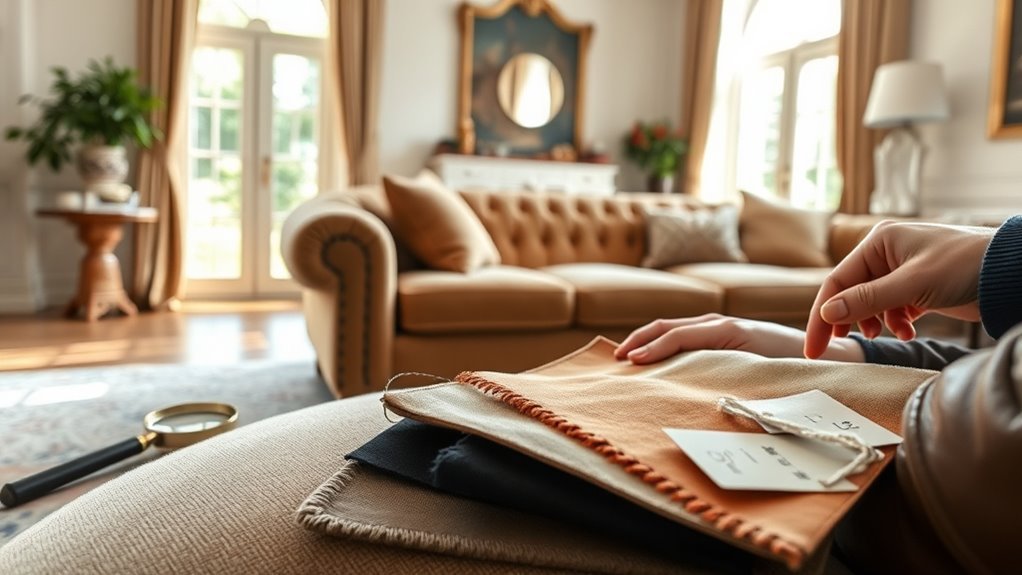
Before you clean, look for the fabric tag. It is usually under a cushion, along the platform beneath the cushions, or on the couch frame. This tag may list the fiber content and a cleaning code. The cleaning code matters more than the color or texture because two similar-looking couches can need completely different cleaning methods.
| Code | What It Means | Safest Cleaning Approach |
|---|---|---|
| W | Water-based cleaner allowed | Use a small amount of mild soap solution or approved upholstery cleaner. |
| S | Solvent-based cleaner only | Avoid water. Use upholstery-safe dry-cleaning solvent or call a professional. |
| WS or S-W | Water-based or solvent-based cleaner allowed | Use the gentlest option first and test before cleaning a visible area. |
| X | Vacuum or brush only | Do not use water, solvent, steam, or foam cleaner. Call a professional for stains. |
If the tag is missing, do not guess. Vacuum the couch, then test the mildest possible cleaner on a hidden area such as the back hem, underside, or a spot beneath a cushion. Let the test area dry fully before judging the result. If the color transfers, the fabric puckers, the texture changes, or a water ring appears, stop and call a professional cleaner.
Note: “Fabric sofa,” “microfiber couch,” and “upholstered couch” are not cleaning instructions. The care code and manufacturer instructions should decide the method.
Gather Your Upholstery Cleaning Supplies
Use simple supplies and keep moisture controlled. For most routine cleaning, you will need:
- A vacuum cleaner with an upholstery attachment and crevice tool
- White microfiber cloths or other colorfast, lint-free cloths
- A soft-bristled brush
- Distilled water for W or WS fabrics
- Gentle dish soap for W or WS fabrics
- Baking soda or cornstarch for dry deodorizing and oily spots
- An upholstery-safe dry-cleaning solvent for S fabrics, if you are comfortable using one
- A fan to speed drying
Avoid colored towels because dye can transfer to damp upholstery. Avoid harsh degreasers, laundry detergent, bleach, ammonia, and all-purpose sprays unless your couch manufacturer specifically recommends them.
Recommended Products
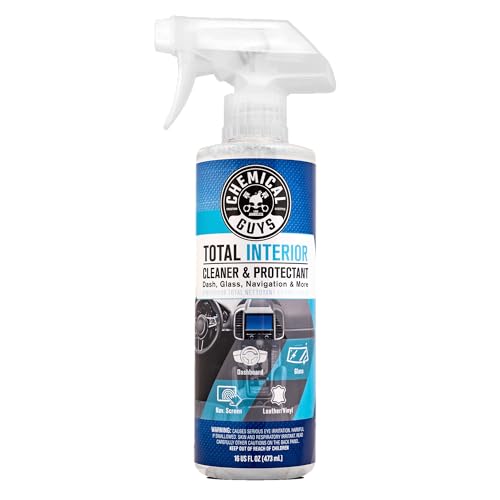
ALL-IN-ONE CAR INTERIOR CLEANER (SPI22016) – Favored by car care enthusiasts and detailers nationwide, this versatile formula cleans and protects leather, vinyl, plastic, rubber, and glass for a fresh, streak-free finish
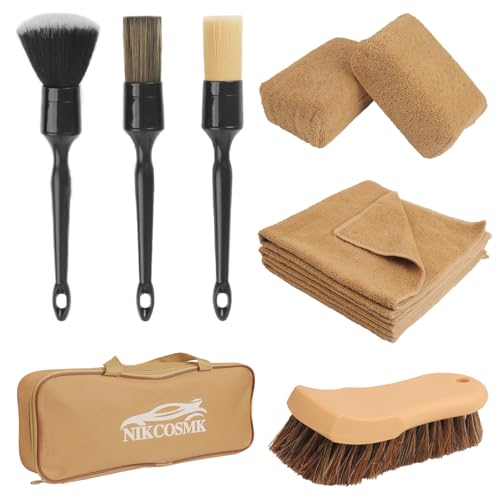
Horse Hair Brush For Car Leather: Made with genuine horse hair and built to last, Horse hair bristles penetrate deep into leather pores for a thorough clean, Suitable for leather, fabric, canvas; perfect for cleaning seats, upholstery, bags, shoes, boots, furniture and more.

[VERSATILE SURFACE SCRUBBING]: This comprehensive 8-piece set includes 7 distinct sizes of medium stiffness yellow brushes tailored for deep household washing. The durable nylon bristles target embedded grout lines, tiled floors, and shower glass, scrubbing away stubborn hard water stains with rotational energy instead of manual force.
Step-by-Step Guide to Vacuuming Your Couch
Vacuuming is the safest first step for every fabric code, including X. It removes dust, crumbs, pet hair, and grit before they get pushed deeper into the upholstery during spot cleaning.
Proper Vacuuming Techniques
- Remove loose pillows and detachable cushions.
- Vacuum the top, front, arms, back, and lower sides of the couch with the upholstery attachment.
- Use the crevice tool along seams, buttons, piping, and the corners where crumbs collect.
- Vacuum both sides of removable cushions.
- Lift or tilt the couch carefully once or twice a year to vacuum the lower frame and back edge.
| Technique | Purpose |
|---|---|
| Upholstery attachment | Lifts dust and debris without rough scraping |
| Crevice tool | Reaches crumbs and grit between cushions |
| Slow passes | Gives the vacuum time to lift embedded soil |
| Cushion flipping | Removes hidden dirt and helps even out wear |
Importance of Regular Maintenance
Weekly vacuuming keeps dust and crumbs from abrading the fabric. It also helps reduce common indoor triggers such as dust, pet dander, and mold spores. The EPA recommends regular dusting and cleaning as part of reducing indoor asthma triggers, especially in homes with pets, children, or allergy-sensitive family members.
Quick Tips for Spot Cleaning Spills on Your Couch
Fast, gentle blotting is the best way to keep a spill from becoming a permanent stain. The goal is to lift the spill out of the fabric, not push it deeper.
- Blot immediately. Press a clean white cloth onto the spill. Keep switching to a dry section of cloth.
- Lift solids first. Use a spoon or dull knife to lift food, mud, or thick spills. Do not smear them.
- Check the cleaning code. Use water-based cleaner only on W or WS fabrics.
- Test first. Dab the cleaner on a hidden area and let it dry.
- Work from the outside in. This helps keep the stain from spreading.
- Rinse lightly if water is allowed. Use a barely damp cloth to remove soap residue.
- Blot dry. Press with a dry towel, then use a fan for airflow.
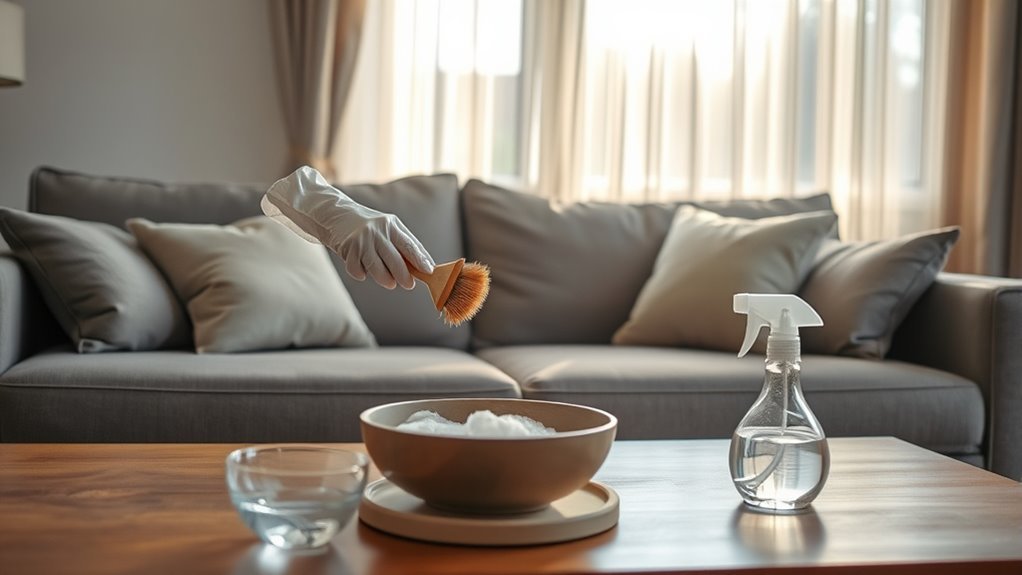
For W or WS fabrics, mix 1 teaspoon of gentle dish soap with 2 cups of distilled water. Dip a cloth into the suds, wring it well, and blot the stain. Do not pour the solution onto the couch. After cleaning, wipe with a separate cloth lightly dampened with distilled water, then blot dry.
Pro Tip: Use the foam or suds more than the liquid. Suds clean with less moisture, which lowers the chance of water rings, residue, and slow drying.
Stain Guide for Common Couch Spills
| Stain | What to Do | What to Avoid |
|---|---|---|
| Coffee, tea, juice, or wine | Blot, then use a code-safe cleaner. Repeat with light applications. | Do not scrub or flood the cushion. |
| Grease or oily food | Sprinkle cornstarch or baking soda, wait 30–60 minutes, then vacuum. Spot clean only if the code allows. | Do not add water first; it can spread oil. |
| Mud | Let it dry, vacuum the loose soil, then spot clean if needed. | Do not rub wet mud into the fibers. |
| Ink | Call a pro for delicate fabric. For sturdy WS fabric, test an upholstery-safe solvent first. | Do not use water blindly; ink can spread fast. |
| Pet accident | Blot, use a fabric-safe enzymatic cleaner if the code allows, and dry thoroughly. | Do not use heat until the odor is gone; heat can set stains. |
| Water ring | Lightly feather the edge with distilled water only if W or WS, then blot evenly and dry with airflow. | Do not make one small wet spot wetter without blending the edge. |
Proven Techniques for Deep Cleaning Your Couch
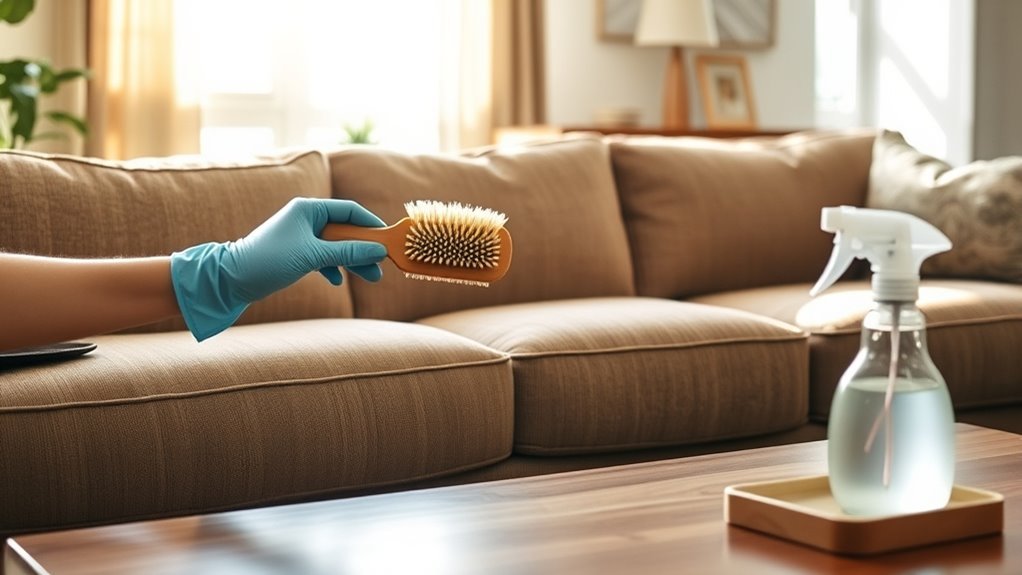
Deep cleaning should be based on the care code. Start by vacuuming thoroughly, including seams and under cushions. Then choose the safest method below.
Recommended Products

Safe on all fabrics including acetates

Great for apparel manufacturers, textile mills, dry cleaners, embroiderers, and upholsterers

Multi-Use solution for dry cleaning spray for upholstery, dry cleaner spot remover, fabric spot stain remover, solvent cleaner for furniture and tar remover for automobiles.
Deep Cleaning W or WS Upholstery
- Mix 1 teaspoon gentle dish soap with 2 cups distilled water.
- Whisk or shake to create suds.
- Dip a white microfiber cloth into the suds, then wring it until it is barely damp.
- Wipe one small section at a time, using light pressure.
- Remove soap residue with a clean cloth lightly dampened with distilled water.
- Blot with dry towels.
- Place a fan nearby and let the couch dry fully.
Deep Cleaning S Upholstery
For S-coded fabric, avoid water-based cleaners. Use only an upholstery-safe dry-cleaning solvent and follow the product label exactly, or call a professional upholstery cleaner. Work in a ventilated space and test first. If the fabric is silk, velvet, antique, vintage, or expensive, professional cleaning is the safer choice.
Deep Cleaning X Upholstery
X-coded upholstery should be vacuumed or brushed only. Do not use water, vinegar, foam cleaner, steam, or solvent. If an X-coded couch has a visible stain or odor, contact a professional cleaner.
Note: The CDC notes that mold can grow on fabric and upholstery when moisture is present. If a cushion is soaked through, remove it from use and dry it quickly. If it smells musty after drying, call a professional.
Natural Odor Removal Techniques for Upholstery Cleaning
Odor removal should also match the care code. Dry methods are safest for the widest range of fabrics.
- For all codes: Sprinkle a light layer of baking soda or cornstarch over the couch, let it sit for 20–60 minutes, then vacuum thoroughly.
- For W or WS fabrics: After testing, mist a cloth lightly with a 1:1 mix of distilled white vinegar and distilled water, then dab the odor area. Do not spray the couch until it is wet.
- For pet odors: Use a fabric-safe enzymatic cleaner only if the cleaning code allows it. Test first and follow the label.
- For S or X fabrics: Do not use vinegar-water sprays. Use dry deodorizing first, then call a professional if odor remains.
After odor treatment, open windows when weather allows or run a fan. EPA indoor-air guidance recommends ventilation and humidity control to reduce indoor pollutants and moisture problems.
How to Keep Your Couch Looking Great After Cleaning
After cleaning, the most important step is drying. Keep cushions separated if possible, use a fan, and avoid sitting on the couch until the fabric and cushion surface feel fully dry. Keep indoor humidity in a comfortable range; the EPA recommends keeping indoor humidity between 30% and 50% when possible.
Regular Maintenance Tips
- Vacuum weekly, or more often if you have pets, kids, or frequent snacks on the couch.
- Rotate and flip loose cushions every few weeks so wear stays even.
- Use a lint roller or upholstery brush for quick pet-hair cleanup.
- Blot spills as soon as they happen.
- Wash removable throws and pillow covers according to their own care labels.
Protect From Sunlight
Direct sunlight can fade upholstery and weaken some fibers over time. Use curtains, blinds, UV-filtering window film, throws, or slipcovers to reduce exposure. If the couch sits in a sunny room, rotate loose cushions so one area does not fade faster than the rest.
When to Seek Professional Upholstery Cleaning Assistance
Call a professional upholstery cleaner when the stain is large, old, oily, musty, or on a delicate fabric. Professional help is also the safer choice for S-coded and X-coded upholstery, silk, velvet, antique furniture, vintage pieces, expensive sofas, strong pet odors, or cushions that were soaked through.
If mold is visible or the couch smells musty after drying, do not keep adding cleaner. The EPA recommends fixing the moisture problem and drying items completely; porous materials that cannot be cleaned or dried may need professional evaluation.
Recommended Products

POWERFUL HOT STEAM - 1050 watts with 3-5 minutes fast heat-up and emits pressurized powerful hot steam 230℉ for up to 8-12 minutes

【High-Quality Construction】: The car carpet brush is meticulously crafted from high-quality PP and TPR materials, featuring high hardness, wear resistance, anti-slip properties, and being less prone to deformation or breakage. Its bristles are tightly and stably embedded in the brush body, not easy to fall off, and can provide you with a long-lasting and reliable guarantee for your cleaning work.

Stiff bristles remove dirt and grime, breaking up stains and lifting dirt and debris from carpeted and upholstered surfaces
Tips for Long-Term Couch Maintenance
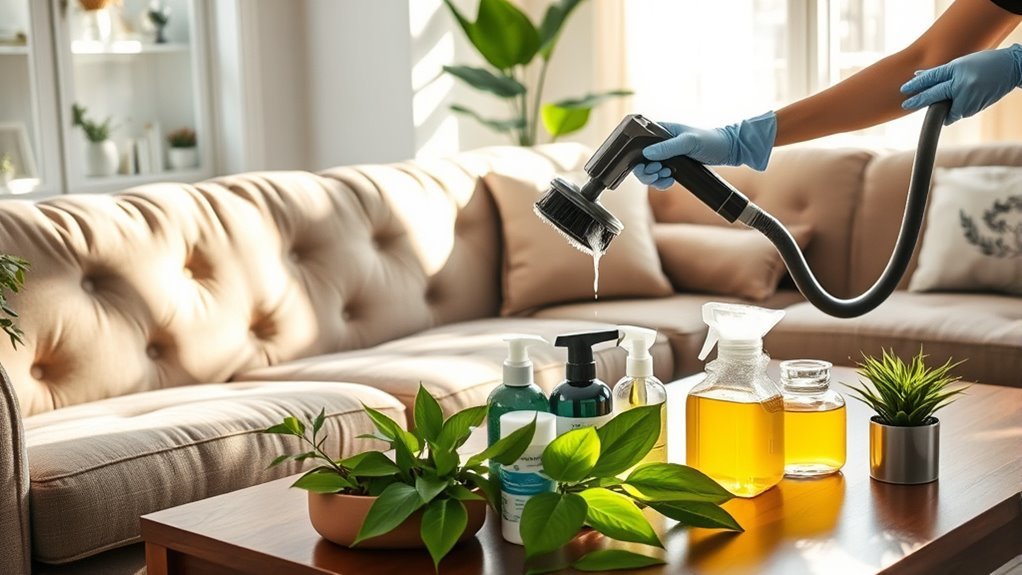
Long-term couch care is mostly about small habits. Vacuum before dirt becomes visible, rotate cushions before sagging starts, and treat spills before they set. If your manufacturer allows fabric protector, apply it only after the couch is clean and fully dry, and follow the product label carefully.
- Weekly: Vacuum seats, arms, and crevices.
- Monthly: Rotate cushions and check for hidden crumbs, pet hair, or early stains.
- Seasonally: Freshen with baking soda or cornstarch, then vacuum well.
- Every 12–18 months: Consider professional cleaning for high-use couches, homes with pets, or upholstery that has deep soil or lingering odor.
Frequently Asked Questions
How do I properly clean an upholstered couch?
Vacuum the couch first, check the fabric cleaning code, test your cleaner in a hidden spot, then spot clean with the safest method for that code. Use minimal moisture, blot instead of scrub, remove soap residue with a barely damp cloth if water is allowed, and dry the couch completely with airflow.
What are the most common sofa fabric cleaning mistakes?
The biggest mistakes are skipping the care tag, using water on S or X fabric, scrubbing stains, soaking cushions, using harsh cleaners, failing to test first, and sitting on the couch before it is dry. These mistakes can cause fading, rings, shrinkage, odor, or fabric texture damage.
What is the best way to clean a fabric sofa?
The best method depends on the cleaning code. For W or WS fabric, vacuum and spot clean with a mild soap-and-distilled-water solution. For S fabric, use an upholstery-safe solvent or hire a pro. For X fabric, vacuum only and avoid liquid cleaners.
Can I use Dawn dish soap to clean my fabric couch?
You can use a tiny amount of gentle dish soap on many W or WS fabrics, but only after checking the care tag and testing a hidden spot. Mix about 1 teaspoon with 2 cups of distilled water, use mostly suds, and rinse lightly. Do not use dish soap on S or X fabrics.
Can I steam clean couch upholstery?
Only steam clean if the manufacturer says steam is safe for that specific couch. Steam adds heat and moisture, which can damage some fabrics, set stains, or leave cushions damp. Avoid steam on S, X, silk, velvet, antique, or unknown-code upholstery.
How long does a couch take to dry after cleaning?
Light spot cleaning may dry in a few hours, while deeper cleaning can take longer. Drying time depends on fabric, cushion thickness, humidity, and airflow. Use fans, keep cushions separated when possible, and do not sit on the couch until it feels fully dry.
Conclusion
Cleaning couch upholstery is simple when you follow the fabric code and use a light touch. Vacuum first, test before treating stains, blot instead of scrub, and keep moisture low. For delicate fabrics, S or X codes, musty odors, or stains that will not lift, professional upholstery cleaning is the safer move. With regular vacuuming, cushion rotation, sun protection, and fast spill cleanup, your couch will stay fresher, cleaner, and more comfortable for years.
Sources
- U.S. Environmental Protection Agency: A Brief Guide to Mold, Moisture and Your Home — moisture control, 24–48 hour drying guidance, and mold cleanup precautions.
- Centers for Disease Control and Prevention: Mold — mold prevention, fabric/upholstery moisture concerns, and safe cleaning warnings.
- U.S. Environmental Protection Agency: Care for Your Air — indoor-air quality, ventilation, humidity control, and asthma-trigger reduction.
- Better Homes & Gardens: How to Clean Upholstered Furniture — upholstery cleaning codes, blotting guidance, and routine upholstery care.
- Southern Living: How to Clean Your Upholstered Chairs Like a Pro — cleaning-code guidance, vacuuming, spot cleaning, and professional-care triggers.