Disclosure: As an Amazon Associate, we earn from qualifying purchases. If you click a link on this page and make a purchase, we may receive a small commission at no extra cost to you.
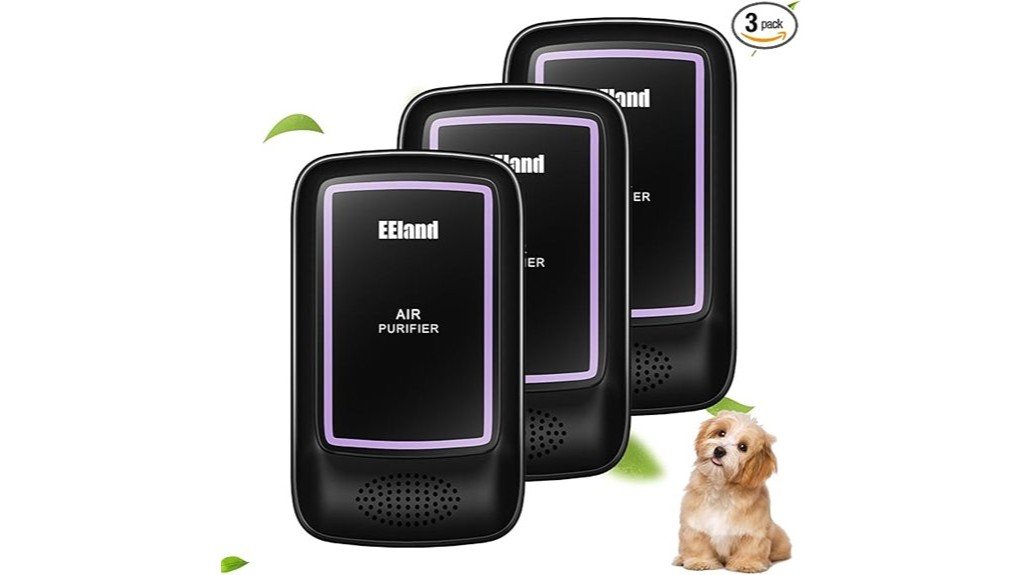
A plug-in air ionizer can look appealing when you want a small, quiet device without replacement filters. The linked unit is described in this review as a compact, filterless ionizer that uses about 1 watt of power, but its exact brand and model could not be independently confirmed during our verification check. That matters because ionizers vary in particle-removal performance and ozone emissions. This review explains what the device can realistically do, what you should verify before buying, and when a filter-based air purifier is the better choice.
Quick Verdict
Rating: Recommended with caveats
Best For: Buyers who want a tiny, filterless, low-power device and understand the limits of ionization.
Bottom Line: The simple plug-in design and roughly 1W power claim make this ionizer easy to place and inexpensive to run. The tradeoff is that the exact listing, ozone certification, room coverage, and particle-cleaning performance could not be verified, so you should not treat it as a substitute for a proven HEPA purifier when allergy, smoke, or fine-particle control is your main goal.
| Specification | Detail |
|---|---|
| Product type | Plug-in negative-ion air cleaner |
| ASIN | B0GYPH31M3 |
| Design | Compact plug-in, filterless design |
| Power | About 1W, as stated in the supplied article |
| Operation | Described as quiet and fanless |
| Filter replacement | No replaceable filter described |
| Intended use | Small indoor spaces such as bedrooms, kitchens, bathrooms, and similar rooms |
| Unverified details | Brand, model, dimensions, room coverage, ozone certification, warranty, and exact ion output |
Key Takeaways
- The reviewed device is presented as a compact, filterless plug-in ionizer that uses about 1W of power.
- Ionizers charge airborne particles so they are more likely to settle onto nearby surfaces or collectors, but performance varies by design.
- You should not assume that an ionizer removes gases, odors, pollen, or dust as effectively as a filter-based purifier.
- Ozone safety is a key buying check. The exact linked model could not be verified as ozone-free or CARB certified.
- The device makes the most sense as a low-maintenance supplemental air-cleaning product, not as your only solution for significant smoke, allergy, or indoor-air-quality problems.
What Is This Plug-In Air Ionizer and How Does It Work?
This product is presented as a small negative-ion air cleaner that plugs directly into a standard wall outlet. Instead of pulling air through a replaceable filter, an ionizer electrically charges particles in the air. Those charged particles can then attach to nearby surfaces, combine with other particles, or be collected by a compatible collector if the device includes one.
That process is different from mechanical filtration. A HEPA purifier physically moves room air through filter media, while a simple ionizer may reduce some suspended particles by causing them to settle. The U.S. Environmental Protection Agency notes that ion generators can remove some small particles, but they may be less effective for larger particles such as pollen and house-dust allergens and do not remove gases or odors in the same way as dedicated gas-adsorbing media. The EPA also publishes consumer guidance on ionizers and ozone-generating air cleaners.
The appeal is simplicity, but the exact product’s ion output, room coverage, and independently tested cleaning rate are not available for confirmation.
Before You Buy: Do not assume that “negative ion” means “ozone-free.” The exact linked ASIN could not be verified for ozone-emission testing or certification. Check the current Amazon listing, product label, and manufacturer documentation before using any electronic air cleaner in an occupied room.
Top Benefits of This Type of Air Ionizer
Compact Plug-In Design
A direct-plug design takes very little floor or desk space. That can be useful in a bathroom, small bedroom, entry area, or other location where a full-size purifier would be inconvenient. Placement still matters, because furniture, curtains, or other objects can block air movement around the device.
Low Claimed Power Use
The article describes the unit as consuming about 1W. If that specification is correct for the linked model, continuous power use would be far lower than many fan-driven air purifiers. Confirm the current listing because the exact wattage could not be independently verified.
No Replaceable Filter Described
A filterless design avoids recurring HEPA-filter purchases. That reduces one type of maintenance cost, but it does not make the device maintenance-free. Charged particles may settle on walls, furniture, and other nearby surfaces, so normal dusting and cleaning can become more important.
Quiet, Fanless Operation
The original article describes quiet operation, which is consistent with the basic appeal of fanless ionizers. Without a fan, you avoid the steady airflow noise common to many portable purifiers. The tradeoff is that a fanless unit may also have less controlled air movement through the room.
Simple Everyday Use
Setup is limited to choosing a suitable outlet and following the product instructions, which suits buyers who want a basic supplemental device.
Who Should Buy It?
Best For
- You want a small plug-in device that does not take up floor space.
- You prefer a filterless design with no scheduled replacement-filter purchases.
- You understand that an ionizer is a supplemental tool and are willing to verify ozone-safety information before use.
Skip If
- You need proven high-efficiency particle removal for allergies, wildfire smoke, or other serious fine-particle concerns.
- You want verified CADR, room-coverage data, or a confirmed brand warranty.
- You cannot confirm the model’s ozone-emission safety information.
Performance and Particle Removal
The most important buying question is not simply whether the unit produces negative ions. You need to know how effectively it lowers airborne particle levels in your room. The supplied article does not provide a verified CADR, test method, ion-output specification, or room-size rating for ASIN B0GYPH31M3.
For allergy control, smoke particles, or other cases where measurable removal matters, a purifier with verified filtration is easier to compare by CADR, room size, and filter type.
Odor Control: Keep Expectations Realistic
The original article strongly emphasized pet, smoke, and household odor reduction. That claim needs caution. EPA guidance states that ion generators do not remove gases or odors in the same way that gas-adsorbing media can, and ozone at concentrations considered acceptable for occupied spaces is generally ineffective at controlling many indoor contaminants.
If odor is your main problem, start with source control, ventilation when appropriate, and gas-adsorbing media such as activated carbon. Do not buy this ionizer solely on an unverified odor-elimination claim.
Noise Level and Bedroom Use
A fanless ionizer can be attractive for a bedroom because there is no large fan moving air. The source article describes this unit as quiet, but no verified decibel rating is available. If you are sensitive to noise, check the current listing for any indicator sounds, electrical buzz, or light that might matter at night.
Use a clear, dry, unobstructed outlet rather than hiding the unit behind furniture or fabric.
Cleaning and Maintenance
A filterless design still needs basic upkeep. Charged particles can settle on nearby surfaces, so keep the device and surrounding area clean according to the manufacturer’s instructions. Do not spray cleaner into the unit, and follow the included manual because an exact model-specific cleaning schedule could not be verified.
Real User Reviews of Air Ionizers
The exact Amazon listing for ASIN B0GYPH31M3 could not be independently opened or matched to another reliable product page, so specific star ratings, review counts, and customer claims are not included. When you read the live reviews, focus on practical details such as outlet fit, noise, heat, indicator lights, and dust buildup, not unverified health claims.
How It Performs in Real Use
In a Small Bedroom
The compact plug-in form is convenient where floor space is limited. Quiet operation is the main attraction, but you should verify the device’s safety documentation and avoid assuming it can replace a HEPA purifier if you need strong pollen, dust, or smoke removal.
In a Kitchen or Pet Area
The unit is easy to place, but odor control should not be your only reason to buy it. Cooking and pet odors are better addressed first by cleaning, ventilation, and source control. If odors remain, activated-carbon filtration is generally a more direct technology for gaseous pollutants.
In a Bathroom or Other Tight Space
A plug-in footprint can be useful, but electrical safety comes first. Use only a suitable dry outlet and follow local electrical-safety requirements and the manufacturer’s placement instructions. Do not place the device where it can be splashed or exposed to excess moisture unless the product is specifically rated for that environment.
For Continuous Use
The claimed 1W draw makes long running times appealing from an energy-use standpoint. Continuous use still depends on the product’s instructions and verified ozone-emission performance. Low wattage does not by itself prove that an electronic air cleaner is appropriate for nonstop use in an occupied room.
How to Choose the Right Air Ionizer for Your Home
- Verify the exact model: Confirm the brand, model number, wattage, voltage, and intended room size on the current listing and package.
- Check ozone-emission safety: Do not rely on vague “safe” or “ozone-free” wording without supporting documentation. California requires portable indoor air cleaners sold there to meet its air-cleaner regulation, including ozone limits for electronic air cleaners. CARB also maintains consumer information for checking air-cleaner compliance.
- Match the technology to the pollutant: If your main concern is fine particles, compare the ionizer with a HEPA purifier. If your main concern is odors or gases, look for appropriate adsorbent media such as activated carbon.
- Look for measurable performance: Verified CADR and room-size data make it easier to compare filter-based purifiers. The linked ionizer’s measurable cleaning rate was not available for verification.
- Consider maintenance honestly: No filter replacement is convenient, but you may need more surface cleaning because charged particles can settle nearby.
Pro Tip: Before you plug it in, photograph the product label and manual page that lists the model number, voltage, and ozone or safety certification. That gives you a clear reference if the marketplace listing later changes.
Safety and Ozone Considerations
EPA states that ion generators can indirectly produce ozone, a lung irritant, so verify the exact model rather than accepting a generic safety claim. California requires portable indoor air cleaners sold in the state to meet its air-cleaner regulation, and electronic models are subject to an ozone-emission limit of 0.050 ppm. The linked ASIN could not be confirmed against a manufacturer page or certification record, so the earlier “ozone-free” claim has been removed.
If someone in your home has respiratory sensitivity or another health concern, favor equipment with clear safety documentation and seek professional guidance when appropriate. Air cleaning should complement source control and ventilation.
Pros and Cons
Pros
- Compact plug-in form uses very little room.
- Filterless design avoids scheduled replacement-filter purchases.
- About 1W power use is claimed in the supplied article.
- Fanless operation is described as quiet.
- Simple setup can suit buyers who do not want app controls or a large appliance.
Cons
- Exact brand, model, room coverage, and performance data could not be independently verified.
- Ozone-free status and certification were not confirmed for the linked ASIN.
- It is not the best choice when you need measurable HEPA-style particle removal or dedicated gas and odor filtration.
Is It Worth the Price?
This type of ionizer can offer reasonable value when you prioritize small size, low claimed power use, and no replacement filters. It is harder to judge without verified room coverage, CADR, ozone certification, or warranty details. It is better as a supplemental device than as your primary solution for smoke, pollen, pet dander, or other fine particles.
How It Compares to Alternatives
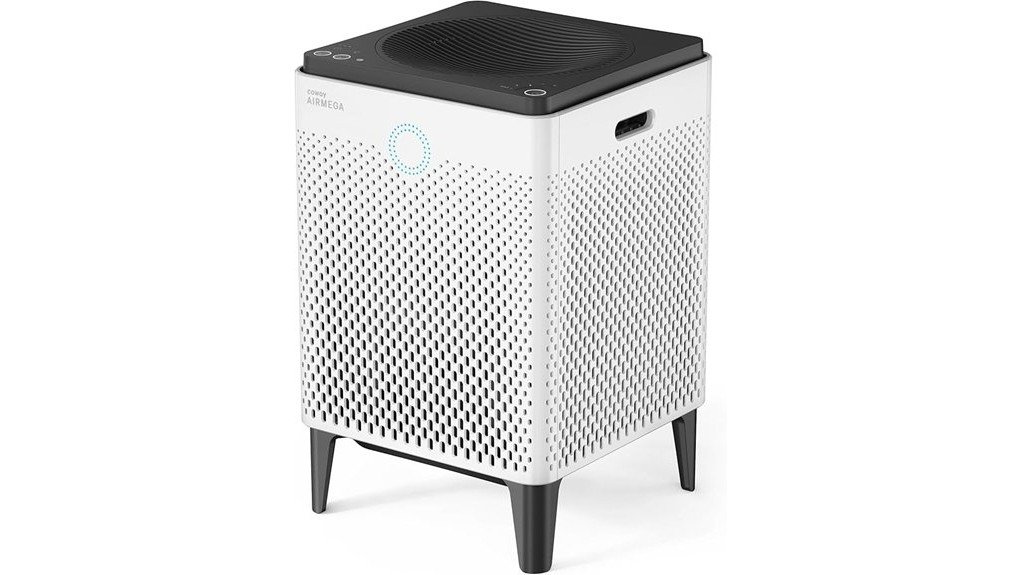
If you want measurable filtration, compare the Levoit Core 300S-P, Coway Airmega AP-1512HH, or Blueair Blue Pure 511i Max. These filter-based models are larger and require filter maintenance, but they provide clearer performance specifications. The plug-in ionizer makes more sense when minimal size and a filterless design matter more than verified room-cleaning performance.
Frequently Asked Questions
Does this air ionizer use a HEPA filter?
No replaceable filter is described in the supplied article. The device is presented as a filterless ionizer, so it works differently from a HEPA purifier that physically moves air through filter media.
Is the linked ionizer ozone-free?
That could not be independently verified for ASIN B0GYPH31M3. Check the current product label, manufacturer documentation, and relevant certification information before using it in an occupied room.
Can an ionizer remove pollen and dust?
Ionizers can charge airborne particles and cause some of them to settle or collect on surfaces. EPA notes that ion generators may be relatively ineffective for larger particles such as pollen and house-dust allergens, so a proven particle filter may be a better choice when those are your main concerns.
Will it remove pet or smoke odors?
You should not rely on this ionizer as your main odor-control device. Source cleaning, ventilation, and appropriate gas-adsorbing media such as activated carbon are more direct approaches for many odor and gaseous-pollutant problems.
How much electricity does it use?
The source article states about 1W of power consumption. Because the exact model page could not be independently verified, confirm the wattage on the current listing or product label before calculating long-term energy use.
Where should I place a plug-in ionizer?
Use a suitable outlet in a dry, unobstructed location and follow the product instructions. Avoid hiding the device behind furniture or fabric, and do not place it where it may be splashed unless the manufacturer specifically allows that use.
How often does an air ionizer need to be replaced?
There is no verified replacement interval for this linked model. Replace or service it according to the manufacturer’s instructions, and stop using it if the housing, plug, controls, or electrical operation show signs of damage.
Who should skip this product?
Skip it if you need verified CADR, strong HEPA-style filtration, dedicated odor or gas removal, or confirmed ozone-emission certification. In those cases, a documented filter-based purifier is easier to compare and evaluate.
The Bottom Line
This plug-in air ionizer is worth considering only if you value a tiny, filterless, low-power design and are comfortable treating it as a supplemental device. Its main strength is convenience, while its main limitation is the lack of independently verified product identity, ozone-safety documentation, room coverage, and measurable cleaning performance. If you need reliable particle filtration for allergies, smoke, or heavy dust, choose a purifier with clear HEPA filtration and published performance data instead.
Ready to Buy?
Check the latest product details, safety information, and price before you decide.