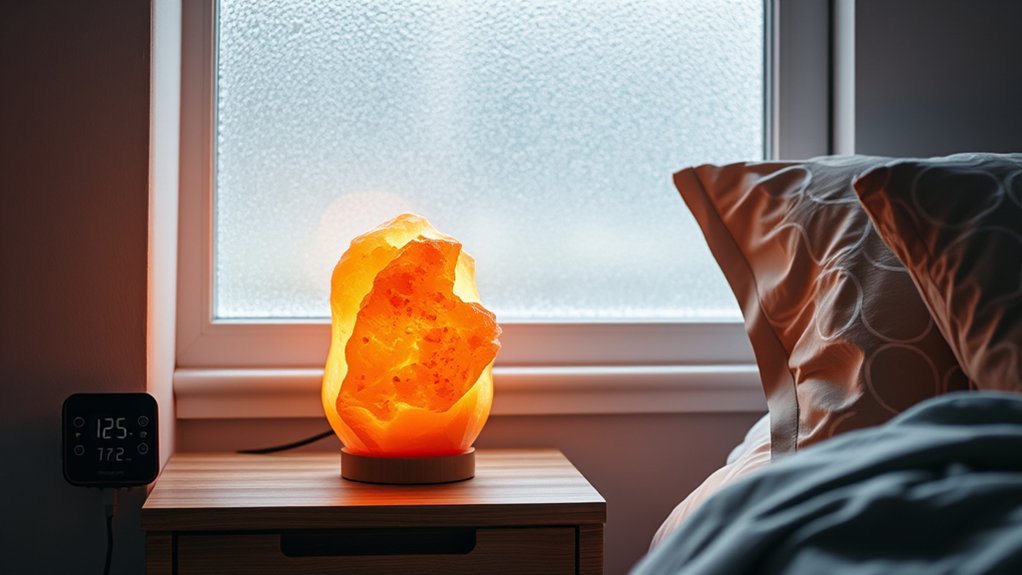
If you have heard that a salt lamp can dehumidify a room, the claim contains a small piece of truth but reaches the wrong conclusion. Salt can interact with moisture in humid air, which is why a lamp may sometimes feel damp or appear to “sweat.” However, a salt lamp cannot collect and remove enough water to control a room’s humidity.
Quick Answer
A salt lamp is not an effective dehumidifier. Its salt surface may attract a small amount of water in very humid air, but the lamp has no fan, collection tank, drain, or tested moisture-removal capacity. Any water dried by the bulb usually evaporates back into the room.
Key Takeaways
- Salt lamps may become damp because salt interacts with water vapor at high relative humidity.
- A damp lamp does not prove that it is lowering the humidity of the room.
- Effective dehumidifiers collect, drain, or exhaust water instead of releasing it back into the same space.
- Use a hygrometer to measure humidity and aim for roughly 30% to 50% relative humidity indoors.
- Follow the lamp manufacturer’s electrical and bulb instructions rather than leaving the lamp on continuously.
Are Salt Lamps Dehumidifiers?
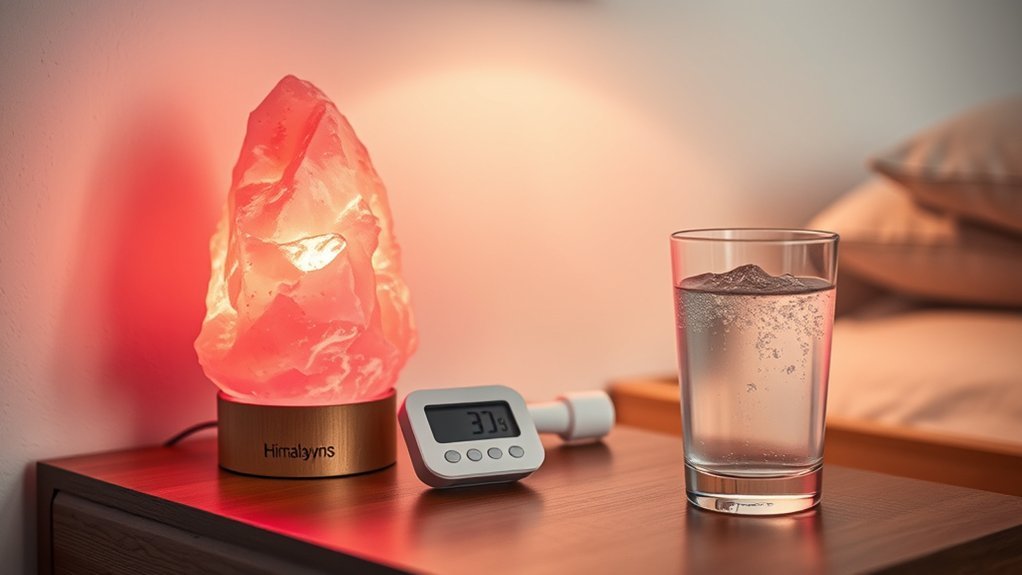
No. A salt lamp may attract a small amount of moisture at its surface, but it is not a practical room dehumidifier. It has no active airflow, refrigeration coil, regenerating desiccant system, water tank, or drain.
Real dehumidifiers are tested according to how much water they can remove over a set period, commonly stated in pints per day. Salt lamps have no verified moisture-removal rating. Their dampness is a surface reaction, not evidence of room-scale humidity control.
The U.S. Environmental Protection Agency recommends keeping indoor relative humidity below 60% and ideally between about 30% and 50%.
You can review the EPA’s current moisture guidance in its guide to mold, moisture, and indoor humidity.
How Salt Lamps Interact With Moisture
Salt is often described as hygroscopic. In plain English, that means it can interact with water vapor in the surrounding air. At sufficiently high relative humidity, sodium chloride can take up enough water to form a thin salty solution on its surface. This process is called deliquescence.
Laboratory studies of sodium chloride crystals commonly place pronounced deliquescence near 75% to 76% relative humidity at typical room temperatures. However, that number should not be treated as an exact trigger for every salt lamp. A natural rock-salt lamp may contain impurities, cracks, dust, surface treatments, and different temperatures that affect when it begins to feel wet. The scientific mechanism is described in research on the hygroscopic behavior of sodium-chloride particles.
Note: A wet lamp is a sign that the air around its surface is humid. It does not show that the lamp has lowered the room’s relative humidity.
What Happens When the Bulb Heats the Lamp?
The bulb warms the salt and may help surface water evaporate. That can make the lamp feel drier while it is operating. However, the evaporated water normally returns to the same room.
This creates little or no permanent moisture removal. For dehumidification to work, water must be separated from the room air and then collected in a tank, sent through a drain, held in a replaceable absorber, or exhausted outdoors.
Why Salt Lamps Can’t Control Room Humidity
A salt lamp lacks the capacity and design needed to change conditions throughout a room. Its main limitations are simple:
- No active airflow: It does not pull large volumes of room air across a moisture-removal system.
- No collection method: It has no tank, hose, or removable water reservoir.
- No moisture-removal rating: Its performance is not measured in pints or liters per day.
- Re-evaporation: Heat from the bulb can return collected surface moisture to the room.
- Very limited exposed surface: Only air close to the salt can interact directly with it.
- No humidity control: It has no humidistat that switches the device on or off at a chosen relative-humidity level.
A lamp may still provide warm decorative light, but it should not be expected to prevent condensation, dry a basement, protect stored belongings, or solve a mold-producing moisture problem.
Salt Lamp vs. Moisture Absorber vs. Dehumidifier
| Option | How It Works | Best Use | Main Limitation |
| Salt lamp | May attract a small amount of surface moisture in humid air | Decorative lighting | No measurable room-scale moisture removal |
| Labeled passive absorber | A deliquescent material collects moisture in a disposable or refillable container | Closets, cabinets, storage boxes, or other small enclosed spaces | Limited capacity and possible liquid-brine spills |
| Electric dehumidifier | Actively processes room air and collects or drains condensed water | Bedrooms, basements, laundry areas, and persistently damp rooms | Uses electricity and must be sized and maintained correctly |
| Ventilation or exhaust fan | Moves moisture-laden indoor air outside when outdoor conditions permit | Bathrooms, kitchens, and short-term moisture from cooking or showering | Less effective when outdoor air is also very humid |
Recommended Products

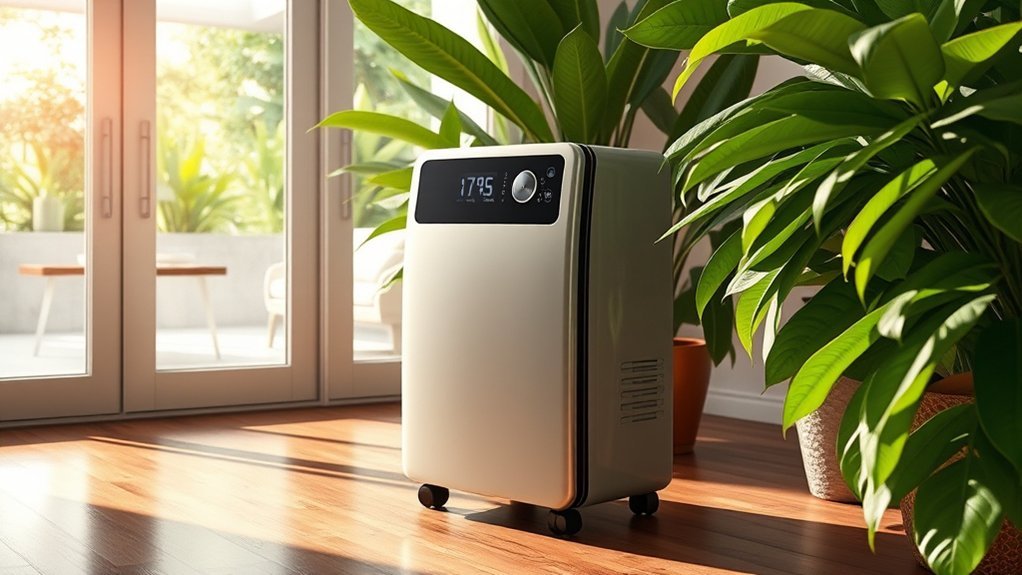
🍃Advanced Small Dehumidifier for Home: Designed for lasting home use, our bathroom dehumidifier works gently and steadily to maintain a balanced humidity level. The large 44 OZ (1.3L) water tank minimizes emptying frequency. Suitable for dorm room, camper, apartment, room, office and living room. No more dampness-just fresh, comfortable air everywhere

Semiconductor dehumidifiers use thermoelectric cooling to remove moisture from the air. They create a drier, more comfortable environment by reducing humidity and improving air quality.

UPGRADED HIGH EFFICIENT DEHUMIDIFICATION:Say goodbye to sticky air. This dehumidifier uses semiconductor condensation technology to quietly and efficiently pull moisture from your bedroom, bathroom, or basement. It extracts up to 23 oz (650 ml) of moisture per day under test conditions of 86°F and 60% RH, which helps you enjoy a fresher, more comfortable living space
Why Salt Lamps Feel Damp Overnight
A salt lamp may feel wetter overnight because the room and the lamp’s surface often become cooler after the bulb is switched off. The salt is no longer receiving warmth from the bulb, so moisture that reaches the surface evaporates more slowly.
In very humid conditions, a thin salty liquid can form and move down the lamp. This is often described as the lamp “crying.” The liquid may collect around the base and leave salt marks on wood, metal, fabric, or other nearby materials.
Turning the lamp on may dry its surface, but it still does not solve the room’s moisture source. If the lamp repeatedly becomes wet, check the room with a hygrometer rather than using the lamp itself as a humidity gauge.
How to Check Whether the Room Is Too Humid
Use a digital hygrometer to measure relative humidity. Place it in the normal occupied part of the room, away from direct sunlight, an open window, a supply vent, a humidifier, or the dehumidifier’s outlet. Follow the meter manufacturer’s placement and calibration instructions.
- About 30% to 50% RH: A practical target range for many homes.
- Above 60% RH: Investigate moisture sources and take steps to lower humidity.
- Persistent condensation: Look for cold surfaces, poor ventilation, leaks, or an undersized cooling or dehumidification system.
- Musty odors or visible mold: Find and correct the water source instead of masking the smell.
Pro Tip: Record the hygrometer reading at different times for several days. This helps distinguish a short humidity spike after showering or cooking from a persistent room-wide problem.
Recommended Products

Wellness Indicator: This humidity meter with humidity level icon indicates air conditions - DRY/COMFORT/WET, allowing this humidity sensor to ensure you’re always aware of changes to your home/household with just a quick glance

Face Icon Comfort Indicator: Humidity temperature gauge features face icons to indicate DRY/COMFORT/WET air conditions, quickly informs you how to adjust your humidifier or dehumidifier to achieve optimal comfort.
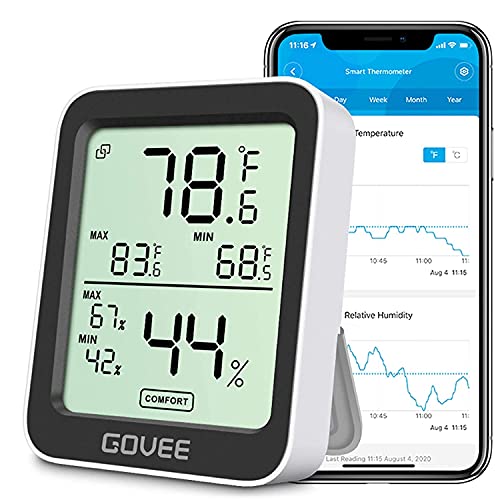
Smart Features: The Govee Wireless Thermometer Hygrometer supports all basic functions as well as smart functions such as remote monitoring and temp humidity graphs. Our humidity meters are reliable and easy to use for homes, greenhouses and more.(Only supports 164ft Bluetooth connection)
What to Use for Real Moisture Problems
Begin with the source of the moisture. A dehumidifier can manage water vapor in the air, but it cannot permanently repair a plumbing leak, roof leak, wet foundation, blocked dryer vent, or missing bathroom exhaust.
Recommended Products
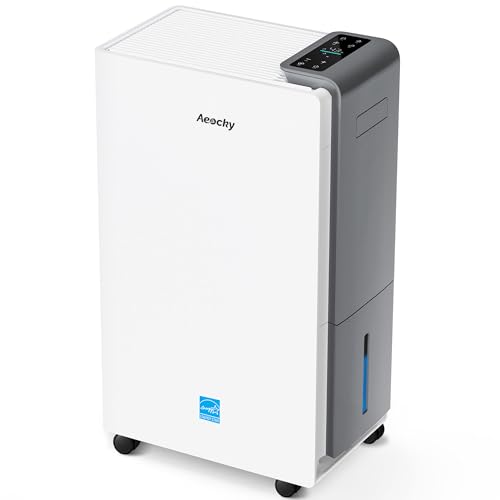
【ENERGY STAR 25 ≠ ENERGY STAR Most Efficient 2025】Don't fall for competitors' word games. With only 2.6% of ENERGY STAR models earning "Most Efficient 2025" title, these options are exceptionally rare on the market. RHEA-001 is one of the few to truly hold this top-tier certification. Many brands use misleading phrases like "Energy Star Efficient 25" or "Energy Star 25" to imply a standard they haven't met. Choosing them is a risk.With AEOCKY, you get verified performance and the peace of mind of authentic, top-tier efficiency.

Discover the incredible benefits of Arecovas powerful dehumidifier, which efficiently removes up to 52 pints of moisture each day at 95°F and 90% humidity! With its robust, commercial-grade compressor, it’s perfect for managing humidity in areas up to 3,500 square feet, including basements, warehouses, and even large homes. Embrace a comfortable, dry environment and enjoy your space to the fullest!
Control the Moisture Source First
- Repair plumbing, roof, window, and foundation leaks.
- Run a bathroom exhaust fan during and after showers.
- Use a kitchen exhaust fan that vents outdoors while cooking.
- Vent clothes dryers outdoors and inspect the duct for blockage.
- Reduce indoor clothes drying when the room is already humid.
- Use air conditioning or ventilation when outdoor conditions make it effective.
- Dry wet materials promptly to reduce the chance of mold growth.
Choose a Dehumidifier by Capacity and Conditions
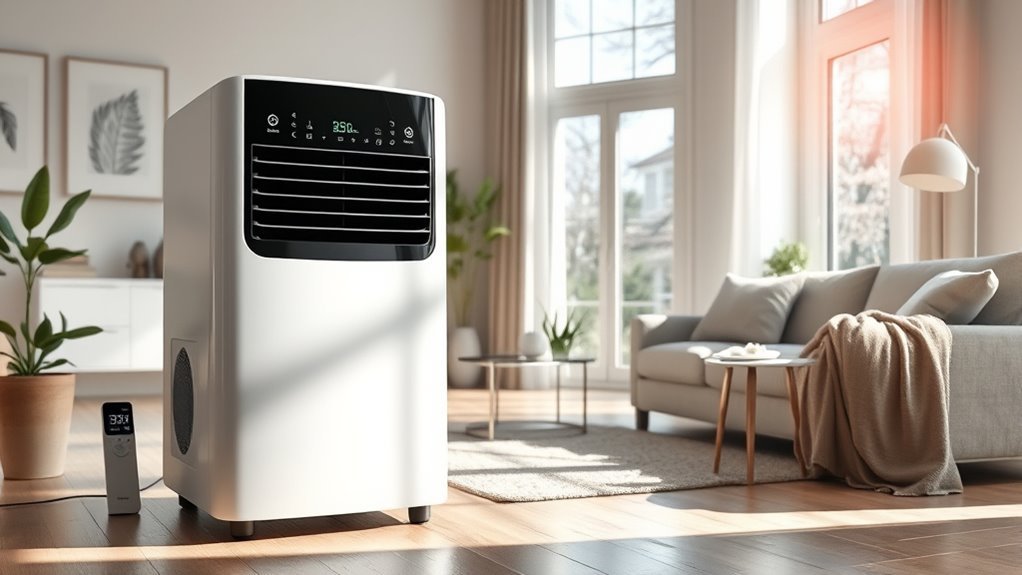
For a room, basement, or other occupied space with persistent humidity, choose an electric dehumidifier with a published water-removal capacity. ENERGY STAR groups recommended capacities according to the size of the space and whether it feels slightly damp, very damp, or wet. Its current dehumidifier buying guidance explains pints-per-day ratings and drainage options.
Useful features may include:
- A built-in humidistat
- Automatic shutoff when the tank is full
- A continuous-drain hose connection
- Automatic restart after a power interruption
- A washable filter
- ENERGY STAR certification where available
- A noise rating suitable for the intended room
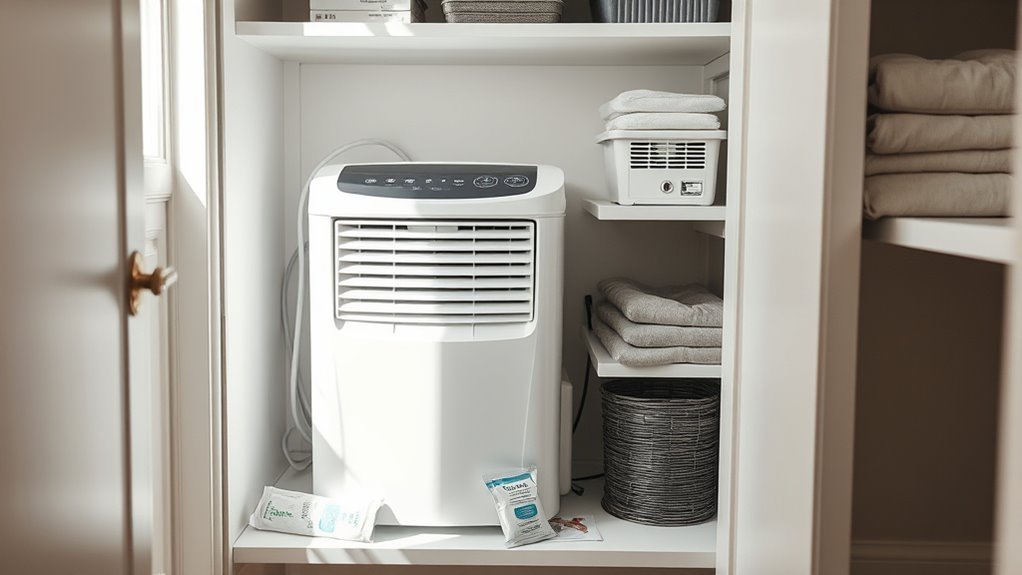
For a small enclosed closet or storage cabinet, a labeled passive moisture absorber may be enough. Follow the product directions and keep the container upright, because many absorbers eventually produce liquid brine. Do not expect a small passive tub to control an open bedroom or basement.
How to Use a Salt Lamp Safely
Treat a salt lamp as an electrical decoration, not as environmental-control equipment. Its plug, cord, socket, switch, and dimmer must remain dry and undamaged.
- Use the correct bulb: Install only the bulb type and maximum wattage marked on the lamp or specified by its manufacturer.
- Use a stable surface: Place the lamp upright on a dry, heat-resistant, nonflammable surface.
- Protect furniture: Use a suitable tray or coaster to catch small amounts of salty moisture without blocking ventilation around the lamp.
- Keep it away from water: Do not place it beside a sink, bathtub, shower, humidifier, or other splash source.
- Inspect the electrical parts: Stop using the lamp if the plug, cord, socket, dimmer, or switch feels unusually hot, smells burnt, sparks, crackles, or shows discoloration.
- Check for recalls: Search the model and brand through the relevant consumer-product safety authority.
- Keep it away from children and pets: Prevent tipping, licking, chewing of cords, and contact with salty liquid.
- Do not cover it: Fabric and other coverings can trap heat.
- Do not assume continuous use is safer: Follow the manufacturer’s operating instructions and avoid leaving the lamp operating unattended.
Warning: If moisture reaches the socket, cord, switch, dimmer, plug, or outlet, switch off power only when it is safe to do so and unplug the lamp with dry hands. Do not operate it again until all components are completely dry and undamaged. Replace damaged electrical parts rather than attempting an improvised repair.
The U.S. Consumer Product Safety Commission has previously recalled some salt-lamp models because their plugs or dimmer switches could overheat and create shock or fire hazards. The recall did not apply to every salt lamp, but it shows why the electrical components and model information matter. See the CPSC salt-lamp recall notice for an example.
How to Clean a Salt Lamp
- Switch off and unplug the lamp.
- Allow the bulb and salt surface to cool.
- Wipe away dust with a dry microfiber cloth.
- If necessary, use a barely damp cloth on the salt only, without allowing water to reach the socket, base, cord, switch, or plug.
- Dry the surface completely before reconnecting power.
Never immerse a salt lamp, rinse it under running water, place it in a dishwasher, or use it while its electrical components are damp.
Do Salt Lamps Improve Air Quality or Breathing?
Salt lamps are often marketed with claims about negative ions, allergen removal, cleaner air, better sleep, or respiratory relief. These claims should not be confused with proven dehumidification or medical treatment.
A comprehensive review of human experimental studies found that positive or negative air ions did not appear to produce an appreciable improvement in respiratory function. The available research also does not establish that an ordinary salt lamp produces enough ions to create a clinical benefit. You can review the findings in the peer-reviewed review of air ions and respiratory outcomes.
A salt lamp may provide pleasant lighting and ambiance. Those decorative benefits are different from removing humidity, filtering particles, treating lung disease, or preventing mold.
Humidity and COPD
High humidity is a symptom trigger for some people with chronic obstructive pulmonary disease, or COPD. In that situation, air conditioning or carefully controlled indoor humidity may improve comfort and reduce exposure to a personal trigger. The American Lung Association includes high humidity among possible COPD flare-up triggers in its COPD flare-up prevention guidance.
However, a dehumidifier does not treat COPD, restore lung function, or replace inhalers, medication, oxygen, pulmonary rehabilitation, or medical care. Air that becomes too dry may also irritate some people. Anyone with COPD should discuss an appropriate indoor humidity range with a qualified healthcare professional, particularly if symptoms change after using a dehumidifier.
Frequently Asked Questions
Can a salt lamp act as a dehumidifier?
No. A salt lamp may attract a small amount of moisture at its surface, but it cannot process enough air or permanently collect enough water to control the relative humidity of a room.
Why is my salt lamp leaking water?
The lamp is probably in humid air, and a salty liquid has formed on its surface. Move it to a drier location, protect the surface beneath it, and unplug it immediately if moisture reaches any electrical component.
Should I leave a salt lamp on all night?
Do not assume that overnight or continuous use is necessary or universally safe. Follow the manufacturer’s instructions, use the approved bulb, inspect the cord and switch, and avoid leaving the lamp operating unattended.
Would a dehumidifier help with COPD?
It may improve comfort when high humidity is a known trigger, but it does not treat COPD. Monitor the humidity, avoid making the air excessively dry, continue prescribed care, and ask a healthcare professional about the most suitable indoor conditions.
What is the best homemade dehumidifier?
There is no reliable homemade substitute for a properly sized room dehumidifier. Rock salt, baking soda, and charcoal have limited capacity. For a closet or cabinet, use a labeled passive moisture absorber and follow its spill, disposal, child, and pet safety instructions.
What are the negatives of salt lamps?
They may sweat, drip salty liquid, stain furniture, require cleaning, and create an electrical concern if moisture reaches damaged or defective components. Their claimed air-cleaning and respiratory benefits are also not supported by reliable evidence.
Can a salt lamp purify the air?
There is no reliable evidence that a normal salt lamp removes meaningful amounts of smoke, dust, allergens, mold spores, or other pollutants from room air. Use source control, ventilation, and an appropriate air cleaner when particle removal is needed.
Conclusion
Salt lamps are not dehumidifiers. Their salt surface may become damp in humid air, but that small local reaction does not produce meaningful room-wide moisture control. When the bulb dries the surface, much of that water simply returns to the room.
Use the lamp for its warm decorative light, not for mold prevention, air purification, or respiratory treatment. Measure humidity with a hygrometer, correct leaks and ventilation problems, and use a properly sized dehumidifier when the room needs measurable water removal.
Sources
- Journal of Geophysical Research: Hygroscopic Behavior of NaCl-Bearing Particles — supports sodium chloride’s water uptake and deliquescence behavior.
- U.S. Environmental Protection Agency: A Brief Guide to Mold, Moisture and Your Home — supports indoor relative-humidity targets and moisture-control guidance.
- ENERGY STAR: Dehumidifiers — supports dehumidifier capacity, room-condition, and drainage guidance.
- American Lung Association: Prevent a COPD Exacerbation or Flare-Up — supports the discussion of high humidity as a possible COPD trigger.
- U.S. Consumer Product Safety Commission: Rock Salt Lamp Recall — supports the electrical shock and fire-safety warning.
- PubMed: Air Ions and Respiratory Function Outcomes — supports the conclusion that air-ion exposure has not shown reliable respiratory benefits.