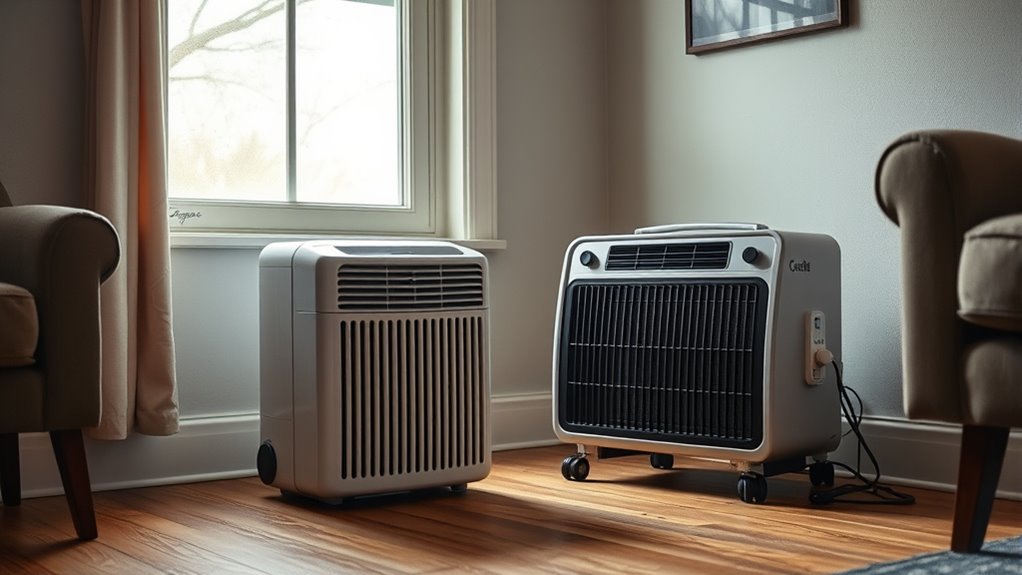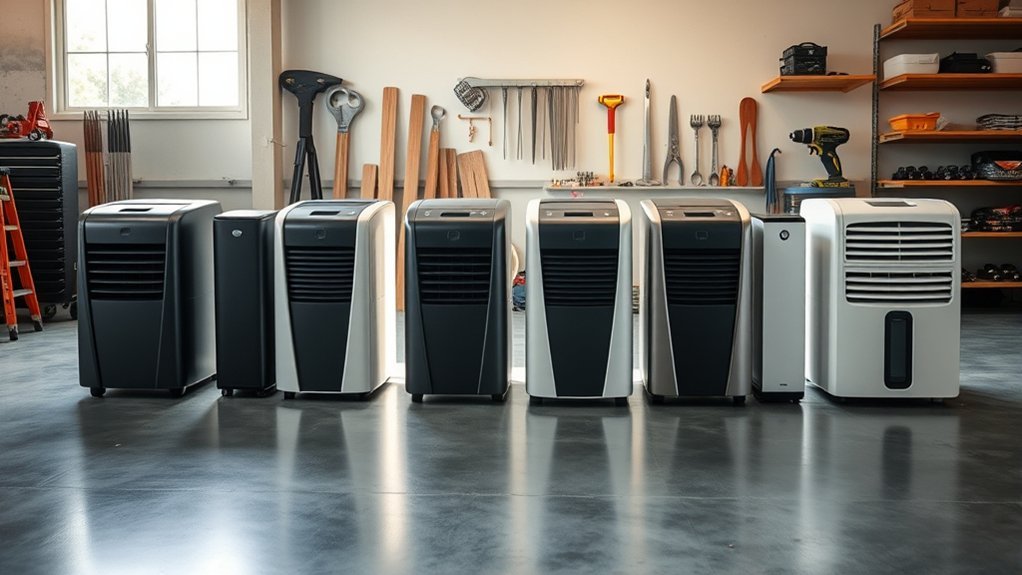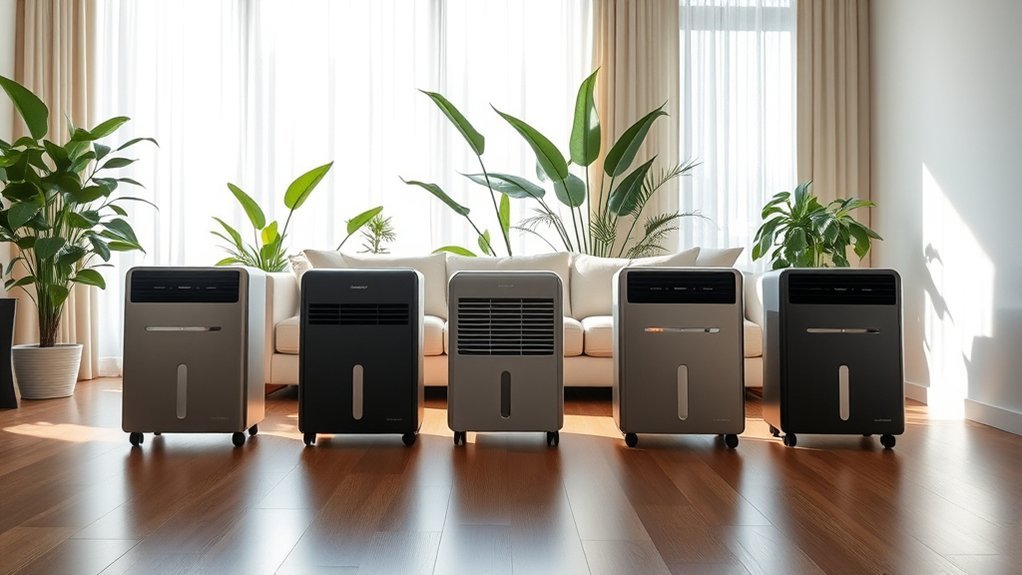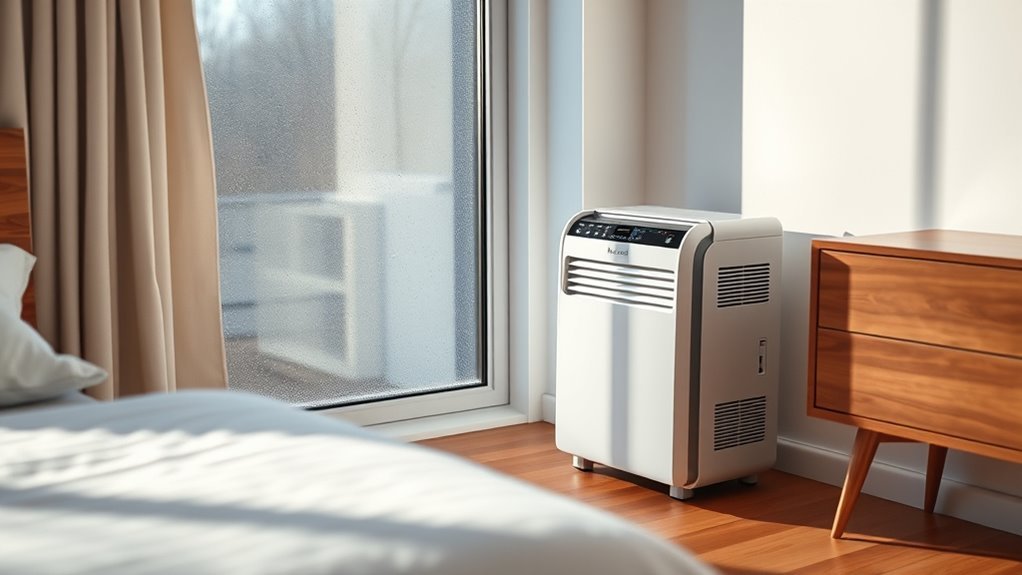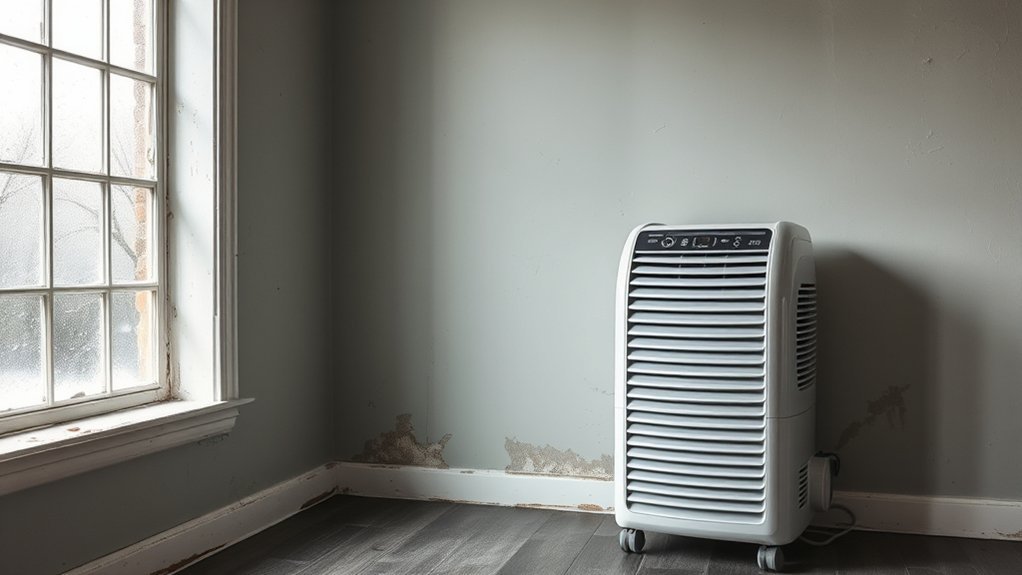
A dehumidifier can help prevent mold by lowering indoor humidity, but it is not a mold-removal tool. It makes the air and nearby surfaces less damp, which makes new growth less likely. It will not erase visible mold, repair a leak, dry soaked drywall by itself, or make a moldy room safe without cleanup. For the best results, combine humidity control with ventilation, leak repair, surface cleaning, and regular maintenance.
Quick Answer
Yes, a dehumidifier helps with mold by keeping indoor humidity low enough that mold has a harder time growing. Aim for 30% to 50% relative humidity. It will not kill or remove existing mold, so visible growth still needs safe cleanup and the moisture source must be fixed.
Key Takeaways
- A dehumidifier helps prevent mold by lowering moisture in the air, but it does not remove visible mold.
- Keep indoor relative humidity below 60%, and ideally between 30% and 50% for stronger mold control.
- Use a hygrometer to check humidity because damp rooms can change throughout the day.
- Fix leaks, condensation, poor drainage, and ventilation problems before relying on a dehumidifier.
- For mold larger than about 10 square feet, recurring mold, HVAC contamination, or health symptoms, call a qualified mold professional.
At a Glance
| Time Required | 15 minutes to set up; daily monitoring until humidity stays in range |
| Difficulty | Easy for prevention; moderate to professional if visible mold or water damage is present |
| Tools Needed | Dehumidifier, hygrometer, clean filter, drain hose or empty tank, exhaust fan or ventilation |
| Cost | Low if you already own a unit; moderate if buying a properly sized dehumidifier; higher if professional mold remediation is needed |
Does a Dehumidifier Help With Mold?
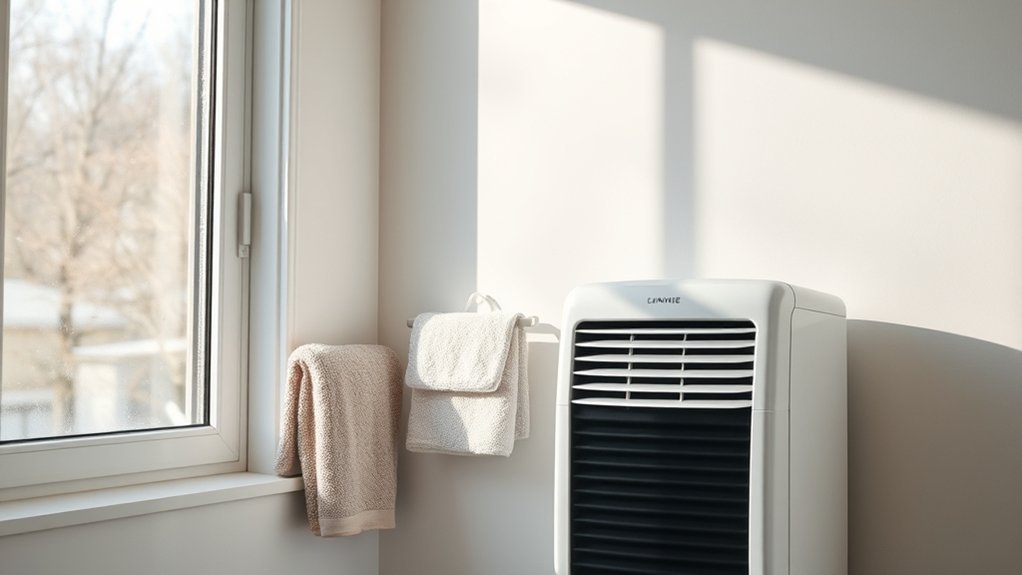
Yes. A dehumidifier helps with mold by lowering indoor humidity, which makes conditions less favorable for mold growth. The EPA recommends keeping indoor relative humidity below 60%, ideally between 30% and 50%. The CDC gives an even stricter prevention target of no higher than 50% all day, especially for people with asthma or other respiratory conditions.
A dehumidifier is best used as a prevention and control tool. It can reduce dampness, slow new growth, and help reduce musty odors. It will not kill existing mold, remove stains, clean contaminated drywall, or fix a leak behind a wall. If you can see mold, you still need to clean or remove the affected material and correct the water problem.
Warning: Do not use a dehumidifier as a substitute for mold cleanup. Dry mold can still irritate sensitive people, and hidden water problems can keep feeding growth behind walls, flooring, cabinets, or insulation.
What Mold Needs to Grow
Mold needs moisture, oxygen, and a food source. Food sources are common in homes: drywall paper, wood, dust, fabric, insulation facing, cardboard, and some ceiling tiles. Moisture is the part you can control most directly.
Water Fuels Mold Growth
Moisture is the main driver of mold growth. It can come from leaks, seepage, wet building materials, condensation, damp basements, unvented bathrooms, cooking, laundry, or humid outdoor air entering the home. A dehumidifier pulls water vapor from the air, but it cannot stop water that is actively entering the building.
| Moisture Source | Why It Matters | Best Action |
|---|---|---|
| Cooking | Adds steam and humidity | Use a range hood that vents outside |
| Showering | Raises bathroom humidity fast | Run the bath fan during and after showers |
| Laundry | Adds moisture, especially when drying indoors | Vent dryers outdoors and avoid indoor drying in damp rooms |
| Leaks | Keeps materials wet even if room air seems dry | Repair fast and dry affected materials |
| Humid air | Feeds condensation and surface dampness | Use a dehumidifier and measure RH with a hygrometer |
Humidity Above Sixty Percent
When indoor relative humidity stays above 60%, the risk of mold growth rises. That does not mean mold appears instantly in every room, but it does mean damp surfaces, dust, and porous materials become more mold-friendly. For prevention, aim for 30% to 50% relative humidity and treat 60% as a warning line.
The safest practical target for most homes is 30% to 50% indoor relative humidity. If a room stays above 60%, find the moisture source and dehumidify.
Hidden Damp Areas
Hidden damp areas are often the reason mold returns after you run a dehumidifier. Check behind furniture, under sinks, around toilets, near water heaters, behind baseboards, below windows, along foundation walls, and inside rooms with poor airflow. A room can feel dry while drywall, flooring, or insulation stays damp.
The EPA says the key to mold control is moisture control. If building materials get wet, dry water-damaged areas and items within 24 to 48 hours when possible to help prevent mold growth.
How a Dehumidifier Helps Prevent Mold
A dehumidifier helps prevent mold by drawing moist air across a cooling coil or drying system, collecting water, and sending drier air back into the room. As the air gets drier, damp surfaces dry more easily, condensation is less likely, and mold has less available moisture.
Dehumidifier capacity depends on the unit and test conditions. ENERGY STAR explains that dehumidifier capacity is the amount of water removed in 24 hours, reported in pints per day. A small unit may help a bathroom or bedroom, while a damp basement may need a larger capacity unit and continuous drainage.
Pro Tip: Buy a separate hygrometer instead of relying only on the dehumidifier’s built-in display. Place it across the room from the unit to see whether the whole space is actually reaching the target humidity.
The Best Humidity Level for Mold Control
For mold control, keep indoor humidity below 60% and aim for 30% to 50%. If someone in the home has asthma, allergies, chronic lung disease, or immune suppression, the CDC’s no-higher-than-50% target is the safer practical goal.
| Humidity Level | Mold Risk | What To Do |
|---|---|---|
| 30%–50% | Lower risk | Maintain this range and keep checking damp rooms |
| 50%–60% | Rising risk | Run the dehumidifier longer, improve airflow, and check for damp surfaces |
| Above 60% | High risk | Dehumidify, inspect for leaks or condensation, and fix the moisture source |
Check humidity more than once a day in problem rooms. Basements, bathrooms, laundry rooms, crawlspace-adjacent rooms, and closed bedrooms can swing higher than the rest of the home.
When a Dehumidifier Won’t Help
A dehumidifier will not solve every mold problem. It lowers airborne moisture, but mold can keep growing if water is entering the home or materials are already contaminated.
Visible Mold Remains
If you can see mold, the dehumidifier cannot remove it. You need to clean hard surfaces safely or remove contaminated porous materials when they cannot be cleaned. The EPA says that if the moldy area is less than about 10 square feet, roughly a 3-foot by 3-foot patch, many homeowners can usually handle the cleanup themselves. Larger areas, repeated growth, sewage contamination, HVAC contamination, or hidden mold usually call for professional help.
Moisture Source Problems
When moisture comes from roof leaks, foundation seepage, plumbing leaks, wet crawlspaces, poor bathroom ventilation, or condensation on cold surfaces, a dehumidifier can only treat the symptom. You still need to stop the water source.
- Stop active water intrusion first.
- Dry wet materials quickly.
- Improve ventilation where steam or damp air collects.
- Remove mold-contaminated porous materials when they cannot be cleaned.
- Use the dehumidifier after repairs to keep humidity stable.
Dehumidifier vs Air Purifier for Mold
Dehumidifiers and air purifiers solve different mold problems. A dehumidifier lowers humidity so mold has less moisture available. An air purifier with a true HEPA filter can capture airborne particles, including mold spores, but it does not dry the room or remove mold growing on surfaces.
The EPA explains that HEPA filters can theoretically remove at least 99.97% of dust, pollen, mold, bacteria, and other airborne particles at 0.3 microns. That makes a HEPA air purifier useful for airborne spores and allergens, especially during cleanup, but it should be paired with moisture control and physical mold removal.
| Device | What It Does | What It Does Not Do |
|---|---|---|
| Dehumidifier | Lowers indoor humidity and helps dry damp air | Does not capture spores or remove visible mold |
| HEPA air purifier | Captures airborne spores and particles | Does not lower humidity or fix damp materials |
Recommended Products

WHY CHOOSE AHAM VERIFIDE AIR PURIFIERS: AHAM (Association of Home Appliance Manufacturers) is an ANSI-accredited organization that sets strict standards for appliance performance. Air purifiers with the AHAM VERIFIDE seal have been independently tested for air cleaning performance and energy efficiency. When you choose an AHAM certified air purifier, you're choosing a product trusted for reliable and effective indoor air quality improvement

Cleaner Air In Minutes: Purivortex is proven to filter common pollutants from your home’s air. This air purifier purifies rooms up to 880 ft² in one hour. It can purify a 215 ft² room in about 15 minutes, giving you noticeably fresher air in a short time. Breathe clean, crisp air and feel the difference in your space. (*Tested in an ISO 17025 certified laboratory under typical residential room ventilation conditions.)

𝐀𝐇𝐀𝐌 𝐕𝐞𝐫𝐢𝐟𝐢𝐞𝐝 & 𝐇𝐢𝐠𝐡 𝐂𝐀𝐃𝐑 𝐕𝐚𝐥𝐮𝐞: Certified by the Association of Home Appliance Manufacturers, this air purifier provides reliable performance with a Smoke/Dust/PM2.5 CADR of 226 CFM (384 m³/h) and a Pollen CADR of 244 CFM (415 m³/h). AHAM certification guarantees effective, high-speed air purification for your home.
Where Mold Moisture Problems Usually Begin
Mold moisture problems usually begin in places where water is trapped, hidden, or slow to dry. A dehumidifier helps most when the moisture is from humid air. It helps less when the moisture is from an active leak or water-damaged material.
Hidden Leaks And Seepage
Hidden leaks and seepage are common mold triggers. Look around plumbing penetrations, under sinks, behind toilets, near tubs, around windows, below roof leaks, along foundation walls, and under finished basement flooring.
- Inspect pipes, seals, grout, caulk, and supply lines.
- Look for stains, peeling paint, musty odors, warped trim, or soft drywall.
- Keep gutters clear and slope soil away from the foundation.
- Repair seepage before trying to control the room with a dehumidifier alone.
Poor Ventilation And Humidity
Poor ventilation traps moist air. Bathrooms, kitchens, laundry rooms, and basements need airflow that moves damp air outside, not just into an attic, wall cavity, or closed hallway. Use exhaust fans, open interior doors when practical, and avoid blocking air returns or supply vents.
A dehumidifier can support ventilation, but it should not replace it. If steam sits on mirrors, windows, ceilings, or walls long after showers or cooking, the room needs better exhaust and airflow.
How to Use a Dehumidifier for Mold
To control mold effectively, use the dehumidifier as part of a moisture-control routine. The goal is not just to run the machine. The goal is to keep the whole room in the target humidity range and remove the reason mold started.
- Measure first. Put a hygrometer in the damp room and record the starting humidity.
- Set the target. Set the dehumidifier to 45% or 50% RH. Avoid over-drying below 30% because very dry air can feel uncomfortable and may affect wood materials.
- Place it correctly. Keep open space around the intake and exhaust. Do not push it tight against a wall, curtain, sofa, or storage box.
- Close outside air leaks where practical. If humid outdoor air keeps entering, the unit may run constantly without reaching the set point.
- Use continuous drainage in basements. A hose to a floor drain or condensate pump prevents shutoff from a full tank.
- Clean the unit. Empty and wash the bucket, clean or replace filters as directed, and keep the coils and intake free of dust.
- Recheck humidity. If RH stays above 60%, look for leaks, undersizing, poor airflow, low basement temperature, or blocked drainage.
Note: A dehumidifier may run constantly in a wet basement if the moisture source has not been fixed. Constant running is a clue to inspect for seepage, wet walls, clogged gutters, poor grading, or an undersized unit.
Recommended Products

【45-80 Pints for 4500 Sq.Ft Moisture Control】:This dehumidifier for basement and home features flexible 45–80 pints dehumidification output with an ultra-wide 4500 square feet coverage range, offering premium whole-space moisture control. No matter damp basement, humid bathroom, quiet bedroom for restful sleep, large living room, or compact RV traveling space, this multi-functional dehumidifier for home effortlessly sucks up excess moisture,, maintaining ideal humidity levels for all indoor environments.
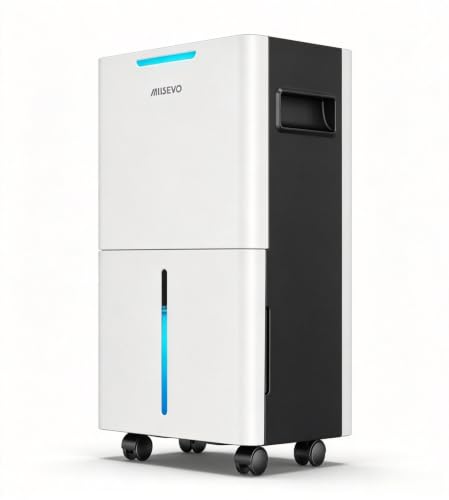
High Efficient Dehumidifier — Equipped with a high-performance compressor, Whether it’s your basement, bedroom, bathroom, living room, bathroom, crawlspace, or even an RV, this dehumidifier effectively keeps your environment dry, comfortable, and healthy.

【Reduce humidity - Enhance comfort】:Massive Capacity + Wide Coverage. This dehumidifier has dehumidification capacity ranging 45- 80 pints—outperforming standard units while covering 4,500 sq. ft. of living space. Great dehumidifier for basements, large house, garages, bedroom, bathroom and gyms where excess humidity triggers cause unpleasant odors and discomfort. The result? A noticeably drier, fresher, and more comfortable environment for your entire family.
How to Choose the Right Size Dehumidifier
Choose a dehumidifier by room size, dampness level, temperature, and drainage setup. Capacity is usually listed in pints per day, meaning how much moisture the unit can remove in 24 hours under test conditions. A mildly damp bedroom needs less capacity than a large basement with musty odors or visible condensation.
For mold prevention, prioritize these features:
- Built-in humidistat: Lets the unit cycle on and off near your target RH.
- Continuous drain option: Useful for basements and long run times.
- Washable or replaceable filter: Keeps airflow strong and reduces dust buildup.
- Auto-restart: Helpful after power outages.
- Low-temperature performance: Important for cool basements where coils may frost.
Recommended Products

34 Pint Powerful Moisture Removal for Spaces up to 2,500 Sq. Ft: Designed for large rooms and damp spaces, the TEANEWS compressor dehumidifier removes up to 34 pints of moisture per day at 95°F, 90% RH. It helps control excess humidity in areas up to 2500 sq. ft, making it a great choice for basements, bedrooms, bathrooms, laundry rooms, garages, offices, kitchens, storage areas, crawl spaces and RVs. Simply set your desired humidity level between 30% and 70%, and enjoy a drier, fresher and more comfortable home environment
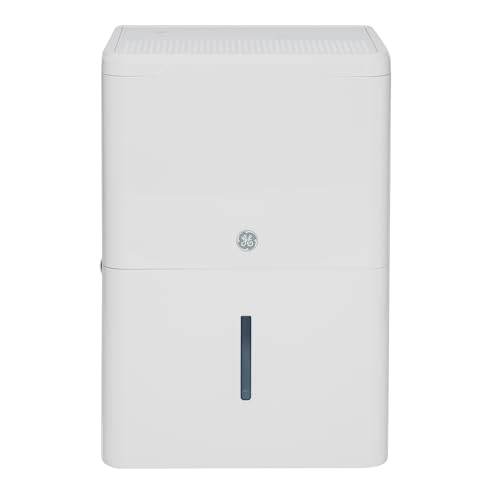
This small dehumidifier for bedroom, bathroom, basement use removes up to 25 pints of moisture per day. Perfect as a room dehumidifier for humid spaces up to 1,500 sq ft.
Remove up to 35 pints of moisture per day with this dehumidifier, perfect for bedrooms, basements, garages, and other humid spaces.
Troubleshooting: Why Humidity Stays High
If the dehumidifier is running but the room stays damp, check these common problems before assuming the unit is broken:
- The unit is too small: A large or very damp space may need more capacity.
- Airflow is blocked: Furniture, stored boxes, or closed doors can stop air from circulating.
- The filter is dirty: Reduced airflow lowers moisture removal.
- The tank is full: Many units stop automatically when the bucket fills.
- The room is too cold: Some refrigerant dehumidifiers remove less moisture in cool basements.
- There is an active water source: Leaks, seepage, or wet materials can add moisture faster than the unit can remove it.
- Outdoor air is entering: Open windows, gaps, or leaky crawlspace doors can bring in humid air.
When to Call a Mold Pro
Call a mold professional if mold covers more than about 10 square feet, keeps returning, appears after flooding, smells strong but cannot be found, is inside HVAC equipment, or is growing on porous materials that cannot be cleaned. You should also get help if the moisture source is structural, such as foundation seepage, roof failure, or major plumbing damage.
People with asthma, allergies, immune suppression, chronic lung disease, or severe respiratory symptoms should not personally clean moldy areas. The CDC warns that some people are at higher risk during mold cleanup. If cleanup is appropriate for a small area, wear protective gloves, eye protection, and a properly fitted NIOSH-approved N95 respirator, and avoid spreading dust or spores into other rooms.
Warning: Do not mix bleach with ammonia or other cleaners. If you choose a cleaning product, follow the label, ventilate the area, and remember that physical removal of mold and moisture repair matter more than spraying a surface.
How to Keep Mold From Coming Back
Keep mold from coming back by controlling the moisture source and holding indoor humidity in the safe range. A dehumidifier helps, but it works best after leaks, drainage, condensation, and ventilation problems are corrected.
- Check problem rooms daily until humidity stays between 30% and 50%.
- Repair leaks as soon as they appear.
- Dry wet materials within 24 to 48 hours when possible.
- Run bathroom and kitchen exhaust fans that vent outdoors.
- Keep furniture slightly away from cold exterior walls so air can circulate.
- Clean the dehumidifier bucket and filter regularly.
- Use a HEPA air purifier if airborne spores, dust, or allergies are a concern.
This routine gives you direct control over the conditions mold needs. When you keep materials dry, remove visible growth, and prevent damp air from lingering, mold has a much harder time returning.
Frequently Asked Questions
Should I use a dehumidifier if I already have mold?
Yes, but use it as support, not as the main cleanup method. A dehumidifier can lower humidity and help prevent the mold from getting worse, but visible mold still needs safe cleaning or removal. You also need to fix the moisture source.
Is it bad to have a dehumidifier on all night?
No, it is usually fine to run a dehumidifier overnight if the unit is in good condition, the filter is clean, and the drainage bucket or hose is set up correctly. Use the humidistat so the unit cycles off when it reaches the target humidity.
Can you live in a house with mold in the basement?
You should not ignore basement mold. Spores and musty air can move into living areas, especially through stairwells, gaps, and HVAC systems. Control basement humidity, repair the moisture source, and remove the mold safely. If the area is large or symptoms occur, call a professional.
What kills mold spores in the air?
For home use, focus on capturing spores rather than trying to kill them in the air. A true HEPA air purifier can capture airborne mold spores, while a dehumidifier lowers humidity so mold is less likely to grow. Neither device replaces cleaning visible mold or fixing moisture problems.
Will a dehumidifier remove a musty smell?
It can reduce musty odors caused by damp air, but a lasting musty smell usually means mold, damp materials, or hidden moisture remains. If the smell returns after humidity drops, inspect for leaks, wet materials, and hidden mold.
What humidity should I set my dehumidifier to for mold?
Set it around 45% to 50% relative humidity. That keeps the room within the recommended 30% to 50% range without over-drying the air. If the room stays above 60%, check for leaks, blocked airflow, or an undersized unit.
Conclusion
A dehumidifier does help with mold, but only by controlling moisture. Keep humidity below 60%, and aim for 30% to 50% for better prevention. Use a hygrometer, place the unit where moisture is highest, clean it regularly, and fix leaks or ventilation problems first. If mold is already visible, clean or remove it safely instead of relying on dry air alone. With moisture control, cleanup, and maintenance working together, your home becomes much less mold-friendly.
Sources
- EPA Mold Course Chapter 2 — indoor relative humidity below 60%, ideally 30% to 50%.
- CDC Clinical Guidance for Asthma, Other Respiratory Conditions, and/or Mold Allergy After a Severe Weather Event — humidity no higher than 50% and higher-risk groups.
- EPA A Brief Guide to Mold, Moisture and Your Home — moisture control, cleanup, and drying water-damaged areas within 24 to 48 hours.
- EPA Mold Cleanup in Your Home — cleanup considerations and the about-10-square-foot DIY guideline.
- EPA What is a HEPA Filter? — HEPA filtration and 99.97% particle-removal explanation.
- ENERGY STAR Dehumidifier Testing and Capacity — dehumidifier capacity as water removed per 24 hours at test conditions.