
Last updated: July 7, 2026 · Reviewed against EPA, CDC, and U.S. Department of Energy moisture-control guidance
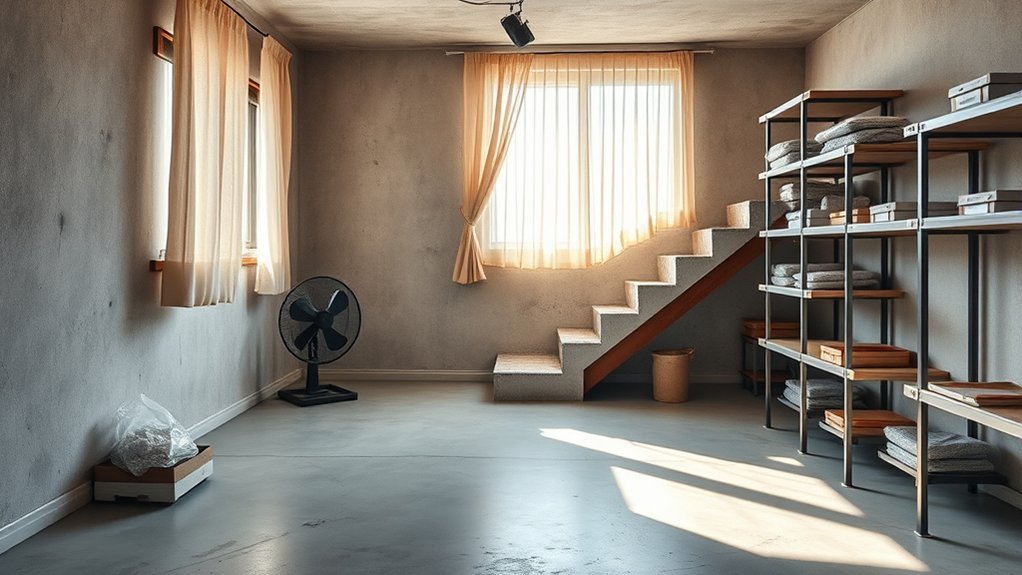
You can lower basement humidity without a dehumidifier when you treat the basement as a moisture system, not just a stale-air problem. Start with a hygrometer, find where water or vapor enters, fix outside drainage first, ventilate only when outdoor air is truly drier, and control indoor moisture from laundry, showers, leaks, and damp storage.
Quick Answer
To lower basement humidity without a dehumidifier, measure relative humidity first, ventilate only when outdoor air is drier, run fans to exhaust damp air, seal cracks and gaps, clean gutters, extend downspouts, slope soil away from the foundation, test any sump pump, and vent dryers and bathroom fans outside.
Key Takeaways
- Aim for 30% to 50% relative humidity when possible, and keep it below 60% at minimum to reduce mold risk.
- Open windows only when outdoor air is drier than basement air. A lower outdoor dew point is a better check than outdoor relative humidity alone.
- Most lasting fixes start outside: gutters, downspouts, soil slope, cracks, drainage, and sump discharge.
- Baking soda can help small damp spots and odors, but it will not dry a whole basement.
- If you see widespread mold, sewage water, active flooding, or electrical hazards, stop and call a qualified professional.
At a Glance
| Time Required | 30 minutes for basic ventilation checks; a weekend for sealing, gutter cleaning, sump checks, and small grading fixes |
| Difficulty | Easy to moderate for DIY maintenance; professional help for active leaks, large cracks, mold, electrical hazards, or drainage failure |
| Tools Needed | Hygrometer, fans, flashlight, caulk or masonry sealant, gutter scoop, downspout extensions, gloves, safety glasses, and compacted fill soil |
| Cost | Basic DIY checks usually need low-cost supplies; grading, drainage, waterproofing, or mold remediation can require professional pricing. |
Start With the Symptom
| What you notice | Likely source | First fix to try |
|---|---|---|
| Humidity jumps after rain | Gutters, downspouts, grading, cracks, or sump discharge | Inspect outside drainage before adding fans or absorbers |
| Condensation on pipes or walls | Cool surfaces meeting moist air | Reduce moisture, improve air movement, and insulate sweating pipes |
| Musty odor near storage | Damp cardboard, fabric, carpet, or hidden mold | Move items off concrete, replace cardboard, and inspect behind stored goods |
| Humidity rises after laundry or showers | Indoor moisture source | Vent the dryer and bathroom fan outdoors |
Warning: Do not treat active flooding, sewage water, electrical hazards, structural cracks, or large mold areas as simple humidity problems. If mold covers more than a small patch, water keeps returning, or you have breathing concerns, get professional help before disturbing materials.
Measure Basement Humidity First
Before you open windows or start sealing, place a hygrometer in the basement for at least a full day. Check it in the morning, afternoon, and after rain. The U.S. Environmental Protection Agency recommends keeping indoor humidity below 60% and ideally between 30% and 50%. The CDC is even stricter for mold prevention and recommends keeping home humidity no higher than 50% all day.
If your basement is at 60% or higher, treat it as a moisture-control problem. If it is near 70%, act quickly because condensation, musty odors, dust mites, pests, and mold become more likely.
What’s Causing Basement Humidity?
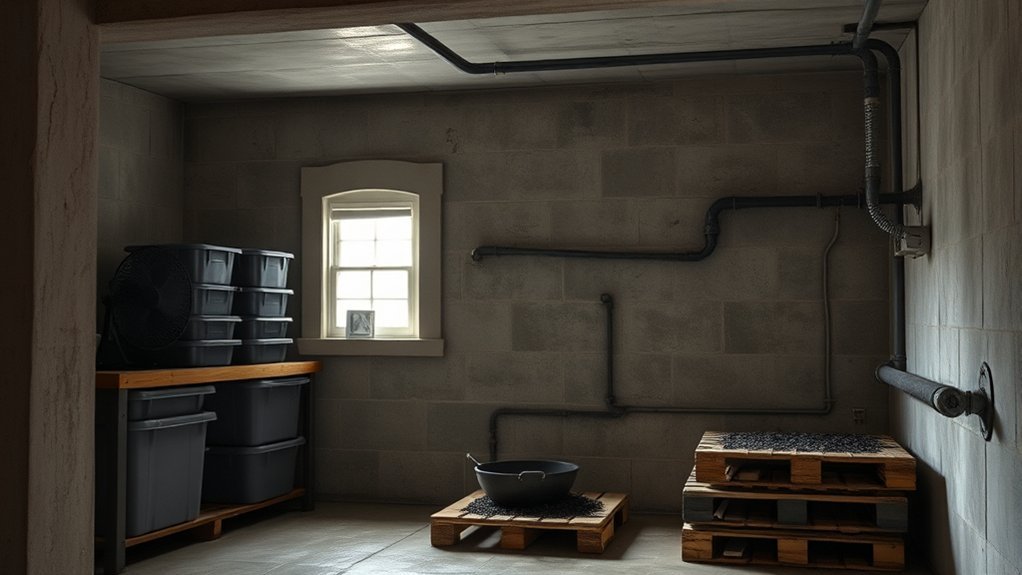
Basement humidity usually starts with moisture getting in where it should not. Common sources include foundation cracks, porous concrete, leaking pipes, clogged gutters, short downspouts, poor yard grading, sump pump or drain issues, damp laundry, shower steam, and humid outdoor air. You are dealing with a moisture system, not just stale air.
The U.S. Department of Energy explains that moisture can move through air leaks, material diffusion, heat transfer, and everyday indoor activities such as cooking and showering. In basements, water can also enter through holes, cracks, and porous foundation materials. That is why the best fix starts with source control.
- Look for water stains, efflorescence, peeling paint, rust, and musty odors.
- Check pipe joints, window wells, sump areas, floor edges, and wall cracks.
- Walk outside after rain and look for puddles near the foundation.
- Watch whether gutters overflow or downspouts dump water beside the wall.
- If you have a sump pump, confirm the pit is clear and the discharge line sends water away from the foundation.
Pro Tip: Fix outside water first. If rainwater keeps soaking the soil beside the foundation, fans and moisture absorbers will only fight the symptom.
Open Windows and Run Fans
Opening windows can help, but only when outdoor air is drier than basement air. A sunny day is not always a dry day. If outdoor humidity is high, open windows can make the basement worse by pulling in warm, moist air that condenses on cool surfaces.
Check Dew Point Before Opening Windows
When your weather app shows dew point, use it as a quick ventilation check. Open basement windows only when the outdoor dew point is lower than the indoor basement dew point, or when both your outdoor hygrometer and basement hygrometer show the outside air is drier. Relative humidity alone can mislead you because warm outdoor air can hold more moisture than cool basement air.
Open Windows Briefly
Open windows for short periods when outdoor air is dry enough to help. Open interior doors too, so air does not stay trapped in one damp corner. Then close the windows again once the air exchange is complete.
This works best in cool, dry weather. In hot, humid climates, the Department of Energy notes that ventilation alone may not be enough because incoming air can carry too much moisture.
Cross-Ventilate With Fans
Use fans to create a clear air path. Place one fan near a window or doorway to push damp air out. Place another fan across the basement to move fresh air through the space. If you only have one fan, aim it outward from the dampest area so moist air leaves instead of circulating in circles.
Use exhaust fans after laundry, showers, cleaning, or any wet task. Bathroom and kitchen exhaust fans should vent outdoors, and the Department of Energy recommends using them while bathing or cooking to remove moisture quickly.
Time Airflow Carefully
Use this simple sequence when outdoor air is dry:
| Step | Action | Result |
|---|---|---|
| 1 | Compare indoor and outdoor humidity or dew point | Avoid pulling in wet air |
| 2 | Open windows briefly | Let damp air escape |
| 3 | Run fans toward the exit | Increase air exchange |
| 4 | Close windows when outdoor air turns humid | Prevent new moisture buildup |
Use Baking Soda in Damp Spots
Baking soda can help with musty odors and small enclosed damp spots, but it will not lower humidity across a whole basement. Use it as a support tool, not the main fix. Place open bowls in closets, storage corners, or near boxes where air feels stale.
- Use shallow bowls so more surface area is exposed.
- Place bowls away from pets and children.
- Replace the baking soda when it clumps or loses odor-control effect.
- Use sealed desiccant tubs, silica gel, or calcium chloride products for small closets or storage bins that need stronger moisture absorption.
If the room stays above 60% humidity, baking soda is not enough. Move back to the larger causes: water entry, poor drainage, air leaks, or indoor moisture sources.
Seal Foundation Cracks and Leaks
Cracks, gaps, and porous foundation surfaces can let water vapor and liquid water into your basement. Seal small openings early, because a tiny leak can keep the air damp after every storm.
Recommended Products

Concrete patch filler seals cracks and holes in exterior or interior concrete and masonry surfaces

REPAIRS CRACKS AND BREAKS IN CONCRETE: Premixed formula makes repairs easy
Spot Hidden Entry Points
Use a flashlight after rain and inspect these areas:
- Hairline cracks in concrete or block walls
- Gaps around pipes, wiring, and utility penetrations
- Damp floor edges or wall-floor joints
- Window frames and window wells
- Peeling paint, white powdery residue, rust, or dark stains
Mark any damp spot with painter’s tape and check it again after the next rain. If it grows, you likely have a water-entry problem, not just high humidity.
Seal Cracks Properly
Clean the crack first so sealant can bond. For narrow non-structural cracks, use a high-quality masonry sealant. For wider cracks, active leaks, stair-step cracks, or cracks that keep reopening, call a foundation or waterproofing professional. Epoxy or polyurethane injection may be needed, and structural movement should be checked before cosmetic sealing.
| Problem | Best next step |
|---|---|
| Tiny dry hairline crack | Clean and apply masonry sealant |
| Wider crack or active seepage | Use professional repair or injection |
| Damp wall surface | Fix outside drainage first, then consider waterproof coating |
| Recurring water after storms | Check grading, gutters, downspouts, drains, sump discharge, and foundation waterproofing |
Waterproof Problem Areas
Waterproofing paint can help as a secondary barrier on properly prepared masonry, but it should not be your first or only fix when water pressure is coming from outside. If groundwater pressure persists, moisture barriers, exterior waterproofing, drainage mats, footing drains, or sump systems may be needed. The goal is to stop water before it reaches the wall, not just cover the damp surface.
Improve Basement Airflow
Airflow lowers humidity when it removes damp air and replaces it with drier air. It does not help if it simply moves moist air around the room. Keep furniture and storage boxes a few inches away from walls so air can move behind them. Open interior doors during dry ventilation periods, and use fans to move air out of dead zones.
Do not rely on uncontrolled air leaks for ventilation. The Department of Energy says air leakage can contribute to moisture problems and recommends sealing cracks and openings while providing controlled ventilation when needed.
Note: If your basement smells musty even when humidity readings look normal, check hidden areas behind stored items, under carpet, near window wells, and around plumbing.
Check the Sump Pump and Drainage Paths
If your basement has a sump pump, include it in your humidity check. A pump that cannot remove water, a blocked pit, or a discharge line that drains beside the foundation can keep the soil wet and feed basement humidity after storms.
- Confirm the sump pit is clear of debris.
- Test the pump before heavy rain if you know how to do it safely.
- Make sure the discharge line is not frozen, blocked, disconnected, or aimed back toward the house.
- Check nearby floor drains and window-well drains for debris.
- Call a plumber or waterproofing contractor if the pump runs constantly or water returns after every storm.
Recommended Products

115V operation with 9 volt battery back-up

UNMATCHED 120 dB SIREN: Loudest in its category—alerts you instantly to sump pump issues, ensuring you hear it anywhere in your home.
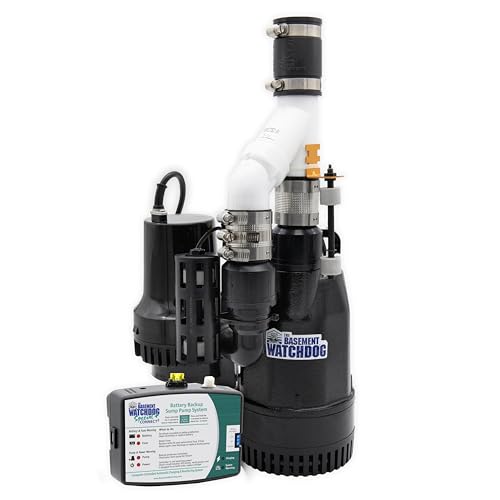
System comes preassembled and preplumbed so that installation is simple and quick
Keep Gutters and Downspouts Clear
Clean gutters and clear downspouts so rainwater does not spill beside the foundation. Overflowing gutters send water down the exterior wall and into the soil next to your basement. From there, moisture can enter through cracks, porous masonry, and floor-wall joints.
EPA moisture-control guidance recommends cleaning and repairing roof gutters and making sure the ground slopes away from the foundation so water does not collect around the building.
- Clear gutters in spring and fall.
- Check after heavy storms, especially if trees overhang the roof.
- Repair loose joints, sagging sections, and cracked downspouts.
- Extend downspouts at least 4 to 6 feet away where the yard allows.
- Confirm water flows away from the house instead of pooling near the wall.
Recommended Products
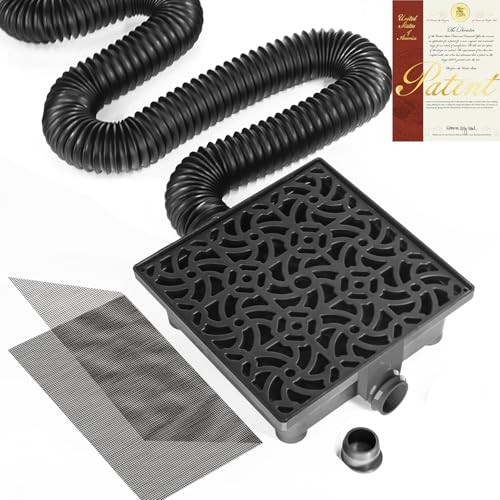
🏆【US Patented Design】 Patent No. D1018796.

【Long Enough to Protect Your Foundation】- The rain gutter downspout extensions can effectively divert damaging rainwater & sewage away from your foundations. The downspout extender can be easily extended from 20 to 66 inches. If you connect 2 pipes to 1 long pipe with the mini connector, the length can be up to 127 inch. It helps to prevent the problems of flooding in your home.

Low Profile Design. This catch basin can be installed without deep digging. You no need to connect to the downspout. Perfect for underground using. Able to route the water in another direction so the water won’t flood the open patio.
Regrade Soil Away From the House
Soil should slope away from the house so rainwater moves away from the foundation. A common homeowner target is about 6 inches of drop over the first 10 feet where space allows. The Department of Energy recommends sloping earth away from all sides of the house for at least 5 feet at a minimum 5% grade, which equals about 3 inches of drop over 5 feet.
Check Foundation Slope
Walk the outside perimeter after rain. Look for settled soil, mulch piled against siding, puddles near the wall, and low spots under downspout outlets. If water sits beside the foundation, it can feed basement humidity for days after the rain stops.
- Remove mulch, leaves, and debris from low spots.
- Add compactable fill soil where the ground has settled.
- Keep soil below siding, brick weep holes, and wood trim.
- Recheck the slope after heavy rain because fresh soil can settle.
Build Soil Away
Use clean fill soil to build a gentle slope away from the foundation. Add it in layers and compact each layer so it does not wash out. Avoid loose mulch as your grading material because it can hold water against the house.
Redirect Rainwater Runoff
Downspouts, swales, splash blocks, and grading should all work together. If a neighbor’s runoff, driveway slope, patio, or walkway sends water toward your foundation, you may need a drainage contractor or landscaper to redirect water safely.
Seal Windows, Walls, and Gaps
Sealing windows, walls, and gaps helps stop humid outdoor air from entering the basement through uncontrolled leaks. Use weatherstripping around operable windows and doors. Use caulk around stationary gaps, trim joints, and small openings. For larger gaps around pipes, wiring, or rim joists, use the correct foam or fire-rated sealant for the location.
The Department of Energy recommends caulking and weatherstripping doors and windows that leak air, and sealing leaks where plumbing, ducting, or electrical wiring passes through walls, floors, and ceilings.
- Seal around basement window frames.
- Close gaps around utility penetrations.
- Insulate cold water pipes if they sweat.
- Keep window wells clean and draining.
- Replace damaged weatherstripping or cracked caulk.
Limit Moisture From Laundry and Showers
Laundry and showers can add a surprising amount of moisture to basement air. Your dryer should vent directly outside, and the vent should stay clear of lint and blockages. Do not vent a dryer into the basement.
For bathrooms, run the exhaust fan during showers and keep it running long enough to clear steam. The CDC recommends using kitchen and bathroom exhaust fans that vent outside and making sure clothes dryers vent outside the home.
- Vent the dryer outdoors, not into the room.
- Clean the lint trap every load and check the vent path regularly.
- Dry clothes outdoors when possible instead of hanging wet laundry in the basement.
- Keep showers shorter to reduce steam load.
- Use a bathroom fan or open a window when conditions are dry and safe.
Store Items to Reduce Dampness
Storage choices can make basement humidity feel worse. Cardboard boxes, fabric, books, rugs, and wood furniture can hold moisture and create musty odors. Move stored items off the floor and away from exterior walls so air can move around them.
- Use plastic bins with lids instead of cardboard boxes.
- Place shelving on legs or blocks to keep items off concrete.
- Leave a few inches of space between storage and foundation walls.
- Remove damp carpet, padding, or fabric that will not dry.
- Do not store firewood, wet tools, or damp outdoor gear in the basement.
Skip Houseplants as a Primary Fix
Houseplants can make a basement feel nicer, but they are not a reliable way to reduce basement humidity. Some plants may take up small amounts of water, but potting soil and plant transpiration can also add moisture to the air. If your basement is damp, plants should be decoration, not your moisture-control plan.
Focus on airflow, leaks, drainage, indoor moisture sources, and storage habits first. Keep only a few plants, avoid overwatering, and remove any plant with moldy soil.
When to Call a Professional
Some basement humidity problems are too risky or too persistent for simple DIY fixes. Call a qualified contractor, plumber, mold professional, or waterproofing specialist if you notice any of these signs:
- Water returns after every heavy rain.
- Cracks are wide, stair-stepped, spreading, or leaking.
- You smell mold but cannot find the source.
- Visible mold covers more than a small area.
- Carpet, drywall, or insulation stayed wet for more than 24 to 48 hours.
- Water may involve sewage, floodwater, or electrical systems.
- Your basement stays above 60% humidity after drainage, sealing, and ventilation fixes.
Troubleshooting Basement Humidity That Won’t Drop
If humidity stays high, use this order:
- Confirm the reading: Move the hygrometer to another spot and check again.
- Check outside drainage: Gutters, downspouts, grading, patios, walkways, sump discharge, and window wells come first.
- Look for active leaks: Inspect after rain and while plumbing fixtures run.
- Control indoor moisture: Dryer vents, shower steam, wet laundry, and stored damp items matter.
- Improve controlled airflow: Vent only when outdoor air is drier, preferably when outdoor dew point is lower.
- Seal air leaks: Windows, rim joists, pipe gaps, and cracks can pull in humid air.
- Consider equipment if needed: If safe non-dehumidifier steps do not work, a dehumidifier, HVAC adjustment, sump repair, or drainage improvement may be necessary.
Frequently Asked Questions
What pulls moisture out of a basement?
Ventilation, exhaust fans, moisture absorbers, dry outdoor air, sealed leaks, and better drainage all help. For small spots, silica gel, calcium chloride, or baking soda can absorb limited moisture. For the whole basement, source control works better than bowls of absorbent material.
How do I get rid of humidity in my basement without a dehumidifier?
Start with a hygrometer. Open windows only when outdoor air is drier, run fans to exhaust damp air, clean gutters, extend downspouts, slope soil away from the house, seal cracks and gaps, vent dryers outdoors, run bathroom fans, and remove damp stored materials.
Should you use a dehumidifier if you have COPD?
A dehumidifier may help if damp air or mold is a trigger, but COPD needs personal medical guidance. Keep humidity in a healthy range, avoid mold exposure, clean any device properly, and ask your clinician before making major indoor-air changes.
Is 70% humidity too high for a basement?
Yes. A 70% reading is too high for a basement. It increases the chance of condensation, musty odors, mold growth, pests, and material damage. Aim for 30% to 50% when possible and keep the space below 60% at minimum.
Can fans make basement humidity worse?
Yes, fans can make things worse if they pull humid outdoor air into a cool basement or only blow moist air around. Use fans to exhaust damp air outside, and ventilate only when outdoor air is drier than basement air.
What is the fastest way to reduce basement humidity without a dehumidifier?
The fastest low-cost step is to ventilate during dry weather with fans pushing damp air outside. The longest-lasting step is to stop water entry by fixing gutters, downspouts, grading, leaks, and indoor moisture sources.
Will opening basement windows reduce humidity?
Opening basement windows reduces humidity only when the outdoor air is drier than the basement air. In warm, humid weather, open windows can raise basement humidity because moist outdoor air may condense on cooler basement surfaces.
Conclusion
You can lower basement humidity without a dehumidifier when you treat moisture at the source. Measure the humidity, ventilate only during dry conditions, run fans the right way, seal cracks and gaps, keep gutters clear, extend downspouts, slope soil away from the foundation, check any sump pump, and vent laundry and bathroom moisture outdoors. If humidity stays high or water keeps returning, the basement needs a deeper drainage, leak, or mold inspection.
Sources
- U.S. Environmental Protection Agency: A Brief Guide to Mold, Moisture and Your Home — humidity targets, mold prevention, gutter maintenance, grading, and moisture control.
- Centers for Disease Control and Prevention: Mold — mold prevention, exhaust fan guidance, dryer venting, and health cautions.
- U.S. Department of Energy: Moisture Control — foundation moisture, air movement, grading, gutters, downspouts, and drainage guidance.
- U.S. Department of Energy: Ventilation — exhaust fan use, natural ventilation limits, and humid-climate caution.
- U.S. Department of Energy: Air Sealing Your Home — caulking, weatherstripping, sealing air leaks, and moisture-related air leakage.




[…] dehumidifier affects your cat by changing the moisture level in the room. That can help in a damp basement because excess humidity makes musty odors, condensation, dust mites, and mold-friendly conditions […]
[…] to wonder whether a dehumidifier can help. The short answer is no. A dehumidifier can make a damp basement more comfortable, but it does not stop radon from entering through soil, rock, foundation cracks, […]