
You want a baby carrier that keeps your child close, supports a comfortable seated position, and fits your day-to-day routine without making setup feel complicated. The best choice depends on your baby’s current weight and developmental stage, your preferred carry positions, your body type, and whether you value newborn simplicity, long-term versatility, or extra lumbar support. This guide compares three baby carriers that fit those needs and highlights the tradeoffs that matter before you buy.
Affiliate disclosure: This roundup is reader-supported. When you click qualifying Amazon links, we may earn a referral commission at no extra cost to you.
Quick verdict: Choose the Ergobaby Embrace if you want a soft, compact carrier focused on the newborn stage. Choose the Graco CradleMe if you want four carry modes and an integrated newborn seat. Choose the LILLEbaby Serenity Airflow if breathable mesh, multiple carry positions, and lumbar support matter most for longer wear.
Safety note: Always follow the carrier manufacturer’s instructions and position limits. Keep your baby’s face visible, nose and mouth clear, and chin away from the chest. Check buckles and fit before every use, and use extra caution with babies born prematurely or with breathing concerns. Avoid cooking, hot liquids, or other hazardous tasks while babywearing.
Top Picks
|
Category |
Product |
Best For |
|---|---|---|
|
🏆 Best Newborn Carrier |
Soft, compact newborn-focused use |
|
|
🎯 Most Versatile |
Four carry modes and growing-room |
|
|
⭐ Best for Extended Wear |
Breathability, lumbar support, and carry options |
How We Selected
We compared the factors that most directly affect everyday use: stated baby weight ranges, available carry modes, newborn setup, adjustability, caregiver support, breathability, cleaning, portability, and practical accessories. We also considered recurring buyer concerns such as ease of fastening, fit across different body types, and how much adjustment each design may require. This is a comparison of published product features and buyer-use considerations, not a claim of hands-on laboratory or medical testing.
Ergobaby Embrace
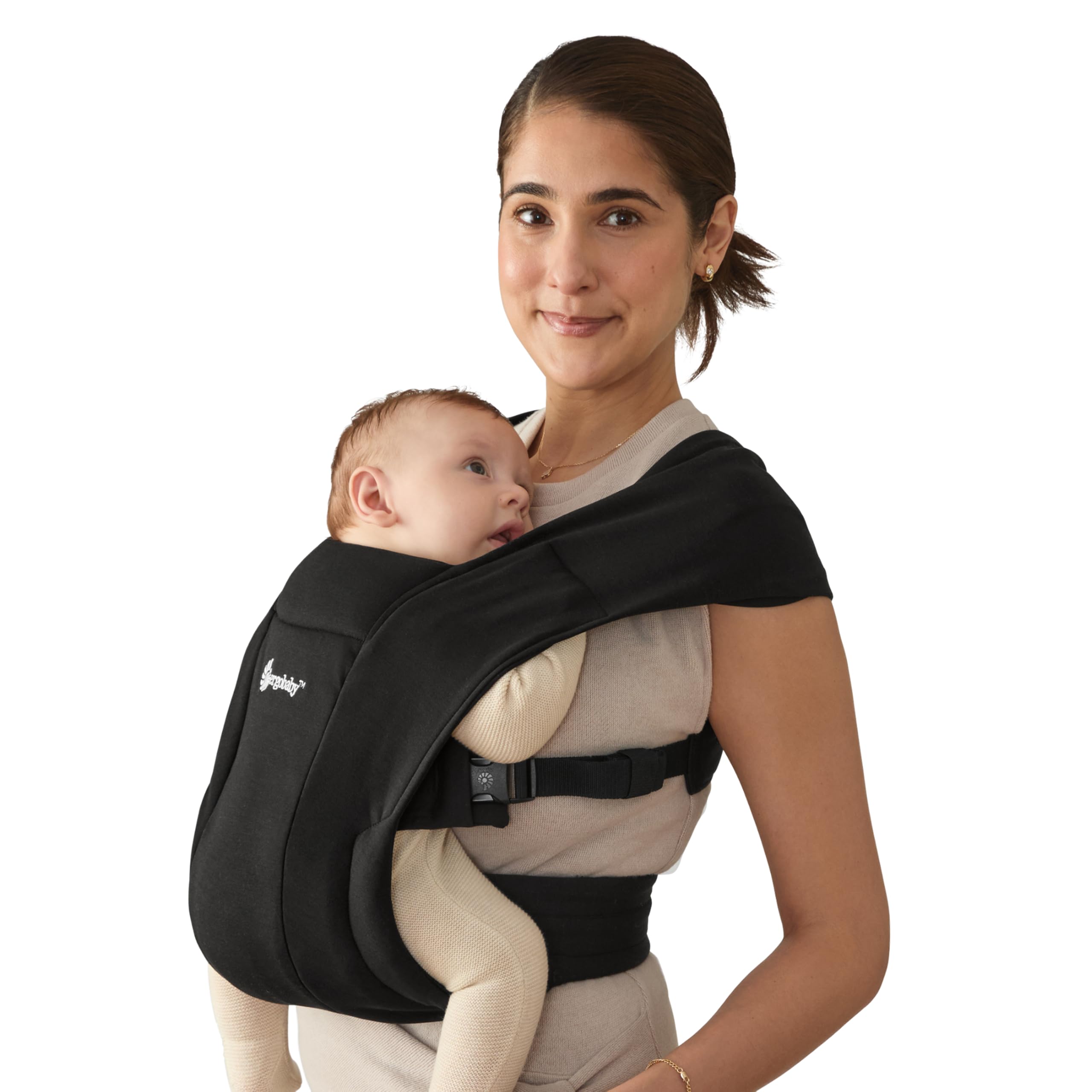
You get a hybrid-style carrier that combines the close feel of a wrap with buckles and a more structured setup. It is intended for babies from 7 to 25 pounds and offers front inward-facing and front outward-facing modes, making it especially useful during the first year when you want something lighter and less bulky than a larger multi-position carrier.
The soft knit molds around you and your baby, and the carrier packs down easily for errands or travel. The main tradeoff is longevity: its 25-pound maximum is lower than the other two options here, so families wanting one carrier deep into toddlerhood may outgrow it sooner.
Why you’ll like it: Simple setup, soft fabric, compact size, and a newborn-focused fit.
Best for: New parents who want a light everyday carrier for the early months.
Skip it if: Your priority is back carry, a higher weight limit, or one carrier intended to last farther into toddlerhood.
What People Say
Common buyer feedback themes in the source material include the soft feel, straightforward setup, compact packability, and close newborn fit. Some users also report that fit takes more attention as babies get larger, especially when changing carry modes.
Overall Sentiment: Positive

|
Pros |
Cons |
|---|---|
|
✅ Designed for a supported seated position in newborn use |
❌ 25-pound maximum means less long-term use than the other two picks |
|
✅ Lightweight and compact for everyday use |
❌ Only front inward- and outward-facing carry modes |
|
✅ Machine-washable fabric |
❌ Fit and mode changes still require careful adjustment as baby grows |
|
✅ Broad caregiver sizing and easy on/off design |
Long-Term Cost Benefits
Its newborn-ready design means you do not need a separate infant insert for normal use within the manufacturer’s stated range. Machine-washable fabric and broad caregiver sizing can also make it easier to share one carrier instead of buying separate early-stage options.
Return on Investment
The value is strongest if you expect frequent short walks, errands, travel days, or around-the-house carrying during the first year. If you know you want back carry or toddler use, a higher-capacity carrier may offer better long-term value.
Where It Excels
|
Situation |
How It Helps |
|---|---|
|
Daily Errands |
The lightweight design is easier to bring along when you do not want to haul a stroller for every quick stop. |
|
Light At-Home Tasks |
It keeps your hands more available for low-risk tasks while baby stays close. Avoid cooking, hot drinks, sharp tools, or any activity where a slip could injure your baby. |
|
Travel and Walks |
Its soft construction packs smaller than many structured carriers and can fit more easily into a diaper or travel bag. |
Ergonomic & Fit Considerations
|
Consideration |
What It Means |
|---|---|
|
Seated Position |
The carrier is designed to support a spread-squat or “M” style seated position when fitted correctly. This is a positioning feature, not a claim that a carrier can prevent or treat hip dysplasia. |
|
Head and Neck Support |
The neckline includes padded support for younger babies, but you still need to follow the manufacturer’s mode instructions and keep the airway visible and unobstructed. |
|
Caregiver Fit |
Crossed shoulder straps and an adjustable waist area help spread the load, but comfort depends on correct tightening and your individual body shape. |
Versatility
The Embrace offers two front carry orientations—facing in and facing out—and is designed for babies from 7 to 25 pounds. It is best viewed as a streamlined early-stage carrier rather than a full newborn-to-toddler, multi-position system.
Safety Features
Secure buckle closures, adjustable fit points, and newborn-specific positioning instructions help you set up a snug fit. Ergobaby says the Embrace is designed to meet current hip-positioning guidance; treat “hip healthy” as positioning guidance rather than a medical or product-safety certification.
Comfort
The soft knit and light overall build reduce bulk, while the crossed straps let you spread fabric across the shoulders. As with any carrier, stop and readjust if you or your baby develops pressure points, overheating, numbness, or an unstable fit.
Child Friendliness
It is designed for babies from 7 to 25 pounds. Use inward-facing newborn mode until your child meets the manufacturer’s size and developmental requirements for other modes, and do not use outward-facing carry before your baby has the required head, neck, and torso control.
Key Benefits
- Newborn-focused design for 7-25 lb
- Soft, lightweight knit
- Front inward- and outward-facing modes
- Compact and machine washable
Graco CradleMe
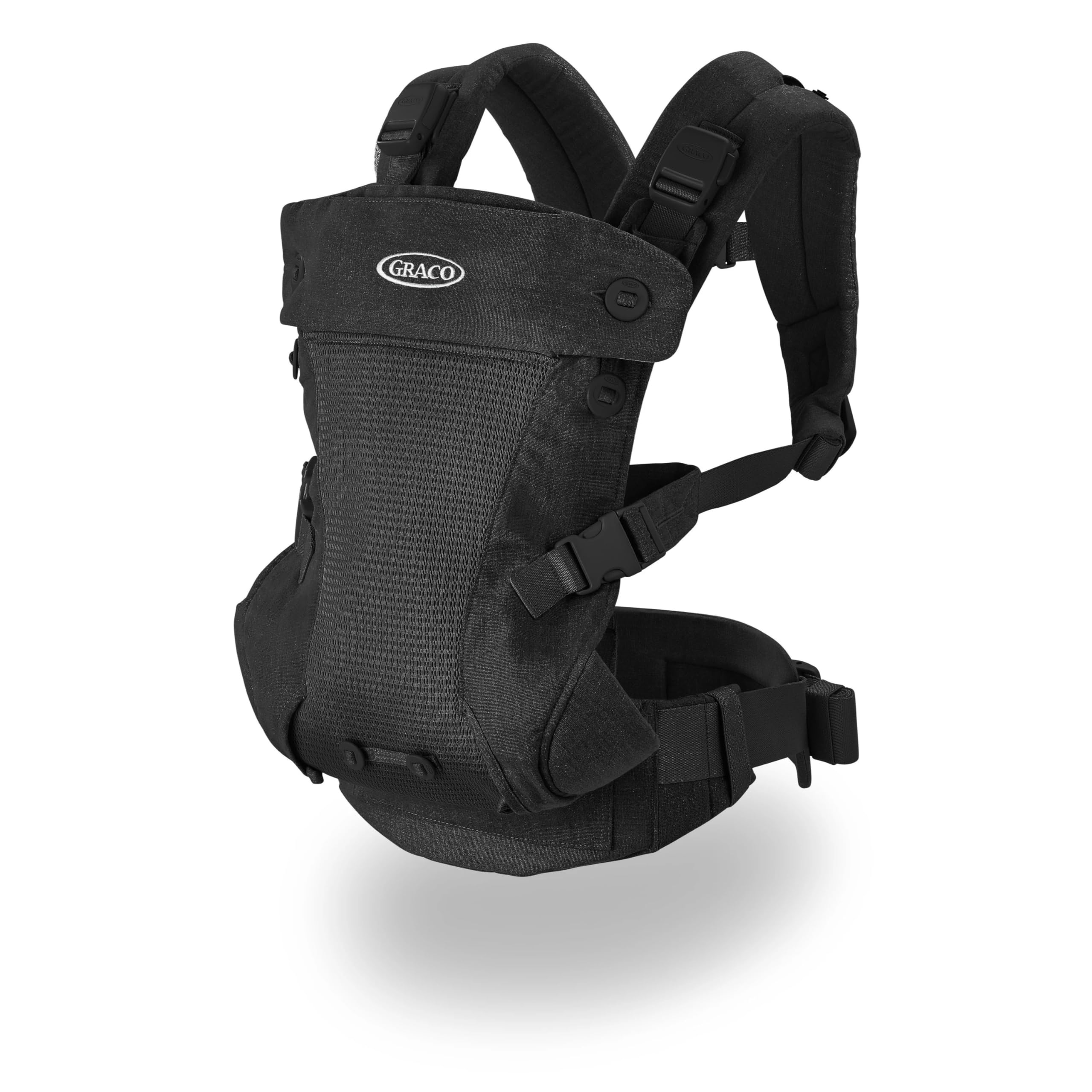
You get a four-mode carrier that is designed to grow from a newborn seat into facing-in, facing-out, and back-carry use. The integrated newborn seat removes the need for a separate insert, while SecureConnect magnetic guides help line up the latches during setup.
This is the strongest all-rounder here if you want one carrier with more growth stages than the Embrace but do not need the six-position flexibility of the LILLEbaby. The tradeoff is extra structure and weight, which can feel bulkier than a newborn-focused carrier.
Why you’ll like it: Four carry modes, an integrated newborn seat, lumbar support, and easy-clean accessories.
Best for: Families who want one structured carrier to cover multiple stages.
Skip it if: You want the lightest, least padded option for warm-weather or newborn-only use.
What People Say
Common buyer feedback themes in the source material include the guided magnetic buckle system, adaptable carry modes, and supportive waist and shoulder setup. Some shorter-torso users report needing extra strap adjustment to get the carrier sitting at a comfortable height.
Overall Sentiment: Positive

|
Pros |
Cons |
|---|---|
|
✅ Four carry modes cover newborn through larger-baby stages |
❌ Shorter-torso caregivers may need more adjustment to get the fit right |
|
✅ SecureConnect magnetic guides simplify buckle alignment |
❌ Bulkier than a lightweight newborn-only carrier |
|
✅ OEKO-TEX STANDARD 100 certified materials and washable soft goods |
❌ Padding and coverage can feel warmer than a minimalist carrier |
|
✅ Padded waist, shoulder straps, and lumbar support |
Long-Term Cost Benefits
The integrated newborn seat means you do not need a separate infant insert, and the four carry modes give the carrier more room to stay useful as your baby grows. Washable bibs and harness covers can also reduce how often the main carrier needs deeper cleaning.
Return on Investment
This option makes the most sense if you expect to use several carry modes over time and value structured support more than minimal weight. If you plan to stop babywearing after the early infant stage, a simpler carrier may be enough.
Where It Helps
|
Situation |
How It Helps |
|---|---|
|
Daily Walks |
Padded shoulder straps, a supportive waist belt, and lumbar padding can make a properly fitted carry feel more stable over longer outings. |
|
Travel Days |
The hood, all-season shield, and removable washable accessories add practical coverage and easier cleanup away from home. |
|
Busy Errands |
The magnetic guides help align the buckles, which can make repeated in-and-out transitions less fiddly once you know the setup. |
|
Shared Use |
Adjustable shoulder and waist straps let multiple caregivers dial in their own fit, though each person should recheck all adjustments before carrying. |
Ergonomic & Fit Considerations
|
Consideration |
What It Means |
|---|---|
|
Seat Position |
The adjustable seat is designed to support an age-appropriate seated position across its carry modes. Correct setup matters more than a marketing label, so follow the mode-specific instructions. |
|
Developmental Stages |
The modes have different age, weight, and developmental requirements. Facing-out and back carry should only be used when your child meets the manufacturer’s stated milestones. |
|
Caregiver Fit |
Lumbar padding and adjustable straps help distribute load, but they do not guarantee freedom from back discomfort. A secure, correctly positioned waist belt is essential. |
Versatility
The CradleMe supports four carry modes: facing-in newborn, facing-in baby, facing-out baby, and back carry. The overall stated range is 8 to 35 pounds, but each mode has its own limits and should be used only as directed.
Safety Features
SecureConnect buckles use magnets as guides and a mechanical latch to secure the connection. The carrier also includes an adjustable seat and head support. The materials are listed as OEKO-TEX STANDARD 100 certified for tested limits on harmful substances; that material certification is separate from carrier-use safety.
Comfort
Padded shoulder straps, an adjustable waist belt, lumbar support, and a breathable front panel are designed to improve comfort. Because this carrier is more structured than the Embrace, people who run warm may prefer lighter clothing layers and shorter breaks during hot-weather use.
Child Friendliness
The carrier is intended for children from 8 to 35 pounds overall, with different ranges for each position. The integrated newborn seat starts at 8 pounds, while facing-out and back carry require older, more developmentally ready babies within the maker’s specified limits.
Key Benefits
- Four carry modes including an integrated newborn seat
- SecureConnect magnetic guides with a secure latch
- OEKO-TEX STANDARD 100 certified materials
- Padded straps and lumbar support
- Hideaway shield plus washable bibs and harness covers
LILLEbaby Serenity

You get a higher-capacity carrier built around adjustability, breathable mesh, and caregiver support. The Serenity Airflow is listed for babies from 7 to 45 pounds and offers six carrying positions, three seat widths, lumbar support, and a breathable mesh body.
It is the strongest pick here if you expect longer babywearing sessions or want more position choices as your child grows. The tradeoff is complexity: more adjustment points can mean a steeper learning curve than a simpler newborn carrier.
Why you’ll like it: High weight capacity, breathable mesh, six carry positions, lumbar support, and useful storage.
Best for: Longer outings, warmer climates, shared use, and families who want more carry-position flexibility.
Skip it if: You prefer a very soft, minimal carrier with almost no setup or adjustment learning curve.
What People Say
Common buyer feedback themes in the source material include strong back support, breathable mesh, multiple carry positions, and useful pockets. Some users find the material and structure firmer than wrap-style or newborn-focused carriers.
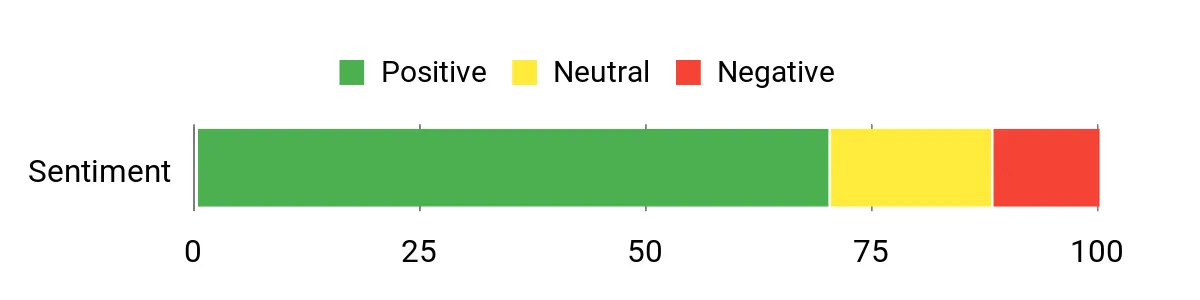
Overall Sentiment: Positive
|
Pros |
Cons |
|---|---|
|
✅ Six carrying positions and three seat widths |
❌ More adjustment points can take longer to learn |
|
✅ Lumbar support and padded straps for longer wear |
❌ Firmer and bulkier than a soft newborn-focused carrier |
|
✅ Airflow mesh supports better ventilation in warm conditions |
❌ Higher feature count may be unnecessary for occasional short carries |
|
✅ Storage pockets and tote feature add convenience |
Long-Term Cost Benefits
The 7-45 pound stated range and multiple carry positions give this model the broadest growth window in this comparison. If the fit works for your family, one adjustable carrier may cover more stages than a newborn-only option.
Return on Investment
The value is strongest for families who plan to babywear often and will actually use the extra positions, lumbar support, storage, and breathable construction. If you only need quick newborn errands, the added size and adjustment may not be worth it.
Where It Helps
|
Situation |
How It Helps |
|---|---|
|
Long Walks |
Lumbar support, padded straps, and multiple adjustment points can help you fine-tune weight distribution for longer wear. |
|
Hot Weather |
The Airflow mesh construction allows more ventilation than a heavily covered fabric panel, although both baby and caregiver can still overheat. |
|
Shared Use |
Broad adjustability makes it easier for different caregivers to use the same carrier after each person resets the fit. |
|
Outings |
Built-in storage and the tote feature give you extra space for small essentials when you want to leave a larger bag behind. |
Ergonomic & Fit Considerations
|
Consideration |
What It Means |
|---|---|
|
Seat Width |
Three adjustable seat widths help you match the carrier setup to your child’s size and the selected carry mode. |
|
Position Changes |
Six carry positions add flexibility, but each mode has its own fit and developmental requirements. Use the manual rather than assuming every position is appropriate at every age. |
|
Caregiver Fit |
Lumbar support and padded straps are intended to distribute load, but comfort is individual and depends on correct adjustment. |
Versatility
The Serenity Airflow is the most adjustable option in this group, with six carry positions, three seat settings, and a stated 7-45 pound range. That flexibility is useful if you want one carrier for different stages and activities.
Safety Features
Secure buckles, an adjustable seat, structured support, and a detachable hood help you configure the carrier for different stages. Safety still depends on using the correct mode, checking all fasteners, keeping the airway clear, and staying within the manufacturer’s position-specific instructions.
Comfort
Padded straps, lumbar support, and Airflow mesh are designed for longer and warmer-weather wear. The structure is firmer than a wrap-like newborn carrier, so it may feel more supportive to some caregivers and more bulky to others.
Child Friendliness
The carrier is listed for roughly 7 to 45 pounds and offers adjustable seating for different stages. Use the narrow, middle, or wide seat only as directed, and make sure your child meets the developmental requirements for outward-facing, hip, or back carry before switching modes.
Key Benefits
- Six carrying positions and three seat widths
- Breathable Airflow mesh
- Lumbar support and padded straps
- Storage pockets and tote feature
- Machine-washable construction
FAQ
How Do I Choose the Right Carrier?
Start with your baby’s current weight, age, and developmental stage, then decide how you will use the carrier most often. For longer walks or shared use, look for a supportive waist belt, lumbar support, and broad adjustability. For quick errands or newborn use, a lighter, simpler carrier may be easier. Check the manufacturer’s position-specific limits, cleaning instructions, and return policy before buying.
Are Baby Carriers Safe for Newborns?
They can be used safely when the specific carrier is approved by its manufacturer for your baby’s weight and stage and is fitted correctly. Keep your baby snug and upright, with the face visible, nose and mouth clear, and chin away from the chest. Check your baby frequently. Babies born prematurely or with breathing problems may need individualized medical guidance before using an upright carrier.
When Can My Baby Face Outward?
Do not use outward-facing carry based on age alone. Your baby should meet the carrier manufacturer’s minimum size and developmental requirements, including strong head and neck control and the required torso control. The Ergobaby Embrace, Graco CradleMe, and LILLEbaby Serenity each have their own mode instructions, so follow the manual for the exact transition point.
How Can I Stay Comfortable While Wearing Baby?
Fit matters more than simply choosing the carrier with the most padding. Position the waist belt where the manufacturer directs, tighten the shoulder straps evenly, keep the baby high and centered, and readjust if you feel pulling, numbness, or sharp pressure. On long outings, take breaks and switch caregivers when practical.
What Safety Checks Should I Do Before Every Use?
Inspect buckles, straps, seams, and fabric for damage; confirm the carrier is set to the correct mode; make sure leg openings and seat width fit your child; and verify that your baby’s airway stays clear. Bend at the knees rather than the waist, and avoid activities that involve heat, sharp objects, fall risk, or sudden movement.
Buyer Preferences
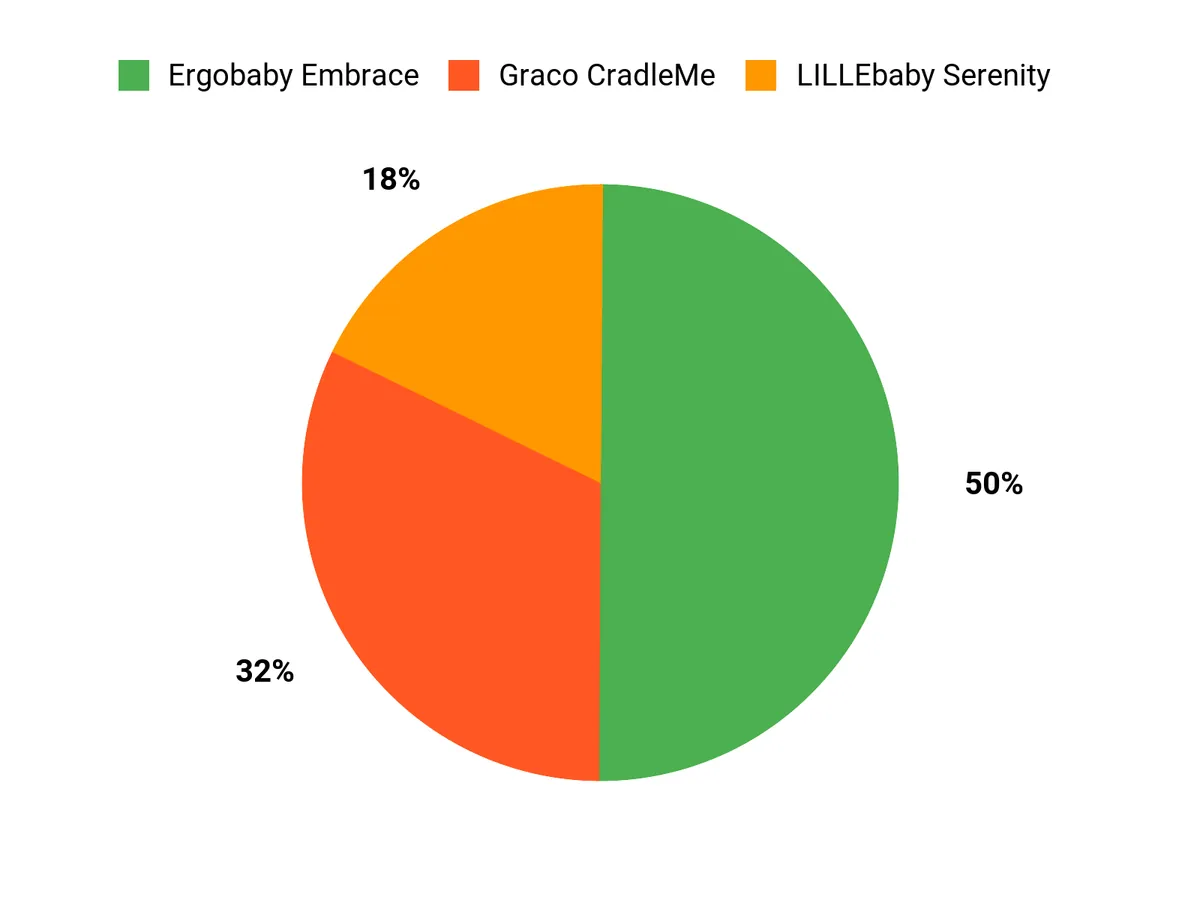
Choose the Ergobaby Embrace if your priority is a soft, compact newborn carrier with a simpler learning curve. Choose the Graco CradleMe if you want four modes, an integrated newborn seat, structured support, and washable accessories. Choose the LILLEbaby Serenity Airflow if you want the widest stated weight range in this comparison, breathable mesh, six carry positions, and more lumbar support for frequent babywearing. Across all three, correct fit and age-appropriate positioning matter more than feature count.
Before You Buy
- Confirm your baby is within the carrier’s stated overall and position-specific weight range.
- Check developmental requirements for facing-out, hip, or back carry.
- Decide whether you value low bulk or long-term multi-position use more.
- Check waist and shoulder adjustability for every caregiver who will use it.
- Review cleaning instructions, warranty terms, and the retailer’s return policy.
- Read the current manufacturer manual before first use, even if you have used another carrier before.
Wrapping Up
All three carriers match the core buyer intent, but they solve different problems. The Ergobaby Embrace is the easiest fit for shoppers focused on newborn comfort and portability. The Graco CradleMe is the balanced choice for families wanting four structured carry modes and an integrated newborn seat. The LILLEbaby Serenity Airflow is better suited to frequent users who value breathable mesh, lumbar support, and more carry-position flexibility. Match the carrier to your baby’s current stage and your real routine, then prioritize correct setup over extra features.
| Ergobaby Embrace Newborn Baby Carrier | Graco® Cradle Me 4 in 1 Baby Carrier | LÍLLÉbaby Serenity Airflow Carrier | |
|---|---|---|---|
|
|
|
|
|
| Best For | Newborn-focused, compact everyday use | Four-mode versatility and structured support | Extended wear, airflow, and more carry positions |
| Weight Capacity | 7-25 lbs | 8-35 lbs | 7-45 lbs |
| Age / Stage | 0-12 months, within stated size and mode guidance | Newborn onward, with mode-specific age and weight limits | Newborn to toddler, with position-specific developmental guidance |
| Unique Highlights |
|
|
|
| Check Price on Amazon | Check Price on Amazon | Check Price on Amazon |
This Roundup is reader-supported. When you click through qualifying links, we may earn a referral commission on qualifying purchases.