This post contains affiliate links. If you buy through them, we may earn a small commission at no extra cost to you. We only recommend products we believe are genuinely useful for cloth diapering families.
Building a cloth diapering system in 2026 usually means combining a few different pieces rather than one single product. Snappi Cloth Diaper Clips make prefolds easy to fasten without pins, Charlie Banana Reusable Cloth Diapers offer a comfortable, eco-friendly all-in-one option, and Gerber Birdseye Prefolds are a versatile, budget-friendly base layer. Kanga Care Rumparooz Covers add reliable leak protection over prefolds or fitteds, and OsoCozy Unbleached Prefolds stand out for absorbency. Together, these five picks cover the main pieces most families need to get started. Here’s a closer look at each one, plus what to check before you buy.
| Product | Best For | Fits | Type |
|---|---|---|---|
| Snappi Cloth Diaper Clips | Fastening prefolds/flats | Prefolds & flatfolds | Fastener |
| Charlie Banana Reusable Diapers | All-in-one convenience | 0–36 months | One-size AIO/pocket |
| Gerber Birdseye Prefolds | Budget-friendly base layer | One-size, fold-to-fit | Prefold (needs a cover) |
| Kanga Care Rumparooz Cover | Leak protection | 6–35+ lbs | Diaper cover |
| OsoCozy Unbleached Prefolds | Absorbency | 15–30 lbs (Size 2) | Prefold (needs a cover) |
Snappi Cloth Diaper Clips (3 Count) Best Fastening Accessory
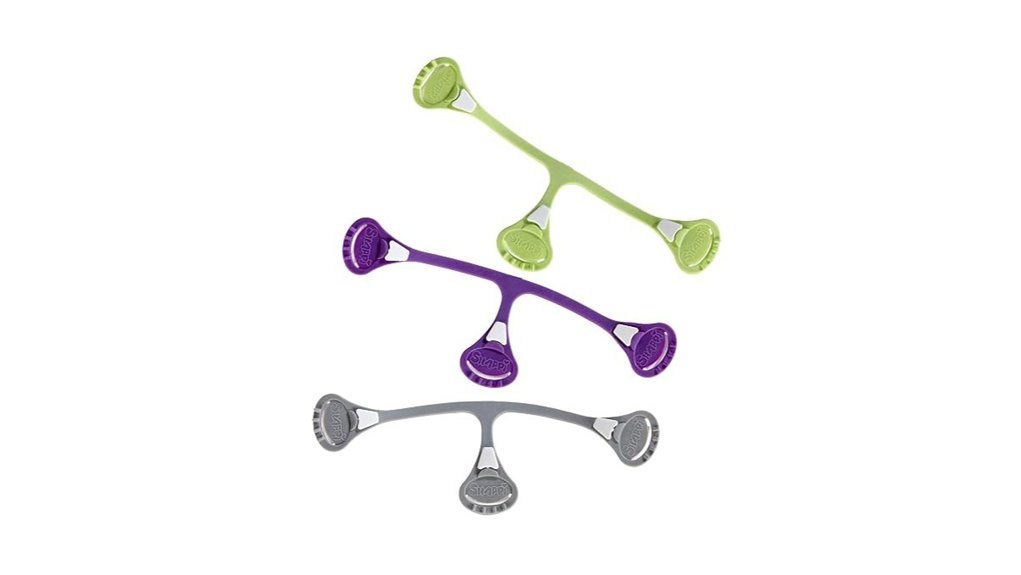
For parents seeking a safer and more stylish alternative to traditional diaper pins, the Snappi Cloth Diaper Clips (3 Count) stand out as an ideal choice. Designed for use with cloth prefolds and flatfolds, these clips have sold over 80 million units, showcasing their reliability and consumer trust. With no sharp edges, Snappi clips provide a secure fastening option while enhancing the aesthetic appeal of cloth diapering. User-friendly and compatible with various brands like OsoCozy, they simplify the diapering process. They’re also backed by a manufacturer replacement policy — if a clip ever breaks, Snappi will send a replacement.
Best For: Parents looking for a safe, stylish, and user-friendly solution for cloth diapering.
Pros:
- User-Friendly: Easy to apply, making cloth diapering accessible for all parents.
- Safe Design: Eliminates sharp edges, offering a secure fastening alternative to traditional pins.
- Backed by a Replacement Policy: Broken clips can be replaced directly through the manufacturer.
Cons:
- Limited Compatibility: Works with prefold and flatfold cloth diapers only — not compatible with pocket or AIO diapers.
- Learning Curve: Some parents may need time to adjust to using clips instead of traditional pins.
- Durability Concerns: Some users report clips stretching out with heavy daily use.
Who Should Avoid This: Anyone using only pocket diapers or AIO diapers (like the Charlie Banana below) won’t need these — Snappis are specifically for prefolds and flats.
Charlie Banana Reusable Cloth Diapers (3 Pack) Best All-in-One System
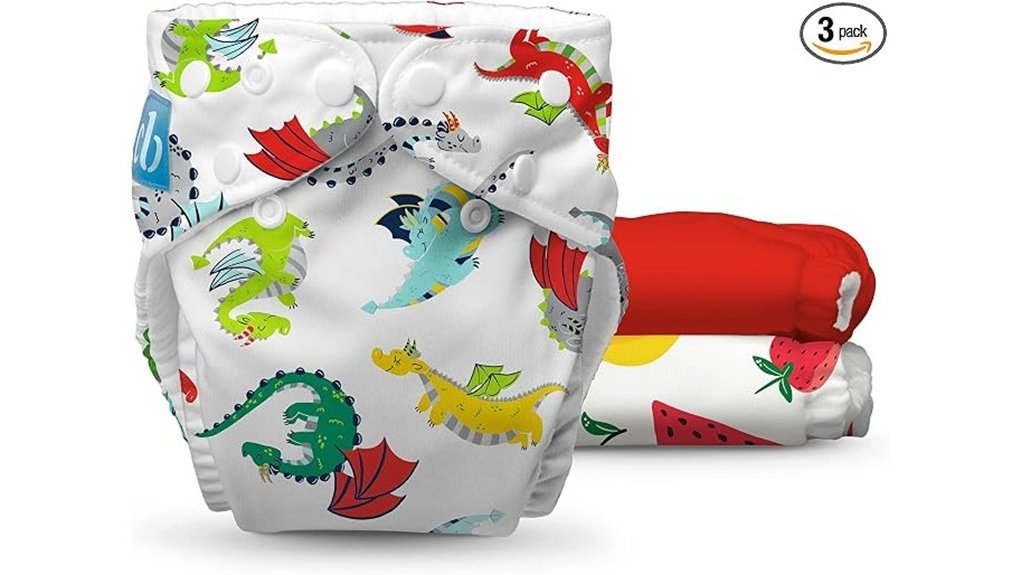
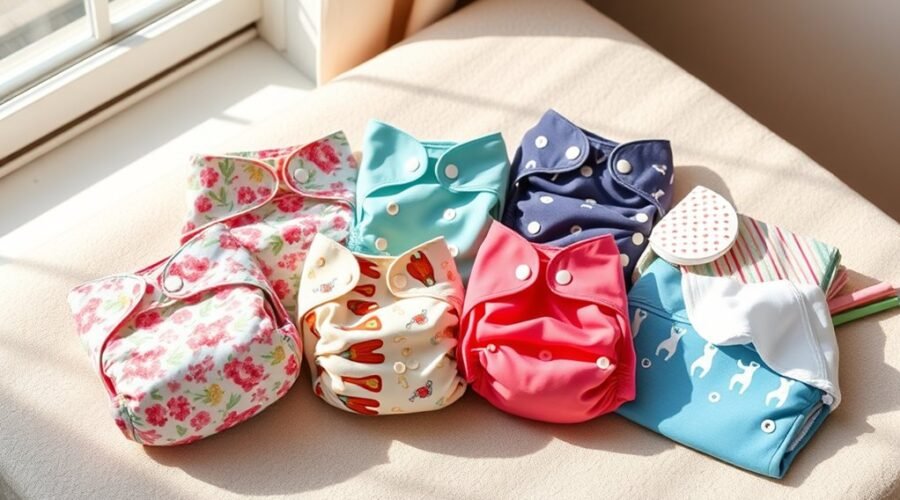
Charlie Banana Reusable Cloth Diapers stand out as an ideal choice for parents seeking eco-friendly, low-maintenance options. Available in a vibrant Dragon Feast design, this three-pack features adjustable one-size diapers suitable for babies from newborn up to 36 months. Crafted from high-quality materials, the soft fleece lining guarantees comfort against the baby’s skin while complying with OEKO-TEX Standard 100 for safety. The adjustable leg elastics and waist snaps provide a customized fit, helping prevent leaks. Additionally, Charlie Banana donates 1% of sales to climate and environmental initiatives, making it a responsible pick for eco-conscious families.
Best For: Eco-conscious parents who want an adjustable, comfortable, grab-and-go diaper rather than a multi-piece prefold system.
Pros:
- High-quality, soft fleece lining ensures comfort against the baby’s skin.
- One diaper adjusts from newborn to 36 months, reducing the need to rebuy sizes.
- Supports environmental causes with 1% of sales donated.
Cons:
- Higher upfront cost per diaper than prefolds.
- Requires regular washing and maintenance for continued use.
- May need extra inserts for heavy wetters or overnight use.
Who Should Avoid This: Budget-focused families building a large diaper stash may get more diapers for their money with prefolds like the Gerber or OsoCozy options below.
Gerber Birdseye Prefold Cloth Diapers 10-Pack Best Budget Prefolds
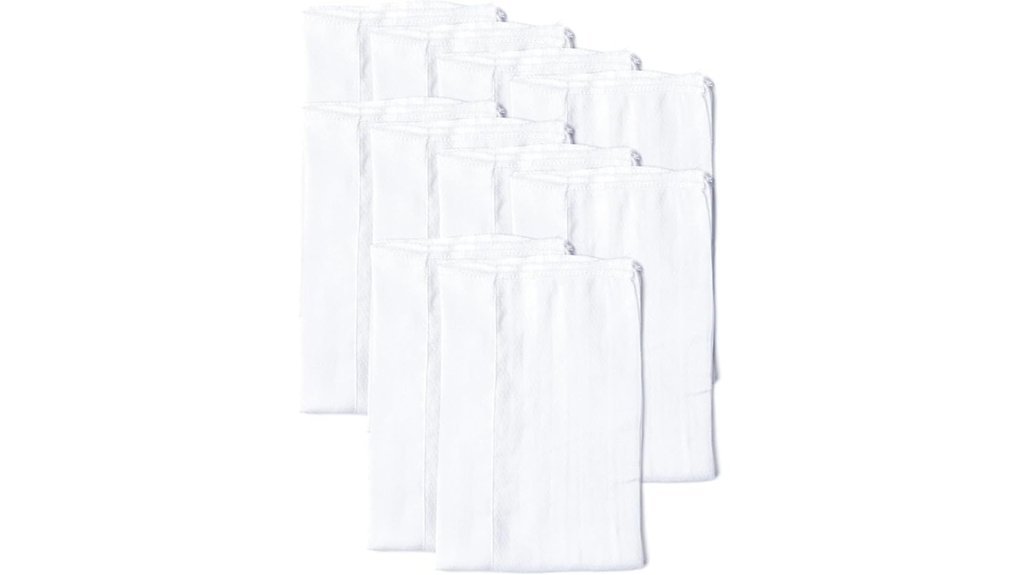
The Gerber Birdseye Prefold Cloth Diapers 10-Pack is ideal for parents seeking a versatile and gentle option for their babies. Made from 100% cotton, these diapers provide a soft, irritation-free experience, free from harmful plastics and dyes. Their absorbent 3-ply center panel enhances moisture retention, while the lightweight Birdseye weave fabric guarantees both softness and durability. This is a one-size, fold-to-fit prefold — it doesn’t come in graded sizes, so the fit adjusts based on how you fold it, and it must be used with a separate waterproof cover, such as the Kanga Care Rumparooz below. Beyond diapering, these prefolds can serve multiple purposes, including burp cloths or cleaning rags.
Best For: Parents looking for a versatile, budget-friendly diapering base layer that’s gentle on sensitive skin.
Pros:
- Soft and Gentle: Made from 100% cotton, comfortable for delicate baby skin.
- Versatile Use: Can be used as diapers, burp cloths, or cleaning rags.
- Budget-Friendly: Ten diapers for the price of far fewer AIO diapers.
Cons:
- Requires a Separate Cover: Prefolds alone aren’t waterproof — you’ll need a cover like the Rumparooz.
- Requires Frequent Washing: Cloth diapers need to be laundered regularly.
- Learning Curve: New users may need practice with folding and fastening.
Who Should Avoid This: Parents who want a single grab-and-go product without buying a separate cover may prefer the Charlie Banana AIO diaper instead.
Kanga Care Rumparooz Reusable Cloth Diaper Cover Best Leak Protection
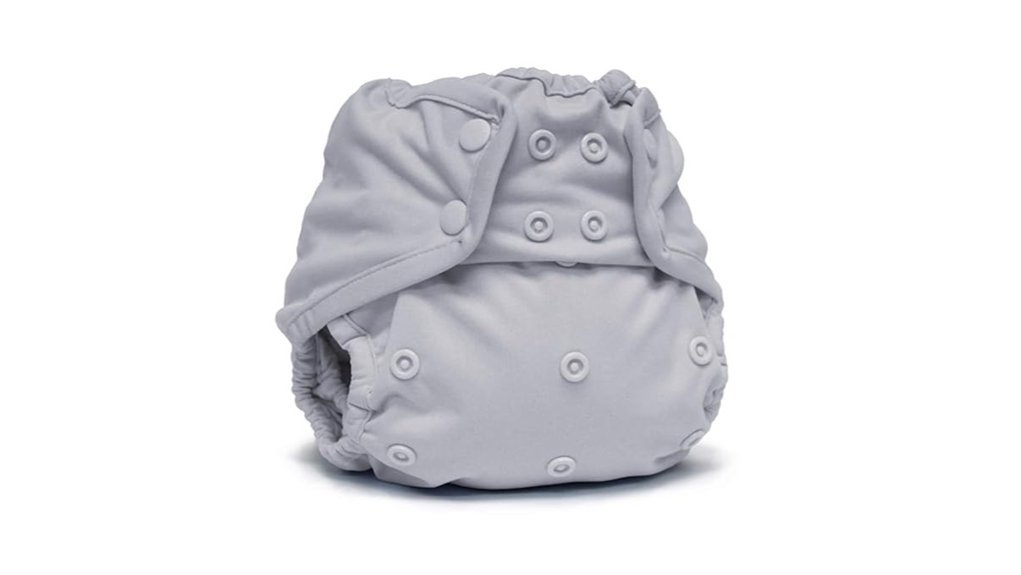
The Kanga Care Rumparooz Reusable Cloth Diaper Cover stands out with its innovative double leg gussets, aimed at reducing leaks for infants weighing roughly 6 to 35+ lbs. Crafted from water-resistant polyester TPU, this cover features tummy elastic for a snug fit, and it’s available with KAM snaps or Aplix hook & loop closures for easier adjustments. It’s designed to be used over prefolds, flats, or fitted diapers (such as the Gerber or OsoCozy prefolds above) — note that the prefolds or fitteds themselves are sold separately. Covers can typically be wiped clean and reused a few times between washes, which helps cut down on laundry.
Best For: Parents who already have (or are buying) prefolds or fitteds and need a reliable waterproof outer layer.
Pros:
- Choice of KAM snaps or Aplix hook & loop closures for easy adjustments.
- Double leg gussets are designed to reduce leaks around the legs.
- Can be wiped down and reused a few times before laundering, saving on wash loads.
Cons:
- Higher upfront cost compared to disposable diaper covers.
- Doesn’t include prefolds or fitteds — those are sold separately.
- Still needs regular washing to stay hygienic over time.
Who Should Avoid This: Parents who want an all-in-one product with no separate pieces to manage may prefer the Charlie Banana diaper instead.
OsoCozy Unbleached Prefold Cloth Diapers (Size 2) Best for Absorbency
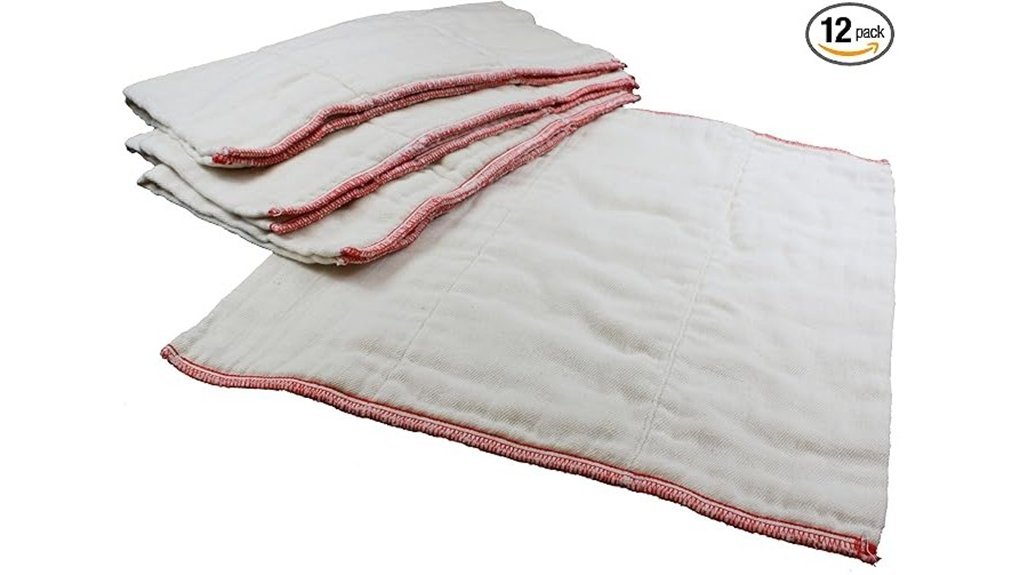
Parents seeking a highly absorbent and comfortable diaper option will find the OsoCozy Unbleached Prefold Cloth Diapers (Size 2) a solid pick. Made from 100% unbleached cotton with a gauze/twill weave, these diapers offer a soft touch while ensuring durability. Designed for tri-folding into a diaper cover, they eliminate the need for pins or fasteners on their own — though many parents still prefer using a Snappi clip for a snugger fold. The 4x8x4 layering provides strong absorbency, with eight layers in the middle panel and four layers on the outer panels. Size 2 is sized to fit babies in the 15–30 lb range; expect roughly 5–10% shrinkage after the first few washes, which is normal for unbleached cotton. As with the Gerber prefolds, a separate waterproof cover is required.
Best For: Parents who want maximum absorbency for heavy wetters or overnight use, and don’t mind a multi-piece system.
Pros:
- Strong absorbency thanks to the 4x8x4 layering.
- Made from 100% unbleached cotton for a soft, gentle touch.
- Tri-fold design eliminates the need for pins.
Cons:
- Needs several washes before first use to reach full absorbency.
- Expect about 5–10% shrinkage after washing, which affects final sizing.
- Requires a separate cover, adding to the total system cost.
Who Should Avoid This: Parents who want a truly single-piece diaper with nothing extra to buy should look at the Charlie Banana AIO option instead.
Factors to Consider When Choosing Cloth Diapers
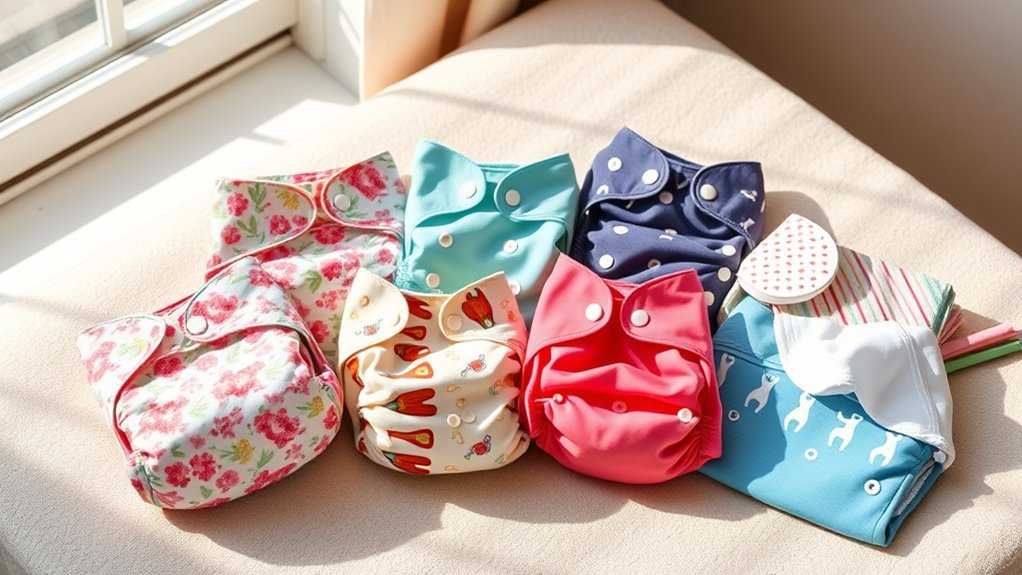
When selecting cloth diapers, parents prioritize several key factors to guarantee both comfort and functionality. Material quality, absorbency, and fit options play vital roles in their effectiveness, while ease of use and environmental impact are increasingly important considerations for anyone new to cloth diapering. Understanding these elements can guide families in making informed choices that suit their needs.
Material Quality And Comfort
Comfort and safety are paramount considerations in selecting cloth diapers, as the right materials can greatly impact a baby’s well-being. High-quality cloth diapers are typically crafted from natural materials like 100% cotton or soft fleece, ensuring a gentle touch on sensitive skin and minimizing irritation. Fabrics that meet safety standards, such as OEKO-TEX Standard 100, indicate the fabric has been tested for harmful substances. Breathable fabrics enhance airflow, which can help reduce diaper rash and boost overall comfort. Additionally, multi-layer designs not only provide moisture retention but also support durability, allowing diapers to endure multiple washes without compromising integrity.
Absorbency And Leak Protection
Effective absorbency and leak protection are vital factors in choosing cloth diapers, as these features directly impact a baby’s comfort and the overall diapering experience. Diapers with enhanced layers, such as a 3-ply center panel, are designed to reduce the risk of leaks. Materials like 100% cotton provide good moisture-wicking properties, helping maintain dryness against the baby’s skin. Additionally, designs featuring adjustable leg elastics and waist snaps aim for a customized fit, which helps around both the legs and waist. The incorporation of double leg gussets can further help with leak protection, and adding extra reusable inserts can boost absorbency for heavier wettings.
Size And Fit Options
Selecting the right size and fit for cloth diapers is essential for ensuring both comfort and functionality throughout a child’s diapering journey. Parents should consider adjustable sizing options that cater to babies from birth to potty training, typically covering ages 0 to 36 months. Features like adjustable leg elastics and waist snaps promote a customized fit, which can help prevent leaks and enhance comfort. Many cloth diapers offer one-size designs, accommodating weights from as low as 6 pounds to over 35 pounds, allowing for extended use. Prefolds, on the other hand, are usually sold in specific weight-range sizes (like Size 1 or Size 2) rather than one-size — check the sizing chart for your specific brand before buying.
Ease Of Use
After considering size and fit options, parents often prioritize ease of use when choosing cloth diapers. User-friendly fasteners, such as clips that replace traditional diaper pins, provide a safer and more convenient alternative for busy caregivers. Adjustable designs allow diapers to accommodate babies from 0 to 36 months, simplifying the diapering process as children grow. Many cloth diapers feature absorbent multi-layer panels that help reduce the need for frequent changes. Additionally, versatile options like prefold cloth diapers can serve multiple purposes, such as burp cloths or cleaning rags, enhancing their practicality.
Environmental Impact Considerations
Environmental consciousness is increasingly influencing parents’ choices in cloth diapers. Reusable cloth diapers can reduce landfill waste, since they’re washed and used multiple times, which lowers overall waste output. Many brands prioritize sustainability by using organic or OEKO-TEX Standard 100 certified materials. Some families also factor in that switching to cloth diapers can reduce reliance on single-use products, and support brands that contribute a portion of their sales to environmental initiatives.
Care And Maintenance Tips
Proper care and maintenance of cloth diapers is essential for maximizing their longevity and effectiveness. Before first use, it is recommended to wash cloth diapers in hot water 2-3 times to remove natural oils and enhance absorbency. To maintain hygiene, non-chlorine bleach can be used sparingly; however, caution is advised to avoid damaging the fabric. Tumble drying on low or hanging to dry helps preserve the elasticity and absorbency of the diapers. Regular cleaning of diaper covers and inserts after multiple uses helps prevent bacterial growth and maintains freshness.
Style And Aesthetic Appeal
The appeal of cloth diapers extends beyond functionality to include style and aesthetic considerations. Today’s cloth diapers are available in a wide range of designs and colors, allowing parents to express their personal style while ensuring their baby’s comfort. Eco-friendly materials often complement these aesthetics, and the ability to mix and match styles and colors enables parents to curate a collection that reflects their family’s personality.
Before You Buy: A Quick Cloth Diapering Checklist
- Do you need a full system or just one piece? Prefolds (Gerber, OsoCozy) require a separate cover; AIO diapers (Charlie Banana) don’t.
- Check the weight range against your baby’s current and expected weight, especially for sized prefolds like OsoCozy.
- Plan for laundry frequency — most families wash cloth diapers every 1-2 days, so factor stash size around your laundry routine.
- Decide on fasteners — Snappi clips are only needed if you’re using prefolds or flats, not AIO or pocket diapers.
- Budget for the full setup, not just the diaper itself — covers, inserts, and fasteners add to the total cost of a prefold system.
Frequently Asked Questions
How Do I Properly Wash Cloth Diapers?
To properly wash cloth diapers, rinse them in cold water, followed by a hot wash with detergent. Avoid fabric softeners, and guarantee thorough rinsing. Dry in the sun or tumble dry on low heat.
Can I Use Cloth Diapers for Overnight?
Cloth diapers can be used overnight. Parents often choose extra-absorbent inserts or dedicated nighttime designs to help with comfort and dryness throughout the night.
What Materials Are Best for Sensitive Skin?
Natural fibers like organic cotton, bamboo, and hemp are commonly recommended for sensitive skin, since they tend to be breathable and soft. Avoiding synthetic materials and harsh detergents can also help reduce irritation.
How Do I Store Dirty Cloth Diapers?
Storing soiled cloth diapers typically involves a breathable, lined bin kept in a cool, dry spot. Regularly rinsing and washing helps maintain a clean, sanitary routine.
Are Cloth Diapers More Eco-Friendly Than Disposables?
Cloth diapers are generally considered more eco-friendly than disposables due to their reusability and reduced landfill waste. However, overall environmental impact varies based on washing practices, water use, and material choices.
How Many Cloth Diapers Do I Need to Get Started?
Most families starting out find 20-24 diapers (or prefolds) comfortable for a wash routine every 1-2 days, plus 4-6 covers if using prefolds, since covers can be reused a few times between washes.
Final Recommendation
If you want one grab-and-go diaper with the least number of separate pieces, the Charlie Banana Reusable Diaper is the simplest starting point. If you’re building a full prefold system on a budget, pair the Gerber or OsoCozy prefolds with a Kanga Care Rumparooz cover, and add Snappi clips for an easier, pin-free fold. There’s no single “best” pick here — it depends on whether you want convenience or a lower cost per diaper.
Conclusion
In the garden of parenting, choosing the right cloth diaper is akin to selecting the finest seeds for a bountiful harvest. Each option, from Snappi clips to OsoCozy prefolds, represents a unique flower, thriving in its own way. As parents cultivate their choices, they nurture not only their children’s comfort but also the planet’s future. In this delicate balance of care and sustainability, each thoughtful selection blossoms into joy, creating a vibrant tapestry of love and responsibility.