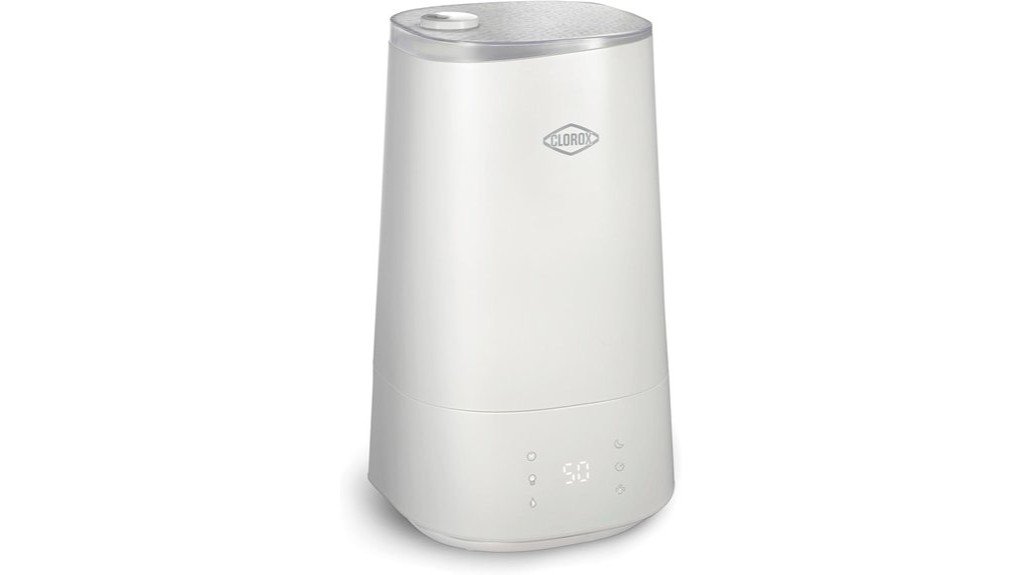
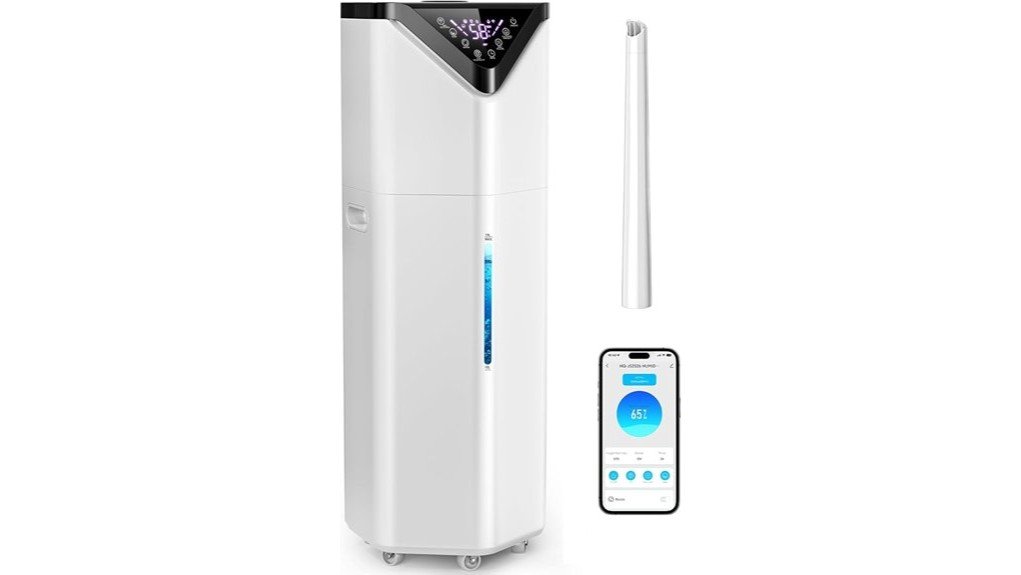
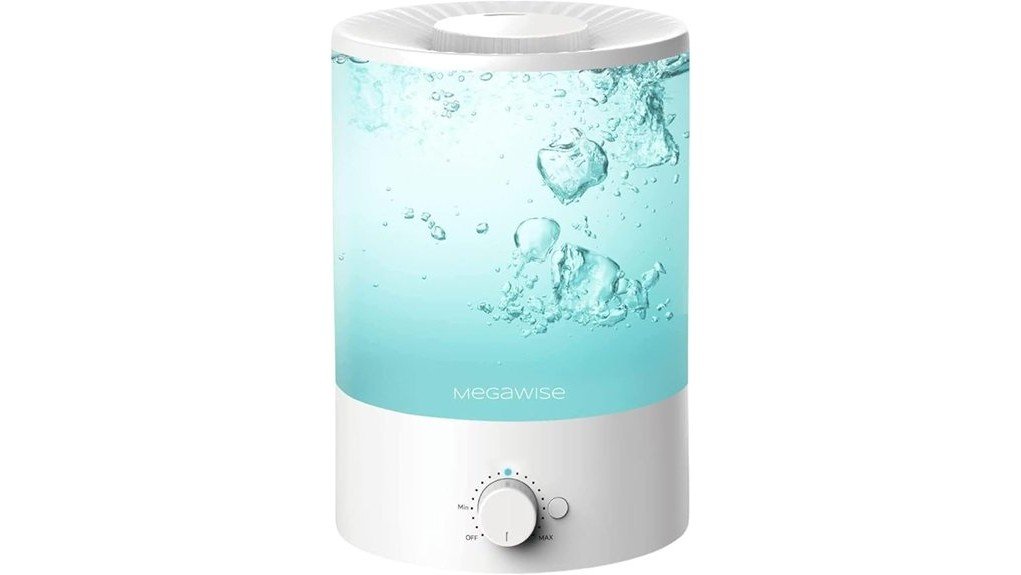
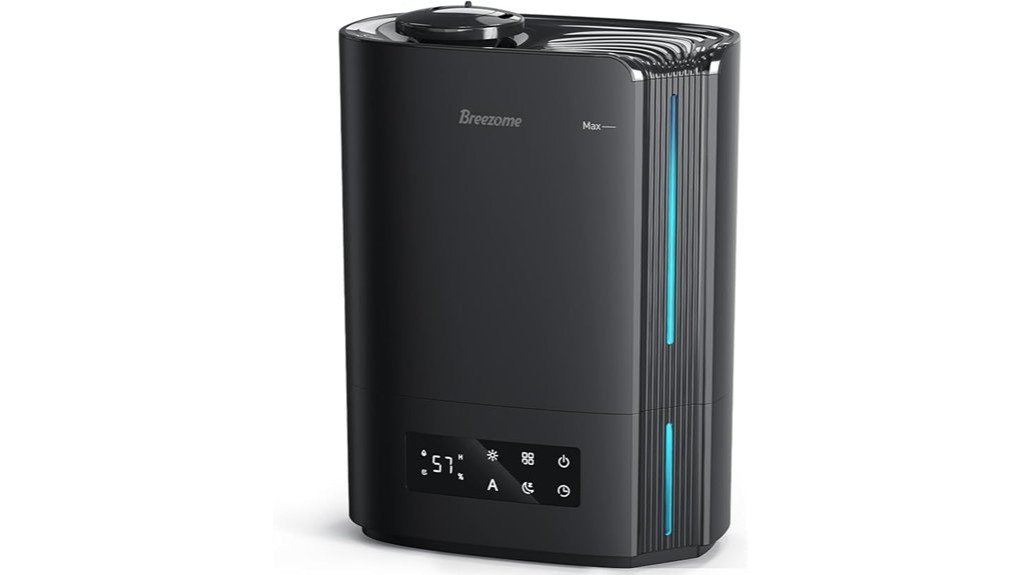
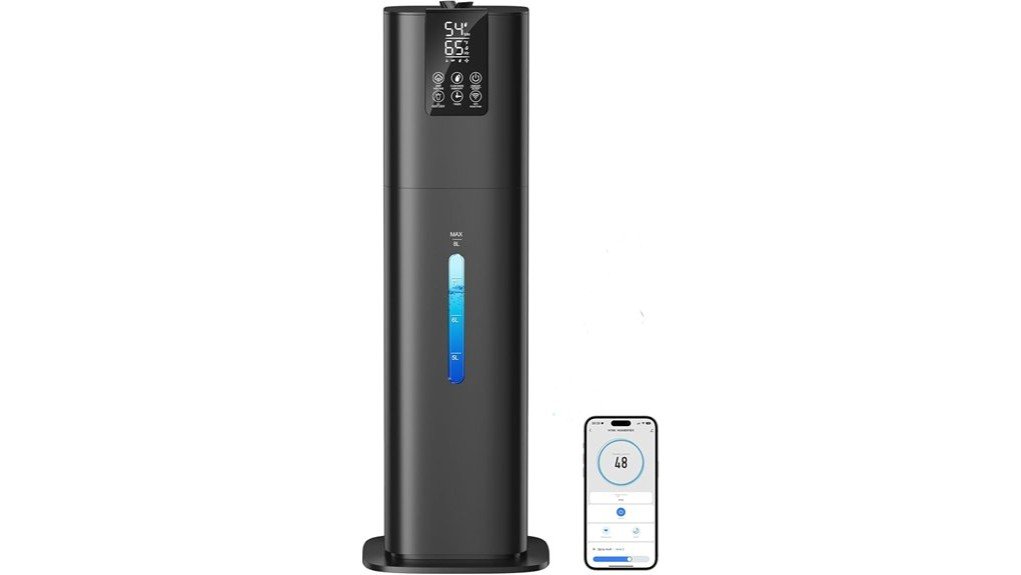
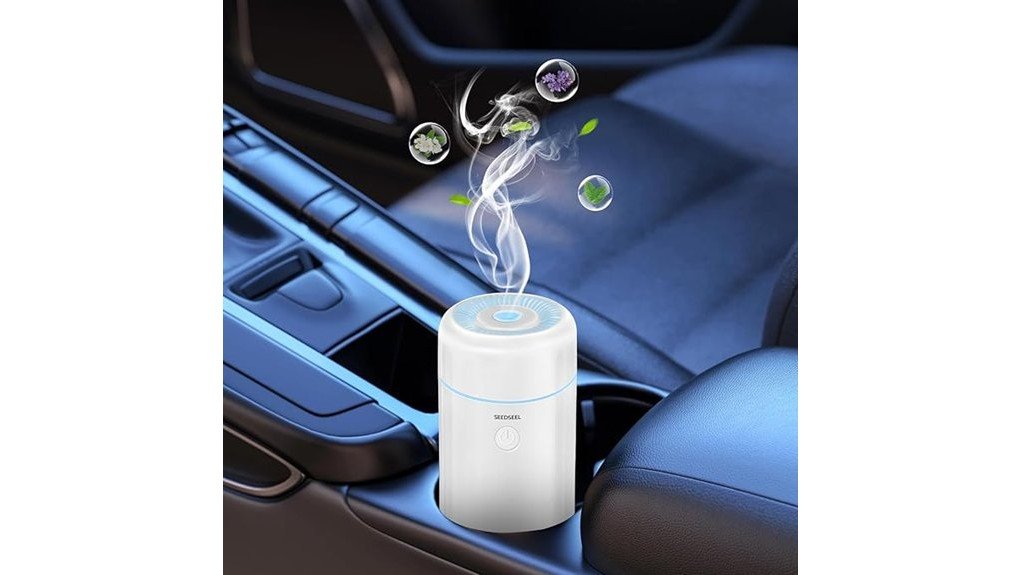
For a baby room in 2026, the right device depends on the problem you need to solve. A cool-mist humidifier can help when heated or air-conditioned air becomes too dry, while a dehumidifier can reduce excess moisture that may contribute to condensation and mold. The three options below include a smart humidifier, an air-purifier-and-humidifier combination, and a true humidifier-dehumidifier combo. Compare the function, room coverage, noise, controls, and cleaning needs before choosing.
Affiliate disclosure: This article contains Amazon affiliate links. As an Amazon Associate, we may earn from qualifying purchases at no extra cost to you.
Quick Verdict
- Best Overall for a Dry Nursery: DREO HM311S 4L Smart Humidifier
- Best for Air Cleaning and Humidity: HomBreez Air Purifier and Humidifier Combo
- Best 2-in-1 Humidity Control: Hoomace Humidifier Dehumidifier Combo
Nursery Safety Note: Use a separate hygrometer and generally aim for 30% to 50% relative humidity. Choose cool mist around young children, place the unit and cord out of reach, change standing water regularly, and clean the device according to its manual. Use plain water in an infant’s room unless your pediatrician specifically approves another additive.
Quick Comparison
| Product | Best For | Main Function | Listed Coverage or Capacity | Smart Control | Amazon Details |
|---|---|---|---|---|---|
| HomBreez Combo | Small nurseries needing filtration and added moisture | Air purifier and cool-mist humidifier | Up to 200 sq. ft. | SmartLife app | Check Availability |
| Hoomace 2-in-1 | Small rooms that become dry in one season and damp in another | Humidifier and thermoelectric dehumidifier | 102 fl. oz./3L tank | On-device controls | Check Availability |
| DREO HM311S | Parents wanting quiet, automatic humidification | Smart cool-mist humidifier | 4L tank; listed for up to 300 sq. ft. | DREO app, Alexa and Google Assistant | Check Availability |
Air Purifier and Humidifier Combo with APP Control
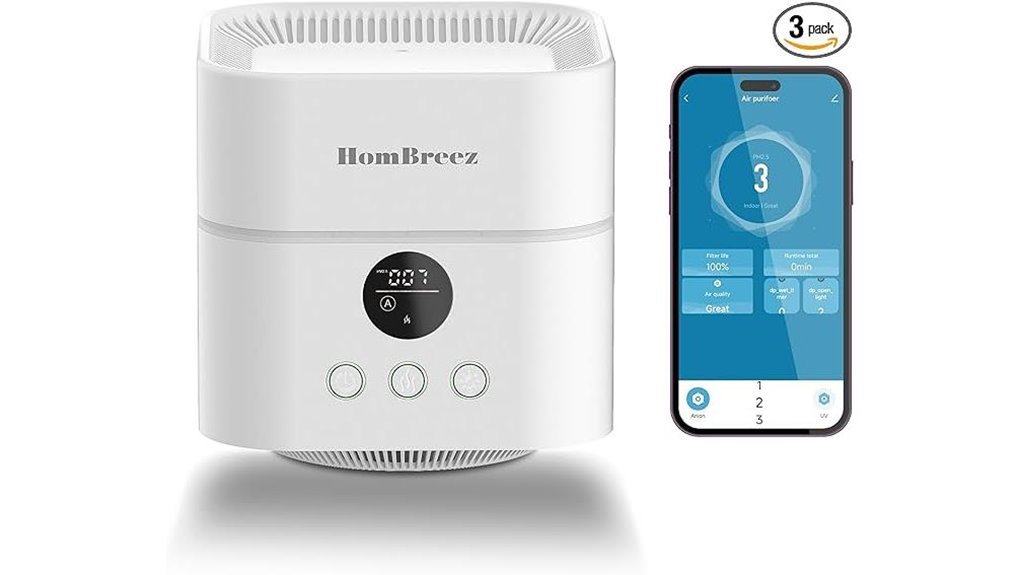
Best for Air Cleaning and Humidity: The HomBreez combination unit is designed for small nurseries where you want to filter airborne particles while adding cool mist. The seller lists an H13 True HEPA filter, coverage of up to 200 square feet, quiet operation, and SmartLife app controls for schedules and remote adjustments. Its compact design can save space compared with operating two separate machines.
This model is not a dehumidifier, so it will not solve condensation or excess moisture. Its small water reservoir also means it may need more frequent refilling than a full-size nursery humidifier. Although the product includes aroma-diffuser functionality, plain water is the safer default for an infant’s room unless your pediatrician advises otherwise.
Why You’ll Like It:
- Combines air filtration and cool-mist humidification in one compact device.
- SmartLife app support allows remote adjustments and scheduled operation.
- The replaceable HEPA filter can help capture dust, pet dander, and other airborne particles.
Who Should Buy This:
- Parents with a small nursery that becomes dry.
- Households that also want basic particle filtration.
- Users who value app-based scheduling and remote control.
Who Should Avoid This:
- Anyone who needs to remove excess moisture from the room.
- Users who want a large tank for long periods between refills.
- Buyers who do not want the ongoing cost of replacement filters.
Pros:
- Space-saving air purifier and humidifier design.
- Listed for rooms up to 200 square feet.
- Remote control and scheduling through the SmartLife app.
Cons:
- Does not provide dehumidification.
- Compact water capacity may require frequent attention.
- The seller recommends replacing the HEPA filter about every three months.
2-in-1 Humidifier Dehumidifier Combo with 102 oz Tank
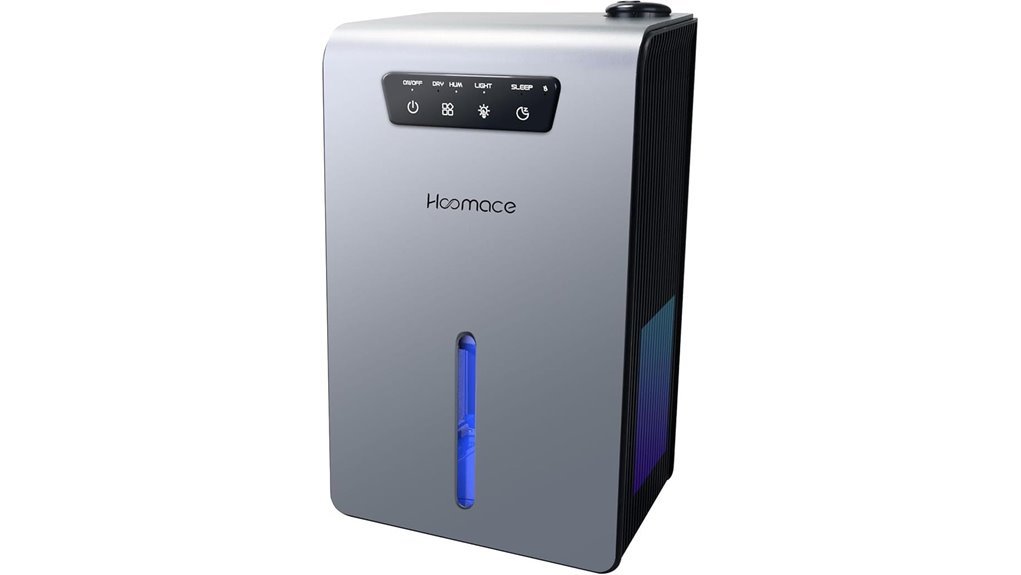
Best 2-in-1 Humidity Control: The Hoomace combination unit can add moisture when a small room is dry and collect moisture when it becomes damp. Its listed 102-fluid-ounce, or 3-liter, tank reduces how often you need to empty collected water, while the included drain hose supports continuous drainage where suitable.
The unit also includes sleep mode, a removable tank, status lighting, and automatic shutoff. Its thermoelectric dehumidification system is intended for small-room moisture control; it should not be treated as a substitute for a full-size compressor dehumidifier when a nursery has leaks, persistent condensation, or a serious mold problem.
Why You’ll Like It:
- Provides humidifying and dehumidifying functions in one machine.
- Large removable tank and drain-hose option simplify water management.
- Sleep mode and automatic shutoff make it more practical for bedroom use.
Who Should Buy This:
- Families whose nursery becomes dry in winter but humid during warmer months.
- Users with a small room and limited space for two separate appliances.
- Buyers who want manual control over both moisture-adding and moisture-removal modes.
Who Should Avoid This:
- Homes with significant water intrusion, visible mold, or severe humidity problems.
- Users who need app or voice-assistant control.
- Large-room users who require high-capacity dehumidification.
Pros:
- True humidifier and dehumidifier combination.
- 102-fluid-ounce tank with removable-tank and drain-hose options.
- Includes sleep mode and automatic shutoff.
Cons:
- Thermoelectric moisture removal is best for small spaces.
- Built-in controls do not replace an independent hygrometer.
- Larger and heavier than a compact humidifier-only model.
DREO Smart Humidifier for Bedroom, 4L Top Fill
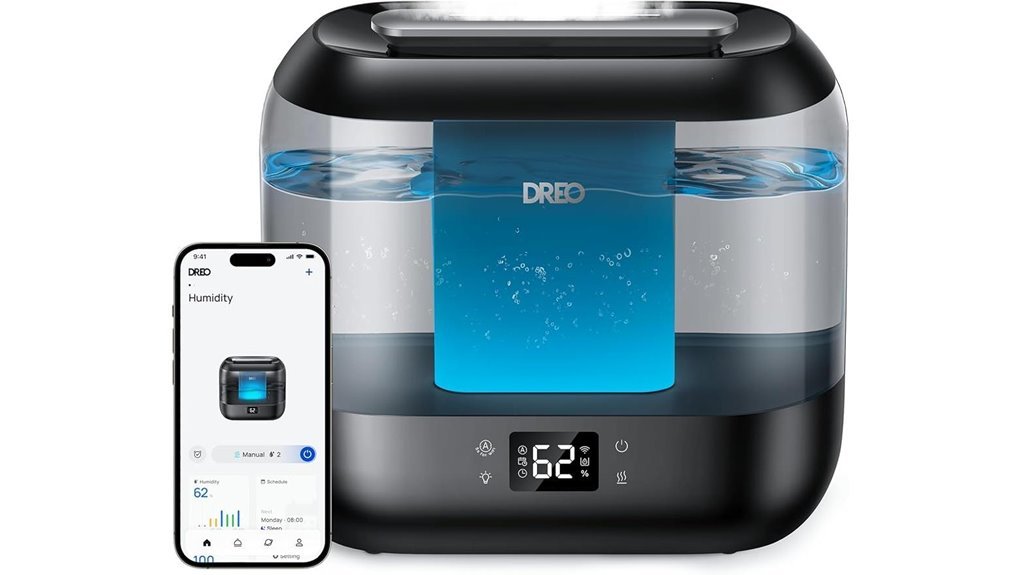
Best Overall for a Dry Nursery: The DREO HM311S is the strongest fit when your main goal is quiet, convenient cool-mist humidification. Its 4-liter top-fill tank is listed to run for up to 36 hours, and its operating noise can be as low as 28 dB. The product is listed for rooms up to 300 square feet, making it suitable for many bedrooms and nurseries.
You can adjust mist, schedules, lights, and automatic humidity settings through the DREO app, Alexa, Google Assistant, or the onboard controls. The manufacturer lists a 5-micron ultra-fine mist designed for more even dispersion. However, output and runtime will vary with the chosen setting and room conditions.
This is a humidifier only. It cannot reduce high humidity, so use a hygrometer and turn it down or off if the nursery approaches 50% relative humidity or develops window condensation.
Why You’ll Like It:
- Large top-fill tank reduces the need for overnight refilling.
- Automatic sensing, schedules, app control, and voice control improve convenience.
- Quiet operation makes it well suited to naps and nighttime use.
Who Should Buy This:
- Parents managing dry nursery air.
- Users who want automatic humidity adjustments and remote controls.
- Anyone who prefers a larger, easier-to-fill tank.
Who Should Avoid This:
- Rooms that already have excess moisture or condensation.
- Users who do not need smart features.
- Buyers who want to avoid optional cartridge costs.
Pros:
- 4-liter top-fill tank with listed runtime of up to 36 hours.
- Quiet operation as low as 28 dB.
- App, Alexa, Google Assistant, timer, and automatic humidity controls.
Cons:
- Cannot dehumidify a damp nursery.
- Maximum runtime depends on mist setting and room conditions.
- Optional demineralization and clean-mist cartridges cost extra.
Factors to Consider When Choosing a Humidifier and Dehumidifier for Baby Room
Start by measuring the nursery’s humidity with a separate hygrometer. You can then decide whether you need to add moisture, remove it, or manage seasonal changes in both directions. Noise, room size, tank design, cleaning access, safety features, and control options should guide the final choice.
Choose the Right Function
A humidifier and a dehumidifier solve opposite problems. Choose a cool-mist humidifier when the room is consistently dry. Choose a dehumidifier when humidity is high, windows collect condensation, or the room feels damp. A combination unit can be useful where conditions change with the seasons, but it may not match the performance of two dedicated full-size machines.
Target Humidity Level
A practical indoor target is generally 30% to 50% relative humidity. Going much higher can encourage condensation, dust mites, and mold. Do not rely entirely on the device’s built-in reading, because sensor location and mist can affect measurements. Place a separate hygrometer several feet away from the unit and crib for a more useful room-level reading.
Noise Level
Look for a clearly stated sleep mode or low-noise specification if the device will run during naps. Ratings in the high 20-dB range are especially quiet on paper, while models around 40 dB may still be acceptable for many bedrooms. Remember that water movement, fan speed, vibration, and placement can make real-world sound different from the listed rating.
Room Size
Match the manufacturer’s listed coverage to the nursery instead of automatically choosing the largest unit. A small device may struggle to change humidity in an oversized room, while an overly powerful humidifier can raise moisture too quickly. Ceiling height, open doors, heating, air conditioning, and outdoor conditions can also affect performance.
Safety Features
Choose cool mist around young children to avoid hot-water and steam burns. Look for automatic shutoff, a stable base, clear tank alerts, and enclosed moving parts. Keep the appliance, cord, drain hose, and water out of the child’s reach. Do not place a humidifier where mist falls directly on the crib, mattress, wall, electronics, or wooden furniture.
Smart Controls
App control, schedules, timers, automatic modes, and voice commands can help you make adjustments without entering the nursery. These features are convenient, but they are not essential. Accurate humidity measurement, safe placement, and easy cleaning matter more than connectivity.
Maintenance Ease
Look for a wide opening, removable tank, accessible mist path, and parts that can be cleaned without special tools. Empty standing water when the unit is not being used, refill with fresh water, and follow the manufacturer’s cleaning schedule. Distilled or demineralized water can reduce mineral dust from ultrasonic humidifiers.
Before You Buy Checklist
- Measure the nursery and check its normal humidity.
- Confirm whether you need humidification, dehumidification, or both.
- Check tank access, cleaning instructions, replacement filters, and cartridge costs.
- Verify that lights and sounds can be reduced for sleep.
- Plan a stable location away from the crib and child-accessible cords.
- Use a separate hygrometer to monitor the full room.
Frequently Asked Questions
How Often Should Baby Room Humidifier Filters Be Replaced?
Follow the schedule in the product manual because filter life varies by model, water quality, operating time, and room conditions. The HomBreez seller recommends replacing its HEPA filter about every three months. A filter should be replaced sooner if it is damaged, unusually dirty, musty, or restricting airflow.
Can Humidifiers and Dehumidifiers Run Overnight Safely in Nurseries?
Many models are designed for overnight operation when used exactly as directed. Choose cool mist, automatic shutoff, and a stable location. Keep cords and hoses out of reach, monitor humidity with a hygrometer, and stop operation if you notice condensation, leaks, unusual heat, odors, or excessive noise.
What Humidity Level Is Best for a Newborn’s Room?
A general indoor target is 30% to 50% relative humidity. Avoid automatically running a humidifier all night without measuring the room. Reduce the output if humidity approaches the upper end of the range or moisture begins collecting on windows, walls, or furniture.
Are Ultrasonic Humidifiers Safe for Babies?
A properly maintained cool-mist ultrasonic humidifier can be used in a baby’s room. Use fresh water, clean the tank and mist components according to the manual, and consider distilled or demineralized water to reduce airborne mineral residue. Keep the unit and cord out of reach.
How Do I Clean Mold From a Nursery Humidifier?
Unplug the unit, discard the water, and follow the manufacturer’s cleaning and disinfecting instructions. Do not mix bleach, vinegar, peroxide, or other cleaning chemicals. Rinse approved washable parts thoroughly and allow them to dry completely. Replace filters, wicks, cartridges, or porous parts that remain contaminated or cannot be safely cleaned.
Can I Use Essential Oils in a Baby Room Humidifier?
Use plain water unless the product manual specifically allows oils and your child’s pediatrician approves their use. Never add oil directly to a water tank unless the manufacturer instructs you to do so, because it can damage the appliance and release concentrated fragrance into the nursery.
Conclusion
The DREO HM311S is the strongest overall choice when a nursery is dry and you want quiet operation, a large top-fill tank, and smart controls. The HomBreez combo is better for a small room where particle filtration and added humidity are both priorities. Choose the Hoomace 2-in-1 when the same small room becomes dry in one season and damp in another.
No device should run only because the air “feels” dry or humid. Measure the room, aim for approximately 30% to 50% relative humidity, clean the appliance consistently, and keep it safely away from the crib. Those habits matter more than extra lights, aroma features, or app controls.