You want a police scanner that matches the radio systems in your area and the way you plan to listen. The most important decision is not channel count or portability—it is compatibility. An analog scanner can work well for conventional analog police, fire, aviation, marine, rail, weather, and hobby traffic, but it will not decode P25 digital or trunked systems.
If your local public-safety agencies use P25 Phase I/II or another supported trunked format, you need a compatible digital scanner such as the Uniden BCD436HP. Encrypted communications cannot be decoded by these scanners, so check your local system before buying.
This guide compares digital/trunking support, analog coverage, portability, programming, channel or memory organization, Close Call or signal-search features, weather functions, and home versus mobile use so you can choose a scanner that actually fits your needs.
Affiliate disclosure: This roundup is reader-supported. When you click qualifying Amazon links, we may earn a referral commission at no additional cost to you.
Top Picks
|
Category |
Product |
Signal Support |
Best For |
|---|---|---|---|
|
🏆 Best for Digital & Trunking |
Analog, P25 Phase I/II & supported trunking |
Modern public-safety systems and travel |
|
|
🎯 Best for Aviation |
Analog only |
Aviation, rail and portable listening |
|
|
💰 Best Budget Handheld |
Analog only |
Basic conventional scanning and weather |
|
|
⭐ Best Desktop |
Analog only |
Home listening, weather and clock-radio use |
|
|
🚗 Best Base/Mobile Analog |
Analog only |
Home or vehicle-based conventional scanning |
Selection Criteria
Compatibility comes first. We separated conventional analog scanners from models that can handle P25 digital and trunked radio systems because buying the wrong type can leave you unable to hear the agencies you expected to monitor.
We also considered frequency coverage, channel or memory organization, portability, programming, location-based setup, power requirements, Close Call or signal-search functions, weather features, display usability and the intended listening environment.
Channel count alone should not determine your choice. A scanner with fewer conventional memories may be adequate for aviation or local analog listening, while a database-driven digital scanner can be more practical when traveling or following complex trunked systems.
Before You Buy a Police Scanner
Check these four things before ordering:
- System type: Find out whether the agencies you want to hear use conventional analog, P25 Phase I/II, another trunking format, DMR, NXDN or encryption.
- Encryption: A scanner cannot decode encrypted communications simply because it supports digital radio.
- Programming: Decide whether you are comfortable entering frequencies manually or would benefit from database and location-based programming.
- Local rules: Scanner-use laws can vary by jurisdiction and situation, particularly for mobile use, so check the rules that apply where you live and travel.
Uniden BCD436HP

Best for: Buyers who need P25 digital and trunking support instead of an analog-only scanner.
The BCD436HP is the most appropriate model in this group when your listening targets use modern public-safety systems. It combines conventional analog reception with P25 Phase I/II and supported trunking formats, while its built-in U.S./Canada radio database can simplify setup.
You can enter a zip or postal code to start location-based scanning, organize Favorites Lists, and use Sentinel software for database and firmware management. GPS connectivity can make location-based scanning more useful for frequent travelers when paired with compatible GPS equipment.
Important limitation: Digital capability does not bypass encryption. Also check whether the system you want to monitor uses DMR or NXDN, because those modes may require an optional upgrade rather than being part of the basic P25 feature set.
Common Buyer Feedback Themes
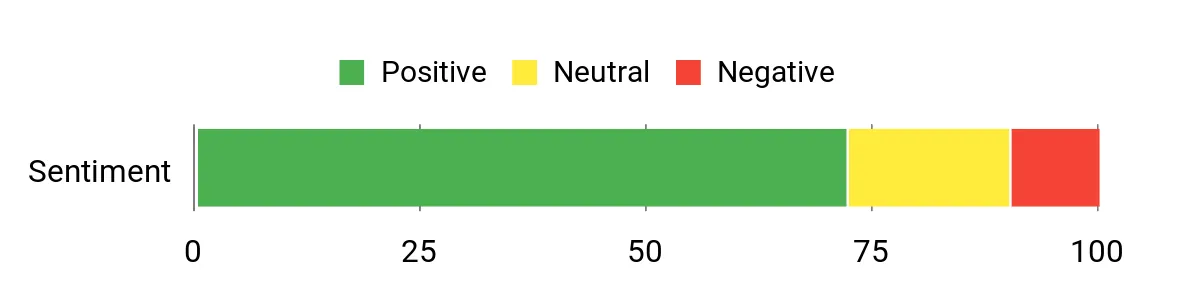
Buyers often value the database-driven setup, digital-system support, large display and ability to organize frequently used systems. The tradeoff is complexity: advanced filters, range settings, Favorites Lists and trunked-system configuration can take time to learn.
Overall theme: Feature-rich, with a steeper learning curve than basic analog scanners.
Long-Term Cost
The updatable database and firmware support can extend the scanner’s usefulness as radio-system information changes. However, buyers should account for any optional feature upgrades or accessories their preferred setup requires.
Return on Investment
The additional complexity is easier to justify when you actually need P25 or trunking support, travel between regions, or want location-based database scanning. If everything you monitor is conventional analog, a simpler scanner may meet your needs for less complexity.
Situational Benefits
|
Situation |
How It Helps |
|---|---|
|
Monitoring P25 Systems |
P25 Phase I/II and TrunkTracker V support make it suitable for compatible unencrypted public-safety systems that analog-only scanners cannot follow. |
|
Traveling Between Regions |
Location-based scanning and the radio database can reduce the need to rebuild a channel list manually for every area. |
|
Advanced Hobby Listening |
Favorites Lists, discovery tools, recording and flexible system organization provide more control than simple bank-based analog scanners. |
Ease of Use
|
Feature |
Ease Level |
|---|---|
|
Basic Zip/Postal-Code Setup |
Easy |
|
Favorites List Management |
Moderate |
|
Advanced Trunked-System Configuration |
Moderate to Advanced |
|
Database and Firmware Updates |
Moderate |
Versatility
Among the scanners in this roundup, the BCD436HP covers the broadest mix of conventional analog, P25 digital and supported trunked-system listening. That makes it better suited to buyers whose target radio systems go beyond basic analog channels.
Safety and Practical Use
S.A.M.E. weather alert functionality adds another information source during severe weather. When using any scanner in a vehicle, keep controls and displays from distracting you from driving and check applicable local scanner laws.
Problem Solving Ability
Location-based scanning, database programming and Favorites Lists address one of the biggest frustrations with advanced scanners: finding and organizing the systems that actually matter in a particular area.
Speed and Response
Close Call RF Capture can detect nearby strong transmissions, while trunking and discovery functions help the scanner work with more complex supported radio systems than conventional analog models.
Who Should Buy This?
Choose the BCD436HP if your local agencies use compatible P25 digital or trunked systems, you travel between regions, or you want database-assisted setup.
Who Should Avoid This?
Skip it if all you need is inexpensive conventional analog listening, or if the communications you want to hear are encrypted. Buyers focused on DMR or NXDN should also confirm upgrade requirements before purchasing.
Key Benefits
- P25 Phase I and Phase II support
- TrunkTracker V operation
- HomePatrol database and location-based scanning
- Zip/postal-code setup
- Close Call RF Capture
- Sentinel database and firmware management
Check Product Details on Amazon
Uniden BC125AT

Best for: Aviation, rail and other portable conventional analog scanning.
The BC125AT is a compact handheld built around 500 alpha-tagged channels, Close Call RF Capture and conventional analog monitoring. Its combination of portability and civilian/military aviation coverage makes it particularly attractive to aviation spotters and rail listeners.
Alpha tagging lets you put readable names on programmed channels, while Close Call can detect strong nearby transmitters. PC programming is available for people who prefer managing their channel lists on a computer.
Important limitation: This is a non-digital scanner. It does not decode P25, DMR, NXDN or trunked digital radio systems, so verify your target channels before buying.
Common Buyer Feedback Themes
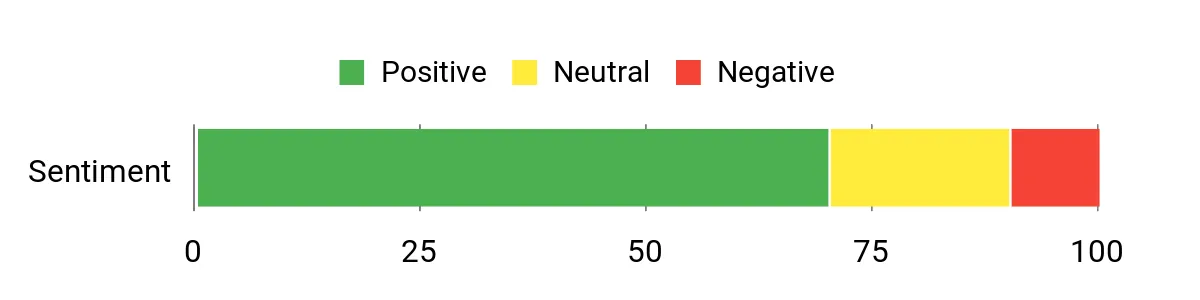
The portable size, aviation coverage, channel naming and Close Call feature are common reasons to choose this model. Manual programming still has a learning curve, particularly for someone new to scanner terminology.
Overall theme: Strong feature set for portable conventional analog listening.
Long-Term Cost
The scanner can operate with AA batteries and does not require a subscription. PC-based management is available, although the exact computer setup and accessories you use should be checked before purchase.
Return on Investment
Its value is strongest for regular aviation, rail, event or conventional analog monitoring, where portability and alpha-tagged channel organization are more useful than digital trunking capability.
Situational Benefits
|
Situation |
How It Helps |
|---|---|
|
Aviation Spotting |
Civil and military air-band coverage plus a handheld format make it convenient around airports and airshows where reception conditions permit. |
|
Rail and Event Listening |
Alpha-tagged channels help you identify programmed frequencies quickly instead of relying only on frequency numbers. |
|
Finding Nearby Signals |
Close Call RF Capture can identify strong nearby transmissions without requiring you to know the frequency in advance. |
Ease of Use
|
Feature |
Ease Level |
|---|---|
|
Initial Programming |
Moderate |
|
Daily Scanning |
Easy |
|
Channel Identification |
Easy |
|
Close Call Capture |
Easy |
Versatility
It covers a useful mix of conventional analog services including aviation, marine, rail, weather and non-digital public-safety traffic. Its main boundary is straightforward: it is not a digital or trunking scanner.
Safety and Practical Use
Weather monitoring provides another source of local information when you are away from your normal apps or internet connection. Treat scanner information as supplemental rather than a replacement for official emergency alerts.
Problem Solving Ability
Close Call helps when you know a transmitter is nearby but do not know its frequency, while alpha tags solve the common problem of remembering what dozens of stored frequencies represent.
Speed and Response
Close Call is designed to detect nearby strong transmissions quickly, and conventional scanning lets the radio cycle through your enabled stored channels.
Who Should Buy This?
It is a strong fit for aviation spotters, railfans and listeners who want a portable conventional analog scanner with channel names and Close Call.
Who Should Avoid This?
Do not choose it if the agencies you want to monitor use P25 or another digital/trunked system.
Key Benefits
- 500 alpha-tagged channels
- Close Call RF Capture for nearby strong signals
- Civil and military aviation coverage
- Compact handheld design
- PC programming support
Check Product Details on Amazon
Whistler WS1010

Best for: Budget-minded buyers who want straightforward handheld analog scanning and weather features.
The WS1010 provides 400 channels organized across 10 memory banks, one-touch service searches and Spectrum Sweeper for finding nearby activity. It also includes S.A.M.E./All Hazards weather alerting and Skywarn functionality.
Its three power options make it flexible for portable or stationary use: batteries, external AC power, or compatible DC power. PC programming is supported, but buyers should know that a compatible PC/IF cable and third-party programming software may be required.
Important limitation: The WS1010 is analog-only. It cannot receive digital or trunked systems such as P25.
Common Buyer Feedback Themes
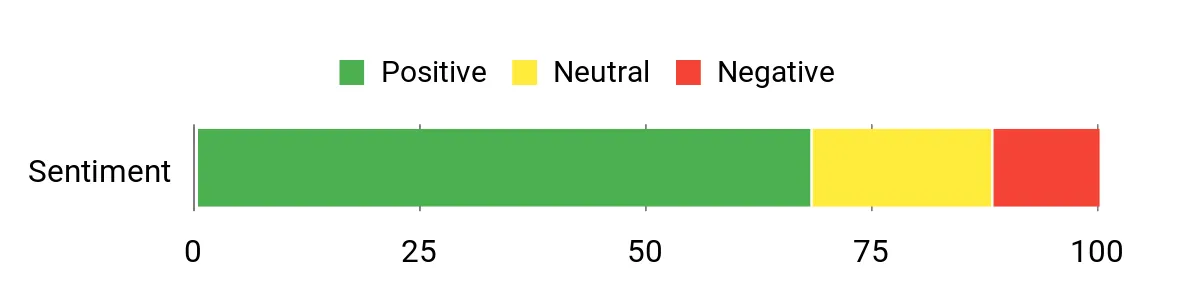
The straightforward service banks, portable design and Spectrum Sweeper make the WS1010 approachable for basic scanning. Reception still depends heavily on antenna choice, terrain, distance, local interference and whether the target service is actually analog.
Overall theme: Simple conventional scanning with useful weather and signal-search features.
Long-Term Cost
There is no subscription requirement, and the scanner can run on batteries or external power. Factor in the cost of a PC/IF cable or third-party programming software if computer-based programming is important to you.
Return on Investment
The WS1010 makes the most sense when your listening targets are still analog and you value simple service searches, weather functions and portability more than advanced digital compatibility.
Situational Benefits
|
Situation |
How It Helps |
|---|---|
|
Basic Local Analog Monitoring |
Service banks help search common police/fire, aircraft, marine, amateur-radio and weather frequency ranges. |
|
Weather Monitoring |
S.A.M.E./All Hazards and Skywarn functions add dedicated weather-monitoring capabilities. |
|
Finding Nearby Activity |
Spectrum Sweeper searches the scanner’s supported ranges for active nearby transmissions. |
Ease of Use
|
Feature |
Ease Level |
|---|---|
|
Service Searches |
Easy |
|
Programming Channels |
Moderate |
|
Daily Scanning |
Easy |
|
PC Programming |
Moderate; accessory/software requirements apply |
Versatility
The WS1010 is flexible within the world of conventional analog scanning, with portable power options, service searches, weather features and signal sweeping. It is not suitable for P25 or other digital trunked listening.
Safety and Practical Use
S.A.M.E. weather alerts and Skywarn access can supplement official weather information. Keep appropriate emergency-alert services enabled as your primary warning source.
Problem Solving Ability
Spectrum Sweeper helps discover nearby active frequencies, while service-bank searches give beginners a practical starting point before they build a customized channel list.
Speed and Response
Spectrum Sweeper is designed to search quickly for nearby active transmissions, while regular scanning cycles through programmed conventional channels.
Who Should Buy This?
Choose it if you want an affordable handheld for conventional analog services, weather monitoring and casual hobby listening.
Who Should Avoid This?
Skip it if your intended police or fire agencies operate on digital or trunked systems.
Key Benefits
- 400-channel memory across 10 banks
- Spectrum Sweeper for nearby activity
- S.A.M.E./All Hazards weather alerting
- Skywarn functionality
- Battery, AC and compatible DC power options
Check Product Details on Amazon
Uniden BC365CRS
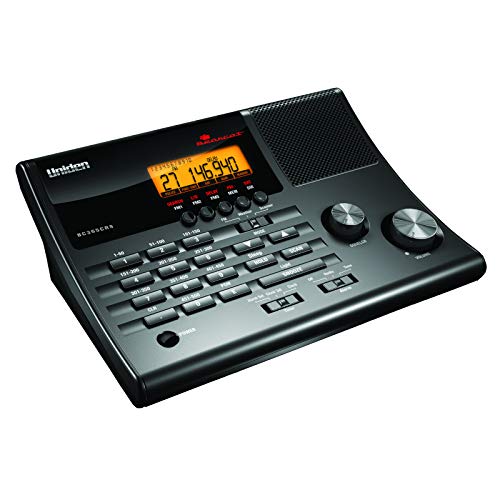
Best for: Home or office listeners who want a desktop analog scanner combined with FM radio, alarm-clock and weather functions.
The BC365CRS stores 500 channels in 10 banks and covers conventional analog services including non-digital public safety, aviation, marine and railroad traffic. Its desktop format adds an FM radio with presets, alarm clock, snooze/sleep functions and weather scan/alert capability.
That combination makes it practical on a desk, shelf or nightstand where portability is less important than having an always-ready conventional scanner.
Important limitation: The BC365CRS is non-digital. It cannot monitor P25, DMR, NXDN or digital trunked systems.
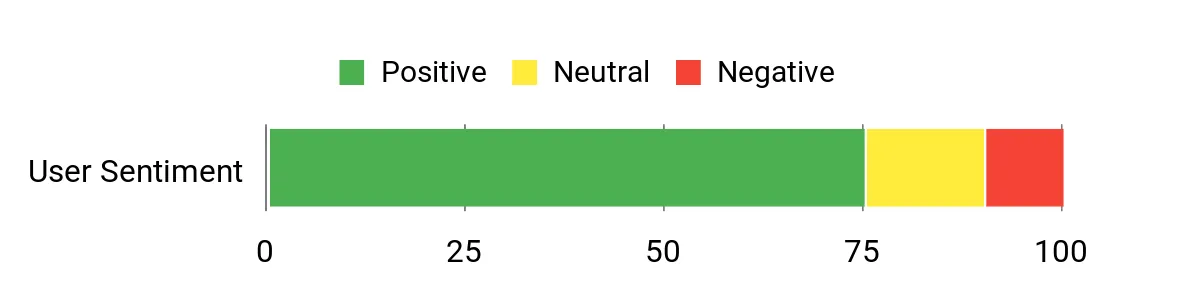
Common Buyer Feedback Themes
The desktop design and combination of scanner, FM radio, alarm and weather functions appeal to people who want one stationary listening device. Manual channel programming can require some patience for first-time scanner users.
Overall theme: Practical desktop functionality for conventional analog listeners.
Long-Term Cost Benefits
The scanner does not require a subscription, and its conventional bank-based operation avoids dependence on a paid radio database. Its usefulness, however, depends on the services you want to hear remaining compatible with analog reception.
Return on Investment
It offers the most value when you want regular home monitoring of conventional analog channels plus everyday FM radio, alarm-clock and weather functions from the same device.
Situational Benefits
|
Situation |
How It Helps |
|---|---|
|
Home Monitoring |
The desktop format keeps programmed conventional channels accessible from a desk, shelf or nightstand. |
|
Aviation Listening |
Aircraft-band coverage makes it useful for listeners within reception range of aviation communications. |
|
Weather and Everyday Use |
Weather functions, FM radio and alarm-clock features give the unit uses beyond scanner listening. |
Ease of Use
|
Feature |
Ease Level |
|---|---|
|
Initial Programming |
Moderate |
|
Daily Scanning |
Easy |
|
Service Searches |
Easy |
|
FM Radio and Alarm Functions |
Easy |
Versatility
The BC365CRS blends a conventional analog scanner with FM-radio, alarm-clock and weather functions. That combination is useful at home, but it is not intended as a digital or trunking solution.
Safety and Practical Use
Weather scan and alert functions can supplement official weather-warning sources. Because reception depends on signal conditions, do not rely on scanner reception as your only emergency-information method.
Problem Solving Ability
Service searches and organized channel banks make it easier to keep common analog services accessible without moving to the more complex database structure used by advanced digital scanners.
Speed and Response
Priority and scanning functions help cycle through programmed channels and give more attention to frequencies you consider important.
Who Should Buy This?
Choose it if you mainly listen from home and your target services use conventional analog radio.
Who Should Avoid This?
Skip it if you need handheld portability, P25 reception or digital trunking support.
Key Benefits
- 500 channels in 10 banks
- Desktop-focused conventional analog scanning
- Built-in FM radio with presets
- Alarm clock with snooze and sleep functions
- Weather scan and alert capability
Check Product Details on Amazon
Uniden BC355N
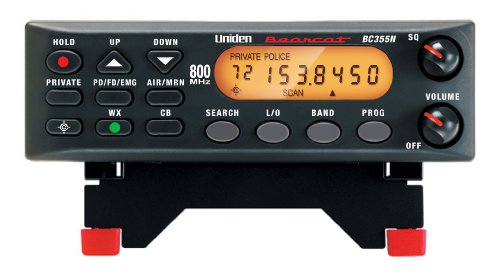
Best for: Buyers who want a compact conventional analog scanner for a desk or compatible vehicle installation.
The BC355N offers 300 programmable channels, preprogrammed service searches, a backlit display and Close Call RF Capture. Its compact base/mobile design gives it a different use case from handheld scanners: it is intended to stay positioned in a home or appropriately powered vehicle setup.
Preprogrammed service searches help new users explore common analog services, while Close Call can identify strong nearby transmissions.
Important limitation: The BC355N is non-digital and cannot monitor P25, DMR, NXDN or other digital systems. It should also not be treated as a battery-powered handheld; confirm the appropriate power arrangement and accessories for your intended installation.
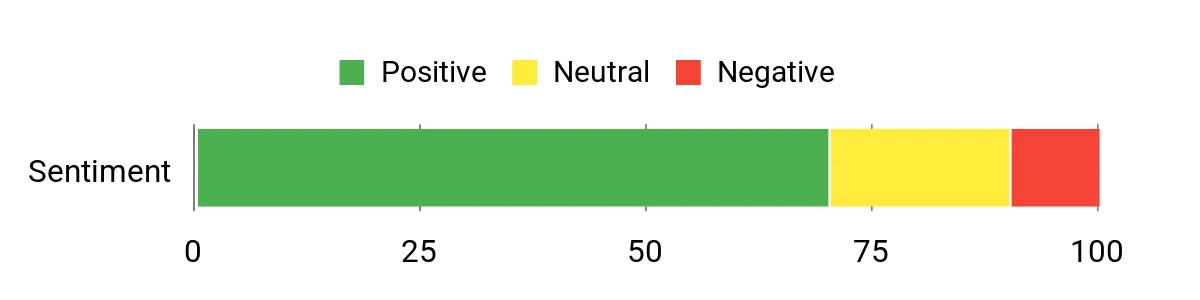
Common Buyer Feedback Themes
The compact design, straightforward conventional scanning and Close Call feature make this model appealing for simple home or vehicle use. As with other analog-only scanners, buyer satisfaction depends heavily on whether useful local services remain analog.
Overall theme: Simple base/mobile analog scanning without the complexity of a digital trunking receiver.
Long-Term Cost
There is no subscription requirement, and the scanner’s conventional design keeps routine operation simple. Vehicle users should account for any compatible mounting, antenna or power accessories they need.
Return on Investment
The BC355N provides the strongest value when you want a dedicated base/mobile analog scanner and have already confirmed that the services you intend to hear use supported conventional frequencies.
Situational Benefits
|
Situation |
How It Helps |
|---|---|
|
Home Desk Setup |
The compact base format works well when you want a dedicated scanner that can remain in one location. |
|
Compatible Vehicle Installation |
The base/mobile design can suit vehicle use when installed and powered with the appropriate accessories. |
|
Finding Nearby Signals |
Close Call RF Capture and service searches can help locate active nearby conventional transmissions. |
Ease of Use
|
Feature |
Ease Level |
|---|---|
|
Service Searches |
Easy |
|
Programming Channels |
Moderate |
|
Close Call |
Easy |
|
Daily Scanning |
Easy |
Versatility
The BC355N is suitable for conventional analog aviation, marine, railroad, weather and non-digital public-safety listening in a base or mobile setup. It is not designed for P25 or digital trunked systems.
Safety and Practical Use
If you install a scanner in a vehicle, position and operate it so it does not interfere with safe driving. Confirm local scanner laws and use compatible power and mounting hardware.
Problem Solving Ability
Service searches and Close Call provide two useful ways to find conventional radio activity when you do not already have a complete programmed frequency list.
Speed and Response
Close Call focuses on nearby strong transmissions, while normal scanning cycles through stored and enabled conventional frequencies.
Who Should Buy This?
Choose it if you want a straightforward analog base/mobile scanner for home or vehicle use and have confirmed that your target channels are compatible.
Who Should Avoid This?
Skip it if you need a battery-powered handheld, P25 decoding or digital trunking.
Key Benefits
- 300 programmable channels
- Close Call RF Capture
- Preprogrammed service searches
- Compact base/mobile design
- Backlit display
Check Product Details on Amazon
FAQ
Will These Scanners Receive My Local Police and Fire?
It depends on the radio system your local agencies use. The BC365CRS, BC125AT, WS1010 and BC355N are conventional analog scanners. They will not decode P25 or other digital trunked systems.
The BCD436HP supports P25 Phase I/II and several trunked formats, but compatibility still depends on the exact local system. Check a current frequency and radio-system database for your city or county before ordering.
Can a Digital Police Scanner Receive Encrypted Channels?
No. Digital compatibility and encryption are different issues. A scanner may support the digital format used by a system but still be unable to decode encrypted talkgroups or channels.
If the specific police, fire or public-safety communications you want are encrypted, buying a more advanced scanner will not make those encrypted transmissions listenable.
What Is the Difference Between Analog and Digital Police Scanners?
An analog scanner receives supported conventional analog transmissions. A digital scanner can add support for digital formats such as P25, while a trunking-capable scanner can follow conversations across compatible trunked radio systems.
The correct choice depends on what your local agencies actually use—not simply whether one scanner has more stored channels than another.
Do I Need P25 Phase II Support?
You need P25 Phase II capability only if a system you want to monitor uses that format. The BCD436HP supports P25 Phase I and Phase II. The other four scanners in this roundup are analog-only.
What About DMR and NXDN?
Do not assume that every digital scanner includes every digital format. If your target system uses DMR or NXDN, verify the scanner’s exact capabilities and whether an optional upgrade is required before purchasing.
How Difficult Is Setup and Programming?
The simplest conventional scanners generally require you to enter frequencies and organize channels or banks manually. The BCD436HP can use its radio database and location information to make the first setup easier, although advanced configuration still requires learning scanner terminology.
The BC125AT offers PC programming support, while the WS1010 can also be PC programmed with compatible hardware and third-party software. Always check software and operating-system requirements before assuming a scanner can be managed from your computer.
How Can I Improve Scanner Reception?
First confirm that the scanner supports the transmission you are trying to receive. If compatibility is correct, experiment with antenna position, height and placement away from electrical interference.
An appropriate external antenna can improve reception in some installations, but performance depends on the frequency, antenna, terrain, building construction, distance from the transmitter and local RF environment.
Is More Channel Memory Always Better?
No. Channel count matters on conventional bank-based scanners, but it should not outweigh compatibility and usability. The BCD436HP uses a database/dynamic-memory approach that is not directly comparable to a simple 300-, 400- or 500-channel conventional scanner.
Which Scanner Is Best for Aviation?
The BC125AT is particularly well suited to portable aviation listening because it covers civilian and military air bands, provides 500 alpha-tagged channels and includes Close Call RF Capture. The BC365CRS can also cover aircraft communications when a desktop design better suits your listening location.
Customer Preferences
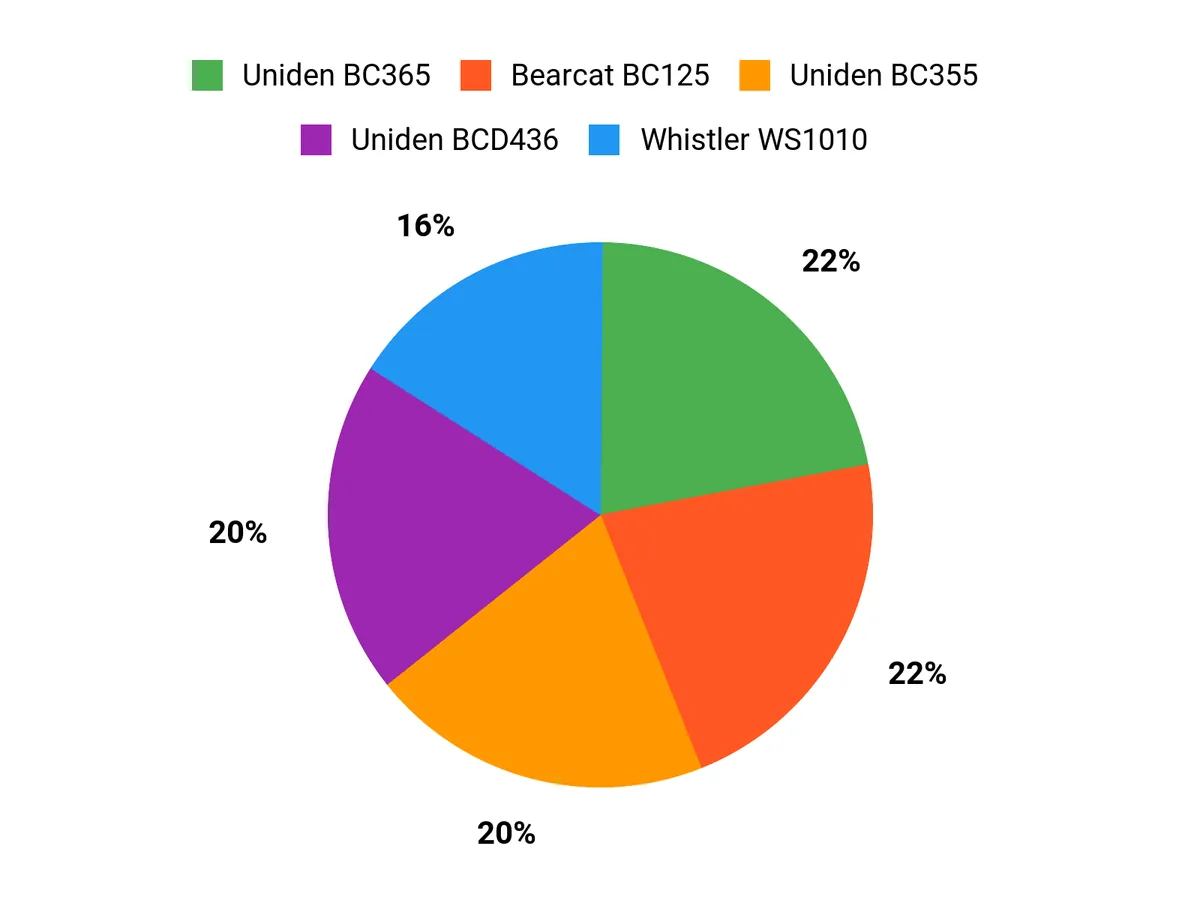
Your first priority should be system compatibility. Choose the BCD436HP when you need compatible P25 digital or trunking reception. Consider the BC125AT for portable aviation and rail listening, the WS1010 for straightforward handheld analog scanning, the BC365CRS for a desktop scanner with FM/alarm functions, or the BC355N for a compact base/mobile analog setup.
After compatibility, compare portability, programming method, power requirements, antenna options, weather functions and how much time you are willing to spend configuring the scanner.
Wrapping Up
The right scanner is the one that matches both your listening habits and your local radio system. If you need P25 Phase I/II and trunking support, the Uniden BCD436HP is the relevant digital option in this group. If your interests center on conventional aviation or rail traffic, the portable Uniden BC125AT is easier to justify without paying for digital features you do not need.
The Whistler WS1010 offers a straightforward analog handheld with useful weather and signal-search features. The Uniden BC365CRS is designed around desktop listening with added FM-radio and alarm-clock functions, while the BC355N provides a compact base/mobile approach for conventional analog monitoring.
Before buying any of them, verify the exact frequencies and system type used by the agencies or services you want to hear. If those communications are encrypted, none of these scanners will decode the encrypted audio.
Detailed Comparison
| Product Name | Image | Signal Support | Memory / Programming | Best For | Main Limitation | Amazon |
|---|---|---|---|---|---|---|
| Uniden BCD436HP HomePatrol Series Digital Handheld Scanner |
 |
Analog, P25 Phase I/II and supported trunking | Dynamic/database-based memory, Favorites Lists and Sentinel software | Digital public-safety systems, trunking and travel | More complex; encryption cannot be decoded and some additional digital modes may require upgrades | Check Details |
| Uniden Bearcat BC125AT Handheld Scanner |
 |
Conventional analog | 500 alpha-tagged channels in 10 banks; PC programming support | Aviation, rail and portable hobby listening | No digital or trunking support | Check Details |
| Whistler WS1010 Analog Handheld Scanner |
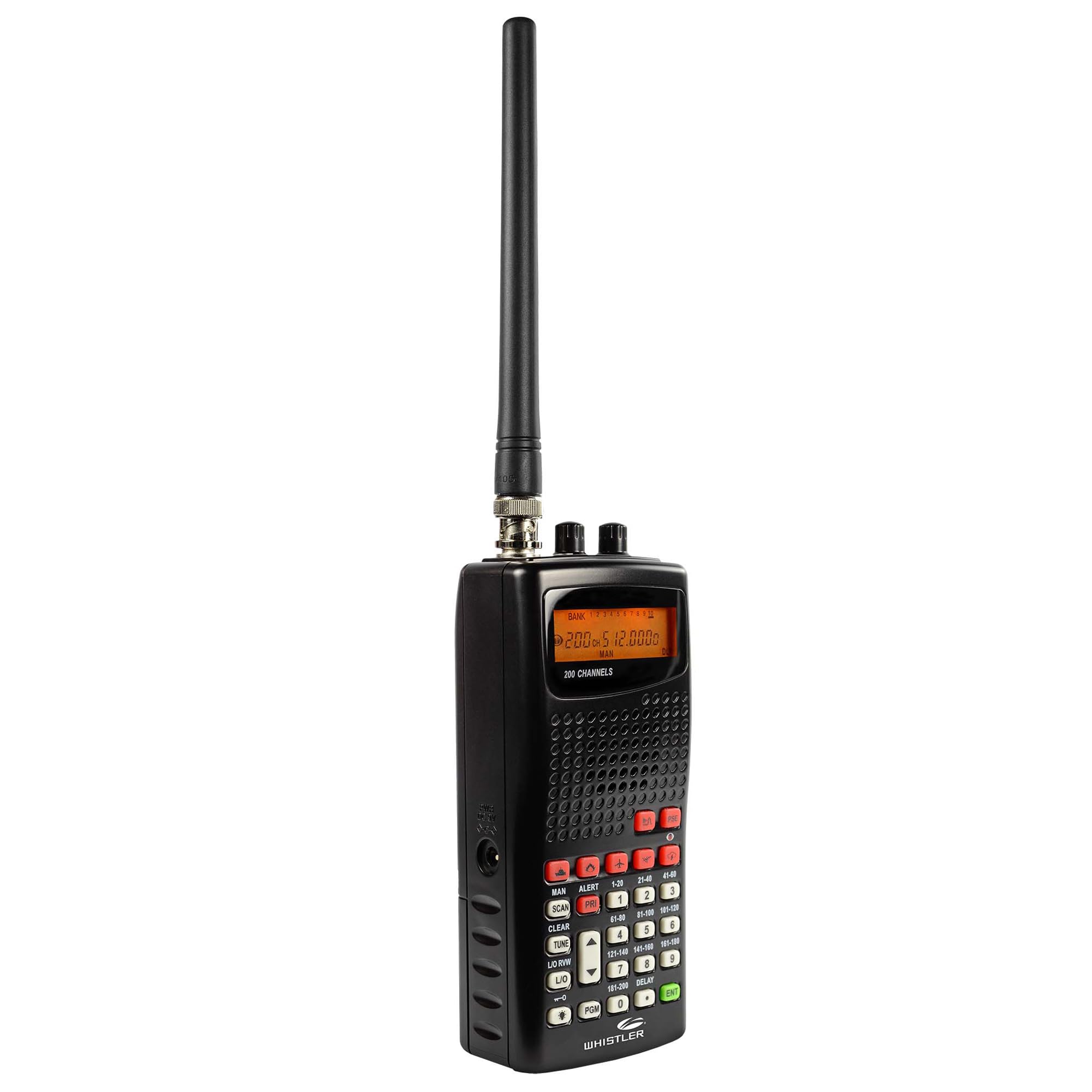 |
Conventional analog | 400 channels in 10 banks; optional PC programming setup | Budget analog scanning, weather and nearby-signal searching | No digital or trunking support | Check Details |
| Uniden BC365CRS 500 Channel Scanner and Alarm Clock |
 |
Conventional analog | 500 channels in 10 banks | Desktop listening, aviation, weather and clock-radio use | No digital or trunking support; desktop-oriented design | Check Details |
| Uniden BC355N 300-Channel Base/Mobile Scanner |
 |
Conventional analog | 300 programmable channels plus service searches | Home or compatible vehicle installations | No digital/trunking support and not a battery-powered handheld | Check Details |
This Roundup is reader-supported. When you click through qualifying links, we may earn a referral commission on qualifying purchases.