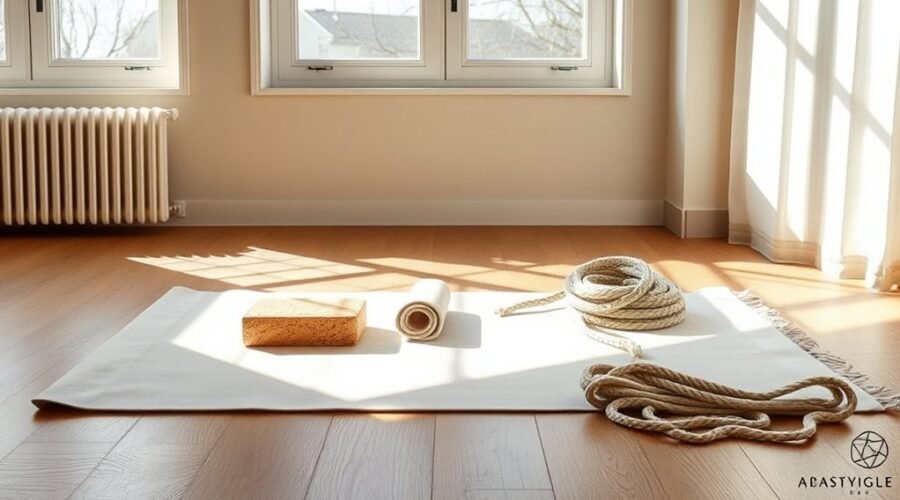
In 2026, four strong yoga props for home practice stand out for comfort, stability, and versatility. The Amazon Basics Extra Thick Exercise Yoga Mat offers thick cushioning and reliable traction. The Gaiam Yoga Block adds firm, non-slip support for balance and alignment. The Reehut Yoga Wheel helps with backbends and mobility work. A Chair for Yoga supports adaptable Iyengar practice. Together, they cover key needs and reveal even more value ahead.
Amazon Basics Extra Thick Exercise Yoga Mat
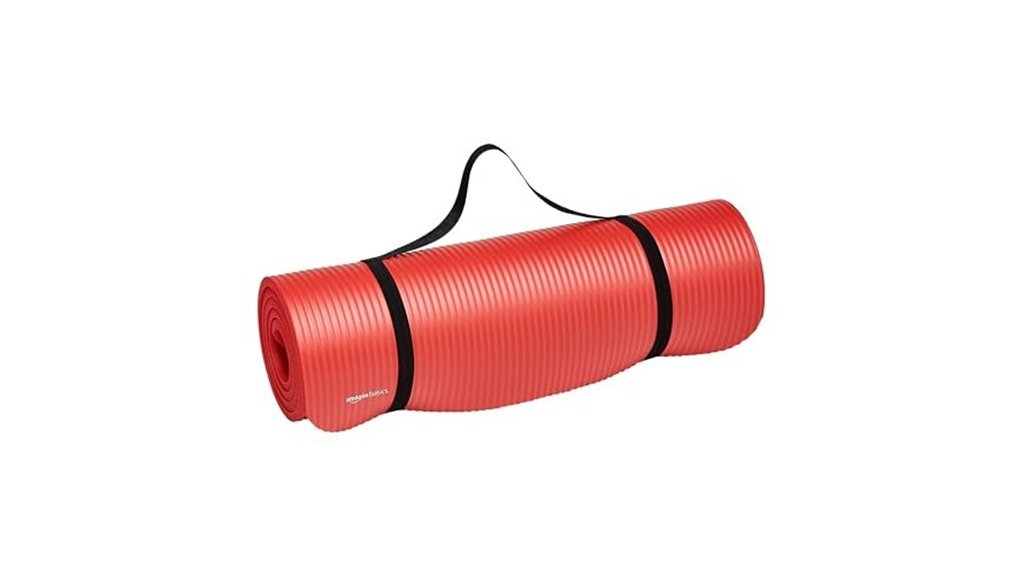
The Amazon Basics Extra Thick Exercise Yoga Gym Floor Mat is a strong option for home practitioners who want extra cushioning without sacrificing stability. Its 1/2-inch foam construction offers padded support and shock absorption, while the textured surface improves traction during poses and floor work. Measuring 74 x 24 inches, it provides ample space for movement. The durable material is designed for stretchability and resilience, and the included elastic strap supports compact storage and easy carrying. It also wipes clean easily, making routine maintenance straightforward for regular home use.
Best For: Home fitness users, yoga beginners, and anyone wanting extra cushioning and portability for floor exercises.
Pros:
- 1/2-inch thickness provides comfortable padded support and shock absorption
- Textured surface helps improve traction during poses and workouts
- Includes an elastic strap for easy rolling, storage, and carrying
Cons:
- Extra thickness may feel less stable for users who prefer a firmer mat
- Standard 74 x 24-inch size may be limiting for taller users or larger movements
- Foam construction may wear faster with heavy daily use than higher-end materials
Gaiam Yoga Block with Non-Slip Surface (Teal)
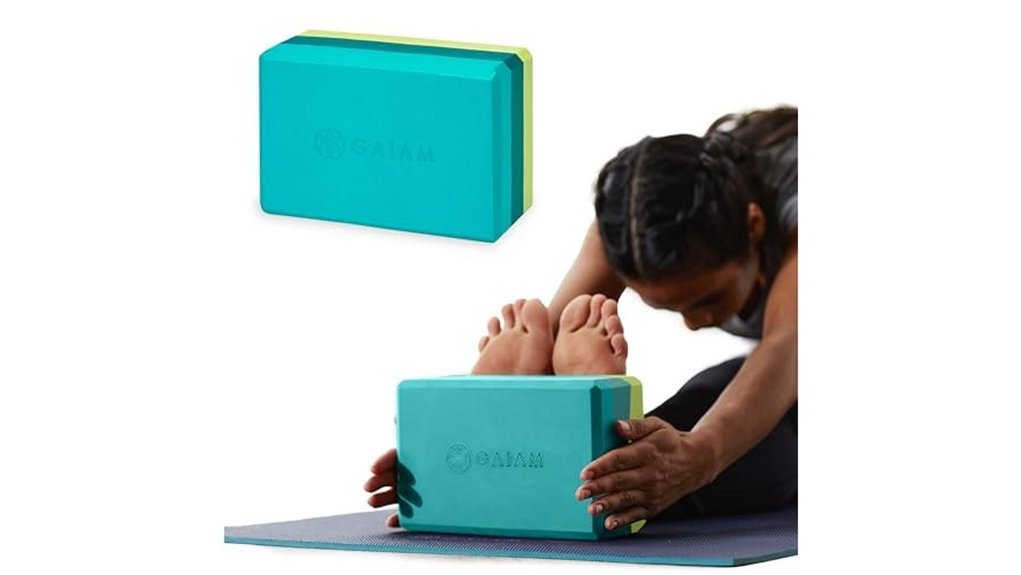
With its non-slip EVA foam and beveled edges, the Gaiam Yoga Block suits home practitioners seeking steadier alignment. The lightweight, latex-free block measures 9 x 6 x 4 inches and weighs just 4.6 ounces, making it easy to reposition during practice. Its tri-color teal tonal finish adds a clean look while supporting hands, feet, or seat in a range of poses. It helps improve balance, deepen stretches, and modify postures for different flexibility levels. Durable yet portable, it is spot-cleaned with mild detergent and towel or air dried.
Best For: Home yoga practitioners and beginners who want a lightweight, stable block for better alignment, balance, and pose modifications.
Pros:
- Non-slip EVA foam and beveled edges provide a secure grip during practice.
- Lightweight and portable, making it easy to move between poses.
- Helps support hands, feet, or seat for improved alignment and deeper stretches.
Cons:
- Only available in one size, which may not suit everyone’s preferences.
- Foam construction may be less firm than cork or wood blocks for some users.
- Requires spot cleaning rather than being fully washable.
Reehut Yoga Wheel Back Roller and Stretcher
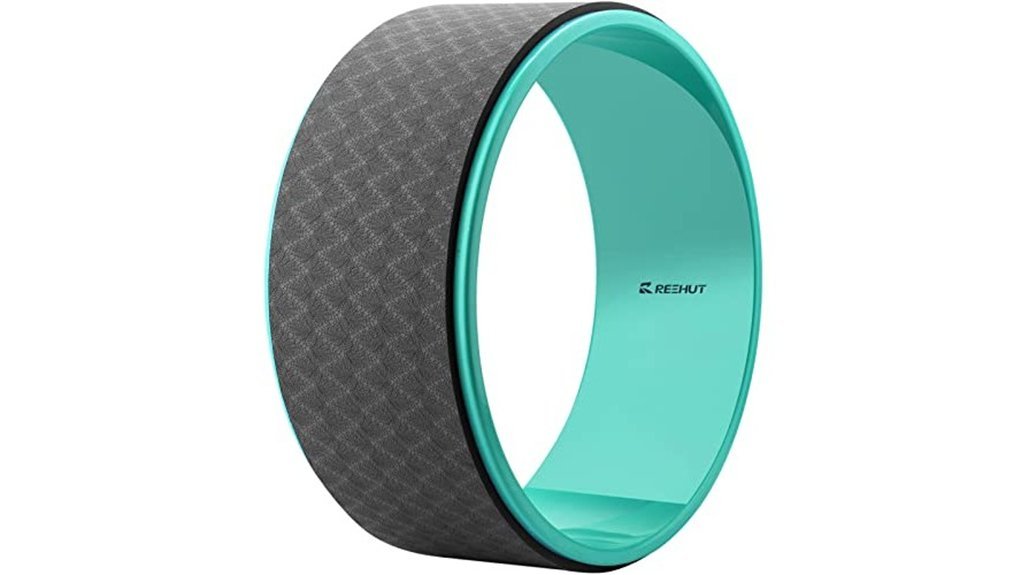
Reehut Yoga Wheel supports deeper backbends for practitioners seeking safer home stretching. The REEHUT wheel is a black, 12.6-inch-diameter, 5-inch-wide prop designed for backbends, stretching, and pose refinement. Its strong premium construction aims to deliver durability, while the thick cushion adds comfort during use. It suits Dharma yoga practice and fits naturally into a home routine focused on mobility and opening the chest and spine. Classified as sports equipment and accessories, it functions as a practical roller and stretcher for controlled flexibility work.
Best For: Yoga practitioners and home stretchers who want a durable wheel for backbends, chest opening, and safer flexibility work.
Pros:
- Strong premium construction supports regular use and added durability.
- Thick cushion provides more comfort during stretching and pose work.
- Well-suited for backbends, stretching, and Dharma yoga practice.
Cons:
- Best suited for users already comfortable with yoga props and balance.
- The 12.6-inch size may not feel ideal for every body type or flexibility level.
- Primarily focused on backbends and stretching, so it has a limited use range.
A Chair for Yoga: A complete guide to Iyengar Yoga practice with a chair
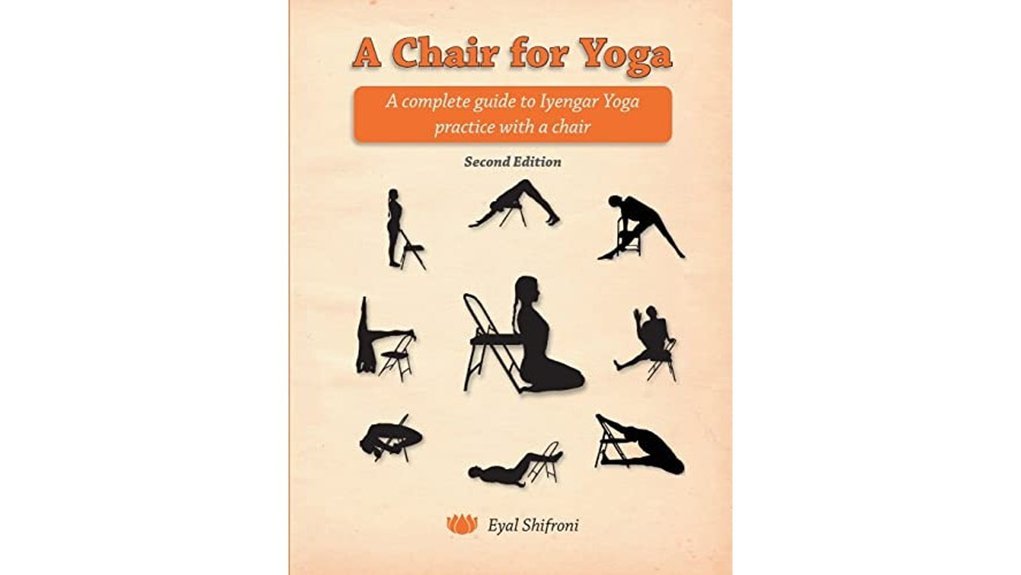
A chair-based Iyengar guide suits practitioners seeking accessible home yoga support and precise alignment. *A Chair for Yoga* offers a complete introduction to chair-assisted practice, published in 2014 as a 176-page paperback from CreateSpace. The second edition focuses on practitioners of Iyengar Yoga who want adaptable methods using a chair for stability, extension, and refinement. As a CreateSpace Independent Publishing Platform book, it presents a practical format for home study. Its clear subject matter makes it relevant for users exploring prop-based alignment work. For structured chair yoga instruction, it remains a focused reference.
Best For: Practitioners of Iyengar Yoga who want a clear, accessible chair-based guide for home practice, alignment, and supported poses.
Pros:
- Focused specifically on chair-assisted Iyengar Yoga practice
- Practical paperback format that’s easy to use for home study
- Helpful for improving stability, extension, and alignment with props
Cons:
- Best suited to readers already interested in Iyengar Yoga
- Limited to chair-based methods, so it may not cover broader yoga styles
- At 176 pages, it may feel concise for those wanting a highly detailed reference
Factors to Consider When Choosing 8 Incredibly Useful Yoga Props for Your Home Practice: Useful Products and Buying Tips
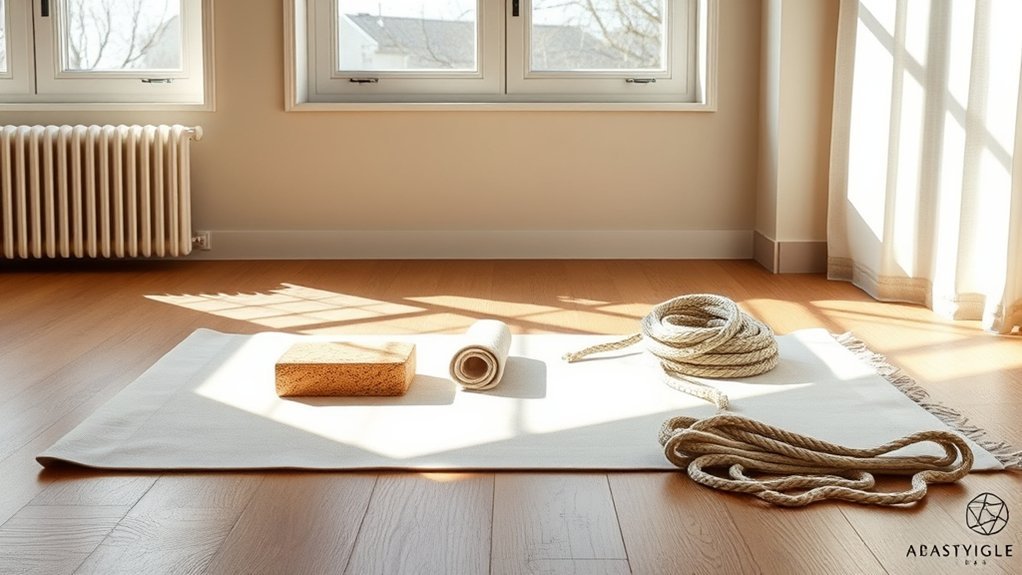
When selecting yoga props for home practice, space and storage often shape which items are practical to keep nearby. Material and durability matter as well, along with grip and stability, since these features affect safety and comfort during each session. Support and cushioning, plus portability and weight, help determine whether a prop suits both regular use and easy movement around the home.
Space and Storage
Space is often the deciding factor in a home yoga setup. The best props fit the room without making it feel crowded, so dimensions and weight matter from the start. Compact, lightweight items are easier to move, tuck away, and use in apartments or shared spaces. Storage-friendly choices help keep the area orderly: mats with carrying straps, blocks that stack neatly, and props that slide into a closet or under a bed reduce visual clutter. Multi-functional pieces are especially valuable because they serve more than one purpose, limiting the number of items needed. Easy-to-clean props also support a tidy practice zone, since maintenance affects how welcoming the space remains. In small homes, efficient storage can make regular practice simpler and more consistent.
Material and Durability
Material choices often determine how well yoga props hold up over time, so durable foam or latex-free EVA is a practical starting point for home practice. These materials tend to resist compression and wear, making them suitable for repeated sessions. Lightweight construction also matters, since easier handling supports quick setup and storage in compact homes. Maintenance should be simple; props that wipe clean or allow spot-cleaning reduce upkeep and help preserve a fresh surface. Comfort improves when designs include thick cushioning or beveled edges, which can soften pressure during seated or supported poses. Overall, durable construction, low maintenance, and manageable weight combine to make home yoga props more dependable, practical, and pleasant to use over the long term.
Grip and Stability
Grip and stability are essential when choosing yoga props for a home practice, because a textured mat surface can improve traction and reduce slipping, while the right mat thickness adds shock absorption and a steadier base for balance. A mat with reliable grip helps maintain control in standing poses, changes, and holds. Yoga blocks with non-slip surfaces further improve alignment and steadiness, letting practitioners adapt poses to their flexibility without losing confidence. A yoga wheel with a secure surface can also support stable backbends and stretches, helping the body stay aligned through deeper ranges of motion. When props resist shifting, practice becomes more precise and controlled. This steadiness is especially valuable in a home setting, where consistency and safety depend heavily on dependable contact with the floor and equipment.
Support and Cushioning
Support and cushioning play a major role in making a home yoga practice safer and more comfortable, especially for beginners and anyone with sensitive joints. A well-padded mat, such as one with about 1/2 inch of thickness, helps absorb impact and reduces pressure during seated or kneeling poses. Blocks add firm support that can steady alignment and make challenging postures more accessible. Cushioned accessories, including yoga wheels, can assist backbends and stretches while encouraging greater range of motion. Texture also matters: surfaces with reliable traction help maintain balance and control throughout practice. Together, these features allow practitioners to hold poses more comfortably, modify movements with confidence, and reduce unnecessary strain while building flexibility and body awareness over time.
Portability and Weight
Beyond cushioning and stability, the ease of moving and storing yoga props can strongly shape how practical they are for a home routine. Weight is a major factor, because lighter props are simpler to carry, pack, and put away after practice. Compact dimensions also matter; smaller items fit more easily into bags and occupy less storage space in a room. Built-in portability features, such as carrying straps or foldable designs, can further reduce hassle when moving equipment between locations. Material choice contributes as well, with lightweight foam often offering a useful balance of durability and portability. For those who practice in multiple spaces, selecting easy-to-carry props helps keep setup efficient and consistent without adding unnecessary bulk or strain.
Versatility for Poses
Versatility is one of the most valuable qualities in yoga props, since the right tools can support stability, improve alignment, and make a wider range of poses more accessible. A prop that adapts to many postures offers greater value in a home practice, especially when flexibility or strength varies from day to day. Blocks, wheels, and similar supports can modify standing, seated, and backbending poses, helping practitioners enter shapes with better control. They also make challenging postures more approachable while encouraging gradual progress into deeper stretches. This adaptability reduces strain and lowers injury risk. Versatile props can also inspire experimentation, giving room for new variations, shifts, and techniques without sacrificing safety or alignment.
Care and Maintenance
Once a home practice is built around props that adapt well to different poses, their upkeep becomes just as important as their usefulness. A yoga mat should be wiped regularly with a mild detergent solution to remove sweat and dirt, supporting hygiene between sessions. Props should be stored in a cool, dry place so moisture does not shorten their lifespan. Foam items such as blocks and wheels benefit from spot cleaning with a damp cloth rather than soaking, which helps preserve their shape and durability. After cleaning, each prop should air dry fully to prevent mold and odors. Equipment should also be inspected periodically for wear or damage, and any item showing significant deterioration should be replaced promptly to maintain safety during practice and avoid unnecessary interruptions.
Frequently Asked Questions
How Do I Clean and Maintain Yoga Props Safely?
Yoga props are cleaned safely by checking manufacturer instructions, using mild soap, water, and a soft cloth, then air-drying fully. They should be stored dry, away from heat, moisture, and direct sunlight.
Which Yoga Props Help Beginners Improve Balance Fastest?
The theory holds that yoga blocks and a wall improve beginners’ balance fastest. Blocks shorten reach and stabilize poses; a wall provides immediate feedback. A strap and folded blanket can further support alignment and confidence.
Can Yoga Props Support Prenatal or Postnatal Practice?
Yes, yoga props can support prenatal and postnatal practice by improving stability, comfort, and alignment. Blocks, bolsters, straps, and blankets help accommodate changing bodies, reduce strain, and make restorative poses safer and more accessible.
How Often Should I Replace Worn-Out Yoga Props?
Yoga props should be replaced immediately when they show dangerous wear; otherwise, even minor fraying can become a catastrophe. Generally, mats every 1–3 years, blocks and straps when cracked, flattened, or weakened.
Are Eco-Friendly Yoga Props Worth the Extra Cost?
Eco-friendly yoga props are often worth the extra cost because they reduce environmental impact, last longer, and usually feel better in use. However, value depends on budget, durability needs, and personal priorities.
Conclusion
In the quiet architecture of a home practice, the right props become silent allies: an extra-thick mat cushions each breath, a block steadies reaching hands, a wheel opens the spine like a sunrise unfolding, and a chair offers steadfast support. Together, they turn effort into ease and intention into flow. Choosing wisely is not mere shopping; it is setting the stage where body, balance, and calm can meet, day after day.