Affiliate disclosure: As an Amazon Associate I earn from qualifying purchases. This article contains affiliate links to Amazon, so we may earn a commission if you buy through them, at no extra cost to you.
The five best tablets for 2026 include the Apple iPad Pro 11-inch M4, iPad Air 13-inch M2, iPad mini 6, reMarkable 2 with Marker Plus, and Microsoft Surface Go 3. The iPad Pro leads for premium performance, while the iPad Air balances power and portability. The iPad mini suits compact everyday use, the reMarkable 2 excels at focused note-taking, and the Surface Go 3 offers Windows flexibility. More details below explain which one fits each need best.
Apple iPad Air 13-inch (M2) Blue
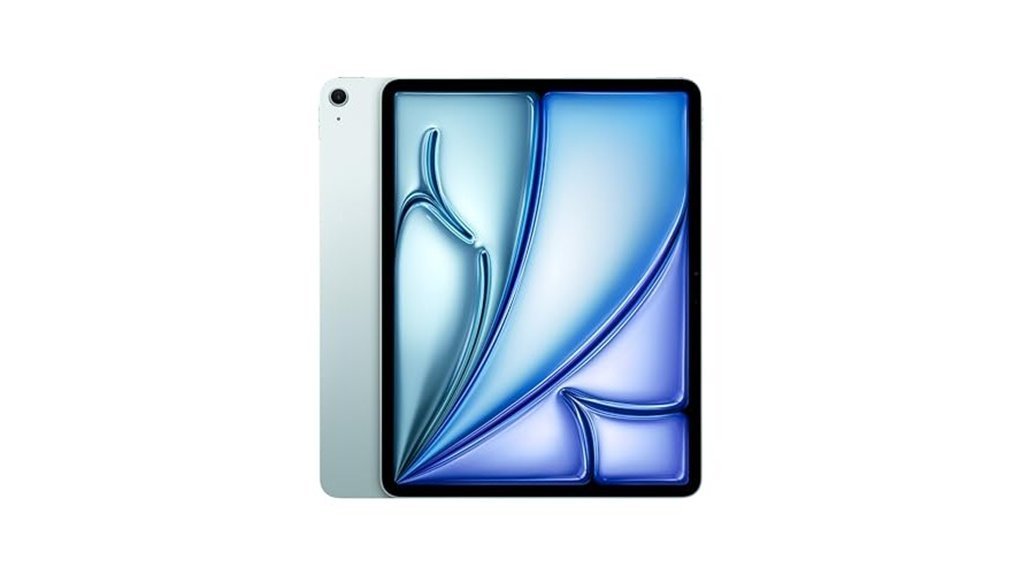
The Apple iPad Air 13-inch (M2) Blue is a strong choice for users who want a large, lightweight tablet with laptop-like performance, making it especially appealing for students, creatives, and professionals who need a versatile device for work, media, and multitasking. Its 13-inch Liquid Retina display offers P3 wide color, True Tone, and low reflectivity, while Touch ID adds secure access. The M2 chip supports demanding apps and smooth gaming, and iPadOS enables Stage Manager, Apple Pencil, and editing tools. Wi-Fi 6E, USB-C, and all-day battery life further strengthen its usefulness.
Best For: Students, creatives, and professionals who want a large, lightweight tablet with strong multitasking, media, and productivity capabilities.
Pros:
- Large 13-inch Liquid Retina display with P3 wide color, True Tone, and low reflectivity
- M2 chip delivers smooth performance for demanding apps, gaming, and multitasking
- Wi-Fi 6E, USB-C, and all-day battery life make it highly versatile for work and travel
Cons:
- Larger size may be less comfortable for one-handed use or frequent portability
- Accessories like Apple Pencil and keyboard are typically sold separately
- More powerful than some users need, which can make it a pricier option for casual use
Apple iPad mini 6th Generation (64GB, Space Gray)
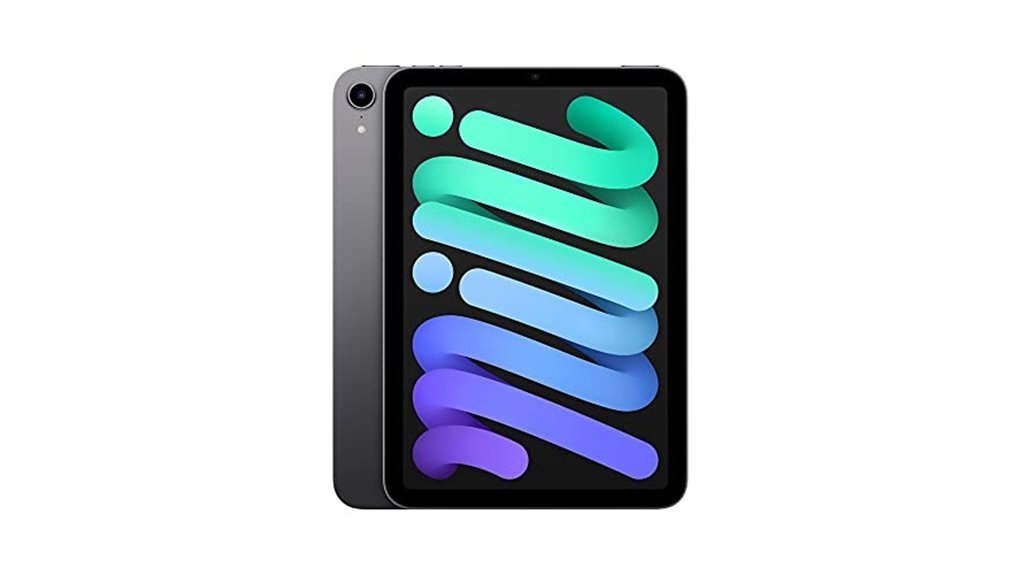
With an 8.3-inch Liquid Retina display and A15 Bionic power, it suits users who want portability without sacrificing performance. The Apple iPad mini 6th Generation in Space Gray offers 64GB of storage, ultrafast Wi-Fi 6, and all-day battery life for work, school, or travel. Its screen adds True Tone, P3 wide color, and low reflectivity for sharp viewing. A 12MP Ultra Wide front camera with Center Stage improves video calls, while the 12MP rear camera records 4K video. iPadOS, Apple Pencil support, and Touch ID round out a compact, capable tablet.
Best For: Users who want a highly portable tablet with strong performance for everyday work, school, travel, and media use.
Pros:
- Compact 8.3-inch Liquid Retina display with True Tone and P3 wide color
- A15 Bionic chip delivers fast, smooth performance
- Supports Apple Pencil and includes Touch ID for convenience and security
Cons:
- 64GB storage may feel limited for heavy app, photo, or video users
- Smart Folio and Apple Pencil are sold separately
- Smaller screen size may not suit users who prefer larger tablets
reMarkable 2 with Marker Plus
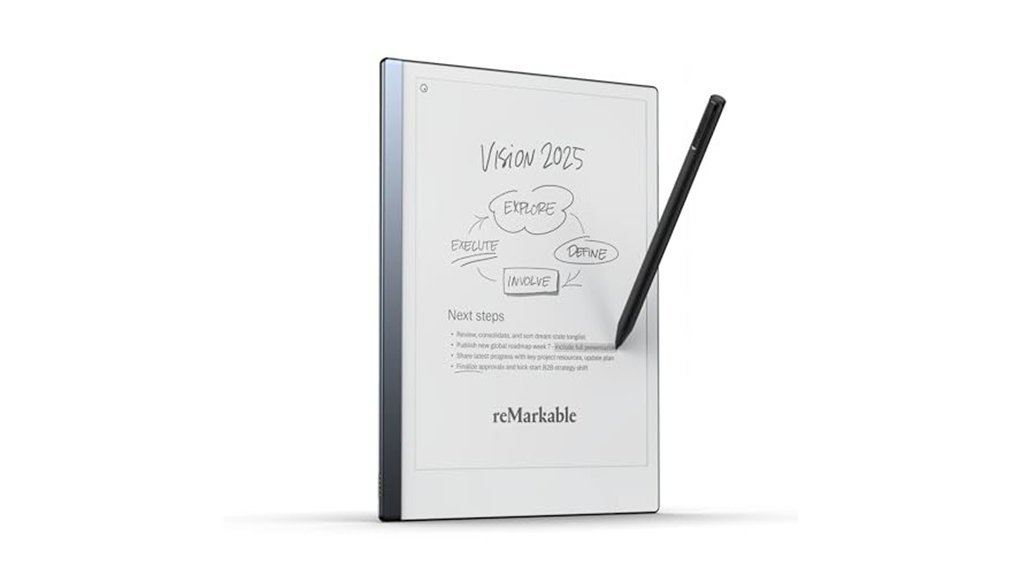
Ideal for focused note-takers, the reMarkable 2 with Marker Plus delivers a paper-like writing experience. The 4.7 mm gray tablet emphasizes distraction-free work by excluding an app store, notifications, pop-ups, and social media. Its 10.3-inch black-and-white display supports note-taking, reading, and document review, while folders, tags, and handwritten-to-text conversion improve organization. The Marker Plus includes a built-in eraser and spare tips. Users can annotate PDFs, transfer Word and PowerPoint files, and share through email or cloud services. Battery life reaches two weeks.
Best For: Focused note-takers, readers, and professionals who want a distraction-free, paper-like digital writing experience with strong document annotation and organization tools.
Pros:
- Paper-like 10.3-inch writing surface with a Marker Plus that includes a built-in eraser
- Distraction-free design with no app store, notifications, pop-ups, or social media
- Useful productivity features like folders, tags, handwritten-to-text conversion, PDF annotation, and cloud sync
Cons:
- Limited functionality compared with full-featured tablets due to the minimalist, focus-first design
- Connect subscription is needed for unlimited cloud storage and syncing features
- B/W display and specialized use case may not suit users who want color media, apps, or entertainment options
Microsoft Surface Go 3 10.5″ Touchscreen Tablet
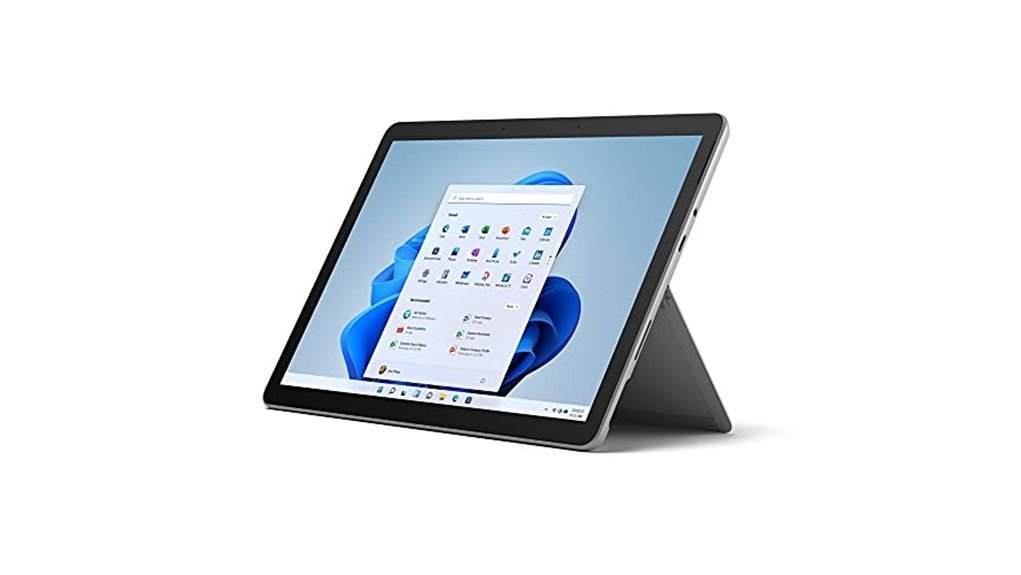
Microsoft Surface Go 3 suits users who want a lightweight Windows tablet for everyday productivity. The 10.5-inch high-resolution touchscreen delivers clear visuals, while the 1.2-pound design and adjustable Kickstand improve portability and flexibility. Powered by an Intel Core i3 processor, 8GB of memory, and 128GB SSD storage, it handles everyday tasks, homework, and entertainment smoothly. Windows 11 and Microsoft 365 support Word, Excel, and PowerPoint. USB-C, Bluetooth 5.0, a headphone jack, and a MicroSDXC reader add convenience. Up to 11 hours of battery life and fast charging strengthen its appeal.
Best For: Students, casual users, and professionals who want a lightweight 2-in-1 Windows tablet for everyday productivity, homework, and entertainment.
Pros:
- Lightweight 1.2-pound design with a 10.5″ high-resolution touchscreen and adjustable Kickstand for portability and flexibility.
- Solid everyday performance with an Intel Core i3 processor, 8GB memory, and 128GB SSD.
- Useful connectivity and long battery life, including USB-C, Bluetooth 5.0, MicroSDXC support, and up to 11 hours with fast charging.
Cons:
- 128GB storage may feel limited for users with large files, apps, or media libraries.
- 10.5″ screen can be small for heavy multitasking or extended work sessions.
- Best suited for everyday tasks rather than demanding creative or gaming workloads.
Apple iPad Pro 11-Inch (M4) 256GB Space Black
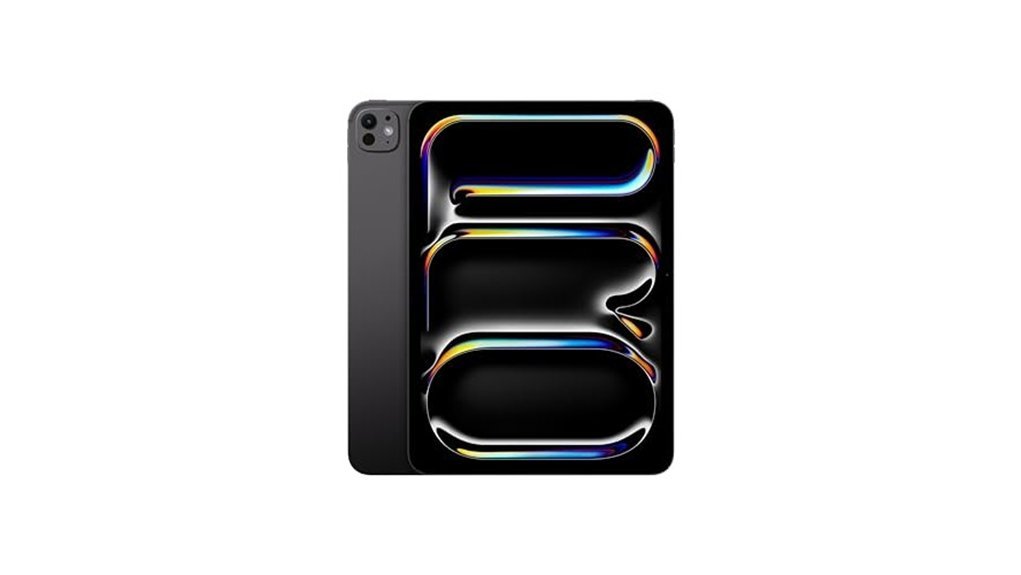
The Apple iPad Pro 11-inch M4 suits users who want laptop-class power in a portable tablet. Its ultra-thin Space Black design feels premium, while the Ultra Retina XDR display delivers extreme brightness, strong contrast, accurate color, ProMotion, P3 wide color, and True Tone. The M4 chip, with up to a 10-core CPU and GPU, handles demanding apps smoothly. iPadOS supports multitasking, Stage Manager, and Apple Pencil Scribble. Wi-Fi 6E, Thunderbolt USB-C, Face ID, and strong cameras add versatility, while all-day battery life supports work and media.
Best For: Users who want a powerful, ultra-portable tablet with laptop-class performance, excellent display quality, and strong multitasking features for work, creativity, and media.
Pros:
- Ultra Retina XDR display with excellent brightness, contrast, and color accuracy
- M4 chip delivers fast, smooth performance for demanding apps and multitasking
- Lightweight, premium design with all-day battery life and advanced connectivity
Cons:
- Premium price compared with standard tablets
- 256GB storage may feel limited for users with large media or app libraries
- Accessories like Apple Pencil and keyboard are sold separately
Factors to Consider When Choosing Tablets 2026: Top Picks and Buying Guide
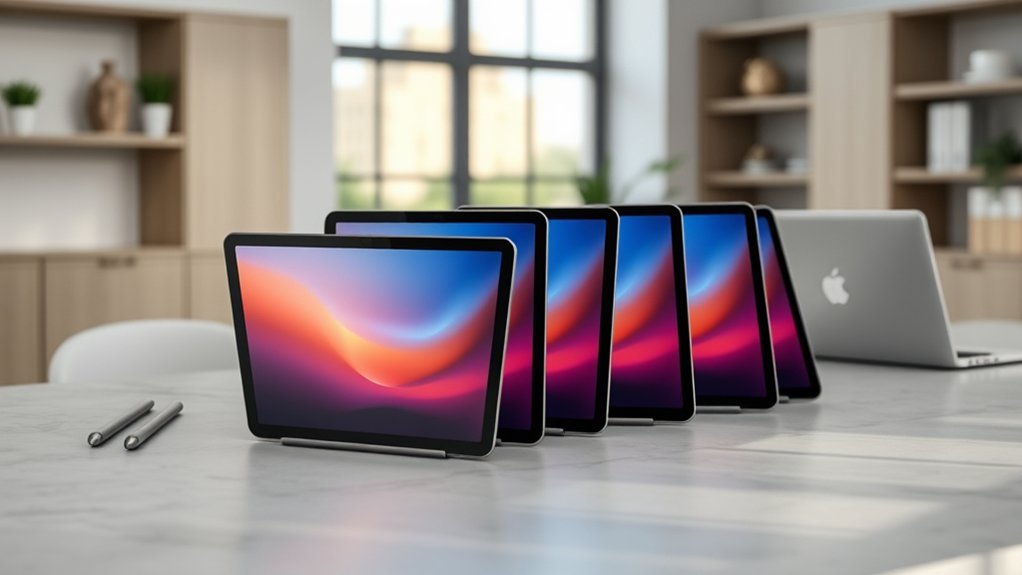
When choosing a tablet in 2026, display quality and performance needs often shape the overall experience first. Battery life, portability, and storage capacity then determine how well the device fits daily use and travel. A balanced choice depends on matching these factors to the intended workload and usage habits.
Display Quality
Display quality shapes how useful a tablet feels day to day, especially for reading, streaming, drawing, and multitasking. Buyers should favor high-resolution panels such as Liquid Retina or Ultra Retina XDR, which deliver sharp detail and accurate color. P3 wide color helps images appear richer, while True Tone adjusts screen warmth to match ambient light for easier viewing. Screen size also matters: larger displays around 13 inches suit split-screen work and media, while 8.3-inch models are easier to carry. Ultralow reflectivity can cut glare outdoors or near windows. A higher refresh rate, including ProMotion, makes scrolling and touch response feel smoother. The best choice balances clarity, comfort, and size for the intended use.
Performance Needs
Performance matters as much as screen quality once a tablet is put to work for browsing, editing, drawing, or multitasking. Processor type and generation should be examined first, since chips such as Apple’s M2 or A15 Bionic deliver strong graphics handling and smooth app switching for demanding workloads. RAM also influences responsiveness; 8GB or more helps intensive creative and professional tasks run without lag. Storage capacity matters as well, especially when large files, media libraries, and offline projects are involved. Support for advanced multitasking features can further improve productivity by allowing split views, floating windows, and efficient app management. Connectivity deserves attention too, with Wi‑Fi 6E and USB-C improving data transfer and accessory compatibility.
Battery Life
Battery life can determine how practical a tablet feels in everyday use, with many models delivering about 10 to 12 hours on a charge for browsing, streaming, and note-taking. For buyers, that range often supports a full day of moderate use, though demanding activities such as gaming or video editing can shorten runtime noticeably. Fast charging is worth prioritizing because it reduces waiting time and restores usable power quickly. Battery management tools, including power-saving modes, can also help extend operation during heavier workloads. Manufacturer ratings should be treated cautiously, since real-world results often differ. User reviews and professional tests provide a better view of actual endurance, making them valuable when comparing tablets and narrowing choices.
Portability Matters
Portability matters because a tablet should be easy to carry, hold, and use wherever the day leads. Lightweight models such as the Microsoft Surface Go 3, at about 1.2 pounds, reduce strain during commutes and travel. A compact display, like its 10.5-inch touchscreen, keeps the device manageable while still supporting everyday work, reading, and streaming. Thin designs also improve convenience; the reMarkable 2 measures just 4.7 mm thick, so it slips easily into bags and backpacks. For mobile use, all-day battery life helps keep the tablet ready through meetings, classes, or errands. Adjustable kickstands further add value by making the device comfortable on desks, trays, and other changing surfaces.
Storage Capacity
Storage capacity is a key factor because it determines how many apps, documents, photos, and videos a tablet can hold, with options often ranging from 64GB to 1TB or more. Users who download large games, high-definition films, or work with media files need more space than casual note-takers or web browsers. A 64GB tablet may suit light use, while 256GB or higher better supports productivity, editing, and offline collections. Expandable storage through microSD cards can provide a practical, lower-cost upgrade when supported. It is also wise to allow room for future app and system updates, which gradually reduce free space. Choosing capacity based on current habits and expected growth helps avoid premature upgrades and keeps the device useful longer.
Operating System
The operating system shapes how a tablet feels to use every day, from app access and device integration to multitasking and long-term support. iPadOS is often favored for its smooth connection with other Apple devices and strong app ecosystem, while Windows tablets appeal to users who want a more familiar desktop-style environment and compatibility with traditional software. Android tablets add another option, offering greater flexibility and customization, though app availability can be less consistent. OS choice also affects productivity features such as split-screen use and resizable windows, which matter for handling several tasks at once. Software updates and ongoing support should not be overlooked, since they influence security, feature access, and how well a tablet remains useful over time.
Stylus Support
Stylus support can be a major advantage for tablets used for note-taking, drawing, and document markup, especially when pressure sensitivity and tilt recognition are included. These features help create a more natural writing and sketching experience, closely resembling pen on paper. Many tablets also offer compatibility with specific stylus models, which can improve precision for artists, students, and professionals. Dedicated creative apps often complement this input method, expanding usefulness for illustration, handwriting, and annotation. Palm rejection further reduces unwanted marks by ignoring accidental touches, making extended sessions more comfortable. Strong stylus support also improves multitasking, since users can annotate documents, sketch ideas, or edit photos while working in other applications, making the tablet a more capable productivity tool overall.
Connectivity Options
Connectivity options play a major role in how useful a tablet feels day to day, especially when fast wireless performance and flexible ports are needed. Tablets with Wi‑Fi 6E can deliver quicker speeds and steadier connections in busy homes, offices, or public spaces. USB-C remains essential because it supports charging, data transfer, and external displays through a single port. Bluetooth 5.0 or newer improves pairing with keyboards, mice, and headphones, reducing lag and dropouts. For users who travel often, 4G or 5G cellular support adds reliable mobile data away from Wi‑Fi. Extra features such as HDMI output and MicroSD slots can further expand a tablet’s usefulness by simplifying screen sharing and increasing storage capacity.
Frequently Asked Questions
Which Tablet Has the Best Parental Controls for Family Use?
Apple’s iPad generally offers the strongest parental controls for family use, thanks to Screen Time, content restrictions, app limits, and family sharing. Amazon Fire tablets are also popular for simpler, kid-focused controls and lower cost.
Can Tablets Replace a Laptop for Coding and Office Work?
Rarely completely; a tablet can nearly impersonate a laptop for coding and office work, yet keyboard limits, app constraints, and multitasking quirks still loom like giants. For light tasks, it can be surprisingly capable.
What Accessories Improve Tablet Productivity the Most?
The most useful accessories are a keyboard case, stylus, mouse, and adjustable stand; they greatly improve typing, navigation, note taking, and ergonomics. External storage and a USB-C hub further expand workflow efficiency.
How Do Tablet Trade-In Values Compare Across Brands?
Apple tablets typically retain about 40–50% value after two years, while Samsung and Microsoft often fall closer to 25–40%. Trade-in values generally favor Apple, though condition, storage, and demand still heavily affect returns.
Which Tablet Offers the Best Warranty and Repair Support?
Apple’s iPad typically offers the strongest warranty and repair support, thanks to AppleCare+, broad service availability, and consistent parts supply. Samsung follows closely, while smaller Android brands usually provide weaker, slower, less predictable support.
Conclusion
In the quiet market of modern tools, each tablet stood like a traveler with a different lantern. The iPad Air carried the steady flame of balance, the mini slipped into a pocket like a secret, the reMarkable 2 whispered of ink and calm, the Surface Go 3 offered a modest bridge, and the iPad Pro blazed brightest. The wise buyer, like a navigator at dusk, would choose the light that best guides the road ahead.