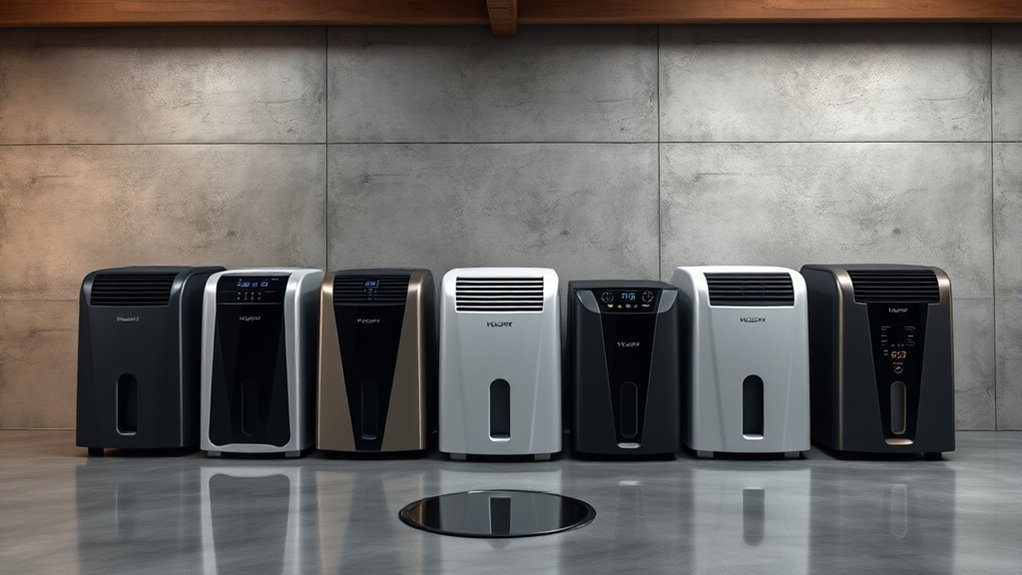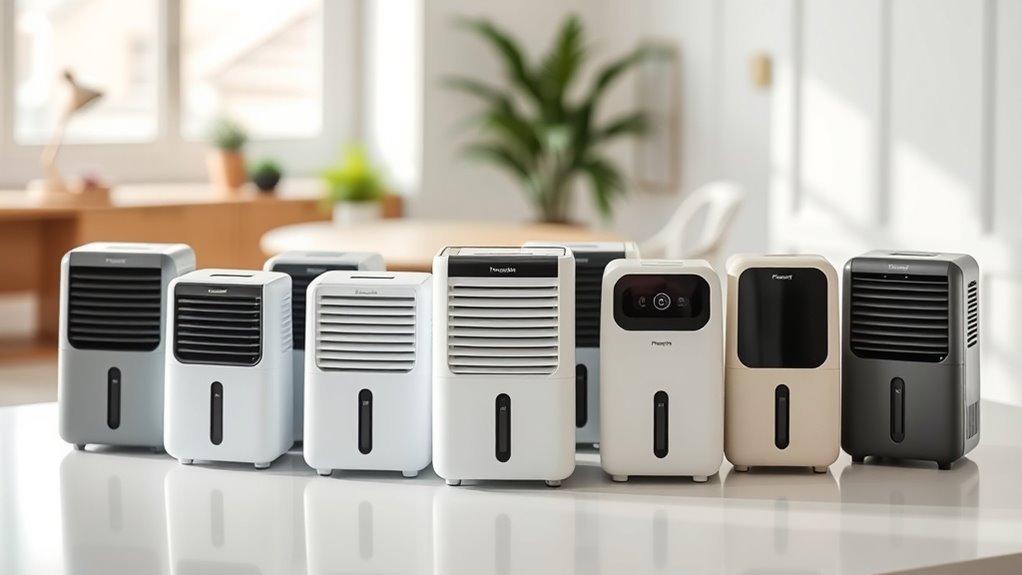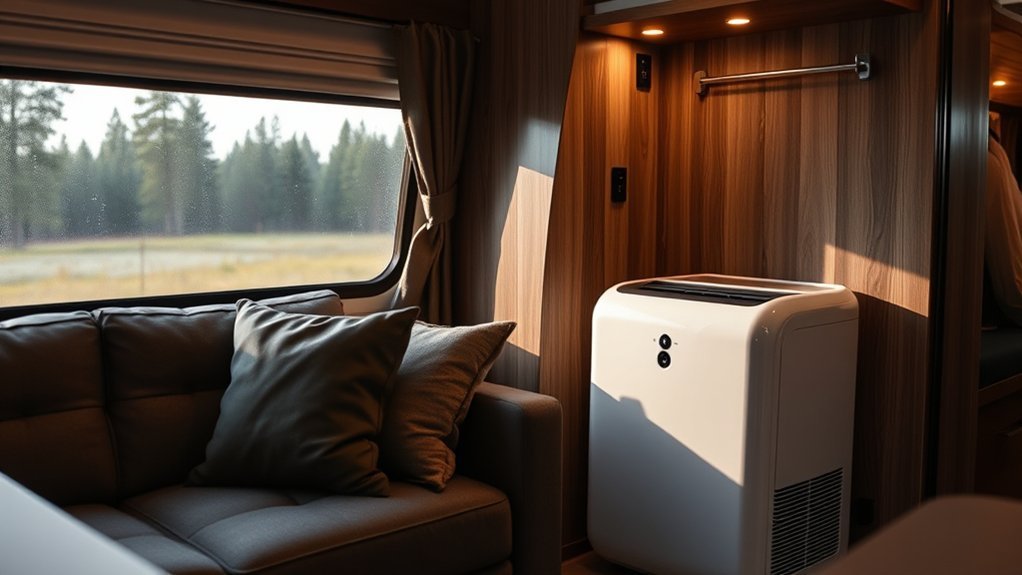
A crawl space dehumidifier can lower airborne moisture even when the space is not fully encapsulated. However, it cannot stop rainwater, groundwater, plumbing leaks, or moisture rising from bare soil. For reliable results, correct liquid-water problems first, add basic ground-vapor control, choose a unit suited to the conditions, and monitor the space throughout the year.
Quick Answer
Yes, you can use a crawl space dehumidifier without full encapsulation. It may reduce humidity, but it will work harder if humid outdoor air, exposed soil, leaks, or standing water keep adding moisture. Fix water entry first, cover bare soil with a vapor retarder, provide safe drainage, and aim to keep relative humidity below 60%.
Key Takeaways
- A dehumidifier controls moisture in the air, but it does not repair leaks or remove standing water.
- A continuous ground vapor retarder can improve results even if you are not completing full encapsulation.
- A practical target is around 50% relative humidity, with readings kept below 60%.
- Choose a unit by capacity, temperature rating, drainage options, and manufacturer-approved installation conditions.
- Do not close crawl-space vents or alter combustion airflow without checking local codes and the home’s mechanical systems.
At a Glance
| Time Required | A few hours for a straightforward unit and drain setup after moisture sources are corrected; longer if sealing, sump, electrical, mold, or structural work is needed |
| Difficulty | Moderate for basic placement and drainage; professional assessment is recommended for standing water, damaged wiring, mold, rot, radon, or combustion appliances |
| Tools Needed | Hygrometer, flashlight, tape measure, stable raised support, approved drain hose or condensate pump, and basic hand tools required by the unit’s manual |
| Cost | Varies by unit capacity, drainage method, electrical work, vapor-barrier condition, and repairs needed to stop water entry |
Can You Use a Crawl Space Dehumidifier Without Encapsulation?
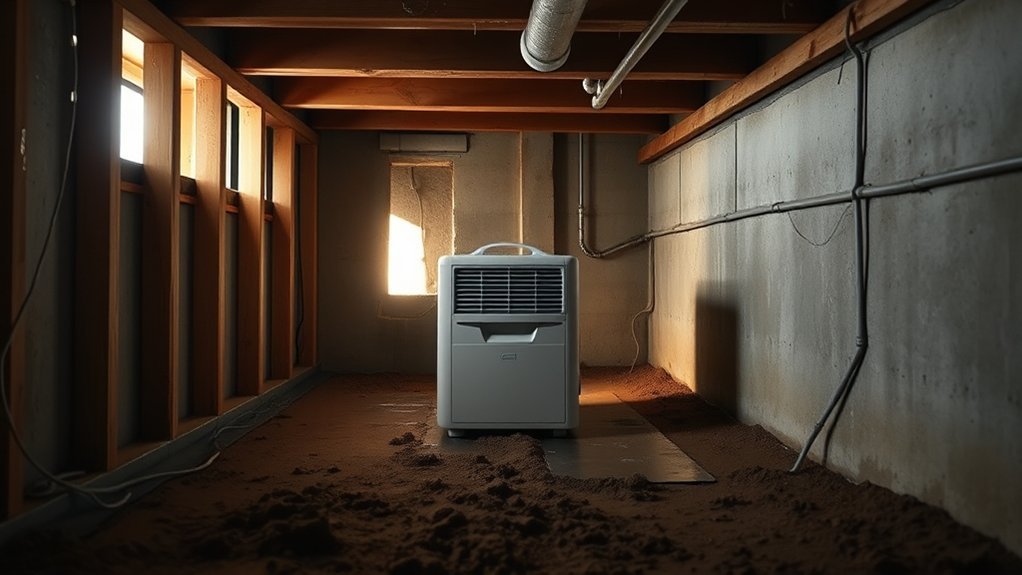
Yes. A dehumidifier can remove moisture from crawl-space air before full encapsulation is completed. The results depend on how quickly new moisture enters the space.
An open vent, bare dirt floor, foundation leak, uncovered sump, plumbing leak, or poor exterior drainage can add moisture faster than the unit removes it. The dehumidifier may then run for long periods without reaching its setting.
The first goal is not necessarily full encapsulation. It is to reduce the major moisture sources. The U.S. Department of Energy’s Building America guidance for existing crawl spaces recommends correcting bulk-water and drainage problems before sealing and insulating the space.
Even without full encapsulation, you can often improve performance by:
- Repairing plumbing, foundation, roof-drainage, and HVAC-condensate leaks.
- Keeping gutters and downspouts clear and directing roof water away from the foundation.
- Correcting exterior grading or groundwater problems when water moves toward the crawl space.
- Covering bare soil with a continuous, sealed ground vapor retarder.
- Closing an uncovered sump with a compatible gasketed lid.
- Using a properly sized dehumidifier with reliable continuous drainage.
Pro Tip: Measure humidity for several days before installation and again after major rain. A remote hygrometer makes it easier to see whether the dehumidifier is controlling normal humidity or merely keeping up with an unresolved water source.
Why Crawl Spaces Get So Damp
Crawl spaces can receive moisture from several directions. Finding the source is more important than immediately buying a larger dehumidifier.
- Soil moisture: Water vapor can rise from an uncovered dirt floor even when the surface does not look wet.
- Humid outdoor air: In warm, humid weather, air entering through vents can contact cooler joists, pipes, ducts, or subflooring and form condensation.
- Rain and surface runoff: Clogged gutters, short downspouts, poor grading, and foundation openings can send water toward the crawl space.
- Groundwater: A rising water table or storm-related seepage can produce damp soil or standing water.
- Plumbing leaks: Supply pipes, drains, fixtures, and water heaters above or inside the space can leak slowly.
- HVAC moisture: A blocked condensate line, leaking duct, or uncovered drain can add water or humid air.
- Uncovered sump pits: An open sump can release moisture and soil gases into the space.
The EPA recommends keeping indoor relative humidity below 60% and ideally between 30% and 50% where practical, because sustained high humidity supports mold growth.
Standing water, condensation, damp insulation, rusted metal, musty odors, mold, and soft framing are all signs that the crawl space needs a full moisture inspection.
What a Crawl Space Dehumidifier Actually Does
A crawl space dehumidifier draws damp air across a cold coil. Water condenses on the coil, drains into a collection system, and leaves the unit through a hose or pump. The unit then returns slightly warmer, drier air to the crawl space.
This process can:
- Lower relative humidity.
- Reduce condensation on cool surfaces.
- Make conditions less favorable for mold growth.
- Reduce musty odors caused by damp materials.
- Help protect dry framing, insulation, ducts, and stored items from future moisture exposure.
A dehumidifier does not:
- Pump out standing water.
- Repair a foundation or plumbing leak.
- Correct poor grading or blocked gutters.
- Remove existing mold or replace damaged materials.
- Repair rotted joists or subflooring.
- Seal soil gases or outdoor air leaks.
Because dehumidifier capacity is rated by the amount of water removed in 24 hours, selection should consider both the crawl-space size and how damp it is. ENERGY STAR’s dehumidifier guidance also recommends checking operating temperature, drainage, efficiency, and manufacturer safety instructions.
Minimum Moisture Control Without Full Encapsulation
You do not need to complete every part of a full encapsulation project before taking useful moisture-control steps. However, placing a dehumidifier over uncovered wet soil is rarely efficient.
Fix Liquid Water First
Correct roof runoff, grading, plumbing leaks, foundation seepage, sump problems, and HVAC-condensate discharge before relying on dehumidification. A sump pump or drainage system may be needed where groundwater collects.
Cover Bare Soil
A continuous ground vapor retarder reduces evaporation from the soil. DOE/PNNL guidance recommends ground covers in crawl spaces whether they remain vented or are converted to a sealed design.
The material should be suitable for crawl-space use, cover the exposed ground, overlap at seams, and be sealed or secured according to the chosen system and local requirements. A full encapsulation system normally extends and seals the liner to walls, piers, and penetrations.
Decide Whether the Space Will Remain Vented
Do not simply block every vent because outdoor air feels humid. A sealed crawl space must be planned as a building system. Local requirements may address insulation, drying or conditioning, flood vents, radon, pest inspection gaps, fire safety, and combustion air.
Note: If a furnace, water heater, or other fuel-burning appliance draws combustion air from the crawl space, have an HVAC professional review it before sealing vents or tightening the enclosure. Sealed-combustion equipment may be required for some designs.
How to Install a Crawl Space Dehumidifier
Warning: Do not install or operate electrical equipment where standing water can contact the unit, outlet, cord, pump, or wiring. Stop and call a qualified professional if the space contains active flooding, sewage, damaged wiring, unstable framing, extensive mold, or an unsafe access route.
Recommended Products

120 PPD Crawl Space Dehumidifier: The Sentinel HD55S Energy Star Certified dehumidifier removes up to 120 pints of moisture per day at saturation (55 PPD at AHAM) and effectively controls humidity in spaces up to 1,300 sq. ft. Its rugged metal housing is built for demanding environments and long-term reliability, making it ideal for crawl spaces, basements, warehouses, offices, factories, and storage areas

Specially Designed for Crawl Spaces— The AIUSEVO commercial dehumidifier features a high-performance compressor and a powerful 265 CFM airflow, removes up to 125 pint/d(at 95°F, 90% RH). Covers up to 6500 sq. ft. It can keep humidity at an ideal level and prevent excessive moisture from damaging your personal belongings. With compact dimensions of 19.3" x 17.8" x 17.5" , it fits between floor joists and in low-clearance crawl spaces. Ideal for Garage,warehouses, offices, factories, shops

PRO-GRADE 70-PINT PERFORMANCE – This AlorAir Crawl Space Dehumidifier removes up to 70 pints per day under saturated conditions (35 pints per day under AHAM standards). The advanced R32 system efficiently controls humidity in areas up to 1,000 sq. ft. Ideal for crawl spaces, basements, garages, attics, commercial and industrial environments. Serious performance meets modern efficiency.
1. Inspect the Space
Use a flashlight to check the ground, walls, pipes, joists, insulation, ducts, sump, and access door. Look for:
- Standing water or wet soil
- Foundation stains or active seepage
- Leaking supply or drain pipes
- Condensation on ducts, pipes, joists, or subflooring
- Visible mold or persistent musty odors
- Soft, sagging, cracked, or crumbling wood
- Damaged electrical wiring or receptacles
- Disconnected dryer or exhaust ducts
Repair active water sources before continuing.
2. Measure the Space and Humidity
Record the floor area, average height, current relative humidity, and approximate temperature. Check readings during normal weather and after rain if possible.
Do not choose a unit from square footage alone. Consider:
- How damp the space is before dehumidification
- Whether the ground is covered
- Whether vents remain open
- The lowest expected operating temperature
- The length and layout of the crawl space
- Whether duct collars or remote air distribution are needed
- The available drainage route
3. Select a Suitable Unit
Choose a model whose manual permits operation in the expected temperature, humidity, and location. Useful crawl-space features include:
- A built-in humidistat
- Automatic restart after a power interruption
- Continuous gravity drainage or a compatible condensate pump
- Low-temperature or automatic-defrost operation
- A washable or replaceable filter
- Service access that fits the available clearance
- Optional duct connections for long or divided spaces
4. Prepare a Stable Location
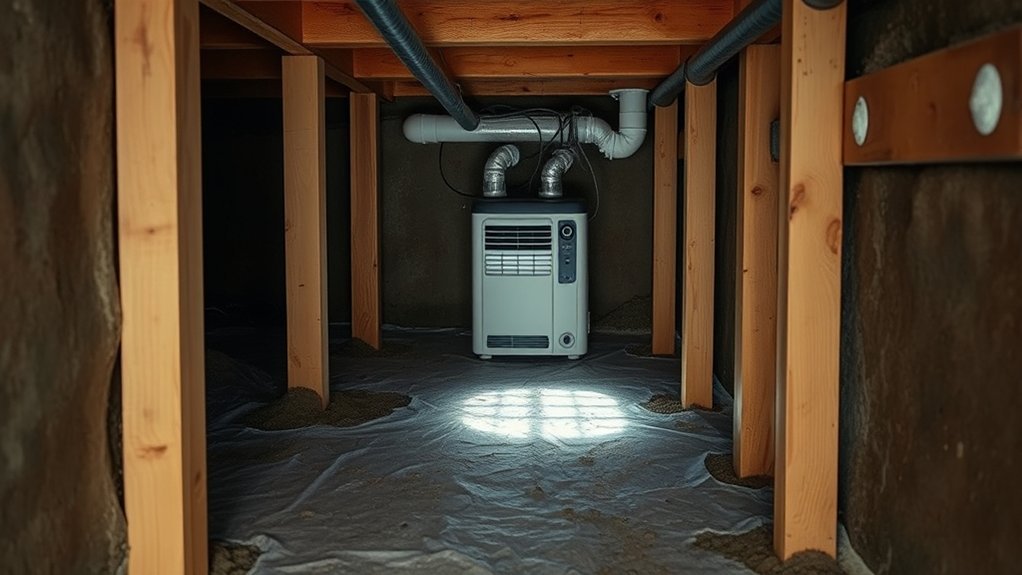
Place the unit level on a firm, raised support that will not sink into soil or damage the vapor retarder. Keep the air inlet, outlet, filter panel, and service areas clear according to the manufacturer’s required distances.
A central location may help in an open crawl space, but the manufacturer’s airflow and drainage instructions take priority. Long or divided spaces may need ducting or more than one monitoring point.
5. Route the Drain
Use an approved drain hose and route condensate to a permitted floor drain, sealed sump, condensate pump, or other approved discharge point. The correct option depends on the unit, the home, and local requirements.
- Maintain the required downward slope for gravity drainage.
- Avoid kinks, high loops, and low spots that trap water.
- Secure the hose so it cannot pull loose.
- Keep hoses and water away from electrical cords and connections.
- Do not discharge water next to the foundation where it can return to the crawl space.
- Test a condensate pump and its safety switch before leaving it unattended.
6. Connect Safe Power
Connect the dehumidifier to a properly grounded outlet that meets the unit’s electrical requirements. Follow the manufacturer’s instructions and local electrical rules. Have an electrician correct missing grounding, damaged wiring, overloaded circuits, or questionable outlet placement.
7. Set the Humidistat
Start near 50% relative humidity. A practical operating range for many crawl spaces is about 45% to 55%, while keeping the space below 60% is the more important limit for mold control.
A very low setting can cause unnecessary run time and energy use without correcting an active water source. Allow the unit time to stabilize a previously damp space before judging its performance.
8. Test and Document the System
Confirm that air moves freely, water reaches the drain, the pump cycles correctly if present, and the humidity reading trends downward. Record the initial reading and check it again after 24 hours, several days, and the next major rain.
Best Humidity Levels for Crawl Spaces
A practical goal is to keep crawl-space relative humidity near 50% and consistently below 60%. The exact setting may vary with climate, equipment, season, and the construction of the home.
The EPA recommends indoor relative humidity below 60%, ideally between 30% and 50% where possible. In a crawl space, a humidistat setting around 50% is often a reasonable starting point.
Ideal Humidity Range
Use 45% to 55% as a practical control band rather than a rigid universal rule. The main warning level is sustained humidity at or above 60%, especially when condensation, mold, or damp materials are also present.
Do not rely on relative humidity alone. A dry air reading does not prove that framing, insulation, or soil has dried fully. Inspect materials and investigate any continuing odor or visible moisture.
Monitoring Moisture Levels
Place a separate hygrometer in a shaded central area away from the dehumidifier’s discharge air, wet walls, exterior vents, and direct contact with the ground. A remote sensor can reduce the need to enter the crawl space.
- Check readings at different times of day during the first week.
- Recheck after heavy rain, plumbing repairs, or seasonal weather changes.
- Use a second sensor in a distant or divided section if the crawl space is large.
- Compare the independent hygrometer with the dehumidifier’s display.
- Investigate sudden increases instead of only lowering the humidistat.
Pro Tip: Keep a simple log of humidity, weather, drain performance, and musty odors. Patterns after rain or hot weather can reveal a drainage or air-leak problem that a single reading misses.
Signs You Need Crawl Space Encapsulation
Encapsulation deserves consideration when basic repairs and dehumidification cannot provide stable moisture control. It may also be appropriate when humid outdoor air or exposed soil remains a major source of moisture.
A typical sealed system may include a continuous ground and wall liner, sealed vents and penetrations, an insulated and gasketed access door, wall insulation where required, and an approved drying or conditioning method. The exact design depends on climate, foundation type, flood risk, radon, pests, mechanical equipment, and local code.
The DOE/PNNL guide to unvented and insulated crawl spaces explains that ground vapor control, air sealing, insulation, pest inspection provisions, and a drying mechanism must work together.
Persistent Moisture Problems
Consider a full moisture-management assessment when:
- The dehumidifier runs almost continuously but cannot hold the target.
- Humidity rises quickly whenever the unit stops.
- Condensation returns during humid weather.
- The ground liner is missing, torn, unsealed, or too small.
- Outdoor air enters through numerous vents and gaps.
- Musty odors return after rain.
Standing water is not proof that encapsulation alone is the answer. Drainage, grading, sump, foundation, or groundwater work may be required first.
Visible Mold or Rot
Inspect beams, joists, rim boards, posts, and subflooring for fuzzy growth, dark staining, softness, sagging, cracking, or crumbling. A dehumidifier may help prevent additional dampness, but it does not remove mold or restore damaged wood.
The EPA says mold covering less than about 10 square feet can often be handled by a homeowner following proper cleanup guidance. Extensive growth, major water damage, contaminated water, recurring mold, or health concerns can require an experienced remediation professional.
Soft, sagging, or seriously deteriorated framing should be assessed by a qualified contractor or structural professional before the crawl space is sealed.
High Humidity and Odors
Persistent humidity above 60%, condensation on cool surfaces, damp insulation, and musty air show that moisture control is incomplete. Encapsulation can reduce humid-air and soil-vapor entry, but odors may remain if moldy insulation, cardboard, wood debris, or other contaminated materials stay in the space.
- Remove wet or mold-damaged materials that cannot be cleaned and dried safely.
- Correct leaks and drainage problems.
- Seal the ground and enclosure as part of a planned system.
- Use active drying or conditioning as required by the design.
- Continue monitoring after the work is completed.
Regular vs. Crawl-Space Dehumidifiers
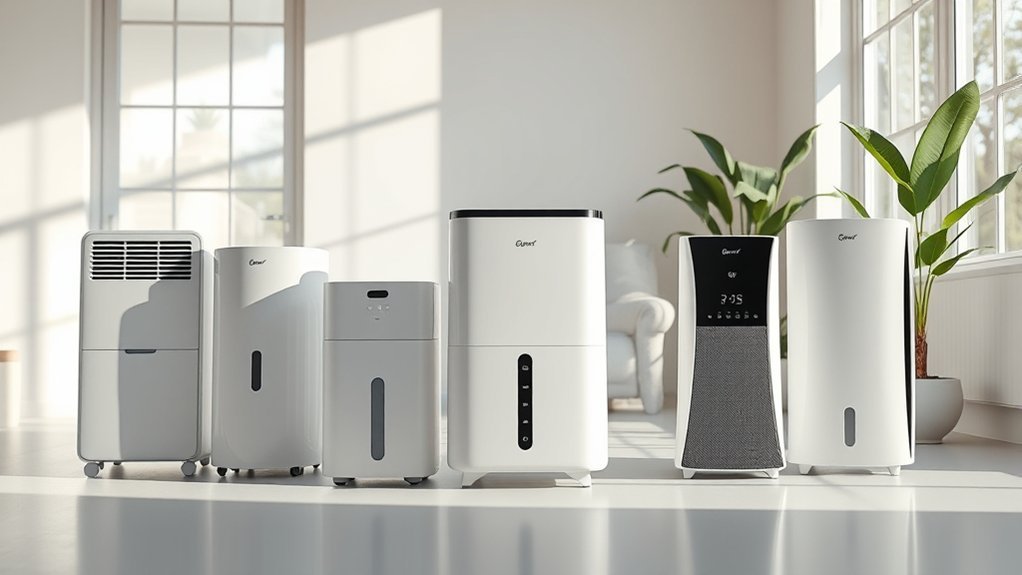
A portable household dehumidifier is not automatically unsafe or ineffective in every crawl space. It may work in a clean, accessible, relatively warm area when its manual permits the installation and it has enough capacity and continuous drainage.
However, crawl-space-specific or whole-home models often offer advantages:
- Better low-temperature operation
- Higher-capacity continuous use
- Built-in drain connections
- Optional condensate pumps
- Duct collars for remote air distribution
- Remote humidistats or controls
- Cabinets designed for service in low-clearance locations
A portable unit may be a poor choice when it requires frequent bucket emptying, cannot drain reliably, freezes at the expected temperature, lacks clearance, or is not approved for the environment.
Recommended Products

70-pint Dehumidifier:This commercial dehumidifiers can remove 70 pints per day of moisture from the air with less than other conventional dehumidifiers, is a great helper in saving and your money. It is suitable for large spaces up to 1,000 sq ft, such as crawl spaces, basements, storage areas, garage, laundry rooms or commercial use, you can maintain a healthy 45%-55% humidity range easily.
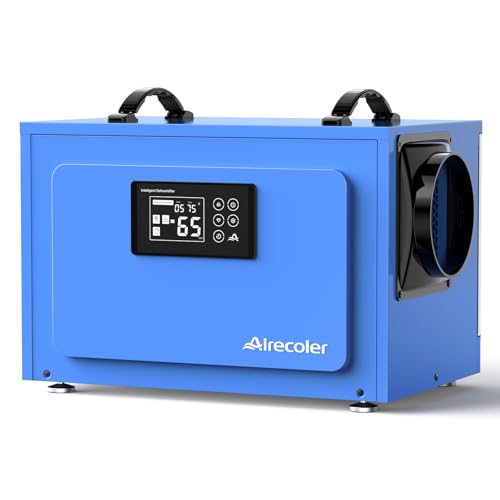
Enhanced Commercial Dehumidification: Airecoler commercial dehumidifier GT-X5 stands out for its exceptional moisture removal, capable of extracting up to 125 pints daily (Max.) and 60 pints at AHAM, being an optimal drying solution in expansive, damp places like crawl spaces, basements, warehouses, garages, and even commercial/industrial areas.
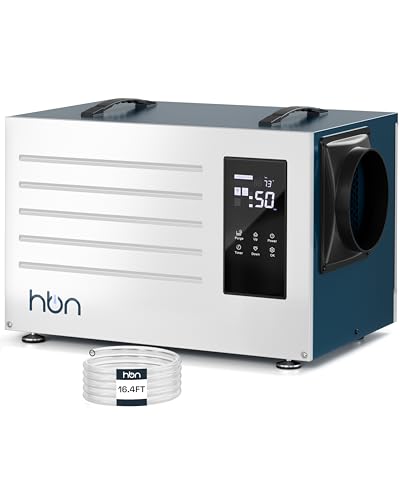
【Enhanced Dehumidification】 This commercial dehumidifier removes up to 125 pints/day (95°F, RH90%) and 60 pints/day under AHAM conditions, quickly reducing excess moisture. Covers up to 5,900 sq. ft. for large commercial areas and delivers precise 10%–90% RH control for smaller rooms and tight spaces.
Crawl Space Dehumidifier Maintenance
Maintenance intervals depend on the manufacturer, filter type, crawl-space dust level, and operating hours. Follow the manual rather than using one replacement schedule for every unit.
- Inspect or clean the filter as directed by the manufacturer.
- Keep intake and discharge openings free of insulation, plastic, dust, and debris.
- Check the drain hose for slime, kinks, sagging, or loose fittings.
- Test the condensate pump and overflow protection if used.
- Look for frost, unusual noise, vibration, corrosion, or water beneath the unit.
- Confirm the remote hygrometer still agrees reasonably with the unit’s control.
- Inspect the crawl space after major storms and plumbing work.
- Arrange professional service when the coil, refrigeration system, electrical parts, or internal pump needs repair.
Crawl Space Dehumidifier Troubleshooting
| Problem | Likely Causes | What to Check |
| Humidity stays high | Active leak, uncovered soil, open vents, undersized unit, blocked airflow, or inaccurate sensor | Inspect after rain, verify the ground cover, compare hygrometers, clean the filter, and confirm unit capacity |
| Unit runs constantly | Humid air infiltration, low setting, water intrusion, or insufficient capacity | Raise an unnecessarily low setting, look for moisture sources, and review sizing |
| Frost forms or moisture removal stops | Temperature below the unit’s operating range, dirty filter, or restricted airflow | Check the manual, temperature, filter, coil area, and airflow clearances |
| Water appears under the unit | Blocked hose, loose fitting, failed pump, poor slope, or internal fault | Disconnect power safely, inspect drainage, and arrange service if the source is internal |
| Musty odor continues | Hidden mold, wet insulation, wood debris, uncovered soil, or continuing leaks | Inspect materials and moisture sources instead of masking the odor |
DIY vs. Pro Crawl Space Dehumidifier Installation
A basic installation may be manageable when the crawl space is dry, safely accessible, structurally sound, and already has a suitable grounded outlet and approved drain point. The installer must also be able to follow the unit’s manual and work safely in a confined area.
Professional help is the better choice when the project involves:
- Standing water, groundwater, or repeated flooding
- Foundation drainage or grading corrections
- A new sump or condensate-pump system
- New electrical wiring or outlet work
- Visible mold covering a large area
- Soft, sagging, or damaged framing
- Radon mitigation
- Flood-vent requirements
- Fuel-burning equipment in the crawl space
- Closing vents and converting the space to a sealed or conditioned design
- Ducting or connecting the unit to the home’s HVAC system
A qualified contractor should diagnose the moisture source before recommending equipment. Installing a larger dehumidifier without correcting water entry can increase energy use while leaving the underlying problem unchanged.
Recommended Products

155 Pint Commercial Grade Moisture Removal: The Aegis HP150 crawlspace dehumidifier with pump removes up to 155 pints of moisture per day at saturation (70 PPD AHAM). Designed for demanding humidity control, this powerful dehumidifier quickly reduces excess humidity, helping protect your property from dampness, condensation, musty odors, and moisture-related damage.

120 Pint Commercial Grade Moisture Removal: The Aegis HP110 crawlspace dehumidifier with pump removes up to 120 pints of moisture per day at saturation (53 PPD AHAM). Designed for demanding humidity control, this powerful dehumidifier quickly reduces excess humidity, helping protect your property from dampness, condensation, musty odors, and moisture-related damage.

125-Pint Crawl Space Dehumidifier - This powerful 125-pint commercial dehumidifier features a high-brush motor and up to 177 CFM rated circulation, capable of extracting up to 125 pints of water per day (95°F, 90% RH). It effectively reduces humidity in spaces up to 6,500 sq. ft. The adjustable humidity range of 10%-90% RH provides greater control than most models (20%-80% RH). Well-suited for commercial and industrial facilities, crawlspaces, storage rooms, garages, living areas, and offices
Related Guides
Frequently Asked Questions
Is it worth putting a dehumidifier in a crawl space?
Yes, when excess airborne humidity remains after leaks, standing water, drainage problems, and soil vapor have been addressed. A correctly selected unit can reduce condensation, musty odors, and conditions that support mold. It should be part of a moisture-management plan rather than the only repair.
Should you use a dehumidifier if you have COPD?
A dehumidifier may help when indoor air is excessively humid or the home has dampness and mold, but it is not a treatment for COPD. High humidity can trigger symptoms for some people, while overly dry air may also feel irritating. The American Lung Association lists high humidity as a possible COPD trigger. Use a hygrometer, follow your healthcare professional’s advice, and seek medical care if breathing symptoms worsen.
Can you put a regular dehumidifier in a crawl space?
Sometimes. A portable unit may work if its manufacturer permits the installation, it has enough capacity, it can operate at the crawl-space temperature, and it has safe continuous drainage. A crawl-space-specific model is usually better for low clearance, cooler temperatures, continuous operation, ducting, and remote control.
Will a dehumidifier dry out a crawl space?
It can dry the air and help damp materials release moisture, but it will not remove standing water or stop an active leak. Drying works best after bulk water is removed, wet materials are addressed, bare soil is covered, drainage is corrected, and new humid air is limited.
Do you need a vapor barrier if you are not encapsulating?
A ground vapor retarder is still valuable because it reduces moisture evaporating from the soil. It may be installed as a basic ground cover without completing every part of a full wall-to-floor encapsulation system. Seams, edges, piers, durability, and local requirements still need careful attention.
Should crawl-space vents stay open when using a dehumidifier?
That depends on the crawl-space design and local code. Open vents can admit humid air, but closing them converts the enclosure toward a sealed system that may require insulation, active drying or conditioning, combustion-safety review, flood provisions, radon planning, and pest inspection access. Do not block vents without evaluating the complete system.
Conclusion
You can use a dehumidifier in a crawl space without full encapsulation, but the unit should not be expected to solve every moisture problem. Correct standing water and leaks first, reduce moisture from bare soil, provide safe drainage and power, and select a unit that can operate in the space’s actual temperature and humidity.
Start with a setting near 50% relative humidity and monitor the crawl space during changing weather. If humidity remains above 60%, the unit runs constantly, mold returns, or wood stays damp, investigate the source rather than simply lowering the setting. Full encapsulation may be the next step, but it should be designed with drainage, insulation, drying, local codes, radon, pests, floods, and mechanical equipment in mind.
Sources
- DOE Building America Solution Center: Water Management of Existing Crawlspace Floors — supports correcting drainage and bulk-water problems before sealing a crawl space.
- DOE Building America Solution Center: Unvented, Insulated Crawlspaces — supports ground vapor control, air sealing, insulation, drying, pest, flood, and combustion considerations.
- ENERGY STAR: Dehumidifiers — supports capacity selection, low-temperature considerations, continuous drainage, efficiency, and electrical safety.
- U.S. Environmental Protection Agency: Mold Course Chapter 2 — supports keeping indoor relative humidity below 60% and ideally between 30% and 50%.
- U.S. Environmental Protection Agency: Mold Cleanup in Your Home — supports mold-remediation limits and conditions that call for professional help.
- American Lung Association: Prevent a COPD Flare-Up — supports the statement that high humidity can trigger COPD symptoms for some people.