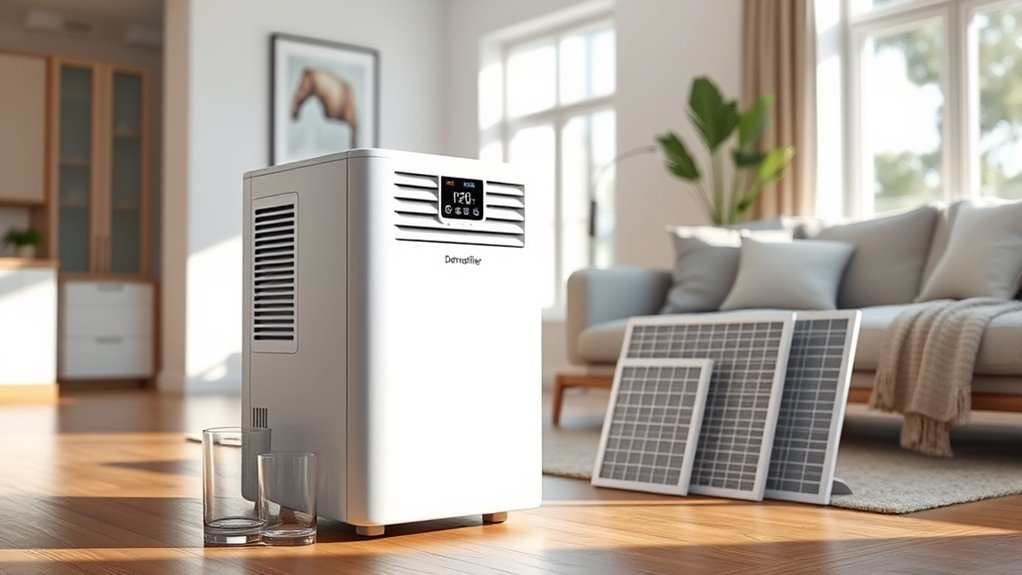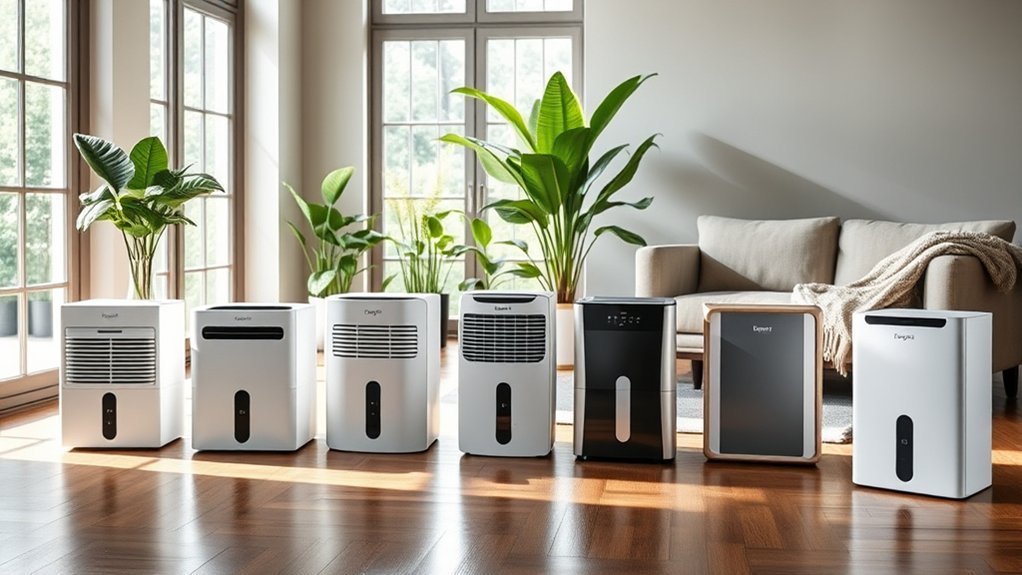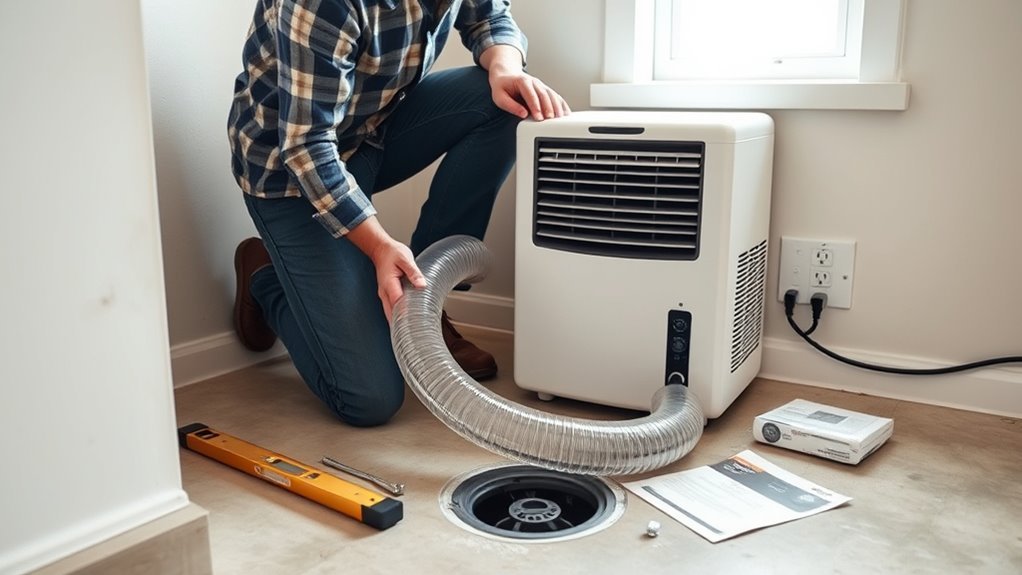
Last updated: July 7, 2026
Quick Answer
A whole-house dehumidifier installation usually works best when the unit pulls humid air from a dedicated central return and sends dry air into the HVAC supply duct through a backdraft damper. Place the unit near the air handler, keep duct runs short and sealed, route condensate to a drain or pump, and wire the unit exactly as the manufacturer and local code require. For comfort and mold control, ENERGY STAR and the EPA both point homeowners toward roughly 30% to 50% indoor relative humidity.
Safety note: This is not a beginner electrical or ductwork project. Hire a licensed HVAC contractor if you need to cut into the supply plenum, add a circuit, route a drain above finished space, balance static pressure, or confirm local code requirements.
Whole-House Dehumidifier Installation Plan
Before you cut ductwork, plan the installation around airflow, drainage, power, and access. The table below gives you the core checks that decide whether the system will remove moisture well or fight the HVAC system.
| Planning Check | What to Confirm | Why It Matters |
|---|---|---|
| Location | Near air handler, service access, protected space | Shorter ducts and easier maintenance |
| Duct layout | Dedicated return to HVAC supply when supported | Better independent moisture removal |
| Dampers | Backdraft or check damper where manual requires it | Stops reverse airflow |
| Drainage | Trap, slope, pump, pan, and float switch as needed | Prevents leaks and shutdowns |
| Power and controls | Nameplate voltage, circuit, GFCI, and low-voltage wiring | Protects equipment and keeps the install code-compliant |
Recommended Products

【The Undisputed Champion — Industry-Leading Dehumidifier Brand】When you choose AEOCKY, you get double market validation. According to data independently verified by Stackline, a leading third-party data analytics company, AEOCKY was an industry‑leading dehumidifier brand on Amazon U.S. in 2025. This means you’re not just choosing a flagship product from a market leader, but a top-performing brand backed by independent market data and trusted by millions of real users, delivering the ultimate combination of performance, quality and trust.

2500 Sq. Ft Dehumidifier - SEMKAP dehumidifier for basement features a quiet, high-performance compressor that removes up to 32 pints of moisture per day (at 95°F, 90% RH). Ideal for basements, offices, bathrooms, bedrooms, kitchens, stockrooms, living rooms, laundry rooms, garages, crawlspaces, or RVs. It helps maintain optimal humidity between 40%–60%RH for healthier, more comfortable living

POWERFUL 2,500 SQ. FT. COVERAGE - Stop letting sticky, heavy air dictate your comfort. The BANABIE dehumidifier utilizes a high-efficiency rotary compressor to deliver heavy-duty moisture removal, extracting 32 pints daily (at 95°F, 90%RH). Engineered with a smart integrated airflow system, this unit effectively covers up to 2,500 Sq. Ft., ensuring that your basement, crawl space, or large open floor plans stay bone-dry
How Whole-House Dehumidifiers Work
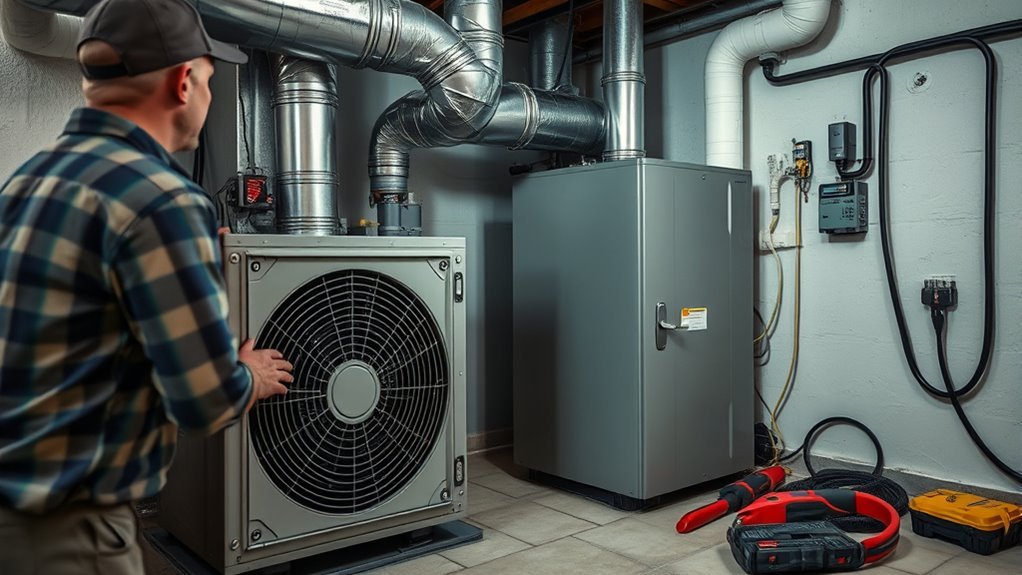
A whole-house dehumidifier pulls humid indoor air across a cold evaporator coil. Moisture condenses on that coil, runs into a drain pan, and exits through a condensate drain or pump. The unit then sends drier air back into the home through ductwork.
This setup helps when the air conditioner cools the house before it removes enough moisture. It can also help during mild, humid weather when the AC does not run long enough to dry the air. The goal is not to make the house feel dry; it is to keep relative humidity in a controlled range that reduces musty odors, condensation, mold risk, and dust-mite-friendly conditions.
Good duct design matters as much as the equipment. A poor return location, missing damper, kinked flex duct, or weak drain setup can make a powerful unit perform like a small portable dehumidifier.
Choose a Dedicated Return-to-Supply Setup
A dedicated return-to-supply setup gives the dehumidifier its own return path from a central part of the home. The unit pulls humid air through that return, removes moisture, and discharges dry air into the HVAC supply plenum with a backdraft damper.
This layout often lets the dehumidifier run without relying on the HVAC blower. It also reduces the chance that dry air gets pulled straight back into the return before it reaches the rooms. Santa Fe’s installation instructions describe a dedicated return to HVAC supply as a recommended layout for several installs, while HVAC School notes that dedicated returns are usually best when the layout and code allow them.
Do not place the return grille in a bathroom or kitchen. Those rooms create short bursts of moisture, odor, and pollutants that can distort humidity readings and move unwanted air through the system. Choose a central location with an open path to the rest of the house.
Recommended Products

158 Pint Crawl Space Dehumidifier - The Waykar whole-house dehumidifier removes up to 158 pints of moisture per day (under 95°F, 90% RH), covering up to 6,500 sq. ft. With a powerful 206 CFM airflow and high-efficiency brushless motor, it offers adjustable humidity control from 10% to 90% RH, providing better control than most devices (30%-80% RH). Ideal for commercial, industrial, crawl spaces, basements, garages, and warehouses.

158 Pint Crawl Space Dehumidifier – Designed for crawl spaces, basements, and large areas up to 6,500 sq. ft., this unit removes up to 158 pints of moisture per day (95°F, 90% RH). A 206 CFM airflow and brushless motor help dry spaces faster with 10%–90% RH adjustable humidity

Energy Efficient Whole House Dehumidifier: 90 pints per day at AHAM condition, 70 Pint at DOE, up to 2300 sq. ft, widely used in short buildings, crawlspace, Basement, multi-bedroom, commercial ,storage area, home, garage, large room, large-area housing, etc. quickly and effectively removes moisture with less energy than conventional dehumidifiers without racking up the energy bill, saving money, It will be the best crawl space dehumidifiers you will ever use
Plan the Ductwork and Dampers
Use the duct size, static pressure limit, branch distance, and damper layout in your unit’s installation manual. Some Aprilaire diagrams show 24 inches minimum before the first branch on a return-to-supply layout, while Santa Fe instructions warn against connecting to static pressure at or above +0.5 inches water gauge for specific models. Treat those as model-specific examples, not universal rules.
Install a backdraft damper on the dehumidifier supply when the manual calls for it. The damper stops supply air from pushing backward through the dehumidifier when the unit is off. If both sides of the dehumidifier tie into central ductwork, your layout may also need a check damper or HVAC fan interlock.
Keep flex duct short, supported, and free of sharp bends. Seal metal joints with approved HVAC mastic or foil tape, not cloth duct tape. Insulate ducts that pass through unconditioned spaces so the dry air does not pick up heat, lose efficiency, or create condensation on cold surfaces.
Recommended Products

【Material】The 6 inch backdraft damper is made of a Galvanized steel, the flap leaves are made of aluminum

An antidraft duct insert designed for use with range hoods, bathroom fans and other home HVAC applications.

An antidraft duct insert designed for use with range hoods, bathroom fans and other home HVAC applications.
Install Drainage and Electrical Power
Route the condensate drain line exactly as the manual shows. Many whole-house units need a drain trap because negative air pressure can pull air backward through the drain and cause water to pool inside the cabinet. Keep the drain line continuously pitched toward the drain point and avoid sags that hold water.
When gravity drainage is not practical, install a condensate pump rated for HVAC use. Add a secondary pan and float switch if the unit sits above finished space or anywhere a leak could damage the home. Santa Fe instructions, for example, call for a secondary drain pan with a float switch when leakage could cause damage.
For electrical power, follow the nameplate and wiring diagram for your exact model. Many residential ducted units use a grounded 115V or 120V outlet on a 15A circuit, but hardwired units and wet-area installations can have different requirements. Keep low-voltage controls separate from high-voltage wiring. If you are unsure, stop and call a licensed electrician or HVAC technician.
Set the Humidistat and Target RH
Set the humidistat so the home stays around 30% to 50% relative humidity. A practical starting point is 45% to 50% during warm, humid weather. In colder weather, you may need a lower setting if windows sweat or exterior walls feel damp.
- Place the control in a central living area where air mixes well.
- Keep it away from bathrooms, kitchens, supply registers, exterior doors, exterior walls, and windows.
- Use a separate hygrometer to compare the reading after the system runs.
- Adjust the setpoint seasonally instead of forcing constant operation.
Do not chase the lowest number. Over-drying can make the house less comfortable and waste energy. Your target should reduce dampness, musty odors, and condensation while keeping the air comfortable.
Commission the System After Installation
After the ductwork, drain, and controls are connected, test the system before you close the work area. A short commissioning check catches the problems that cause most callbacks.
- Start a dehumidification call: Lower the humidistat setpoint and confirm the blower and compressor start normally.
- Check airflow direction: Confirm humid air enters the return side and dry air leaves the supply side.
- Test dampers: Make sure backdraft or check dampers open during operation and close when the unit shuts off.
- Prime and test the drain: Pour water into the pan or trap as the manual allows, then confirm it exits cleanly.
- Check noise and vibration: Add support or vibration isolation if ducts hum or the cabinet shakes.
- Verify humidity drop: Recheck indoor RH after several hours, not after only a few minutes.
Maintain Efficient Whole-House Performance
To keep a whole-house dehumidifier efficient, check the filter during the humid season and replace or clean it on the schedule in the manual. A clogged filter reduces airflow, raises runtime, and can make the unit remove less moisture.
| Check | Why | Action |
|---|---|---|
| Filter | Protects airflow | Clean or replace on schedule |
| Ducts | Limits air leaks and losses | Seal loose joints |
| Drain line | Stops backups and leaks | Flush and test flow |
| Humidistat | Controls runtime | Compare with a hygrometer |
| Coils and blower | Protects capacity | Inspect during annual service |
Schedule annual HVAC service if the system is ducted into your central air equipment. The technician can check static pressure, airflow, refrigerant-side operation where applicable, drain safety switches, and control wiring. That service helps the unit keep humidity stable without wasting energy.
Frequently Asked Questions
Can I Install a Whole-House Dehumidifier Myself?
You can install one only if you already understand HVAC ductwork, condensate drainage, low-voltage controls, electrical safety, and local code. Most homeowners should hire a licensed HVAC contractor because the job can require cutting ductwork, checking static pressure, wiring controls, setting dampers, and testing drainage.
Where Should a Whole-House Dehumidifier Be Installed?
Install it near the air handler, furnace, or central duct trunk where duct runs stay short, service access is clear, and condensate can drain by gravity or pump. Common locations include a basement, utility room, mechanical room, conditioned attic, or crawl space that stays protected from flooding and extreme temperatures.
Should a Whole-House Dehumidifier Connect to the Return or Supply Duct?
A strong layout uses a dedicated central return into the dehumidifier and sends dry air into the HVAC supply duct through a backdraft damper. Some models allow other duct layouts, but tied-in return-to-return layouts may require the HVAC fan or a check damper. Always follow the installation manual for your model.
What Humidity Should I Set a Whole-House Dehumidifier To?
Start around 45% to 50% relative humidity in warm, damp weather, then adjust based on comfort, condensation, and verified hygrometer readings. EPA and ENERGY STAR guidance generally supports keeping indoor relative humidity below 60% and ideally around 30% to 50%.
Does a Whole-House Dehumidifier Help With Dust Mites and Mold?
Yes, it can help when indoor humidity is too high. Lower humidity makes the home less favorable for mold growth and dust mites, but it does not remove existing mold, repair leaks, or replace source control, cleaning, ventilation, and filtration.
Can You Use a Dehumidifier if You Have COPD?
A dehumidifier may help if damp air, mold, or musty odors trigger symptoms, but COPD is a medical condition. Ask your clinician about your ideal indoor humidity target and avoid over-drying the air, especially if dryness irritates your throat or breathing.
Conclusion
A good whole-house dehumidifier installation starts with the layout, not the equipment box. Choose a central location, use a dedicated return-to-supply duct plan when your manual and local code allow it, add the correct dampers, and build drainage so water cannot back up into the cabinet or finished space.
After installation, set the humidistat around the 30% to 50% RH range, verify it with a separate hygrometer, and maintain the filter, drain, coils, and duct seals. When the ductwork, controls, and drain all work together, the system can control damp air across the home instead of only drying one room.