A steam mop can work on carpet, but only in the right conditions. Fiber type, moisture tolerance, and the mop’s design all matter more than many people expect. Synthetic carpets may handle light steam well, while wool and silk can be damaged quickly. Even then, steam alone will not lift every stain or trace of dirt. The real question is not just whether it can be done, but when it should be avoided.
Is It Safe to Use a Steam Mop on Carpet?
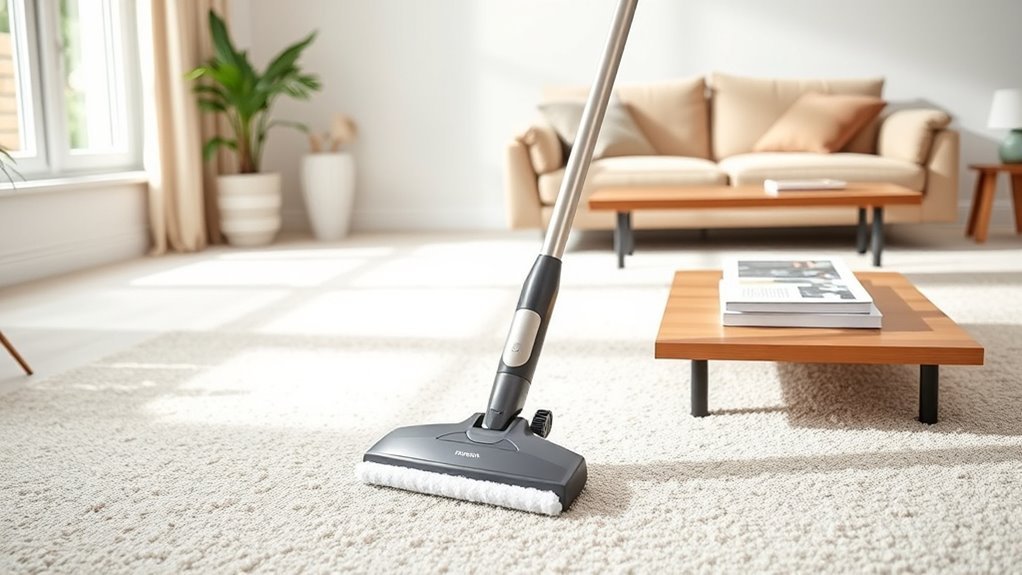
Whether a steam mop is safe to use on carpet depends mainly on the carpet’s fiber type and the mop’s design. Synthetic fibers usually tolerate carpet cleaning better than delicate materials such as wool or silk, while a steam mop with a carpet glider can help avoid direct steam contact.
Before any attempt, the carpet should be vacuumed thoroughly so loose dirt and debris do not become embedded or cause abrasion. A small, hidden test spot is essential to check for fading, shrinkage, or texture changes before trying to clean my carpets more broadly.
Vacuum thoroughly first, then test a hidden spot to check for fading, shrinkage, or texture changes.
Old or worn carpets deserve extra caution, because heat and moisture can worsen existing damage. In practice, steam mops can be useful, but only when the tool, the carpet, and the condition of the floor are compatible.
Careful testing and restraint give users more control and help protect the carpet from unnecessary harm.
Which Carpets Can Handle Steam?
Synthetic carpets such as nylon, polyester, and polypropylene generally handle steam well and are the safest candidates for steam mop use. These carpets can often be refreshed with steam without serious harm, as long as heat and moisture are kept moderate.
Wool rugs may also tolerate light steam, but only with caution and distance, since excess moisture can weaken fibers or backing.
Delicate materials such as silk, viscose, and jute should not be steamed directly, because their structure is less forgiving and damage can spread quickly.
Rug backing matters too: latex backing can deteriorate under strong steam.
Before treating any carpet, a hidden spot should be tested for dye stability to reduce the risk of discoloration or transfer.
In practice, the goal is simple: choose sturdy carpets, avoid delicate materials, and use steam only where the construction can support it.
How to Steam Clean Carpet With a Steam Mop
Before steam cleaning, the carpet should be thoroughly vacuumed to remove loose dirt and debris.
A carpet glider should be attached to the steam mop, then the lowest heat setting used while working in slow, even strokes across small sections.
After steaming, the carpet should be left to dry completely, then lightly vacuumed again to lift any dirt brought to the surface.
Prep Carpet First
A careful prep step makes steam cleaning carpet with a steam mop safer and more effective.
Before any cleaning, the carpet should get thorough vacuuming to lift dirt, dust, and grit that can block steam from working well.
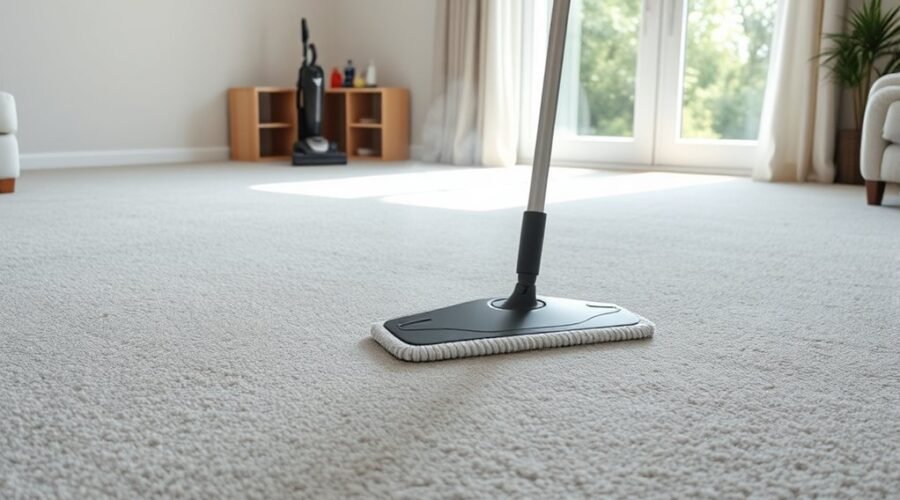
Steam mops should be fitted with a carpet glider attachment so the tool rides above the fibers instead of pressing hot moisture directly into them.
A small hidden spot should be tested first for fading, shrinkage, or texture changes, especially on delicate rugs.
The lowest steam setting is the best starting point, since excess moisture can harm carpet. If a stronger result is needed, it can be increased slowly.
A carpet cleaner is not always required when prep is done well, but careful setup gives the carpet a fair, liberated clean.
Steam Clean In Sections
Once the carpet is vacuumed and the steam mop is fitted with a carpet glider, the cleaning should be done in small sections.
This method of steam cleaning lets the cleaner move slowly and steadily, giving each area even exposure while protecting carpets without needless wear. The glider lifts the mop, limits direct steam contact, and helps prevent oversaturation of the fibers.
After each pass, the next section can be treated with the same calm rhythm, ensuring a controlled result.
When the full carpet is finished, it should dry completely before use. Opening windows or running a fan can improve air circulation and speed drying, reducing the risk of mildew and keeping the carpet strong, clean, and free.
Why Steam Mops Leave Dirt Behind
Steam mops can sanitize carpet surfaces, but they do not have suction, so loosened dirt and debris often remain trapped in the fibers afterward. The steam mop does heat and soften embedded grime, which helps remove deep soil only when vacuuming follows. Without that follow-up, the carpet can still hold residue that was merely shifted, not lifted away.
Proper technique matters: vacuuming first clears surface particles, and a carpet glider attachment helps the steam move more evenly across the pile. When used correctly, steam can support a cleaner result, but it is not a complete replacement for extraction. Heavy buildup may need additional cleaning to achieve thorough freshness.
If the machine is used on an unsuitable carpet type or outside the manufacturer’s guidance, dirt and debris may be pushed deeper, making recovery harder. Liberation comes from knowing the tool’s limits and using it with care, not hope.
When to Avoid Steam Cleaning Carpet
Steam cleaning should be avoided on old, worn, or moisture-sensitive carpets because heat and moisture can weaken delicate fibers and raise the risk of mold or mildew.
It is also a poor choice for heavily soiled areas, where a steam mop may not lift deep-set stains effectively.
For safety and performance, carpet manufacturer guidelines should always be checked before cleaning.
Delicate Fiber Risks
Delicate carpets should generally be kept away from steam cleaning, especially when they contain wool, silk, or other natural fibers that can react badly to heat and moisture. A steam cleaner can cause shrinkage, fading, or discoloration, and high temperatures may damage fibers or loosen latex backing. Manufacturer guidelines often advise against this method to protect warranties and prevent irreversible harm.
| Risk | Note |
|---|---|
| Shrinkage | Heat and moisture can distort delicate fibers |
| Color fade | Test a hidden area first |
| Backing damage | Excess moisture may weaken latex |
| Warranty loss | Follow manufacturer guidelines |
For those seeking freedom from avoidable repair costs, caution matters. Use gentle alternatives when delicate fibers are present, and only proceed if testing shows no reaction.
Heavy Soil Limits
Heavily soiled carpet is a poor candidate for steam mopping, since surface heat and moisture often fail to lift deep-set dirt, stains, and pet messes. When heavy soil has settled into the pile, steam mops may push grit farther into the fibers instead of freeing it. That can leave carpets looking dull while odors and stains remain trapped in the backing.
In these cases, professional extraction is the stronger choice, because it pulls out embedded debris and moisture more effectively. Old or worn carpets also deserve caution, since heat and water can weaken them further.
For anyone seeking cleaner, freer spaces, the practical limit is clear: steam cleaning works best on light dirt, not on serious buildup or damage.
Steam Mop vs Carpet Shampooer
Though both can be used to improve the look of carpet, a steam mop and a carpet shampooer serve different purposes. A steam mop uses high-temperature steam to sanitize and refresh a traditional carpet, making it useful for quick maintenance and odor control.
Carpet shampooers, however, rely on water and detergent for deep cleaning, pulling out embedded dirt and stains that a steam mop cannot reach.
- Steam mop: best for routine refreshment and faster drying.
- Carpet shampooers: better for stubborn soil and fuller extraction.
- Steam mop: may need a carpet glider to protect fibers from compression.
- Carpet shampooers: suited to restoring heavily soiled areas with stronger cleaning power.
For those seeking freedom from dull carpet, the choice is practical: use a steam mop for light upkeep, and choose a carpet shampooer when deeper renewal is needed.
What You Need for Steam Cleaning Carpet
Before steam cleaning carpet, several tools and precautions are needed to make the process effective and safe. A strong vacuum cleaner should remove loose dirt first, giving carpet cleaners a cleaner surface for steam. A carpet glider attachment helps lift the mop slightly, reducing direct contact with fibers.
| Item | Purpose |
|---|---|
| Vacuum cleaner | Lifts dirt and debris |
| Carpet glider | Limits fiber damage |
| Steam mop | Applies controlled steam |
| Distilled water | Prevents mineral buildup |
| Test area | Checks for fading or damage |
Using distilled water in the steam mop supports consistent performance and keeps the machine freer from buildup. Before treating the full area, test steam on a hidden spot to confirm the carpet responds safely. This practical setup helps users clean with more control, less waste, and greater confidence.
How to Dry Carpet Faster After Steaming
Once the carpet has been steamed, drying it quickly helps protect the fibers and keeps the room usable sooner. The fastest route is to maximize airflow, control moisture, and keep traffic off the surface until it is fully dry.
In good conditions, drying time is often 1 to 6 hours, but humidity levels and room circulation can shift that range.
- Open windows and run fans to improve ventilation and move damp air out of the room.
- Use a dehumidifier to pull excess moisture from the air and reduce humidity levels.
- Keep people and pets off the carpet so dirt is not tracked in and fibers stay intact.
- After the carpet dries, consider regularly vacuuming to lift the pile and restore a clean, free-looking finish.
A steady approach lets the carpet dry faster without extra wear.
Frequently Asked Questions
How Do You Clean a Carpet With a Steam Mop?
Vacuum first, then use a steam mop with a carpet glider on low heat, slow passes. This steam mop effectiveness supports carpet cleaning tips and steam mop safety, while carpet maintenance essentials require complete drying.
What Floors Can You Not Use a Steam Mop On?
Steam mops should not be used on hardwood floors, laminate surfaces, vinyl tiles, or carpets made from sensitive fabrics. Moisture and heat can cause warping, swelling, adhesive failure, discoloration, and lasting damage.
How Do You Clean a Deeply Dirty Carpet?
They vacuum thoroughly first, then apply stain removal techniques and suitable carpet cleaning products. After pre-treatment, they use deep cleaning methods like hot-water extraction, following practical vacuuming tips, and let the carpet dry completely.
Is There a Steam Mop That Can Be Used on Carpet?
Yes—certain steam mop types include carpet gliders for carpet care on synthetic, low-pile surfaces. Their cleaning effectiveness can refresh and sanitize, but steam mop safety depends on vacuuming first and testing a hidden spot.
Conclusion
To sum up, a steam mop can freshen carpet, sanitize surface fibers, and reduce light odors, but it cannot replace deep cleaning, stain removal, or extraction. It works best on durable synthetic carpet, with a carpet glider, and after careful testing and vacuuming. It should be avoided on wool, silk, and other delicate materials. For the best results, use steam for maintenance, shampooing for deep cleaning, and drying methods for fast recovery.