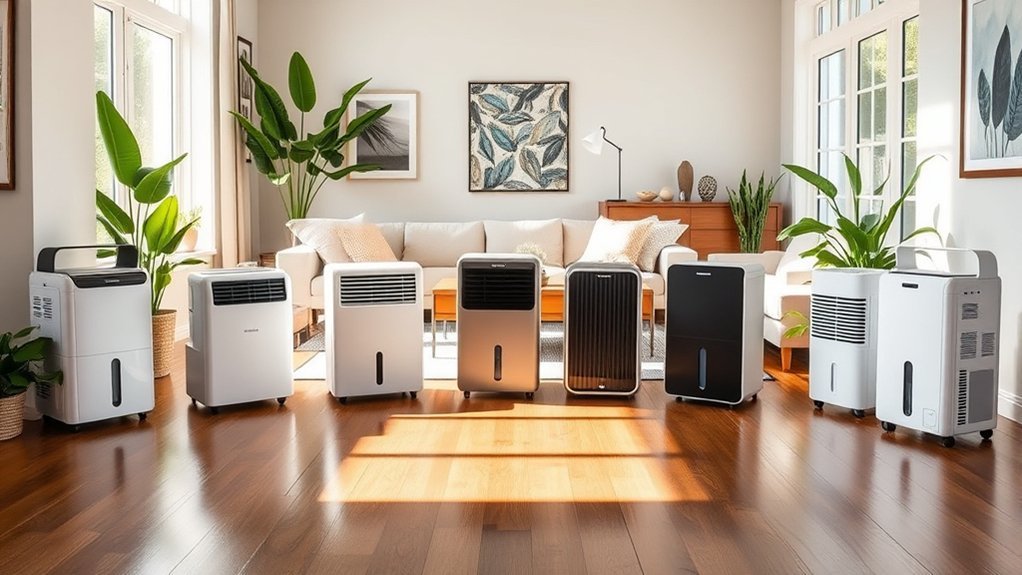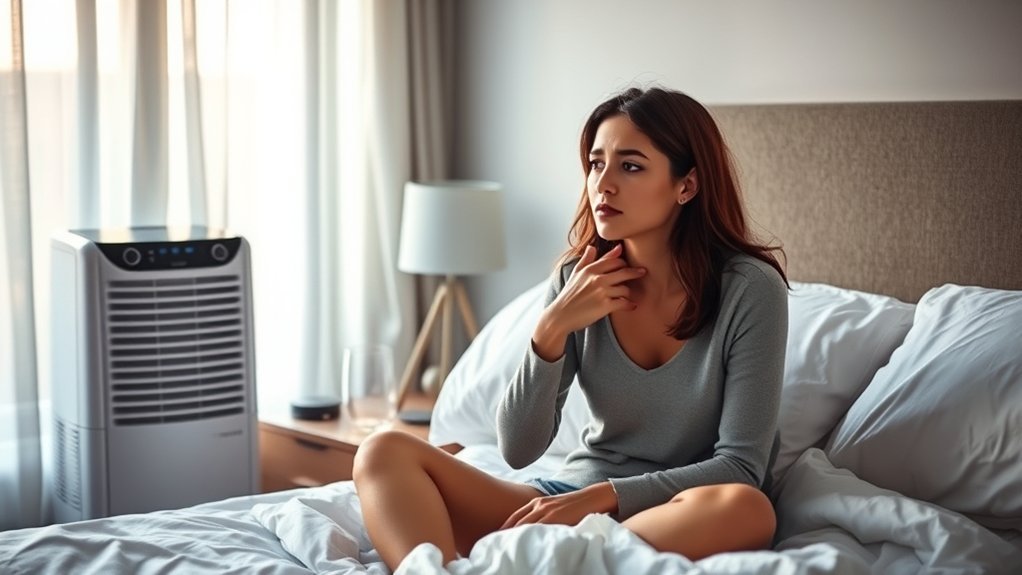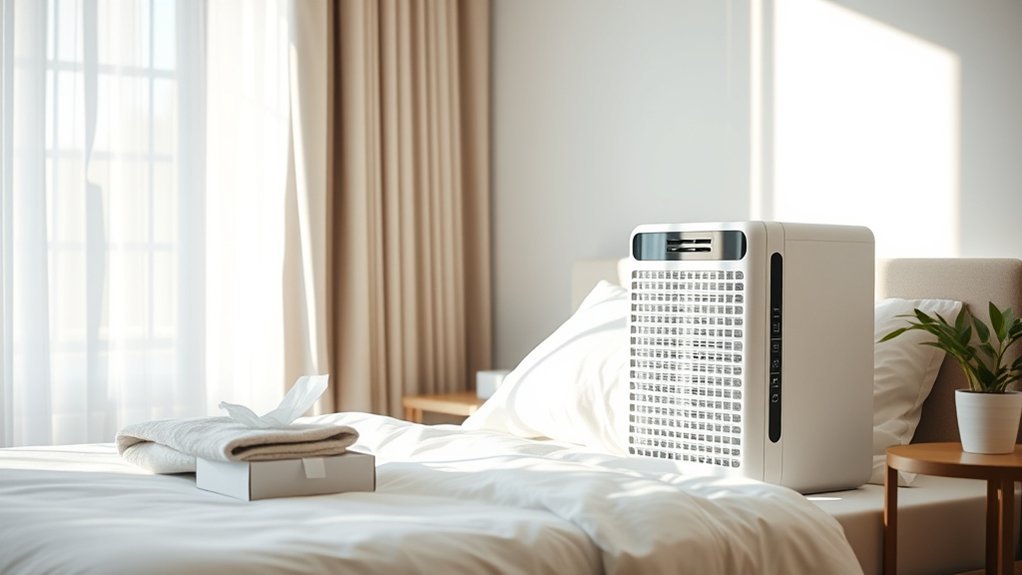
Does a dehumidifier help with allergies? Yes, when mold and dust mites are your triggers, because both do better in damp air. It will not remove pollen, pet dander, or mold that is already growing. Aim for 30% to 50% relative humidity, with 40% to 50% a sensible target for many allergy-prone homes, and confirm it with a hygrometer.
The right unit, humidity setting, placement, and cleaning routine decide how much it helps. The sections below cover each, plus what to pair it with.
Key Takeaways
- A dehumidifier helps most when allergies are tied to dampness, mold, mildew, or dust mites.
- Keep indoor humidity in the 30% to 50% range, with 40% to 50% as a practical allergy target for many homes.
- A dehumidifier does not remove pollen, pet dander, settled dust, or existing mold growth.
- For stronger allergy control, combine humidity control with washing bedding, fixing leaks, vacuuming with HEPA filtration, and using an appropriately sized air purifier.
Does a Dehumidifier Help With Allergies?
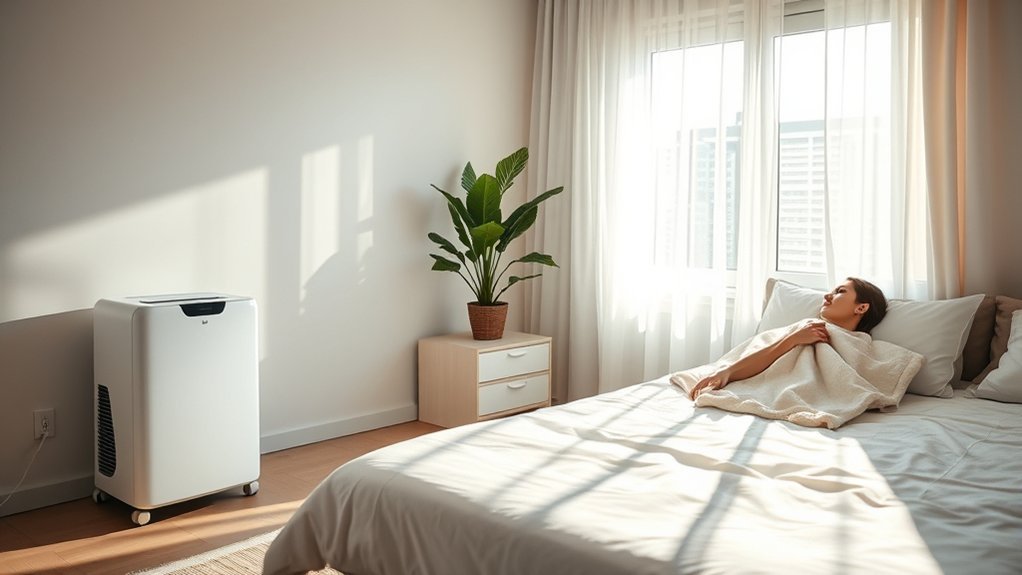
Yes, a dehumidifier can help with allergies when your indoor air is too damp. Mold, mildew, and dust mites all do better in humid spaces. The CDC recommends keeping home humidity no higher than 50% all day to help prevent mold growth, and the EPA recommends keeping indoor humidity below 60%, ideally between 30% and 50%.
For allergies, a good working target is usually 40% to 50% relative humidity. That range is dry enough to discourage dust mites and mold, but not so dry that it irritates your nose, throat, skin, or eyes. Use a simple hygrometer instead of guessing. Many dehumidifiers have built-in humidistats, but a separate room hygrometer helps confirm the real humidity where you sleep or spend the most time.
Note: A dehumidifier is not an allergy cure. It controls moisture. It does not remove pollen, pet dander, dust already settled on surfaces, or mold that is already growing.
How a Dehumidifier Reduces Mold
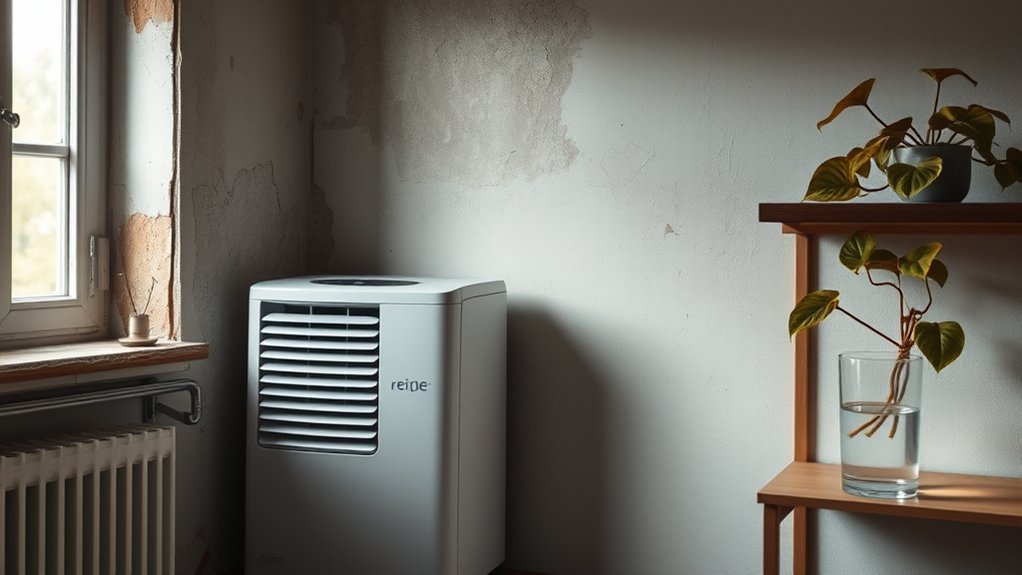
Mold needs moisture to grow. A dehumidifier helps by pulling excess water vapor from the air, which makes damp rooms less friendly to mold. This matters most in basements, bathrooms, crawl spaces, laundry rooms, and poorly ventilated bedrooms.
The key point is prevention. The EPA says the key to mold control is moisture control, and wet materials should be dried within 24 to 48 hours after leaks, spills, or flooding to help prevent mold growth. If there is already visible mold, you still need to clean it up and fix the moisture source. Otherwise, the mold problem is likely to come back.
Mold Growth Control
Running a dehumidifier can reduce condensation, musty odors, and damp surfaces. That helps slow or prevent new mold growth, especially when the room stays below 50% relative humidity.
| Area | How a Dehumidifier Helps | What You Still Need to Do |
|---|---|---|
| Basement | Lowers dampness and musty odor. | Seal leaks, route water away from the foundation, and use a drain hose if the bucket fills quickly. |
| Crawl space | Helps reduce persistent moisture. | Check vapor barriers, standing water, and ventilation problems. |
| Bedroom | Helps keep bedding and soft surfaces less humid. | Wash bedding weekly, reduce fabric clutter, and vacuum regularly. |
Humidity Reduction Benefits
Lower humidity can improve comfort and reduce the conditions that support biological allergens. It can also reduce window condensation and the musty smell that often warns you a room is staying too damp.
For best results, set the humidistat to about 45%, then check the room with a hygrometer after the unit has run for several hours. If the room still reads above 50%, the unit may be too small, poorly placed, blocked by furniture, or fighting an active leak.
Warning: If mold covers more than about 10 square feet, follows flooding or sewage backup, appears inside HVAC equipment, or affects someone with asthma, chronic lung disease, or a weakened immune system, consider professional help before cleanup.
Why Lower Humidity Helps Dust Mites
Dust mites are microscopic pests that live in house dust, bedding, upholstered furniture, carpets, and stuffed toys. They feed on shed skin cells, and their body parts and waste can trigger sneezing, congestion, itchy eyes, eczema flares, and asthma symptoms in sensitive people.
Dust mites like warmth and humidity. The Asthma and Allergy Foundation of America notes that dust mites thrive around 70°F and like humidity levels above 50%. A PubMed-indexed study found that homes kept below about 51% relative humidity had much lower dust mite and allergen levels after 17 months than more humid homes.
Humidity control helps, but it does not remove dust mite debris that is already in bedding or fabric. That is why a dehumidifier works best as part of a dust-control routine.
- Use zippered allergen-barrier covers on pillows and mattresses.
- Wash sheets, blankets, and washable rugs weekly in hot water at least 130°F.
- Vacuum weekly with a HEPA-filter vacuum if possible.
- Reduce wall-to-wall carpet, heavy curtains, fabric clutter, and unwashable soft items in bedrooms.
- Keep humidity between 30% and 50%, using a dehumidifier or air conditioner when needed.
Lower humidity can make your home less friendly to dust mites, but cleaning removes the allergen debris that humidity control leaves behind.
Best Dehumidifier Humidity Levels for Allergies
For allergy relief, aim for a steady indoor humidity level of about 40% to 50%. This target helps limit mold and dust mites while reducing the chance of overly dry air.
Use these ranges as a practical guide:
| Humidity Reading | What It Means | What to Do |
|---|---|---|
| Below 30% | Too dry for many people. | Reduce dehumidifier use. Dry air may irritate your nose, throat, skin, and eyes. |
| 30% to 40% | Generally acceptable, especially in cooler weather. | Monitor comfort and avoid over-drying bedrooms. |
| 40% to 50% | A common target for allergy-prone homes, inside the recommended 30% to 50% range. | Maintain this range with a humidistat and hygrometer. |
| Above 50% | More supportive of dust mites and mold. | Run the dehumidifier, improve ventilation, and check for leaks or condensation. |
Pro Tip: Put a hygrometer in the room where symptoms are worst, not just near the dehumidifier. Humidity can vary between a basement, bedroom, closet, and bathroom.
When You Need More Than Moisture Control
A dehumidifier helps with moisture-related triggers. It does not filter the air. If your symptoms come from pollen, pet dander, smoke, fine dust, or airborne particles, you may also need a properly sized air purifier.
Persistent Allergy Triggers
If allergy symptoms continue after humidity stays below 50%, look for other triggers:
- Pollen: Keep windows closed during high-pollen periods and change clothes after outdoor exposure.
- Pet dander: Keep pets out of bedrooms, wash pet bedding, and vacuum often.
- Settled dust: Use damp microfiber cleaning instead of dry dusting.
- Hidden mold: Check behind furniture, under sinks, near windows, behind wallpaper, and around HVAC drip pans.
- Dirty HVAC filters: Replace filters on schedule and use the highest MERV rating your system can handle.
Add Air Purification
For airborne allergens, use a portable air purifier with a Clean Air Delivery Rate (CADR) that matches the room size. The EPA’s air-cleaner guidance says filtration can supplement source control and ventilation, but no air cleaner removes all pollutants.
Choose a unit with a true HEPA filter or other high-efficiency particle filter, and avoid devices that intentionally produce ozone. Ozone can irritate the lungs, especially for people with asthma.
How to Choose the Right Dehumidifier Size
Dehumidifier “size” is not the physical size of the machine. It is the unit’s moisture-removal capacity, measured in pints per 24 hours. According to ENERGY STAR, the capacity you need depends on two things: the size of the space and how damp it is before dehumidification.
| Room Condition | Small/Medium Room (<2,000 sq. ft.) |
Large Room (>2,000 sq. ft.) |
|---|---|---|
| Slightly to moderately damp Feels damp or has occasional musty odor; about 50% to 75% RH. |
20 to 30 pints/day | 30+ pints/day |
| Very damp Consistent damp smell or damp spots; about 75% to 90% RH. |
25 to 40 pints/day | 40+ pints/day |
| Wet Walls or floors sweat, seepage is present, or laundry drying adds moisture; about 90% to 100% RH. |
30 to 50 pints/day | 50+ pints/day |
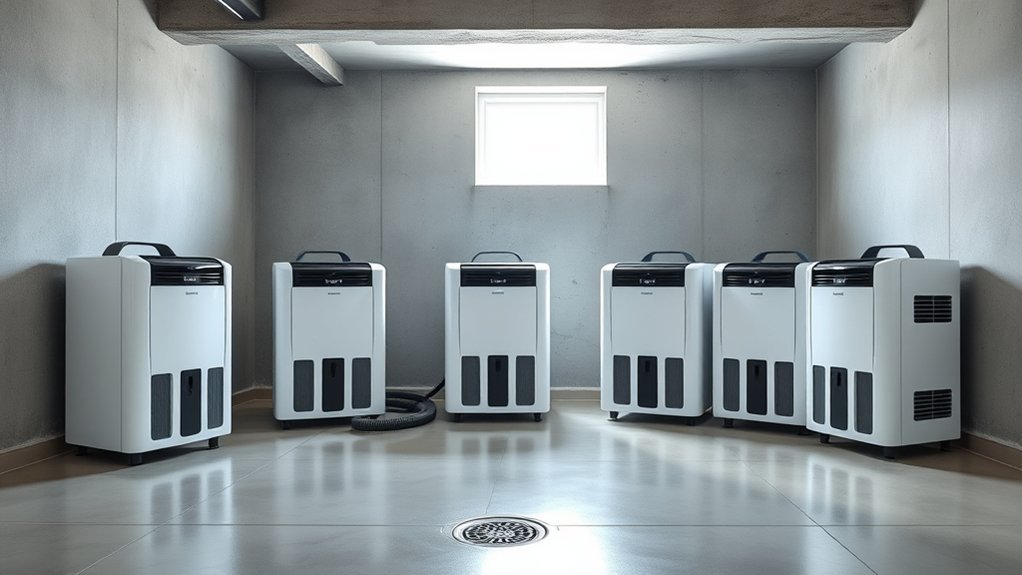
For basements, laundry rooms, and spaces where the bucket fills fast, look for a model with a continuous drain hose or built-in pump. If the room often falls below 65°F, choose a model rated for lower-temperature operation or one with an anti-frost sensor.
Recommended Products

2500 Sq. Ft Dehumidifier - SEMKAP dehumidifier for basement features a quiet, high-performance compressor that removes up to 32 pints of moisture per day (at 95°F, 90% RH)....
How to Use a Dehumidifier for Allergy Relief
Buying the right unit is only half the job. How you use it affects how much it helps.
- Measure first. Check humidity with a hygrometer for a few days, especially in the morning and evening.
- Set the target. Start at 45% RH. Adjust slightly if the air feels too dry or the room stays damp.
- Close the space. Keep doors and windows closed while the unit runs so it is not constantly drying outdoor air.
- Give it airflow. Keep the dehumidifier away from walls, curtains, furniture, and dust-producing areas.
- Use continuous drainage when needed. A drain hose helps in basements and wet rooms where the bucket fills daily.
- Clean the filter and bucket. Follow the manufacturer’s schedule. A dirty unit can smell musty and work less efficiently.
- Fix the source. If humidity keeps returning, look for leaks, poor ventilation, condensation, or foundation moisture.
Other Allergy Fixes to Pair With a Dehumidifier
A dehumidifier works best when it is part of a whole-home allergy plan. Pair it with steps that remove allergens instead of only changing the air moisture.
Pairing a dehumidifier with HEPA filtration, bedding control, leak repair, and regular cleaning targets both moisture and particles.
- Use allergen-proof covers on mattresses and pillows.
- Wash bedding weekly in hot water at least 130°F.
- Vacuum with a HEPA-filter vacuum, especially in bedrooms and carpeted areas.
- Use a portable air purifier sized by CADR for the room.
- Replace HVAC filters regularly and choose the highest MERV rating your system can safely handle.
- Run bathroom and kitchen exhaust fans to vent moisture outdoors.
- Repair roof, plumbing, window, or foundation leaks quickly.
Recommended Products

WHY CHOOSE AHAM VERIFIDE AIR PURIFIERS: AHAM (Association of Home Appliance Manufacturers) is an ANSI-accredited organization that sets strict standards for appliance performance. Air purifiers with the AHAM VERIFIDE seal have been independently tested for air cleaning performance and energy efficiency. When you choose an AHAM certified air purifier, you're choosing a product trusted for reliable and effective indoor air quality improvement

Cleaner Air In Minutes: Purivortex is proven to filter common pollutants from your home’s air. This air purifier purifies rooms up to 880 ft² in one hour. It can purify a 215 ft² room in about 15 minutes, giving you noticeably fresher air in a short time. Breathe clean, crisp air and feel the difference in your space. (*Tested in an ISO 17025 certified laboratory under typical residential room ventilation conditions.)

𝐇𝐢𝐠𝐡𝐞𝐫 𝐀𝐢𝐫 𝐈𝐧𝐭𝐚𝐤𝐞 & 𝐋𝐚𝐫𝐠𝐞𝐫 𝐂𝐨𝐯𝐞𝐫𝐚𝐠𝐞 𝐟𝐨𝐫 𝐏𝐞𝐭 𝐋𝐨𝐯𝐞𝐫𝐬: This air purifier for home pets is designed with a larger front air inlet and wider dual-side air inlet, which can pull air from multiple sides and trap airborne pet hairs and odors more easily. Engineered to tackle the wildfire smoke, floating ash, and heavy smog, this high-performance air purifier creates a safe haven indoors, keeping your indoor air fresh during severe air quality alerts
Troubleshooting Common Dehumidifier Problems
Recommended Products

Effective Moisture Control for Home Use: OWAAE dehumidifier is designed to reduce excess moisture and help maintain comfortable humidity levels in everyday living spaces. It works best in moderate-to-high humidity environments, improve overall air comfort at home

Effective Moisture Control for Home: OWAAE dehumidifier is designed to reduce excess moisture and help maintain comfortable humidity levels in everyday living spaces. It works best in moderate-to-high humidity environments, improve overall air comfort at home
Humidity Stays Above 50%
The unit may be undersized, the room may be too open, airflow may be blocked, or there may be an active moisture source. Close doors and windows, move the unit to open airflow, check the filter, and inspect for leaks or seepage.
The Room Still Smells Musty
A dehumidifier may reduce the smell, but it will not remove existing mold or mildew. Check carpets, drywall, furniture backs, closets, stored boxes, and HVAC drip pans. Clean visible mold safely and fix the water problem.
The Unit Ices Up
Many refrigerant dehumidifiers work poorly in cold rooms. If the space is below 65°F, use a model rated for low temperatures or one with an anti-frost sensor, and let a frosted unit defrost before restarting it.
The Bucket Fills Too Fast
Fast filling usually means the unit is working, but it can also signal a wet basement, poor drainage, or a leak. Use continuous drainage and investigate the moisture source.
Frequently Asked Questions
Do dehumidifiers help with a stuffy nose?
They can if dampness, mold, mildew, or dust mites trigger it. If pollen, pet dander, infection, smoke, or dry air is the cause, a dehumidifier may not help. See a healthcare professional if symptoms are severe, persistent, or come with wheezing or shortness of breath.
What is better for allergies, a dehumidifier or an air purifier?
It depends on the trigger. A dehumidifier helps with moisture-related triggers such as mold and dust mites, while an air purifier captures airborne particles such as pollen, pet dander, smoke, and fine dust. Many allergy-prone homes use both.
Can a dehumidifier remove mold spores from the air?
No. A dehumidifier removes moisture, not mold spores. Lower humidity makes new mold less likely to grow, but existing mold must be cleaned up and the water source fixed.
What humidity level helps control dust mites?
Dust mites like humidity above 50%, so keeping indoor humidity between 30% and 50% makes the home less friendly to them. It does not remove existing mites or their allergen debris. Wash bedding weekly in water at least 130°F and use allergen-barrier covers.
Should I run a dehumidifier all night?
Yes, if the room is humid and the unit is clean and has clear airflow. Use the humidistat so it cycles off near your target. Keep it away from bedding and curtains.
Can a dehumidifier make allergies worse?
It can if it dries the air too much, is not cleaned, or gives you a false sense of control while mold, dust, or pet dander remains. Keep humidity above 30%, clean the unit regularly, and use it alongside allergen removal steps.
Conclusion
When you lower indoor humidity, you make your home less inviting to mold, mildew, and dust mites. That can help reduce allergy triggers, especially in damp rooms. A dehumidifier is not a cure-all, though. It will not remove existing mold, pet dander, pollen, or settled dust. For the best results, keep humidity around 40% to 50%, verify it with a hygrometer, fix water problems, clean bedding and fabrics, and add HEPA filtration when airborne allergens are part of the problem.
Sources
- U.S. EPA — A Brief Guide to Mold, Moisture and Your Home — moisture control, 24–48 hour drying guidance, mold cleanup cautions, and indoor humidity targets.
- CDC — Mold — mold health effects, prevention, and keeping home humidity no higher than 50%.
- ENERGY STAR — Dehumidifiers — dehumidifier capacity, sizing, drainage, operating temperature, humidistats, and energy guidance.
- U.S. EPA — Guide to Air Cleaners in the Home — CADR, HEPA air cleaners, HVAC filters, and air-cleaner limitations.
- Asthma and Allergy Foundation of America — Dust Mite Allergy — dust mite triggers, bedding control, hot-water washing, and 30% to 50% home humidity guidance.
- Arlian et al., Journal of Allergy and Clinical Immunology — Reducing Relative Humidity and Dust Mites — study on maintaining indoor RH below about 51% to reduce dust mite and allergen levels.