Disclosure: As an Amazon Associate, we earn from qualifying purchases. If you click a link on this page and make a purchase, we may receive a small commission at no extra cost to you.
Cooking soft, fluffy rice on the stovetop often requires constant supervision to prevent boilovers or scorched bottoms. If you want authentic ceramic-cooked rice without taking up valuable counter space with a electric appliance, finding the right pot can make all the difference. The HARIO GNR-200-B-W Rice Pot uses thick heat-resistant ceramic and a whistling glass lid to take the guesswork out of stovetop rice preparation. This review covers how it performs, key specifications, and whether it deserves a spot in your kitchen.
Quick Verdict
Rating: 8.8/10 (Highly Recommended)
Best For: Individuals and small households (1 to 3 people) who prefer traditional stovetop ceramic cooking with an audible boil alert.
Bottom Line: The HARIO GNR-200-B-W produces exceptionally fluffy rice due to its thick heat-retaining ceramic body and clever steam whistle. However, it requires a gas or direct electric stove and is not induction compatible without an adapter.
| Specification | Detail |
|---|---|
| Brand | HARIO |
| Model Number | GNR-200-B-W |
| Product Type | Stovetop Ceramic Rice Pot (Donabe Style) |
| Capacity | 2 to 3 cups cooked rice (approx. 1 to 2 cups uncooked) |
| Pot Material | Heat-Resistant Ceramic |
| Lid Material | Heat-Resistant Glass with Whistle Knob |
| Dimensions | 10.6 x 9.1 x 8.3 inches |
| Stovetop Compatibility | Gas flame, electric coil (Not Induction Compatible) |
| Care Instructions | Hand wash recommended with soft sponge |
What Is the HARIO GNR-200-B-W Rice Pot?
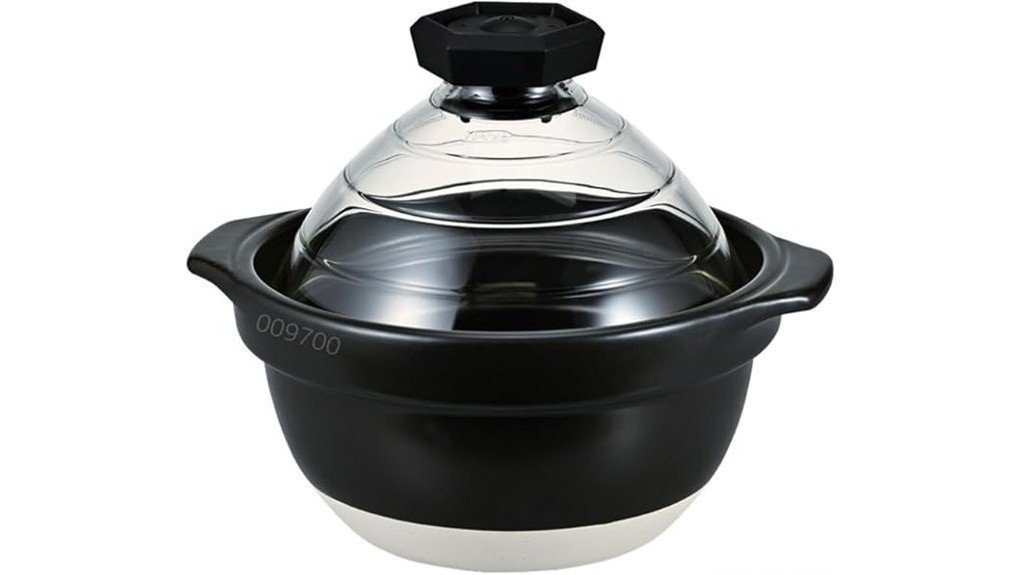
The HARIO GNR-200-B-W is a Japanese-designed stovetop rice pot built around a heavy ceramic body and a transparent glass lid. Known worldwide for high-grade glass craft, HARIO engineered this pot to offer the benefits of traditional earthenware donabe cooking with modern monitoring convenience.
With a capacity suited for 2 to 3 cups of cooked rice, this pot targets small households, couples, or solo meal preppers. The thick ceramic walls absorb heat evenly and hold steam inside, helping each grain absorb moisture thoroughly. Rather than relying on guesswork or lifting the lid, a built-in whistle in the top handle sounds when internal steam pressure builds, indicating that the boiling phase is finished.
Who Should Buy It?
Best For
- Small households preparing 1 to 3 servings per meal
- Cooks who prefer stovetop ceramic flavor and texture over electric appliances
- People with limited kitchen counter space who want easy cabinet storage
Skip If
- You rely exclusively on an induction stovetop without an adapter interface
- You need to cook large batches of 5 or more cups for big families
- You want a set-and-forget timer that switches to warm automatically
Key Features and Design Breakdown
Heavy Ceramic Construction for Heat Retention
The thick ceramic bowl acts as an insulator, creating steady heat distribution throughout the pot. Unlike thin metal saucepans that develop hot spots and scorch rice at the bottom, ceramic releases heat gradually. This slow boiling mechanism ensures each grain cooks evenly from the center outward, resulting in fluffy, plump rice with uniform moisture.
Glass Lid with Built-In Steam Whistle
One common mistake when cooking rice on a stove is removing the lid to check progress, which lets crucial steam escape. HARIO solves this with a clear, heat-resistant glass lid that provides full visibility. Furthermore, a whistle mechanism built directly into the handle sounds an audible notification when steam builds to the right level, signaling exactly when to turn off your burner.
Compact Stovetop Efficiency
Measuring 10.6 x 9.1 x 8.3 inches, the pot fits comfortably on standard gas burners or electric heating elements. Because ceramic retains thermal energy well after the stove is turned off, the pot continues to steam the rice safely on the counter, keeping your food hot for a long time without burning electricity.
What to Expect in Everyday Use
For Daily White and Jasmine Rice
For standard short-grain Japanese rice or long-grain Jasmine rice, the pot performs exceptionally well. Once water reaches a rapid boil, the whistle sounds clearly within 8 to 10 minutes. Turning off the heat immediately and letting the pot rest off-burner for 10 to 15 minutes yields shiny, perfectly separated grains without mushiness.
For Brown Rice and Specialty Grains
Brown rice and wild rice require higher water ratios and longer cooking times. While the whistle still notifies you when boiling begins, you may need to reduce heat to low for an additional 10 to 15 minutes before turning off the stove. The ceramic body holds enough residual heat to soften tough bran layers effectively.
For Small Kitchens and Stovetop Meal Prep
Because this pot requires no electrical cord, it stores away easily in kitchen cabinets when not in use. It is ideal for studio apartments, dorms with gas stoves, or cooks who dislike permanent appliance clutter on their countertops.
Pro Tip: When the lid whistle begins to sound, let it whistle for roughly 1 minute before turning off the heat. Then, leave the lid sealed and allow the pot to steam off-heat for 12 to 15 minutes to maximize grain fluffiness.
Essential Tips for Cooking Perfect Rice
Following a few basic practices ensures superior results every time you use the HARIO rice pot:
- Rinse Starch Thoroughly: Wash your rice under cold water until the runoff is clear. Removing excess surface starch prevents sticky overflow during boiling.
- Observe Fill Lines: Pay close attention to internal water measurements or recommended water ratios based on your specific grain variety.
- Keep the Lid Sealed: Avoid lifting the glass lid during the resting period. Steam retention is vital for finishing the cooking process off-heat.
- Allow Proper Rest Time: Never skip the 10 to 15 minute resting phase after turning off the burner. This step lets moisture equalize throughout the pot.
Before You Buy: The HARIO GNR-200-B-W is made entirely of ceramic and glass. It is not magnetic and will not work directly on induction cooktops unless you place a dedicated metal induction burner interface plate underneath it.
Care, Cleaning, and Stovetop Safety
Maintaining the pot is straightforward, but its ceramic glaze requires gentle care. Always allow the pot to cool down completely before washing it with warm water and mild dish soap. Submerging a hot ceramic pot into cold water can cause thermal shock and induce hairline fractures.
Avoid abrasive metal scouring pads or harsh chemical cleaners that could scratch the surface or damage the whistle assembly inside the lid handle. While sturdy, ceramic can chip if bumped hard against granite countertops or sink edges, so hand washing is strongly recommended over dishwasher use.
Pros and Cons
Pros
- Thick ceramic construction distributes heat evenly without hot spots
- Transparent glass lid enables full visibility without losing steam
- Audible whistle alert takes the guesswork out of stovetop timing
- Excellent heat retention keeps rice warm long after cooking
- Compact design stores easily in standard cabinets
Cons
- Not directly compatible with induction cooktops without an adapter
- Requires hand washing and careful handling to protect ceramic and glass
- Limited 2-3 cup capacity is unsuitable for large family dinners
Is It Worth the Price?
The HARIO GNR-200-B-W occupies a mid-range price tier among specialized stovetop cookware. Compared to expensive standalone electric cookers, it offers a budget-friendly way to achieve traditional ceramic-cooked rice quality without consuming electrical outlets.
For buyers who prioritize food texture, space efficiency, and simple stovetop cooking, it delivers strong value. If you frequently cook for large groups or want an appliance that stays warm for 12 hours automatically, an electric cooker might serve you better. However, for everyday small-batch meals, the HARIO pot is a practical investment.
How It Compares to Alternatives
When stacked against electric cookers like Zojirushi or basic metal saucepans, the HARIO pot provides distinct trade-offs:
- Versus Standard Stainless Steel Pans: Metal pans heat quickly but often burn the bottom layer of rice. The HARIO ceramic body buffers heat, resulting in far more consistent texture.
- Versus Electric Rice Cookers: Electric units offer automated keep-warm cycles and delay timers, but they take up permanent counter space. HARIO cooks faster on a gas stove and stores neatly in a drawer.
- Versus Traditional Earthenware Donabe: Traditional donabe pots lack transparent lids and whistle alerts, requiring careful monitoring to prevent boilovers. HARIO adds modern convenience while preserving ceramic heating benefits.
Frequently Asked Questions
Is the HARIO GNR-200-B-W Rice Pot dishwasher safe?
Hand washing is strongly recommended. Dishwasher jets and detergents can degrade the ceramic glaze over time or damage the steam whistle mechanism housed inside the glass lid handle.
Can I use this rice pot on an induction stovetop?
No, the pot itself is ceramic and lacks magnetic properties. To use it on an induction cooktop, you must place an induction heat diffuser disk on the element under the pot.
How does the steam whistle alert work?
As water inside the sealed ceramic pot reaches a full boil, escaping steam channels through a small whistle valve in the lid handle. The sound alerts you when it is time to turn off your stove burner.
How much rice can this pot cook at one time?
The pot yields approximately 2 to 3 cups of cooked rice (roughly 1 to 1.5 cups of uncooked rice). It is designed specifically for small servings and compact meals.
Do I need to soak the rice before cooking?
While not strictly mandatory, soaking white rice in cold water for 15 to 30 minutes before heating allows the grains to absorb moisture evenly, resulting in a fluffier final texture.
How do I clean burnt rice off the bottom without scratching?
Fill the pot with warm water and 1 tablespoon of baking soda, then let it soak for 20 minutes. Use a soft sponge or cloth to gently wipe away loosened residue without damaging the glaze.
Can I use this pot for grains other than rice?
Yes, you can cook quinoa, oats, barley, or millet in the pot. Adjust the liquid ratios and cooking duration according to the specific grain requirement.
The Bottom Line
The HARIO GNR-200-B-W Rice Pot combines traditional donabe ceramic heating with practical glass lid design. Its whistle feature prevents boilovers and takes the mystery out of stovetop cooking. If you want consistently fluffy rice for 1 to 3 people without sacrificing cabinet or counter space, this pot is a smart and reliable addition to your kitchen.
Ready to Buy?
Check the latest price and product availability on Amazon before you decide.