Last updated July 7, 2026 · Reviewed for accuracy
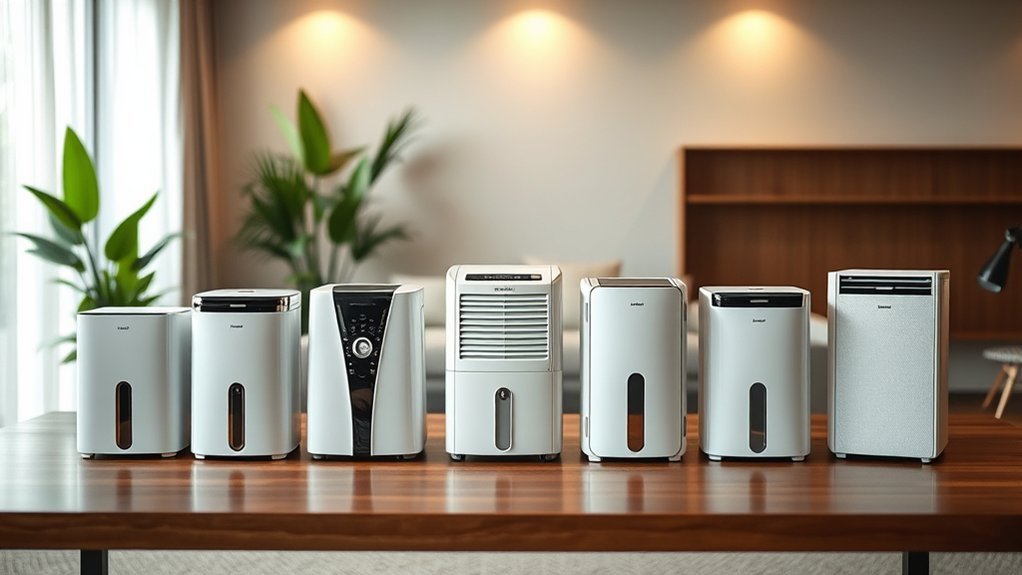
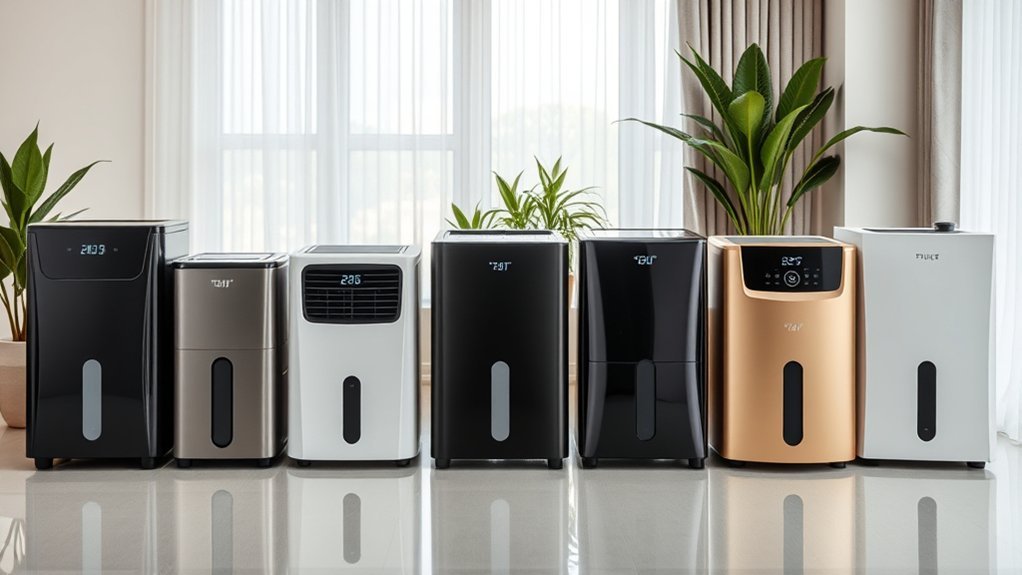
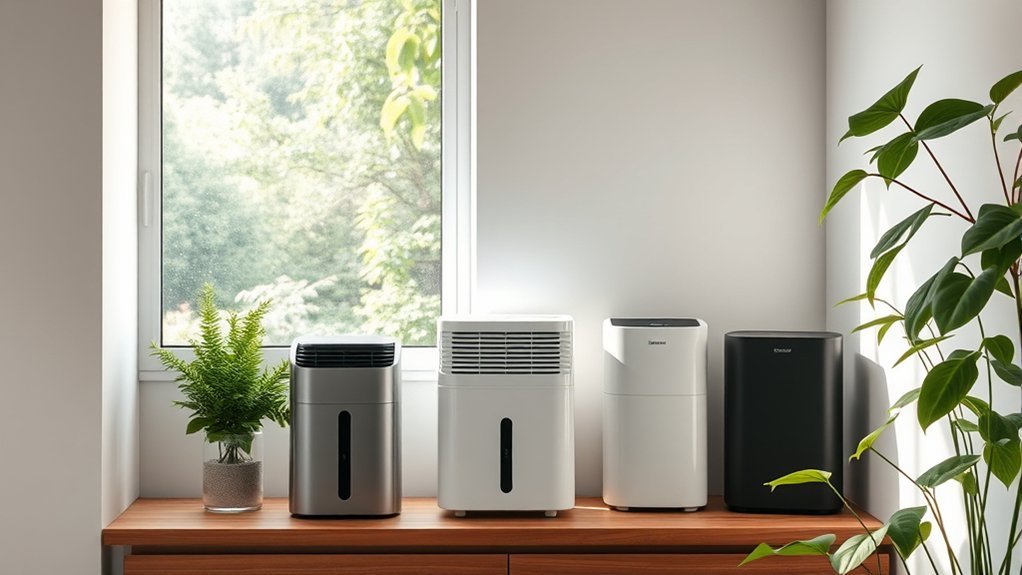
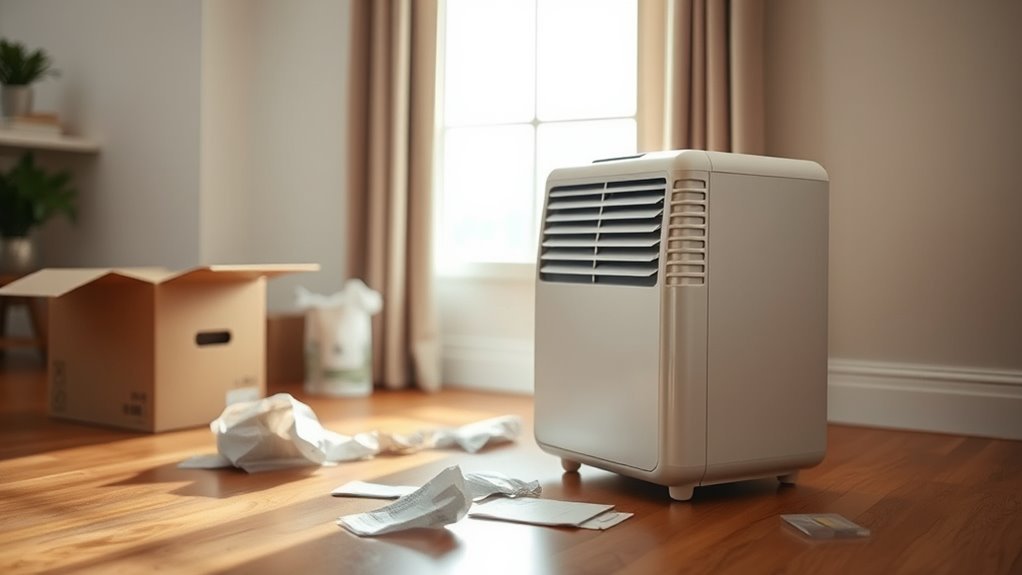
If your new dehumidifier was shipped to you, let it sit upright before you plug it in. For many compressor-style models, the safest rule is 24 hours upright after shipping, because the box may have been tilted or laid flat in transit. Some manuals allow shorter waits, such as 1 to 4 hours, so check your exact model before starting it. If the unit was laid on its side, wait longer, inspect for damage, empty the tank, and only then power it up.
Quick Answer
After shipping, let a compressor dehumidifier stand upright for 24 hours unless your manual gives a different wait time. If you only rolled it across the room while it stayed upright, you usually do not need a full-day delay. If it was tipped, transported in a car, or laid down, return it upright, wait, then check for leaks, damage, a seated tank, and normal startup.
Key Takeaways
- Use 24 hours as the safe shipping rule for compressor dehumidifiers unless the manufacturer gives a shorter or longer instruction.
- Do not lay a dehumidifier on its side if you can avoid it, because compressor oil can move out of place.
- Desiccant dehumidifiers are different because they do not use the same compressor-and-refrigerant system.
- Check the manual first because wait times vary by model, from about 1 hour to 24 hours in current manuals.
How Long Should It Sit After Shipping?

For a compressor dehumidifier, the safest answer is to let it sit upright for 24 hours after shipping before plugging it in. Several current manuals use this exact 24-hour instruction because the appliance may have been tilted or placed upside down during delivery. Other models give shorter wait times, so the final authority is always your user manual.
| Situation | Practical wait time | Why it matters |
|---|---|---|
| New unit after shipping | 24 hours is the safest default | Transit may have tilted the compressor system |
| Moved upright across the room | Usually no long wait | Oil and refrigerant were not disturbed much |
| Transported in a car or tipped | Follow the manual; use 24 hours when unsure | Oil may need time to drain back |
| Desiccant model | Follow the manual | It does not use the same compressor-oil setup |
Do not shorten the wait just to test the unit. Place it on a level floor, leave it unplugged, and keep the tank empty during the rest period. If the shipping carton arrived crushed, wet, or upside down, take photos before unpacking in case you need support from the retailer or manufacturer.
Why a Dehumidifier Must Stay Upright
A compressor dehumidifier should stay upright because its compressor oil, refrigerant circuit, coils, and drain system are designed around that position. When the unit sits normally, oil stays where the compressor needs it, water drains into the bucket or hose path, and the fan can move air through the coils without obstruction.
Compressor Oil Settlement
Shipping can shake, tilt, or invert a dehumidifier. If compressor oil moves into the wrong part of the sealed system, the compressor may start with poor lubrication or restricted flow. Waiting upright gives the oil time to return before the first startup.
The exact wait time varies by model. Some manuals tell you to leave the unit upright for 24 hours before the first plug-in. Others require one hour, four hours, or a shorter delay after brief horizontal transport. That variation is why “24 hours” works best as a safe default, not as a universal law.
Refrigerant Flow Disruption
If you power up a compressor dehumidifier too soon after a rough delivery, oil can interfere with the refrigerant circuit. That can reduce moisture removal, raise noise, strain the compressor, or shorten the appliance’s life. A rest period is simple insurance against a problem you cannot see from the outside.
Do not confuse this with the normal compressor delay built into many dehumidifiers. Some models pause the compressor for a few minutes after rapid shutoff and restart. That feature protects the compressor during normal use, but it does not replace the post-shipping upright wait.
Upright Storage Protection
Use upright storage whenever you put the dehumidifier away for a season or move it to another room. Empty the bucket first, dry the filter, coil area, and drain hose as the manual allows, then store the unit on a flat surface. Do not store it upside down or on its side.
| Position | Risk | What to do |
|---|---|---|
| Upright | Low | Use, move, and store this way |
| Tilted briefly | Medium | Return upright and follow the manual |
| Laid on side | High | Wait before startup and inspect first |
What Happens If You Turn It On Too Soon?
If you turn a compressor dehumidifier on too soon after it was tipped or shipped sideways, you may force the compressor to start before its oil has settled. That can cause poor lubrication, restricted refrigerant movement, extra noise, weak moisture collection, overheating, or premature wear.
You may not notice damage right away. The unit might start, run loudly, collect little water, or shut off after a short cycle. In worse cases, it may trip a breaker, leak water from the wrong area, or fail to start. If that happens, stop using it and contact the manufacturer or a qualified appliance technician.
Skipping the required setup instructions can also create warranty trouble. Manufacturers often exclude damage caused by improper handling, blocked airflow, wrong voltage, water intrusion, or unauthorized repair. Keep the box, order record, and photos if the unit arrived visibly mishandled.
How Long to Wait After Moving It
If you only rolled the dehumidifier a short distance while it stayed upright, you can usually restart it right away. Empty the tank first if water is inside, because tilting a full bucket can spill water into the cabinet.
If you moved it in a vehicle, carried it upstairs at an angle, or briefly laid it down, treat it like a higher-risk move. Set it upright on a level floor, unplugged, and wait according to your manual. When you cannot confirm the manual’s guidance, use the 24-hour upright wait as the cautious choice.
For a rented unit or a second-hand dehumidifier, assume it may have been transported incorrectly. Let it stand upright before use, inspect the plug and cord, and look for oil stains, broken plastic, loose panels, or water marks around the base.
Refrigerant vs. Desiccant Dehumidifiers
The 24-hour settling rule mainly applies to compressor or refrigerant dehumidifiers. These units cool air below its dew point, collect condensed water, and use a compressor-driven refrigeration cycle. Because they use compressor oil, rough transport can create a settling issue.
Desiccant dehumidifiers work differently. They use a moisture-absorbing rotor or material instead of the same compressor-based cooling cycle. That means they do not have the same compressor-oil concern, although you should still keep them upright to prevent water spills, housing damage, and fan or rotor stress.
| Type | How it removes moisture | Post-shipping concern |
|---|---|---|
| Compressor / refrigerant | Cold coils condense water from air | Compressor oil may need to settle |
| Desiccant | Moisture-absorbing material removes water vapor | Less oil-settling concern, but still follow the manual |
| Thermoelectric / Peltier | Small cold plate condenses light moisture | Follow the manual; no full compressor system |
If you are unsure which type you own, look for words like compressor, refrigerant, R32, R290, or condensation in the manual. When in doubt, wait upright and contact the manufacturer before plugging it in.
Recommended Products

1600 Sq.Ft High Capacity Dehumidifier- The GoGuess basement dehumidifier is equipped with a quiet yet powerful compressor that efficiently extracts up to 21 pints of moisture per day (tested at 95°F and 90% RH). Perfect for use in basements, offices, bathrooms, bedrooms, kitchens, storage areas, living rooms, laundry spaces, garages, crawl spaces, and RVs. It helps maintain a healthy humidity level between 30% and 70%, promoting a more comfortable and healthier indoor environment

2500 Sq. Ft Dehumidifier - SEMKAP dehumidifier for basement features a quiet, high-performance compressor that removes up to 32 pints of moisture per day (at 95°F, 90% RH). Ideal for basements, offices, bathrooms, bedrooms, kitchens, stockrooms, living rooms, laundry rooms, garages, crawlspaces, or RVs. It helps maintain optimal humidity between 40%–60%RH for healthier, more comfortable living

【Reduce humidity - Enhance comfort】:Massive Capacity + Wide Coverage. This dehumidifier has dehumidification capacity ranging 45- 80 pints—outperforming standard units while covering 4,500 sq. ft. of living space. Great dehumidifier for basements, large house, garages, bedroom, bathroom and gyms where excess humidity triggers cause unpleasant odors and discomfort. The result? A noticeably drier, fresher, and more comfortable environment for your entire family.
How to Set It Up Safely
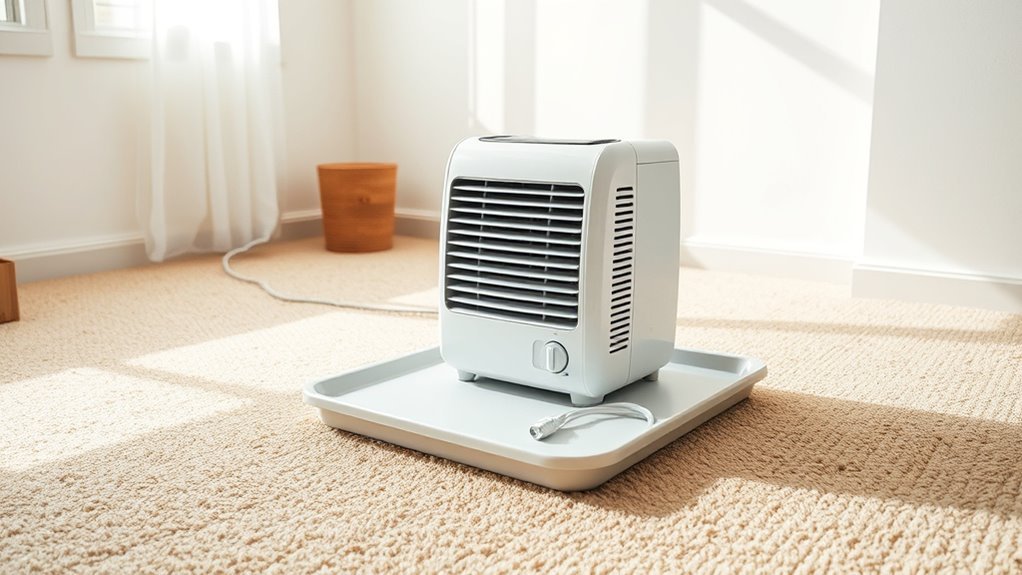
After the upright waiting period, inspect the dehumidifier before you run it. Remove all packaging, check for cracks or dents, confirm the bucket is seated, and make sure the filter is installed. Put the unit on a level floor that can support the weight of the machine with a full water tank.
| Setup step | Why it matters |
|---|---|
| Keep the unit upright | Protects the compressor and drain path |
| Leave clear airflow space | Helps the coils and fan work properly |
| Use a grounded outlet | Reduces electrical shock and overload risk |
| Empty or connect the drain correctly | Prevents water spills and shutdowns |
| Set a sensible humidity target | Avoids over-drying the room |
Most homes should stay below 60% relative humidity, and an ideal range is often 30% to 50% when possible. Use a separate hygrometer if the built-in reading seems inaccurate. For dust mite control, many health sources recommend keeping humidity below 50%.
Recommended Products

Semiconductor dehumidifiers use thermoelectric cooling to remove moisture from the air. They create a drier, more comfortable environment by reducing humidity and improving air quality.

Face Icon Comfort Indicator: Humidity temperature gauge features face icons to indicate DRY/COMFORT/WET air conditions, quickly informs you how to adjust your humidifier or dehumidifier to achieve optimal comfort.

1-【Widely Application】The digital LCD monitor can be used in home, office, garage, schools, hotels, laboratories, kindergartens, aquaculture, instrument workshop, warehouse, reptile tank terrarium, aquarium, hermit crab habitat, and other places where temperature/humidity measurement is required.
Signs It’s Ready to Run
Your dehumidifier is ready to run when it has rested upright for the required time, the outside is dry, the cord is undamaged, the tank is empty and seated, and the unit stands level with clear airflow. Check the base and seams for oily residue, water stains, or damage before plugging it in.
During the first cycle, listen for smooth fan and compressor operation. Normal operation may include a fan sound, a compressor hum, warm air from the outlet, and water collecting after the room air passes over the coils. Stop the unit if you hear grinding, loud rattling, repeated clicking, or if you smell burning plastic.
Do not judge performance after only a few minutes. A new dehumidifier may need time to start collecting visible water, especially if the room is cool, already dry, or the humidity setting is close to the current room humidity.
What to Do If You Already Turned It On
If you already turned on a dehumidifier after it was shipped or stored on its side, turn it off and unplug it. Put it upright on a level surface and let it sit before using it again. Use 24 hours if the manual is missing or if you know the unit spent meaningful time sideways.
While you wait, inspect the cabinet, bucket, drain outlet, hose connection, and power cord. If you see oil, broken plastic, a crushed coil area, water near electrical parts, or a damaged plug, do not restart it. Contact the seller or manufacturer instead.
After the wait, restart it and monitor the first full cycle. Watch for normal airflow, normal sound, and water collection. If the unit runs but does not remove moisture, shuts off repeatedly, leaks, or trips the circuit, stop using it and arrange service.
Recommended Products

Replacement Power Adaptor for Pro Breeze 1200 Cubic Feet Dehumidifier (PB-02).

Perfect replacement power cord for all 110V electrical product from Power tools to outdoor lighting

What Humidity Should You Set After Startup?
Once the unit runs normally, set a practical humidity target instead of forcing the lowest possible number. For most living spaces, start around 45% to 50% relative humidity. If the room still smells musty or shows condensation, lower the target slightly. If the air feels too dry, raise it.
People with asthma, allergies, COPD, or other chronic lung conditions should avoid damp indoor air and mold exposure. A dehumidifier can help when the room is genuinely humid, but it should not replace medical advice, ventilation, leak repair, or mold cleanup. Talk with a clinician if humidity changes affect breathing symptoms.
Sources and Method
This update compares current dehumidifier manuals and public health guidance. Examples include manuals that require 24 hours upright before plugging in, manuals with shorter model-specific wait times, and EPA, CDC, and American Lung Association guidance on moisture, mold, and dust mites.
- Moiswell Explorer V190 manual: 24-hour upright instruction before first use.
- Waykar CPG130A manual: keep upright and wait 24 hours after unwrapping.
- MeacoDry 25Lm manual: 4-hour pre-use wait and transportation guidance.
- Frigidaire FFAD5033W1 manual: one-hour upright instruction and setup notes.
- EPA mold course: indoor RH should stay below 60%, ideally 30% to 50%.
- American Lung Association dust mite guidance: reduce humidity below 50%.
- CDC mold guidance: mold exposure may affect people with asthma, allergies, immune compromise, or chronic lung disease.
Frequently Asked Questions
Can You Lay a Dehumidifier on Its Side for Transport?
You should not lay a compressor dehumidifier on its side if you can avoid it. Keep it upright during transport. If it was laid down, return it upright and wait according to the manual before plugging it in.
How Long to Let a Dehumidifier Sit Before Using?
After shipping, use 24 hours upright as the safe default for compressor dehumidifiers unless your manual gives a different wait time. After a short upright move across the room, you usually do not need a full-day wait.
What Happens if You Don’t Let a Dehumidifier Settle?
The compressor may start before oil has returned to the right place. That can reduce lubrication, restrict refrigerant flow, increase noise, reduce water collection, or shorten the appliance’s life.
Do Desiccant Dehumidifiers Need to Sit for 24 Hours?
Usually not for the same compressor-oil reason, because desiccant models do not use the same compressor-based refrigeration cycle. Still, keep the unit upright and follow the manual before first use.
What Should You Do If the Dehumidifier Was Already Plugged In Too Soon?
Turn it off, unplug it, place it upright, and let it rest. Inspect for leaks, damage, odd smells, and abnormal sounds before restarting. If it performs poorly after the wait, stop using it and contact support.
Conclusion
Let a shipped compressor dehumidifier stand upright before you plug it in. A 24-hour wait is the safest default when the shipping position is unknown, but your exact manual can override that with model-specific instructions. After the wait, check the tank, cord, drain, cabinet, and airflow. Then start the unit and monitor the first cycle so you can catch damage early.