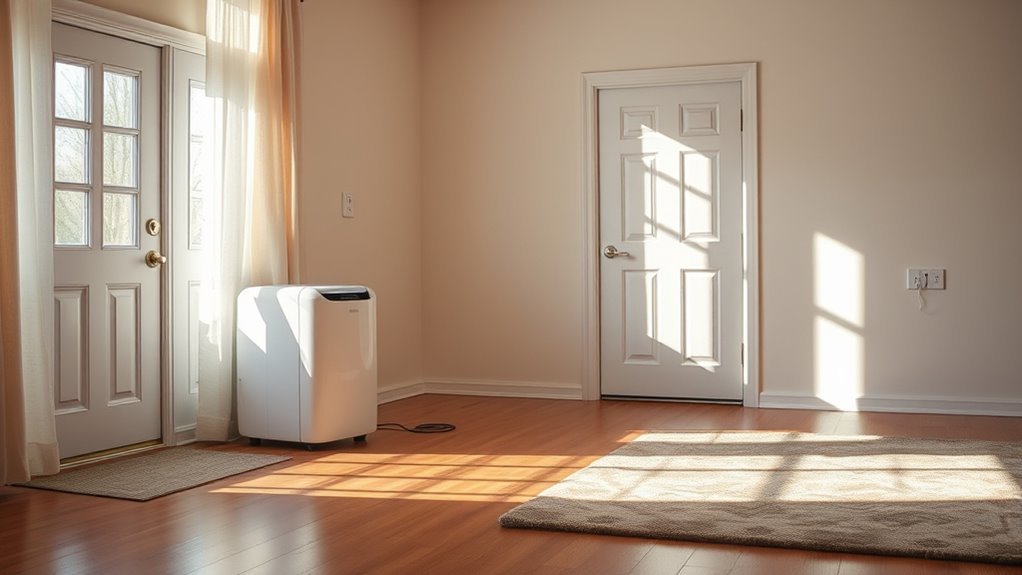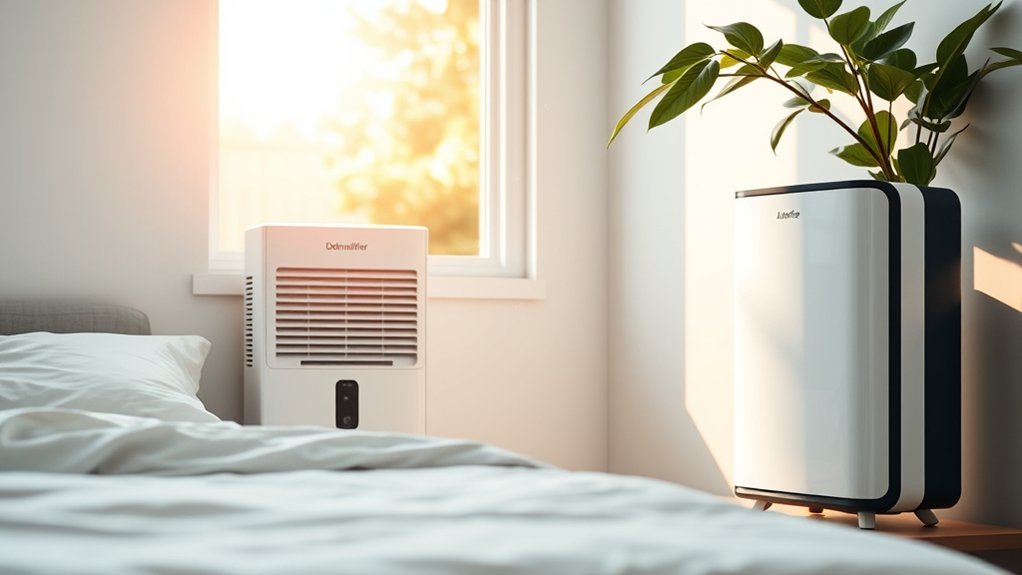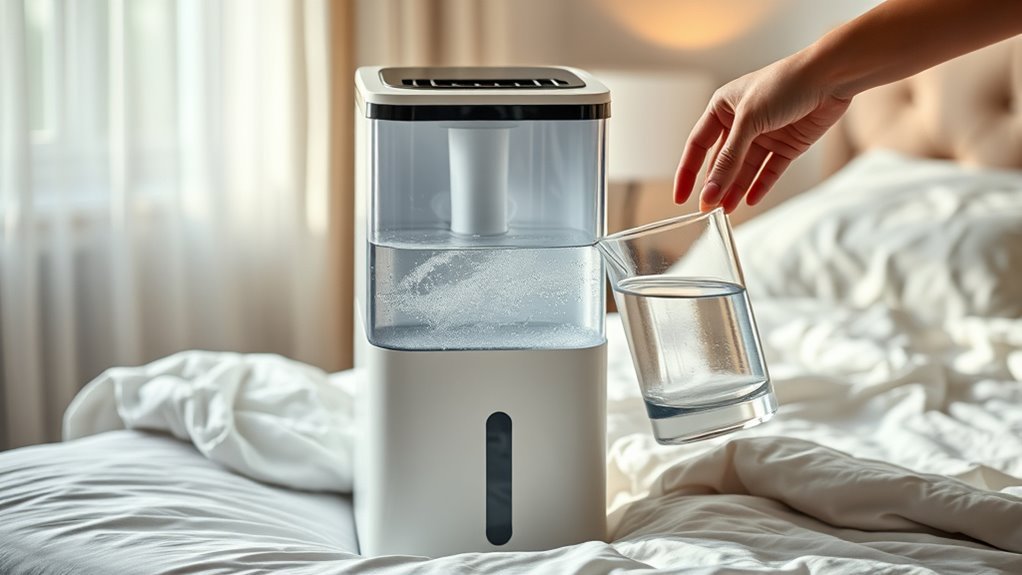
You don’t put water in a dehumidifier. A dehumidifier removes moisture from humid air, turns that moisture into condensate, and sends the water into a bucket or drain. Your job is to empty the tank, set up drainage if your model allows it, and keep the unit clean so it can keep lowering humidity safely.
Quick Answer
No, you do not put water in a dehumidifier. The machine pulls water vapor from the air and collects it as condensate in a bucket or drains it through a hose. Pouring water into the appliance can damage parts, and the collected water is not safe to drink.
Key Takeaways
- A dehumidifier removes water from the air; it does not need water added to it.
- Collected dehumidifier water is condensate, not purified drinking water.
- You can reuse the water only for limited non-potable jobs, such as flushing toilets or watering non-edible plants with care.
- Use distilled or manufacturer-approved water in humidifiers instead of dehumidifier runoff.
- Keep indoor humidity around 30% to 50% when possible, and clean the tank and filter regularly.
At a Glance
| Time Required | 1 to 2 minutes to empty the bucket; 10 to 15 minutes for routine tank cleaning |
| Difficulty | Easy |
| Tools Needed | Hygrometer, soft cloth or sponge, mild dish soap, clean water, optional drain hose, and your owner’s manual |
| Cost | Usually $0 if you already own the unit; a basic hygrometer or drain hose may cost extra |
Do You Put Water in a Dehumidifier?
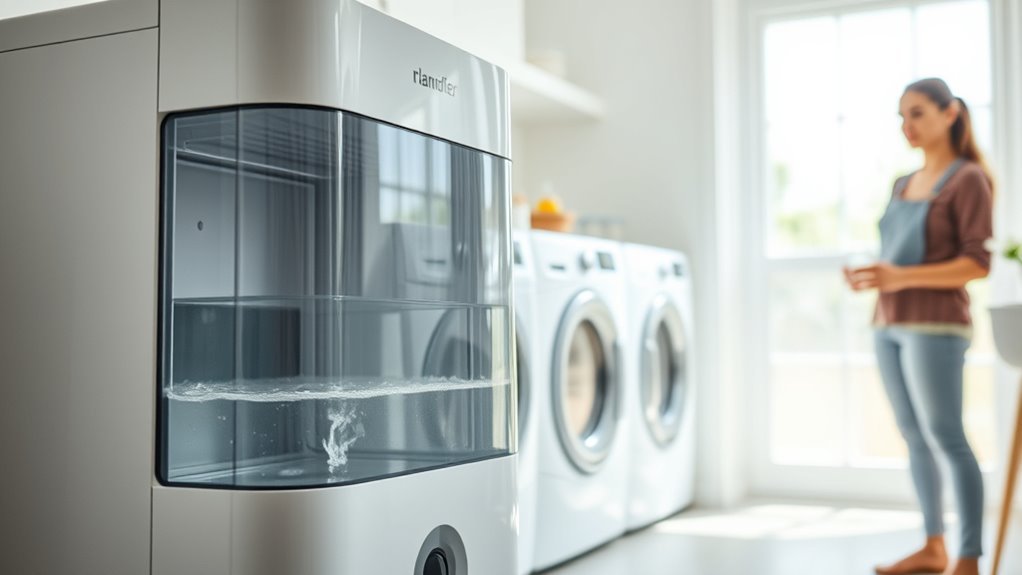
No, you don’t put water in a dehumidifier. You plug it in, choose a humidity setting, and let it pull moisture from the air. The water that appears in the bucket is condensate, which forms when humid air meets cold coils inside the machine.
If your unit has a removable tank, empty it when the full-bucket light turns on. If your model supports continuous drainage, you can attach a hose so the water flows to a floor drain, utility sink, or condensate pump. Either way, the machine is designed to remove water from your air, not receive water from you.
Warning: Never pour water into the air intake, outlet grille, control panel, or body of a dehumidifier. Water can damage electrical parts, sensors, the fan, or the compressor. If you accidentally pour water into the unit, unplug it immediately and let it dry completely before using it again. If any electrical area got wet, contact the manufacturer or a qualified technician.
What a Dehumidifier Does
A dehumidifier lowers indoor humidity by removing water vapor from the air. Most portable home models are refrigerant dehumidifiers: they pull room air over cold coils, water condenses on the coils, and drier air blows back into the room. Desiccant dehumidifiers use moisture-absorbing material instead, but the basic goal is the same.
The U.S. Environmental Protection Agency recommends keeping indoor relative humidity below 60%, ideally between 30% and 50% when possible, because excess moisture can encourage mold growth. A small hygrometer can help you check whether your room is actually too damp before you run the unit all day.
| Part or feature | What it does | Why it matters |
|---|---|---|
| Fan | Pulls humid air into the unit | Good airflow helps the unit collect moisture |
| Cold coil | Condenses water vapor into liquid | This is where the collected water begins |
| Bucket or drain | Collects or removes condensate | You empty the bucket or route water away |
| Filter | Catches dust before air reaches the unit | A dirty filter can reduce performance |
Why Dehumidifiers Collect Water
Dehumidifiers collect water because warm, humid air contains invisible water vapor. When that air passes across cold coils, the vapor changes into liquid droplets. Those droplets drip into the tank or travel through a drain hose.
How much water you see depends on room humidity, temperature, airflow, unit size, and runtime. ENERGY STAR explains that dehumidifier capacity is rated by the amount of water removed in pints per 24 hours under test conditions, so a damp basement may fill the bucket quickly while a moderately dry bedroom may collect very little.
If your dehumidifier is collecting water, that usually means it is doing its job. If it runs for hours in a damp room and collects nothing, check the humidity level, air filter, temperature, bucket position, and drain setup.
What Water Types to Avoid
The safest rule is simple: do not add any water to a dehumidifier. Bottled water, tap water, rainwater, softened water, and previously collected dehumidifier water all belong outside the machine unless your owner’s manual gives a specific cleaning instruction that uses water on a removable part.
The only water that should enter the bucket during normal operation is the condensate the unit creates on its own. If you are cleaning the tank, remove it from the appliance first, wash it separately, dry the outside, and reinstall it only after it is clean and seated correctly.
How to Use a Dehumidifier Properly
- Place it where air can move. Leave space around the intake and outlet so the fan is not blocked.
- Close windows and exterior doors. Otherwise, the unit keeps pulling in new humid outdoor air.
- Set a realistic humidity target. Around 30% to 50% relative humidity is a good general range for many homes.
- Empty the bucket before it overflows. Most units shut off automatically when the tank is full.
- Use continuous drainage if needed. Attach the correct hose only if your model supports it, and make sure the hose slopes toward the drain.
- Clean the tank and filter. A dirty tank can grow odor, slime, mold, or bacteria.
Pro Tip: Use a separate hygrometer instead of guessing by feel. If the room is already below about 50% relative humidity, your dehumidifier may collect little water because there is not much excess moisture to remove.
Recommended Products

1-【Widely Application】The digital LCD monitor can be used in home, office, garage, schools, hotels, laboratories, kindergartens, aquaculture, instrument workshop, warehouse, reptile tank terrarium, aquarium, hermit crab habitat, and other places where temperature/humidity measurement is required.

1-【Widely Application】The digital LCD monitor can be used in home, office, garage, schools, hotels, laboratories, kindergartens, aquaculture, instrument workshop, warehouse, reptile tank terrarium, aquarium, hermit crab habitat, and other places where temperature/humidity measurement is required.

Face Icon Comfort Indicator: Humidity temperature gauge features face icons to indicate DRY/COMFORT/WET air conditions, quickly informs you how to adjust your humidifier or dehumidifier to achieve optimal comfort.
Is Dehumidifier Water Safe to Drink?
No. Dehumidifier water is not safe to drink. It may look clear, but it is not the same as bottled, filtered, distilled, or tested drinking water. It can pick up dust, airborne particles, tank residue, microbes, and traces of materials from inside the appliance.
Manufacturer guidance is strict on this point. For example, Honeywell’s dehumidifier manual says the water collected in the tank must be discarded and should never be used for drinking. Danby also describes dehumidifier water as grey water that is not suitable for drinking.
Warning: Do not drink dehumidifier water, cook with it, brush your teeth with it, give it to pets, mix baby formula with it, or use it for medical devices. Boiling may kill some germs, but it does not reliably remove metals, dust, chemical residues, or tank contamination.
Can You Reuse Dehumidifier Water?
You can reuse dehumidifier water for a few non-potable tasks, but only with common sense. Treat it like grey water, not clean water. If it smells musty, looks cloudy, has visible debris, sat in the tank for more than a day, or came from a dirty unit, pour it down the drain.
| Use | Safe? | Notes |
|---|---|---|
| Flushing toilets | Usually yes | A practical non-potable use. |
| Watering non-edible ornamental plants | Sometimes | Use only from a clean tank; test pH for sensitive plants. |
| Outdoor rinsing or cleaning non-food surfaces | Sometimes | Avoid food-prep areas, porous surfaces, and anything that touches skin. |
| Drinking, cooking, coffee, tea, or ice | No | It is not potable water. |
| Edible plants, herbs, or vegetables | No | Avoid using questionable water on food crops. |
| Humidifiers | Not recommended | Use distilled or manufacturer-approved water instead. |
| Aquariums | Avoid | Aquarium water needs controlled chemistry and safe treatment. |
Safe Reuse Ideas
The best reuse options are jobs where the water will not be swallowed, misted into the air, or used on food. Flushing toilets is the easiest choice. You can also use fresh, clear water from a clean tank for some non-edible outdoor plants, garage floor rinsing, or soaking dirty garden tools before washing them properly.
If you store it, use a clean covered container, label it as non-drinking water, keep it out of sunlight, and use it soon. Do not store it for days, because stagnant water can grow algae, odor, and microbes.
Water Quality Risks
Dehumidifier water quality depends on your indoor air and the condition of the machine. Dust, pet dander, mold spores, cleaning-product residue, biofilm, and metals from internal parts can all affect the water. That is why it should never be treated like clean distilled water, even though it forms through condensation.
For plant use, the water may be low in minerals, which some ornamentals tolerate well, but pH and cleanliness can vary. Test it before using it on sensitive plants, and stop using it if leaves yellow, soil smells musty, algae appears, or growth slows.
Can Dehumidifier Water Water Plants?
Yes, dehumidifier water can sometimes water non-edible plants, but it is not automatically safe. Use it only when the tank is clean, the water is fresh, and the plant is not grown for food. Avoid seedlings, herbs, vegetables, fruits, and any plant that will be eaten.
Plant Safety Concerns
The biggest concerns are contamination and plant sensitivity. Dehumidifier water can carry dust, mold spores, bacteria, or residues from the unit. It may also have a different pH than your plants prefer. Before using it regularly, test the pH with a simple strip and try it on one hardy ornamental plant first.
- Use only fresh water from a clean tank.
- Avoid edible plants and food gardens.
- Discard cloudy, smelly, or slimy water.
- Watch for leaf yellowing, brown tips, or musty soil.
Best Uses for Runoff
The best plant use is occasional watering for non-edible houseplants or outdoor ornamentals that are not especially sensitive. If your tap water is very hard, some plants may like low-mineral condensate, but cleanliness still matters more than the source.
Note: If your dehumidifier has been used in a moldy room, smoky room, workshop, or area with chemical fumes, do not reuse the water on plants. Pour it down the drain.
Is Dehumidifier Water Safe for Humidifiers?
Dehumidifier water is not the best choice for humidifiers. A humidifier sends water into your air as mist or vapor, so water quality matters. The EPA recommends using low-mineral water, such as distilled water, and cleaning portable humidifiers often to reduce scale and microorganisms.
Because dehumidifier water can sit in a warm tank and collect contaminants from indoor air, it can create avoidable risk when misted into the room. Use distilled water or the water type recommended in your humidifier manual instead.
How to Keep the Tank Clean
A clean tank helps reduce odor, slime, mold, and bacteria. It also keeps the unit easier to use because the float, bucket sensor, and drain parts are less likely to stick or clog.
- Unplug the dehumidifier. Always disconnect power before removing or washing parts.
- Empty the tank. Pour collected water down a drain unless you have a safe non-potable reuse for it.
- Rinse the bucket. Use clean water to remove loose debris.
- Wash with mild soap. Scrub gently with a soft cloth or sponge.
- Remove mineral film if needed. If your manual allows it, use a diluted white-vinegar soak, then rinse thoroughly.
- Dry the outside of the tank. This helps keep water away from electrical areas when you reinstall it.
- Clean or replace the filter. Follow your owner’s manual because filter designs vary.
Warning: Do not mix vinegar with bleach or other cleaners. Mixing cleaning chemicals can create dangerous fumes. Use one cleaning method at a time and rinse well.
Recommended Products
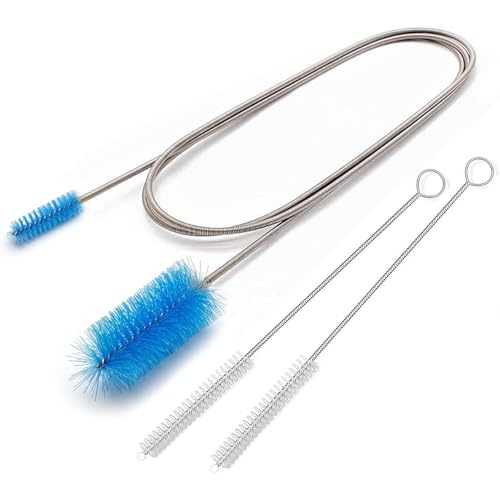
🚫UNCLOG NARROW TUBES INSTANTLY: Tired of water pooling in your fridge or grime clogging your aquarium filters? This 67-inch (170cm) extra-long flexible drain brush is the ultimate problem-solver. It easily snakes through deep, narrow, and curved tubing to effortlessly remove gunky buildup, dirt, and residue.
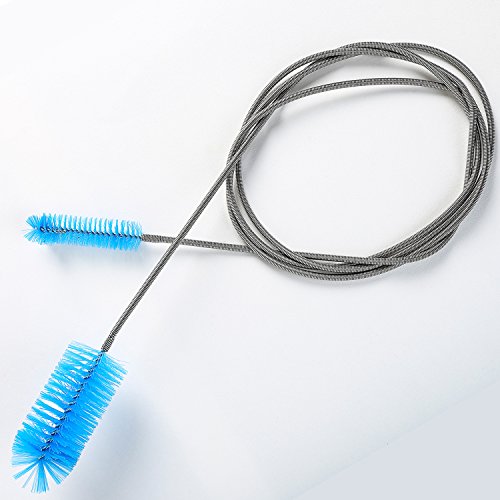
FLEXIBLE DOUBLE ENDED BRUSH:made of high quality soft nylon bristles and stainless steel, flexible two-end long brush, sky blue plastic and it can reuse for many times, easy to push and pull.

【DaToo Fish Tank Cleaner】: Still worried about algae blocking your view and grime buildup harming your fish? This cleaning brush, specially designed for small aquariums, is the perfect solution! Its ergonomic triangular handle offers a comfortable grip, while the 3-in-1 brush head precisely tackles grime without scratching the tank surface , and is tough and durable. Restore crystal-clear visibility to your aquarium in no time, ensuring a healthy environment for your aquatic companions.
Why Is My Dehumidifier Not Collecting Water?
If the tank stays dry, it does not always mean the unit is broken. Start with the simple checks first.
- The room may already be dry. Check with a hygrometer. If humidity is already near your target, little water may collect.
- The air may be too cold. Some refrigerant models collect less water in cold rooms and may frost up.
- The filter may be dirty. Poor airflow reduces moisture removal.
- The bucket may be seated wrong. If the tank or float is not positioned correctly, the unit may shut off.
- The drain hose may be kinked or uphill. For gravity drainage, the hose usually needs a steady downward slope.
- The unit may be undersized. A very damp basement may need a larger-capacity model or better moisture control.
- There may be a mechanical problem. If the fan runs but humidity stays high and no water collects, contact the manufacturer or a technician.
Recommended Products

Wellness Indicator: This humidity meter with humidity level icon indicates air conditions - DRY/COMFORT/WET, allowing this humidity sensor to ensure you’re always aware of changes to your home/household with just a quick glance

Smart Features: The Govee Wireless Thermometer Hygrometer supports all basic functions as well as smart functions such as remote monitoring and temp humidity graphs. Our humidity meters are reliable and easy to use for homes, greenhouses and more.(Only supports 164ft Bluetooth connection)

2-in-1 Thermometer & Hygrometer Meter: Equipped with a high-precision sensor, this temperature and humidity meter provides accurate readings, making it ideal for monitoring indoor environments like homes, offices, or greenhouses
Dehumidifier Water Myths and Facts
| Myth | Fact |
|---|---|
| You need to pour water into a dehumidifier. | False. It collects water from the air. |
| The bucket water is distilled water. | False. It forms by condensation, but it is not collected or stored under drinking-water conditions. |
| Clear water means clean water. | False. Microbes, dust, and residues can be present even when water looks clear. |
| A dehumidifier cools a room like an air conditioner. | False. It may make the room feel less sticky, but many units add a little heat while running. |
| No water in the tank always means the unit is broken. | False. The room may already be dry, too cool, or not humid enough for much collection. |
Frequently Asked Questions
How do you use a dehumidifier properly?
Place it where air can circulate, close exterior doors and windows, set a humidity target around 30% to 50%, empty the bucket when full, and clean the filter and tank as your manual recommends. Use a drain hose only if your model supports continuous drainage.
Should you use a dehumidifier if you have COPD?
A dehumidifier may help if your home is damp or mold-prone, but it should not make the air overly dry. Keep humidity in a comfortable range, keep the unit clean, and ask your health care provider if humidity changes affect your breathing or symptoms.
Will a humidifier help with a sore throat in the morning?
A humidifier can help if dry air is irritating your throat, but it must be cleaned often and filled with the water type recommended by the manufacturer. Too much humidity can encourage mold, dust mites, and musty air, so monitor the room with a hygrometer.
Will a dehumidifier help with gnats?
It can help if gnats are attracted to damp soil, standing water, or humid rooms. Lowering humidity makes the space less inviting, but you should also remove standing water, avoid overwatering plants, clean drains, and discard rotting organic matter.
How often should you empty a dehumidifier?
Empty it whenever the bucket is full. In a damp basement, that may be daily. In a moderately humid room, it may be less often. Do not let water sit for long periods because stagnant tank water can develop odor, slime, mold, or bacteria.
Can you run a dehumidifier all night?
Yes, if the unit is in good condition, placed safely, and used according to the manual. Use the humidistat or timer if available, keep airflow clear, and make sure the bucket or drain hose is set up correctly before leaving it unattended.
What should I do if I accidentally poured water into my dehumidifier?
Turn it off and unplug it immediately. Dry any removable parts, keep the unit unplugged until fully dry, and do not use it if water entered the controls, motor, fan area, or electrical parts. Contact the manufacturer or a qualified repair technician if you are unsure.
Sources
- ENERGY STAR: Dehumidifiers — how dehumidifiers remove moisture and general indoor humidity guidance.
- ENERGY STAR: Dehumidifier Testing and Capacity — capacity measured as water removed per 24 hours.
- U.S. EPA: A Brief Guide to Mold, Moisture and Your Home — indoor humidity and mold-prevention guidance.
- CDC: Mold — keeping humidity low and using a dehumidifier to help prevent mold.
- U.S. EPA: Use and Care of Home Humidifiers — distilled/low-mineral water and humidifier cleaning guidance.
- Honeywell Dehumidifier Manual — collected tank water should not be used for drinking.
Conclusion
So, no—you don’t put water in a dehumidifier. The machine is built to pull moisture from the air and collect it for you. Empty the tank, keep the filter and bucket clean, and use a drain hose if your model supports it. If you reuse the collected water, keep it strictly non-potable and avoid humidifiers, drinking, cooking, pets, and edible plants. A little care keeps your dehumidifier safer, cleaner, and more effective.