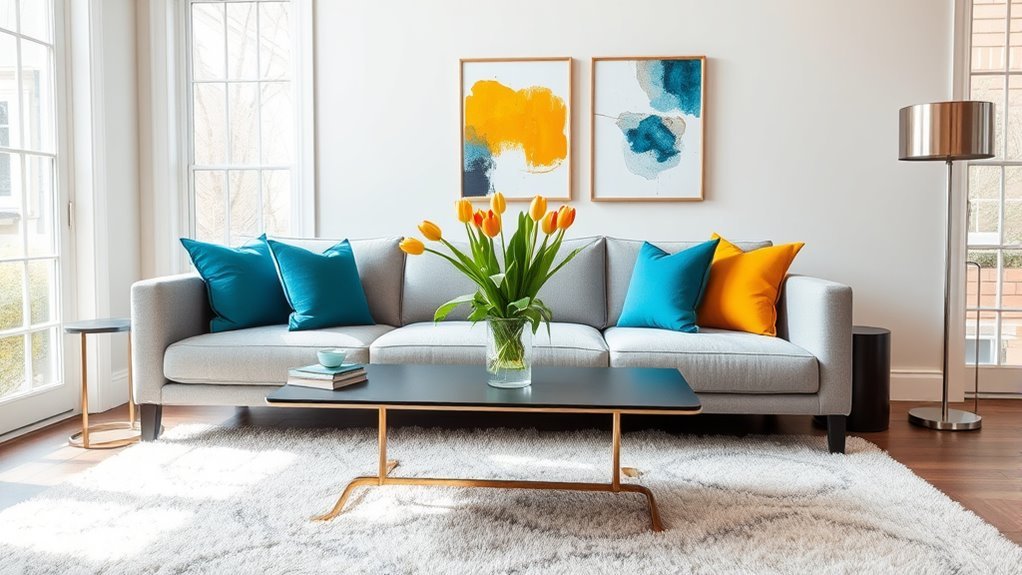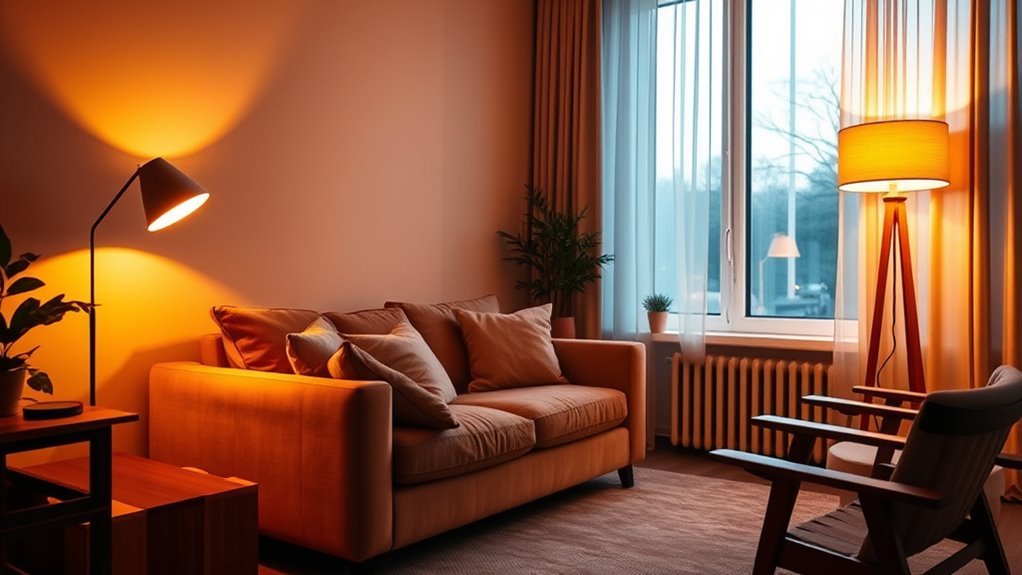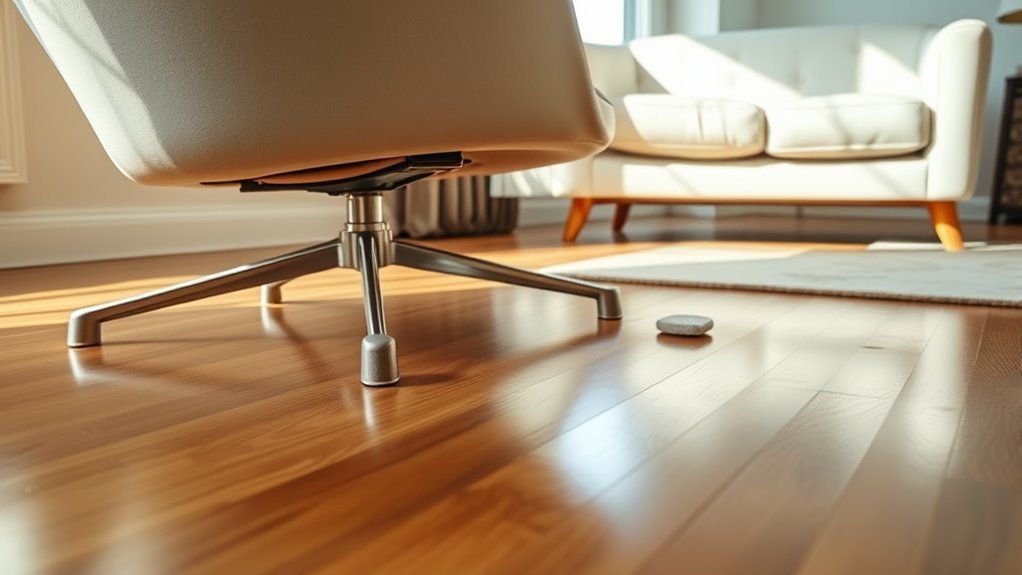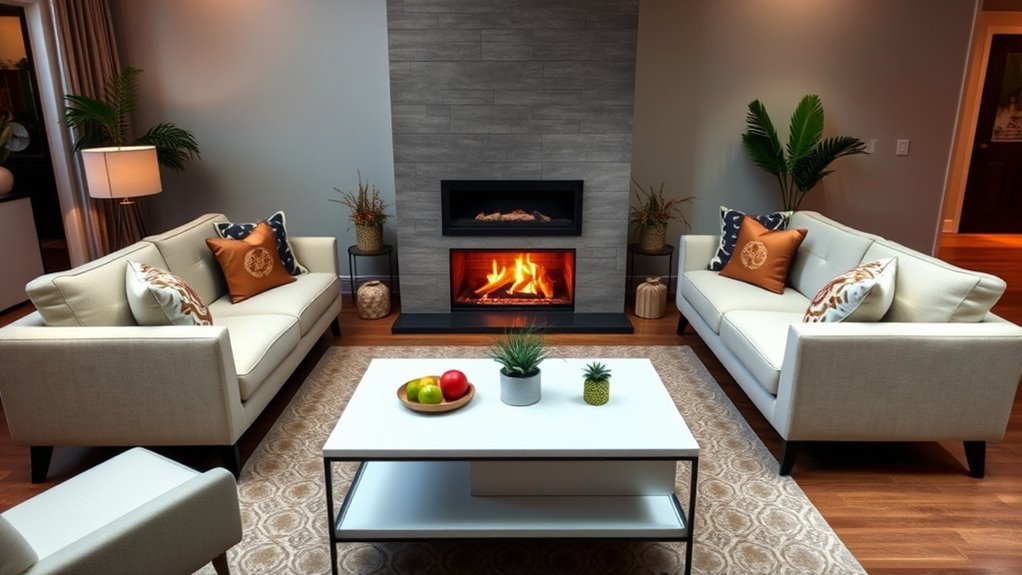
Arranging living room furniture around a fireplace works best when the fireplace feels like the room’s anchor without blocking movement, conversation, or safety. Start with the largest seating piece, aim it toward the fireplace, then build a balanced seating group with chairs, tables, a rug, and lighting that make the space easy to use every day.
Quick Answer
To arrange living room furniture around a fireplace, face your main sofa or seating group toward the fireplace, leave about 36 inches for main walkways, keep furniture and decor at least 3 feet from an active heat source, and use chairs, tables, rugs, and lighting to create a comfortable conversation zone.
Key Takeaways
- Treat the fireplace as the visual anchor, then arrange seating so people can enjoy both the fire and each other.
- Keep main pathways around furniture close to 36 inches wide whenever space allows.
- For a working fireplace, keep anything that can burn at least 3 feet from the heat source.
- Use a rug, side tables, and layered lighting to make the layout feel finished instead of just functional.
At a Glance
| Time Required | 30–90 minutes for planning and test placement |
| Difficulty | Easy to moderate, depending on room size and TV placement |
| Tools Needed | Tape measure, painter’s tape, paper sketch or room-planner app, and felt furniture pads |
| Cost | $0 if using existing furniture; optional cost for a larger rug, side tables, lighting, or extra seating |
Warning: If your fireplace is functional, keep furniture, rugs, curtains, baskets, blankets, books, and seasonal decor at least 3 feet from the heat source. The U.S. Fire Administration also recommends having heating equipment and chimneys cleaned and inspected each year by a professional.
Understanding the Importance of a Focal Point in Living Room Layouts
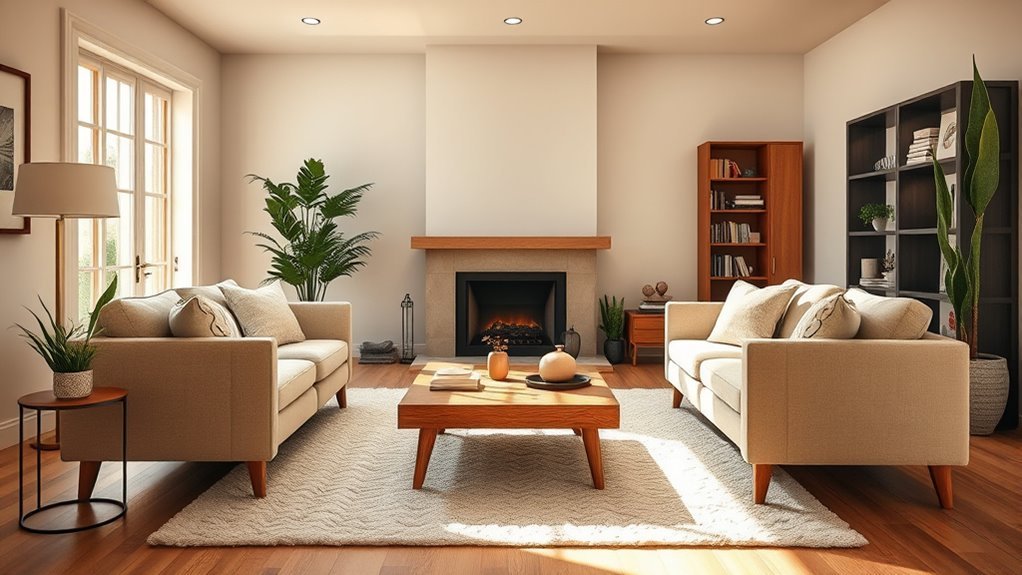
A fireplace naturally draws attention, so it makes sense to let it guide the room. When the sofa, chairs, rug, and lighting all acknowledge the fireplace, the space feels more intentional and easier to use.
The goal is not to push every seat directly toward the flames. Instead, create a seating area where the fireplace is visible, conversation feels natural, and the room still has clear paths to doors, windows, stairs, and nearby rooms.
Use the size of the fireplace to guide the scale of your furniture. A large stone fireplace can handle a substantial sofa, a pair of generous armchairs, and a wide coffee table. A smaller fireplace usually looks better with slimmer chairs, a lighter coffee table, and fewer bulky pieces competing for attention.
Measure Before You Move Any Furniture
Before rearranging anything, measure the room, fireplace wall, doorways, windows, and the furniture you plan to use. This prevents the most common layout problem: a furniture arrangement that looks good in your head but blocks movement once it is in place.
| Main walkways | Aim for about 36 inches where people regularly walk through the room. |
| Sofa to coffee table | Keep roughly 18–24 inches so drinks are reachable and legs still have room. |
| Seating distance | Keep seats close enough for easy conversation, usually within about 8 feet of one another. |
| Working fireplace clearance | Keep combustible furniture and decor at least 3 feet from the fireplace or heat source. |
For homes where someone uses a walker, wheelchair, cane, or stroller, give the main path even more breathing room near turns and doorways. The U.S. Access Board uses 36 inches as a key accessible-route width, which is a helpful planning reference for a comfortable living room path.
Tips for Creating Comfortable Conversation Areas Around Your Fireplace
Creating comfortable conversation areas around your fireplace can transform your living room into a cozy retreat where everyone feels welcome. Start by arranging seating in small groupings so guests can see each other without twisting or shouting across the room.
| Tip | Description | Benefit |
|---|---|---|
| Smart furniture placement | Face the main sofa toward the fireplace, then angle chairs inward. | Creates a warm, social layout. |
| Clear walking space | Leave the main traffic path open instead of forcing people through the seating group. | Makes the room feel calm and easy to navigate. |
| Versatile seating | Use swivel chairs, ottomans, stools, or poufs that can move when guests arrive. | Adapts to movie nights, reading, and gatherings. |
Place side tables within easy reach of each seat whenever possible. A room feels more comfortable when guests have a clear place to set down a drink, book, phone, or snack without stretching across the coffee table.
Choosing Furniture Scale for Your Fireplace Space
Choosing the right furniture scale for your fireplace space can make all the difference in achieving a harmonious atmosphere. The fireplace should feel important, but it should not make the furniture look tiny, and the furniture should not crowd the hearth.
For a grand fireplace, use pieces with enough visual weight: a full-size sofa, substantial armchairs, a larger rug, and lighting that stands up to the architecture. For a smaller fireplace, use slimmer arms, lower-profile tables, and compact accent chairs to keep the room from feeling crowded.
Pay attention to height, too. Tall chair backs, oversized bookcases, or bulky decor can block the fireplace view and make the focal wall feel heavy. Lower seating often works well near a fireplace because it keeps the sightline open and lets the mantel, artwork, or stonework breathe.
Pro Tip: Use painter’s tape on the floor to mark the sofa, chairs, coffee table, and rug before moving heavy furniture. Walk through the taped layout as if you were entering, sitting, reaching for a table, and leaving the room.
How to Keep Traffic Flow Smooth in Your Living Room
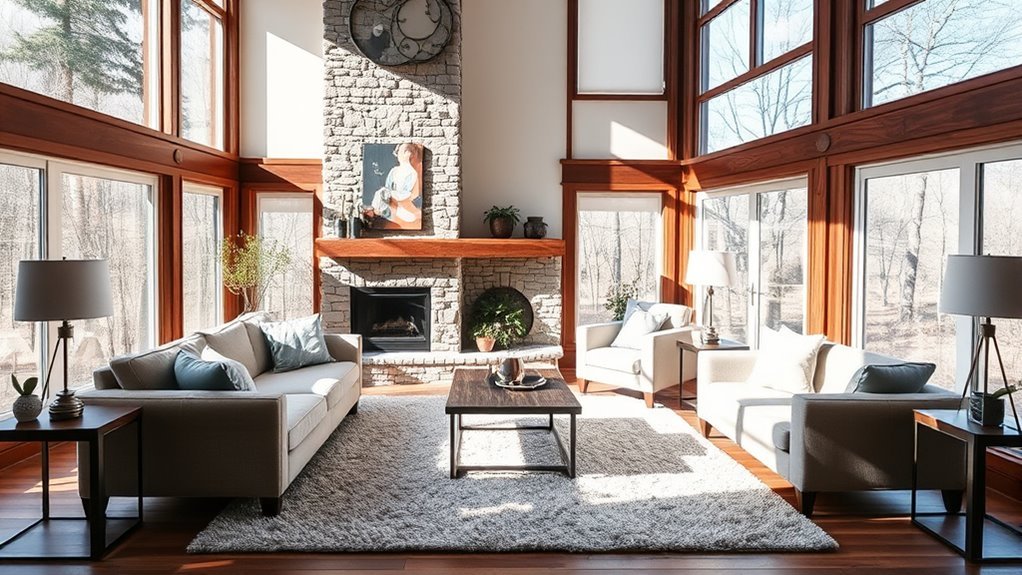
Maintaining smooth traffic flow in your living room is essential for comfort and function, especially during gatherings. Arrange furniture so people move around the seating area instead of cutting through the middle of it.
Keep larger furniture pieces, such as sofas and sectionals, away from high-traffic paths between doors. If a doorway opens directly into the room, avoid placing the back of a sofa immediately in the entry path unless there is still enough space to pass comfortably.
Leave gaps between seating areas and entry points so the room feels open. In a small space, this may mean choosing one sofa and two lighter chairs instead of a bulky sectional. In a larger space, it may mean creating two zones: one for the fireplace and one for reading, games, or TV.
Achieving Visual Balance With Furniture and Decor Arrangements
Achieving visual balance in your living room, especially around a fireplace, can transform the space into a harmonious retreat. Balance does not always mean perfect symmetry, but the room should feel evenly weighted.
- Place matching armchairs on either side of the fireplace for a classic symmetrical look.
- Use an area rug to anchor the seating area and connect the furniture pieces.
- Balance a heavy sofa with chairs, a floor lamp, or a tall plant on the opposite side.
- Keep mantel decor simple if the fireplace surround is ornate.
- Mix soft textures, wood, metal, glass, and greenery so the room feels layered rather than flat.
If one side of the fireplace has built-ins and the other side is blank, use art, a reading chair, a plant, or a small cabinet to create visual weight on the empty side.
Practical Layout Ideas for Your Fireplace
When arranging furniture around your fireplace, choose a layout that matches the room’s shape, doorways, and daily use. A beautiful arrangement is only successful if it also supports how you relax, host, read, watch TV, and move through the room.
Recommended Products
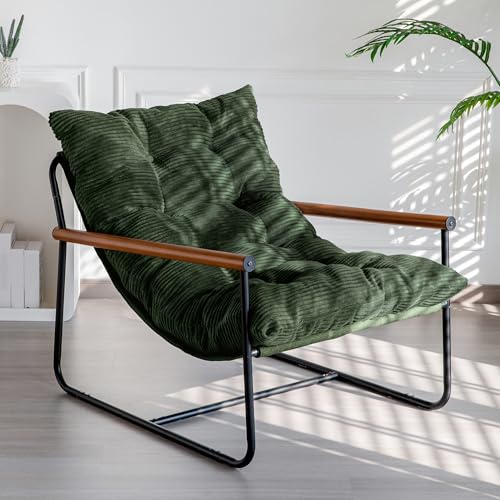
Minimalist Accent Chair: The tufted craft adds to the artistic style, which can meet the needs of most home décor styles. This accent chair has opted for a minimalist design in its appearance. The soft colours give a feeling of peace and relaxation.

Adjustable Backrest: The accent chair is equipped with an adjustable backrest that adapts to your different seating positions, allowing you to find the perfect angle for reading, reclining, or napping
Symmetrical Furniture Arrangements
A symmetrical arrangement is the easiest way to make a fireplace wall feel polished. Place a sofa facing the fireplace, then add matching chairs on either side of the sofa or fireplace. Use a coffee table or cocktail ottoman in the center to anchor the group.
This layout works especially well in formal living rooms, square rooms, and spaces where the fireplace is centered on the main wall. Finish it with matching lamps, balanced mantel decor, and a rug large enough for at least the front legs of the furniture.
Flexible Seating Options
Flexible seating helps your living room feel inviting and adaptable. Ottomans, accent chairs, swivel chairs, benches, poufs, and floor cushions let you change the room for quiet evenings or larger gatherings.
| Seating Type | Benefits | Placement Ideas |
|---|---|---|
| Ottomans | Versatile, movable, and useful as footrests or extra seats. | Near the coffee table or beside accent chairs. |
| Accent chairs | Comfortable and stylish without overwhelming the room. | Angled toward both the fireplace and sofa. |
| Swivel chairs | Easy to turn toward the fireplace, TV, or conversation. | Ideal in rooms with both a fireplace and TV. |
| Benches | Space-saving and easy to move. | Along a wall, under a window, or outside the fireplace safety zone. |
| Poufs or floor cushions | Easy to store and bring out for guests. | Beside the rug or tucked under a console table. |
Traffic Flow Considerations
To make your living room feel open and welcoming, prioritize traffic flow around the fireplace. Keep doorways, windows, stair paths, and access to adjacent rooms unobstructed.
- Keep main pathways close to 36 inches wide where possible.
- Place large furniture away from the most-used route through the room.
- Create small seating groupings that encourage conversation without blocking entry points.
- Avoid oversized sectionals if they force people to squeeze around corners.
- Check the view from the doorway; the fireplace should feel inviting, not hidden behind furniture.
Small Living Room Fireplace Layout
In a small living room, use fewer pieces with better proportions. A loveseat or apartment-size sofa facing the fireplace can work better than a deep sectional. Add one or two lightweight chairs that can move when you need extra floor space.
Choose nesting tables, a small round coffee table, or a storage ottoman instead of a large rectangular table. If the room is narrow, place the sofa parallel to the fireplace wall and angle a chair toward both the sofa and the fire.
Open-Concept Fireplace Layout
In an open-concept room, the fireplace can help define the living area. Float the sofa so its back creates a soft boundary between the living room and dining or kitchen area. Then use a rug to visually mark the seating zone.
Keep the back of the sofa neat with a narrow console table, lamps, baskets, or books. This makes the floating furniture look intentional from every angle.
Corner Fireplace Layout
A corner fireplace can be tricky because it pulls the eye diagonally. Instead of forcing every piece to face the corner, place the sofa along the longest wall and angle one or two chairs toward the fireplace. A round coffee table often works well because it softens the diagonal layout.
If the corner fireplace competes with a TV, use swivel chairs or an L-shaped layout so people can turn toward either focal point without the room feeling awkward.
How to Arrange a Living Room With a Fireplace and TV
A living room with both a fireplace and TV needs a balanced plan. First, decide which feature matters most in daily life. If the fireplace is the emotional center and the TV is occasional, let the fireplace lead. If movie nights are a major part of the room, place seating so the TV can be viewed comfortably without ignoring the fireplace.
If the TV is above the fireplace, check heat, wiring, mantel depth, and viewing height before mounting it. A TV that sits too high can strain the neck. If the fireplace is old, very hot, or not wired for a TV, it may be better to place the TV on a nearby wall or built-in unit.
Swivel chairs are especially useful in fireplace-and-TV rooms. They allow one layout to support conversation, watching TV, reading, and enjoying the fire.
Note: If your TV must go over the fireplace, use a professional installer and confirm the fireplace manufacturer’s heat-clearance guidance. Heat, smoke, and poor cable management can shorten TV life or create safety issues.
Recommended Products

Rustic and Modern Design: Elevate your home with the timeless appeal of this swivel barrel chair. Featuring a natural rattan frame paired with luxurious brown leather, this rattan accent chair strikes the perfect balance between rustic charm and modern sophistication, offering an organic yet polished look for any space
Using Rugs, Tables, and Lighting to Finish the Layout
A fireplace furniture layout often feels unfinished until the rug, tables, and lighting are in place. These details make the seating area feel intentional and comfortable.
- Rug: Choose a rug large enough for at least the front legs of the sofa and chairs to sit on it.
- Coffee table: Keep it close enough to reach but far enough for knees and walking space.
- Side tables: Add one near each main seat if space allows.
- Lighting: Use a mix of floor lamps, table lamps, sconces, or picture lights so the room is pleasant even when the fireplace is not lit.
- Mantel decor: Keep it balanced and simple. One mirror, one large artwork, or a small layered grouping often looks better than too many tiny objects.
For a working fireplace, keep baskets of wood, books, throws, and decorative objects outside the active heat zone. Style should never come before safety.
Personalizing Your Living Room Around the Fireplace
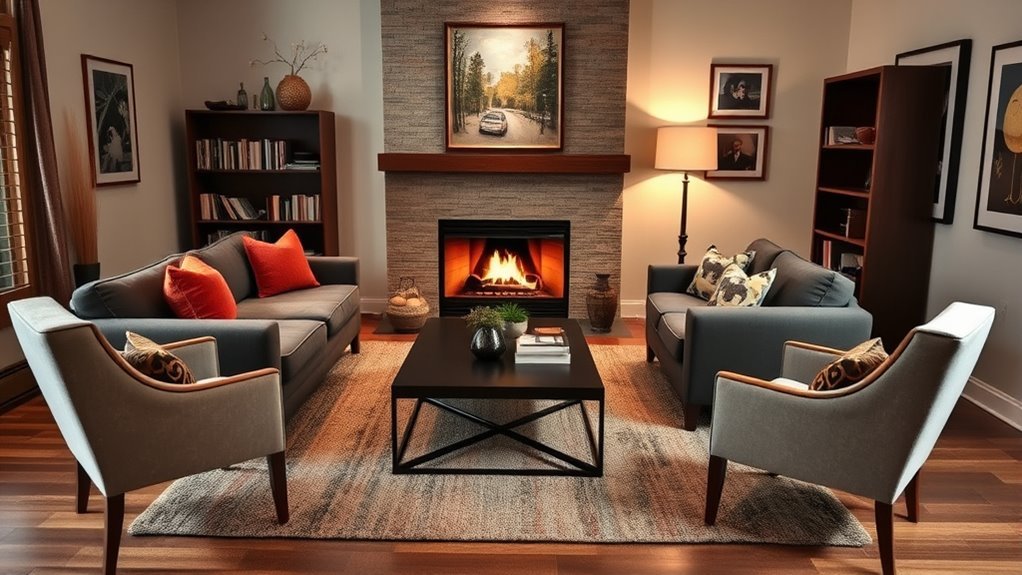
Personalizing your living room around the fireplace can turn it into a sanctuary that reflects your style. Start by adding artwork, a mirror, or personal photographs above the mantel, but keep the scale in proportion to the fireplace.
Decorative accessories such as candles, vases, books, and sculptural objects can add character, but they should not crowd the mantel. Choose a few pieces that vary in height and texture, then leave enough empty space for the eye to rest.
Textiles make the room feel warm. Add throw pillows, blankets, and curtains in colors that connect with the rug, fireplace material, or artwork. Mix vintage and modern pieces if you want the room to feel collected rather than showroom-perfect.
Greenery also works beautifully near a fireplace, as long as plants are kept away from direct heat. A tall plant beside the fireplace wall can soften hard stone, brick, or tile and bring freshness to the room.
Common Mistakes to Avoid When Arranging Your Living Room
While arranging your living room around a fireplace, it is easy to overlook common pitfalls that disrupt both comfort and style. Avoid these mistakes before you settle on a final layout:
A good fireplace layout should make the room feel warmer, safer, easier to move through, and more natural for conversation.
- Blocking the fireplace: Large furniture directly in front of the hearth weakens the focal point and may create a safety issue.
- Ignoring safety clearances: Keep combustible items away from a working fireplace.
- Overcrowding the room: Too many chairs, tables, and ottomans can make a cozy space feel cluttered.
- Pushing everything to the walls: Floating furniture slightly inward often creates a better conversation area.
- Forgetting side tables: A seat without a nearby surface is less comfortable to use.
- Using a rug that is too small: A tiny rug can make the whole arrangement feel disconnected.
- Letting the TV dominate: Balance TV sightlines with fireplace views and conversation.
Troubleshooting Awkward Fireplace Layouts
If your layout still feels off, use the room’s problem as your starting point.
- The room feels cramped: Remove one small piece, swap a bulky coffee table for a round one, or use chairs with open legs.
- The fireplace feels ignored: Angle chairs inward, add a rug that points toward the fireplace, or place art above the mantel.
- The traffic path cuts through the seating: Move the sofa or chair group a few inches to create a clear route around the conversation area.
- The TV and fireplace compete: Try swivel chairs, a side-wall TV, or a lower media console away from the mantel.
- The room feels flat: Add layered lighting, taller decor, greenery, and a mix of soft and hard textures.
Frequently Asked Questions
How do you position furniture around a fireplace?
Place the main sofa or largest seating piece so it faces or acknowledges the fireplace. Then add chairs at an angle to create conversation, keep a clear walkway around the group, and place a coffee table or ottoman in the center. For a working fireplace, keep combustible furniture and decor at least 3 feet from the heat source.
What is the 2/3 rule for living rooms?
The 2/3 rule is a flexible proportion guideline, not a strict law. It often means choosing a sofa, rug, artwork, or media piece that is about two-thirds the width of the wall, fireplace feature, or main furniture piece it relates to. Use it to create balance, but adjust for your actual room size and traffic flow.
Is there a free app that can help me rearrange my room?
Yes. A free or freemium room-planning tool can help you test a fireplace layout before moving heavy furniture. Roomstyler lets you drag and rotate furniture in a 3D room planner, while magicplan is useful for creating room plans on mobile devices. Check each tool’s current free-plan limits before relying on exports or saved projects.
How do you arrange a living room with a fireplace and TV?
Decide whether the fireplace, TV, or both should be the main focus. If the TV is above the fireplace, confirm safe heat clearance and comfortable viewing height. If possible, place the TV on a nearby wall and use swivel chairs or an L-shaped seating arrangement so people can enjoy both the screen and the fire.
How far should furniture be from a fireplace?
For a working fireplace or heat source, keep anything that can burn at least 3 feet away. This includes upholstered furniture, rugs, curtains, baskets, books, blankets, and seasonal decor. Decorative or unused fireplaces give you more flexibility, but the hearth should still have breathing room so the focal point remains visible.
Conclusion
Just as a campfire gathers friends around its warmth, your fireplace can become the heart of your living room. The best layout balances comfort, safety, conversation, and movement. Start with the fireplace as your anchor, keep pathways open, choose furniture in the right scale, and layer in rugs, tables, lighting, and personal decor. Avoid crowding the hearth or blocking traffic, and your living room will feel warm, welcoming, and easy to enjoy.
Sources
- U.S. Fire Administration — Heating Fire Safety — backs fireplace heat-source clearance and annual chimney/heating-equipment inspection guidance.
- U.S. Access Board — Guide to the ADA Accessibility Standards, Chapter 4 — backs the 36-inch accessible-route reference used for comfortable circulation planning.
- Roomstyler 3D Room Planner — backs the room-planning tool recommendation.
- magicplan — backs the mobile room-planning and measuring tool recommendation.