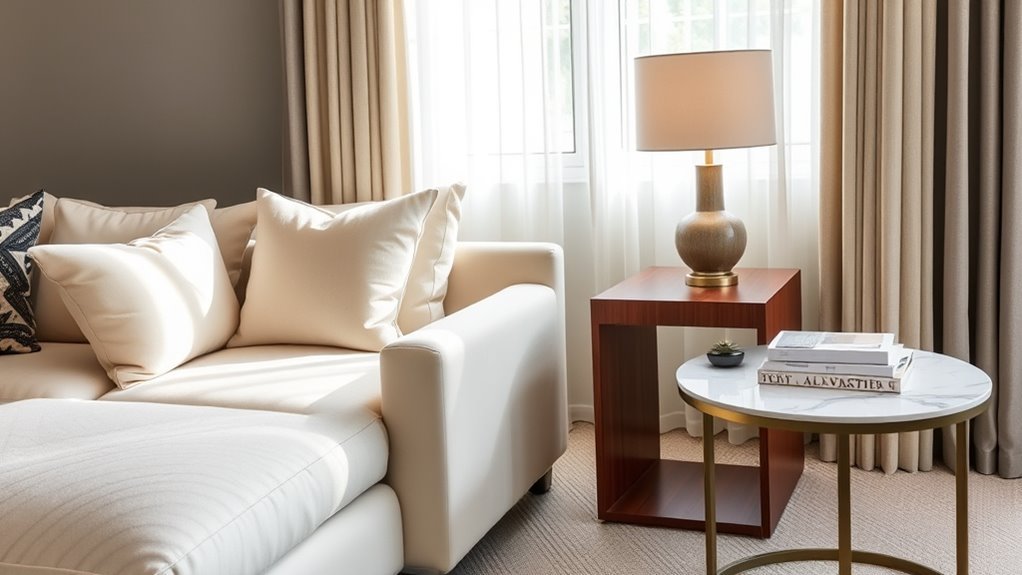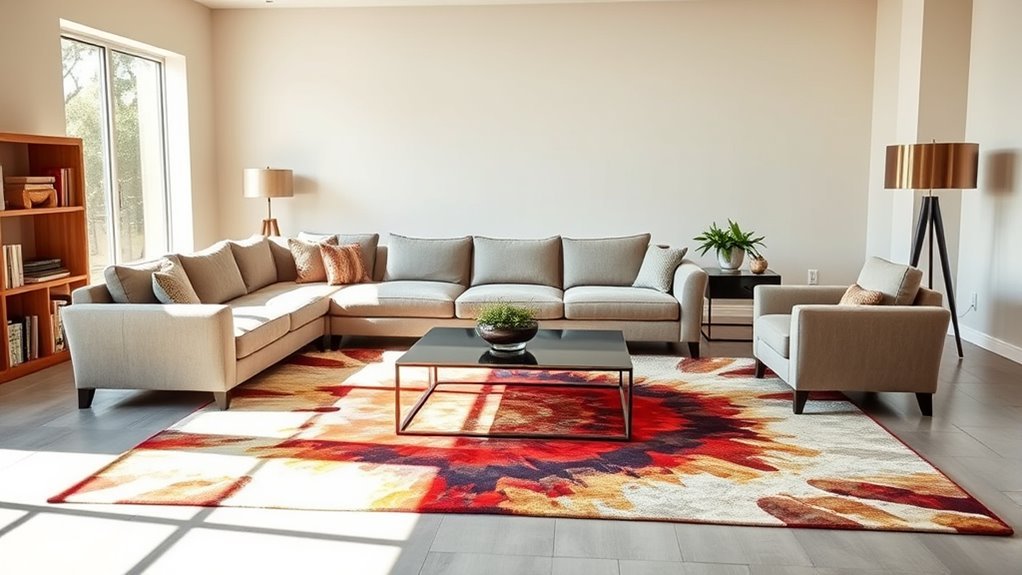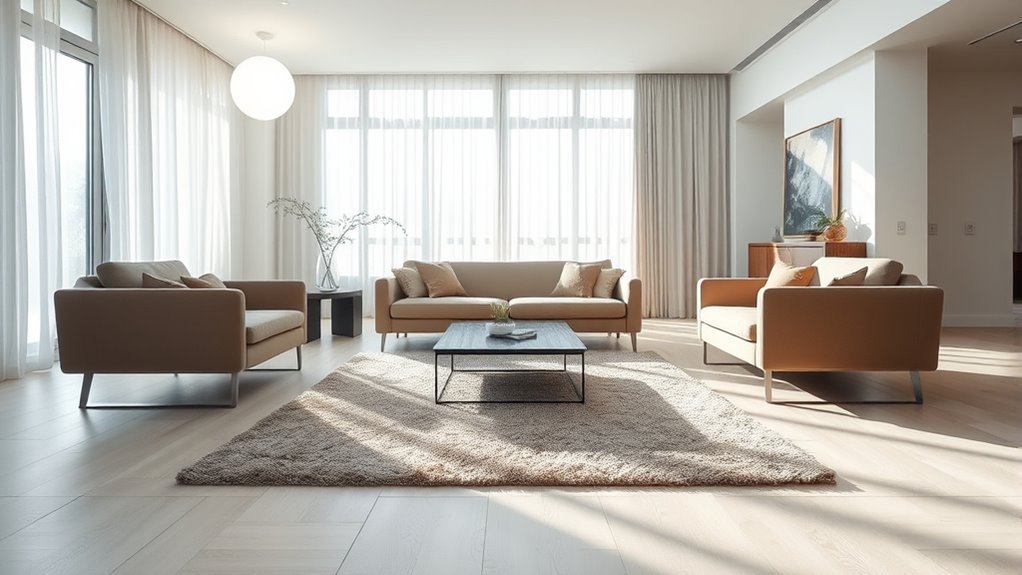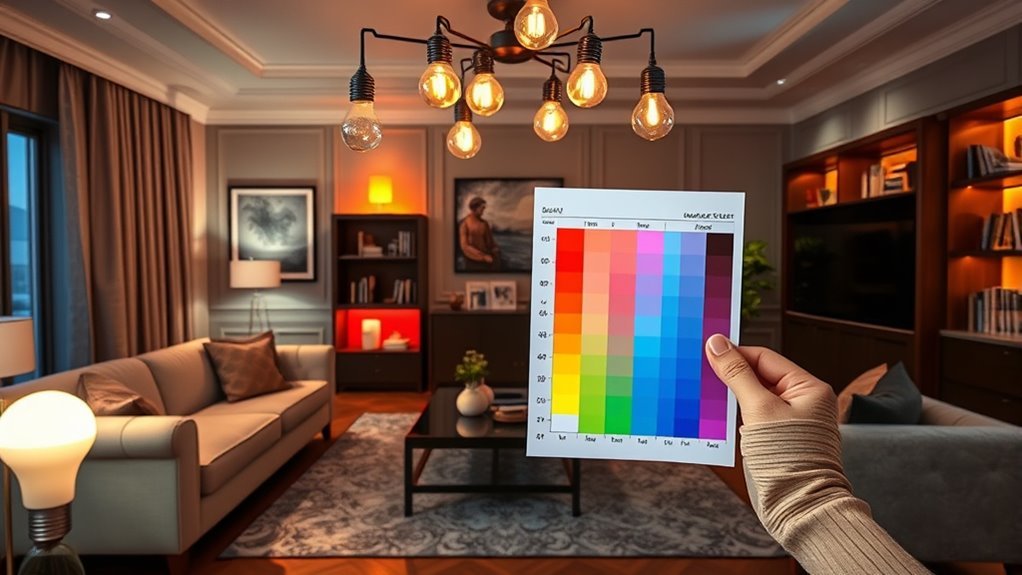
Choosing LED bulbs for color accuracy in your living room comes down to four specs: CRI, color temperature, lumens, and fixture compatibility. For the most natural-looking paint, wood, fabrics, art, and skin tones, start with a high-CRI bulb, choose a warm white tone, and test the bulb in the actual fixture before buying multiples.
Quick Answer
For living room color accuracy, choose LED bulbs with CRI 90+, a warm white 2700K–3000K color temperature, and enough brightness for the fixture, often around 800 lumens for a typical table or floor lamp. Match the bulb shape, base, dimmer rating, and fixture type before installing.
Key Takeaways
- CRI 80+ is acceptable for many indoor spaces, but CRI 90+ is the better choice when paint, textiles, art, wood tones, or skin tones need to look natural.
- 2700K feels soft and cozy, while 3000K looks slightly cleaner but still warm enough for most living rooms.
- Use lumens, not watts, to choose brightness. A common 60-watt incandescent replacement is about 800 lumens.
- Check the bulb package for CRI, CCT, lumens, base type, dimmer compatibility, enclosed-fixture rating, and damp/wet-location rating if relevant.
At a Glance
| Time Required | 15–30 minutes to check fixtures, compare bulbs, and test one sample bulb |
| Difficulty | Easy |
| Tools Needed | Existing bulb for comparison, fixture label, bulb packaging, optional dimmer compatibility list, and a fabric or paint sample |
| Cost | Usually a few dollars more per bulb for high-CRI LEDs, depending on brand, shape, and smart/dimming features |
How CRI Affects Your Living Room Lighting Choices
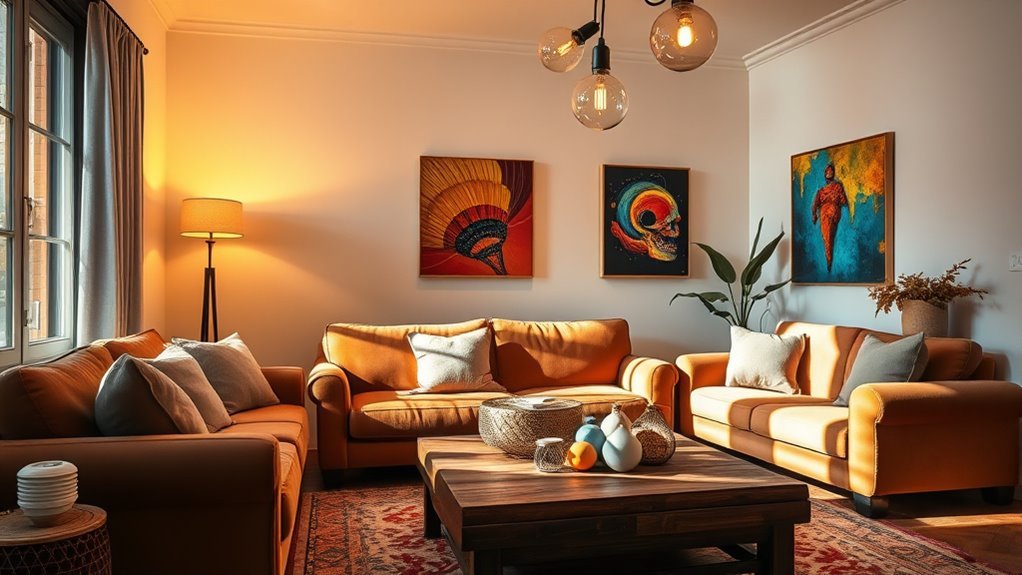
CRI, or Color Rendering Index, describes how naturally a light source shows colors compared with a reference light source. The U.S. Department of Energy explains that CRI is measured on a 1–100 scale and that a CRI of 80 or higher is generally acceptable for most indoor residential use. For a living room where upholstery, rugs, art, wood, and paint colors matter, a CRI of 90 or higher is a smarter target.
High CRI does not make every color perfect, and it does not replace good placement or the right color temperature. It does, however, reduce the dull, gray, green, or washed-out look that can happen with lower-quality bulbs. If your room has warm wood, red undertones, colorful art, or natural fabrics, a high-CRI bulb will usually make those details look richer and more realistic.
When shopping, look for wording such as CRI 90+, high CRI, excellent color rendering, or enhanced color. If the package only lists brightness and wattage but does not list CRI, check the manufacturer’s product page before buying a full set.
Note: CRI and color temperature are different. CRI tells you how accurately colors appear; color temperature, measured in Kelvin, tells you whether the light looks warm, neutral, or cool.
What Brightness Do You Need for Your Living Room?
Brightness is measured in lumens, not watts. Watts tell you how much energy a bulb uses; lumens tell you how much light you get. The Department of Energy’s lumen guidance lists about 800 lumens as a common replacement for a 60-watt incandescent bulb, which makes it a useful starting point for many living room lamps.
For a layered living room, think in zones instead of trying to light the entire room with one overhead fixture:
- Table and floor lamps: 450–800 lumens each for soft ambient light or reading corners.
- Ceiling fixtures: often 1,500–3,000 total lumens, depending on room size, ceiling height, and shade style.
- Recessed or track lights: choose beam angle and placement carefully so light reaches walls, art, or seating without glare.
- Accent lights: lower-lumen bulbs can highlight shelves, artwork, plants, or textured walls.
Darker walls, matte finishes, heavy lampshades, and tall ceilings usually need more lumens. Light walls and reflective surfaces can feel brighter with fewer lumens. If the room needs both movie-night softness and reading-level brightness, choose dimmable LED bulbs and make sure the dimmer is rated for LEDs.
The best living room lighting is not just brighter lighting. It is the right amount of light, in the right places, with color that makes your room’s materials look intentional.
Recommended Products
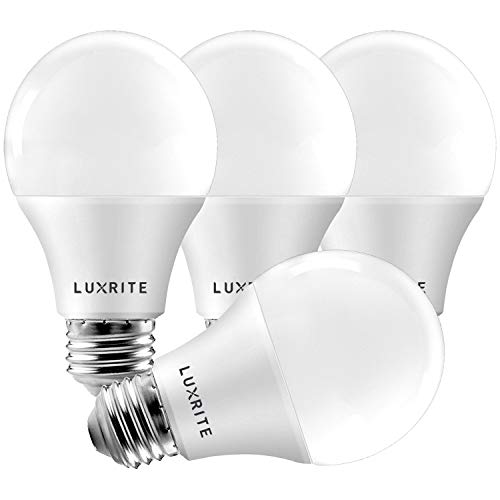
Brightest - Giving you 800 lumens of crisp, quality lighting that is perfect for any atmosphere and brighter than your standard A19 Led bulb. Provide more light to your kitchen, bedroom, living room, office, or any space for brighter home lighting.

Replacement Soft White Bulbs: Make your home more energy efficient with our soft white LED light bulbs; Relax HD Light Bulbs offer a warm, soft white light that is perfect for comfortable moments and cozy spaces

DIMMABLE LIGHTING: Adjust brightness to suit your space with dimmable A19 LED light bulbs. Each bulb provides 800 lm of illumination and is a 60 W incandescent replacement.
Choosing the Right Color Temperature for a Cozy Atmosphere
Color temperature is measured in Kelvin (K). Lower numbers look warmer and more amber; higher numbers look cooler and bluer. For most living rooms, choose 2700K to 3000K. This range is warm enough for comfort while still working well with high-CRI bulbs.
- 2700K: best for a soft, cozy, evening-friendly living room.
- 3000K: still warm, but a little cleaner and crisper for modern interiors, white walls, and task lighting.
- 3500K–4000K: more neutral; useful in work areas, but it can feel too bright or clinical in a relaxed living room.
- 5000K and above: daylight-like and often too stark for cozy seating areas, though it may help in craft, hobby, or color-matching tasks.
The DOE lighting terms guide notes that lower color temperatures around 2700K–3000K are considered warm and that warm light is generally preferred for living spaces because it is flattering to skin tones and clothing. For the most consistent look, avoid mixing 2700K, 3000K, 4000K, and 5000K bulbs in the same open area unless you are using a tunable smart system intentionally.
Pro Tip: Buy one test bulb before replacing every bulb in the room. View it at night, in daylight, with lampshades on, and next to your largest color surfaces, such as the sofa, rug, curtains, and wall paint.
How to Read the LED Bulb Package Before You Buy
The fastest way to avoid the wrong bulb is to read the package like a checklist. The Federal Trade Commission’s Lighting Facts label rules were designed to help shoppers compare brightness, energy cost, life expectancy, light appearance, wattage, and mercury information. For LED bulbs in a living room, pay special attention to these items:
- Lumens: Choose brightness by lumens, not by wattage.
- Light appearance or CCT: Look for 2700K or 3000K for warm white living room light.
- CRI: Choose 90+ when color accuracy matters; 80+ is acceptable for less color-sensitive areas.
- Dimmable: If the lamp or wall switch has a dimmer, the bulb must say it is dimmable.
- Base: Match E26, E12, GU10, GU5.3, or whatever your fixture requires.
- Shape: Match the bulb shape to the fixture and shade.
- Fixture rating: Check whether the bulb is approved for enclosed fixtures, damp locations, or recessed cans if your fixture requires it.
Warning: Never exceed the fixture’s maximum wattage rating, and do not use a non-dimmable LED bulb on a dimmer. For enclosed fixtures, recessed cans, or damp locations, use only bulbs specifically rated for that use.
Recommended Products

ENERGY-EFFICIENT LIGHTING – Replace your old 60W incandescent with this 8.8W LED bulb that delivers the same brightness using up to 85% less energy. With 800 lumens of soft white (2700K) light, this bulb reduces your electricity bill while maintaining the warm glow you love. Perfect for everyday use in table lamps, ceiling fixtures, and wall sconces, it offers reliable illumination without the high energy cost, helping you save money year-round.

5 COLOR TUNABLE - Not sure what color a19 LED bulb you want to use in your lamps or home? Enhance your lighting experience with our LED regular light bulbs, equipped with a 5 color temperature switch. Explore a range of options, including 2700K warm white, 3000K soft white, 3500K natural white, 4000K cool white, and 5000K bright white, to customize your atmosphere with ease. Whether you're aiming for coziness, balance, or a clean white light, this bulb provides to your specific needs.

BRIGHT WHITE 3000K COMFORT LIGHTING – Illuminate your home with warm yet crisp Bright White 3000K light that is ideal for kitchens, living rooms, bedrooms, hallways, and offices. This A19 LED bulb delivers 800 lumens of consistent brightness while using significantly less energy than traditional incandescent bulbs. The balanced color temperature enhances visibility without feeling harsh, creating a welcoming and functional atmosphere perfect for everyday indoor lighting applications.
Finding the Best LED Bulb Shape and Base for Your Fixtures
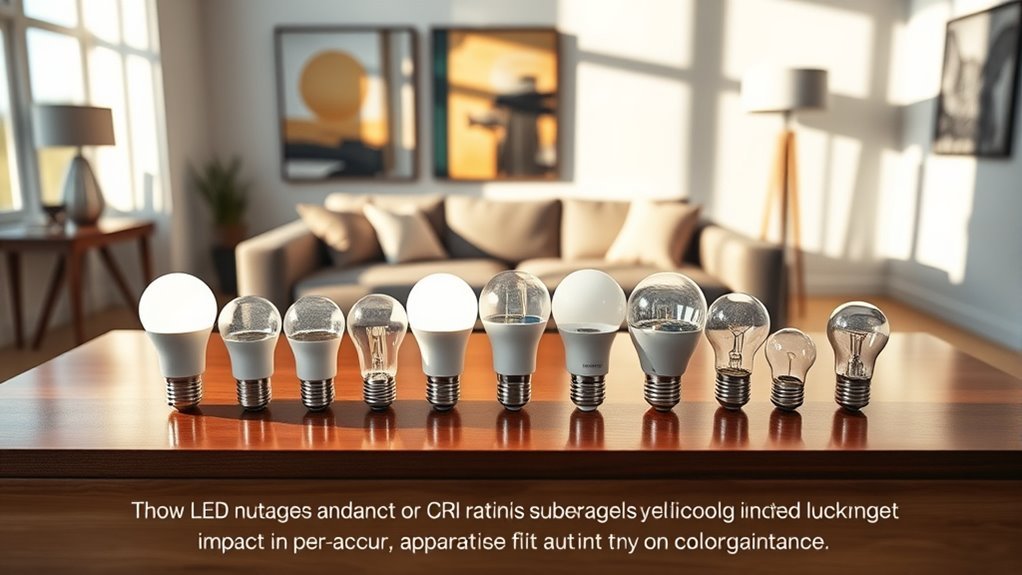
Choosing the right shape and base matters for both appearance and performance. A bulb that is technically bright enough can still look wrong if it sticks out of a shade, throws light in the wrong direction, or does not fit the socket.
- A19: Best for most table lamps, floor lamps, and standard shaded fixtures. In North America, this is commonly paired with an E26 medium screw base.
- BR30: Common for recessed cans and broad flood-style lighting. Use this when you want a wider pool of light on seating, walls, or general room areas.
- G25: A round globe shape for exposed decorative fixtures, vanities, or open lamps where the bulb itself is visible.
- GU10: A twist-lock base often used in track lighting and spot fixtures.
- E12 candelabra: Common in chandeliers, sconces, and decorative living room fixtures.
For a cohesive look, keep bulbs in the same visible fixture family consistent. For example, do not mix frosted and clear bulbs in one chandelier unless the design is intentional. Also avoid mixing noticeably different color temperatures in matching lamps on either side of a sofa.
Recommended Products
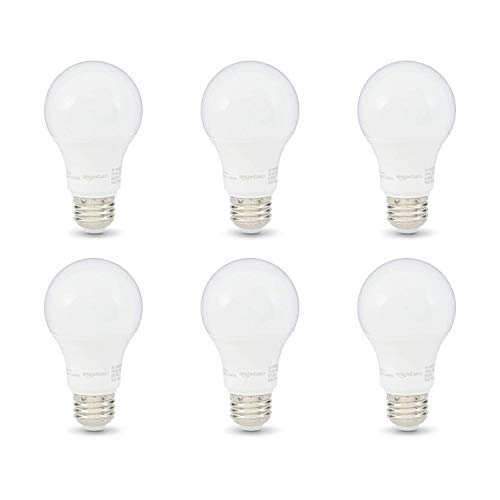
ENERGY EFFICIENT: These 9W LED light bulbs provide the brightness of 60 watt light bulbs, saving $55.87 in energy costs over their lifetime compared to the incandescent equivalent

Efficient LED Bulbs: Ascher pack of 6 units E26 A19 non-dimmable LED light bulbs. Replace 60W incandescent bulb by 6W LED, save over 90% on electricity bill. Note: This E26 LED bulb is not dimmable, please do not use them with dimmer switch

【Classic Vintage Design & Wide Application】Designed based on Thomas Edison's original filament bulb, the vintage retro style making this led bulb also a beautiful decorative lights. Those led bulbs are suitable with chandeliers, ceiling fans, pendant lighting, sconces, lamp post, lanterns or any home lighting fixture with an E26 medium standard base socket. Widely used in bedroom,living room,dinning room, bathroom, laundry room, porch or entryway.
Layering LED Lighting for Better Color and Comfort
A single overhead bulb rarely gives the best color accuracy or comfort. The DOE lighting design guidance recommends matching the amount and quality of light to the function being performed. In a living room, that usually means layering three types of light:
- Ambient lighting: General light from ceiling fixtures, floor lamps, or bounced light that lets the room feel comfortable overall.
- Task lighting: Focused light for reading, games, crafts, puzzles, or working at a side table.
- Accent lighting: Directional light for art, shelving, stone, plants, or architectural details.
For color accuracy, use high-CRI bulbs in every layer that touches visible finishes. If only your table lamps are high CRI but the overhead bulbs are low CRI or much cooler, the room can still feel visually inconsistent.
Testing Lighting for Optimal Color Accuracy and Comfort
Testing lighting in the real room is the step that prevents expensive mistakes. A bulb that looks warm and accurate in the store can look too yellow, too green, too dim, or too harsh once it passes through your lampshade and reflects off your walls.
Use this simple test before replacing every bulb:
- Install one sample bulb in the fixture where you plan to use it.
- Check it at night with the room’s other lights on and off.
- Compare key colors such as sofa fabric, rug colors, wood furniture, wall paint, framed art, and skin tones.
- Look for glare on TV screens, glass frames, glossy tables, and reading surfaces.
- Test dimming if the bulb will be used on a dimmer. Listen for buzzing and watch for flicker.
- Check consistency by comparing it with nearby bulbs in the same room.
If the bulb passes these tests, then buy enough matching bulbs for the rest of the living room. Matching the same brand, model, CRI, CCT, and lumen level helps prevent subtle color differences from one lamp to another.
Troubleshooting: Why Your Living Room Colors Still Look Off
If your living room still looks wrong after switching to LED bulbs, the issue may not be CRI alone. Check these common causes:
- The bulbs are mixed temperatures: Replace mismatched 2700K, 3000K, and 4000K bulbs with one consistent CCT.
- The room is underlit: Add more lumens or more light sources instead of using one overly bright bulb.
- The shade changes the color: Cream, amber, gray, or patterned lampshades can shift the color of the light.
- The bulb has low red rendering: Some bulbs with decent overall CRI may still make reds, wood tones, and skin look flat. Try a higher-quality CRI 90+ bulb from a reputable brand.
- The beam is too narrow: A spotlight-style bulb can create harsh contrast. Use a wider beam for general living room comfort.
- The dimmer is incompatible: Flicker, buzzing, or uneven dimming often means the bulb and dimmer are not matched.
Frequently Asked Questions
What is the best LED color temperature for a living room?
The best LED color temperature for most living rooms is 2700K to 3000K. Choose 2700K for a softer, cozier glow and 3000K for a slightly cleaner warm white that still feels comfortable.
Is 3000K or 4000K better for a living room?
For most living rooms, 3000K is better because it stays warm while looking a little cleaner than 2700K. 4000K can work in task-heavy areas, but it often feels too neutral or cool for relaxed seating spaces.
What is a good CRI for an LED bulb?
A CRI of 80 or higher is acceptable for many indoor residential spaces. For a living room where color accuracy matters, choose CRI 90+. For art, textiles, photography, or detailed color matching, look for premium bulbs with very high CRI and strong red rendering.
Is 3000K or 5000K better for a living room?
For a living room, 3000K is usually better because it gives a warm, inviting light. 5000K is much cooler and more daylight-like, which can feel harsh in a lounge area unless you need bright task light for crafts or color inspection.
How many lumens do I need for a living room lamp?
For many table lamps and floor lamps, 450–800 lumens is a practical range. Use lower lumens for accent lighting and higher lumens for reading or general room light. Larger rooms usually need several light sources rather than one very bright bulb.
Do high-CRI LED bulbs use more energy?
Some high-CRI LEDs may be slightly less efficient than lower-CRI versions, but they are still usually far more efficient than incandescent bulbs. Compare lumens, watts, and yearly energy cost on the package so you can balance color quality and efficiency.
Conclusion
To choose LED bulbs for color accuracy in your living room, start with CRI 90+, choose a warm white 2700K–3000K color temperature, and select lumens based on each fixture’s job. Then confirm the bulb shape, base, dimmer rating, and fixture compatibility before buying a full set. When you test one bulb in the real room first, your paint, furniture, art, rugs, and skin tones are far more likely to look warm, natural, and true to life.
Sources
- U.S. Department of Energy — Lighting Principles and Terms — supports CRI, color temperature, glare, and indoor lighting quality guidance.
- U.S. Department of Energy — Lumens and the Lighting Facts Label — supports using lumens instead of watts and common lumen replacement values.
- U.S. Department of Energy — Lighting Design — supports layered lighting, matching light to function, and wall-color considerations.
- U.S. Department of Energy — LED Lighting — supports LED efficiency, lifetime, light quality, and product-selection guidance.
- Federal Trade Commission — Light Bulb Packaging Labels — supports Lighting Facts label information shoppers should compare.
- U.S. Department of Energy — L Prize Competition Impact Summary — supports high-quality LED performance examples including CRI, CCT, and lumen output.