Last updated: July 7, 2026
To clean a dehumidifier bucket, unplug the unit, remove the tank, empty the water, and wash the bucket with warm water and mild dish soap. Rinse it well, then use distilled white vinegar for odor, slimy film, or mineral residue. Dry the bucket completely before reinstalling it. If you see mold, clean the surface first, then disinfect only if your owner’s manual allows it. Never mix bleach with vinegar, ammonia, hydrogen peroxide, or any other cleaner.
Quick answer
For normal buildup, use warm soapy water and a soft brush. For odor or mineral film, soak the bucket with distilled white vinegar for 10 to 15 minutes, then scrub and rinse. For visible mold on hard plastic, scrub first with detergent and water, then use one disinfecting method only. Dry every surface before the bucket goes back into the machine.
How to Clean a Dehumidifier Bucket
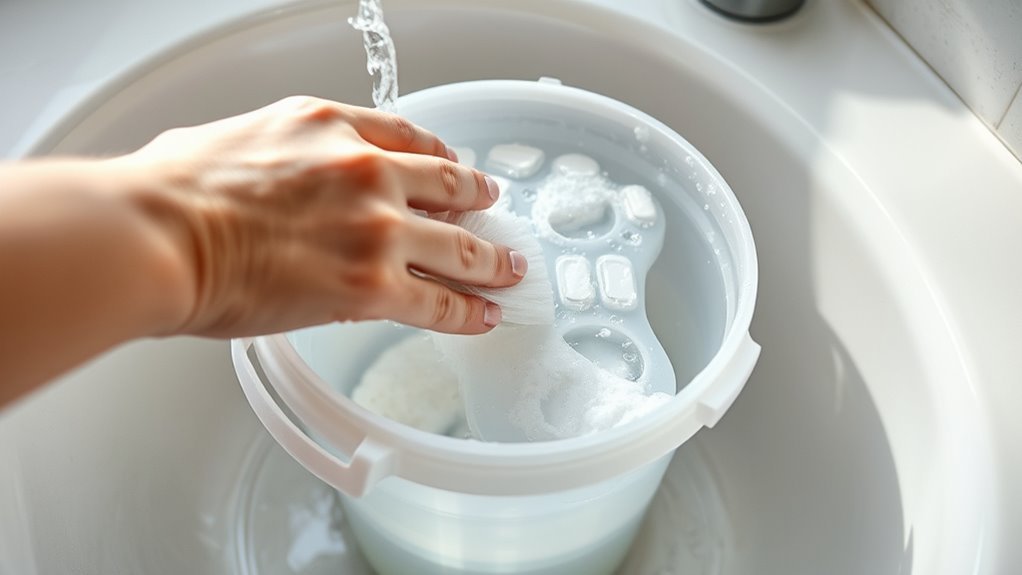
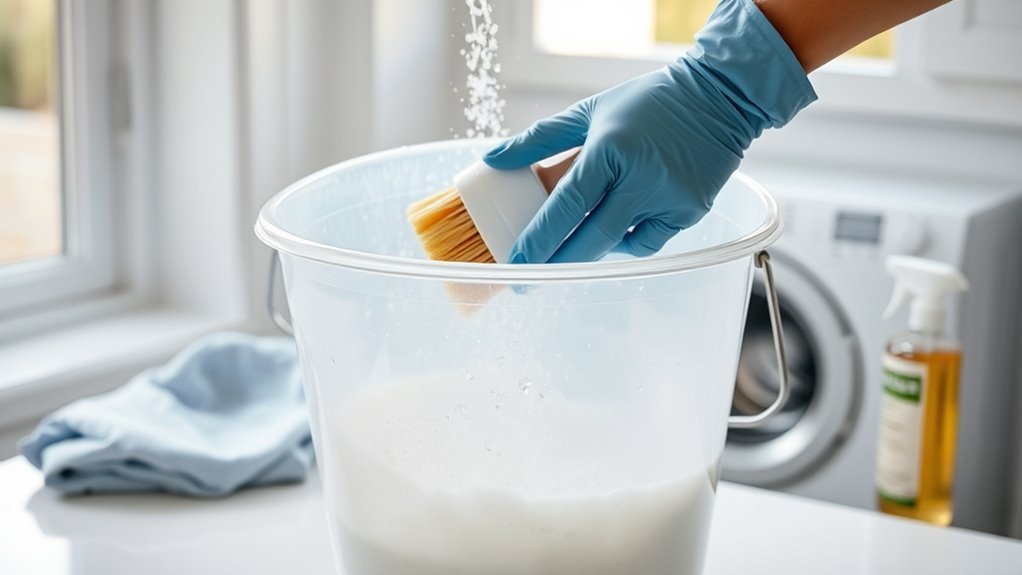
Before you clean the dehumidifier bucket, unplug the unit and remove the water tank. Empty the bucket completely, then rinse out loose residue with warm water. Add a few drops of mild dish soap, fill the bucket partway with warm water, and scrub the walls, bottom, corners, seams, and handle area with a soft sponge or brush.
Rinse until the water runs clear and no soap film remains. If odor, slime, or hard-water film stays behind, use the vinegar method below before you reinstall the bucket. Let the tank air dry fully, because a damp bucket can quickly bring back musty smells. Do not pour water into the dehumidifier body, control panel, fan area, or electrical parts.
Quick Method Guide
| Cleaning need | Use | Dwell time | Safety note |
|---|---|---|---|
| Routine dirt | Warm water and mild dish soap | 15 to 30 minutes for heavy grime | Rinse until no slippery film remains. |
| Odor or mineral film | Distilled white vinegar | 10 to 15 minutes | Rinse well before using any other cleaner. |
| Visible mold on hard plastic | Detergent first, then one approved disinfectant | Follow the product label | Ventilate, wear gloves, and never mix products. |
What You Need to Clean the Bucket
Gather the supplies before you remove the bucket. You do not need harsh abrasives for normal cleaning, and you should avoid metal brushes that can scratch plastic. Scratches can hold residue and make the tank harder to keep clean.
- Warm water
- Mild dish soap
- Distilled white vinegar
- Soft sponge or microfiber cloth
- Soft scrub brush or bottle brush
- Cotton swabs for seams and small channels
- Rubber, nitrile, or vinyl gloves if you see mold or use disinfectant
If your bucket has a float, splash guard, drain cap, or hose fitting, check the owner’s manual before removing small parts. Some pieces look removable but can break if you force them.
Recommended Products
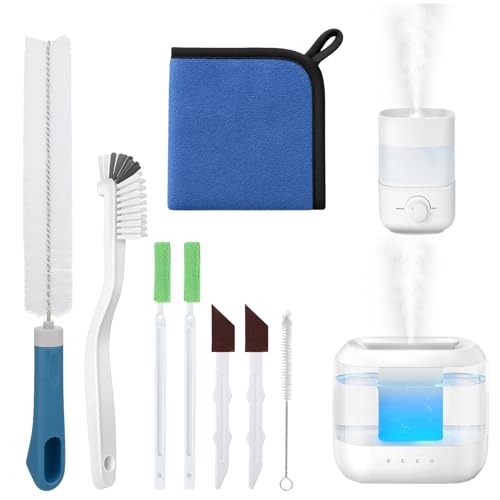
Humidifier Cleaning Solution:Still looking for a cleaning tool that can thoroughly clean your humidifier? Come and try our humidifier cleaning brush set!The nylon brush cleans the stains on the base, the sandpaper brush powerfully removes the severe scale at the bottom, and the long brush can easily reach the air outlet and the interior of the water storage tank, thoroughly cleaning every corner of the humidifier in all aspects, making your humidifier look brand new and more reassuring to use.

【All-in-One Dryer Duct Cleaning Kit】No more running to the hardware store for missing parts. This complete vent cleaning kit includes a heavy-duty dryer vent cleaning brush for 4-inch pipes, a set of flexible nylon rods, a dedicated lint brush, a dryer vent cleaner drill attachment, and protective gloves—everything you need in one box, ready to use right away.

All-in-One Dryer Duct Cleaning Kit — No more running to the hardware store for missing parts. This complete vent cleaning kit includes a heavy-duty dryer vent cleaning brush for 4-inch pipes, a set of flexible nylon rods, a dedicated lint brush, a dryer vent cleaner drill attachment, and protective gloves—everything you need in one box, ready to use right away.
Remove Buildup With Vinegar or Soap
Most dehumidifier bucket buildup comes from stagnant water, dust, household particles, and mineral residue. Start with soap because it removes dirt and film. Use vinegar after that when you need help with odor or mineral deposits.
Recommended Products

Comprehensive Package: this practical 2 pack horse water trough brush offers extended utility for various cleaning needs; Ideal for all equine care tasks from buckets to troughs it delivers enhanced value and versatility in a single purchase

✅ Comfortable soft touch grip
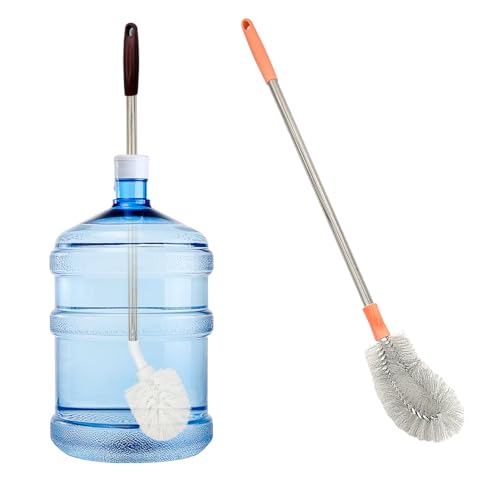
Product Features: Extended lengths of 25 and 28 inches. Easily cleans 5-gallon jugs and is also suitable for cleaning various heights and different neck sizes of buckets and bottles.
Vinegar Soak Method
Pour enough distilled white vinegar into the bucket to wet the dirty areas, or use a 1:1 mix of vinegar and water for lighter residue. Let it sit for 10 to 15 minutes, then scrub with a soft brush. Work along corners, seams, and the bottom channel where slimy buildup often collects.
After scrubbing, rinse the bucket with clean warm water until the vinegar smell is gone. Do not follow vinegar with bleach or hydrogen peroxide unless you have rinsed the bucket thoroughly and allowed fresh air to clear the area. Using one cleaner at a time keeps the process safer and easier to control.
Soap Scrub Routine
For routine cleaning, fill the bucket with warm water and a few drops of mild dish soap. Let it soak for 15 to 30 minutes if residue feels sticky, then scrub with a sponge or soft brush. Use firm pressure, but do not gouge the plastic.
- Fill the bucket with warm soapy water.
- Scrub the walls, bottom, edges, corners, and seams.
- Clean around the float and drain opening without forcing parts.
- Rinse until the water runs clear.
- Air dry the bucket completely before reinstalling it.
Clean Tight Corners and Grooves
Use a bottle brush, soft toothbrush, or long narrow cleaning brush for corners and grooves. These areas hold film because water settles there after you empty the tank. Dip the brush in warm soapy water or vinegar, then move slowly along seams, ridges, and drain channels.
For tiny crevices, use cotton swabs dampened with clean water or vinegar. Avoid sharp tools because they can scratch the bucket or damage small seals. If residue remains, soak the area again instead of scraping harder. Once the buildup loosens, rinse the bucket well and inspect it under bright light before drying.
Use Bleach or Hydrogen Peroxide Safely
Use bleach or hydrogen peroxide only when soap and vinegar are not enough, and only if the dehumidifier manual allows disinfectants on the bucket material. For routine bucket care, soap and vinegar are usually the safer first choices.
Safety warning
Never mix bleach with vinegar, ammonia, hydrogen peroxide, dish detergent, or other cleaners. Use one product, rinse completely, and ventilate the area before switching methods.
If you use household bleach for visible mold on hard plastic, scrub the bucket first with detergent and water. Then dilute bleach according to the product label. If no label direction applies, use no more than 1 cup of household laundry bleach in 1 gallon of water. Wear gloves, open a window, keep the solution away from the machine body, and rinse until no bleach odor remains.
If you use hydrogen peroxide, use it as a separate method, not after vinegar or bleach. Apply it only to the bucket surface, let it sit according to the product label, then rinse and dry the bucket completely. Stop using any disinfectant if the plastic clouds, cracks, discolors, or smells damaged.
Recommended Products

Effective Moisture Control: Helps attract and trap excess moisture to reduce humidity and prevent mold and mildew in closets, basements, bathrooms, RVs, and other damp spaces.

Powerful Moistue Absorption: Camco’s RV Moisture Absorber Bucket effortlessly absorbs 3x its weight in moisture, making it perfect for tackling humidity and creating a comfortable environment.

DETECT EXCESS MOISTURE: Accurately detect and measure excess moisture to determine which rooms need a DampRid Hi-Capacity Moisture Absorber Bucket with the included DampRid Moisture Detection Strip.
Keep the Bucket Cleaner Longer
Empty the bucket whenever it fills, and do not leave standing water in it longer than necessary. Portable dehumidifiers collect moisture in a removable bucket, and many models shut off when the bucket fills. Emptying it promptly reduces stagnant water, odor, and slimy film.
Daily Emptying Routine
During humid weather or basement use, check the bucket at least daily. Remove it carefully, dump the collected water, rinse the inside with warm water, and look for slime, discoloration, or a musty smell. If the bucket feels clean, dry the rim and reinstall it. If it feels slippery, wash it with soap before putting it back.
- Lift out the bucket carefully.
- Empty the collected water.
- Rinse away fresh residue.
- Dry the rim, handle, and outside surfaces.
- Reinstall the bucket only after it seats correctly.
Vinegar Maintenance Soak
Use a vinegar maintenance soak when the bucket starts to smell musty or shows mineral film. Add distilled white vinegar, let it sit for 10 to 15 minutes, then scrub and rinse. This simple soak helps loosen buildup before it hardens into a stubborn layer.
Do not leave vinegar sitting in the bucket for hours unless your manual says the plastic can handle it. Acidic cleaners can affect some materials with long contact time. A short soak, a gentle scrub, and a thorough rinse give you better control.
Prevent Mold And Odor
Bucket cleaning works best when you also control the room’s moisture. Keep indoor relative humidity below 60% when possible, with 30% to 50% as a common target range for mold prevention. Use a hygrometer if your dehumidifier does not show the actual room humidity.
- Empty the bucket before water turns stagnant.
- Wash the bucket when you notice film, odor, or discoloration.
- Keep the air filter clean so dust does not feed residue.
- Check the drain hose if you use continuous drainage.
- Keep the unit away from heavy dust and dirt sources.
How Often Should You Clean a Dehumidifier Bucket?
Clean the bucket whenever you notice odor, slime, cloudy film, or visible mold. As a practical routine, rinse it after emptying during heavy use and wash it with soap every one to two weeks. If the unit runs in a damp basement, laundry area, or dusty room, inspect it more often.
Also clean the bucket before storing the dehumidifier. Empty it, wash it, rinse it, and let it dry completely. Storing the unit with moisture trapped in the tank can leave the bucket smelling musty when you need it again.
Trusted Cleaning and Safety References
For mold and moisture control, the U.S. Environmental Protection Agency recommends controlling moisture, cleaning hard surfaces with detergent and water, and keeping indoor humidity below 60% when possible. The CDC mold guidance also advises keeping home humidity no higher than 50% all day long and never mixing bleach with ammonia or other cleaners. For dehumidifier operation, ENERGY STAR explains that portable dehumidifiers commonly use removable buckets and that 30% to 50% relative humidity is generally considered the optimum range for buildings.
Frequently Asked Questions
Does a Dehumidifier Need to Be Cleaned?
Yes. The bucket, filter, intake grille, and drain parts can collect dust, residue, and moisture. Clean the bucket when it smells musty or feels slimy, and follow the owner’s manual for the filter and other removable parts.
Can You Clean a Dehumidifier Bucket With Vinegar?
Yes, distilled white vinegar can help loosen odor and mineral film from the bucket. Let it sit for 10 to 15 minutes, scrub with a soft brush, then rinse thoroughly. Do not mix vinegar with bleach or hydrogen peroxide.
Can You Use Bleach in a Dehumidifier Bucket?
You can use diluted household bleach only if the manual allows it and you need to disinfect a hard plastic bucket. Clean with soap and water first, ventilate the area, wear gloves, and never mix bleach with other cleaners.
How Often Should I Clean My Dehumidifier Bucket?
Rinse the bucket after frequent emptying and wash it whenever you see residue or smell odor. During daily use, a soap wash every one to two weeks is a practical routine. Clean it before storage so moisture does not sit inside.
Should I Clean the Filter When I Clean the Bucket?
Yes, check the filter while the bucket dries. Most washable filters can be vacuumed or rinsed, but some models use replaceable filters. Follow the model manual, let washable filters dry fully, and never run the unit without the filter installed.
Conclusion
A clean dehumidifier bucket helps prevent musty odor, slimy residue, and mold-friendly standing water. Start with warm water, mild dish soap, and a soft brush. Use vinegar when odor or mineral film remains. Reserve disinfectants for moldy hard surfaces, use one cleaner at a time, and rinse thoroughly.
Before you reinstall the bucket, make sure it is fully dry and seated correctly. Keep checking it during humid weather, and pair bucket cleaning with humidity control, filter care, and safe drainage.