
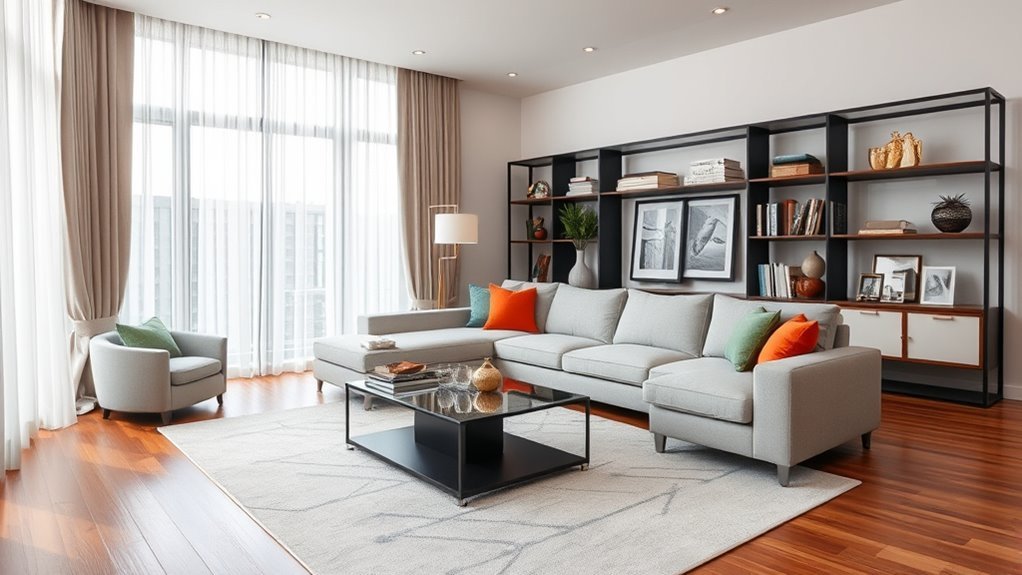
Designing a living room is easier when you treat it like a plan, not a shopping trip. Start with measurements, decide how the room needs to function, choose a style and color palette, then arrange furniture so people can move, talk, relax, and watch TV comfortably. Once the layout works, finish the room with lighting, storage, art, plants, and personal pieces that make it feel like home.
Quick Answer
To design a living room, measure the space first, choose a clear purpose and focal point, pick a color palette, plan lighting, arrange furniture for conversation and traffic flow, then add rugs, storage, art, plants, and personal decor. Keep the design practical before making it decorative.
Key Takeaways
- Measure walls, windows, doors, outlets, ceiling height, and traffic paths before buying furniture.
- Choose one main purpose for the room, such as conversation, family lounging, TV viewing, reading, or entertaining.
- Use design rules like 60-30-10 and the two-thirds sofa rule as flexible starting points, not strict requirements.
- Plan lighting in layers: overhead lighting, task lighting, and accent lighting.
- Anchor tall furniture and TVs, secure cords, and use rug pads to make the room safer.
At a Glance
| Time Required | 2–4 hours for planning; longer if you are shopping, painting, or replacing furniture |
| Difficulty | Beginner to moderate |
| Tools Needed | Tape measure or digital tape measure, notes app, painter’s tape, floor plan app, stud finder, level |
| Cost | Free if rearranging what you own; varies widely if buying furniture, rugs, lighting, paint, or storage |
Step 1: Measure Your Living Room for Effective Design
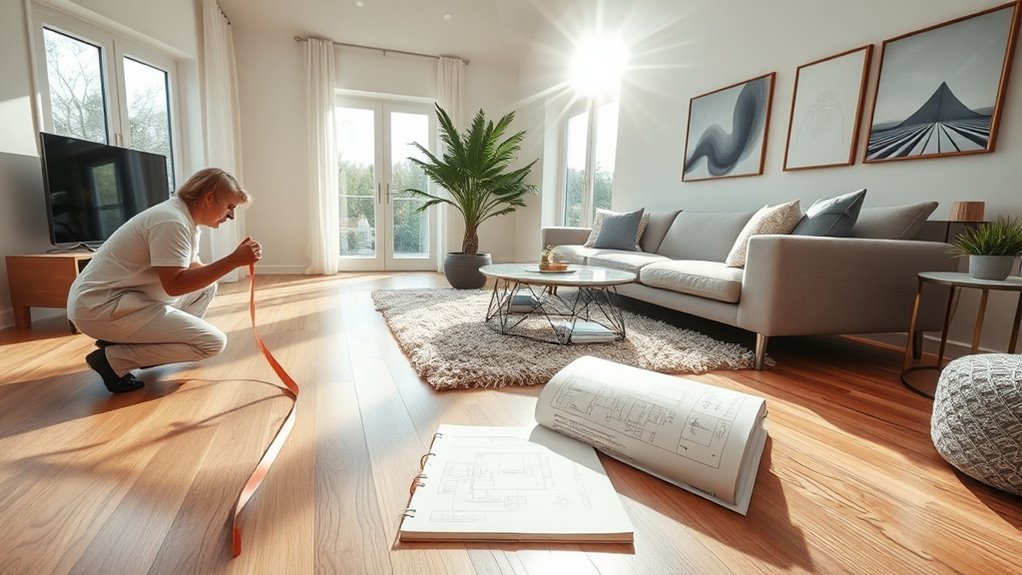
Measuring your living room is the foundation of effective design, because every sofa, chair, rug, lamp, and storage piece needs to fit the actual room, not the room you imagine while shopping. Measure each wall, ceiling height, window, doorway, fireplace, radiator, built-in shelf, outlet, vent, and walkway. Also measure the path into the room, including hallways, stairs, elevator doors, and exterior doors, so large furniture can actually be delivered.
Record the measurements in a notes app or simple room-planning tool. Then mark possible furniture dimensions on the floor with painter’s tape. This helps you see whether a sectional, coffee table, media console, or accent chair will feel comfortable before you spend money.
- Leave about 30–36 inches for main walkways when space allows.
- Use 36 inches as an accessibility-friendly planning benchmark; the U.S. Access Board’s ADA guide uses 36 inches as the minimum continuous clear width for accessible routes in covered public settings.
- Keep smaller secondary paths as open as possible, especially near doors, stairs, and high-traffic routes.
- Choose a sofa that feels proportional to the wall or seating zone. A sofa around two-thirds the length of the main wall is a helpful starting point, not a rule you must follow.
Pro Tip: Before ordering a sofa, tape its full footprint on the floor and live with it for a day. Walk around it, open doors, sit where chairs would go, and check whether the room still feels easy to use.
Step 2: Define Your Living Room Purpose and Focal Point
A beautiful living room can still fail if it does not support the way you live. Before choosing colors or decor, decide what the room needs to do most often. Is it for family movie nights, quiet reading, entertaining guests, kids’ play, work-from-home breaks, or all of the above?
Next, choose one main focal point. This might be a fireplace, large window, artwork, media wall, built-in shelving, or a beautiful sofa. Arrange the largest furniture pieces around that focal point so the room feels intentional instead of scattered.
- For conversation: Face seating toward each other, not only toward the TV.
- For TV viewing: Keep the screen near eye level when seated and test the distance from your main sofa before mounting anything.
- For open-plan spaces: Use a rug, sofa back, console table, or lighting fixture to define the living zone.
- For small rooms: Prioritize fewer, better-scaled pieces instead of filling every corner.
Step 3: Choose Your Ideal Interior Design Style
With your room measurements and purpose in hand, it is easier to choose an interior design style that feels personal and works with your home. Start by saving rooms you genuinely like on Pinterest, Instagram, design blogs, or in a folder on your phone. Look for patterns: repeated colors, furniture shapes, wood tones, rug styles, and lighting choices.
Then compare those ideas with your home’s architecture. A modern farmhouse sofa may look relaxed in a cottage-style home, while a low-profile modern sofa may suit a newer apartment or minimalist space. You can mix styles, but the room needs a few repeated elements to feel cohesive.
Use these anchors to keep mixed styles from looking random:
- Repeat one wood tone across at least two pieces, such as a coffee table and picture frames.
- Repeat one metal finish in lighting, curtain rods, or cabinet hardware.
- Repeat one textile texture in pillows, throws, curtains, or an ottoman.
- Keep large pieces calmer if you like changing decor seasonally.
Step 4: Pick a Color Palette That Works for You
How do you want your living room to feel: calm, cozy, bright, dramatic, earthy, or playful? Start with that mood, then build the palette. A neutral color such as warm white, beige, greige, taupe, soft gray, or cream can create a flexible backdrop. Then choose a main color that reflects your taste, such as blue, green, rust, terracotta, charcoal, or soft pink.
The 60-30-10 rule is a simple way to create balance:
- 60% dominant color, often walls, large rug, or large upholstery
- 30% secondary color, often curtains, accent chairs, wood tones, or larger decor
- 10% accent color, often pillows, art, vases, lamps, or flowers
The 70-20-10 rule is a quieter version. Use it when you want a more subtle, layered room: 70% dominant color, 20% supporting tone, and 10% accent. Both rules are flexible design tools, not strict formulas.
Note: Always test paint, fabric, and rug samples in your living room at morning, afternoon, and evening. Natural light, lamp color, and nearby flooring can make the same color look warm, cool, dull, or bold.
Step 5: Plan Lighting Before Buying Decor
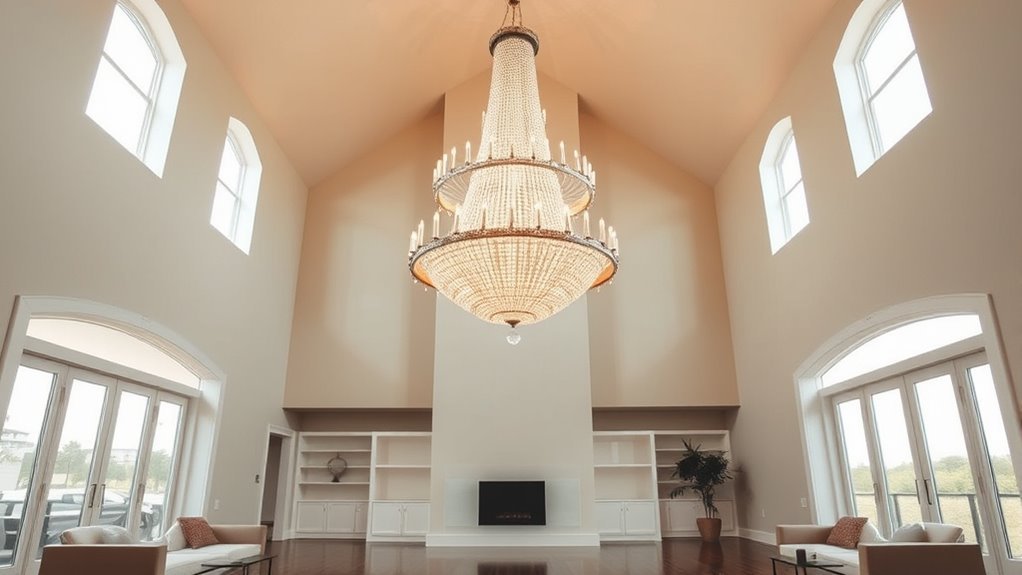
Lighting changes how every color, texture, and piece of furniture looks. A living room usually needs three layers: ambient lighting for general brightness, task lighting for reading or games, and accent lighting for art, shelves, plants, or architectural details.
Use a mix of overhead fixtures, floor lamps, table lamps, wall sconces, picture lights, or LED strips. The U.S. Department of Energy notes that LED lighting can use far less energy and last much longer than traditional incandescent bulbs, so LEDs are usually the best starting point for a modern living room.
- Warm white bulbs create a cozy evening feel.
- Dimmers make the same room work for cleaning, reading, entertaining, and movie nights.
- Floor lamps help balance rooms with no overhead lighting.
- Accent lighting makes shelves, artwork, and textured walls feel more intentional.
Recommended Products

【Contemporary Standing Lamp】The floor lamp for living room is stylish and elegant in appearance and exquisite in craftsmanship. This tall lamp is a work of art that lights up home life and beautifies living room and bedroom. The base fits under most couches, recliners, and chairs, which means you can get light over the sectional without it taking up extra room.

【Super Bright & Save Energy】Yikuneng bright floor lamp used advance high brightness LED, 18W LED floor lamp equivalent to traditional 200W halogen lamp, provide excellent lighting for reading, do homework, working, and breastfeeding without hurting your eyes. Save 90% energy mean save your money on electricity bill.

Super Bright Dual-Head Design & Eye Caring: Our LED floor lamp features an adjustable dual-head design that rotates up to 180°, delivering brighter light and wider coverage than typical floor lamps. Easily switch between broad room illumination or focused task lighting for reading, work, and crafts. It emits soft, flicker-free light with reduced blue light for gentle, even brightness that significantly minimizes eye strain during extended use.
Step 6: Arrange Furniture for Flow, Conversation, and Comfort
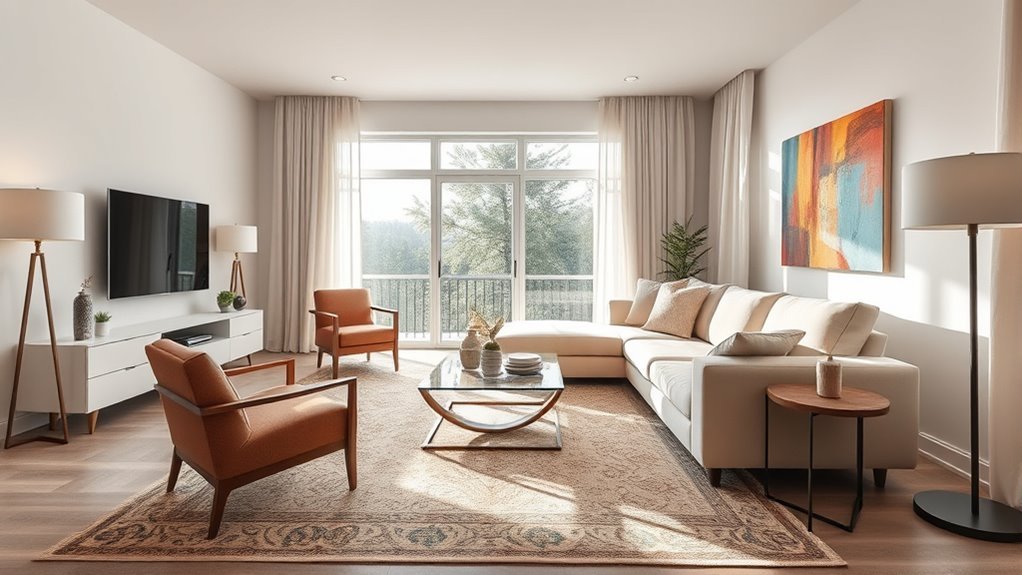
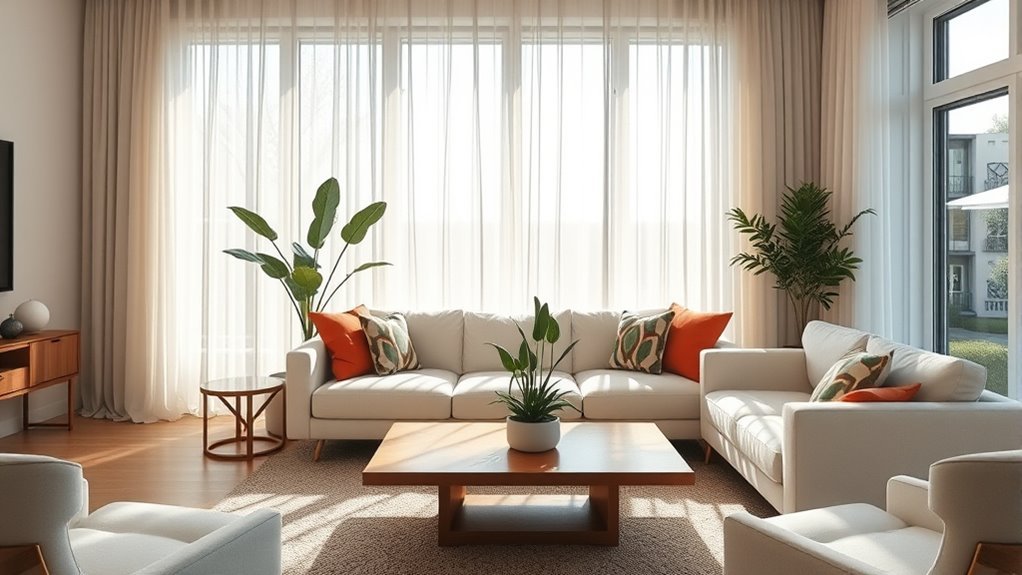
Creating a functional and inviting living room layout requires careful furniture placement. Start with the sofa or largest seating piece, then place chairs, tables, rugs, and storage around it. If the room allows, pull the sofa a few inches away from the wall so the furniture feels intentional and the room can breathe. In a small room, a sofa against the wall may still be the smartest choice.
Use these layout measurements as flexible starting points:
- Keep 14–18 inches between the sofa and coffee table for comfortable reach.
- Keep main seating close enough for conversation, usually within a few feet rather than across the entire room.
- Maintain 30–36 inches on main walkways when possible.
- Place side tables within easy reach of seats that do not have access to the coffee table.
- Test TV distance from the actual sofa before mounting or buying a media console.
Warning: Anchor tall bookcases, cabinets, dressers, and TVs to the wall, especially in homes with children or pets. The U.S. Consumer Product Safety Commission’s Anchor It campaign recommends securing furniture with drawers, doors, and shelves to help prevent tip-over injuries and deaths.
Recommended Products

3-Piece Coordinated Furniture Set: Includes one upholstered armchair, one 2-seater loveseat, and one 3-seater sofa couch, giving you a complete seating arrangement that enhances comfort and style in your living room


1. Miniature Lily Furniture Set, Approx. 1–2 Inches : This miniature furniture set measures approximately 1–2 inches. Please check the size details carefully before purchase to make sure these mini furniture pieces fit your dollhouse, display case, or miniature room decor needs.
Step 7: Choose Rugs, Storage, and Tables at the Right Scale
A rug should make the seating area feel connected. In many living rooms, the front legs of the sofa and chairs should sit on the rug. If the rug is too small, the room can feel chopped up; if it is too large, it may interfere with doors, vents, or walkways.
Storage is just as important as style. Add closed storage for remotes, toys, blankets, games, pet supplies, or chargers. Open shelves are best for a mix of books, baskets, art, and a few decorative pieces. Leave some empty space so the shelves feel styled rather than stuffed.
- Coffee table: Choose one that is roughly proportional to the sofa and easy to reach.
- Side tables: Place them near chairs or sofa ends that need a landing spot for drinks or books.
- Media console: Keep it wider than the TV when possible for better visual balance.
- Baskets and cabinets: Use them to hide everyday clutter without losing warmth.
Recommended Products

【Easy-Care Machine Washable Rug】 Designed for active households, this low-maintenance boho rug combines style with practicality. Conveniently machine washable (cold gentle cycle recommended), and do not add bleach. Maintain its vibrant print between washes with routine vacuuming or spot cleaning. Minor shipping creases naturally relax within days when laid flat – no extra effort needed.

Soft & Durable: This 8x10 area rug low-pile combines soft faux wool fibers with a 0.25-inch height for comfort. Tight weaving reduces shedding and edge fraying, making it perfect for high-traffic areas like living rooms, bedrooms, and entryways

PET FRIENDLY & NON-SLIP BACKING-9x12 area rugs featuring simple of colors while promising a luxurious feel underfoot. The blend of a hexagon pattern and a stylish design. Non-slip TPR backing makes the covering for bringing your space together. Make the most of your time at home with our pet-friendly and easy-to-clean area rugs. Elevate the floors of your home with this show-stopping and detailed rug
Step 8: Add Unique Touches to Personalize Your Living Room
What makes a living room truly feel like home? It is the mix of personal items, texture, art, and small details that reflect your life. Add family photos, travel souvenirs, heirlooms, custom art, handmade cushions, vintage throws, plants, sculptural objects, or books you actually read.
Indoor plants can add shape, softness, and a fresh visual layer, but do not rely on plants as your main indoor air quality strategy. The U.S. Environmental Protection Agency identifies source control, improved ventilation, and filtration as the main ways to improve indoor air quality.
| Personal Items | Unique Textiles | Accent Pieces |
|---|---|---|
| Family Photos | Handmade Cushions | Decorative Books |
| Travel Souvenirs | Vintage Throws | Unique Vases |
| Heirlooms | Textured Rugs | Handcrafted Items |
| Custom Art Pieces | Quilts | Artistic Sculptures |
Common Living Room Design Mistakes to Avoid
Most living room problems come from buying too soon or decorating before the layout works. Use this checklist before you commit to large purchases.
- Buying furniture before measuring: Always check room size and delivery paths first.
- Pushing every piece against the wall: This can make conversation feel distant. Float pieces when space allows.
- Choosing a rug that is too small: A rug should visually connect the seating area.
- Using only one ceiling light: Add lamps and accent lighting for warmth and function.
- Skipping storage: Plan where remotes, blankets, toys, cords, and games will go.
- Hanging art too randomly: Group pieces with a shared color, frame finish, subject, or spacing rhythm.
- Ignoring safety: Anchor tall pieces, secure cords, and use rug pads to reduce slipping or tripping.
Frequently Asked Questions
How do you design a living room step by step?
Start by measuring the room, then define the room’s purpose and focal point. Choose a design style, build a color palette, plan lighting, arrange furniture for flow, choose the right rug and storage, then finish with art, plants, textiles, and personal decor.
What is the 2/3 rule for living rooms?
The 2/3 rule is a flexible proportion guideline. For example, a sofa can be roughly two-thirds the length of the wall or seating zone behind it, and a coffee table can be roughly two-thirds the length of the sofa. Use it as a starting point, then adjust for comfort, doors, walkways, and room shape.
What is the 3-5-7 rule of decorating?
The 3-5-7 rule is a styling guideline that uses odd-numbered groupings of decor. A coffee table, shelf, or mantel often looks more natural with 3, 5, or 7 items arranged at different heights, shapes, and textures. It is not a spacing rule for furniture.
What is the 70-20-10 rule in decorating?
The 70-20-10 rule is a color-balancing method. Use about 70% of one dominant color, 20% of a supporting color, and 10% of an accent color. It creates a calmer look than the 60-30-10 rule and works well when you want a subtle, layered living room.
How much walking space should a living room have?
Aim for about 30–36 inches on main walkways when the room allows. Smaller rooms may need tighter spacing, but doors, stairs, and the main path through the room should stay easy to navigate.
What should you buy first for a living room?
Buy the largest functional pieces first: sofa, rug, main chairs, media console, and storage. After those are placed, add lamps, side tables, pillows, throws, art, plants, and smaller decor.
Conclusion
A well-designed living room begins with function and ends with personality. Once you measure the room, choose a purpose, build a color palette, plan lighting, and arrange furniture for comfortable flow, the decorative choices become much easier. Add personal pieces, texture, storage, and art slowly, and your living room will feel balanced, welcoming, and truly yours.
Sources
- U.S. Access Board — Guide to ADA Accessibility Standards: Chapter 4 Accessible Routes — supports the 36-inch clear-route accessibility benchmark.
- U.S. Consumer Product Safety Commission — Anchor It — supports furniture and TV anchoring safety guidance.
- U.S. Department of Energy — Lighting Choices to Save You Money — supports LED lighting and energy-efficiency guidance.
- U.S. Environmental Protection Agency — Improving Indoor Air Quality — supports the note on source control, ventilation, and filtration.

[…] How to design a living room step by step […]
[…] How to Design a Living Room Step by Step: Step-by-Step Guide […]