

How to Design a Wheelchair-Accessible Living Room
What’s in This Article
- Why Wheelchair Accessibility Matters in Living Rooms
- How to Assess Your Living Room for Wheelchair Access
- Before You Begin: Measurements and Planning
- Essential Modifications for an Accessible Living Room
- How to Select Wheelchair-Accessible Furniture
- How to Create Clear Pathways for Easy Navigation
- Flooring Solutions for Smooth Wheelchair Movement
- How to Install Accessible Controls for Easier Use
- How to Enhance Comfort With Smart Design Choices
- Safety Features to Consider in Your Living Room
- How to Future-Proof Your Living Room for Accessibility
- Common Mistakes to Avoid
- Frequently Asked Questions
- Conclusion
A living room can feel spacious at first glance but still block wheelchair movement in small, frustrating ways. Narrow paths, thick rugs, low outlets, and crowded seating can turn daily use into a challenge. To design a wheelchair-accessible living room, focus on clear routes, reachable controls, safe flooring, and furniture that supports easy transfers.
Quick Answer
Design a wheelchair-accessible living room by keeping main pathways at least 32 inches wide and giving enough room for turns near seating and doors. Choose stable seating with supportive arms, smooth non-slip flooring, reachable storage, and controls placed within seated reach.
Key Takeaways
- Keep clear paths at least 32 inches wide so a wheelchair can move through the room.
- Choose sturdy seating with supportive armrests and a seat height that helps with transfers.
- Use smooth, non-slip flooring and avoid thick rugs that can catch wheels.
- Place switches, outlets, shelves, and daily-use items within seated reach.
- Plan a flexible layout so the room can adapt as mobility needs change.
Why Wheelchair Accessibility Matters in Living Rooms
When you design a living room with wheelchair accessibility in mind, you create a space that supports comfort, safety, and independence. A clear layout helps wheelchair users move without asking others to shift furniture or remove obstacles.
Inclusive design also helps guests, older adults, children, and anyone recovering from injury. Features like adjustable shelves, easy-reach drawers, safe flooring, and open routes make the room more useful for everyone.
How to Assess Your Living Room for Wheelchair Access
Start by measuring your space before you move furniture or buy new pieces. Check doorways, traffic paths, seating areas, outlets, light switches, and flooring.
Look for places where a wheelchair user may need to turn, reach, transfer, or pass another person. These zones often need more open space than a basic walkway.
Space Measurements Evaluation
Measure each doorway and keep a clear opening of at least 32 inches where possible. Main paths through the room should also stay at least 32 inches wide.
Plan for a turning area of about 5 feet in diameter when the room allows it. This space helps a wheelchair user turn without backing into furniture.
Check the height of controls as well. Aim to keep light switches near 48 inches from the floor and outlets near 18 inches from the floor for easier seated access.
Furniture Arrangement Strategies
Place larger furniture against walls when you can. This creates open paths through the center of the room and lowers the risk of bumps or blocked routes.
Choose low-profile furniture styles with stable frames and supportive arms. Keep coffee tables, ottomans, and side tables out of the main travel path.
Anchor tall shelving and cabinets so they don’t tip if someone uses them for light support. Store daily items where a seated person can reach them without strain.
Before You Begin: Measurements and Planning
Estimated total time: 1 to 3 hours for a room review and basic layout plan. Larger changes, such as flooring updates or electrical work, may take longer.
Gather a tape measure, painter’s tape, paper, a pencil, and photos of the room from several angles. Use the tape to mark future pathways and turning areas before moving heavy items.
- Measure each doorway, hallway, and main path.
- Mark a 32-inch path through the room with painter’s tape.
- Check where a wheelchair user would turn, transfer, and reach.
- List any furniture, rugs, cords, or decor that blocks movement.
- Plan changes in order of safety, access, and comfort.
Essential Modifications for an Accessible Living Room
A functional living room starts with safe routes, steady furniture, and easy access to daily items. Focus first on changes that reduce fall risks and remove barriers.
You don’t need to remodel everything at once. Small updates, such as moving furniture or removing loose rugs, can improve access right away.
Recommended Products

Comfy and Cozy: The surface of this velvet tufted swivel chair is wrapped by high-quality velvet fabric, soft and skin-friendly, equipped with comfortable high-density foam cushion and ergonomically designed wrap-around backrest, providing a super comfortable and cozy sitting feeling, the accent chair for living room is designed to create a comfortable and cozy place to relax.

【Elevate Your Workspace with Effortless Adjustability】Our standing - adjustable height side table features a smooth gas spring mechanism, allowing you to switch between sitting and standing with ease. The sturdy C-shaped design securely fits around your bed, couch, or desk, creating a perfect ergonomic setup for your laptop, tablet, or snacks. This small office table is a versatile mobile for your home office, living room, or bedroom
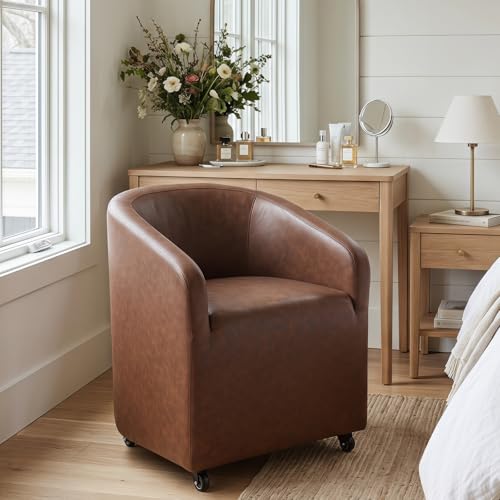
✔️【Roll with It】-These chic dining chairs come with smooth-rolling wheels, making it easy to glide across any surface – yes, even your plush carpet!
Clear Pathways Design
Clear paths help a wheelchair user move through the room without stopping, turning sharply, or asking for help. Use these steps to improve movement:
- Measure pathways and keep them at least 32 inches wide.
- Move furniture against walls to open the center of the room.
- Remove clutter, cords, baskets, and decor from travel routes.
- Choose smooth flooring that does not create wheel resistance.
Use bright, even lighting along these routes. Good lighting helps everyone see edges, corners, and floor changes more clearly.
Accessible Furniture Choices
Choose furniture that supports safe sitting, standing, and transfers. Look for sofas and chairs with a seat height of about 18 to 20 inches, firm cushions, and sturdy armrests.
Rounded corners can reduce injury risk in tight spaces. Modular or sectional sofas can also help you adjust the layout as needs change.
| Furniture Type | Features |
|---|---|
| Low Sofas | Seat height of about 18 to 20 inches |
| Lift Chairs | Power-assisted movement for easier sitting and standing |
| Rounded Edge Furniture | Softer corners for safer navigation |
| Modular Sectionals | Flexible layouts that preserve access |
Warning: Do not rely on unstable furniture for transfers because it can slide, tip, or collapse.
How to Select Wheelchair-Accessible Furniture
Selecting the right furniture for wheelchair accessibility helps you create a safer and more comfortable living room. Use these tips when choosing new pieces:
- Choose sofas and chairs with a seat height of about 18 to 20 inches for easier transfers.
- Pick furniture with sturdy armrests for support when sitting or standing.
- Use sectionals with open layouts when they leave enough room for movement.
- Select pieces with a weight capacity that suits the people who will use them.
Choose upholstery that cleans easily and feels comfortable for long periods. Lighter colors can make the room feel more open, but comfort and safety should guide your final choice.
Recommended Products

ADJUSTABLE HEIGHT FOR A COMFORTABLE FIT – Adjust the overbed table from 23.2" to 36.2" high to suit different beds, sofas and wheelchairs. The 23.6" W × 15.8" D tabletop provides convenient space for meals, reading, writing and laptop use.

This folding card table measures 29.5" in height also making it wheelchair friendly. For indoor and outdoor use

【STRENGTH DURABLE】 The caddy storage bag is made of waterproof fabric and convenient hook and loop tape, durable enough to withstand heavy weight.
How to Create Clear Pathways for Easy Navigation
Clear paths help a living room feel open, calm, and easy to use. They also reduce the need for sharp turns around tables or tight corners.
Maintain Open Spaces
Open space gives wheelchair users more freedom to move and turn. Follow these steps to keep the room clear:
- Keep pathways at least 32 inches wide wherever possible.
- Place large furniture against walls to reduce obstacles.
- Remove decor, baskets, cords, and small tables from travel paths.
- Avoid thick area rugs and loose mats that can block wheels.
Furniture Placement Strategies
Place sofas, chairs, and tables so each seat remains easy to approach. Leave room beside at least one seat for wheelchair parking and transfers.
Use lightweight furniture when you need flexible arrangements. Choose multi-use pieces, such as storage ottomans, only if they don’t block the main route.
| Furniture Type | Placement Strategy |
|---|---|
| Sofas | Place against walls when possible |
| Chairs | Space apart with transfer room nearby |
| Coffee Tables | Keep low and out of main paths |
| Ottomans | Use only where they don’t block access |
| Shelves | Secure to walls and keep items within reach |
Ensure Accessible Storage
Storage should make the room easier to use, not harder to move through. Keep daily items low enough for seated access and away from travel paths.
- Use adjustable shelving so items can sit at reachable heights.
- Place quick-access bins near seating without blocking movement.
- Keep storage furniture against walls to preserve open paths.
- Choose fully extendable drawers so you can reach items at the back.
Flooring Solutions for Smooth Wheelchair Movement
Selecting the right flooring helps a wheelchair move with less effort. Choose flat, smooth flooring such as hardwood, laminate, vinyl, or low-pile carpet.
Avoid thick carpets, uneven tile edges, and loose mats because they can catch wheels or create trip risks. If you use an area rug, secure it with a non-slip pad and keep the edges flat.
Try to keep one continuous flooring surface through the living room. Smooth transitions help prevent jolts and make the space feel easier to use.
Pro tip: Test flooring samples with the wheelchair before you install a full room of new material.
Recommended Products

Machine Washable & Easy to Clean: The surface features water-repellent performance for simple cleanup when drinks spill accidentally, reducing the chance of liquid soaking deep into fibers. You can wipe spills quickly with a towel, remove local stains via spot cleaning with a damp cloth, or regularly vacuum for daily upkeep. The whole rug supports machine washing for deeper cleaning

【Modern Abstract Design】This Ideal size 8x10 area rugs features an irregular, abstract pattern that blends complementary shades in a striking way to create texture & feeling. Its unique design brings personality & flair to your space, enhancing the overall aesthetic of your home.

Tides Series – Effortless style that flows with your life.This modern machine-washable non-slip rug features reinforced edges and a low-pile design that resists dirt. Its water-repellent surface makes spills easy to clean - liquids bead up for quick wiping. Simply machine wash in cold water (no bleach) to refresh. The non-slip backing keeps it securely in place. A perfect blend of function and contemporary design for active homes.
How to Install Accessible Controls for Easier Use
Accessible controls help a wheelchair user manage lights, outlets, media, and temperature without stretching or bending. Place controls where someone can reach them from a seated position.
- Lower light switches and thermostats to about 48 inches from the floor where possible.
- Choose lever-style handles for doors and faucets instead of round knobs.
- Place electrical outlets about 18 inches from the floor for easier access.
- Keep remote controls, smart home devices, and lamp switches within easy reach.
For electrical changes, hire a qualified electrician. This helps protect safety and keeps the work aligned with local code requirements.
How to Enhance Comfort With Smart Design Choices
Comfort comes from more than soft seating. A good accessible design also supports movement, reach, visibility, and social connection.
Arrange seating so people can talk without blocking wheelchair routes. Use adjustable shelves, firm cushions, and bright light to make the room easier to use throughout the day.
| Feature | Benefit | Emotional Impact |
|---|---|---|
| Clear Pathways | Easier navigation | Freedom and ease |
| Adjustable Storage | Better independence | Confidence in access |
| Ergonomic Seating | Comfort for all | Warmth and inclusion |
| LED Lighting | Better visibility | Safety and reassurance |
| Low-Profile Furniture | Easier transfers | Support and control |
Safety Features to Consider in Your Living Room
Safety features help reduce hazards without making the room feel clinical. Focus on clear access, steady support, and easy visibility.
- Pathways: Keep routes at least 32 inches wide where possible.
- Furniture arrangement: Place furniture to reduce sharp turns and blocked paths.
- Flooring: Use smooth, non-slip materials that support steady movement.
- Light switches: Place switches within seated reach when you can.
Add night lights or motion lights if people use the room after dark. Keep emergency exits clear and easy to reach.
How to Future-Proof Your Living Room for Accessibility
Future-proofing helps your living room adapt as mobility needs change. Choose flexible furniture, open layouts, and storage that can shift over time.
Use continuous flooring and avoid built-in obstacles that limit future changes. Plan for easy reorganization before you invest in heavy furniture or major renovations.
Keep room for assistive devices, caregivers, or different wheelchair sizes if needs change later. A flexible plan helps the room stay useful for years.
Common Mistakes to Avoid
Small design choices can create daily barriers. Avoid these common mistakes when you update your living room:
- Buying oversized furniture before measuring wheelchair paths.
- Using thick rugs or loose mats in main travel areas.
- Placing coffee tables too close to seating.
- Mounting shelves or controls outside seated reach.
- Leaving cords, baskets, and decor in pathways.
Note: Local building rules can vary, so check local requirements before major renovation work.
Frequently Asked Questions
How do you design a wheelchair-accessible home?
Design a wheelchair-accessible home by creating wide paths, smooth flooring, reachable controls, and open turning areas. Focus on kitchens, bathrooms, bedrooms, entries, and living spaces first because people use them daily.
What are the 4 principles of accessible design?
The common principles of accessible design include equity, flexibility, simple use, and clear information. In a living room, those ideas mean everyone can enter, move, sit, reach, and use the space with less effort.
How do you design a room for a disabled person?
Start with the person’s daily routines, mobility device, reach range, and comfort needs. Then adjust furniture, pathways, storage, lighting, and controls so the room supports those needs.
What hallway width works best for wheelchair access?
A clear width of at least 32 inches helps many wheelchair users pass through a route. Wider spaces can feel easier to use, especially near turns, doors, and furniture.
How much space does a wheelchair need to turn in a living room?
A turning area of about 5 feet in diameter gives many wheelchair users room to turn more easily. Your exact need may vary based on the wheelchair type and the user’s movement style.
Conclusion
A wheelchair-accessible living room works best when it gives you clear paths, safe transfers, reachable controls, and comfortable seating. Start by measuring the room and removing anything that blocks movement. Then update furniture, flooring, lighting, and storage as your budget allows. With thoughtful choices, you can create a living room that feels welcoming, safe, and easy to use.
References
- 2010 ADA Standards for Accessible Design — U.S. Department of Justice, 2010
- ADA Accessibility Standards — U.S. Access Board
- Disability Impacts All of Us — Centers for Disease Control and Prevention


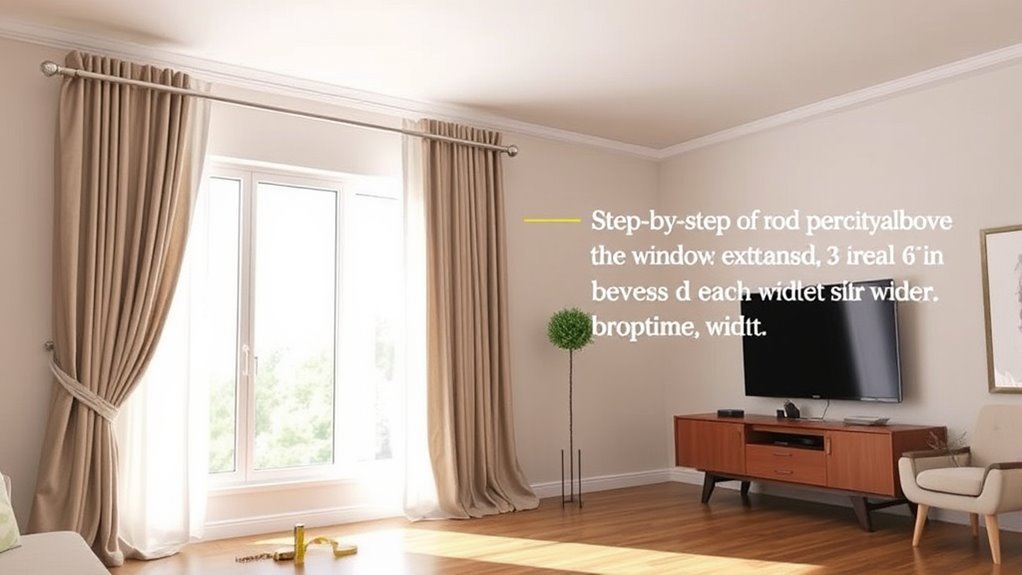


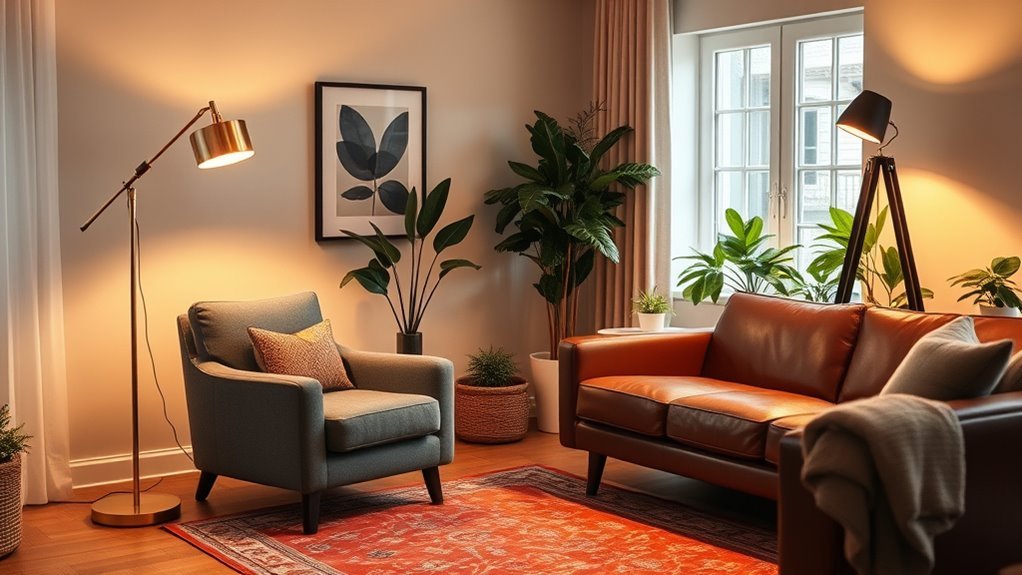

[…] Accessibility Note: The U.S. Access Board uses a 36-inch continuous clear width for accessible routes under ADA standards. A private living room is not automatically governed by that rule, but 36 inches is a useful planning target when wheelchair-friendly circulation matters. Avoid blocking doors, stairs, vents, fireplaces, or main traffic routes. For accessibility-specific planning, see our wheelchair-accessible living room layout guide. […]
[…] There is no single federal furniture-spacing rule for an ordinary private living room. If accessibility is a design goal, the 2010 ADA Standards for Accessible Design use 36 inches as the minimum clear width for accessible walking surfaces in covered facilities, subject to specific exceptions. Treat that as an accessibility benchmark, not a universal decorating rule. For mobility-focused planning, see the wheelchair-accessible living room layout guide. […]