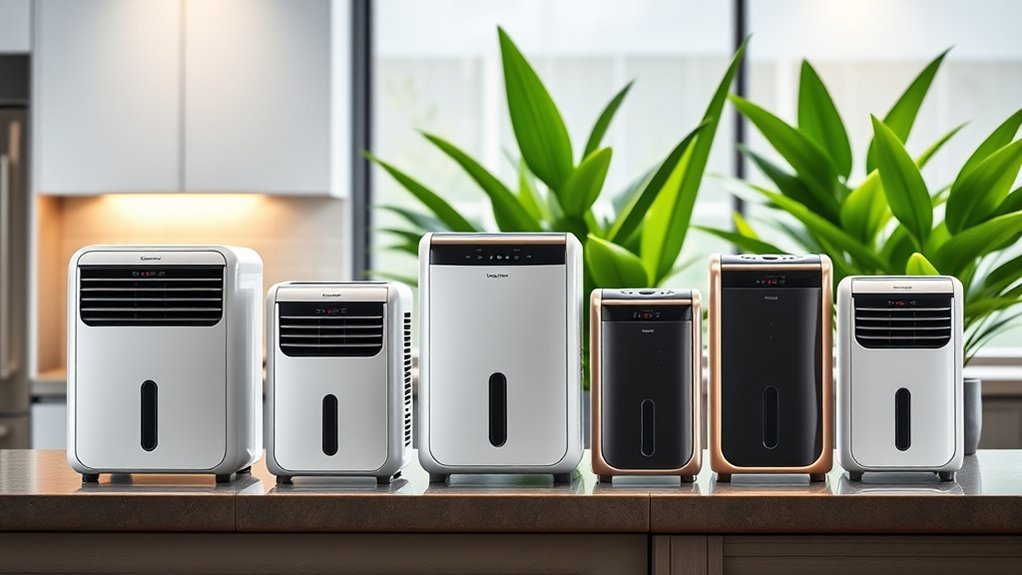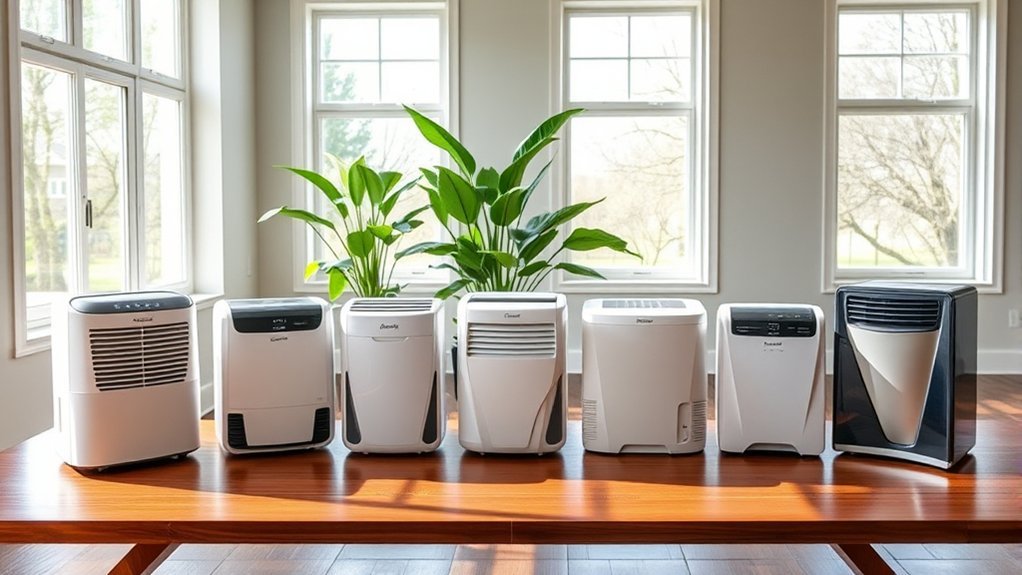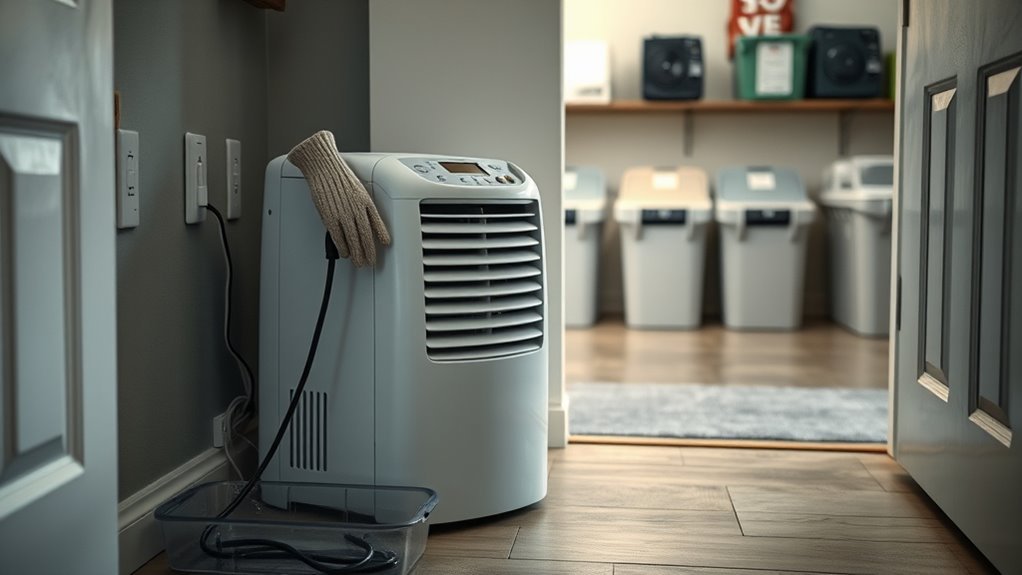
You generally should not put a dehumidifier straight into household trash because it contains a sealed refrigeration system, electronics, metal, plastic, oil, and refrigerant that may require special handling. The safest approach is to unplug and drain the unit, leave its refrigerant circuit intact, check local appliance-disposal rules, and use an approved recycling, utility, municipal, retailer haul-away, or specialty pickup program.
Quick Answer
To dispose of a dehumidifier safely, unplug it, empty the water tank, leave the sealed refrigerant system untouched, and contact your municipality, utility, appliance recycler, or verified pickup service. Refrigerant must be properly recovered before final disposal under U.S. federal rules, but local acceptance methods and fees vary.
Key Takeaways
- Do not cut refrigerant lines, remove the compressor, or intentionally release refrigerant.
- Check your city, county, waste authority, or electric utility first; some programs offer appliance pickup, recycling events, or incentives.
- Older units may use ozone-depleting refrigerants such as R-22, while later units may use HFC refrigerants such as R-410A.
- Retailer policies vary. Never assume a store accepts dehumidifiers without checking its current policy.
- If the dehumidifier still works, check for safety recalls before donating, selling, or continuing to use it.
At a Glance
| Time Required | About 10–20 minutes to prepare the unit, plus drop-off or pickup time |
| Difficulty | Easy for normal preparation; refrigerant recovery is not a homeowner DIY task |
| Tools Needed | Towel, bucket or sink for remaining water, and a phone or computer to confirm local acceptance |
| Cost | Often free through some municipal or utility programs; private pickup and certain disposal programs may charge a fee |
Why Dehumidifiers Don’t Belong in the Trash
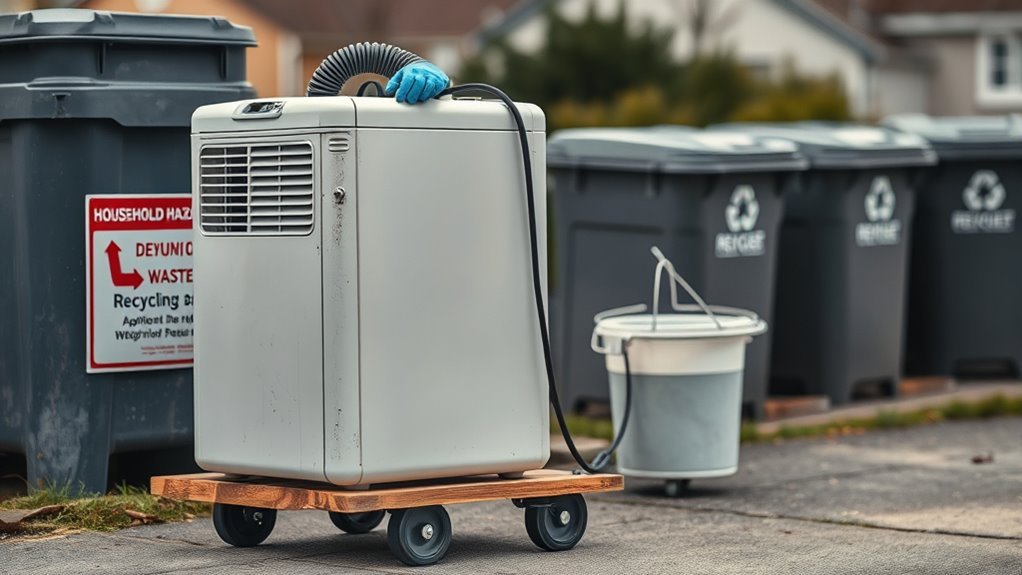
Dehumidifiers are refrigerated appliances, so they need more care at the end of their life than an ordinary plastic household item. According to the U.S. Environmental Protection Agency’s appliance-disposal guidance, older refrigerated appliances may contain ozone-depleting refrigerants, while newer units may use hydrofluorocarbons or other alternatives. Appliances can also contain compressor oil, electronics, and—in some older equipment—components containing substances that require controlled handling.
Proper dehumidifier disposal helps prevent refrigerant emissions while allowing useful materials such as steel, copper, aluminum, wiring, and other durable components to enter recycling streams. EPA notes that appliance recycling normally begins with refrigerant recovery and removal of hazardous components before the evacuated appliance is processed further.
Warning: Do not cut refrigerant tubing, puncture the sealed system, remove the compressor, or intentionally vent refrigerant. EPA specifically advises consumers not to tamper with a refrigerated appliance before disposal.
If the unit still works, reuse may be an option, but first check whether its model has been recalled. The U.S. Consumer Product Safety Commission maintains dehumidifier recall information, including models recalled because of overheating and fire hazards.
Does Your Dehumidifier Contain Freon?
Your dehumidifier’s nameplate or data label should identify its refrigerant. Older equipment may contain refrigerants such as R-22, while many later appliances use HFC refrigerants such as R-410A. “Freon” is often used casually as a generic term for refrigerant, but different refrigerants have different environmental properties.
R-22 is an HCFC and does deplete stratospheric ozone. EPA phased out U.S. production and import of most HCFCs, including new production and import of R-22 for general servicing, as part of the Clean Air Act phaseout program. By contrast, R-410A is an HFC blend. EPA states that HFCs have zero ozone-depletion potential because they contain no chlorine, although many HFCs are potent greenhouse gases. You can review the distinction in EPA’s Class II ozone-depleting substances guidance.
Regardless of which regulated refrigerant your unit contains, do not deliberately release it. Section 608 of the Clean Air Act prohibits intentional venting of ozone-depleting refrigerants and covered substitutes while disposing of refrigeration and air-conditioning equipment.
Note: Federal rules do not mean every person who recovers refrigerant from a small appliance solely for disposal must hold Section 608 technician certification. EPA says people recovering refrigerant from small appliances in the waste stream are not necessarily required to be certified, but approved recovery practices and equipment requirements still apply. For a homeowner, the safest course is to leave the sealed system intact and use a qualified disposal program.
What Parts of a Dehumidifier Are Recyclable?
A dehumidifier contains several materials that may have recycling value, especially metals. The exact recovery process depends on the recycler, so homeowners normally should deliver the complete unit rather than dismantling its refrigeration circuit themselves.
Recyclable Metal Components
Metal components can include steel, aluminum, copper tubing, wiring, compressor components, and metal recovered from electronic assemblies. Copper piping is especially useful as a recyclable nonferrous metal, while the compressor and frame contain substantial metal content. Circuit boards can also contain recoverable metals, including small quantities of precious metals.
However, these materials are most safely recovered after the refrigerant has been properly removed. Do not cut copper tubing or open the compressor simply to separate the scrap metal yourself.
Plastic Housing Parts
The outer cabinet, control-panel pieces, fan components, and water reservoir may contain recyclable plastics. A resin identification code such as #1 or #2 can help identify some plastic types, but the presence of a number does not guarantee that your local curbside program will accept that appliance part.
Most consumers should leave the housing assembled unless the recycling facility specifically asks for certain loose plastic components to be separated. If a facility does request separated plastic parts, empty and clean them first and follow that facility’s sorting instructions.
Electronic And Refrigerant Elements
The control board, wiring, sensors, motor components, compressor, oil, and refrigerant require more specialized processing than an empty water bucket. A recycler that accepts refrigerated appliances can arrange the correct sequence: recover refrigerant, manage regulated components, and then process recyclable materials.
EPA describes appliance recycling as a process that normally includes refrigerant recovery and removal of hazardous components before the evacuated appliance is shredded or otherwise processed. This is why it is better to send the complete appliance through an appropriate program than to strip valuable pieces out of it at home.
Where to Recycle a Dehumidifier Near You
Start with your city, county, or local solid-waste authority. Appliance rules vary by location, and your municipality can tell you whether dehumidifiers belong at a transfer station, appliance-recycling site, special collection event, or scheduled bulky-item pickup.
EPA also recommends checking with your electric utility before paying for disposal. Some utilities operate rebate, bounty, or appliance turn-in programs for qualifying working units. Eligibility may depend on the appliance’s age, condition, size, or the customer’s utility account.
- Municipal programs: Check your city or county waste website for refrigerated-appliance instructions.
- Utility programs: Look for appliance-recycling events, pickup programs, or incentives.
- Retailer services: Verify the exact product and service before visiting. Policies differ by retailer and location.
- Specialty appliance recyclers: Useful when local programs do not accept refrigerated appliances or when you have several units.
- Reuse or donation: Consider this only for a safe, functional unit that is not subject to a recall.
Do not assume that every electronics retailer accepts dehumidifiers. For example, Best Buy’s current electronics and appliance recycling page lists dehumidifiers among products not accepted in its standard in-store home/appliance recycling category. Its separate haul-away programs have their own eligibility rules.
Home Depot currently identifies dehumidifiers as major appliances in its recycling guidance, but advises customers to check available haul-away options when buying a replacement appliance. Service and availability vary by area. Lowe’s standard store recycling centers focus on items such as rechargeable batteries, CFL bulbs, cell phones, plastic bags, and certain planter pots, although local utility-sponsored appliance events may sometimes be hosted at Lowe’s locations.
Pro Tip: Check your electric utility before paying a private recycler. EPA specifically recommends asking about appliance turn-in, rebate, or bounty programs because some utilities will collect qualifying refrigerated appliances or provide an incentive.
How to Prepare a Dehumidifier for Recycling
Preparing a dehumidifier for recycling is simple because you should not dismantle the sealed refrigeration system yourself.
- Check for recalls. If the unit still operates, search the model on the CPSC dehumidifier recall page before donating, selling, transporting, or continuing to use it.
- Unplug the unit. Disconnect it from power before cleaning or moving it.
- Drain all collected water. Empty the bucket and any accessible drain hose so water does not leak during transport.
- Clean loose dirt. Wipe the bucket and accessible exterior surfaces. Remove a washable air filter only if the recycling program asks you to do so.
- Read the data label. Note the model number and refrigerant type because the recycler may ask for them.
- Leave the refrigeration circuit intact. Do not cut tubing, open the compressor, intentionally release gas, or try to recover refrigerant with improvised equipment.
- Confirm acceptance before leaving home. Ask whether the facility accepts dehumidifiers, whether a fee applies, and whether any specific preparation is required.
- Secure the appliance for transport. Keep it stable and protect the tubing and cabinet from damage.
You normally do not need to cut off the power cord or disassemble the plastic housing. If a recycler wants removable accessories separated, follow that facility’s instructions instead of guessing.
Dehumidifier Disposal Laws You Need to Know
For U.S. consumers, two levels of rules matter: federal refrigerant requirements and state or local waste rules.
At the federal level, Clean Air Act Section 608 safe-disposal requirements are designed to prevent refrigerant releases when refrigeration and air-conditioning equipment reaches the waste stream. The final disposer is responsible for ensuring refrigerant has been properly recovered or for obtaining the required verification when recovery occurred earlier in the disposal chain.
For household waste, the Resource Conservation and Recovery Act works differently than the original article suggested. EPA explains that waste generated through normal household activities is generally excluded from federal RCRA Subtitle C hazardous-waste regulation. However, household waste remains subject to state and local solid-waste rules, and states may impose stricter disposal requirements. See EPA’s Household Hazardous Waste guidance for that distinction.
This means you should not assume that curbside trash, bulky collection, scrap-metal yards, or e-waste sites will all treat a dehumidifier the same way. Check the rules where you live.
Note: This article provides general U.S. disposal information, not legal advice. State, county, city, utility, and waste-hauler requirements can be more restrictive than federal minimums.
EPA reports that its Responsible Appliance Disposal partnership processed more than 9 million refrigerated appliances between 2006 and 2025 and recycled about 1.5 billion pounds of metals, plastics, and other durable materials.
How to Recycle a Broken Dehumidifier
A broken dehumidifier can still contain a full refrigerant charge, compressor oil, electronics, copper tubing, and other useful materials. Being broken does not make it safe to dismantle or put directly into a normal recycling bin.
Check local recycling rules first, then unplug, drain, and keep the sealed refrigerant system intact so the unit can be handled safely.
- Check your city, county, or waste authority for refrigerated-appliance disposal instructions.
- Unplug the unit and drain the bucket and accessible hose.
- Leave the compressor and refrigerant lines intact.
- Take the appliance to a program that specifically accepts dehumidifiers or other refrigerant-containing appliances.
- Ask your electric utility whether it operates an appliance recycling or turn-in program.
- Verify any retailer program before making the trip; acceptance differs by retailer, service type, and location.
If you have several broken units, a private appliance-recycling company may offer bulk or scheduled pickup. Ask for the service area, accepted equipment, pricing, refrigerant-handling process, and any recycling documentation you need before booking.
Schedule a Dehumidifier Pickup With EACR Inc
EACR Inc. is one example of a private recycler that currently lists air conditioners and dehumidifiers among the appliances it handles. According to the company’s appliance recycling page, it offers appliance recycling for residential and commercial customers, along with drop-off and pickup options in the United States.
You can contact EACR Inc. at info@EACRinc.com or (732) 370-4100 to ask whether service is available for your location, whether a minimum quantity or fee applies, and how the appliance should be prepared. A private provider is one option; inclusion here does not imply EPA or government endorsement.
Convenient Pickup Scheduling
EACR’s current site provides contact and quote options rather than a guaranteed nationwide instant-booking process for every household. To arrange service:
- Contact EACR Inc. through its website, email, or phone number.
- Provide your location, number of dehumidifiers, and any other appliances involved.
- Confirm whether pickup or a drop-off location is available and ask about fees.
- Follow the company’s preparation and collection instructions.
This is especially useful when a municipal or utility program is unavailable or when you need several appliances removed at one time.
Licensed Recycling Handling
EACR states that it is licensed to accept and recycle a wide range of appliances and provides recycling documentation for qualifying jobs. Its appliance page specifically lists air conditioners and dehumidifiers and says the company handles residential and commercial equipment.
| Step | Benefit |
|---|---|
| Confirm pickup or drop-off | Avoid an unnecessary trip |
| Prepare the unit | Reduce leaks and handling problems |
| Use compliant appliance processing | Ensure refrigerant and regulated components are handled appropriately |
| Recover usable materials | Keep metals and other recoverable materials in circulation |
EACR’s current website states that the company has more than 25 years of recycling experience. Contact info@EACRinc.com or (732) 370-4100 for current service details.
Business-Scale Appliance Removal
Businesses, schools, offices, property managers, and other organizations may need to remove multiple dehumidifiers or other appliances at once. EACR states that it provides scheduled and bulk pickup options for commercial customers and can issue a Certificate of Recycling for qualifying jobs.
- Call (732) 370-4100 or email info@EACRinc.com.
- Give the number, type, and location of the appliances.
- Request current pickup availability, pricing, and preparation requirements.
- Ask what recycling or compliance documentation will be provided for your records.
For large quantities, confirming these details before collection is more useful than assuming a residential drop-off program can accept the load.
Frequently Asked Questions
Can You Just Throw Away a Dehumidifier?
Do not assume you can place a dehumidifier in ordinary household trash. It contains a refrigeration system, and federal rules require proper refrigerant recovery before final disposal. Your municipality may direct you to bulky-item collection, an appliance recycler, a transfer station, or another approved program. Always check local rules first.
Should You Use a Dehumidifier if You Have COPD?
A dehumidifier may help control excessive indoor humidity, and high humidity can trigger symptoms for some people with COPD. EPA generally recommends indoor relative humidity around 30–50%, while the American Lung Association lists high humidity among possible COPD triggers. However, COPD needs vary by person, so ask your healthcare professional about the best indoor conditions for you and keep the appliance clean to avoid mold or microbial growth.
Does Home Depot Dispose of Dehumidifiers?
Home Depot currently lists dehumidifiers among major appliances in its recycling guidance and recommends checking available haul-away options when purchasing a replacement appliance. Haul-away service and product eligibility vary by area, so confirm the service for your ZIP code and purchase before bringing or leaving an old dehumidifier.
Does Best Buy Recycle Dehumidifiers?
Do not take a dehumidifier to Best Buy’s normal in-store recycling counter without checking first. Best Buy’s current U.S. recycling page lists dehumidifiers among products not accepted in its standard in-store home and appliance recycling category. Separate haul-away services have different eligibility rules, so verify the current policy before scheduling anything.
Can You Remove Dehumidifier Refrigerant Yourself?
A homeowner should not cut lines, puncture the system, or intentionally vent refrigerant. EPA has specific requirements for refrigerant recovery equipment and disposal-chain verification. The simplest and safest consumer option is to leave the refrigeration circuit intact and take the complete appliance to a program that handles refrigerant-containing equipment.
How Do You Dispose of a Household Dehumidifier?
Unplug the dehumidifier, drain the water, check the model for recalls, note the refrigerant shown on its label, and leave the sealed cooling system intact. Then contact your municipality or utility for an approved appliance-recycling option. If no local program is available, use a verified private appliance recycler or eligible haul-away service.
Conclusion
Safe dehumidifier disposal comes down to a few practical steps: unplug and drain the unit, check its model and refrigerant label, make sure it is not subject to a safety recall, and leave the sealed cooling system intact. Then confirm an approved local recycling, utility, haul-away, or private pickup option before transporting it.
The most important mistake to avoid is opening the refrigerant circuit yourself or assuming that any electronics recycler or big-box store will accept the appliance. Policies vary, while federal refrigerant requirements and local waste rules still apply. A quick call or online check before disposal can prevent an unnecessary trip and help the unit’s recoverable materials enter the correct recycling stream.
Sources
- U.S. EPA — Appliance Disposal — consumer disposal options, refrigerant recovery, hazardous components, and appliance recycling.
- U.S. EPA — Stationary Refrigeration Safe Disposal Requirements — Section 608 disposal responsibility, recovery equipment, and certification rules.
- U.S. EPA — Phaseout of Class II Ozone-Depleting Substances — R-22, HCFCs, and the zero ozone-depletion potential of HFC refrigerants.
- U.S. EPA — Household Hazardous Waste — federal household-waste exclusion and state/local regulation.
- U.S. Consumer Product Safety Commission — Dehumidifier Recalls — model and fire-safety recall information.
- American Lung Association — Prevent a COPD Flare-Up — environmental triggers including high humidity.