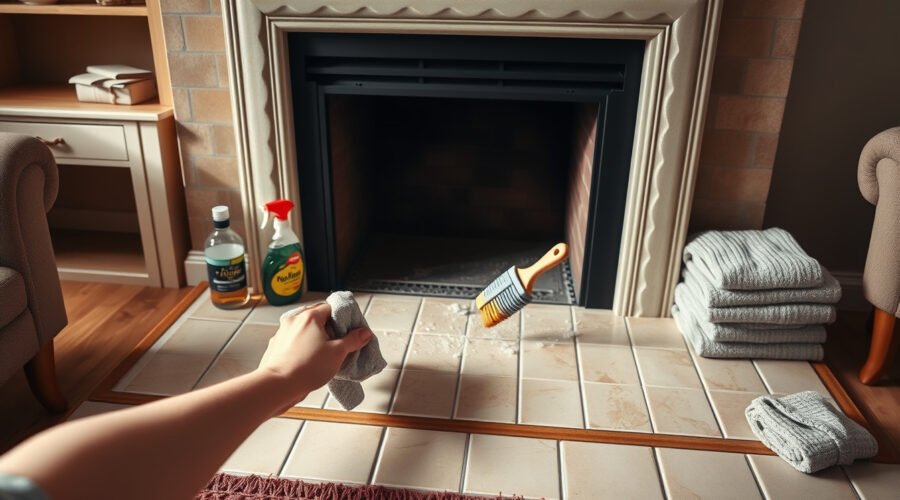
To maintain the grout and tile around your living room fireplace, use a simple routine: remove dust, ash, and grit often; clean with the right pH-neutral cleaner for your tile type; keep water out of grout lines; and inspect the area for cracks, loose tile, stains, and heat damage. Fireplace tile faces more than ordinary foot traffic—it can collect soot, ash, and warmth from the firebox—so safe cleaning and timely repairs matter.
Quick Answer
Sweep or vacuum fireplace tile regularly, blot spills right away, and clean weekly with a pH-neutral cleaner and a lightly damp microfiber mop. Deep-clean grout monthly as needed, test the sealer with a few drops of water, and reseal only when the grout absorbs moisture or the sealer manufacturer recommends it.
Key Takeaways
- Use pH-neutral cleaners for routine tile and grout care, especially if the fireplace surround includes natural stone.
- Avoid soaking grout; too much water can work into porous grout lines and worsen staining or moisture problems.
- Do not automatically reseal every month. Inspect monthly and reseal only when water absorbs into the grout or the product directions call for it.
- Use heat-rated grout, caulk, mortar, or repair materials anywhere exposed to fireplace heat.
At a Glance
| Time Required | 2–5 minutes daily, 10–15 minutes weekly, and 20–30 minutes for monthly deep cleaning |
| Difficulty | Easy for routine cleaning; moderate if resealing grout or repairing small cracks |
| Tools Needed | Soft broom, vacuum with brush attachment, microfiber mop, soft cloths, pH-neutral cleaner, soft grout brush, grout sealer if needed, and heat-rated repair product for fireplace-adjacent cracks |
| Cost | Usually $0–$35 for basic DIY cleaning supplies; professional tile, grout, or fireplace repairs vary by condition and location |
Why You Should Care About Grout and Tile
Caring for the grout and tile around your fireplace protects more than the look of the room. Grout can be porous, which means soot, dust, spills, and dirty mop water can settle into the lines and make them harder to clean later. Regular care also helps you spot small problems—like hairline cracks, loose tile, worn sealer, or discoloration—before they turn into larger repairs.
The right cleaning method depends on the surface. Ceramic and porcelain tile are usually more forgiving, while natural stone such as marble, limestone, slate, granite, or travertine needs gentler care. The Natural Stone Institute recommends neutral cleaners, stone soap, or mild dishwashing detergent for stone and warns that products containing lemon, vinegar, or other acids may dull or etch some stone surfaces.
Warning: Never clean fireplace tile while the firebox, hearth, ashes, or surrounding materials are still hot. Let ashes cool completely, avoid breathing ash dust, and use a metal ash container or fireplace-rated ash vacuum when ash removal is needed.
Daily Cleaning Habits for Grout and Tile
Daily care does not need to be complicated. The goal is to remove gritty debris before it scratches tile or settles into grout lines.
Regular Sweeping Routine
Sweep the tile with a soft broom or vacuum it with a brush attachment. Pay close attention to the area directly in front of the firebox, where ash, soot, wood chips, and dust collect. If you have natural stone, make sure vacuum wheels or attachments are clean and not worn, because rough edges can scratch softer stone finishes.
After sweeping, run a dry microfiber mop over the tile to pick up fine dust. This is especially helpful around darker grout lines, textured tile, and uneven stone, where fine particles can hide.
Immediate Spill Cleanup
Blot spills as soon as they happen. Use a paper towel or microfiber cloth and press down gently instead of wiping the spill across the grout. If the spill is sticky, use a small amount of warm water and pH-neutral cleaner, then rinse with a clean damp cloth and dry the area fully.
- Blot liquid spills instead of spreading them.
- Remove wood chips, ash, and grit before they get stepped into grout lines.
- Check the high-traffic edge in front of the fireplace for dullness, stains, or loose grout.
Weekly Grout and Tile Maintenance Practices
A weekly clean keeps the fireplace surround from looking dusty or smoky and helps protect grout from buildup.
Recommended Products

Maintains polish without stripping protective coating

Interior & Exterior Use

Daily Cleaner - cleans everyday messes
Choose the Right Cleaner
Use a pH-neutral cleaner for routine cleaning. Mild dish soap diluted in warm water can work for many ceramic and porcelain surfaces, but natural stone should be cleaned with a stone-safe neutral cleaner or stone soap. Avoid vinegar, lemon juice, acidic bathroom cleaners, harsh scouring powders, and metal brushes, especially on stone or sealed grout.
For grout, the Tile Council of North America expert cited by Architectural Digest explains that cleaners generally fall into neutral, alkaline, and acidic categories. Neutral cleaners are the safest starting point for routine maintenance, while harsh cleaners should be used cautiously because they can wear down sealers over time.
Mop With Minimal Water
Mop with a lightly damp microfiber mop, not a soaking wet one. Too much water can leave dirty residue in grout lines and may worsen moisture issues if the grout is cracked, unsealed, or already stained. After mopping, dry the area with a clean towel so water does not sit near the fireplace edge or grout joints.
Inspect Grout Lines
Once a week, look for cracks, missing grout, loose tile, white powdery residue, dark staining, or areas that stay damp longer than the surrounding tile. These signs can point to worn sealer, moisture movement, soot staining, or installation issues.
Pro Tip: Keep a small “fireplace tile kit” nearby with a soft brush, microfiber cloth, and neutral cleaner. Fast touch-ups prevent ash and grit from being tracked across the room.
Monthly Deep Cleaning for Grout and Tile: Techniques for Tough Stains
A monthly deep clean is useful for soot marks, dark grout lines, and tracked-in dirt. Use the gentlest method that works for your tile type.
- Start dry. Sweep or vacuum first so you are not turning ash and grit into muddy residue.
- Clean the tile surface. Use a pH-neutral cleaner and a microfiber mop or soft cloth. Rinse with a clean damp cloth and dry thoroughly.
- Scrub grout gently. For cement-based grout between ceramic or porcelain tile, make a paste of baking soda and water, apply it to the grout lines, let it sit for about 5–10 minutes, then scrub with a soft grout brush. Rinse well and dry.
- Use stone-safe care for natural stone. If the fireplace surround includes marble, limestone, travertine, slate, granite, or another stone, skip abrasive pastes unless your stone supplier says they are safe. Use a stone-safe cleaner or ask a stone professional about a poultice for deep stains.
- Check the sealer. Place a few drops of water on a clean grout line. If the water beads up, the sealer is likely still working. If the grout darkens or absorbs water quickly, it may be time to reseal.
Note: Steam cleaning can damage old, cracked, unsealed, or weakened grout. If you use steam, reserve it for sound, sealed grout and avoid it on natural stone unless the tile or stone manufacturer approves it.
Recommended Products

Ideal for cleaning grout, shower door tracks, sink fixtures and more

V Shape Design: V grout cleaner brush fits precisely into each groove, and reaches deeply into narrow joints. The three-row design also cleaning the area next to the grout

2-in-1 benefits clean while protecting grout from water, dirt and grime
Grout Sealer and Fireplace Areas: When to Reseal
Do not reseal grout automatically every month. Instead, inspect monthly and reseal only when the grout needs it. Cement-based grout often benefits from sealing because it can absorb moisture and stains. Epoxy grout and some newer premixed grouts may not need the same type of sealer, so always check the grout manufacturer’s directions.
Use the water-drop test after deep cleaning and drying the area. If water soaks in or darkens the grout, apply a compatible grout sealer according to the product label. High-traffic fireplace areas may need resealing more often than low-traffic areas, but the best timing depends on the product, the grout type, cleaning habits, and wear.
Sealer helps grout resist stains; it does not make grout stain-proof. Clean spills quickly even after sealing.
Recommended Products

Convenient applicator bottle included; applicator tip
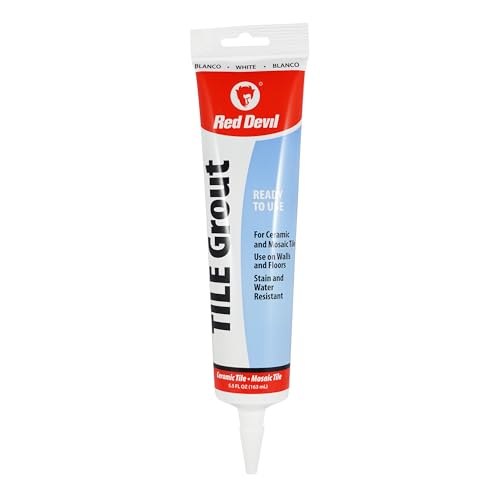
EXCELLENT ADHESION: Adheres to all types of ceramic & mosaic tile

On very porous surfaces like Travertine, use 511 Porous Plus.
Avoid These Common Grout and Tile Maintenance Mistakes
Many grout and tile problems come from using too much water, the wrong cleaner, or the wrong repair product near fireplace heat.
Overusing Water While Mopping
A soaking wet mop can push dirty water into grout lines. Use a lightly damp mop, change rinse water often, and dry the surface after cleaning. If an area repeatedly looks damp, dark, or musty, treat it as a moisture problem rather than a cleaning problem.
Using Acidic or Abrasive Cleaners
Vinegar, lemon juice, acidic bathroom cleaners, scouring powders, and stiff metal brushes can damage stone, dull finishes, scratch tile, or weaken grout sealer. Never mix bleach with ammonia or other cleaners. If mold is present, the U.S. Environmental Protection Agency recommends fixing the moisture source, cleaning hard surfaces with detergent and water, and drying completely.
Skipping Regular Sealant Checks
Grout sealer wears down over time, especially in high-traffic areas. Skipping sealer checks can leave cement-based grout more vulnerable to staining. Use the water-drop test after monthly deep cleaning and reseal only when the grout absorbs water or when the sealer label recommends reapplication.
Neglecting High-Traffic Areas
The strip of tile directly in front of the fireplace usually gets the most dirt, shoe traffic, ash, and wood debris. Clean this area first, inspect it weekly, and repair missing grout before moisture or soot can work deeper into the joint.
Using Non-Heat-Rated Repair Products
Do not patch gaps near the firebox with ordinary household caulk or filler unless the product is rated for the temperature and location. Fireplace-adjacent grout, caulk, adhesive, or mortar should match the heat exposure of the area. A Better Homes & Gardens fireplace tiling guide warns that the wrong grout or caulk near heat or an open flame can lead to failure and safety concerns.
When to Seek Professional Help for Grout and Tile Issues
Call a tile, stone, or fireplace professional if you notice extensive cracking, loose tile, recurring dark stains, heat damage, crumbling grout, smoke staining that will not lift, or white powdery residue that keeps returning after dry cleaning. These can signal moisture movement, poor bonding, worn grout, or fireplace-related damage.
For mold, use the EPA’s general rule: small areas under about 10 square feet can often be cleaned by homeowners when there is no major water damage, but larger areas, sewage-contaminated water, hidden mold, HVAC contamination, or health concerns call for professional help. For wood-burning fireplaces, schedule regular fireplace and chimney inspection and cleaning as recommended by qualified fireplace professionals.
Frequently Asked Questions
How do you clean grout around a fireplace?
Start by sweeping or vacuuming ash, dust, and grit. Clean the tile with a pH-neutral cleaner, then scrub cement-based grout gently with a soft grout brush. For ceramic or porcelain tile, a baking soda and water paste can help with dingy grout. For natural stone, use a stone-safe cleaner instead.
How do you care for tile and grout around a fireplace?
Sweep often, blot spills immediately, mop weekly with minimal water, and deep-clean grout monthly as needed. Check grout sealer with the water-drop test and reseal only when the grout absorbs water or the product directions recommend it.
Do you need special grout for fireplaces?
You may need heat-rated grout, mortar, adhesive, or caulk in areas exposed to fireplace heat, especially near the firebox or open flame. Decorative tile farther from heat may not require the same product. Always check the grout and fireplace material manufacturer’s temperature rating.
Can you use vinegar on fireplace tile grout?
Avoid vinegar as a routine grout cleaner. It can damage natural stone and may weaken unsealed or damaged grout over time. A pH-neutral cleaner is the safer starting point for routine fireplace tile maintenance.
How often should grout around a fireplace be sealed?
Check it monthly, but do not automatically reseal monthly. After cleaning and drying the grout, place a few drops of water on the line. If water beads, the sealer is still working. If the grout darkens or absorbs water, reseal with a compatible product.
Conclusion
Maintaining grout and tile around your living room fireplace comes down to steady, gentle care. Sweep away ash and grit, clean weekly with a pH-neutral cleaner, use minimal water, deep-clean grout only with methods that match your tile type, and check the sealer before applying more. Stay alert for cracks, loose tile, persistent mold, soot staining, or heat damage, and bring in a professional when the problem goes beyond routine cleaning.
Sources
- U.S. Environmental Protection Agency: A Brief Guide to Mold, Moisture and Your Home — moisture control, mold cleanup, drying, and professional-help thresholds.
- Natural Stone Institute: Care & Cleaning of Natural Stone — neutral cleaners, acid warnings, stone care, and sealing guidance.
- Architectural Digest: How to Clean Grout — grout cleaner categories and sealer-wear considerations, citing Tile Council of North America expertise.
- Better Homes & Gardens: Fireplace Tiling Mistakes — heat-resistant grout, caulk, adhesive, and fireplace tile installation cautions.
- Real Simple: How to Clean a Fireplace — fireplace cleaning, annual inspection references, and creosote-related safety context.